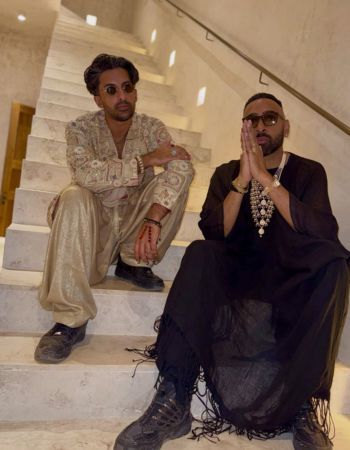
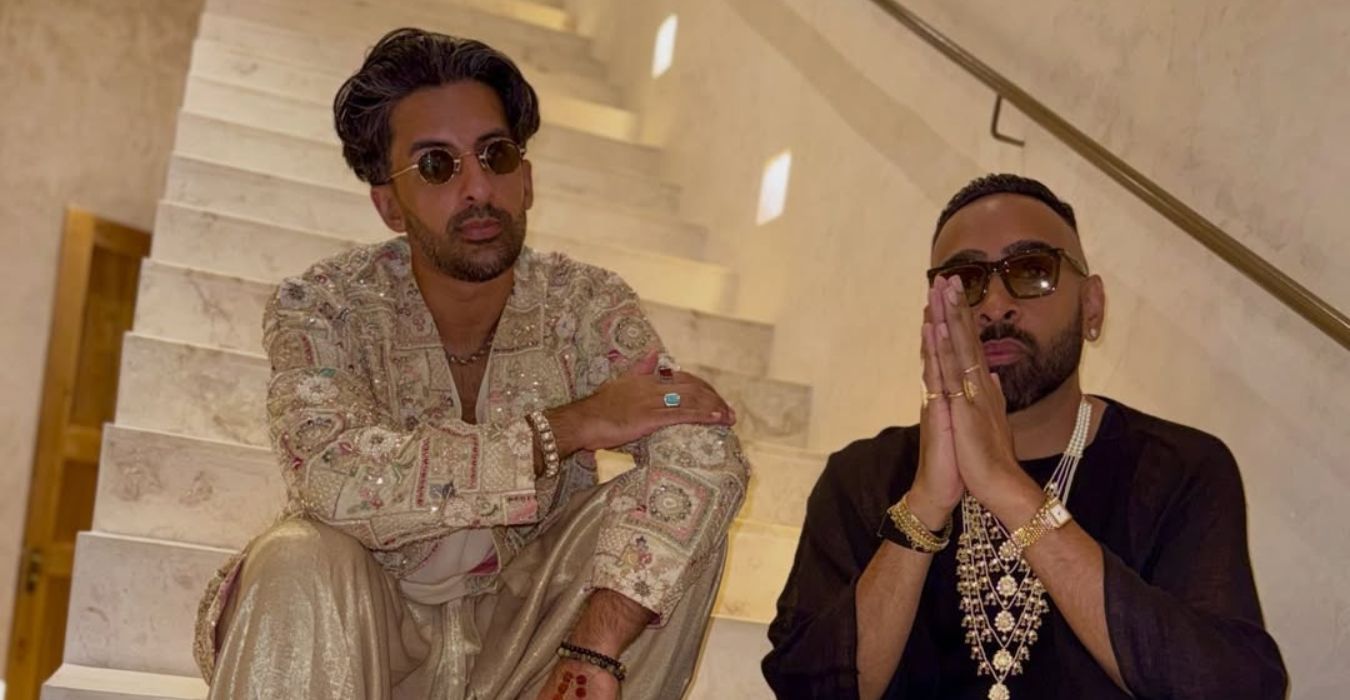
For Kunal Merchant and Armaan Gupta (aka Kahani), the duo behind New York-based Indo Warehouse, the idea of creating an eclectic fusion of electronic, dance-oriented beats and South Asian elements was less of a plan and more of a happy accident. Growing up in diasporic families in the United States, Bollywood hits, Punjabi folks, and Qawwali formed the background music of their lives at home. But once they left home, the sound of hip-hop, dance music, and pop would take centrestage. Most of their lives were spent navigating this cultural dichotomy of east and west, a sound that’s popular in their home, the United States, and another that was popular in their parents’ home, India. The desire to bridge this gap and put the South Asian culture on the global map led Kahani to quit his career in tech and start working on electronic music. Few shows later, Kahani joined hands with Kunal, who was also driven by the same mission, and that’s how Indo Warehouse was born. It’s been five years since their inception, still a fledgling career but marked with too many highs, like becoming the first South Asian electronic act to play at Coachella, perform to a jam-packed crowd in London’s Roadhouse Blues, and multiple tours to India, where responses have been extraordinary.
We caught up with Kunal and Kahani just an hour before they were going to play a show in Bengaluru. Read the excerpts from an interview below:
Q: South Asian is quite an umbrella term. If you had to narrow it down, what are the major influences that shape the sound of Indo Warehouse?
Kahani & KM: Our musical influences extend beyond just South Asian artists. The reason we use the term "South Asian" rather than "Indian" is that we draw inspiration from artists who don't exclusively reside in or originate from India. Living in New York, we have many friends and collaborators from diverse parts of South Asia, so it felt important to reflect that breadth when building a sound that is truly inclusive. India, being a massive country that both of us are from, naturally contributes enormously, but it isn't the only source.
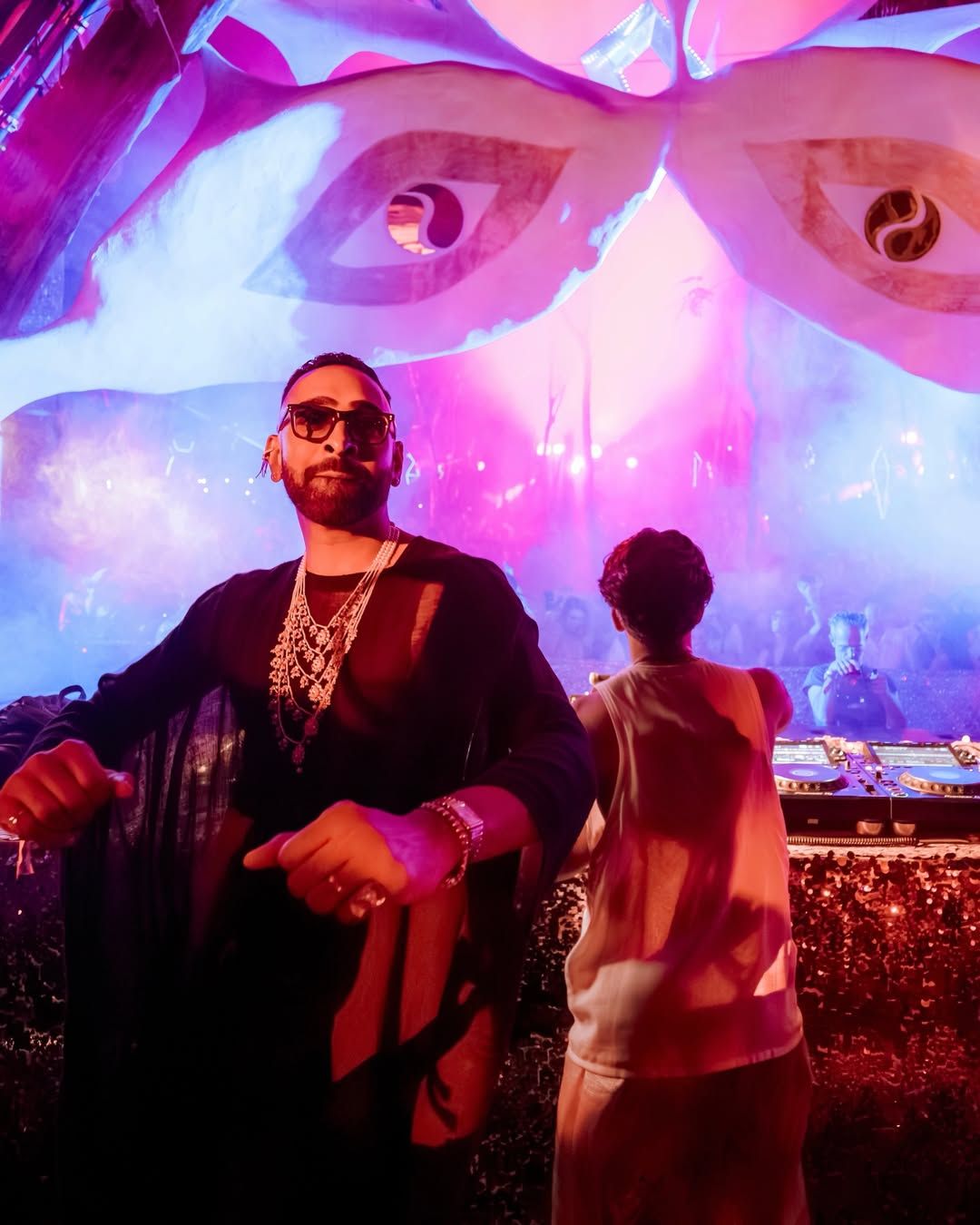
Q: Growing up, what were you listening to? What was your early exposure to South Asian music like?
Kahani: Growing up in the US, music was largely a passive presence in the household. It’s like your parents or family played in the background, and it was up to you whether you leaned into it. For me, there was a lot of Bollywood at home, as well as traditional Punjabi folk music and Qawwali. Artists like Nusrat Fateh Ali Khan and Daler Mehndi were literally the soundtrack of my early childhood/
KM: It was very similar for me. Every day in the car with my parents, I listened to cassette tapes of Mohammed Rafi. Religious music also played a significant role. Being in the temple was a formative part of my upbringing. But alongside all of that, we were also immersed in Western music at school — hip hop, pop — and when half your life sounds one way, and the other half sounds completely different, you naturally begin to wonder: what would it sound like if these two worlds came together?
Q: Would it be fair to say that a longing for roots is one of the driving forces behind your music?
Kahani & KM: Home for us isn't India; that's home for our parents. I think the longing was of a different kind. Growing up in American schools where South Asians were a tiny minority, what I felt was a desire to share. Our music is so beautiful, and I wanted people around me to appreciate it. The challenge was figuring out how to present it in a way that would resonate with them. It wasn't yearning for a place; it was more of a cultural exchange, a pride in knowing how incredible our music is and wanting to find the right way to showcase it.
Q: There's also an element of breaking down musical hegemony there?
Kahani & KM: Absolutely, and it goes hand in hand with pride. We knew how incredible our music was, but the question was how to make it palatable and genuinely interesting to someone who hadn't grown up with it. What's telling is that in America, it often took non-South Asian artists to open that door. When Timbaland sampled Indian records, everyone suddenly paid attention and asked, "What is this?" And when Jay-Z collaborated with Panjabi MC, people were blown away. That's part of what drives us. Our music has always been extraordinary, and we're constantly finding new ways to prove that.
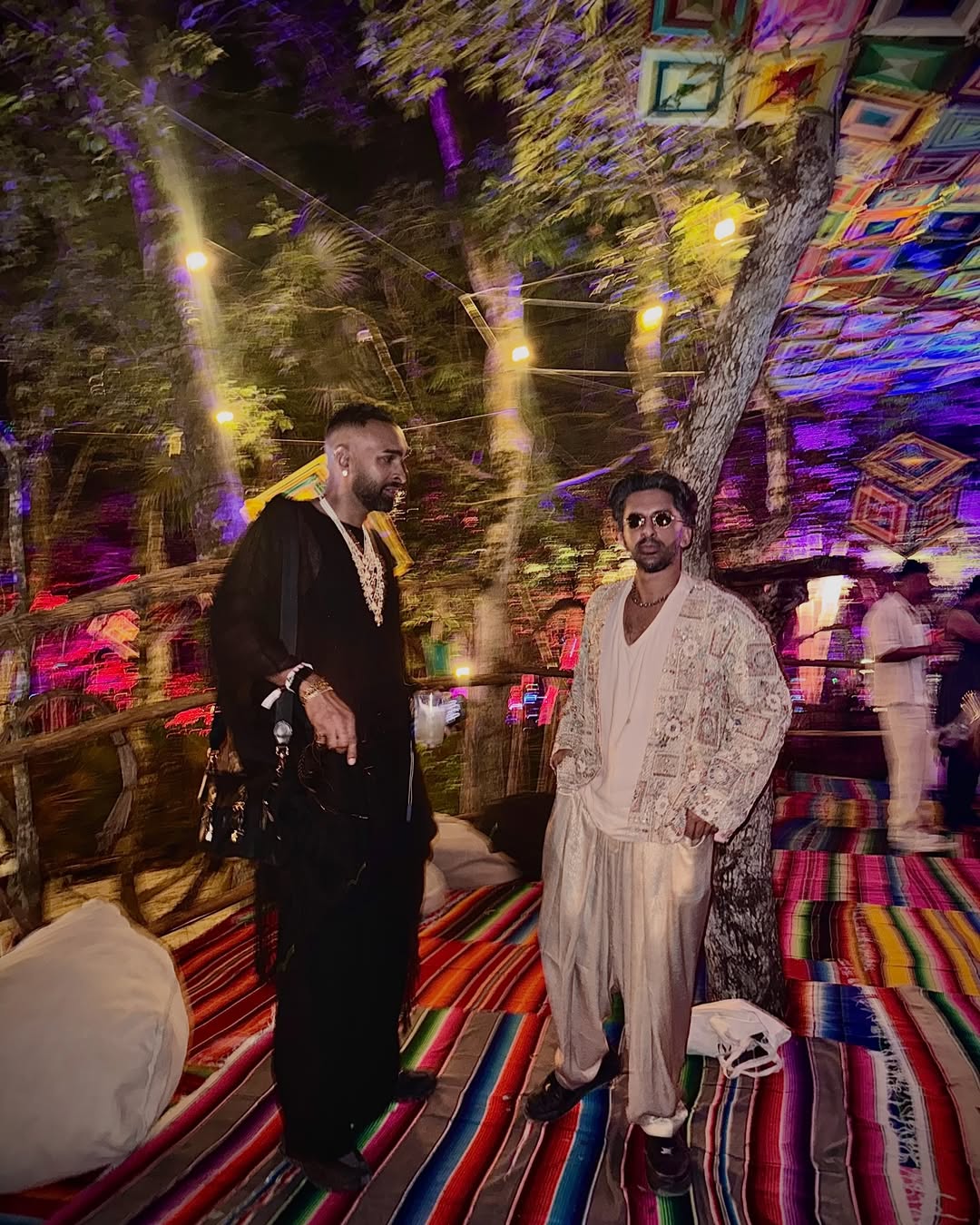
Q: The reception has been remarkable. But when you were starting out, were there moments of self-doubt or creative roadblocks?
Kahani & KM: Honestly, not in the way you might expect. We began this with a clear sense of what it could become. Certain milestones arrived sooner than anticipated, but we always knew they would arrive. I think many artists feel this way but are reluctant to say it. We only committed to this path because we genuinely believed in its power and its uniqueness. Even now, four years in, there's still a longing to bring more people into this mission. We haven't stopped because we're deeply compelled to show the world that Indo house is not a fad or a passing trend. It has a long road ahead, and we intend to stay on it.
Q: Did you have a backup plan when both of you took the leap of faith from your tech careers?
Kahani & KM: There's no safety in that, honestly. But our confidence came from a sense of security. The worst case, if this hadn't worked, we'd have been fine. We both had strong skill sets to fall back on. But more than that, there was a deep desire to build something we were genuinely proud of. The silver lining is that Indo Warehouse brought us together, and we didn't even know each other before this. Had it not worked, we may never have met. Both of us are very goal-oriented and vision-driven, and I think that's what kept us grounded.
Q: What has been the most memorable live show of your journey?
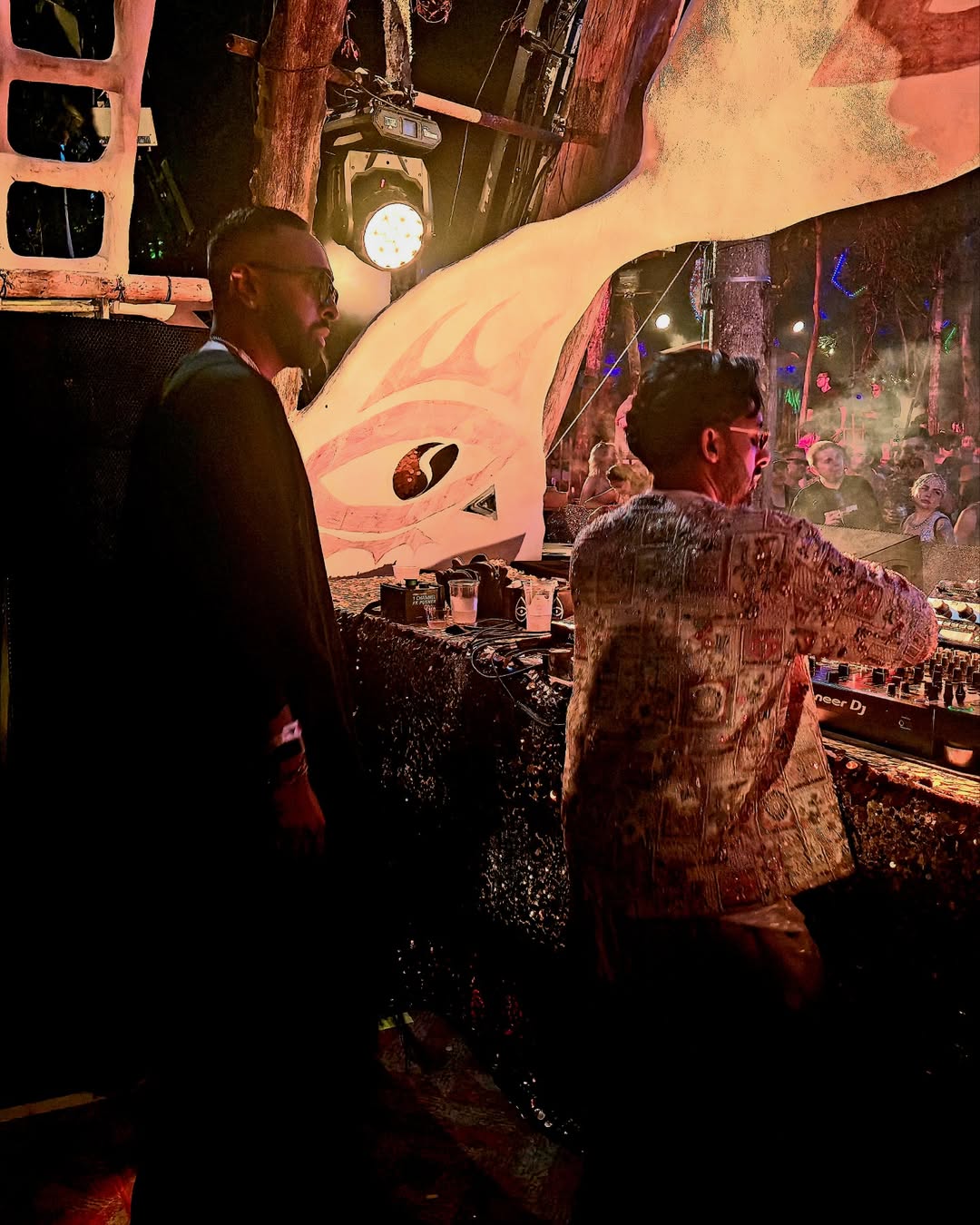
Kahani & KM: Our Mumbai show is just this year at the Dome. We spent an enormous amount of time building that show from a production standpoint, and everything came together beautifully. But beyond the logistics, it was the confidence we felt in how we wanted to present our sound. We were unapologetically ourselves, presenting the intersection of our South Asian heritage and dance music culture in the most honest way possible. There were moments where I wasn't even looking at the crowd; I was completely focused. And when we came together to close the set, we felt the audience had trusted us completely, from the very beginning to the very end. That kind of trust from an audience is something every artist longs for.
Q: Afro house and Latin house have become global phenomena. Why do you think Indo house hasn't reached that level yet?
Kahani & KM: We've been the only act holding this flag at this level for three years, and we're still holding it. What the genre needs is younger producers to be inspired and say, "I can do this too." Right now, there's a divide: the underground electronic artists won't embrace the "Indo house" label because they consider it beneath them, and the Bollywood remix DJs are making mashups rather than original music. Nobody is recognising the massive opportunity in actually coming together and creating something genuinely new. Afro house didn't become a genre because of Black Coffee alone. It took countless producers picking up the sound and running with it. That collective momentum is what we're still waiting to see with Indo house.
Q: What's the most noticeable shift you've seen in the Indian club music scene over the past two years?
Kahani & KM: It's significant. When we first came to India in late 2023 and early 2024, there were clubs that would not permit you to play music with Hindi lyrics. That was a real conversation people were having. Now, you have artists across the board playing remixes that sit squarely in the lane adjacent to Indo house. The delineation between the underground electronic crowd and the Bollywood crowd has blurred considerably. Electronic DJs are remixing Bollywood tracks and playing them at underground festivals; Bollywood remix DJs are incorporating Afro house and deeper electronic sounds into their sets. The gap is closing, even if no one has quite named it yet.


