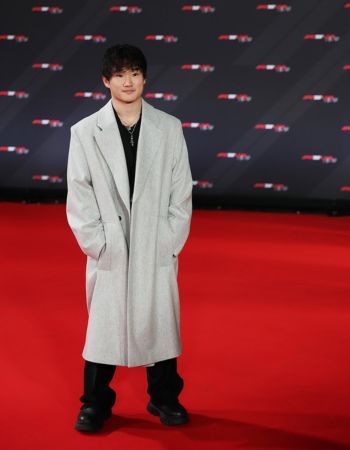
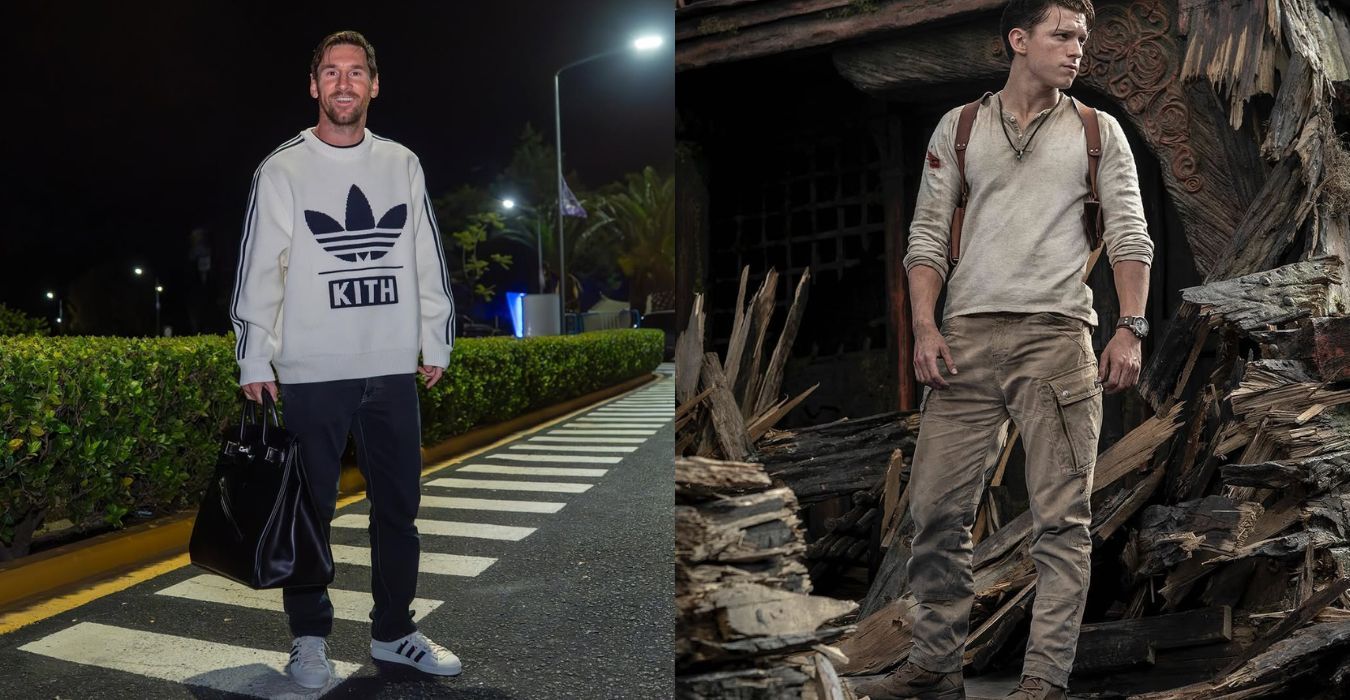
Vertically challenged men have it rough. Not only are they forced to see things from a different perspective, quite literally, the world looks at them from a different perspective too, again, quite literally. While there are no magic growth syrups, there are, however, several ways to dress so you look taller, sharper and more put together.
The trick is simple. You are not changing your skeleton. You are changing how people read your proportions. Clothes can lengthen or shorten you on sight. The right lines, colours and cuts will quietly push you into “taller than I thought” territory. The wrong ones pin you to “sweet, pocket sized” before you have opened your mouth.
Here is the cheat sheet.
Build a clean, uninterrupted vertical line
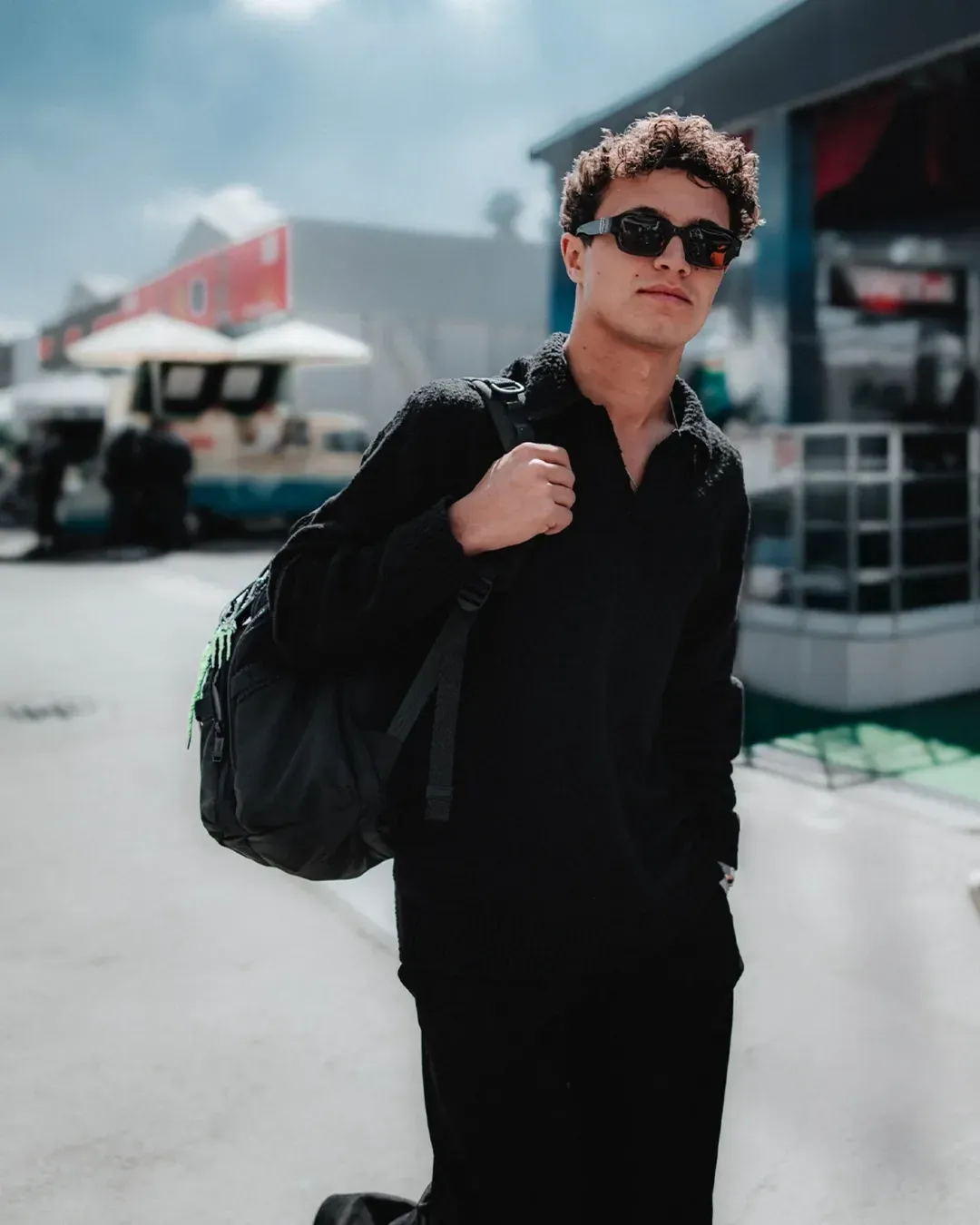
Tall silhouettes come from consistent colour and smooth transitions. The more continuous your outfit looks, the taller you appear. Monochrome works best. Navy on navy, beige on beige, charcoal on charcoal. If not exact matches, keep tones close. Even slight variations create a long visual column.
A simple trick: wear trousers darker than your top. A lighter shirt draws the eye upward, and darker pants give your legs more visual length. The body reads as top heavy, leg long. Height: acquired.
Avoid high-contrast outfits that split your body in half. White tee and dark denim is a classic offender.
Prioritise verticals over horizontals
Vertical stripes stretch. Horizontal elements shrink. Your brain cannot help it. Fine stripes on shirts, subtle pinstripes on trousers, even leaving jackets or overshirts open to create two long lines down your torso all help elongate you.
Big chest stripes, bold colour blocks and loud graphics act like speed bumps across your body. They interrupt your height story.
You want upward motion, not side-to-side chaos.
Follow the rule of thirds
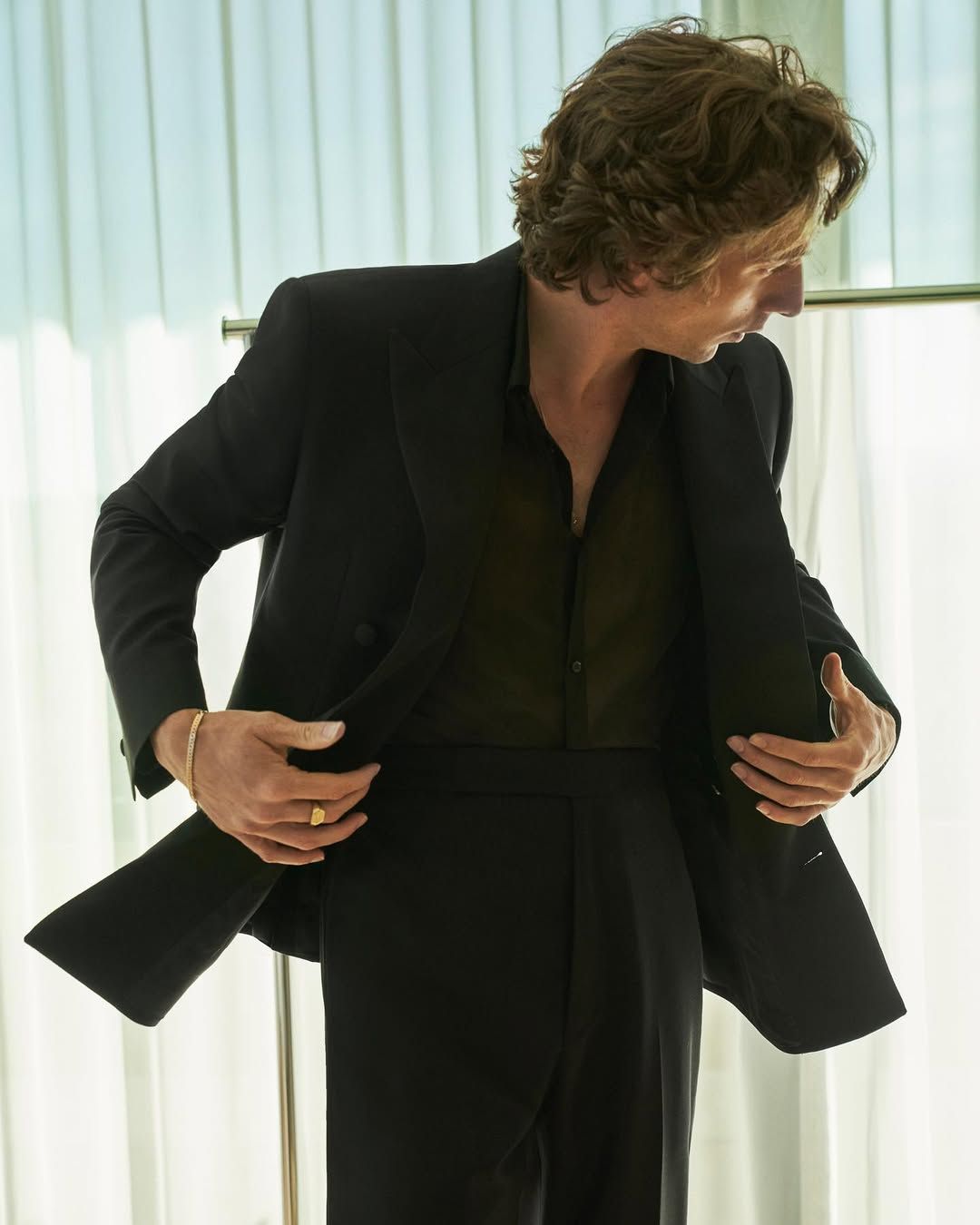
The most common proportion mistake shorter men make is dressing in halves. Shirt ends halfway, trousers start halfway. That creates a squat silhouette.
Shift to the rule of thirds. Shorter top plus higher rise trousers means your legs visually take up two thirds of your height. Which is exactly where you want the eye to focus.
This means:
• Tuck in shirts
• Wear mid or high rise trousers
• Pick jackets that hit near the waist, not mid thigh
• Avoid longline tops that blur your leg line
Once you see how powerful this is, you never go back.
Tailoring is your best friend
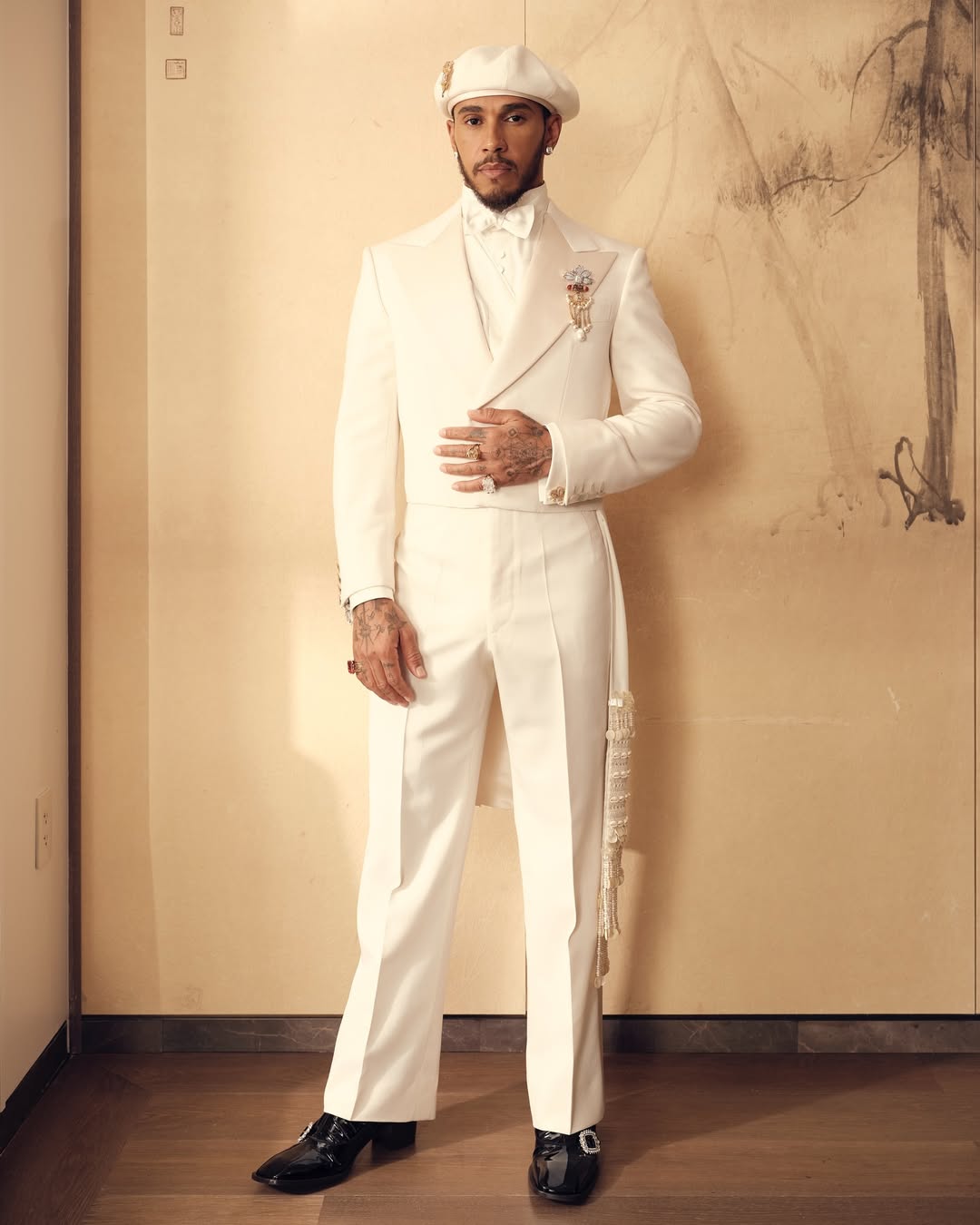
Clothes are not made for your body. Tailoring makes them believe they are.
Shorter men benefit massively from:
• Shoulder seams that sit exactly where they should
• Sleeves ending at the wrist bone, not swallowing the hand
• Trouser hems that skim, not pool
• Jackets cropped enough to show leg length
• Higher button stance to rebalance torso proportions
• Pocket placement that does not drag the coat downward
A tailor is not an expense. A tailor is height insurance.
Choose slim, structured fits
Oversized silhouettes expand you sideways and reduce you vertically. Skinny silhouettes overemphasise proportions you may not want highlighted.
The winning zone is slim, sharp, lightly structured clothing that holds its shape and creates a clean outline.
Think sculpture, not balloon. Think streamlined, not shrink-wrapped.
Fix your trousers: rise, hem, cuffs, cut
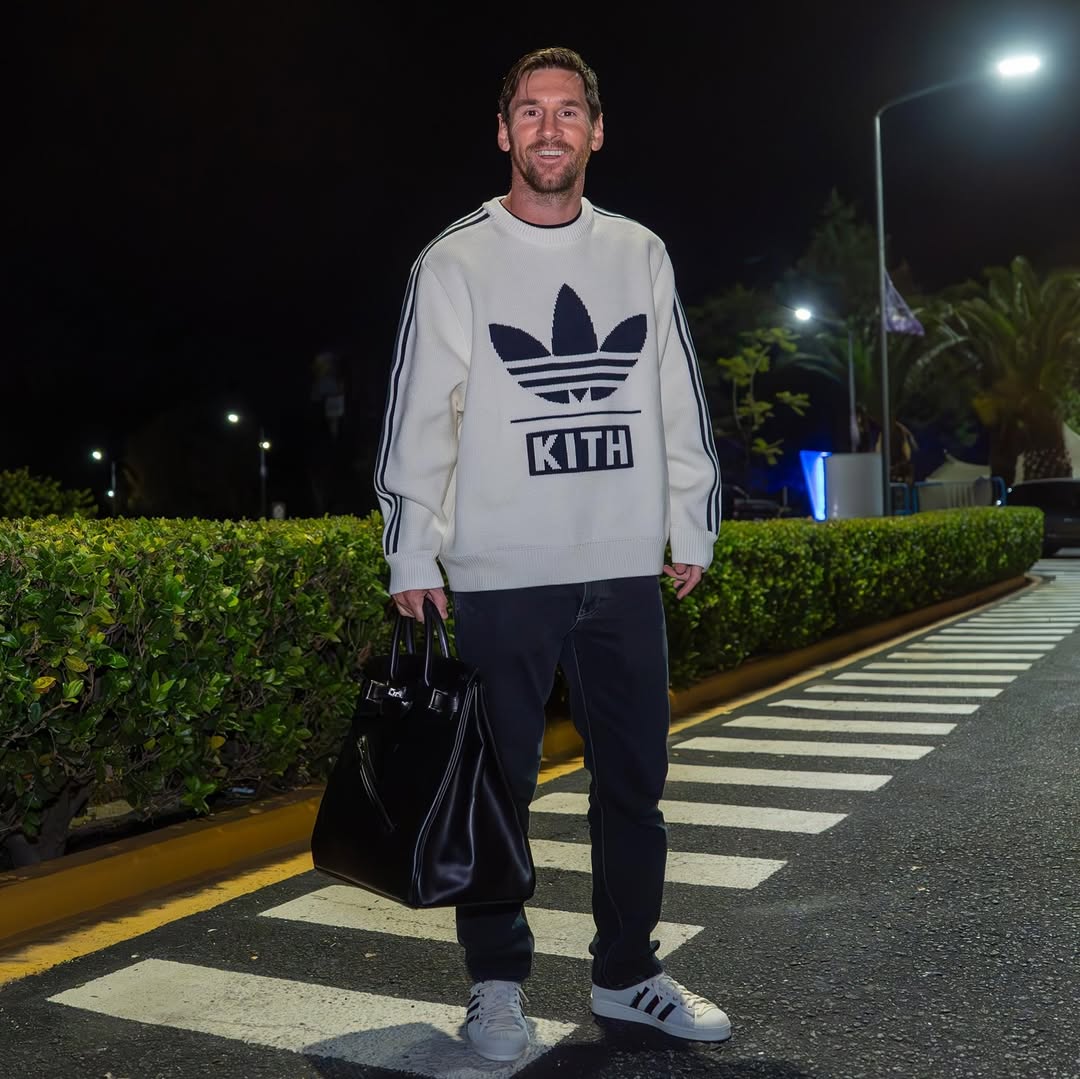
Bad trousers ruin height faster than anything else.
• Rise
Low-rise trousers cut your legs off. Mid and high-rise extend them.
• Length
Ankle pooling destroys your vertical line. Go for a slight break or ankle length.
• Cuffs
Thick turn-ups shorten the leg. Narrow cuffs or no cuffs keep the flow clean.
• Cut
Straight or tapered shapes work best. Extreme wide legs compress the body unless styled with absolute precision.
Your leg line is your strongest weapon. Protect it.
Match your shoes to your trousers
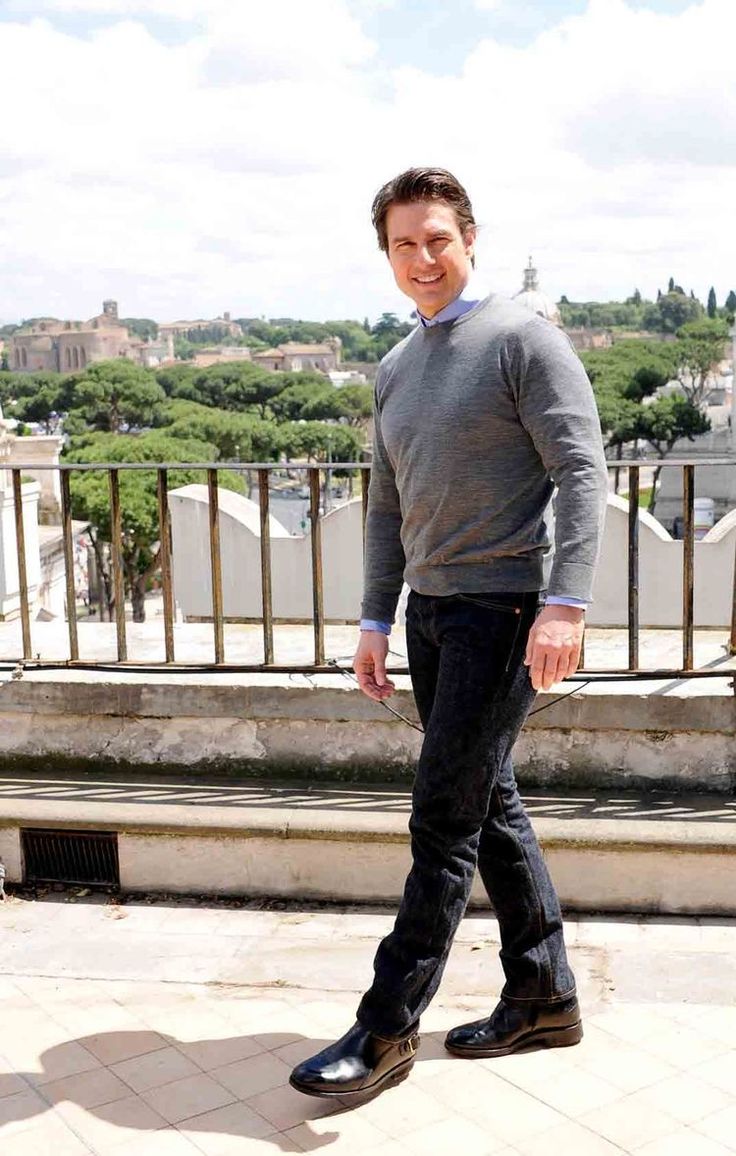
High contrast shoes stop your height narrative at the ankle. Matching tones keep the leg line continuous.
Dark on dark. Light on light. Muted tonal variations, not harsh opposites.
If you insist on white sneakers, pair them with light trousers or shorts. Do not undercut your own legs.
Use heels, smart lifts and the right toe shape
A slight heel is normal in menswear. One to three centimetres gives you easy lift without anyone noticing.
If you want extra help, choose well-designed elevator shoes rather than random insoles that distort your walk.
Toe shapes matter. Almond or elongated toes extend the leg visually. Very round or stubby shapes do the opposite.
Comfort should never expose the illusion.
Open up your neckline and declutter your layers
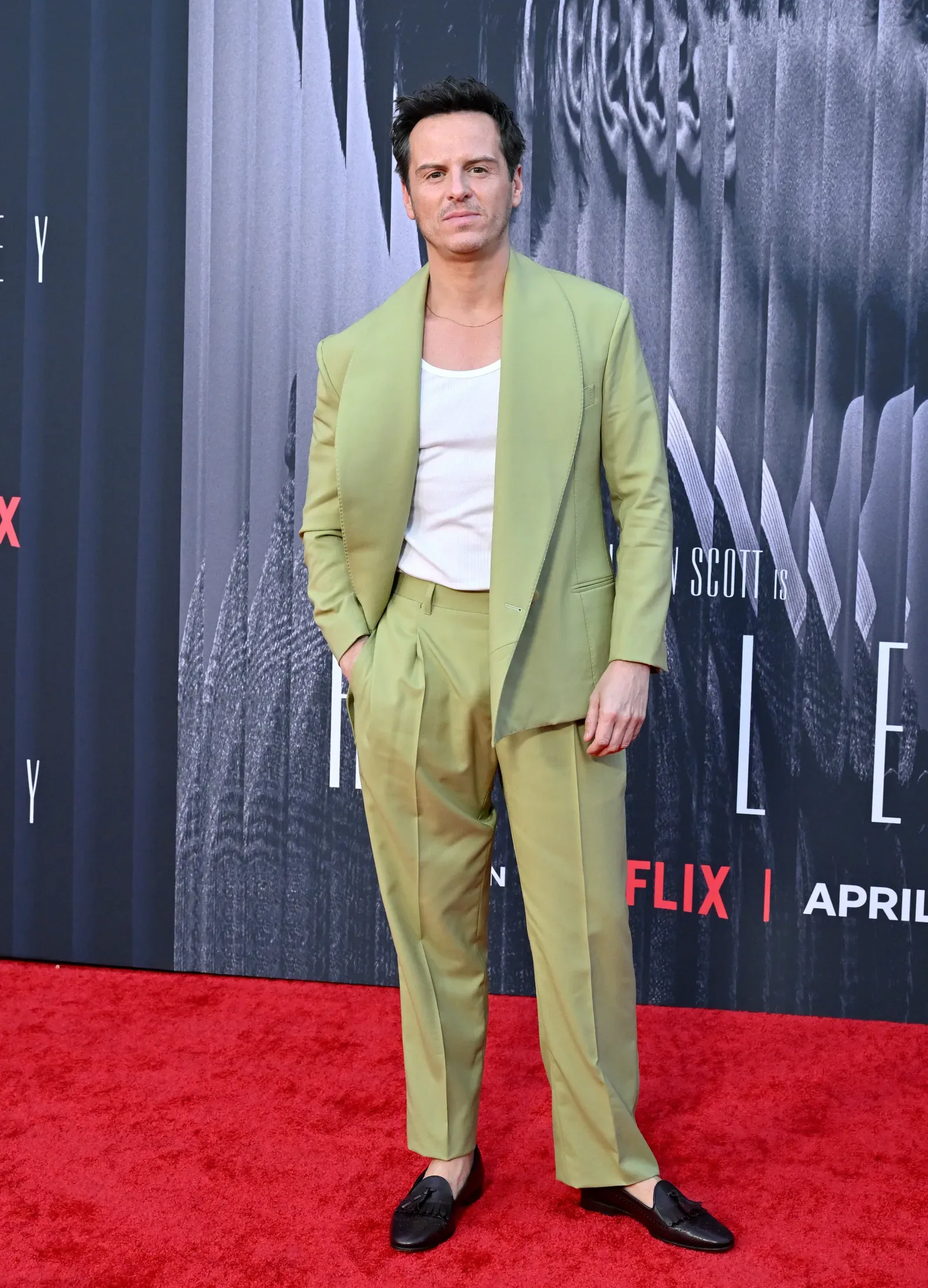
Higher, tight crew necks shorten your upper body. Open collars, V necks and unbuttoned shirts give your neck and chest breathing room, which lengthens the top half of your frame.
For layering, keep inner layers lighter and outer layers darker so the jacket naturally creates a long vertical window.
The upper body should feel lifted, not compressed.
Keep it clean and minimal
Proportion hates clutter. Huge belts, large prints, bulky fabrics, heavy pockets and chaotic layers break up your frame.
Clean lines, subtle detailing and simple colour stories elongate far more effectively.
Minimalism is not an aesthetic here. It is a strategy.
Grooming: the underrated height hack
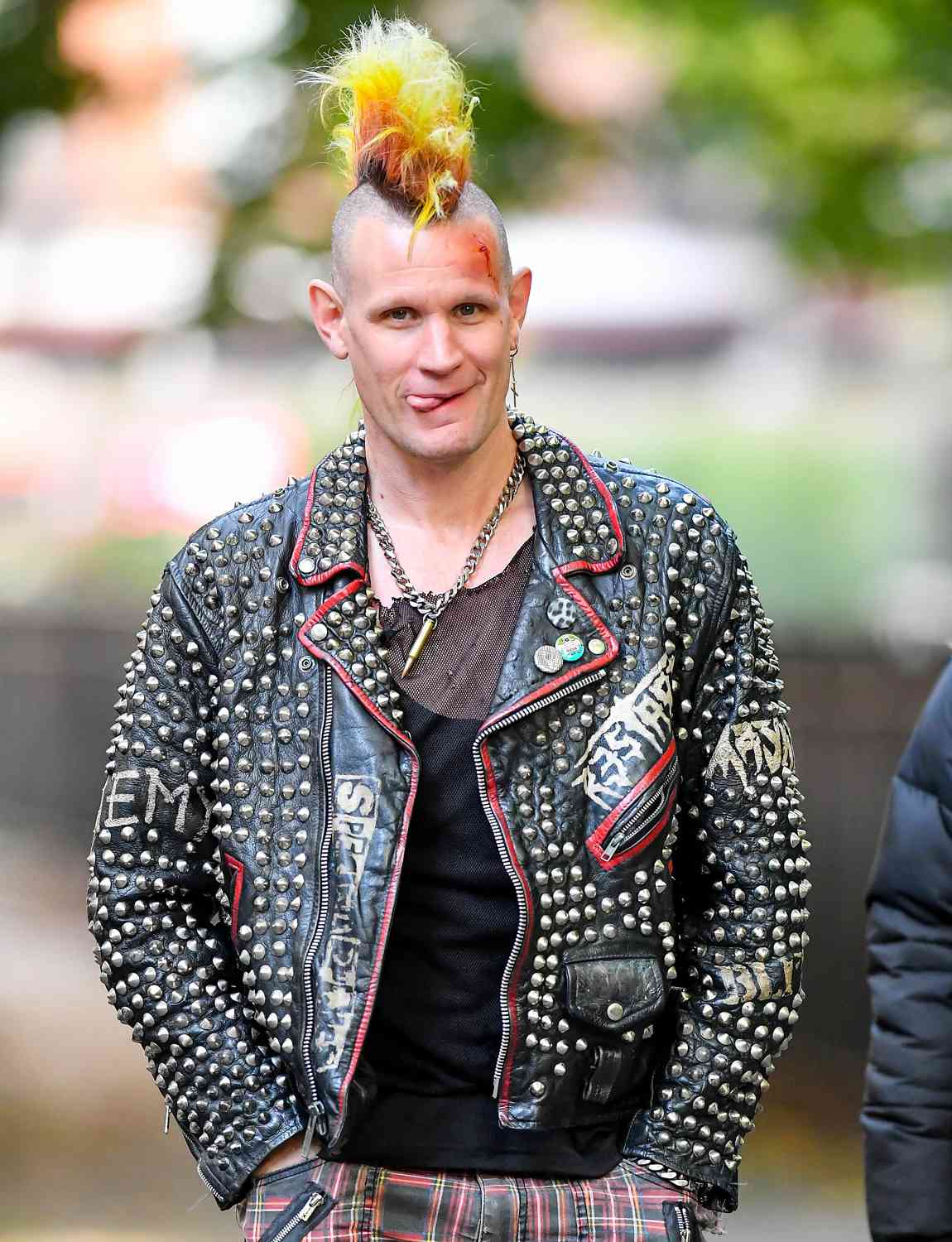
Hair matters. A bit of volume on top elongates the face. Flat hair shortens it.
Glasses matter too. Go for frames that do not stretch excessively wide across the face.
Facial hair can subtly lengthen the jawline if you keep the sides tidy and build slight fullness at the chin.
Small tweaks. Big gains.
Posture is free height
Straighten up. Shoulders relaxed but back. Head aligned with the spine. Your body gains a centimetre or two instantly.
A tall outfit on a collapsing spine is pointless. A well-aligned posture makes every optical trick stronger.
The bottom line
Looking taller is not about deception. It is about design. You are editing visual noise, controlling proportion and guiding the eye through a seamless vertical narrative. Clothes cannot change your height. But they can absolutely change how tall you appear in a room.


