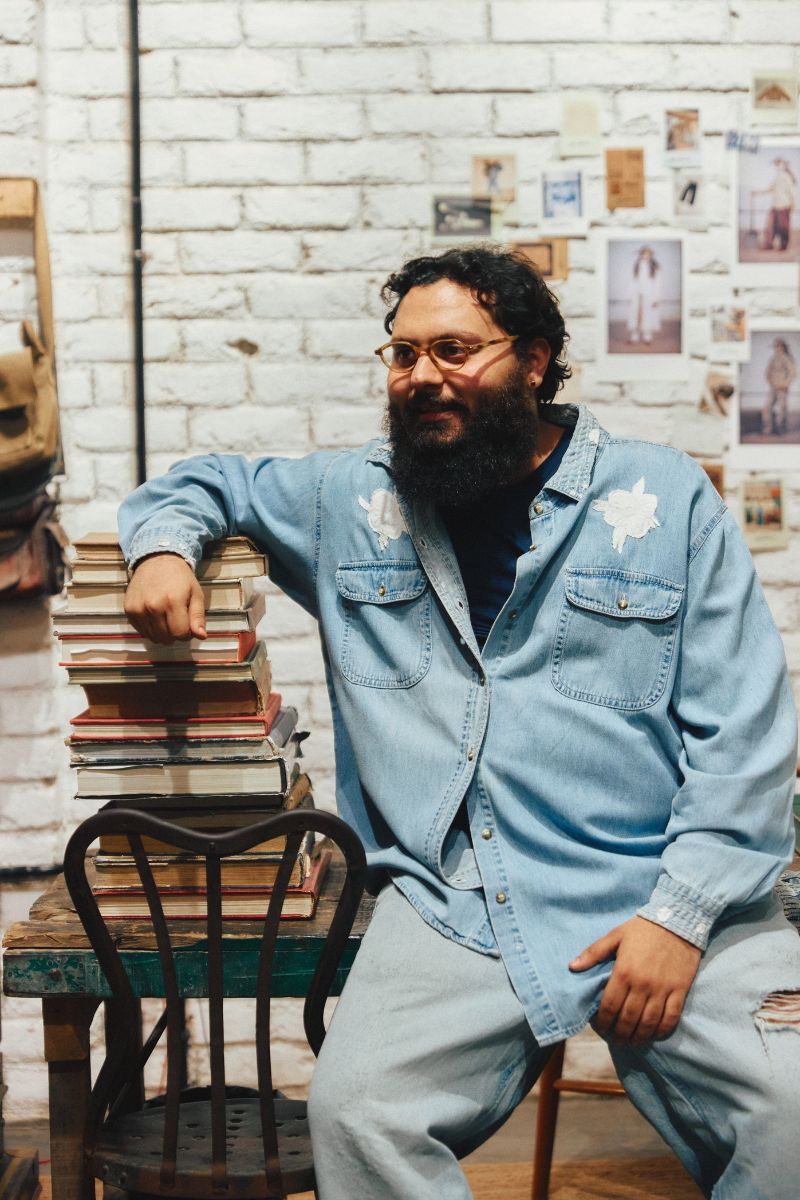
Long before Ritwik Khanna was turning textile waste into one-of-one garments and making the kind of clothes fashion people increasingly lean in for, his world was shop floors in Amritsar, cashmere looms and afternoons spent in his parents’ childrenswear store, learning almost unconsciously how beautiful things are made. That intimacy with material still underpins everything he does at Rkive City, even if the vocabulary has evolved from scarves and shawls to reconstructed denim, military surplus and a quietly radical design philosophy he describes not as recycling, but “resurrection”.
Today, Khanna is becoming one of the most talked-about young designers in India precisely because he speaks about fashion differently. For him, waste is “just material nobody has learned to look at properly”. Old garments carry “material intelligence”. Indian craft must “keep up, but not lose its old sense”. Even his amusing shorthand for a generation of globally exposed Indian creatives, “BARBIE”, or Born Abroad and Returned Back to Build In the Indian Ecosystem, says something about the worldview shaping his practice.
In this conversation, the designer talks about growing up in textiles, why he would rather resurrect than recycle, and why the person he designs for is someone who would rather restore an old chair than buy one from Ikea.
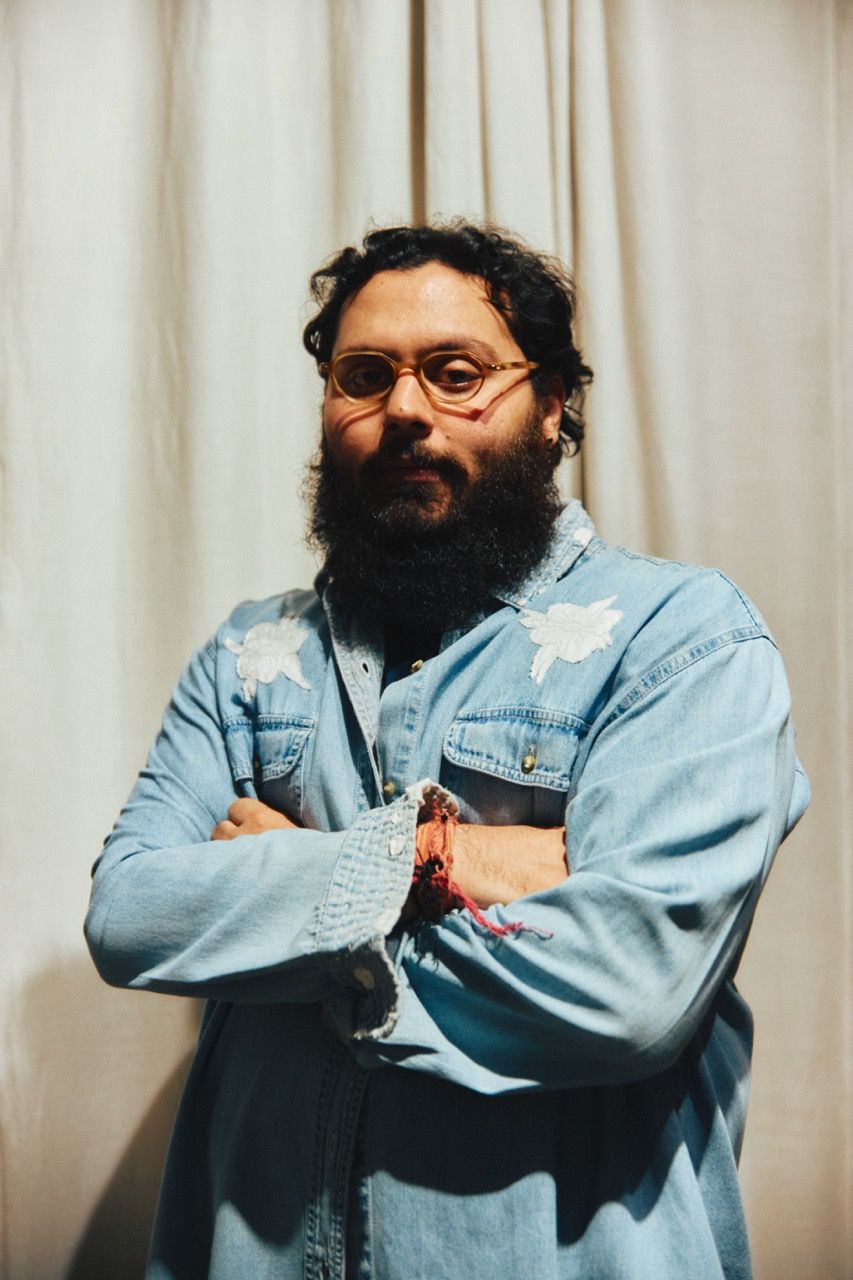
How did you get started in fashion and what led you to start your label?
My parents are in textiles. They make cashmere scarves, shawls and throws, and my mother and grandmother ran a childrenswear store in Amritsar, where I’m originally from. I spent a lot of time on shop floors, in small-scale factories, around artisans and weaving units. I was always interested in how beautiful things were made.
Fashion, for me, was always emotional. A scarf or a shawl can become something passed on through generations. Even childrenswear carries that emotionality. My parents also had very personal relationships with the people who came into their store. That shaped how I understood clothing.
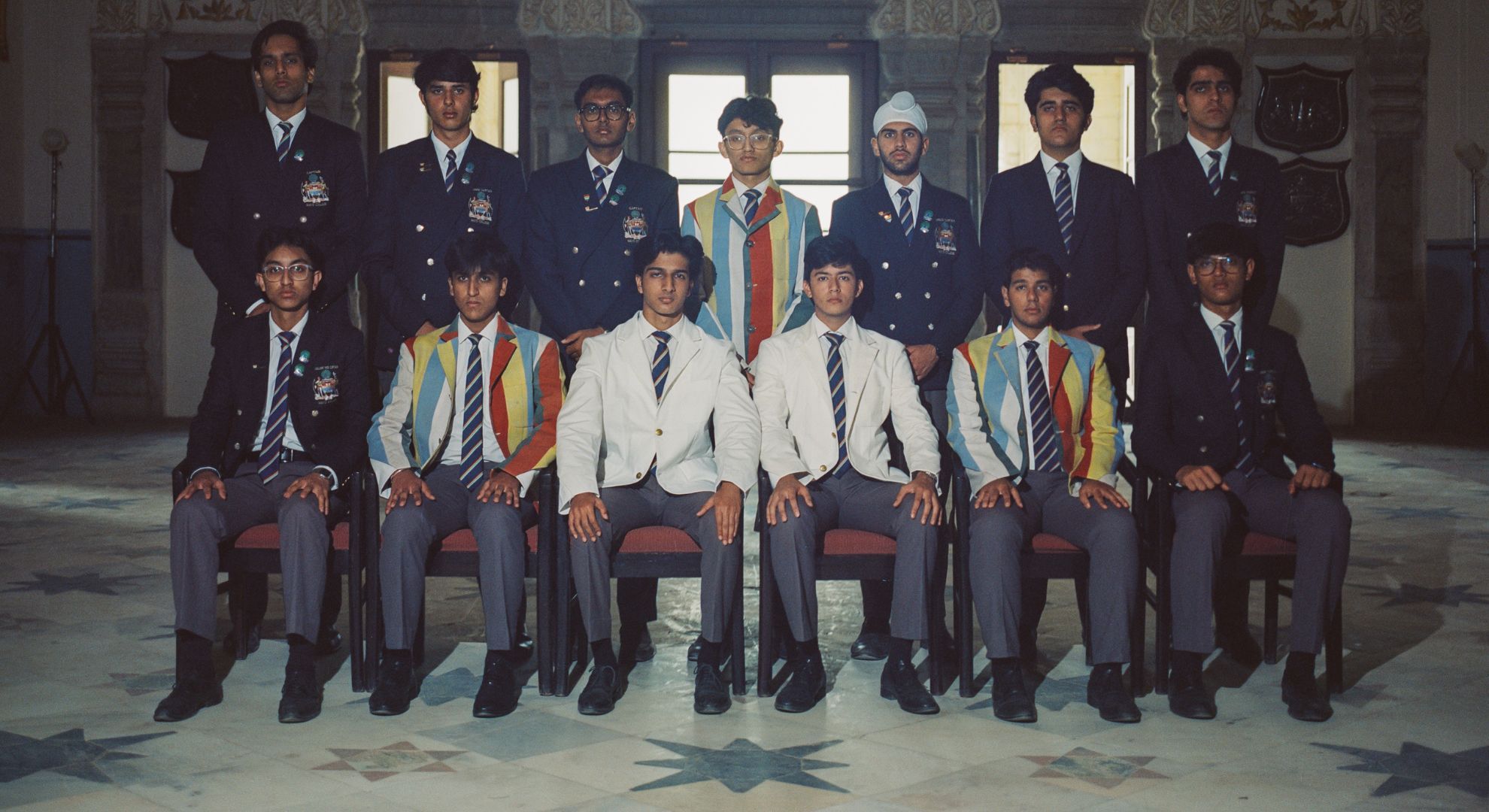
Then there was Mayo College, where uniforms were a whole world in themselves. We had six to eight uniforms a day. Morning PT was one thing, ceremonial wear was another, bedtime was white kurta-pyjama. It made me conscious of clothing in a strange way.
But New York was the real tipping point. Before that my vocabulary was polo shirts, chinos and skinny jeans. Suddenly I had complete freedom, but I was a student in a very expensive city. I discovered second-hand clothing because it let me access quality and individuality. I loved that you could own something nobody else had. That led me into vintage, and eventually into asking where these clothes come from and where they go.
That curiosity took me into the global textile waste stream, into places like Panipat, Gujarat, parts of Africa, Indonesia and beyond. I began to understand the strange double burden the global south carries. We manufacture textiles and then absorb the waste too. That led to Rkive City.
How does sourcing for this work? How do you know what garments can be used and what can’t?
It comes from research and instinct. I was working within supply chains, so I began understanding what survives, what ages well and what has material value.
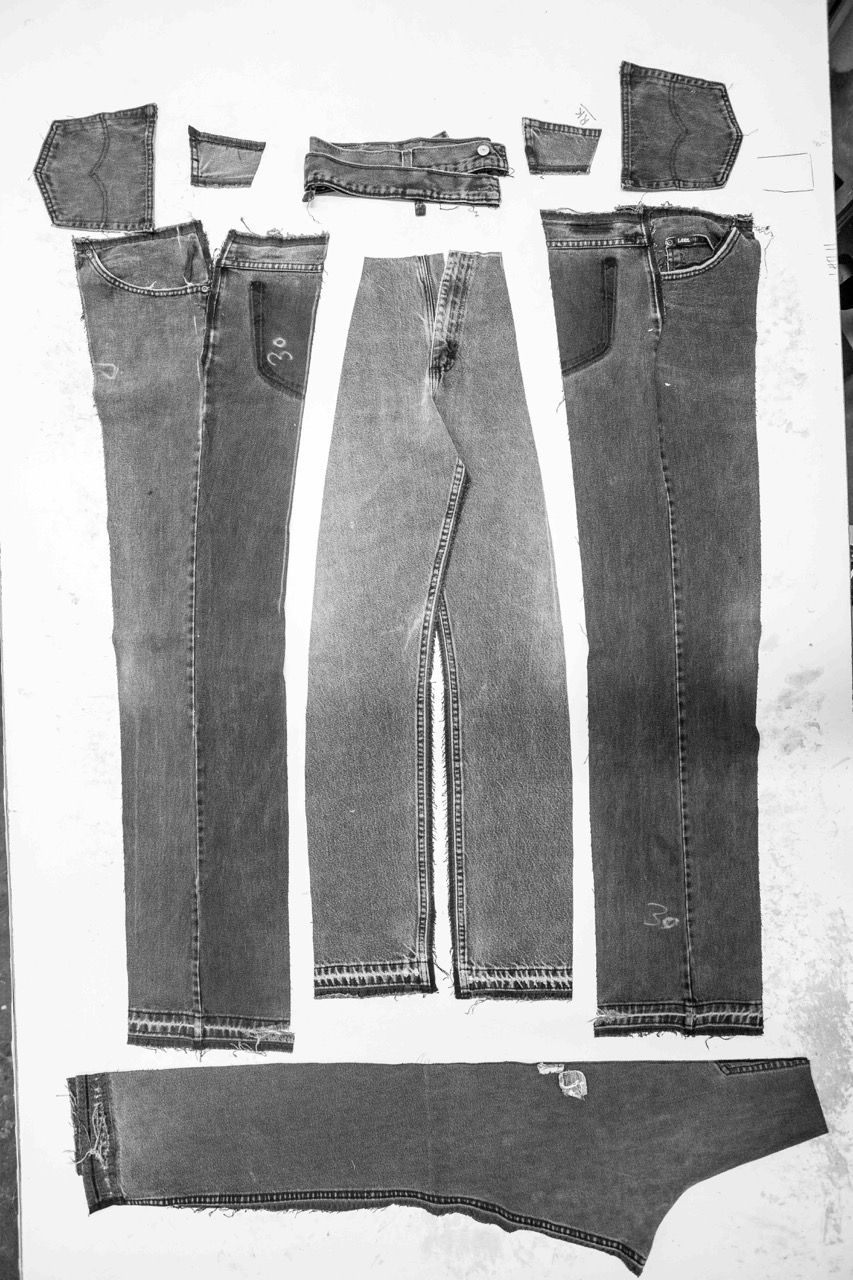
What I’m drawn to is materiality. One hundred per cent cotton denim. Natural fibres. Old white cotton shirts. Materials with integrity. Blends have their place, but a lot of what’s made today is compromised. You can feel the difference. We grade what can be resurrected. That’s really the word I prefer. Not recycled. Resurrected.
What do you see in an old garment that other people might miss?
Material intelligence, mostly. Also detail. Once you’ve seen enough garments, you develop a sense for what matters. I’ve personally gone through millions of garments over the years. In sorting facilities you see everything, from fast fashion to Yohji Yamamoto. That volume trains your eye.
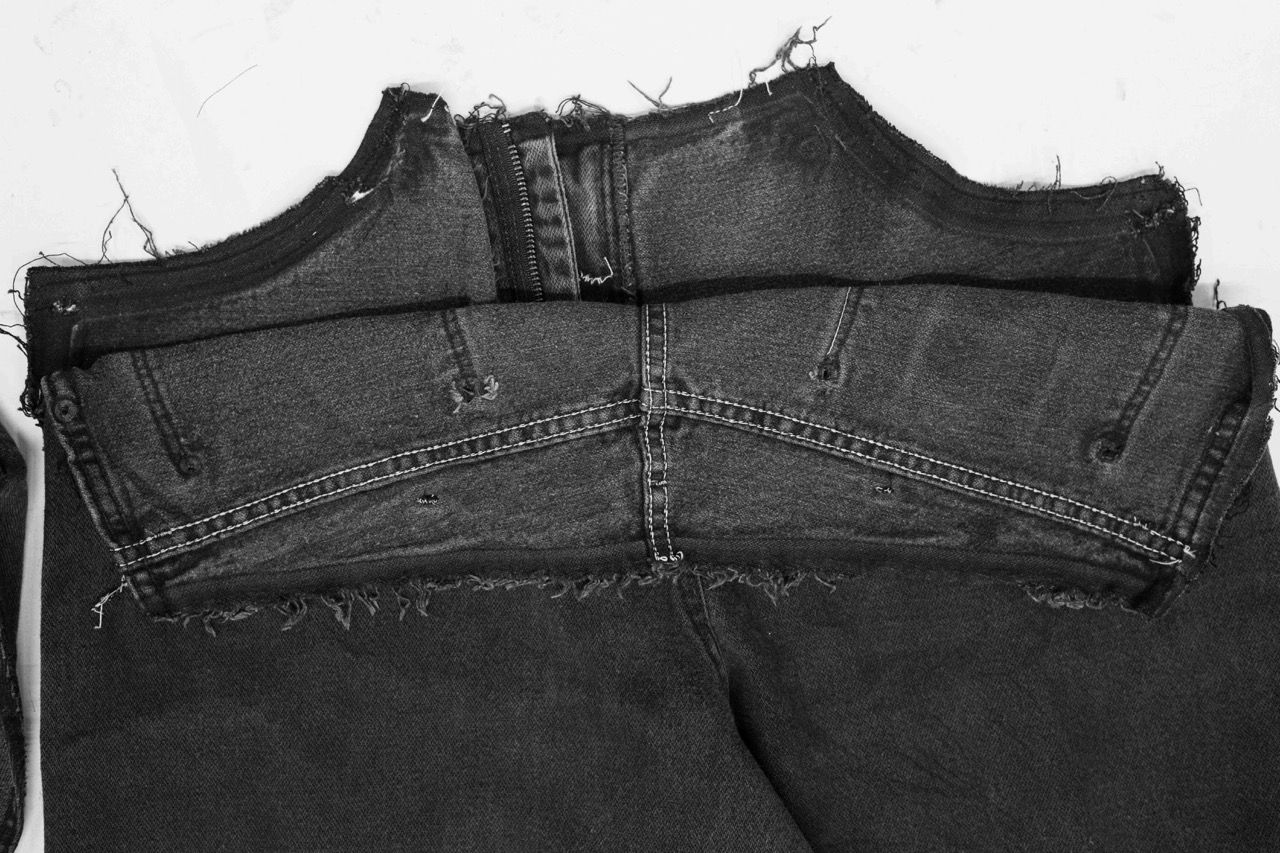
When you begin a piece at Rkive City, do you start with a clear vision or does the original garment guide the design? Both. The form is often informed by the function of the previous garment. But a lot of it is visual research. I might love the pocket shape from a sixties Russian military jacket, a zipper from a Prada jacket, or a silhouette from somewhere else. Those things build up in your head and come out in a new form. I always say it’s almost a creative spill of everything I’ve consumed visually.
Does the history of a garment influence the final design?
Sometimes. But increasingly I’m interested in a marriage between Indian repair and survival craft traditions and the global textile waste stream. India has a very artisanal form of innovation. We don’t speak about it enough. I’m interested in building from that. It’s also about finding our own voice. Not performing some idea of India for others.
Does working with reclaimed textiles make the process more challenging or more exciting?
For me, exciting. People often think it’s restrictive, but I see it as abundance. I was telling one of my designers recently that he was thinking about it backwards. He felt limited by not using new textiles. I said rethink that. You have access to millions of materials already developed, tested and aged beautifully. The possibilities are infinite.
Do you think Indian consumers are ready to value reconstructed garments the same way they value something brand new?
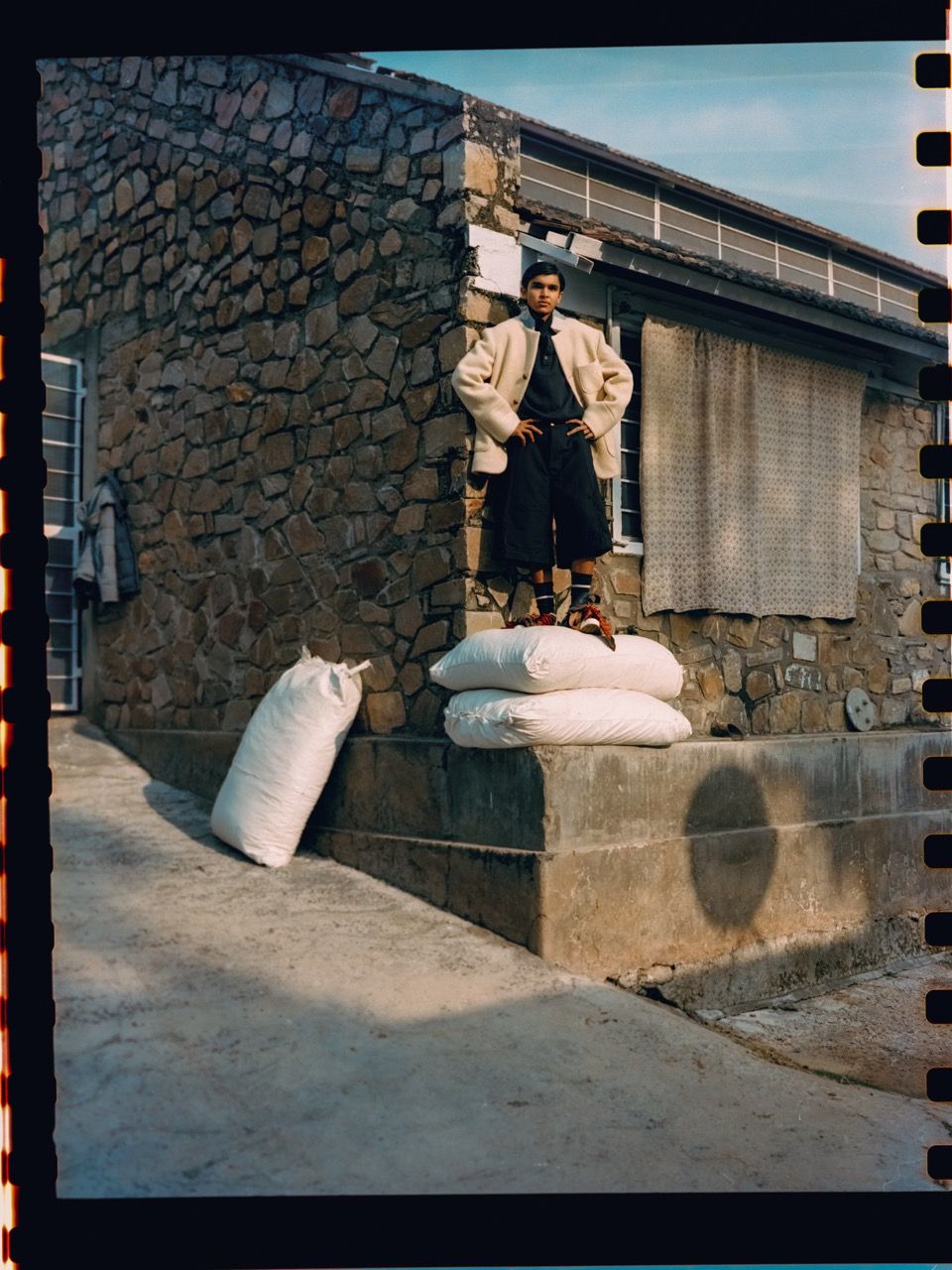
They’re learning, and very quickly. There’s always a thought leader class that understands these things first. Then it trickles down.
Does Indian craft need to evolve to stay relevant, or should it remain as it is?
Everything needs to evolve. The only constant is change. But evolving doesn’t mean losing your older sense. Keep up, but don’t lose your old sense. What interests me is pushing the design mindset forward. Why is it that when Dior works with Indian embroidery, it’s perceived one way, but when Indian designers do it, it is perceived another? We need to move the needle ourselves.
Indian designers are getting a lot of global attention right now. What separates this generation from the previous one?
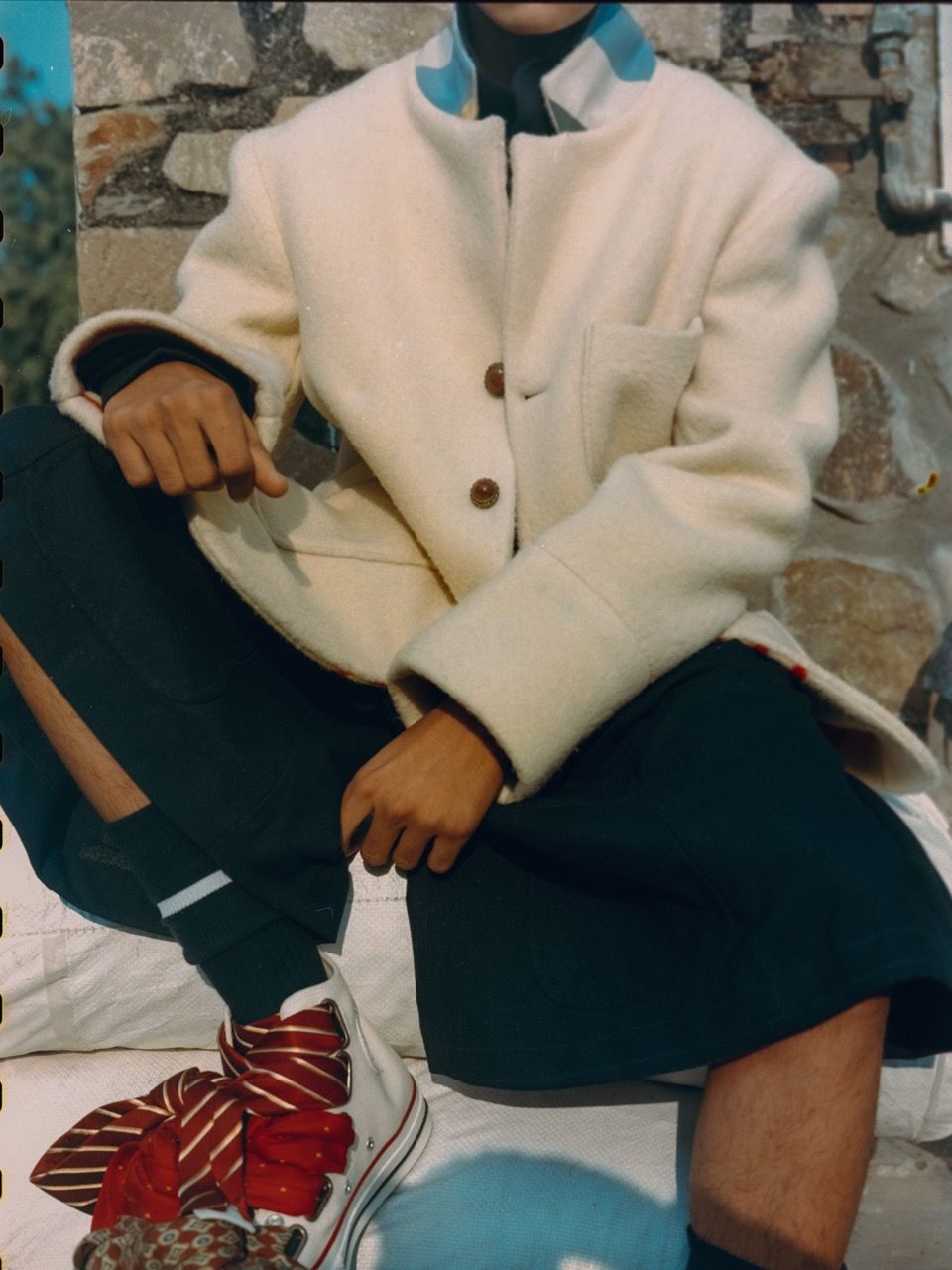
Access. We got lucky. We were born in the information age. Earlier generations didn’t have access to what we have. We can see everything, learn from everything.And a lot of us have this interesting duality. We studied abroad or worked abroad and returned to build in India. There’s a funny term I came across recently. BARBIE.
BARBIE?
Born Abroad and Returned Back to Build In the Indian Ecosystem. Ridiculous term, but I found it funny and weirdly accurate. A lot of us saw global systems, understood Indian systems and came back wanting to build from India for the world.
Speaking of that global attention, you’ve collaborated with Kartik Kumra. How did that relationship come about?
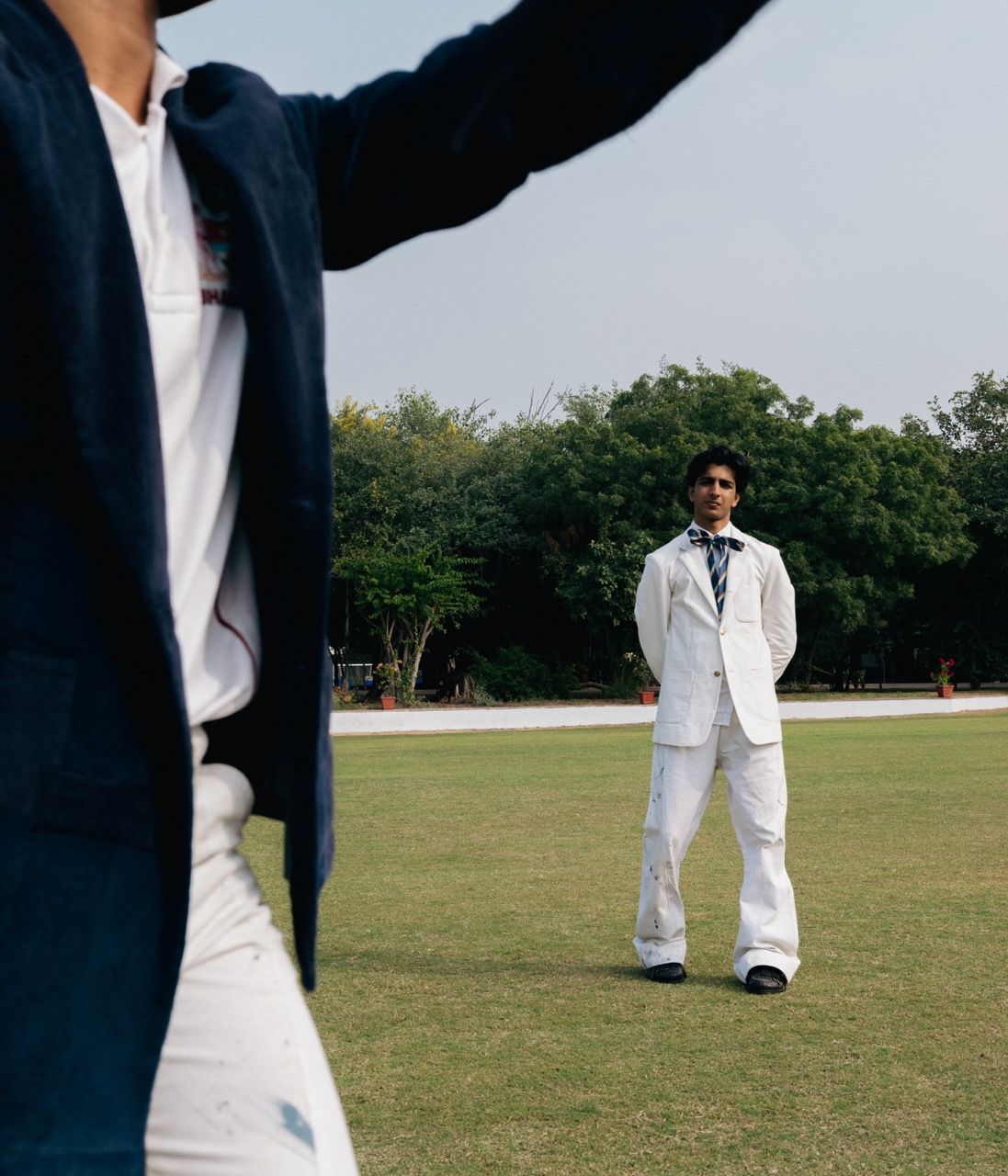
We’re similar in age. He was in Philadelphia, I was in New York. There was a shared understanding. We met first through photography and filmmaking circles, actually, before fashion. And there was a lot of alignment in believing India needed a different kind of design language.
What did you personally take away from working with him?
I admire what he’s doing to modernise Indian craft. At a global stage, what he has done at a young age is remarkable. And you learn every day through collaboration.
What is the importance of a physical store right now, especially when everything is moving online?
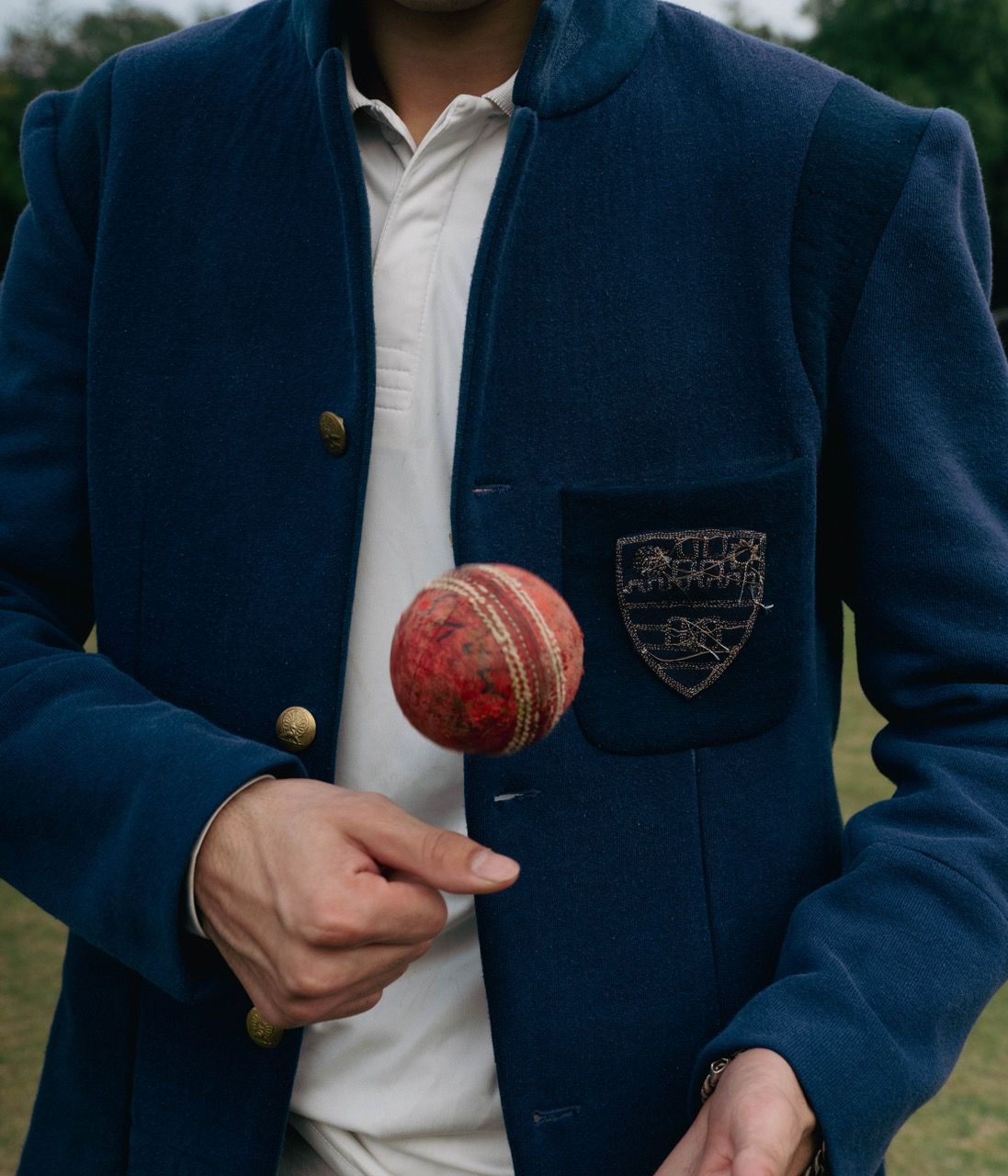
For me, if it were up to me, I’d never have an online store and would just have multiple physical stores. Because our work needs to be experienced physically. You have to touch it. Feel it. That’s the whole thing.
One thing you said earlier was this idea of not recycling but resurrecting. Can you expand on that?
Recycling often means breaking material down into raw input again. I’m interested in preserving materiality. If old denim or leather has aged beautifully, why destroy that history? Why not rebuild from it? That’s where emotional value enters. Waste is often just material nobody has learned to look at properly.
Do you think there is enough culture in India around appreciating garments at that level of detail? Vintage, selvedge, old construction and so on?
Not in the same way as some places, no. People won’t stop you in India and ask if that’s raw selvedge denim. But they might recognise a Kanjeevaram or hand embroidery. So the culture exists. It’s just coded differently.
What kind of future are you trying to build for Rkive City?
I think it’s really about a value system. Our person is someone who would rather go to a nukkad vintage shop and repair an old chair than buy something from Ikea. That’s very much our person. Not someone collecting old things as nostalgia. Someone who wants to learn from older things and build something new.
What do you want Rkive City to ultimately become?
A value system as much as a brand, maybe even more than a brand. A way of thinking.
That matters more to me than being called a fashion label.


