For years, Indian traditional wear felt like a punishment. Kurtas, Bandhgalas, hand-me-downs from your older siblings, basically something your mom forced on you. Style? Forget it. But things are changing. Designers are finally asking the right questions: what if Indian wear wasn’t just a uniform? What if the veshti could meet modern tailoring, the sari could flirt with gender-fluid cuts, and centuries-old weaves could show up in shapes you didn’t even know were possible? Clothes are starting to feel like choices, not chores.
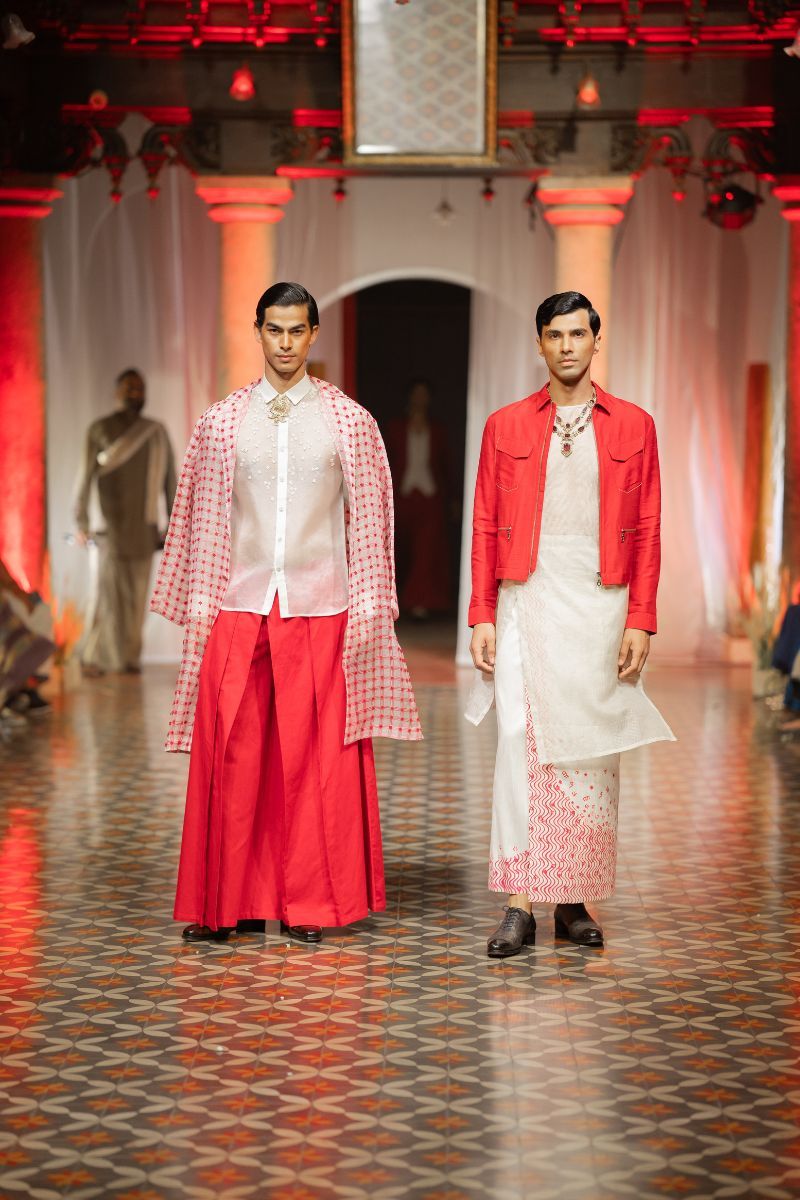
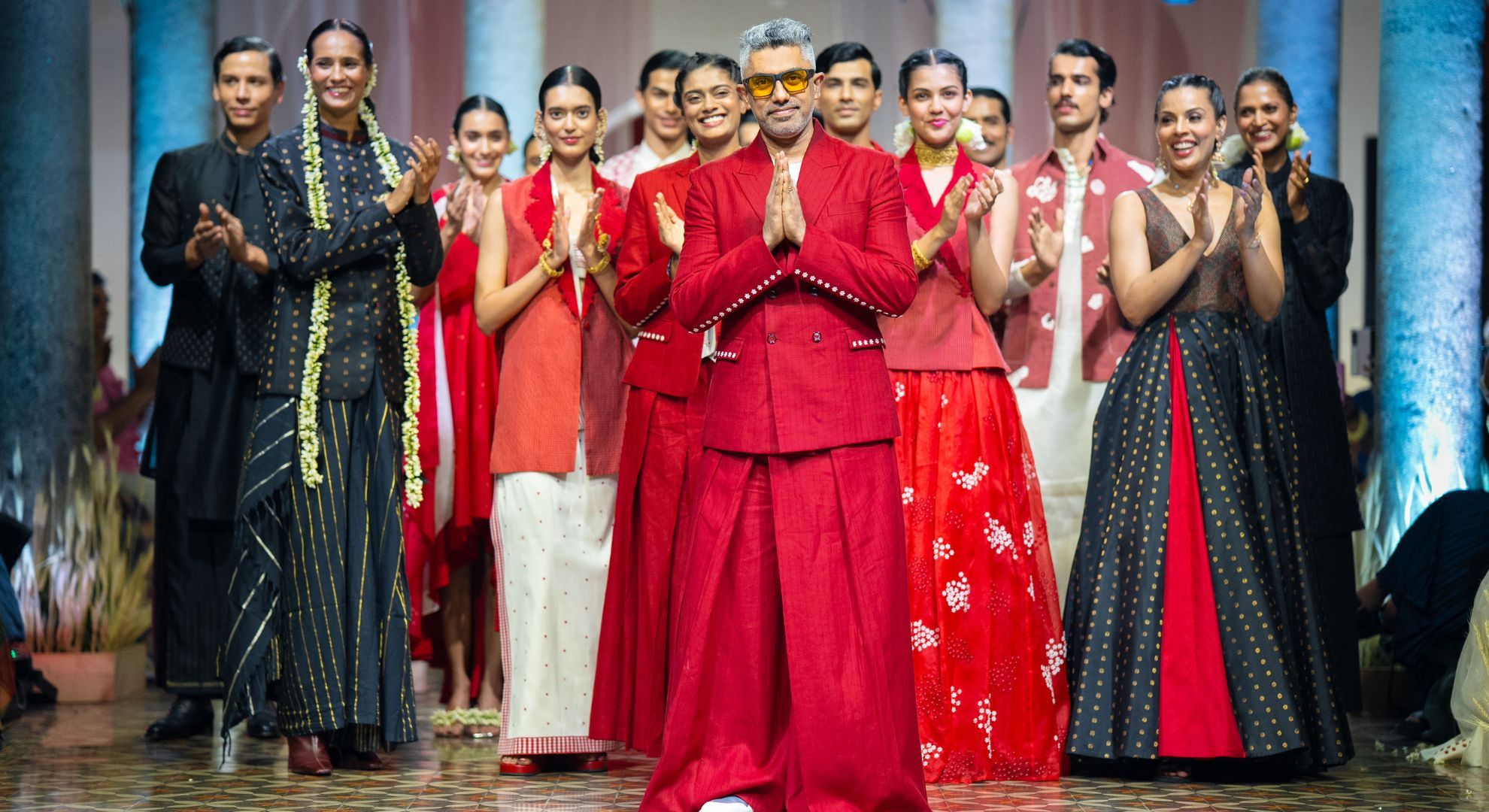
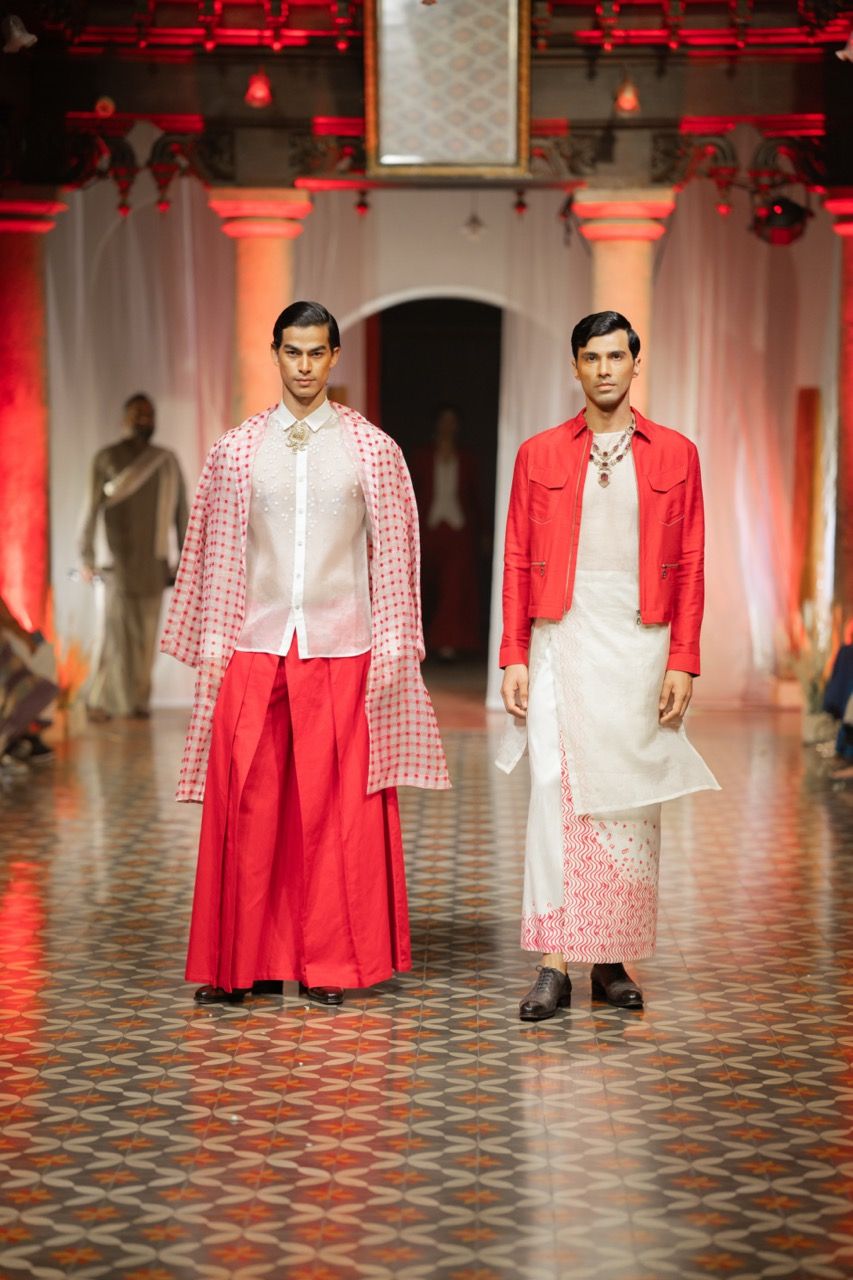
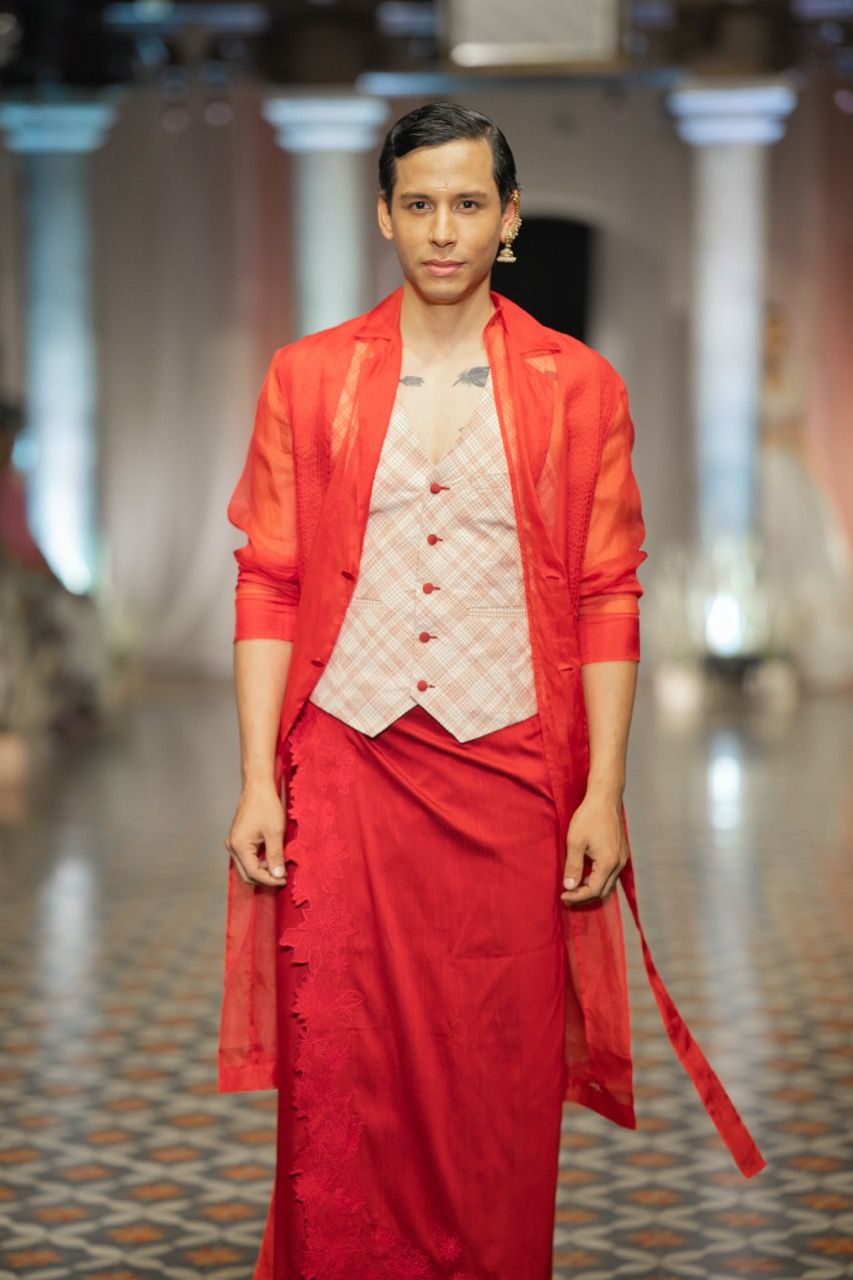
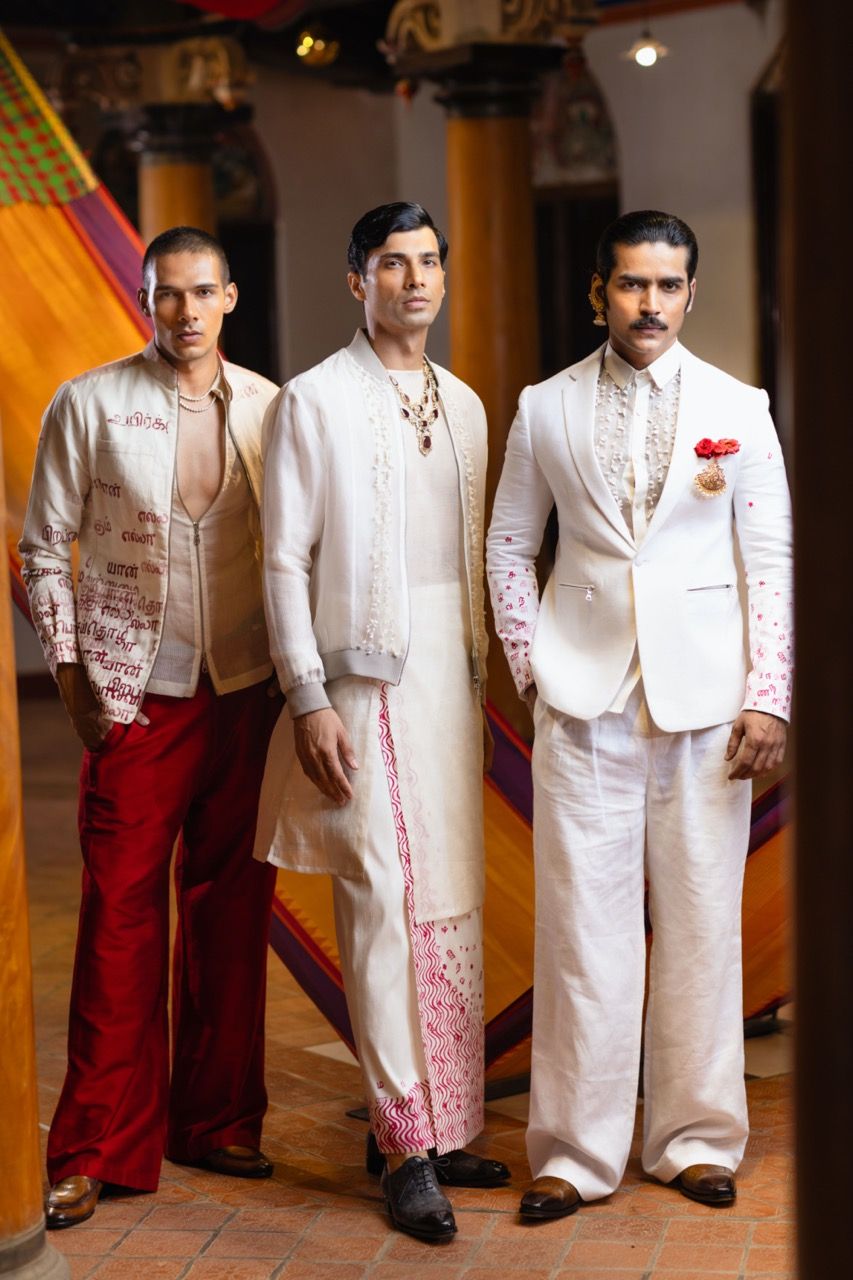
Vivek Karunakaran has never been interested in clothes for the sake of clothes. His work asks bigger questions about meaning, heritage, and identity. At the Chettinad Heritage Festival, he opened with Idam, a collection that reimagined the veshti, the sari, and Madras checks through a modern, gender-fluid lens. Red-and-white weaves, moody blacks, metallics, and sculptural jewellery came together in looks that felt like tradition with a wink.
Hot on its heels came Adayalam (அடையாளம்), his most ambitious project yet. A travelling cultural platform, it turned a Chettinad palace into a playground of craft, art, music, and design. Saris doubled as installations, marble sculptures hung out in reflective courtyards, and personal stories of home flickered across digital walls. For Karunakaran, fashion is not just clothes. It is culture, it is craft, it is chaos, and somehow it all makes perfect sense.
How would you describe your design language to someone discovering your work for the first time?
It is rooted in clarity and meaning. Every garment carries an ideology, layered with stories, while embracing sustainability, comfort and contemporary nuance, often through gender-neutral silhouettes. At its core, my work reveres Indian textiles and craftsmanship. From Kalamkari’s narrative finesse to Kanjeevaram’s elegance, I reimagine heritage in modern menswear, creating pieces that feel both rooted and relevant.
How did your journey as a designer begin?
I never set out to launch my own label. In 2007, Lakmé Fashion Week spotted some of my work and invited me to show as part of GenNext. That is how brand VK was born. Independence gave me space to take risks, celebrate Indian silhouettes and build a brand that reflects my ethos rather than someone else’s vision.
Nearly two decades in, what has been the hardest part of running your label?
Balance. Staying true to my creative ethos while navigating a market that can be conservative or overly trend driven. Creativity without relevance is isolating, commerce without creativity is soulless. The challenge is to find that middle ground, keeping the brand authentic yet viable.
You call Chennai a silent force in your work. What does the city give you that no other place can?
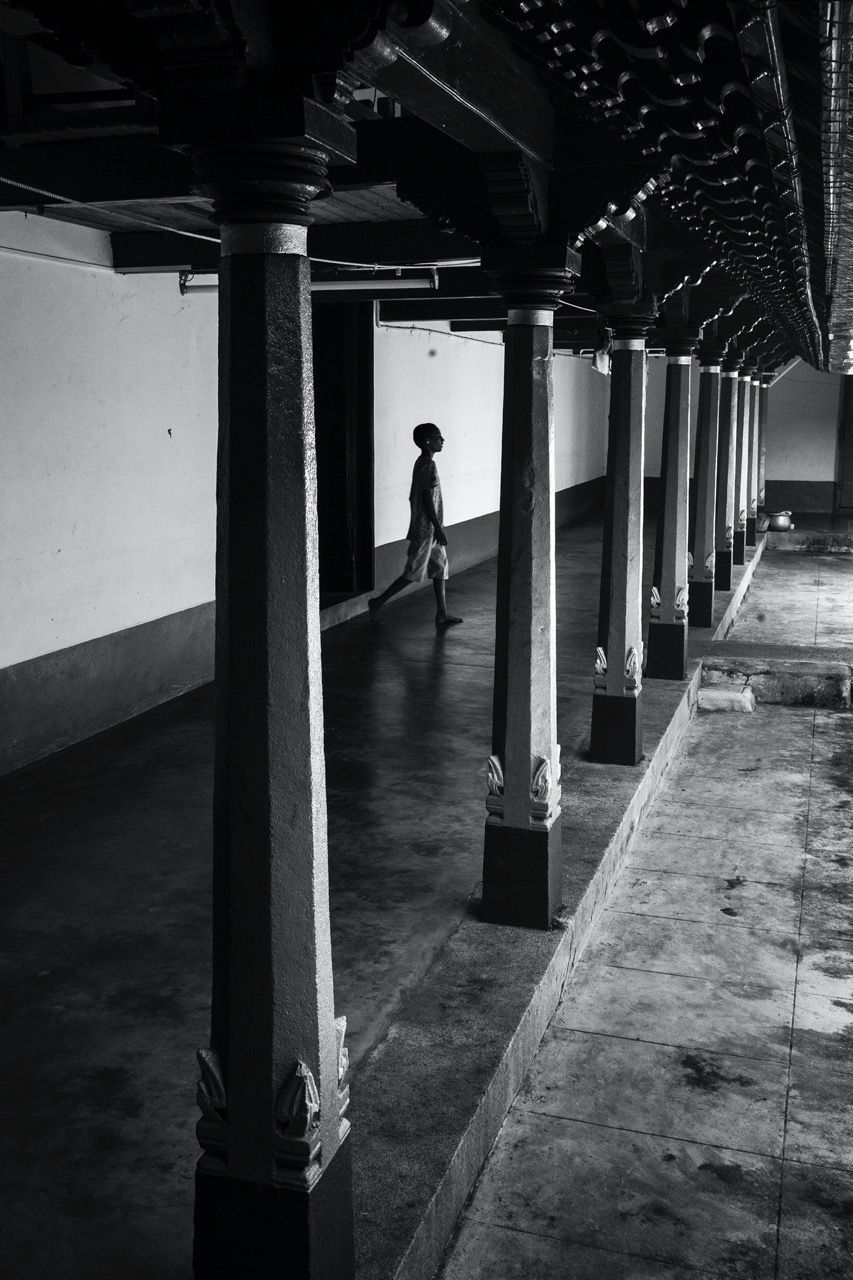
Grounding. Chennai lets you grow at your own pace. It does not overwhelm you; it allows space to find your voice and thrive. It shaped both my identity and my brand.
Do you think Indian fashion consumers are more open to new voices now?
Absolutely. Indian fashion is no longer about filling a gap left by the West, it is evolving on its own terms. Designers here are celebrated on merit. The numbers back it up too. India’s apparel market was valued at USD 106.9 billion in 2023 and is projected to hit 146.3 billion by 2032. Apparel exports grew 11 per cent year-on-year in May 2024, with buyers shifting focus from China and Bangladesh. We are on the cusp of transformation.
Your IDAM collection reimagined the veshti. Why was that important?
The veshti does not need reinvention, it has endured with dignity. What it needs is visibility. Why should a tuxedo be global and a veshti remain regional? By presenting it as a contemporary identity marker, beyond ceremony and beyond gender, I want to place it in the global sartorial dialogue.
With Western luxury on the decline, does Indian fashion step in?
Yes, but not as a substitute. People still want luxury; they just want it authentic. Our textiles, crafts and cultural depth are not just clothes, they are identity. When presented in a modern, global language, Indian fashion is not the alternative to luxury; it is the future of it.
Photo Credits: Amar Ramesh


