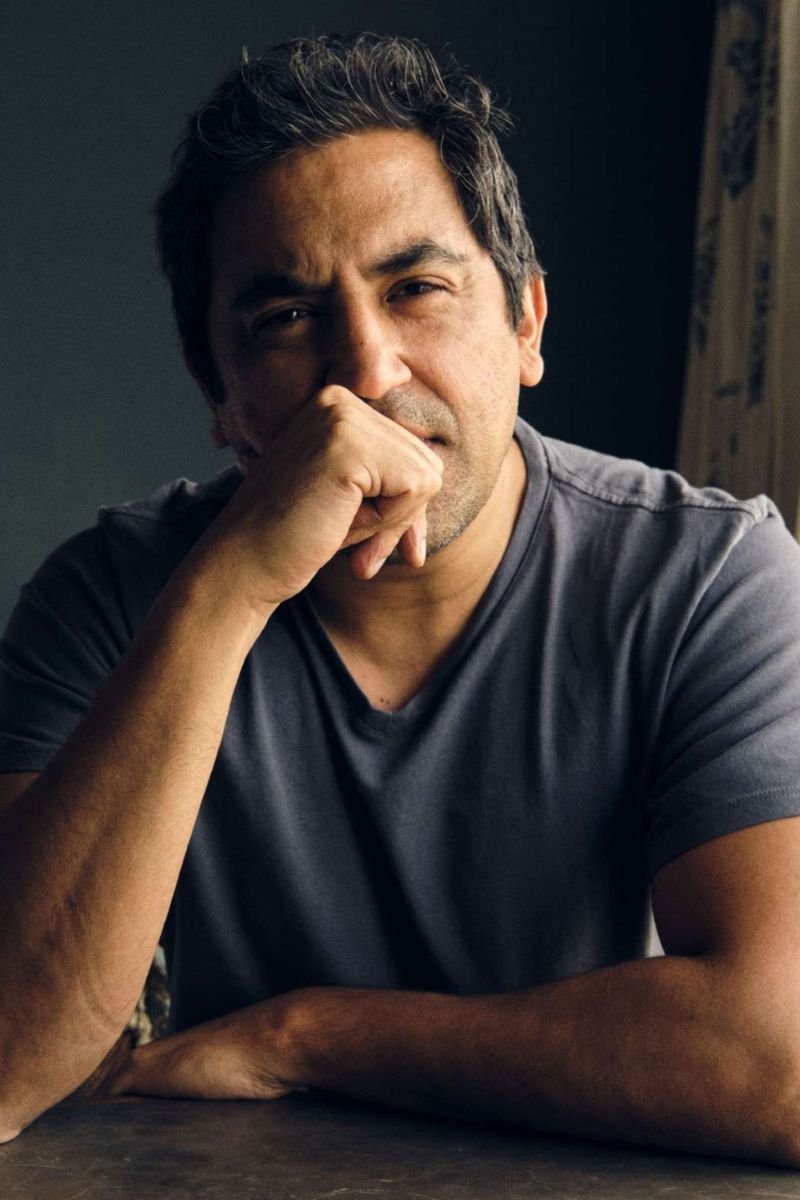
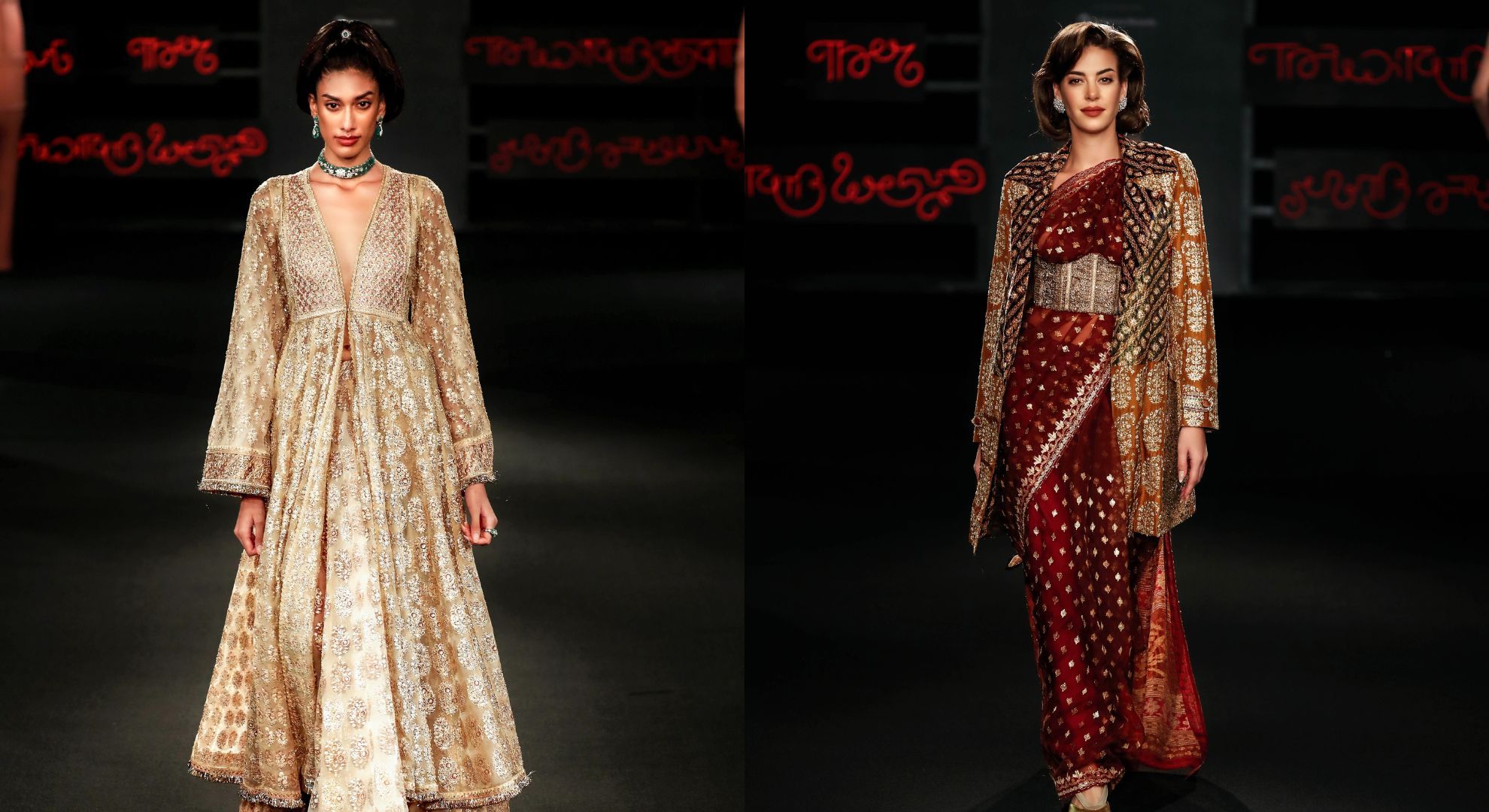
There’s a particular weight that comes with inheriting a name like Ritu Kumar. Not just legacy in the romantic, sepia-toned sense, but the operational reality of sustaining one of India’s earliest and most influential fashion houses in a market that has changed faster than most were prepared for. Founded by Ritu Kumar in the late 1960s, the brand helped shape modern Indian fashion by bringing traditional textiles, hand-block printing, and craft practices into a contemporary, globally relevant conversation long before “heritage” became a marketing buzzword.
Enter Amrish Kumar, who stepped into the business at a moment of transition, not just for the brand, but for the industry at large. His role has been less about reinvention and more about calibration: building a sharper brand architecture, expanding into accessible lines like Label Ritu Kumar, and navigating the tension between scale and authenticity in a craft-led business. At a time when Indian fashion is caught between mass-market acceleration and a renewed appreciation for handmade processes, his approach sits somewhere in the middle, pragmatic, quietly ambitious, and deeply aware of what’s at stake.
In this conversation, Kumar talks about growing up inside the machinery of Indian fashion, the unglamorous reality of running a label, and why the future of craft depends less on nostalgia and more on value.
What are your earliest memories of fashion, and how did they shape your journey into the industry?
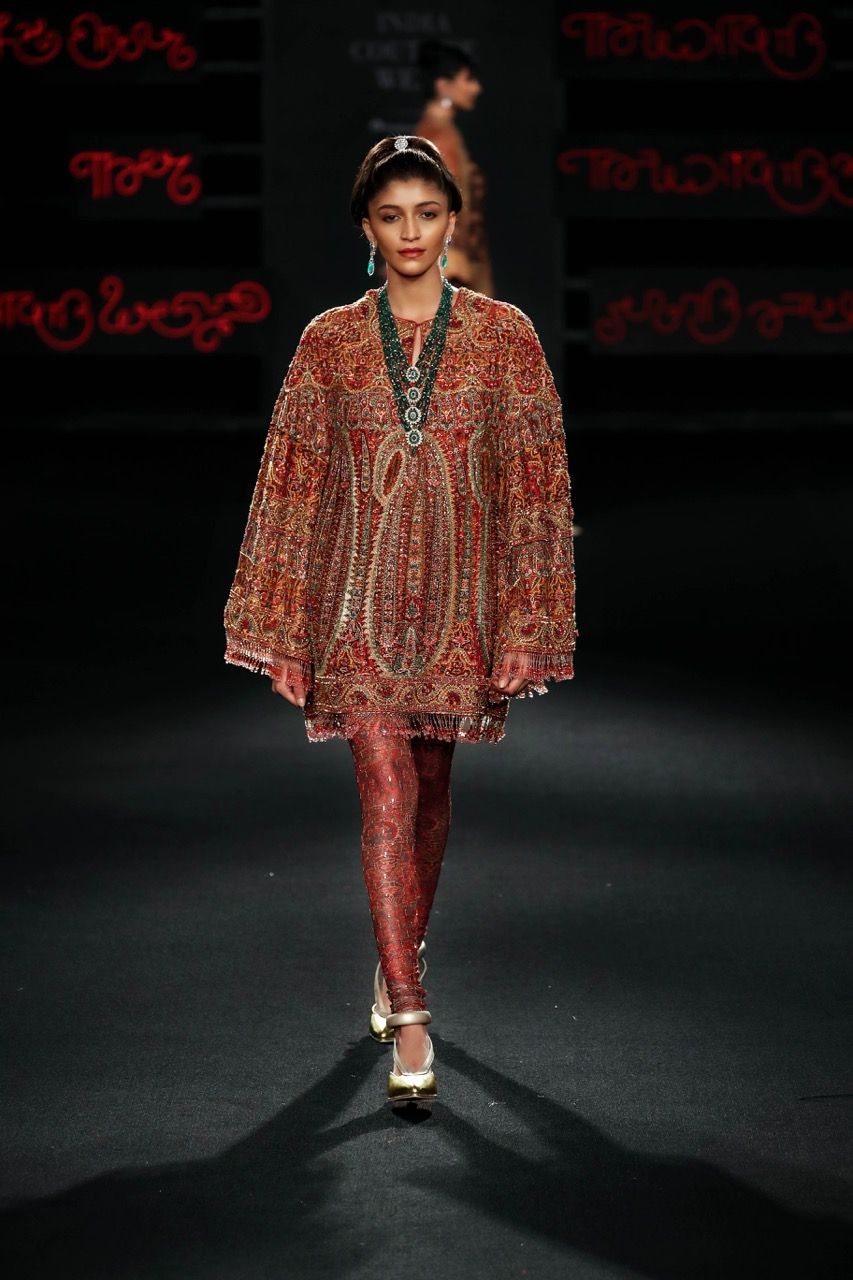
My earliest memories of fashion are rooted in growing up in Calcutta, surrounded by a deeply craft-oriented family business. I spent a lot of time in the workshop and office, observing processes like screen printing, embroidery, and working with fabrics and dyes. It wasn’t just exposure it was immersion.
That said, joining the business wasn’t a given. I explored finance, had an interest in media, and completed my graduate studies before eventually stepping in particularly when my mother began stepping back from the day-to-day operations. That’s when it shifted from being part of my environment to becoming a conscious career choice.
Was there a defining moment when fashion became a serious career path for you?
It wasn’t a single moment but rather a gradual realization. Having explored other fields, I found myself drawn back to the business not just because of legacy, but because of the opportunity to build and evolve something meaningful. When I entered the company at a time of transition, it became clear that I could contribute to shaping its next phase.
How do you evolve a legacy brand like Ritu Kumar without losing its core identity?
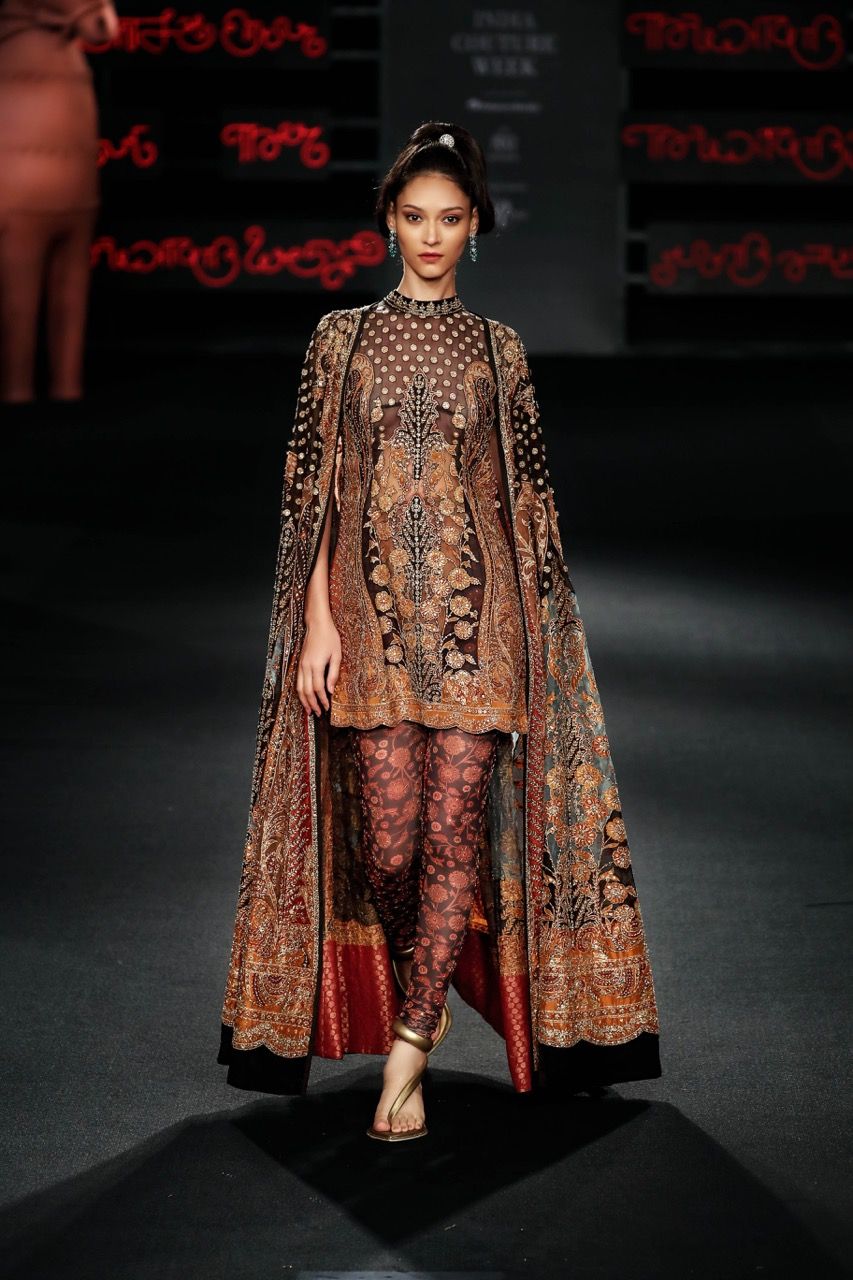
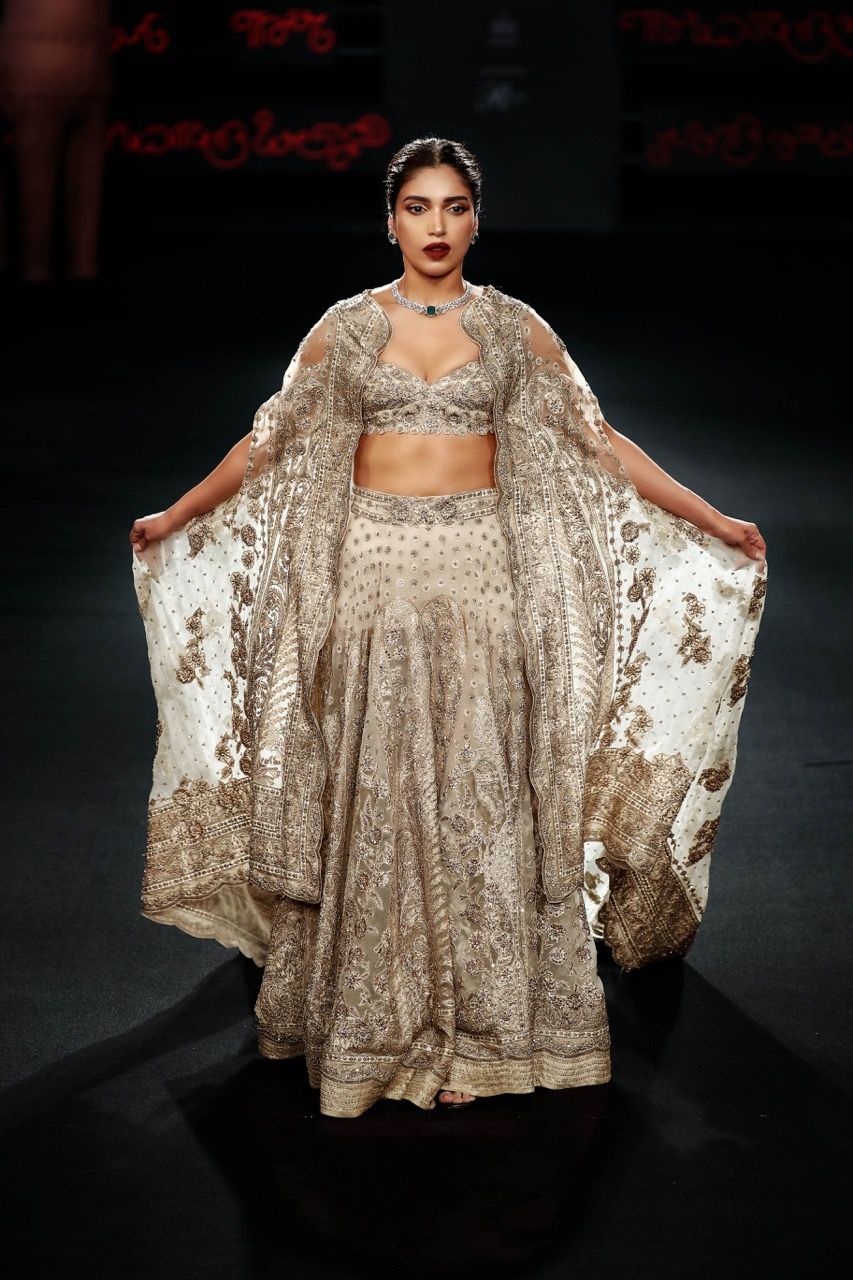
That’s always the central challenge scaling while protecting the brand’s DNA. Our approach has been to create clear distinctions within the brand architecture. For instance, launching Label Ritu Kumar allowed us to cater to a different, more accessible segment without diluting the mainline. Similarly, separating wedding couture from ready-to-wear ensures that each category retains its integrity. It’s about growth with clarity expanding reach while staying true to what the brand stands for.
What is the least glamorous aspect of running a fashion label?
Most of it, honestly. Fashion is often perceived as glamorous, but the reality is that it’s largely operational. You’re constantly managing supply chains, forecasting demand, working with talent, and dealing with the pressures of seasonality. Every season is essentially a reset you start from zero. Even the seemingly glamorous parts, like photoshoots, are often long, tedious, and highly structured. The real work lies behind the scenes.
Indian fashion is often seen as heavily dependent on the wedding market. Do you think this limits creativity?
Not necessarily. The wedding market in India is incredibly dynamic and culturally significant it actually drives a lot of innovation. At the same time, Indian fashion is deeply rooted in textile heritage and traditional dress practices. While there has been evolution like changing bridal colour palettes the wedding segment continues to be a major creative and commercial driver. The broader ready-to-wear market is still maturing and evolving differently.
There’s ongoing debate about Western brands borrowing from Indian craft. Do you see this as appreciation or appropriation?
I don’t view it as appropriation. Cultural exchange has always existed; fashion, like any creative field, thrives on inspiration. Borrowing ideas across cultures is part of that process.
The more important conversation is about the value of ensuring that the craftsmanship is respected and that the artisans behind it are sustained economically.
How can craft-based brands scale without diluting the essence of the craft?
It comes down to value creation. Craft can only survive if it commands a premium and if consumers understand and appreciate its worth. If that equation doesn’t work, these traditions risk fading away. Scaling, therefore, isn’t just about volume, it's about building a market that respects and sustains craftsmanship.
Has the rise of e-commerce changed the role of physical retail?
Yes, but not entirely. Digital has definitely reduced the relative importance of physical retail in some categories. However, when it comes to premium, artisanal pieces, the tactile experience is still crucial. Customers want to see, feel, and experience the product especially in our category. So, while digital is important, well-located, thoughtfully designed physical stores continue to play a key role.
What is your vision for the brand going forward?
In the near term, a key focus is on reviving niche textiles and endangered craftsmanship. India has an incredibly rich textile heritage, and many of these traditions are at risk of disappearing.
We want to bring these crafts back into relevance not just as heritage pieces, but as part of contemporary fashion. It’s about creating a bridge between the past and the future.


