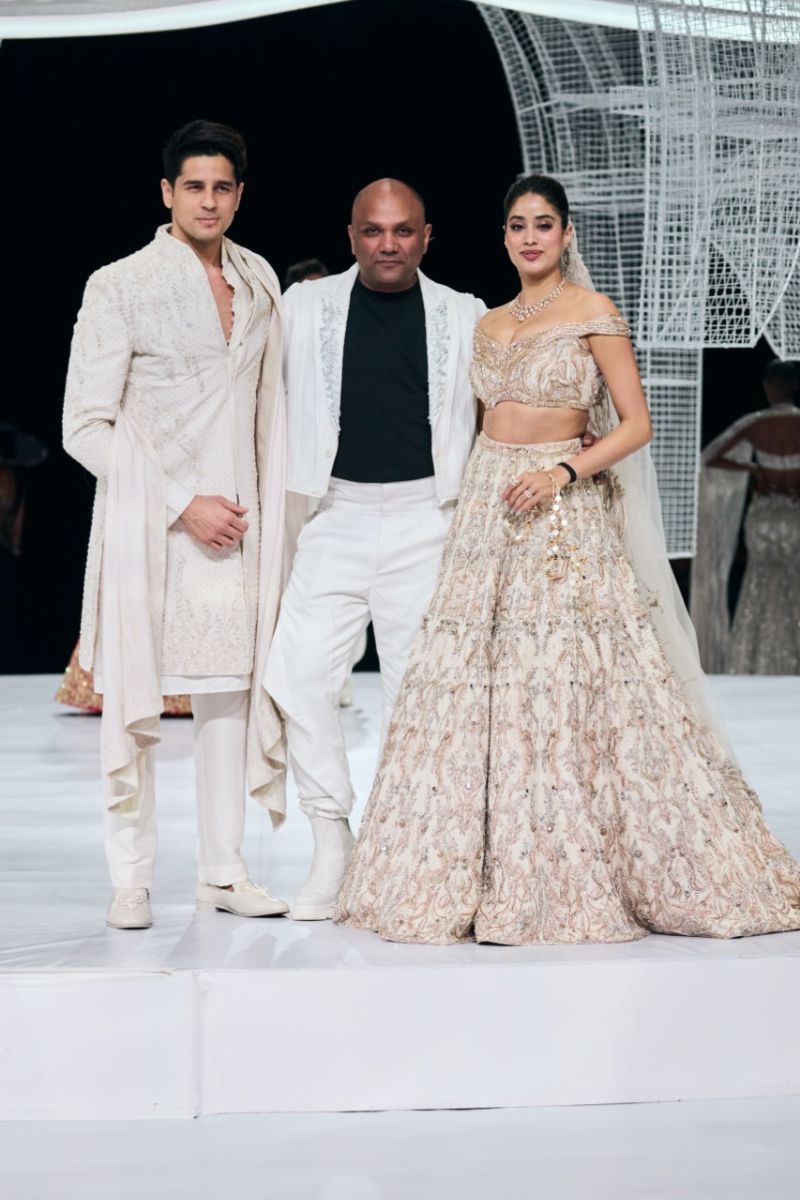
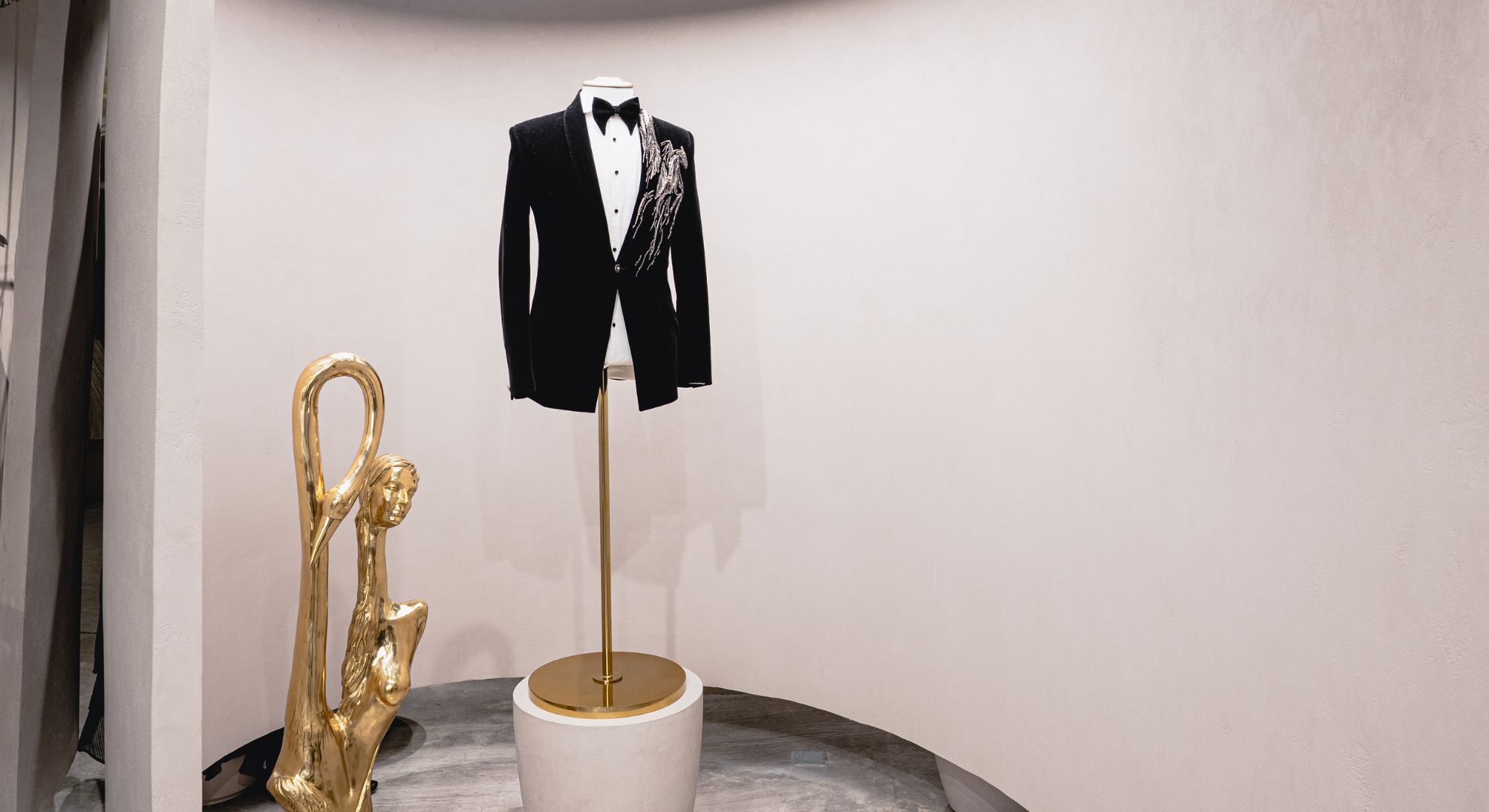
For a long time, Indian menswear played it safe. Ceremony over comfort. Surface over substance. Status stitched neatly into every seam. Clothes did the job, but rarely said anything. That era is quietly ending. Today’s Indian man is no longer dressing to meet expectations or perform tradition on cue. He is dressing to recognise himself in the mirror.
Few designers are better placed to read this shift than Gaurav Gupta. Fresh off the launch of his first dedicated menswear flagship at DLF Emporio, New Delhi, Gupta is giving menswear a permanent home. Known globally for sculptural red carpet moments worn by Beyoncé, Cardi B, Megan Thee Stallion, Lizzo, Jennifer Hudson, Kylie Minogue, Fan Bingbing, Deepika Padukone, Priyanka Chopra, Aishwarya Rai Bachchan and Saweetie, Gupta now turns his attention inward and decisively towards men.
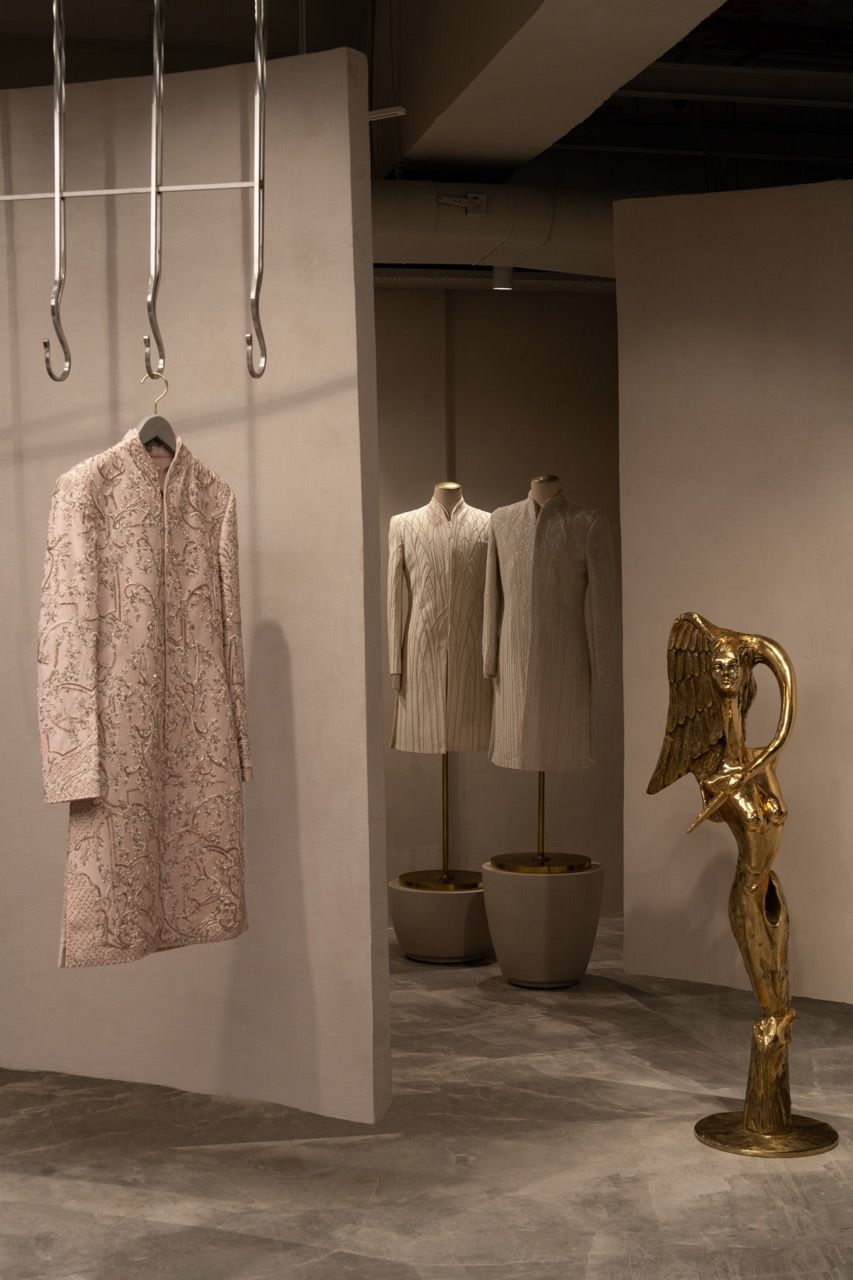
What do you think Indian men are looking for in fashion today?
Indian men today are looking for authenticity. They want clothing that reflects who they are rather than who they are expected to be. There is a growing desire for comfort, individuality, and emotional expression. Men are no longer dressing only for status or occasion. They are dressing for identity, and that shift is incredibly powerful.
Is there something in menswear you want to explore more going forward?
I am very interested in exploring movement and layering in menswear more deeply. Drapes, asymmetry, and modular pieces that evolve with the body fascinate me. I would also like to explore footwear and accessories as integral design elements rather than supporting details. Menswear offers immense space for quiet innovation.
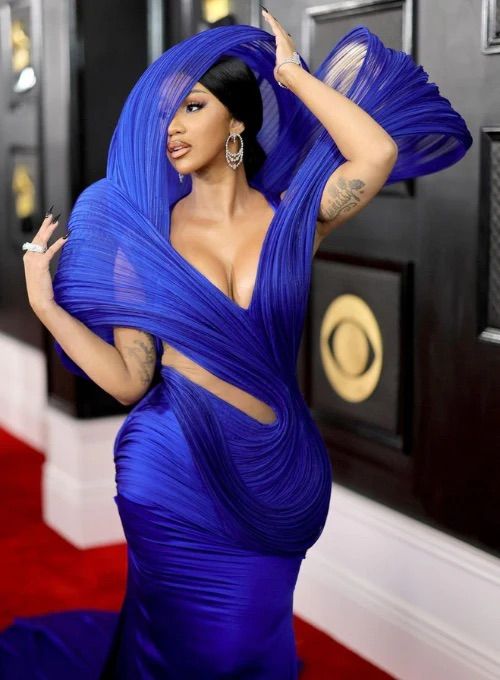
How did your first international celebrity collaboration come about?
It happened very organically. International stylists and artists were drawn to the sculptural language of the brand and how it translated movement and emotion through form. There was a curiosity about Indian couture. Those early collaborations were not planned as milestones.
How have these global collaborations influenced your work back home?
They have given me confidence to remain rooted. Working internationally made me realise that our textiles, techniques, and philosophies are not just relevant, but deeply valued globally. It encouraged me to push Indian craft forward without dilution, and to design with even greater conviction.
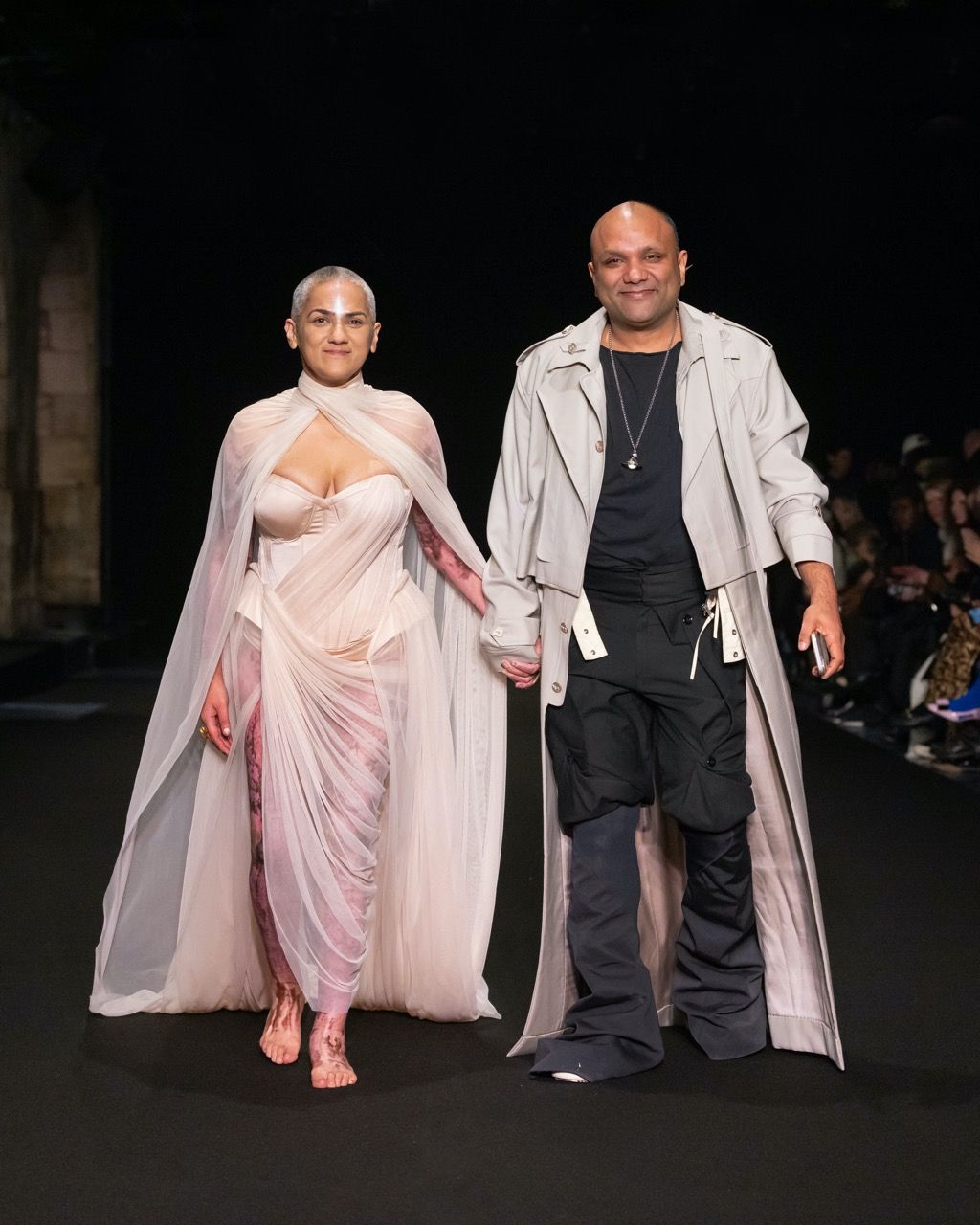
Your recent work was shaped by a very personal and difficult experience involving your partner. How has it impacted your perspective, both personally and creatively?
That period changed me profoundly. It taught me patience, surrender, and resilience. Creatively, it deepened my relationship with emotion. My work became quieter, more introspective, and more spiritual. I began to design not only for beauty, but for healing. It reminded me that fashion, at its best, is not decoration, but expression.
According to you, which aspects of a groom’s look are still underexplored and needs more experimentation?
I think drape and proportion are still underexplored. We focus a lot on embroidery and surface, but there is immense potential in how garments move, how layers interact, and how silhouettes evolve through the day. Accessories and footwear are also spaces where we can introduce far more personality and emotion.
As you expand with dedicated menswear spaces, what differences do you notice in the way clients shop across your flagship stores?
Menswear clients are far more intuitive. They respond strongly to space, comfort, and experience. They take time to understand construction and movement, and they value storytelling deeply. What is interesting is that many men are now shopping emotionally, not transactionally. They are looking for connection, not just clothing.


