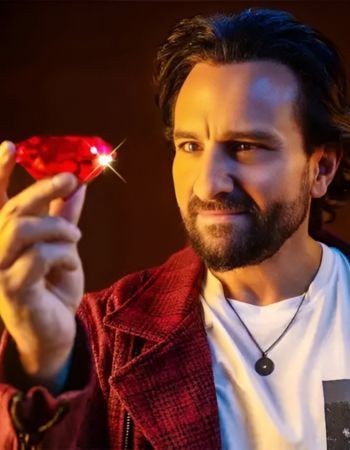
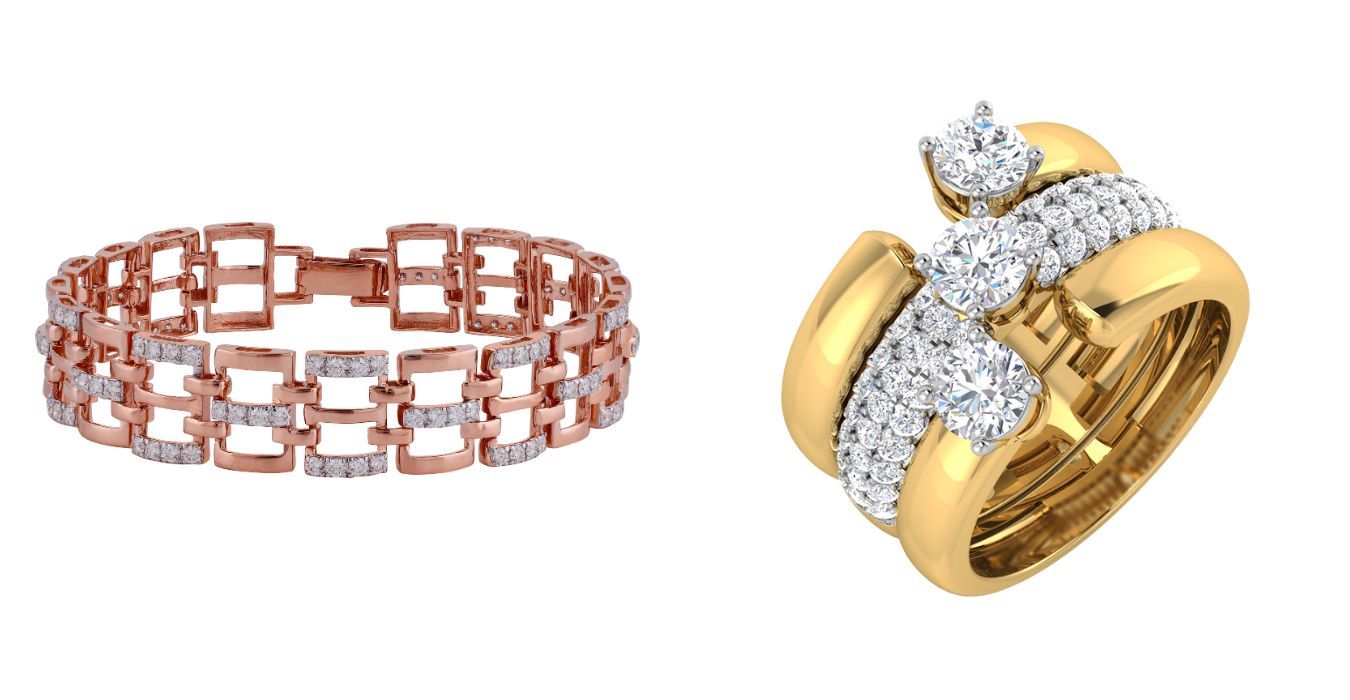
For decades, buying a diamond was a one-act play. You walked into a store, pointed at the shiniest thing you could afford, bent on one knee and hoped the lighting was flattering. The diamond wasn’t yours. You were just the delivery boy for tradition. Today, that script is officially retired. Men are buying diamonds for themselves. A solitaire stud that does more for your face than a skin routine. A ring you buy because you finally feel like the man you were pretending to be in your twenties. A tennis bracelet tucked under your sleeve like a private flex. The diamond is no longer a token of commitment. It is a marker of identity.
And since no evolution is complete without options, you now have two very vocal camps battling for your wrist, neck or earlobe. Natural diamonds on one side with emotional weight and geological bragging rights. Lab-grown diamonds, on the other hand with science, precision and the tempting promise of “twice the size, half the stress”. Think of it as a long rally. Both sides want the point. The question is, who wins your wrist?
Before we get into the debate, here is the clarity you actually need.
The types of diamonds
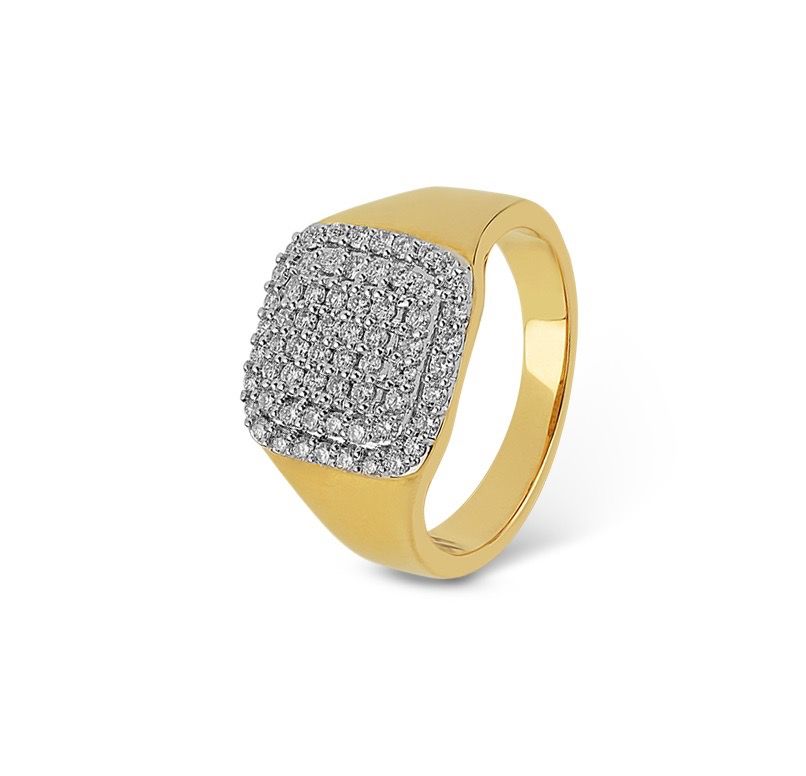
Credits - Orra Fine Jewellery
Natural Diamonds
Formed over billions of years. Geological, rare, emotionally loaded. The classic.
Lab Grown Diamonds
Grown using HPHT or CVD technology. Identical in chemical, physical and optical structure.
Simulants
Things that look like diamonds but aren’t diamonds. Cubic zirconia. Moissanite. Not the same category at all. Good for costume jewellery, not serious buying.
If you take away one thing, let it be this. Natural versus lab-grown is origin, not authenticity. Everything else is marketing preference.
The 4 Cs explained
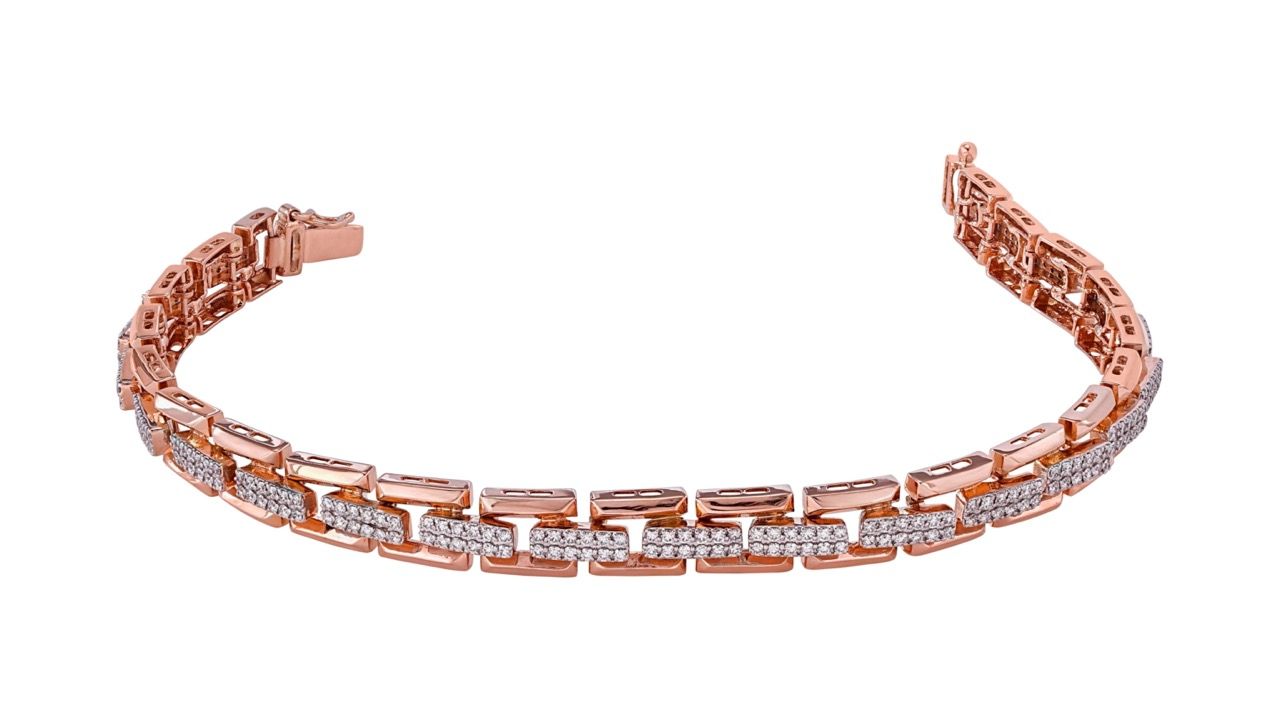
Credits - Kirtilals
Men pretend to understand the 4 Cs until they actually enter a store and realise they have been confidently wrong for years. Here is the version that saves you money, time and embarrassment.
1. Cut
Cut is not the shape, but it is the reason your diamond looks awake instead of exhausted. A smaller, well cut stone will outshine a larger, badly cut one every single time. Every expert started here. Every. Single. One.
The classic shapes you’ll actually see in stores:
• Round Brilliant the sparkle king
• Oval currently the celebrity favourite
• Princess sharp, modern, angular
• Cushion soft edges, vintage leaning
• Emerald long, glassy, elegant, very unforgiving
• Asscher a square emerald, art deco energy
• Marquise elongated, dramatic, very specific taste
• Pear teardrop shape, flattering and bold
• Radiant hybrid sparkle rectangle, great fire
• Heart self explanatory, niche audience
Oval cuts are everywhere because they look bigger for their weight and photograph beautifully. Cushions are back with a softer, more vintage feel. Radiants are rising thanks to their brightness and celebrity traction.
2. Colour
Colour is basically how pure your diamond looks. The closer it is to D, the more icy and colourless it appears. As you move down the scale toward Z, yellow or brown tones start to show.
The scale, simplified:
• D to F colourless, the purest look, priced like it
• G to J near-colourless, the smart zone most men choose
• K to M faint warmth, can look great in yellow or rose gold
• N to Z visible tint, usually avoided for fine jewellery
3. Clarity
Clarity is about what’s happening inside the diamond. When you look into a stone, you’re seeing how clean or included it is. Those tiny imperfections are called inclusions, and most of them are so small you’ll never notice them without magnification.
The scale, decoded:
• FL / IF flawless or internally flawless, nothing to see even when you stare into it
• VVS1 / VVS2 inclusions so tiny you’ll struggle to find them under a loupe
• VS1 / VS2 very slight inclusions, still pristine to the naked eye
• SI1 / SI2 slight inclusions, often eye clean if you choose carefully
• I1 – I3 visible inclusions, you will see them the moment you look into the stone
What this really means: VS and SI diamonds look perfectly clean when you stare into them without tools. Anything higher is a premium for technical purity, not a visible upgrade.
4. Carat
Weight, not size.
Two one-carat diamonds can look completely different depending on cut and proportions. Carat gives you presence. But without cut quality, it gives you nothing.
Here is the hierarchy.
Cut. Colour. Clarity. Carat.
Every brand repeats it because it works.
The case for natural diamonds
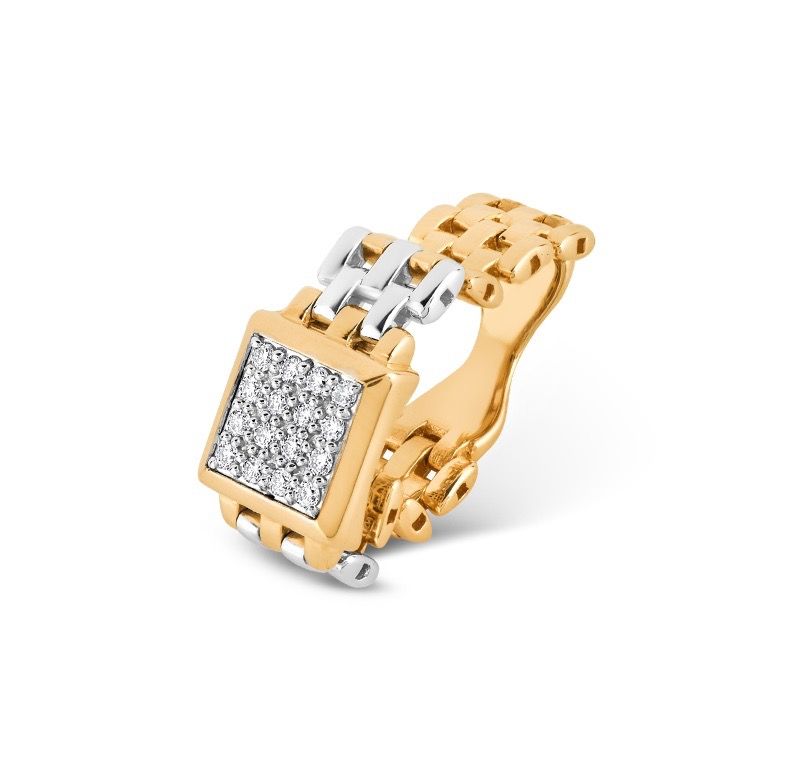
Credits - Orra Fine Jewellery
Natural diamond brands know exactly who they are talking to. The man who wants permanence. The man who cares about story as much as sparkle.
A spokesperson from ORRA Fine Jewellery, says natural diamonds come with “a sense of rarity and legacy”. A natural diamond takes millions of years to form, making each one “one of a kind in every sense”. For men buying milestone pieces, ORRA says the appeal is emotional. It is “less about comparison and more about the sentiment behind the choice”.
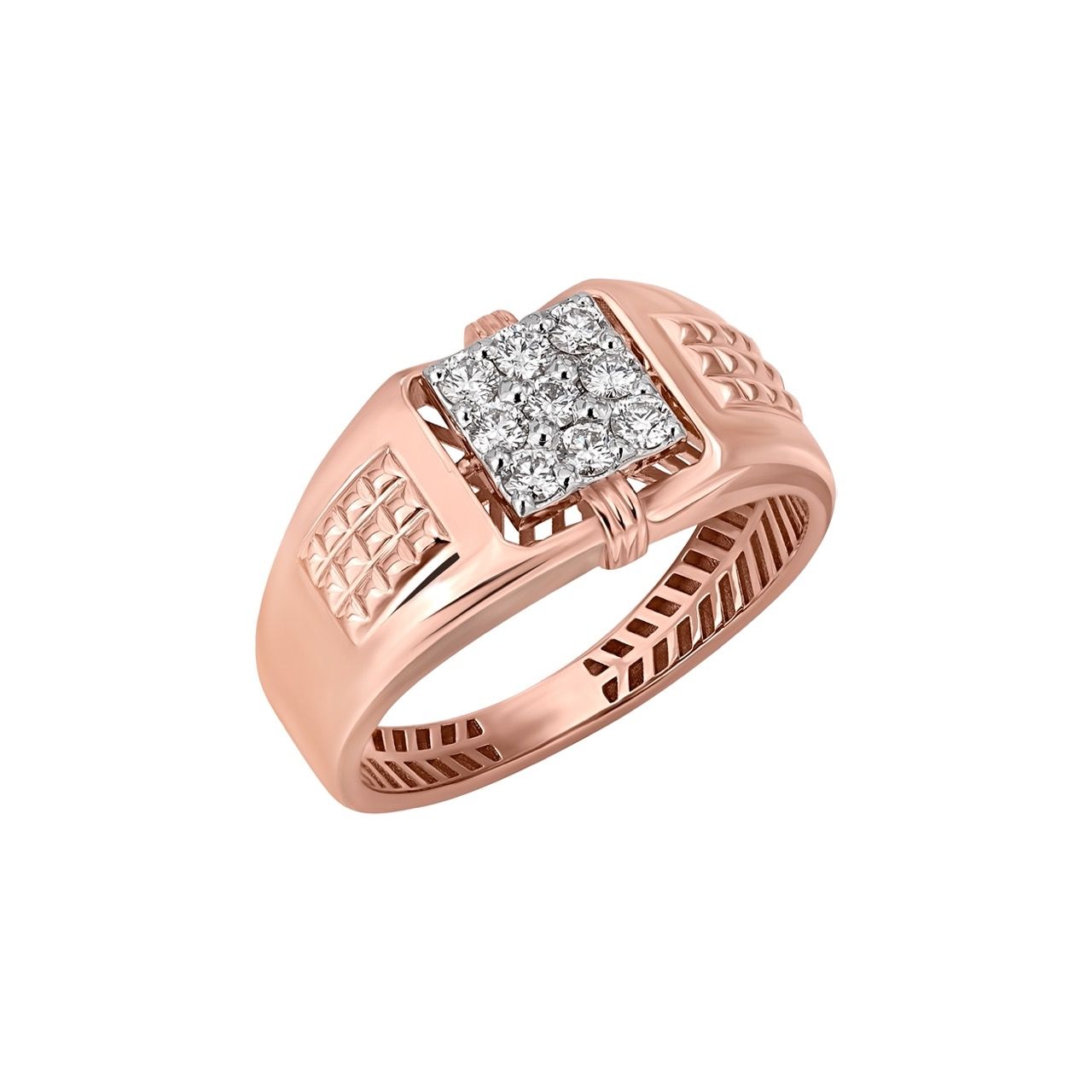
Credits - Kirtilals
Suraj Shantakumar, Director of Business Strategy at Kirtilals, describes natural diamonds as a choice of character. They offer “rarity, long-term value, emotional meaning and heritage”, qualities not duplicated in a lab. For male buyers, he frames the decision as choosing “something real and lasting”. A diamond is a statement of who you are becoming.
Kirtilals is extremely transparent with buyers. Shantakumar says men want clarity, not jargon. They show how stones are sorted, why some enter higher quality brackets and what gives a diamond strength or purity. Once men understand the logic, “the quality becomes obvious without needing technical breakdowns”.
The natural diamond mistakes men make
Both ORRA and Kirtilals say men mess up in the same places.
• They overrate size and forget proportions.
• They never realise how much cut impacts brilliance.
• They do not understand carat price jumps.
• They assume all diamonds hold value equally.
What is trending in natural diamonds?
Natural diamond aesthetics are evolving fast.
ORRA sees men choosing minimal, wearable pieces. Diamond accents on bracelets and watches. Slim rings. Smaller, more meaningful details. Bespoke is rising because men want individuality over ornamentation.
Kirtilals sees men scrutinising finish, durability and everyday compatibility. Their bestselling designs are clean, modern, and ungendered. Not loud. Not legacy heavy. Just refined.
The case of lab-grown diamonds
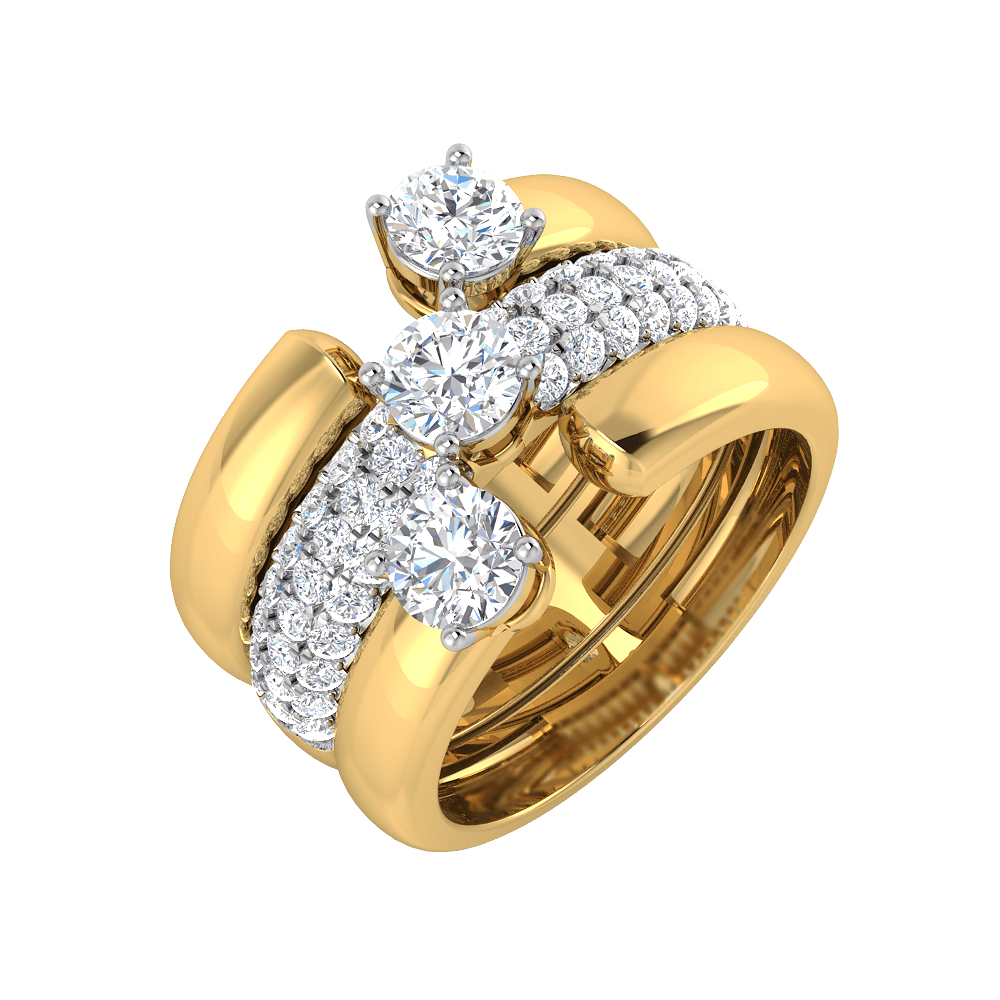
Credits - Solitario
Lab-grown sellers are talking to a slightly different man. The man who wants scale, design freedom and a diamond that fits into a modern lifestyle without emotional baggage or debt.
Ricky Vasandhani, Founder and CEO of Solitario, which calls itself “India’s new age diamond jewellery brand”, addresses the misconception immediately. Men assume lab-grown means fake. Solitario reminds them that lab-grown diamonds are “chemically, physically and optically identical” to mined stones. Only the birthplace changes. Not the authenticity.
Their male customers choose lab-grown for three reasons. Ethics. Size. Creative freedom. As Solitario puts it, lab-grown luxury is “real, responsible and refined”.
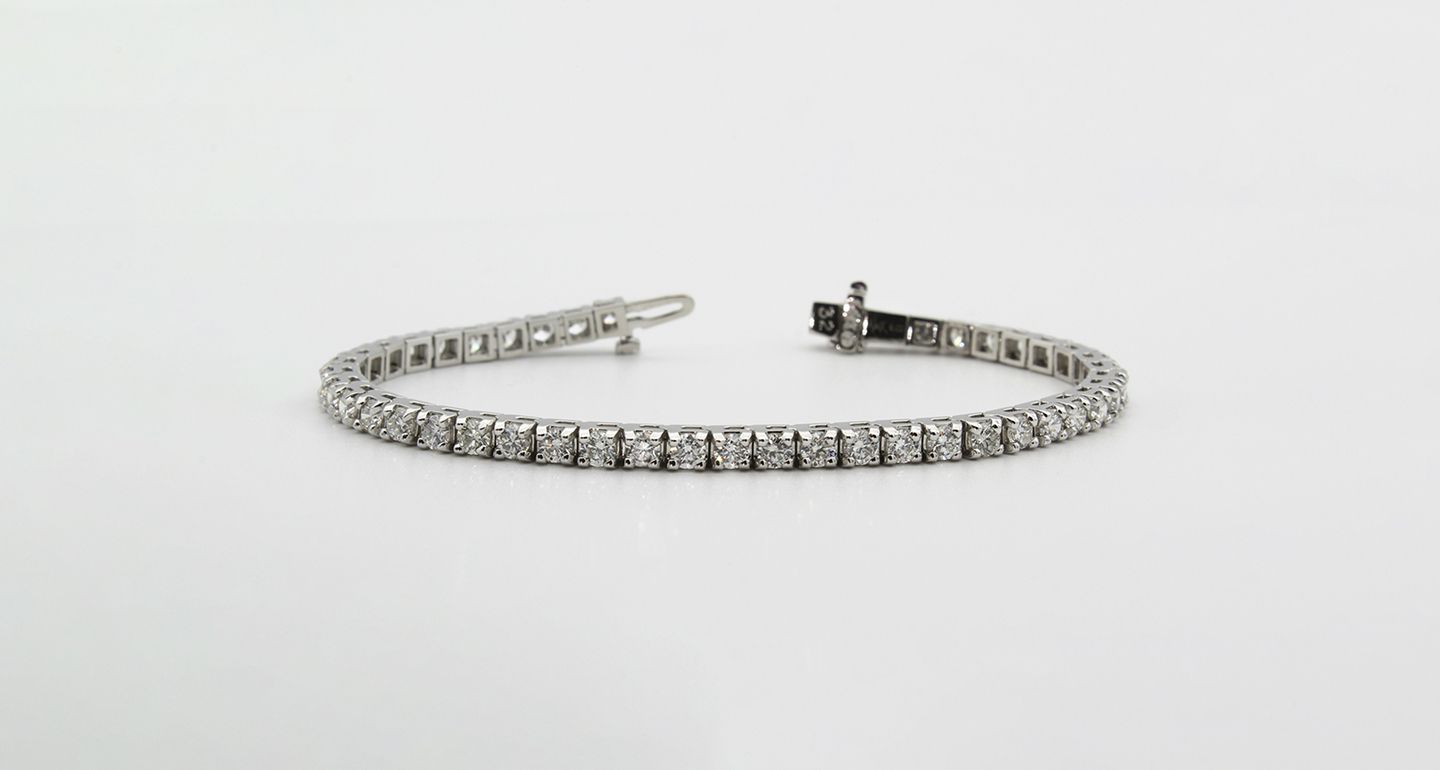
Credits - Solitario
Mehul Jain, Founder of Everbrite, walks men through the science, not the romance. He says authenticity comes from composition, not geography. Lab-grown diamonds are “atomically identical” to natural diamonds, with the same brilliance and hardness. What convinces most men, he says, is the side-by-side comparison. “If you can get a diamond that is physically and visually identical, but also more sustainable, traceable and responsibly priced, why wouldn’t you opt for that. It is not an imitation. It is innovation with maximum value for money.”
Jain also debunks the pricing myth. Men assume a low price means low quality. He says affordability comes from “innovation and not compromise”, often with higher purity and more experimental shapes and colours. Once men understand this, they view lab grown as “the smarter, more progressive choice”.
What is trending in lab-grown diamonds?
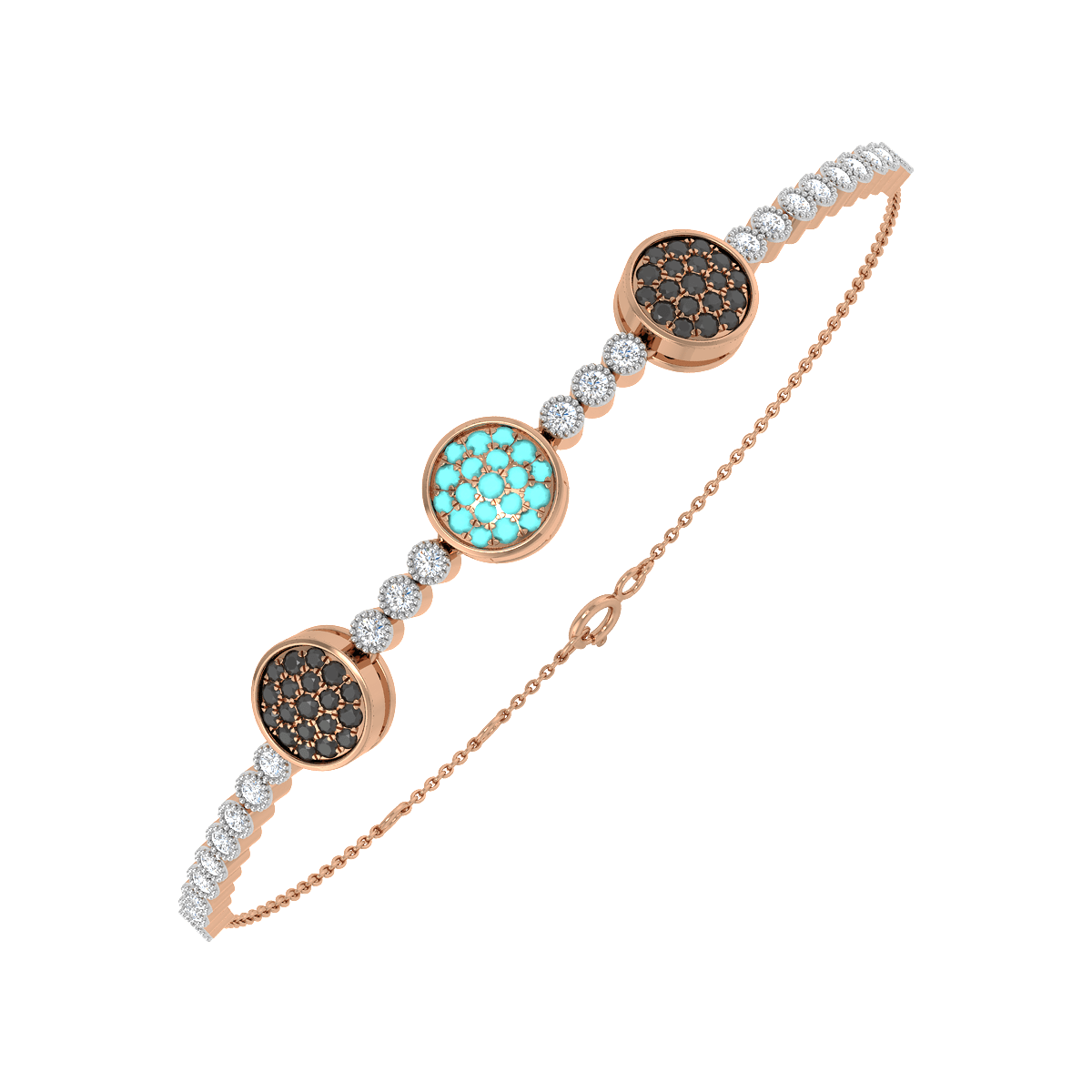
Credits - Solitario
Solitario reports a rise in gender fluid minimalism. Sleek bands. Sharp geometric pendants. Sculptural statement rings.
Everbrite sees a celebrity-driven boom. Shah Rukh Khan. Ranveer Singh. These men have made diamond jewellery normal for the modern Indian man. Jain sees surging demand for tennis bracelets, solitaire necklaces, and studs.
Most importantly, Jain says jewellery is no longer a rare ceremonial purchase. It is a lifestyle accessory “worn as easily as watches or sneakers”.
So, what should a man buy?
Natural diamonds, if you want emotion and legacy
Lab-grown diamonds, if you want scale, freedom, and modernity.
Both are valid. Both have permanence
Both are designed for two different kinds of male desire. What matters is what you want the diamond to say about you.


