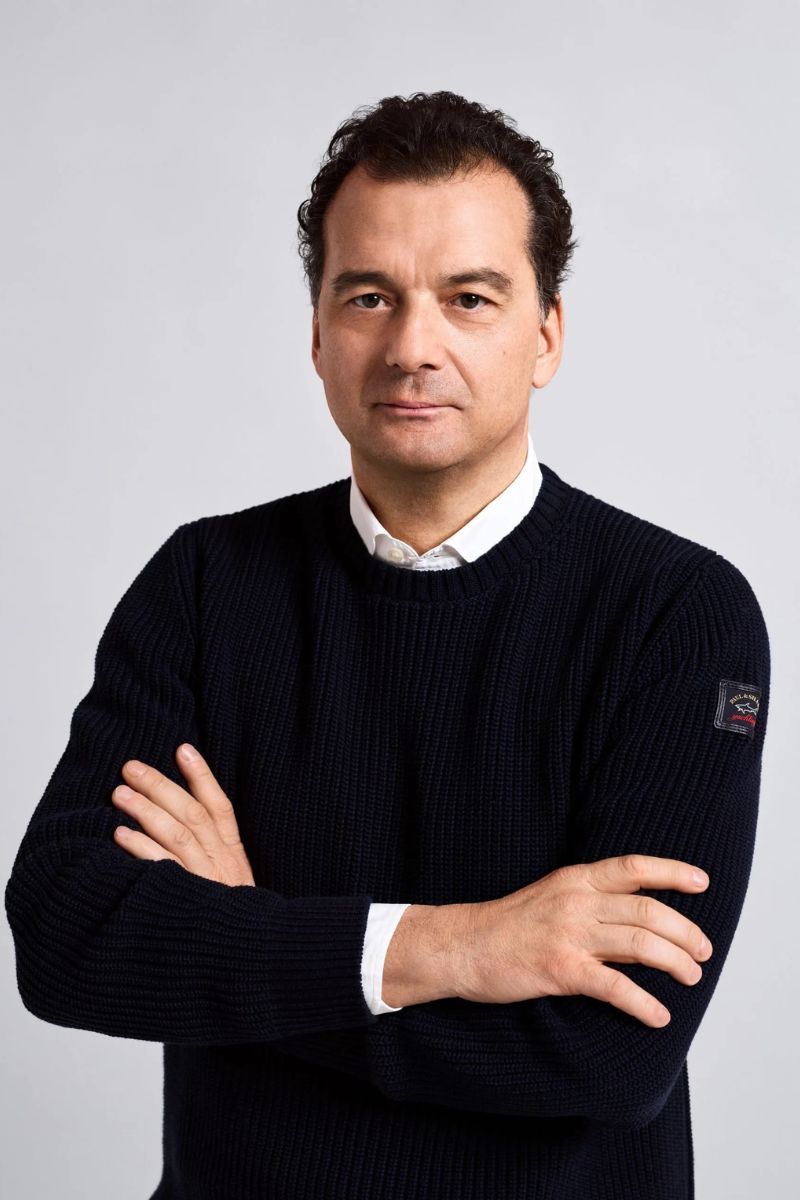
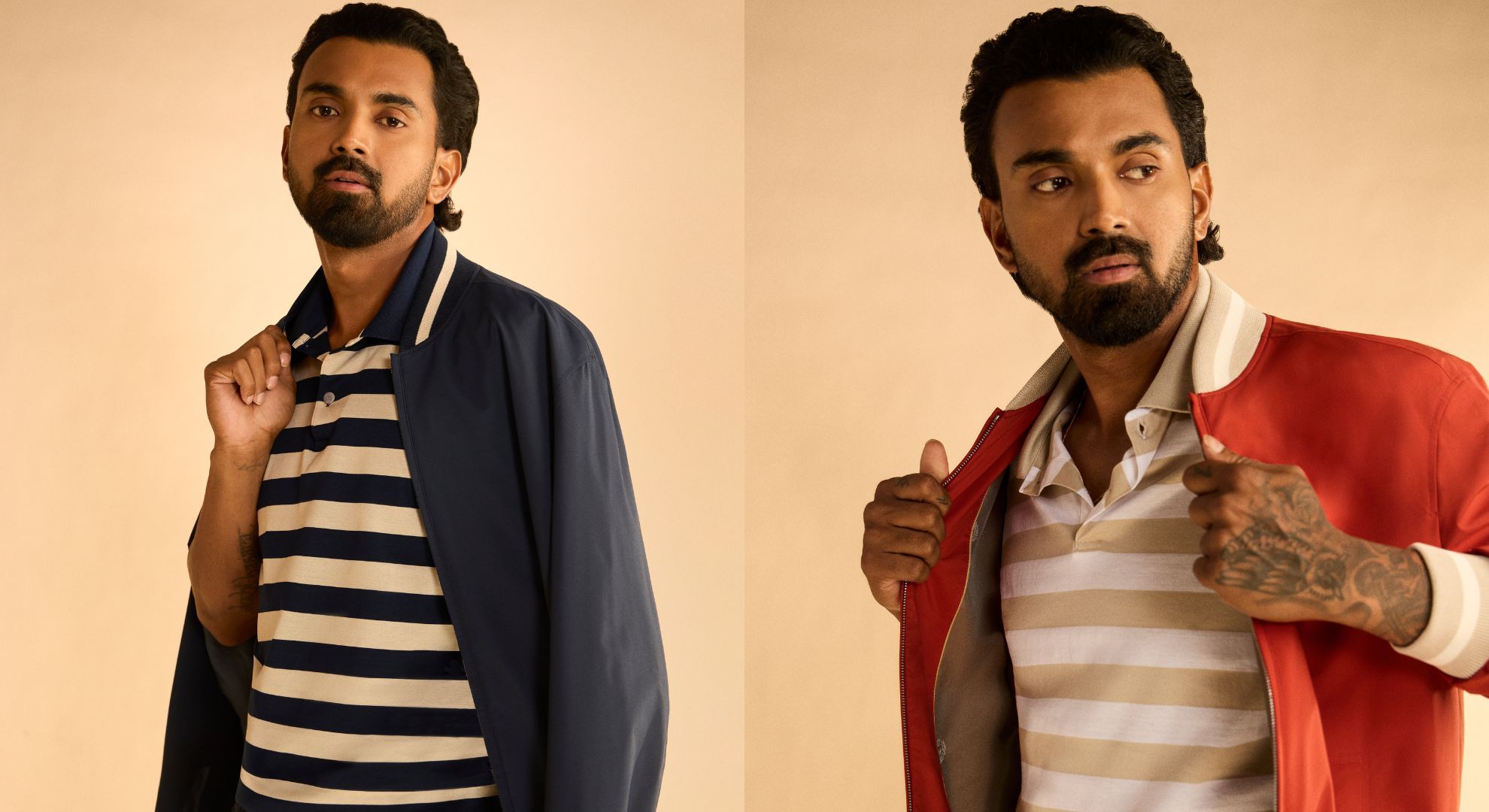
At a moment when luxury is increasingly obsessed with speed, scale and spectacle, Paul & Shark is making a case for something quieter. As the Italian house marks 50 years, the conversation around the brand is less about heritage as nostalgia and more about how heritage can evolve. That means talking about craftsmanship over logos, independence in an age of conglomerates, and why India has become central to the brand’s next chapter. It also means rethinking what modern luxury looks like through the lens of functionality, cultural nuance and understated elegance. In this conversation, Paul & Shark president Andrea Dini speaks about all of that, from the evolution of the Indian luxury consumer to the thinking behind the brand’s collaboration with KL Rahul.
Paul & Shark has been family-owned for almost fifty years. How do you balance tradition with innovation while keeping the brand’s identity intact?
This year marks a special milestone for us as we celebrate our 50th anniversary. Our heritage remains our greatest asset, but heritage only matters if it continues to evolve. The challenge is staying true to our identity while adapting to a changing world, and that balance comes from focusing on what has always defined us: quality, craftsmanship and timeless functionality. Innovation, for us, is not about chasing trends but about keeping those values relevant.
What role does India play in Paul & Shark’s long-term expansion plans, and how is it different from other Asian markets for the brand?
India plays a very important role in our long-term strategy in Asia. What makes the market especially compelling is not just its growth, but its sophistication. There is a deep cultural richness here, paired with a growing appreciation for craftsmanship and international luxury, which creates a strong fit for the brand. It allows us to express our identity in a way that resonates locally while staying true to our global DNA.
Paul & Shark entered India in 2010. Since then, how have you seen the luxury market here evolve, especially in terms of what Indian consumers expect from a brand today?
The biggest shift has been in how discerning the consumer has become. Luxury today is less about overt signalling and increasingly about authenticity, materials and quality. There is a more informed appreciation of craftsmanship now, and that has changed what consumers expect from brands.
What does the modern Paul & Shark man look like to you today in 2026?
He is global in outlook, curious by instinct and drawn to things made well. He values quality and permanence, but also functionality. There is a naturalness to his elegance. It is effortless rather than performative. He appreciates excellence, whether in construction, materials or design, and seeks pieces that endure.
Many heritage brands are now part of large luxury groups, but Paul & Shark remains independent. What are the biggest advantages and disadvantages of having that freedom?
Independence allows us to evolve on our own terms. It gives us the freedom to stay aligned with our values and preserve a very clear identity. That has always been one of our greatest strengths. We can think long-term, without compromising who we are.
When you look at India over the next five years, where do you see the biggest opportunity? Is it metro cities, younger luxury shoppers, travel retail, e-commerce, or smaller cities where affluent consumers are becoming more important?
The opportunity will be multi-layered. Metro cities remain important, but some of the strongest growth will come from younger luxury consumers and affluent buyers in smaller cities. That combination is where a great deal of momentum lies.
Beyond his profile as a cricketer, what made KL Rahul the right partner for Paul & Shark from a fashion and cultural standpoint?
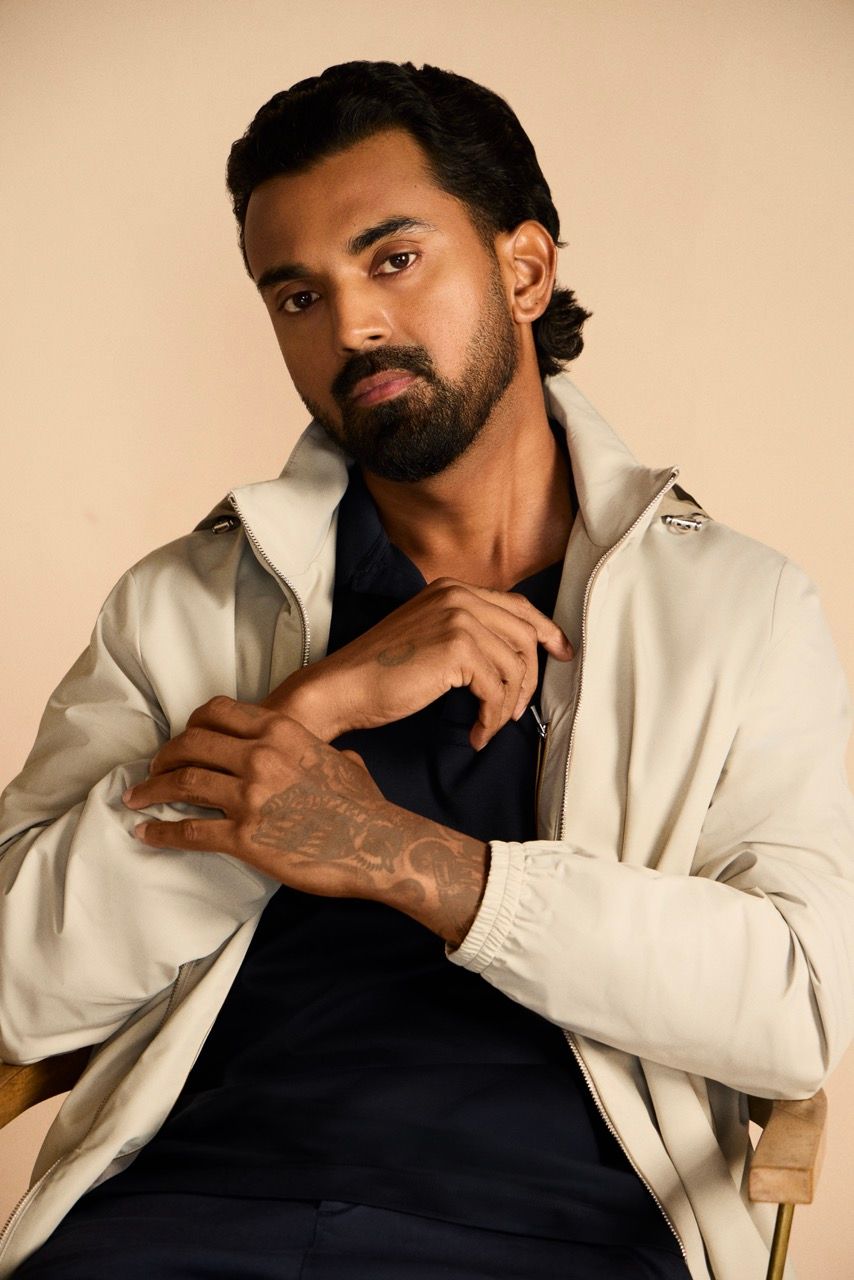
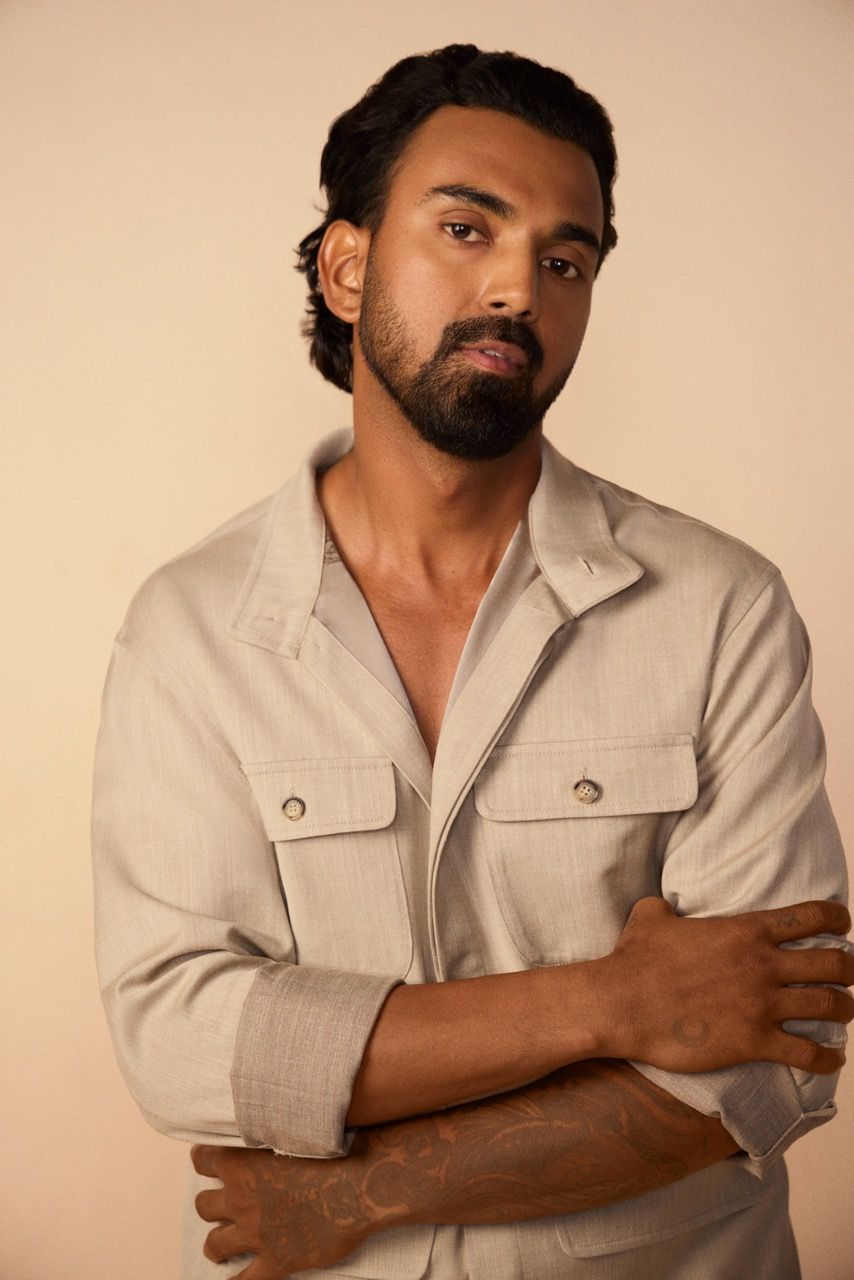
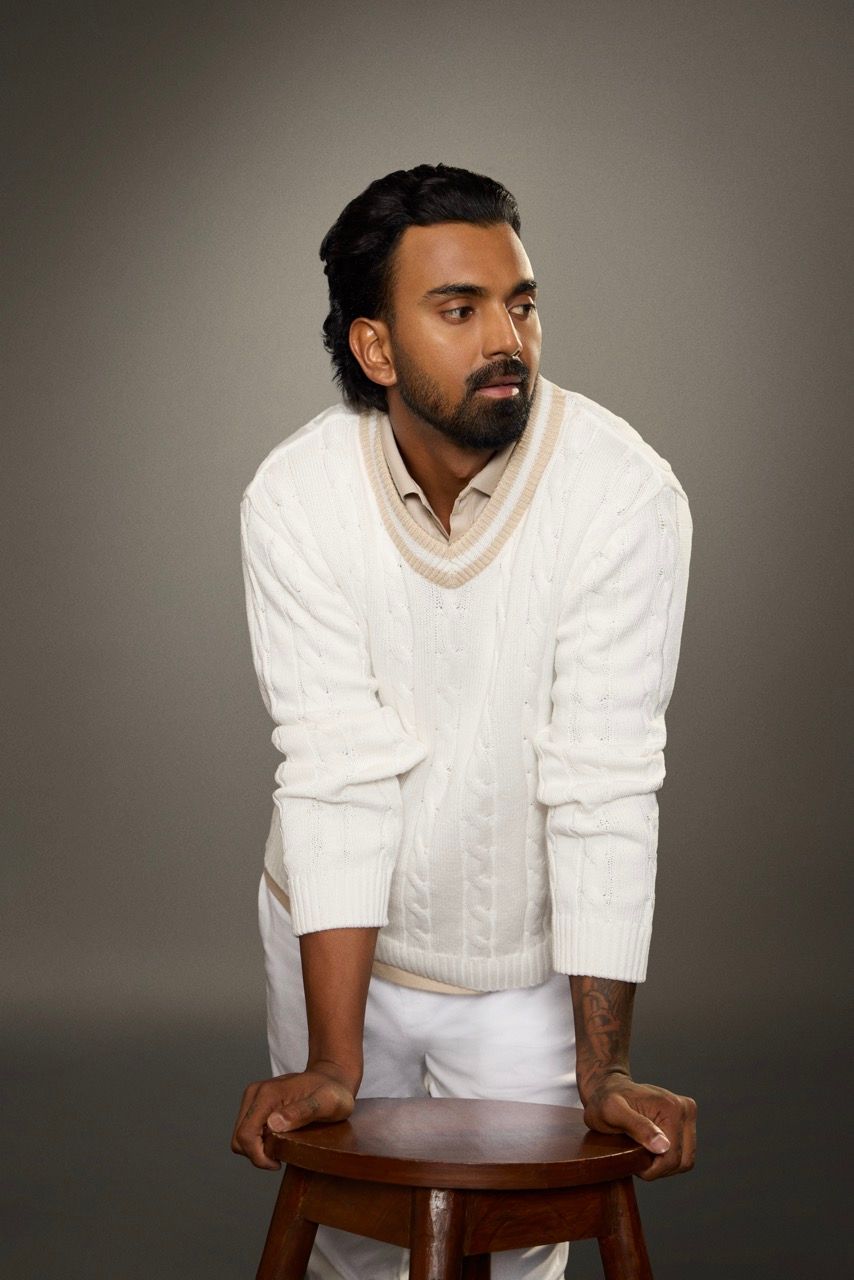
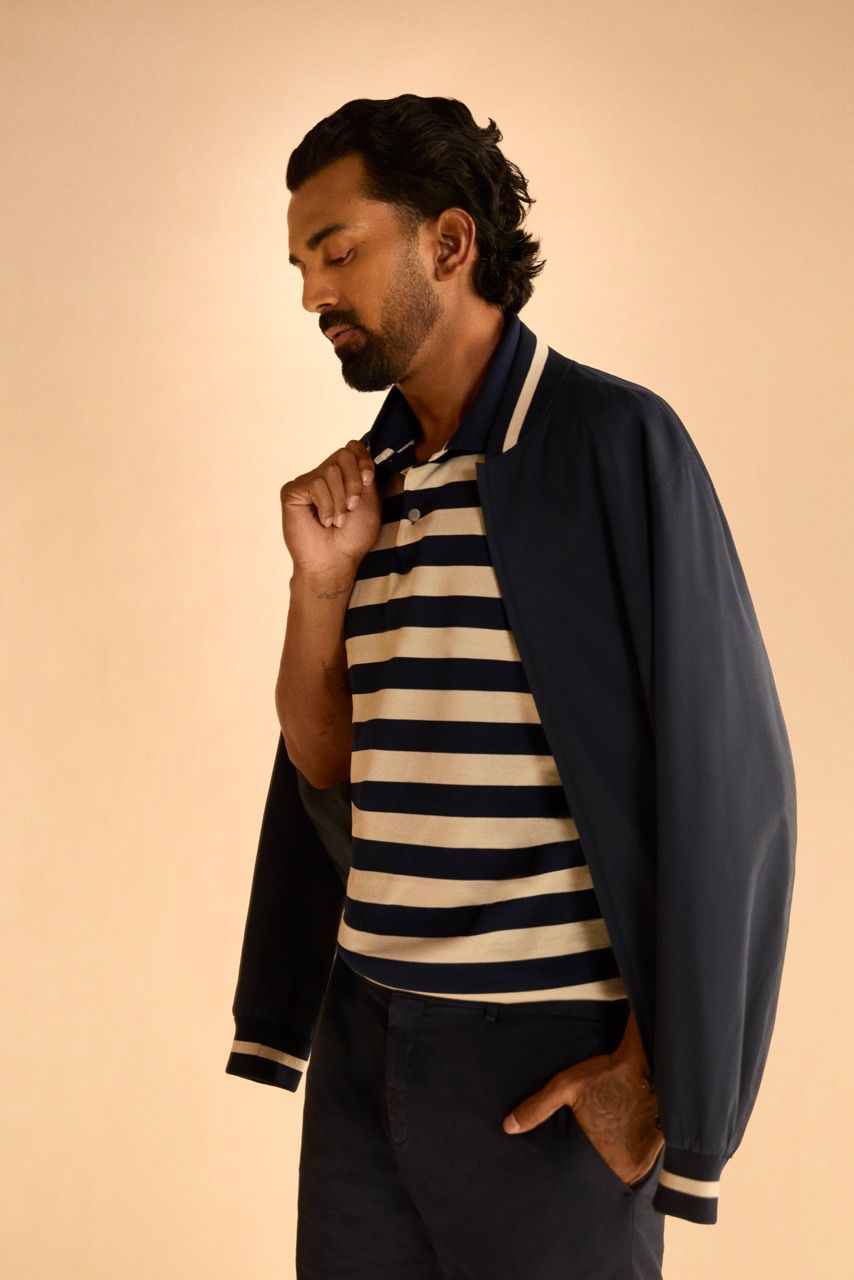
With KL Rahul what stood out was a natural alignment with the brand. There is a refinement and intentionality in the way he approaches style, alongside a genuine appreciation for craftsmanship and detail. That made the partnership feel authentic from both a fashion and cultural standpoint.
The capsule brings together very different elements like the Bandhgala, cricket-inspired knitwear and technical outerwear. What was the thinking behind mixing those worlds together, and how did you make sure it still felt cohesive?
The idea was to reflect duality, bringing together his professional world and cultural roots while remaining grounded in our own DNA. What made it cohesive was a consistent focus on craftsmanship, materiality and a timeless aesthetic. Even with varied influences, there is a unifying sophistication that runs through the collection.


