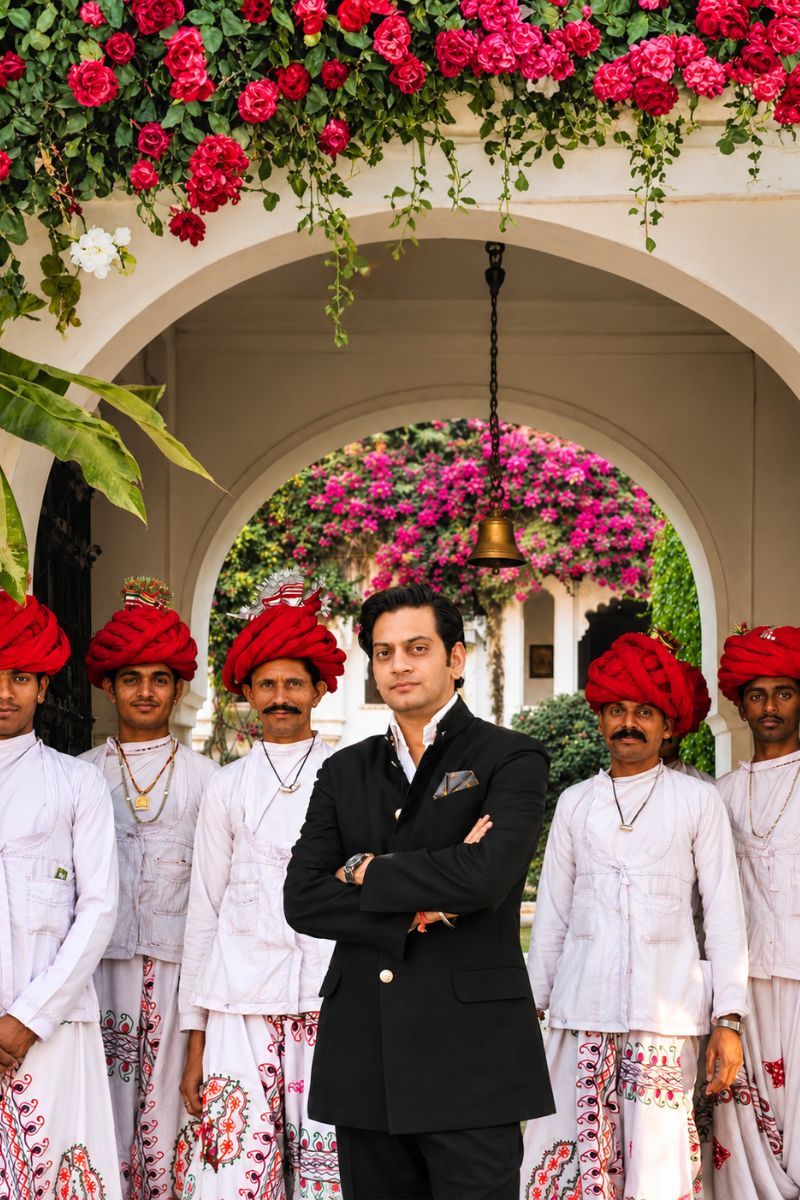
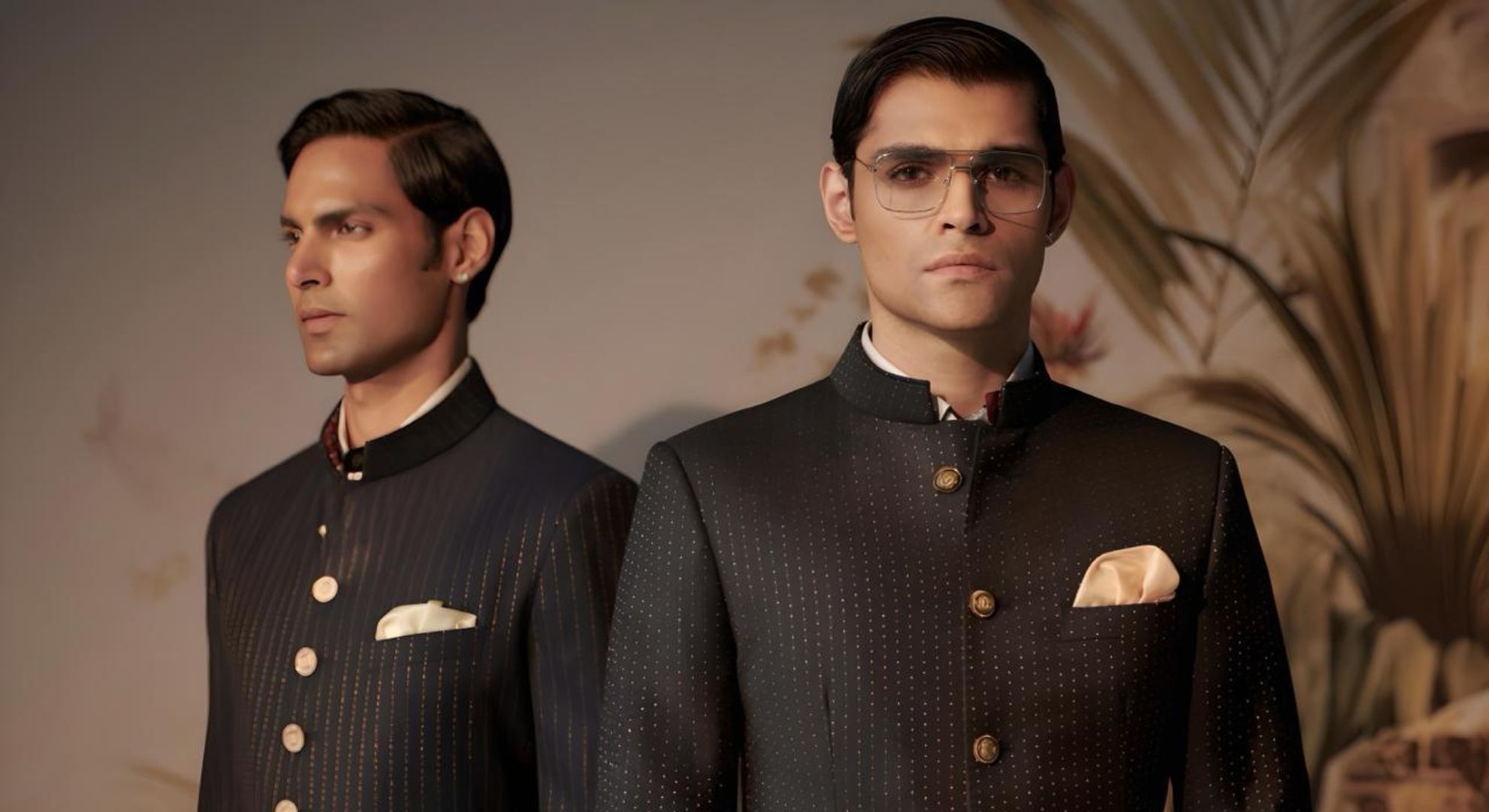
There is a particular kind of Indian festive outfit that seems to have been assembled with one question in mind: can we add more? More embroidery, more jewellery, more colour and perhaps a pair of shoes that deserve their own spotlight. Raghavendra Rathore would like a word. For the designer, whose name has become synonymous with the Jodhpur Bandhgala, good festive dressing isn't about how much you can put on, but how well you can put it together. Think sharp silhouettes, thoughtful details and clothes that deserve a life beyond the wedding buffet. As part of The Festive Man's Little Black Book, we caught up with Rathore to talk about timeless Indian tailoring, the case for restraint and why your festive wardrobe should work a little harder than you do.
What is the biggest mistake Indian men make when dressing for the festive season?
Trying to make every element of the outfit festive at once. Rich colour, embroidery, jewellery, and elaborate footwear are details that compete with one another. Festive dressing works best with restraint, a strong trait, carried by a well-cut silhouette and a few thoughtful accessories.
To look festive without appearing overdressed, what should a man prioritise: silhouette, fabric, colour or detailing?
A classic silhouette never really goes out of style, and many a time, this combined with even the simplest fabric can look dignified. Colour, texture and details should ideally enhance the silhouette rather than define it. This is particularly significant in Indian menswear; for instance, a well-cut Bandhgala or a handcrafted Achkan can make a statement without excessive ornamentation.

Which traditional menswear silhouette deserves a rethink, and how would you modernise it?
Heritage clothing transcends trends and seasons. It can be evolved for the contemporary, global man through fabric, functionality and proportion, while its essence and classic appeal remain preserved. Styling traditional pieces with different trousers or more relaxed separates allows them to be worn for other events beyond ceremonial dressing. The versatile Jodhpur Bandhgala, for instance, can be dressed up or down, paired with handmade breeches or trousers, and styled with heirloom buttons depending on the occasion.
Beyond the standard kurta-pyjama, which pieces should men be experimenting with this festive season?
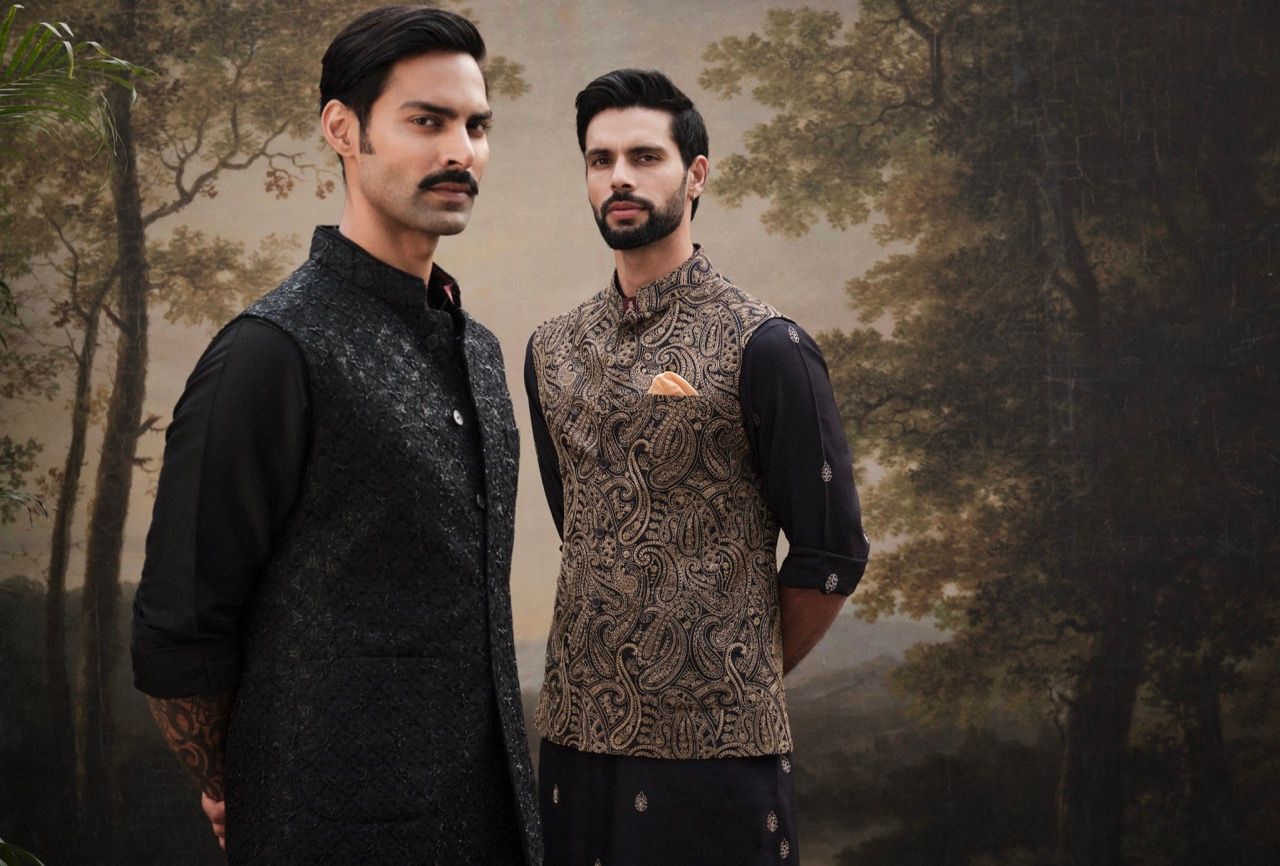
Waistcoats, shorter Achkans or traditional Jodhpur Achkans, Jodhpur Bandhgalas and well-cut trousers are key pieces for the festive season. However, the difference lies in the styling; for instance, wide-legged trousers with traditional silhouettes, customised accessories or an exclusive printed scarf can give them a relatively new expression. A waistcoat over a crisp kurta can work for an intimate celebration, while a Bandhgala can transition effortlessly into a more formal evening. The idea is to build a wardrobe of separates rather than buy an outfit for one occasion.
Which colours or colour combinations would you suggest to men looking to move beyond the usual festive palette?
Consider deeper tones of aubergine, olive, tobacco, charcoal, midnight blue, and muted rust. Tonal dressing works particularly well too, rich, understated and a timeless palette.
Are there any new techniques in construction, textiles, embroidery or craftsmanship that are changing how you approach Indian menswear? Could you share an example from your work?
Jodhpur remains a constant source of inspiration for the brand, and innovation does not necessarily mean replacing the traditional craft. It's the scale, placement, application and technique that evolve, especially given the bespoke nature of the brand and the specific requirements of each client.
The team is always exploring how to interpret traditional techniques with a contemporary sensibility, dressing a global gentleman with a classic outlook, one who wears his culture and heritage with pride.
For someone investing in just one standout festive piece this year, what should it be, and how would you style it for different occasions?
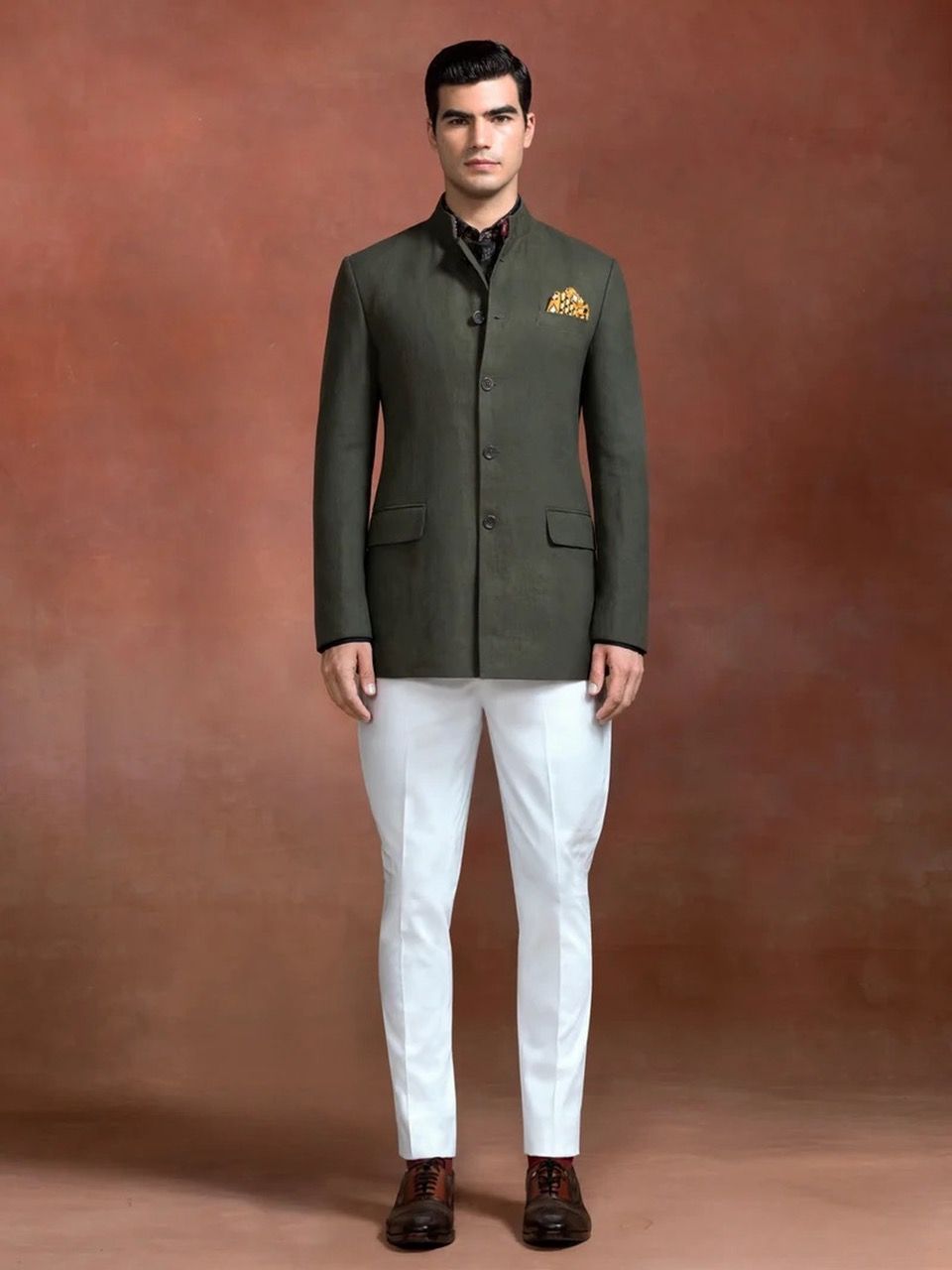
A classic Jodhpur Bandhgala. It carries an inherent formality but is remarkably versatile. For a wedding, wear it as a complete look with trousers or Jodhpur breeches, and for something more relaxed, style it almost like a jacket, paired with understated separates. It's a piece that stays relevant long after the festive season ends.
What is one everyday wardrobe staple you would bring into a festive look, and how would you style it?
A Jodhpur Bandhgala Waistcoat. Festive dressing today does not always need to be entirely traditional, and mixing some familiar wardrobe staples can make the outfit feel much more personal.
Which accessories can elevate a festive outfit, and how would you style it?
An exclusively designed pocket square, customised buttons or a handcrafted pair of personalised cufflinks can easily elevate an outfit. Often one strong detail is enough.
What footwear styles work best when mixing Indian and Western elements in the same festive look?
Jodhpuri shoes or personalised Indian footwear work beautifully with traditional silhouettes, while loafers or sleek formal shoes can give formal wear a more contemporary expression. The transition between Indian and Western elements should feel natural rather than a rule.

What is the next big shift you foresee in Indian festive menswear, and which trends have run their course?
Men are more comfortable now mixing pieces, repeating garments, and styling them differently rather than buying a heavily coordinated ensemble for every occasion. The shift is towards better cut, better craft, clothes with a life beyond one celebration. Festive dressing is becoming more individual, less prescriptive.
What is the oldest piece in your own festive wardrobe that you still wear, and what keeps you coming back to it?
The Bandhgala, in its many interpretations, has remained a constant. The very essence of classic and heritage clothing is determined by the memories and continuity they represent.


