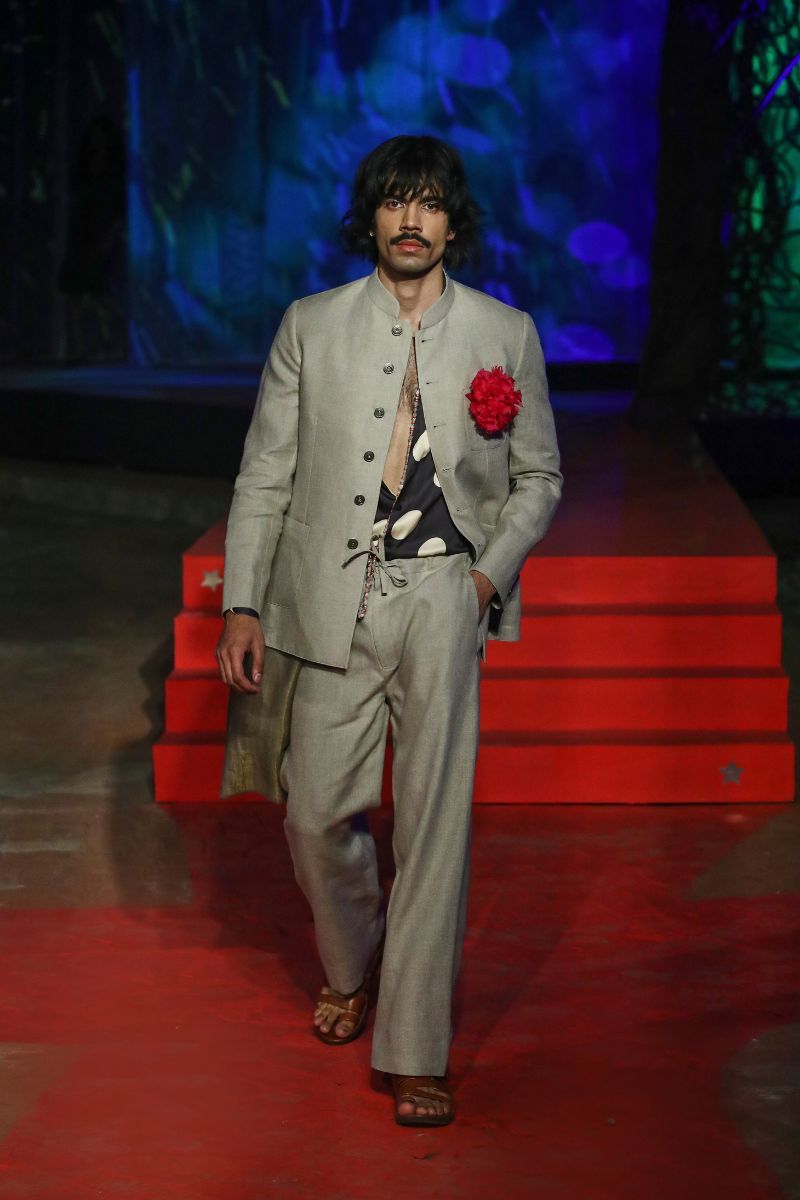
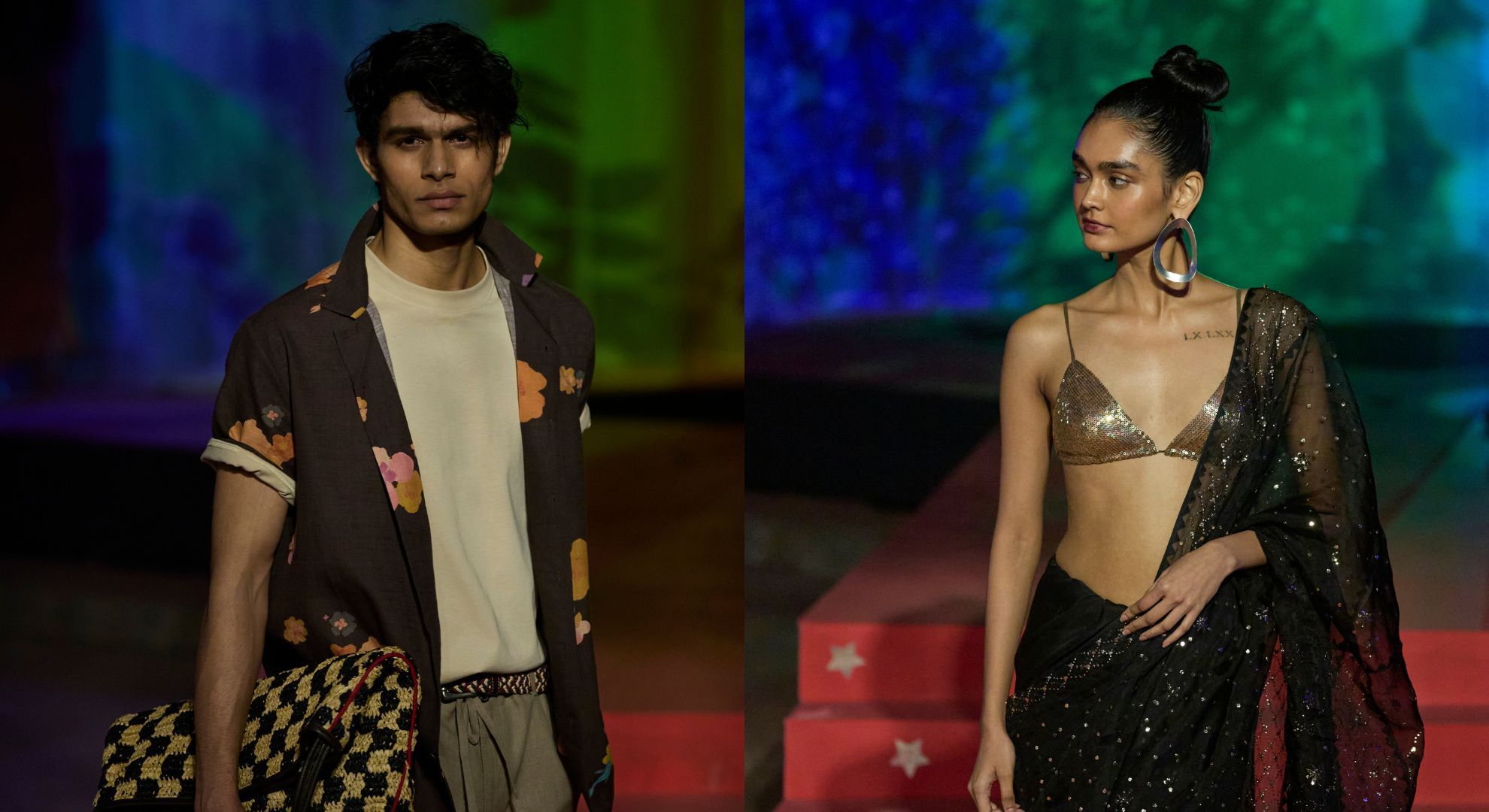
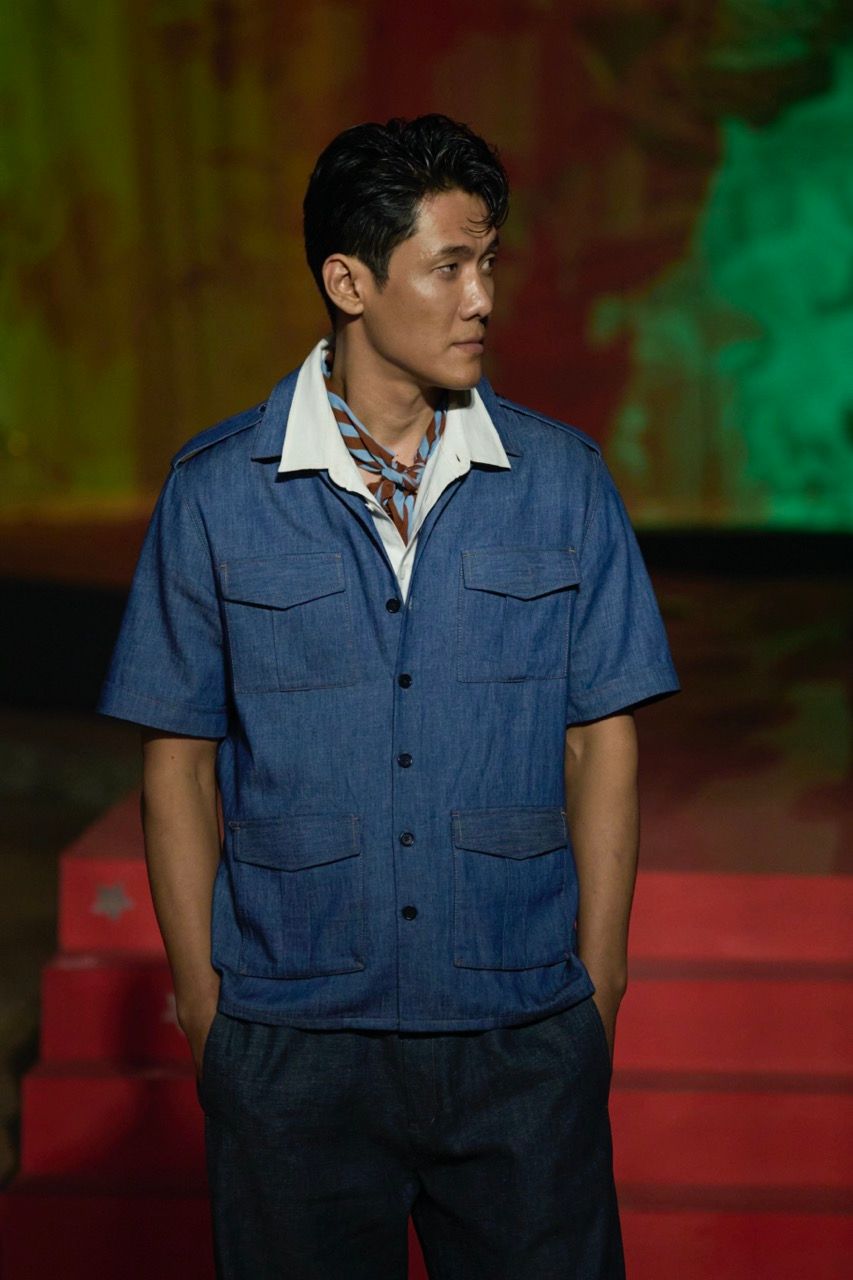
Some collaborations feel strategic. Others simply make sense. Rajesh Pratap Singh’s capsule with Nicobar sits firmly in the latter camp. Unveiled as the lifestyle brand celebrates ten years of building a design universe shaped by community, ecology and a distinctly modern Indian sensibility, the partnership feels like the continuation of a long conversation on Indian craftsmanship.
For Singh, whose work has long balanced disciplined tailoring with a deep engagement with Indian textiles, the collaboration grew naturally out of years of dialogue with Nicobar co-founder Raul Rai. Both share a similar instinct for design: clean lines, thoughtful construction and restraint over spectacle.
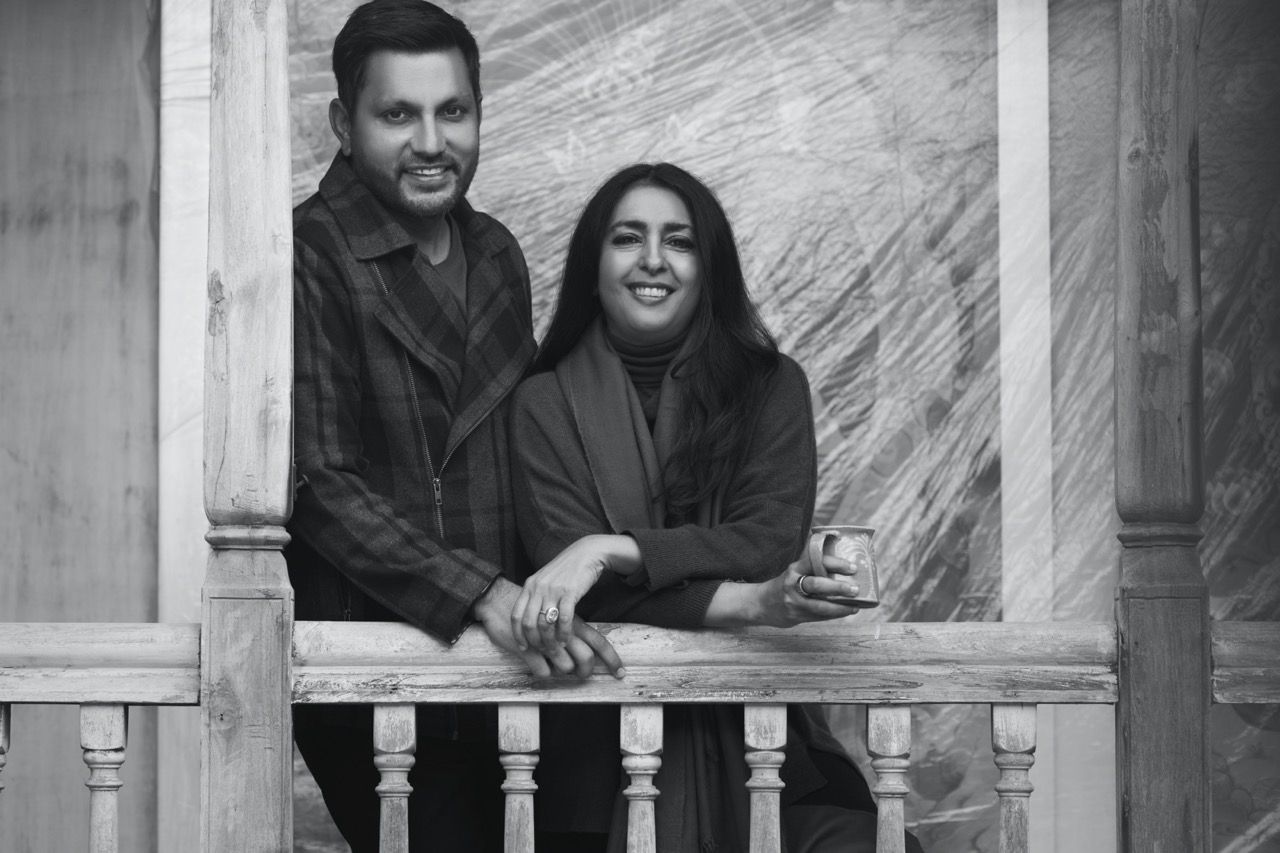
At Nicobar, craft has never been treated as a decorative reference point. “Indian craft isn’t a feature we add to make something feel local. It’s just the way we think,” Rai says. “Ten years in, what’s changed is the confidence. We’re no longer explaining craft to anyone. It’s simply part of our vocabulary.”
Against the backdrop of the launch, we caught up with Singh to discuss the evolving conversation around Indian craft at a time when traditional techniques are increasingly commanding global attention. For the designer, however, the conversation is less about recognition and more about relevance. “For me, craft is a technique and a living language,” he says.
“In India, we already have a deep understanding of and respect for our craft traditions,” he adds. “These practices are embedded in our cultural and material history in ways that don’t necessarily need external validation.”
Your work has always centred Indian textiles without leaning on nostalgia. How do you modernise craft while retaining its integrity for today's menswear audience?
Yes, indeed, but the intention has never been revivalist. I’ve never approached craft from the perspective of trying to recreate or preserve something exactly as it existed in the past, or from the lens of an anthropologist documenting tradition.
For me, craft is a technique and a living language. It’s about respecting the skill of the craftsmen and the knowledge embedded within these processes, while allowing space for interpretation and evolution. The design intervention becomes our contribution, how we translate those techniques into something that feels relevant today.
Can international attention strengthen craft ecosystems, or does it risk extractive design practices?
To be honest, I feel this conversation around “international attention” can sometimes be overstated. In India, we already have a deep understanding of and respect for our craft traditions. These practices are embedded in our cultural and material history in ways that don’t necessarily need external validation.
Of course, appreciation from anywhere, whether within India or internationally, is always welcome. But the larger conversation should perhaps move beyond seeking recognition from the outside. What matters more is continuing to engage with craft meaningfully, supporting the people who practice it, and allowing it to evolve within contemporary design.
In many ways, this dialogue began decades ago, and it may be time to approach it with a more forward-looking perspective.
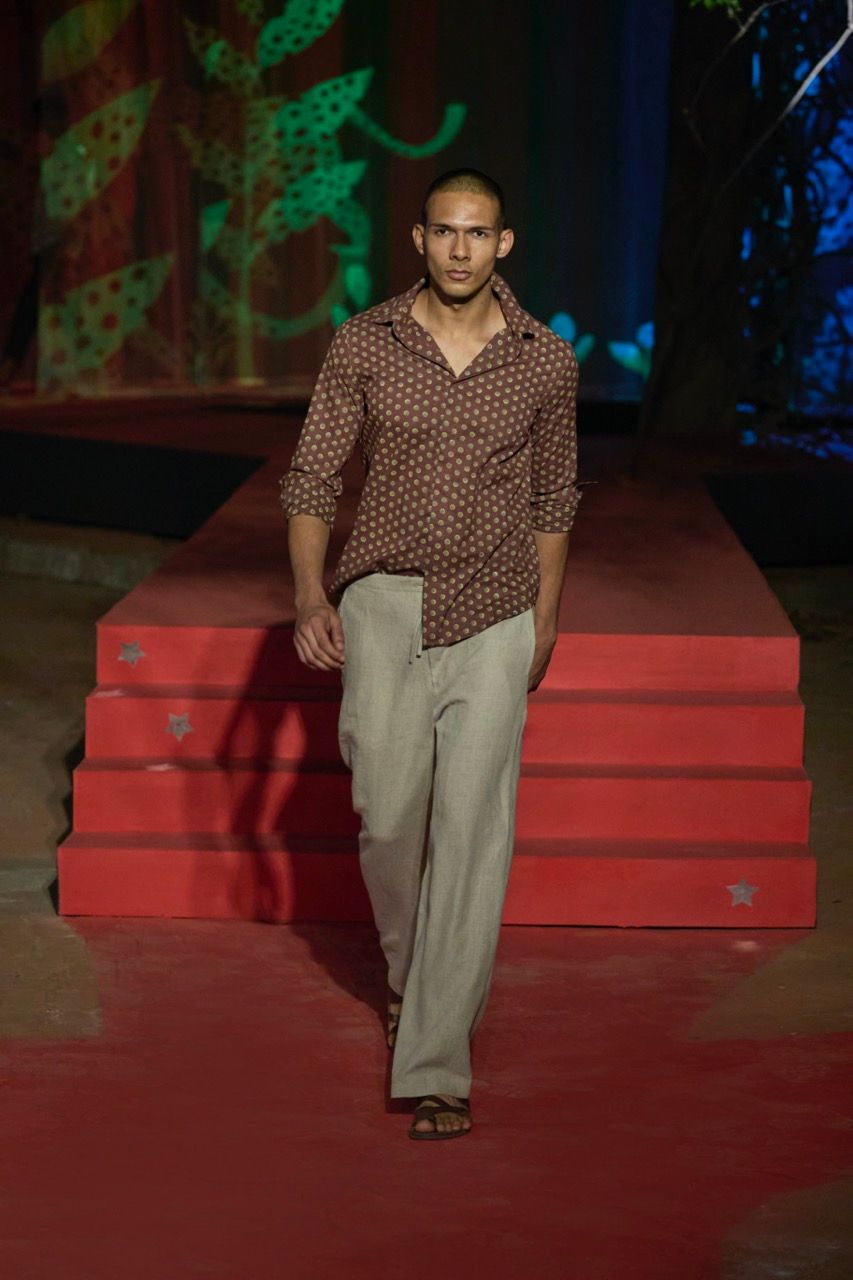
The industry often speaks about preserving craft. Do you believe the bigger task now is evolving it, and what does that evolution look like inside your design process?
For me, the conversation isn’t only about preserving craft, but about allowing it to evolve. Craft should remain a living practice rather than something that is simply archived or replicated.
Within my design process, that evolution comes through interpretation, working with traditional techniques while adapting them to contemporary forms, materials and ways of dressing. The goal is not to recreate the past, but to build on it. When craft is approached this way, it remains relevant and continues to grow with the times.
Your presentations at the recent Men's Weekends stood out for their narrative clarity and restraint. In a digital-first era, how important is staging a powerful physical fashion show today?
For me, physical fashion shows are becoming less and less relevant unless there is something truly meaningful to communicate, or a specific occasion that warrants it, like this collaboration with Nicobar. If there is a strong idea or narrative that needs to be experienced in person, then a physical show can still be very powerful.
But the traditional fashion system is changing rapidly, and the role of the runway is evolving along with it. A serious physical show should be created primarily for the people who are present in that room, because that immediacy and atmosphere cannot really be translated digitally.
At the same time, digital platforms offer possibilities that go far beyond simply recording a runway presentation. In many ways, they allow for far more interesting ways of storytelling. So the format of how fashion is presented is definitely shifting, and we’re still in the middle of that transition.
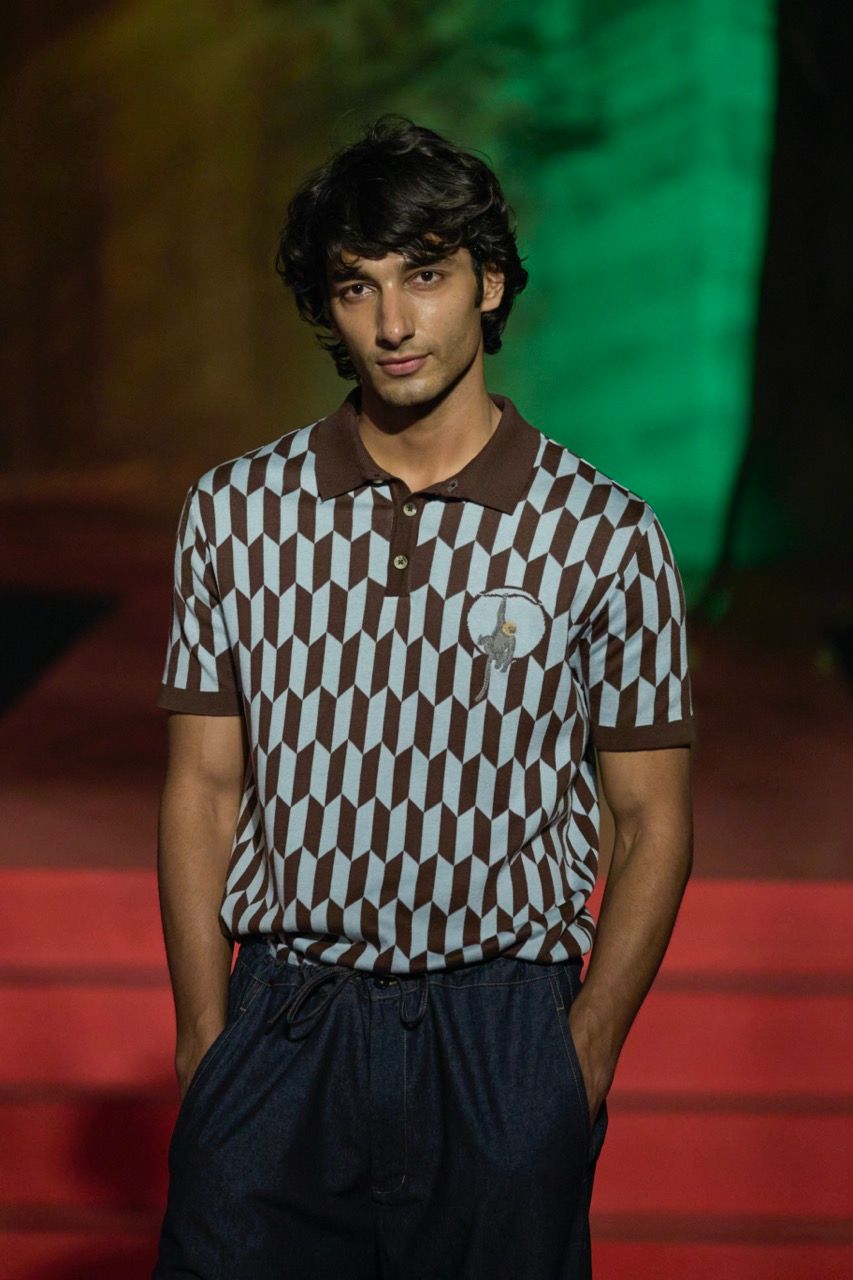
Where do you see technology meaningfully supporting handcrafted processes without diluting their essence?
I don’t really see a contradiction between technology and craft. In fact, technology can play an important role in supporting and communicating craft in today’s world.
What we refer to as handicraft or handloom today was, at one point in time, cutting-edge technology. These techniques were the most advanced forms of production available in their era. So to draw a rigid distinction between technology and craft is, in many ways, a very limited way of looking at it.
For me, the two can and should coexist. Technology can help refine processes, improve efficiency and bring greater visibility to craft, while the essence of the handmade remains rooted in the skill and knowledge of the people who practice it.
What craft techniques today excite you because they're being reinterpreted rather than preserved?
As a designer, almost any craft technique I have the opportunity to work with is exciting, especially when it opens up the possibility of creating something new or finding a fresh solution through design.
What interests me most is not the preservation of a craft in its existing form, but its reinterpretation. Through design intervention, these techniques can evolve and take on new relevance. That process of evolution is what allows craft to move forward and remain part of a contemporary design language.
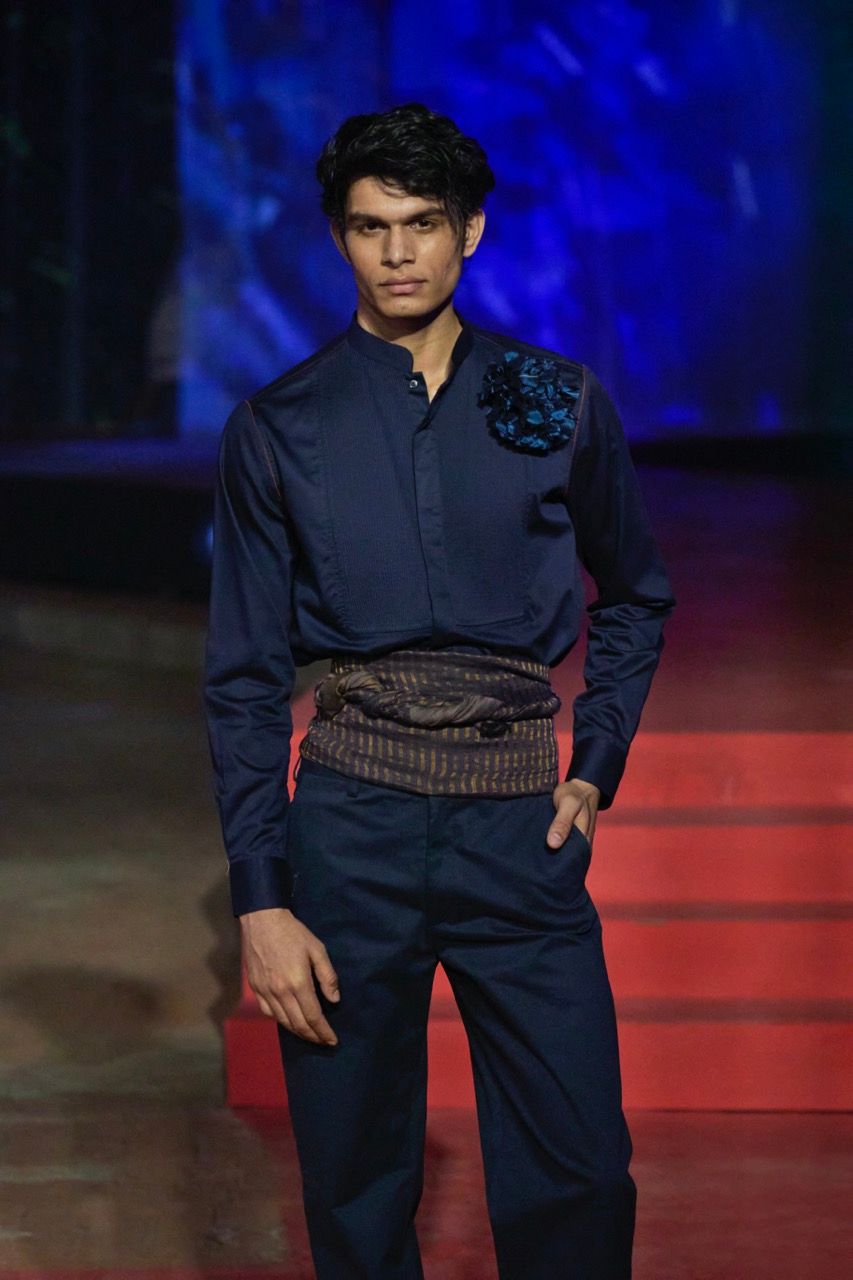
What are some lesser-known challenges designers encounter when working with Indian craft, particularly around production timelines, skill variability, raw material access, and sustaining artisan engagement beyond seasonal demand?
I don’t really see these as lesser-known or even unique challenges. Every form of production, whether it’s craft-based or industrial, comes with its own set of complexities. As designers, our role is essentially to navigate those realities and find solutions, whether in the process, product development, or in responding to contemporary needs.
Working with craft, in many ways, is a privilege. In India, we’re fortunate to inherit an extraordinary range of craft traditions and technical knowledge. Of course, each craft comes with its own limitations as well as advantages, whether that relates to timelines, materials or the nature of the technique itself.
But that’s also part of the process. The task is to work with those conditions, adapt to them and continue evolving solutions. In many ways, that problem-solving is also where the real joy of working with both traditional and technical craft lies.
What drew you to the partnership with Nicobar, and how did you align both design languages?
Raul and I have had many conversations over the years, long before Nicobar came into being, and even afterwards. There has always been a natural resonance in the way we think about design, craft and the role of clothing in everyday life.
At some point, it simply felt like the right time to translate those conversations into something tangible. I remember visiting one of Nicobar’s stores and being struck by the clarity of the space and the honesty of the product. It felt thoughtful, considered and very much rooted in a certain way of living. That visit really crystallised the idea for me.
From there, the collaboration felt quite organic. Both our design languages value simplicity, functionality and quiet detail, so aligning them was less about forcing a meeting point and more about allowing those shared sensibilities to guide the process.


