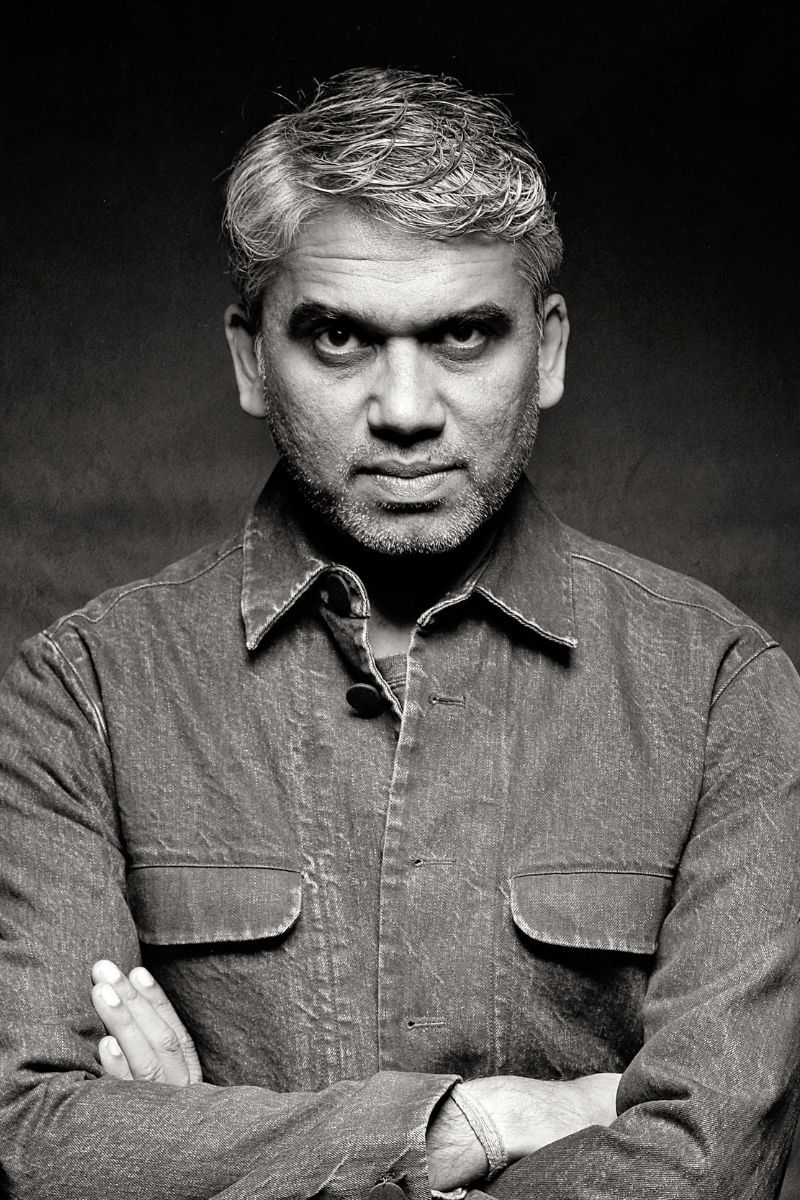
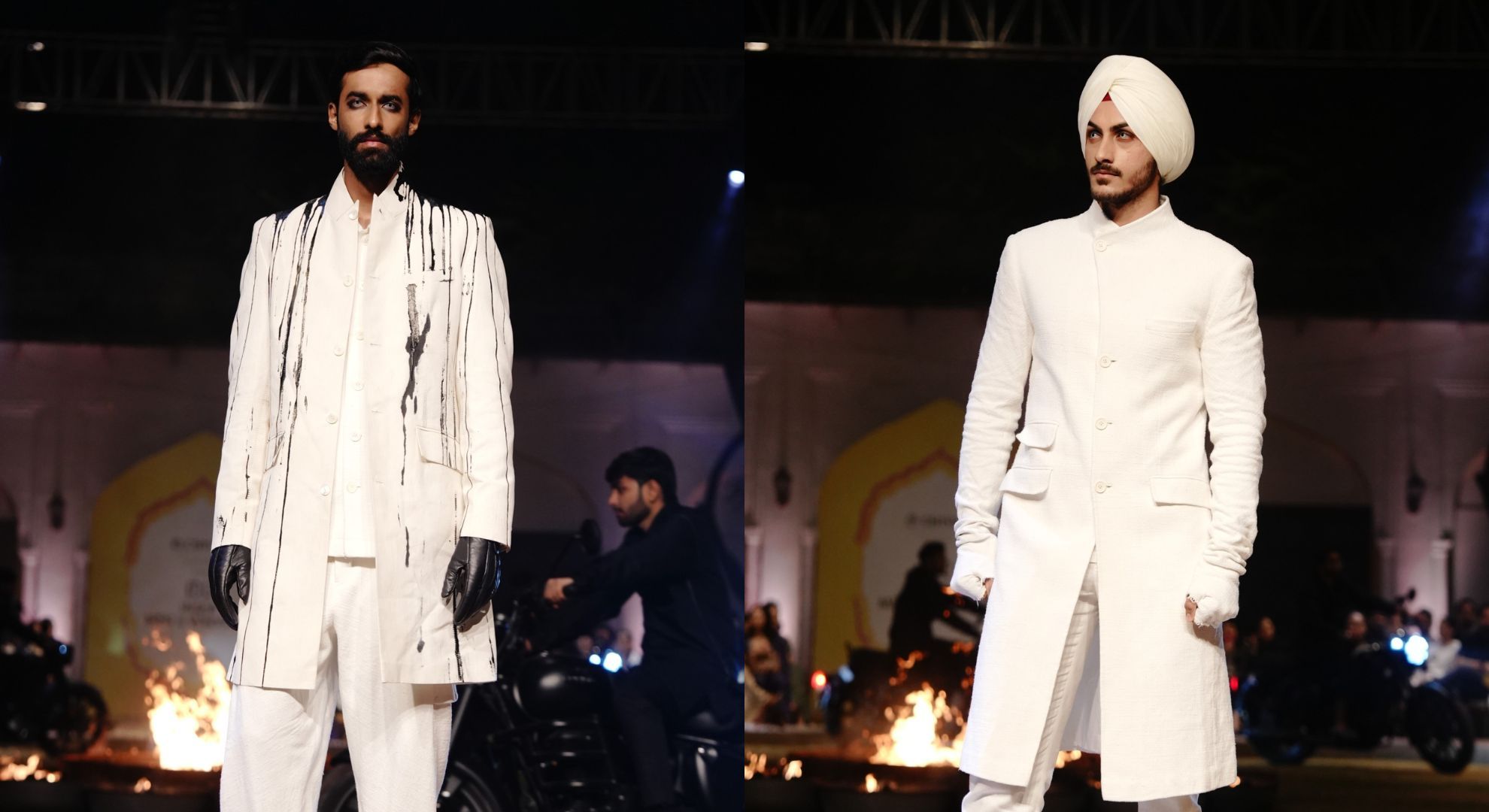
Somewhere between the blinding embroidery, excessive shine and sherwanis with the structural integrity of medieval armour, Indian festivewear seems to have forgotten one rather important detail. Someone actually has to wear it. Rajesh Pratap Singh isn't particularly impressed. For the designer, dressing for a celebration shouldn't mean abandoning your personal style in favour of something that looks suspiciously like a costume. His prescription? Better fabrics, cleaner silhouettes, thoughtful layering and the occasional reminder that less really can be more. As part of The Festive Man's Little Black Book, we caught up with Singh to discuss the biggest festive dressing mistakes, the traditional silhouettes in desperate need of a rethink and why the most elegant thing you can wear might just be a little restraint.
What’s the biggest mistake Indian men make when dressing for the festive season?
Treating festive as a costume. Men put on something they would never otherwise wear, with too much surface ornamentation, too much shine and too many ideas at once, and the clothes end up wearing them. Festive dressing should still look like you, only more considered.
To look festive without appearing overdressed, what should a man prioritise: silhouette, fabric, colour or detailing?
Fabric, every time. A good handwoven cloth carries occasion on its own. It has depth, texture and a way of catching light that no surface embellishment can fake. Get the fabric right and keep the silhouette clean. Most of the detailing then becomes unnecessary.
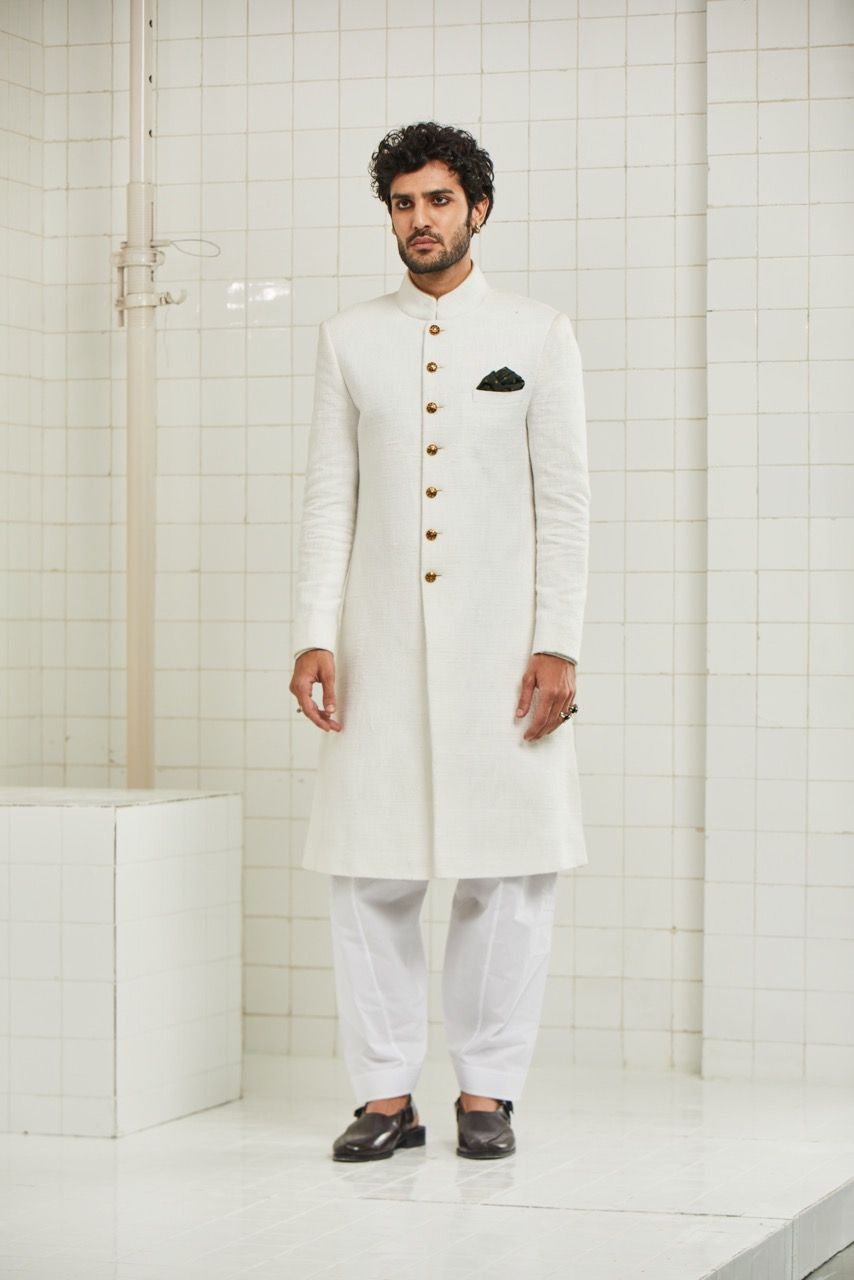
Which traditional menswear silhouette deserves a rethink, and how would you modernise it?
The sherwani. It has become heavy, stiff and over-structured, closer to armour than clothing. Like a magician’s costume from the 1980s.
Beyond the standard kurta-pyjama, what pieces should men experiment with this festive season?
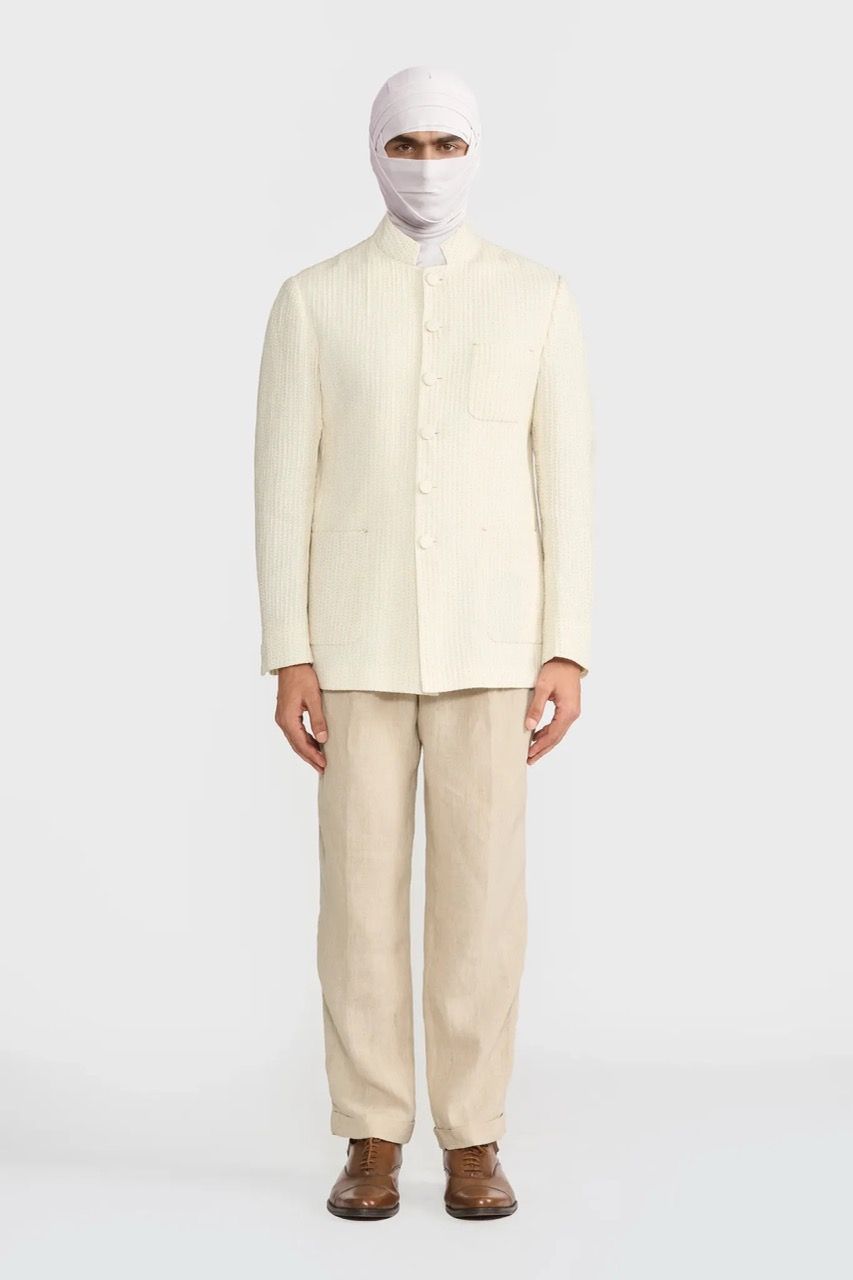
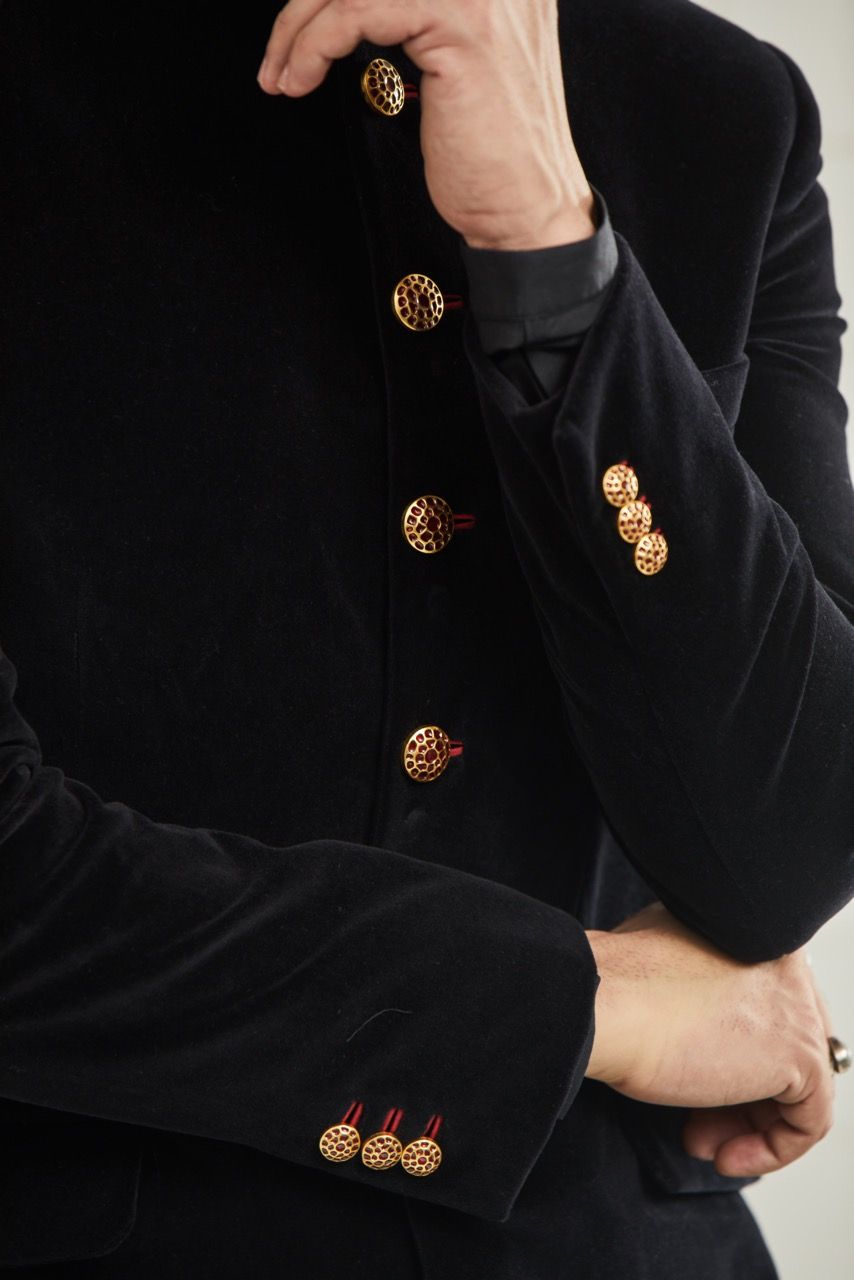
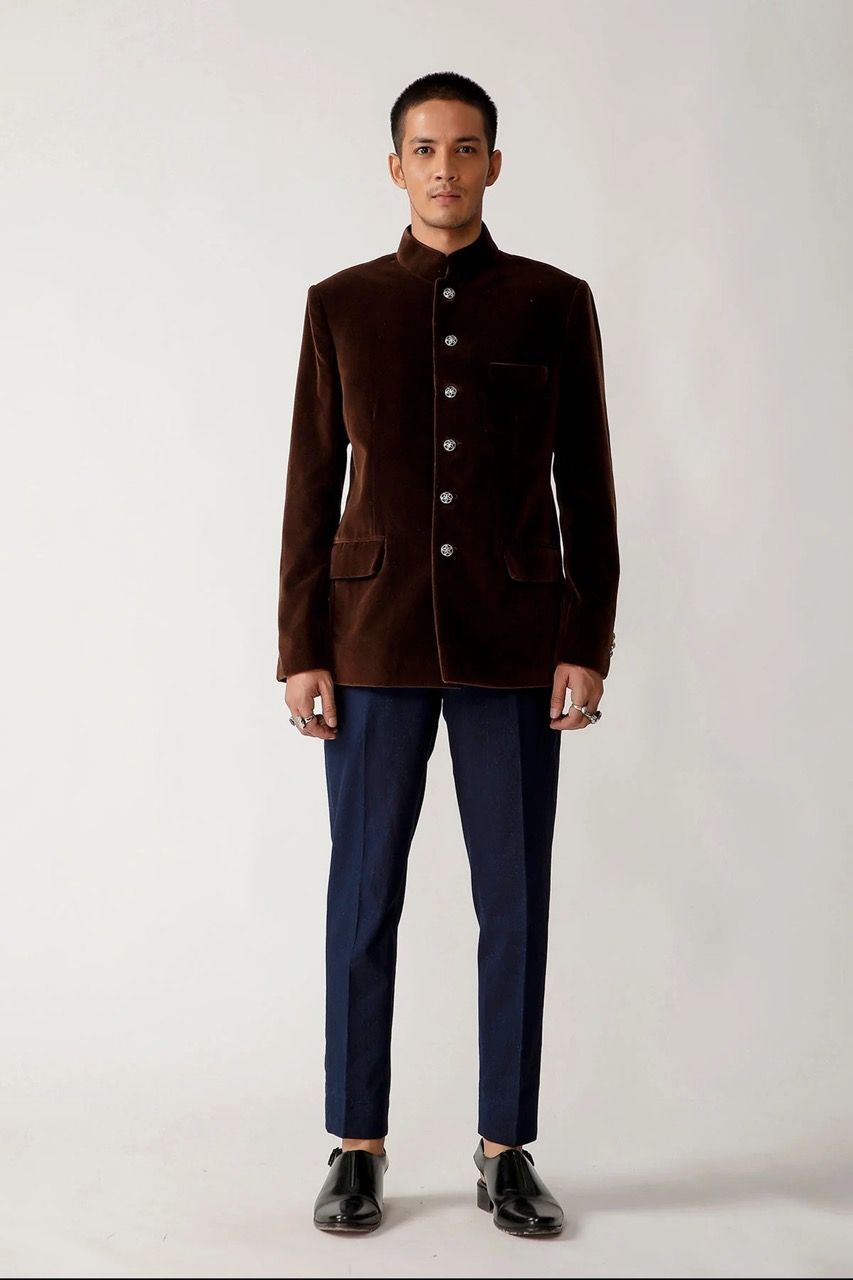
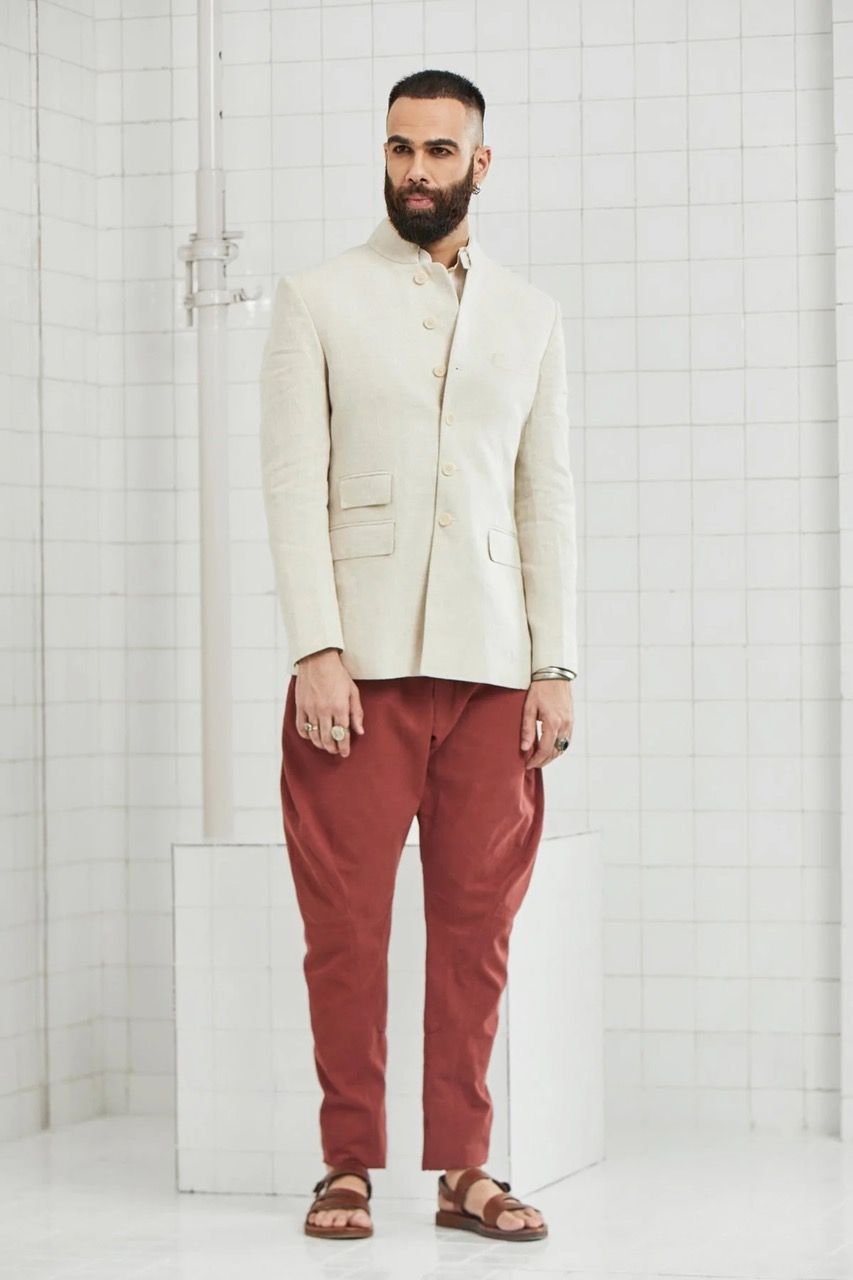
A well-cut bandhgala in an unexpected cloth. A long unstructured jacket or coat worn over a simple kurta. A good waistcoat. Relaxed, well-proportioned trousers instead of churidars. Layering is where men can actually express themselves.
Which colours or colour combinations would you suggest to men looking to move beyond the usual festive palette?
Look at undyed and natural tones: ecru, ivory, stone, charcoal, indigo and rust. Tonal dressing, meaning one colour in different textures, looks far richer than contrast. If you want colour, choose one deep note, like indigo or a burnt ochre, and let everything else stay quiet.
Are there any new techniques in construction, textiles, embroidery or craftsmanship that are changing how you approach Indian menswear? Could you share an example from your work?
For us, the shift is less about new techniques and more about taking old ones seriously. That means handloom as a technical material rather than a decorative one, and weaving structure and texture into the cloth instead of adding them afterwards.
For someone investing in just one standout festive piece this year, what should it be, and how would you style it for different occasions?
Always a bandhgala.
What is one everyday wardrobe staple you would bring into a festive look, and how would you style it?
The considered white shirt. Worn under a bandhgala or a deconstructed jacket made in a special high-twisted yarn. Perhaps with Ikat details.
Which accessories can elevate a festive outfit, and how would you style it?
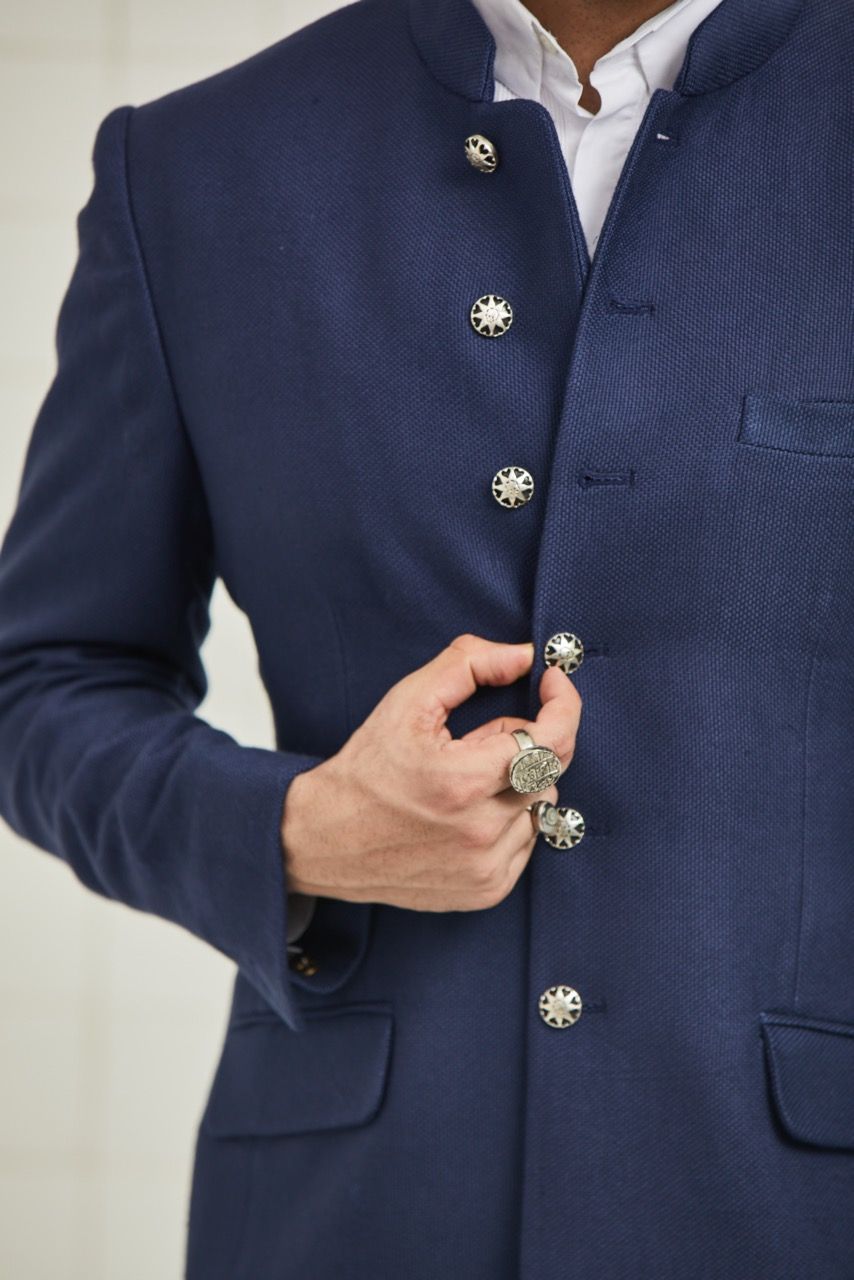
Fewer, better. A good handwoven stole thrown on casually... buttons... A simple watch. A single piece of silver, if any. The most elegant accessory is restraint.
What footwear styles work best when mixing Indian and Western elements in the same festive look?
Plain leather: a clean loafer, a simple derby, or a well-made kolhapuri or mojari without embellishment. Keep it minimal and in good leather. Shoes should ground the look, not compete with it.
What is the next big shift you foresee in Indian festive menswear, and which trends have run their course?
The shift is toward clothes you keep.. timeless. Pure. Rare. Freedom.
What is the oldest piece in your own festive wardrobe that you still wear, and what keeps you coming back to it?
Buttons from the 1960s.


