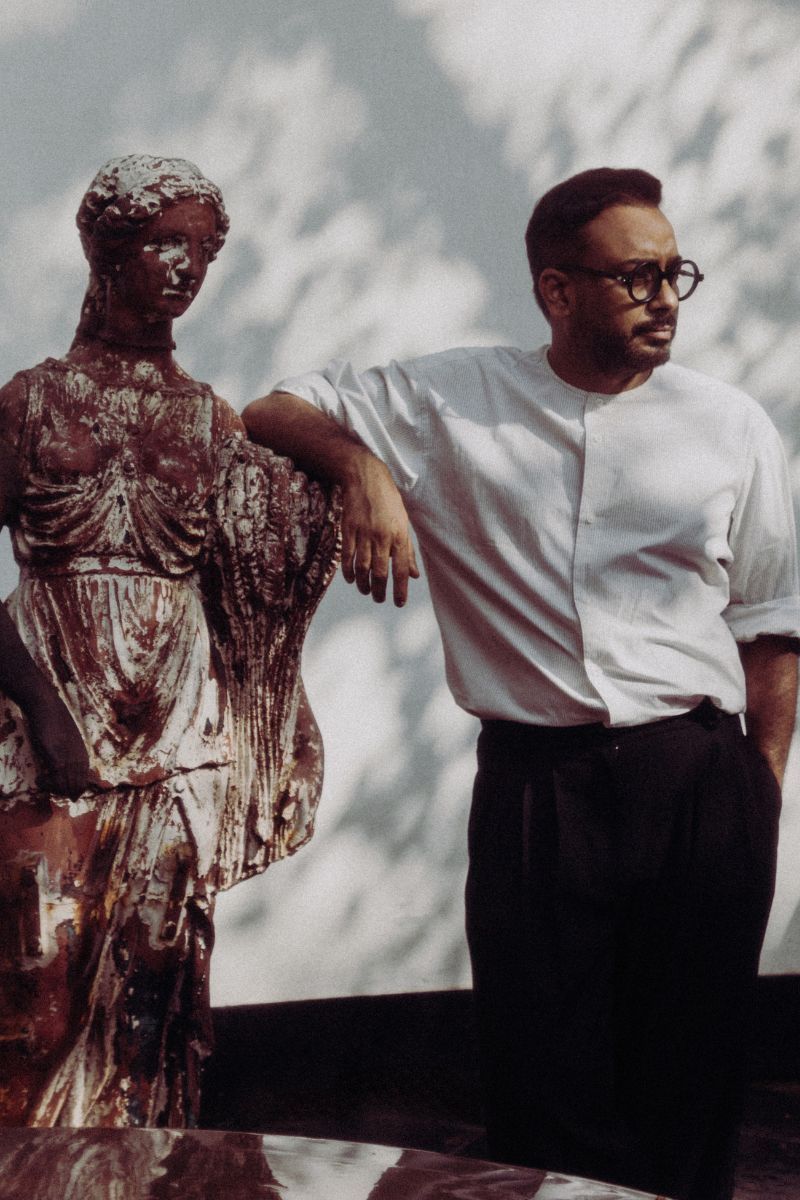
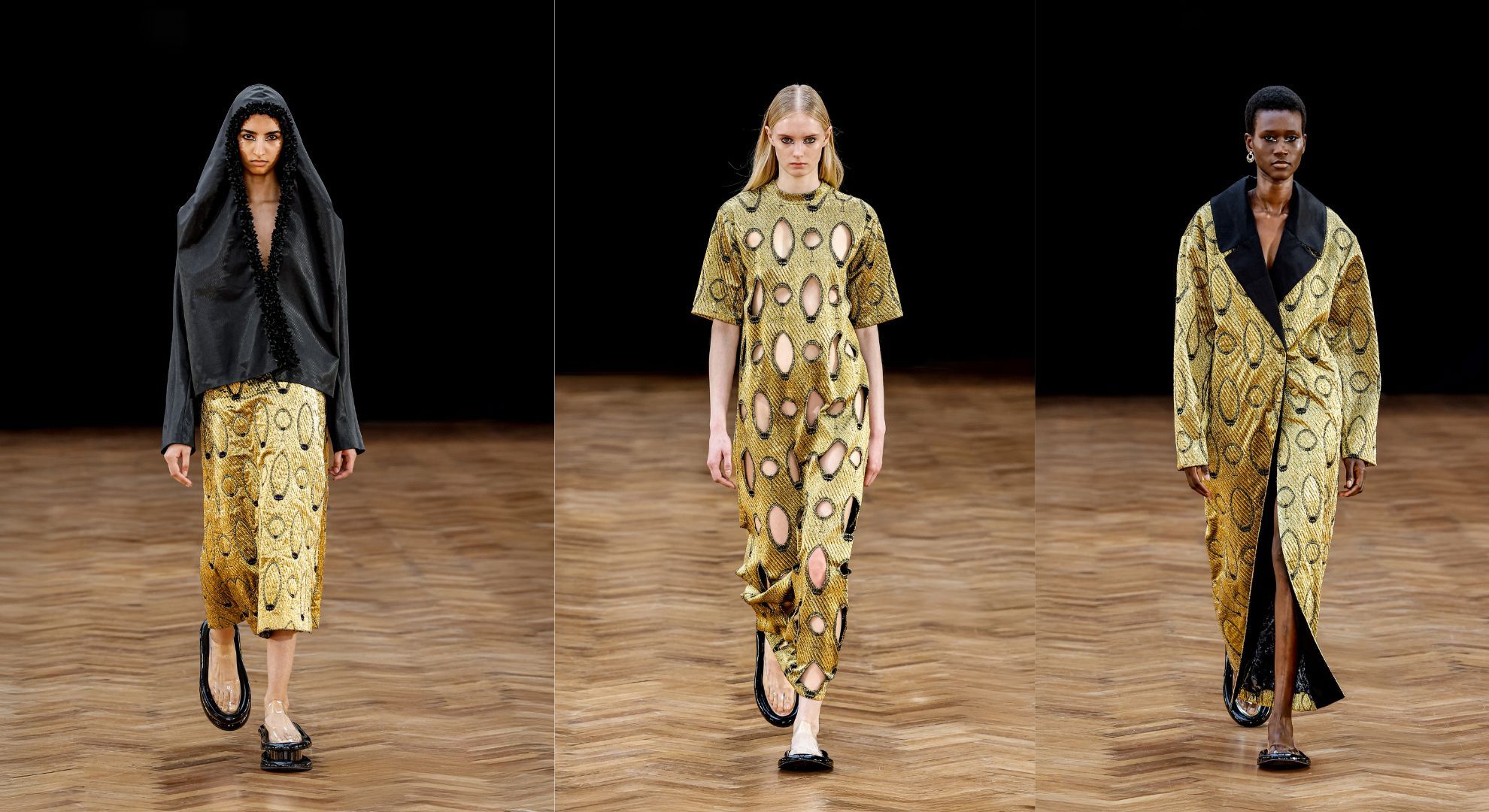
Few designers speak about fashion the way Sanjay Garg does. For the founder of Raw Mango, textiles are less a category of clothing and more a living archive of culture, memory and identity. After presenting his work in London and spending years rethinking how Indian craft is seen and worn, Garg continues to look at fashion through a wider lens that includes history, art, labour and the quiet language of fabric. In our conversation, he talks about how global audiences are beginning to understand the complexity of Indian fashion, why menswear still feels like a frontier waiting to be explored, and why the future might lie not in doing more, but in doing less.
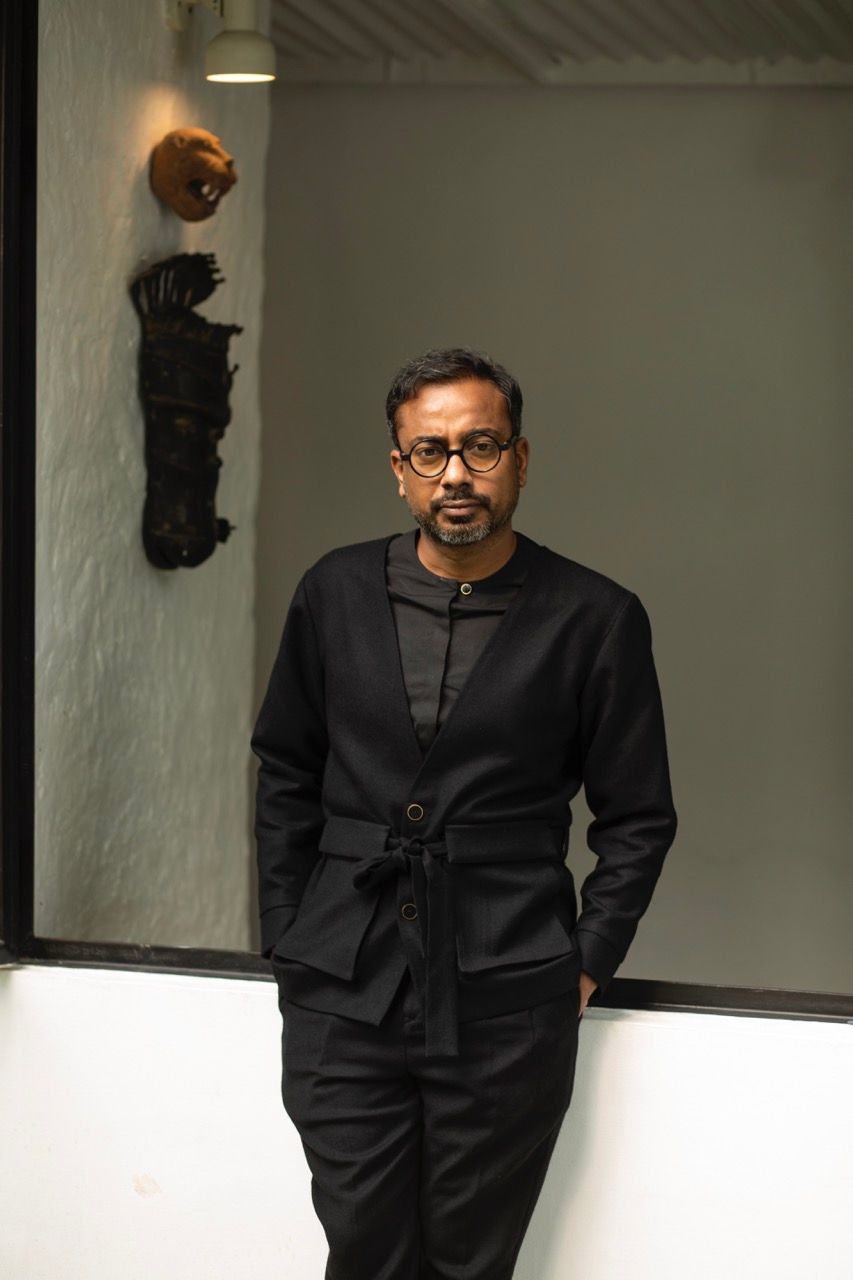
After your recent London show, how do you think global audiences see Indian fashion today?
I think the world, and we, are coming to terms with the fact that India is a vast land filled to the brim with stories. Each culture, each tradition, language, tribe, religion and state has so many stories to tell, with unique emotion, expression and connection — a chaotic repository that is difficult to organise and document. So, yes, these stories are finally being told across mediums and platforms, by a plethora of creative voices, each with their own distinct perspective. There isn’t a moment in our day-to-day lives when something mad or bizarre isn’t heard or seen - inspiration comes from everywhere.
Indian fashion is simply reflecting the diversity of voices, which means there is something for everyone, no matter where they are on the globe.
Even without a dedicated menswear line, you work closely with textiles used across clothing. Where do you see the biggest potential for Indian menswear?
The way we use textiles to create garments for women the same applies to men. I don’t think there’s any big difference in approach or potential for women vs men. For me, textile is a language and a medium of expression. How do you define the potential of a language?
Why do you think Indian menswear still revolves so heavily around weddings?
The whole system and ecology of clothing revolves around the wedding. In fact, women’s clothing is more tied to the wedding than menswear. Men have a lot of options that exist at every tier, except designer wear. There are brands that are dedicated to different contexts in a man’s life, and not all of them revolve around the wedding. For some, the focus is workwear. There are some outlets dedicated to making t-shirts for polo and golf. I actually think that men have a much wider range of clothing for occasions other than weddings.
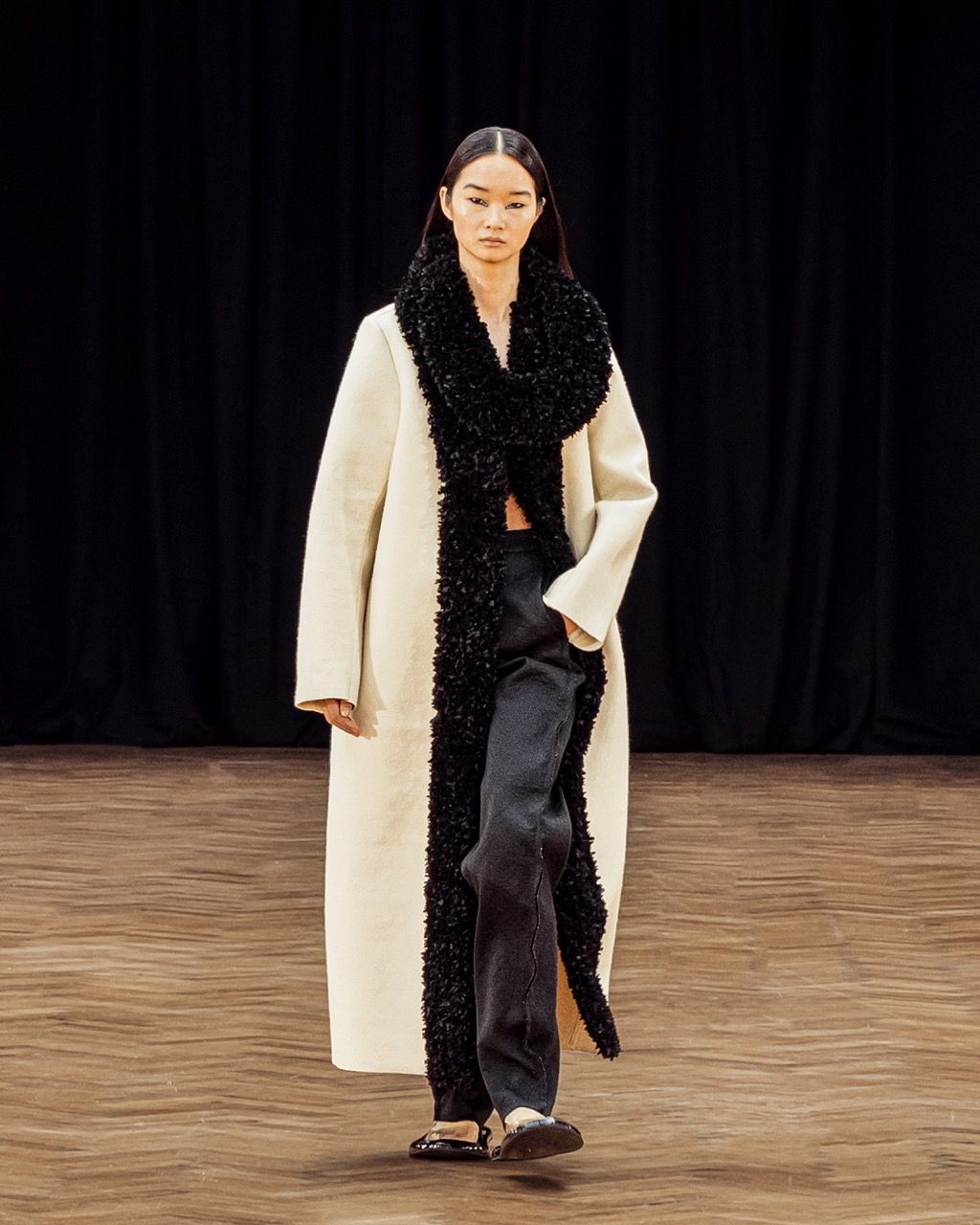
Do you think menswear in India is lagging behind womenswear in storytelling and design depth?
There is a stereotype around men being conservative by nature. We don’t have as many designer clothing brands compared to women’s wear. I’d say it’s not even 10 per cent. So I do think we need more storytelling and more people to work with it. It’s a very curious thing. Fashion is the only place in India where men are not highlighted or prominent. Male models get paid less, and even the options for them are very limited. We’re still at the very beginning stages of it. What we need is to break moulds, get rid of stereotypes and have more people coming in with their own perspectives on what men’s fashion could be.
If you ever created a dedicated menswear line, what would be the first idea you would challenge or rethink?
For men, first, I would love to explore the idea of Indian men’s clothing. The kurta, the bandgala. What are the interventions that we can make there? Then, we could think about tailored garments where the creations can stand on their own. Right now, there is a lot of focus on comparing and competing with womenswear for complexity and attention. I think menswear needs to be its own thing. Comfort clothing is also something I’d definitely like to explore.
What does a modern Indian man’s wardrobe look like to you today?
I prefer men to have a uniform. It’s usually a personal process where men are exploring what they really like, what makes them feel comfortable. The clarity and resolve required to be yourself is what’s needed in any wardrobe. For me, I have a lot of white, black, khaki and navy blue.
What is one shift in Indian menswear you are personally excited to see in the next few years?
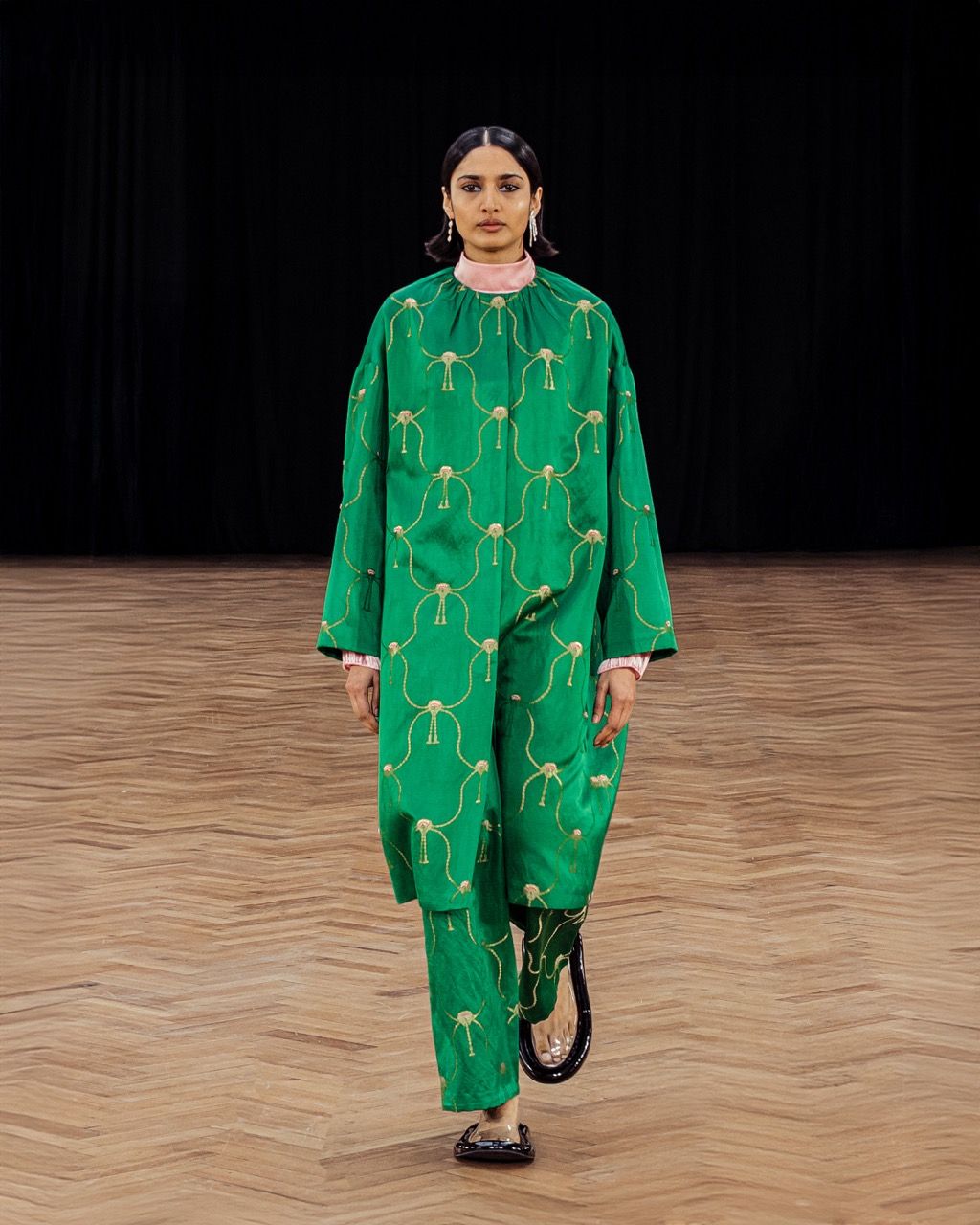
I would like to see men go much simpler. There’s a misconception that adding more elements makes a garment “more fashionable”. I think we should question that impulse. I want the appreciation of Indian fashion to shift away from the “more is better” approach and towards a holistic approach of the garment and the weaves being worn.
How has your understanding of Indian fashion changed since starting Raw Mango?
From the beginning, we have looked beyond the confines of fashion. We are not bound by seasons or the calendar. I see my role as more expansive than just designing fashion. I want to interest the larger republic in art, dance, and cultural exchange. I see my role as bigger than just being a part of the fashion industry. That’s how I wish to be known.
I’d like to think of myself as a design thinker and contributor - to keep up and start conversations about not just the niche ‘fashion’ conversation but as ‘design, craft & culture’ - that encompasses textile, the human condition, socio-economic realities, design challenges and cultural touch points.
What continues to inspire you creatively after all these years of working with textiles and craft?
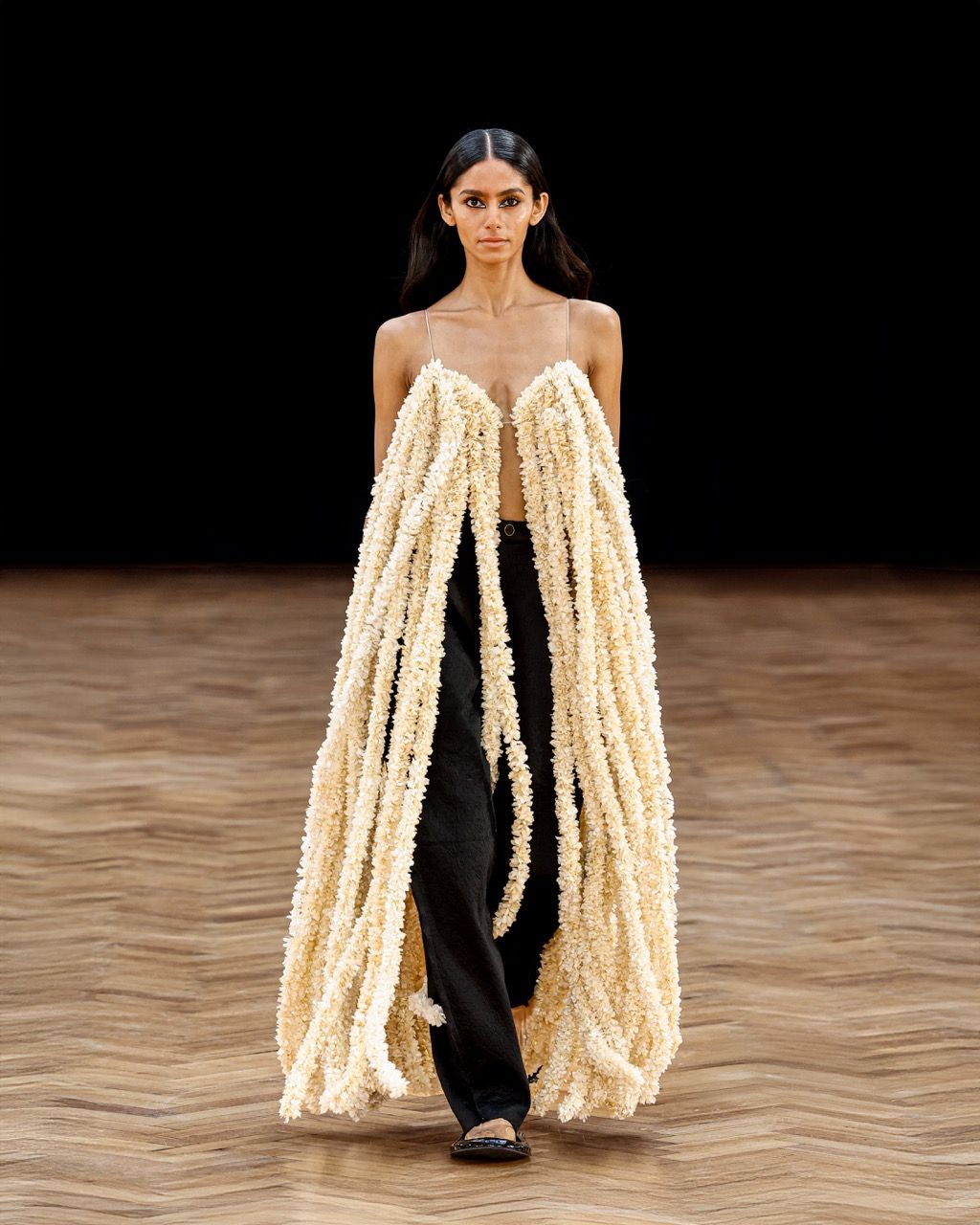
I was raised in the village of Mubarikpur, Rajasthan, and my appreciation for aesthetics began with the sensibilities of rural India. The memories I have of those days — my favourite foods, gallis, the textiles I saw around me and our relationships with those — all find their way into my everyday thinking.
Along with that, inspirations and influences from art & culture are always present. My travels, my curiosities, and the conversations I have with people across disciplines inform my views. My inspiration can come from anywhere - a person, a house or a moment. My interest in history and the cultural practices of different regions has all found a way into my work.


