While the world celebrates Fashion Month in February, India gets its own moment in March with Lakme Fashion Week x FDCI taking over the Jio World Convention Centre. From March 19–22, the country’s biggest couturiers, emerging labels, and student designers came together to present collections that spanned craft, innovation, and culture. And as always, the runway wasn’t short on star power—Aneet Padda, Tamannaah Bhatia, Ananya Kapoor, Disha Patani, and Siddhant Chaturvedi, among others, all made appearances as showstoppers.
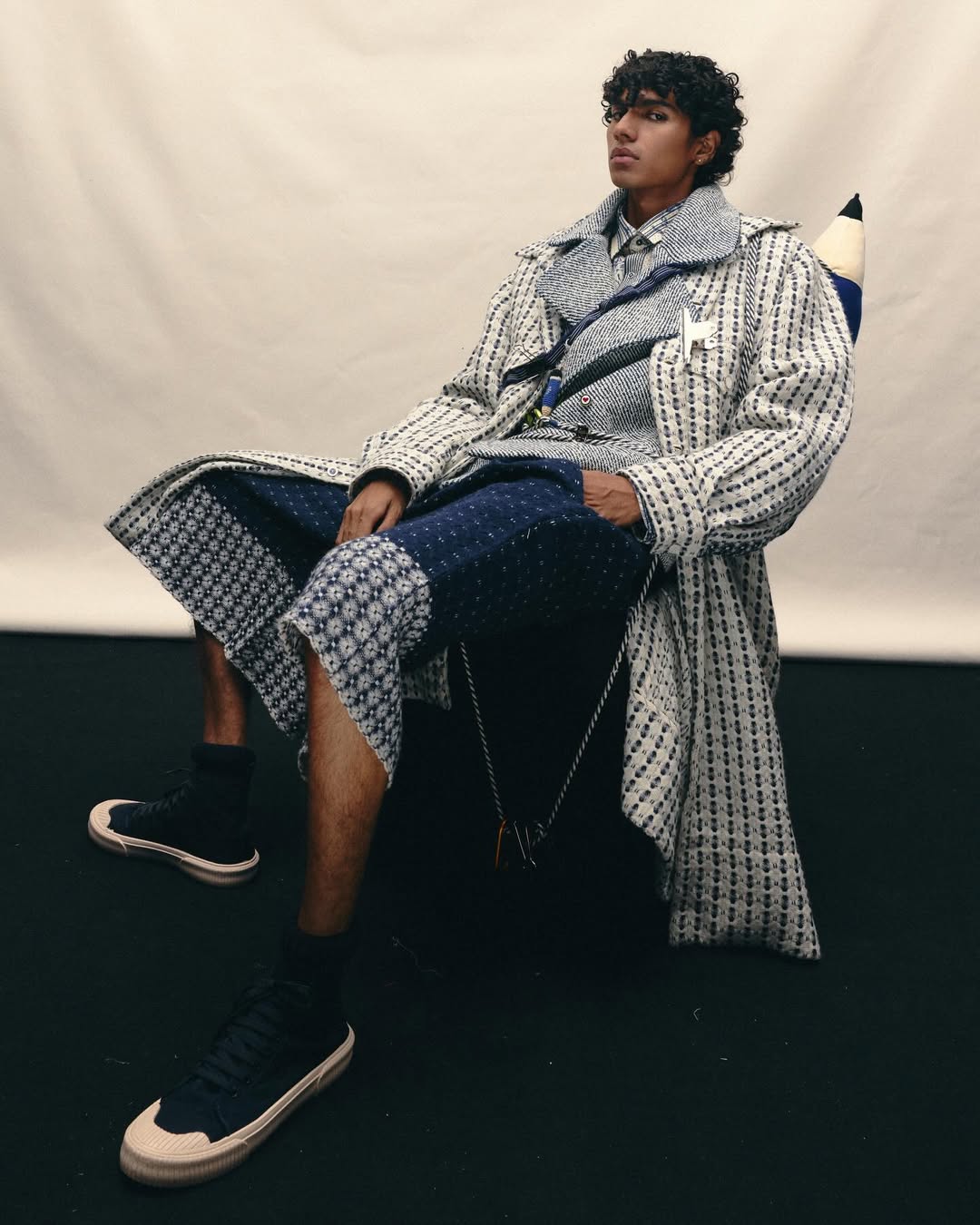
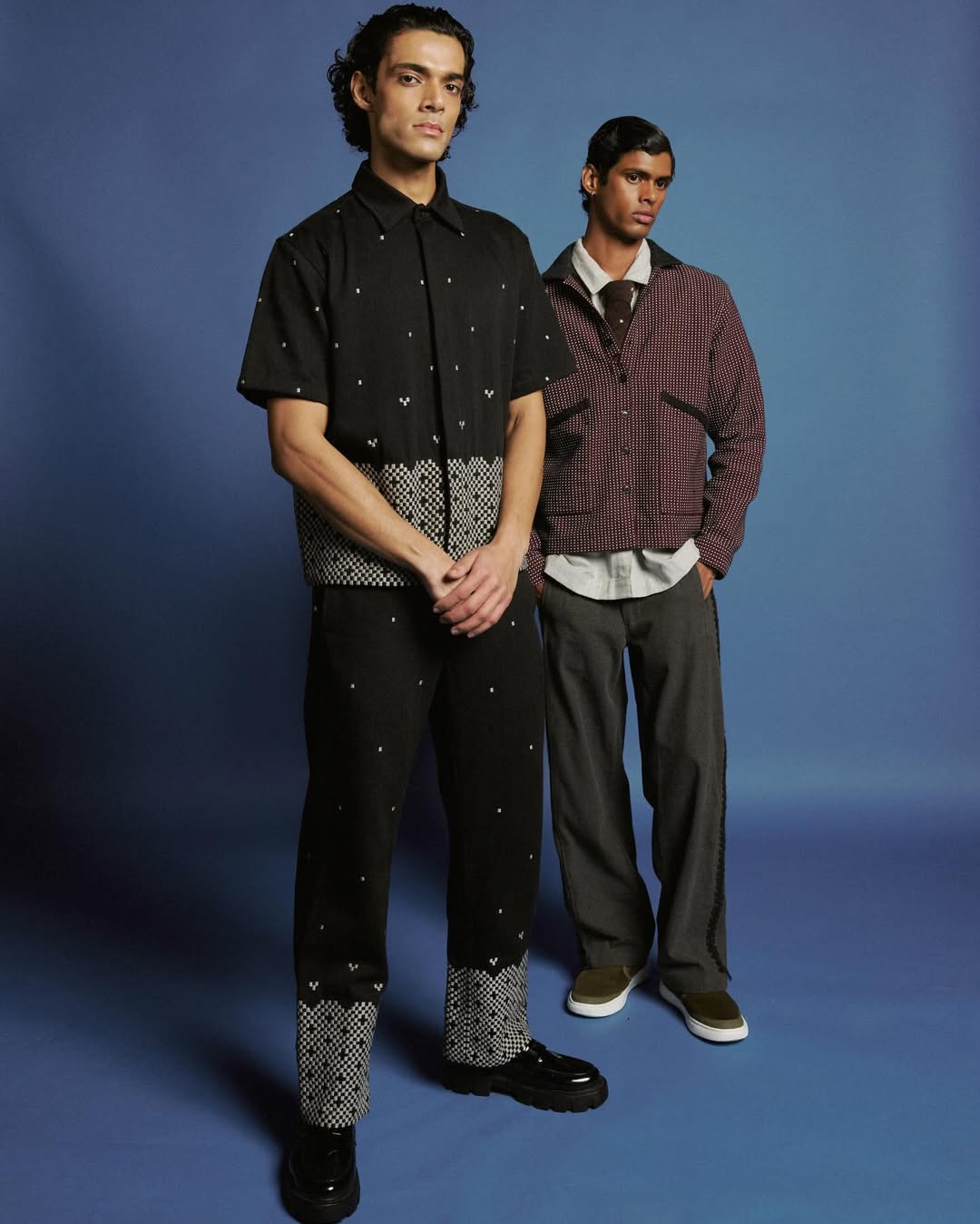
This season, one of the biggest highlights was Kartik Research’s first-ever showcase in India. For Kartik Kumra, who has steadily built an international reputation—showing in Paris, earning a second LVMH Prize shortlist, and opening a New York store—it marked a full-circle moment.
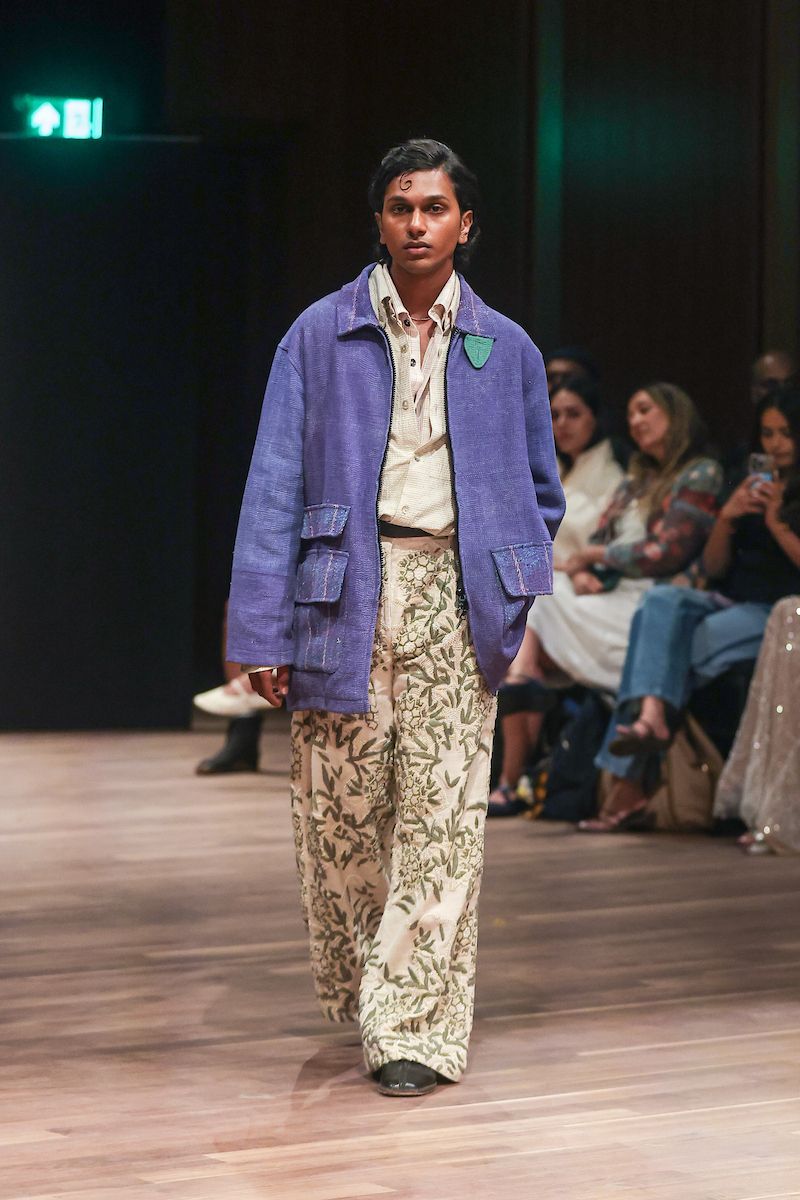
Meanwhile, designers like Anamika Khanna and Amit Aggarwal stayed true to their established visual languages, while Abraham & Thakore, Rahul Mishra, and p é r o leaned deeply into their collaborations. A&T delivered on their brief from the brand L’Atelier by 1664 by sticking to the brand colours and stripes throughout their collection, while Rahul Mishra reimagined couture in cotton, thanks to his collaboration with Supima Cotton. And as for p é r o, their collaboration with Lakme’s latest 9-5 HYA Beach Edit, resulted in their ‘Out Of Office’ collection which was the last show of LFW presented on Sunday night and had the audiences relating so hard, it ended with the only standing ovation of the week.
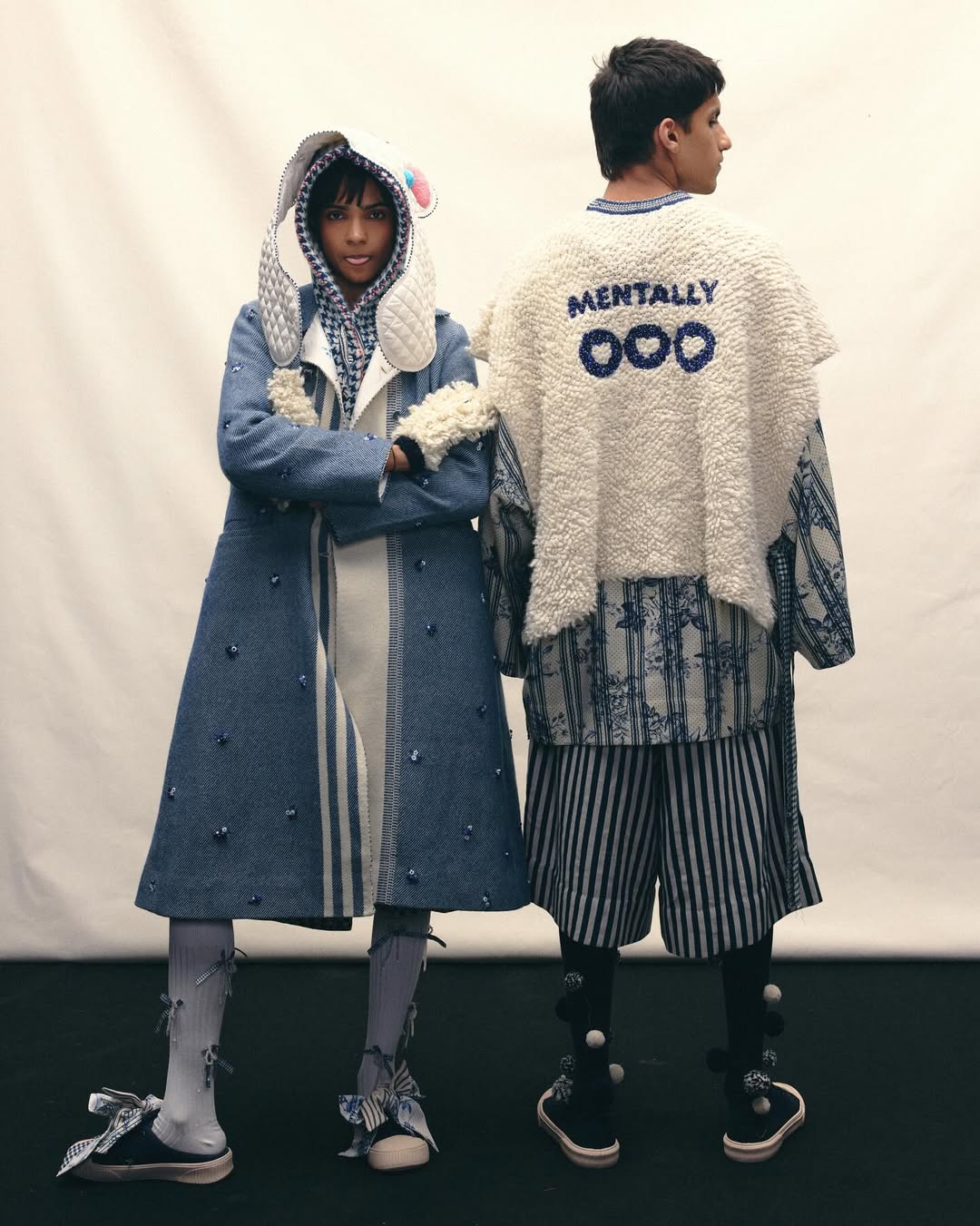
But beyond the big names, the menswear story truly stood out. Designers like Dhruv Vaish, Sahil Aneja, JUBINAV, CRCLE, Line Outline and Taarini Anand pushed the boundaries of what Indian menswear looks like today.
Lakme Fashion Week has always been where the industry comes together—designers, buyers, editors, stylists, and students in the same space—which makes it a good indicator of what people are actually responding to. With India’s impact on the global fashion industry making the news regularly, there’s also a noticeable shift in how people are dressing. Textiles, embroidery, and craft that were once reserved for weddings and family functions are now being styled into everyday looks without losing their identity.
And that shift is what really defines this season. Indian menswear isn’t just growing—it’s finding its footing in a way that feels current, confident, and easy to wear. Here are the trends that stood out.
The Biggest Menswear Trends From Lakme Fashion Week 2026
1. Relaxed Fits & Fluid Silhouettes
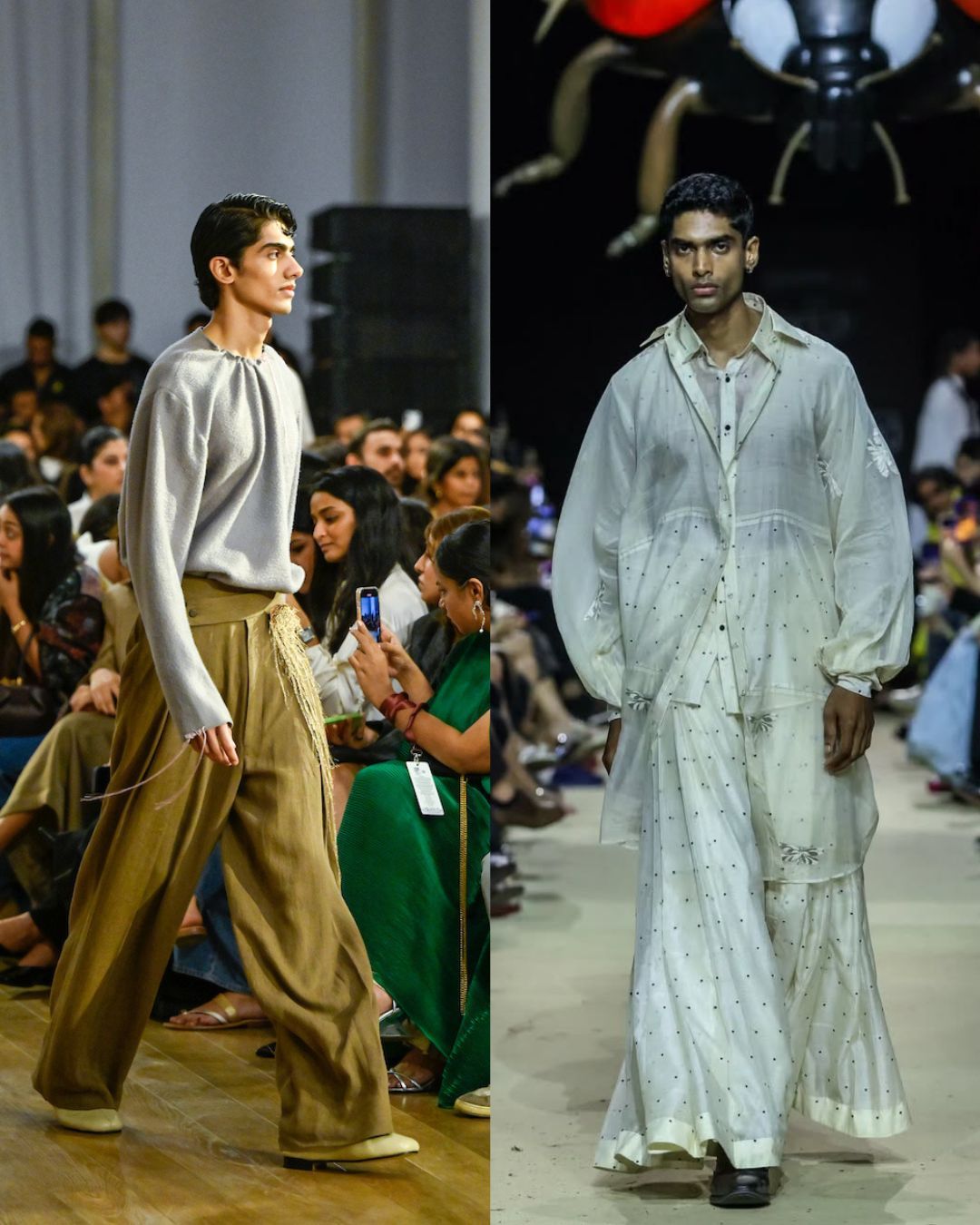
Menswear felt noticeably more relaxed this season, and with that came a shift in how it’s being expressed. AKOK’s draped silhouettes moved away from rigid structure, Dhruv Vaish paired wide trousers with softer jackets, and Rahul Mishra worked with sheer, flowing layers that added movement. Taarini Anand and Kartik Research followed a similar direction with easy, less structured fits. Even Amit Aggarwal’s pieces, while detailed, focused on fluidity and how the garments interact with light. Across collections, there’s less emphasis on sharp, defined dressing and more room for movement, softness, and individuality.
2. Embroidered Everything
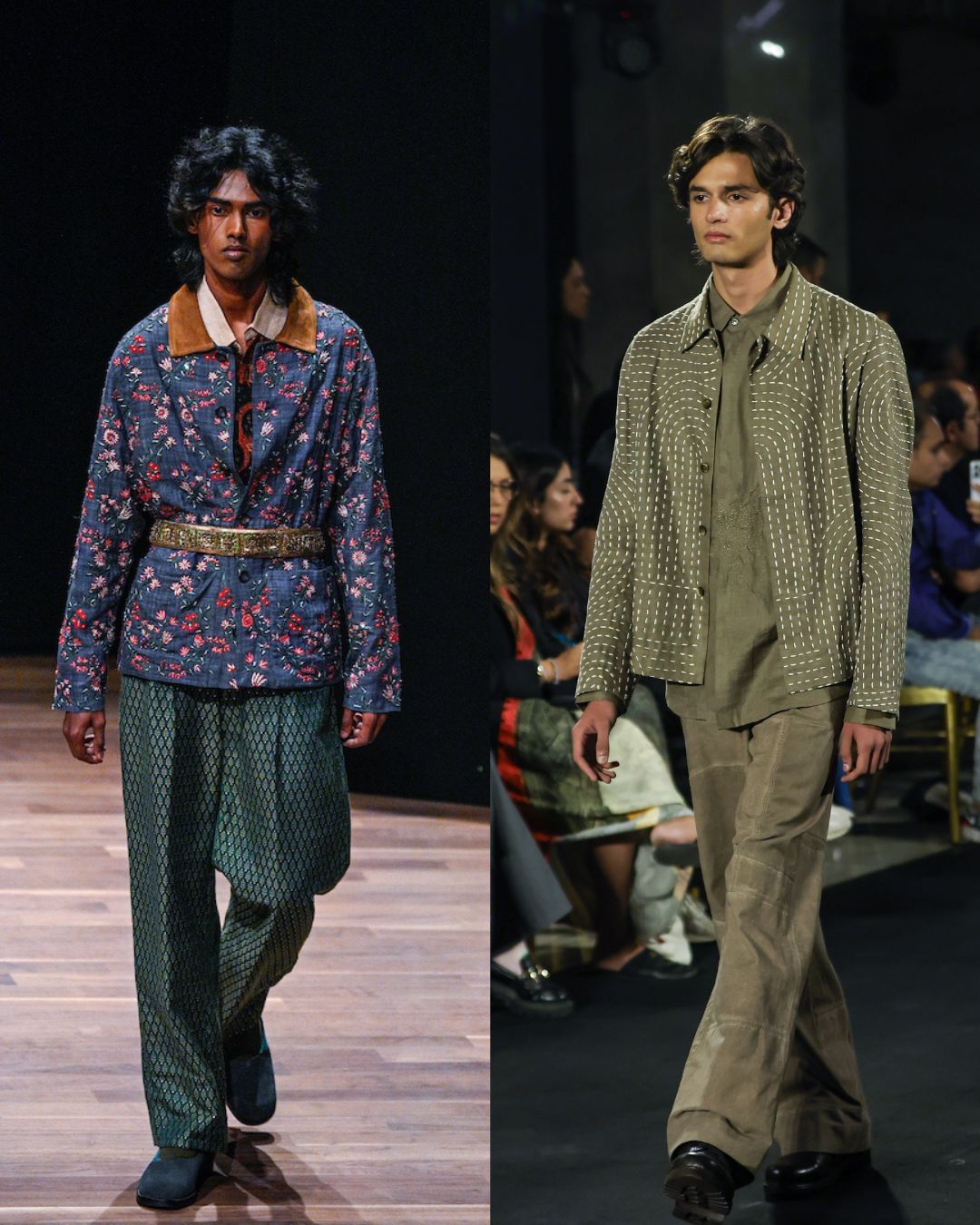
Embroidery showed up across collections in ways that felt both detailed and wearable. Kartik Research worked hand-embroidered elements into relaxed pieces inspired by the psychedelic optimism of 1960s rock culture, keeping the focus on craft without making it feel heavy. Amit Aggarwal approached it differently, using dense surface work to play with texture and the way light moves across the garment. Triune leaned into bold, graphic motifs, while JUBINAV layered embroidery with patchwork and print to build more detailed looks. Rahul Mishra kept things lighter with delicate nalki embroidery on Chanderi pieces made from Supima cotton. Across the board, embroidery moves beyond occasionwear and fits easily into everyday dressing.
3. Prints Feel More Considered Now
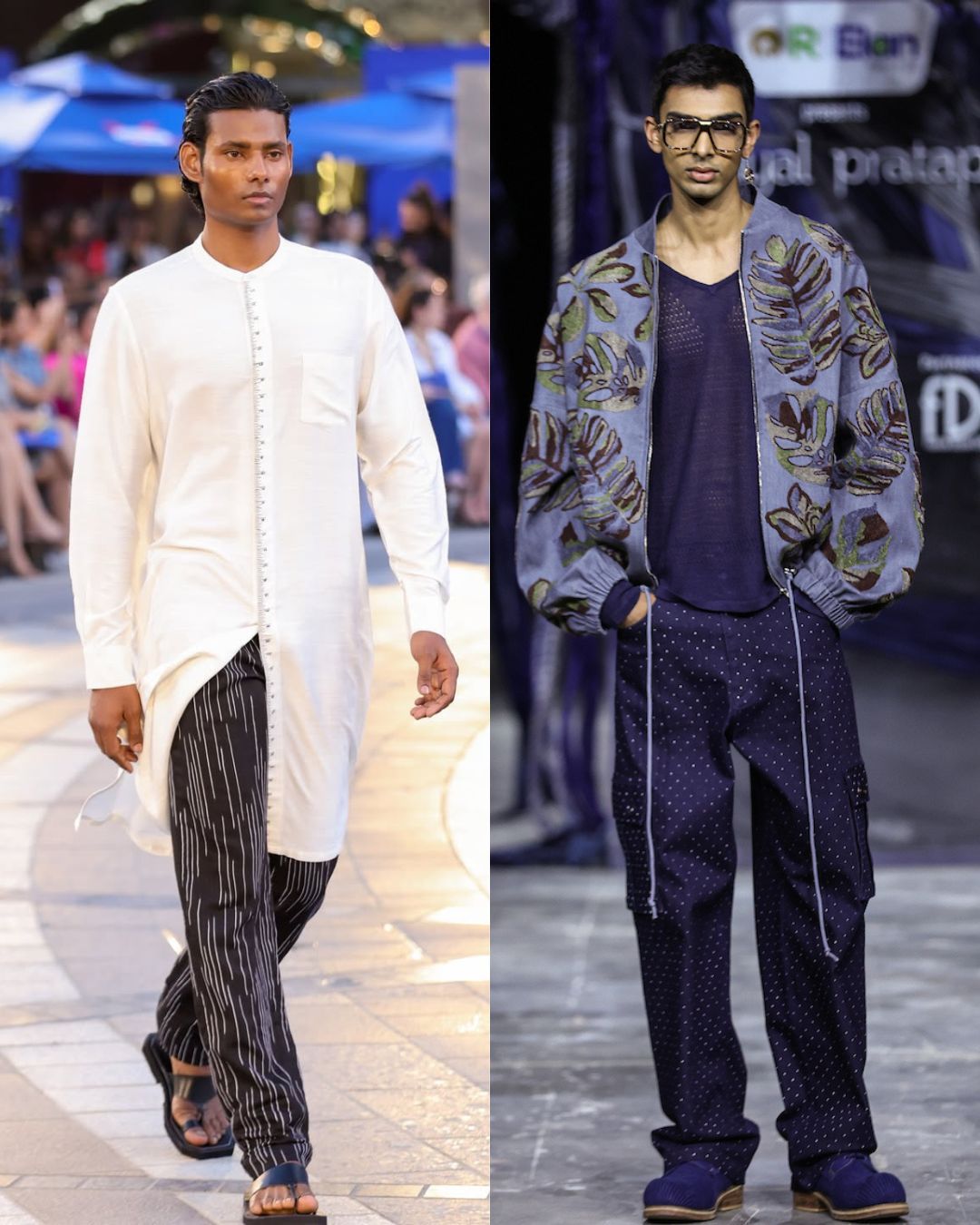
Prints made a clear comeback, but in a way that feels easier to wear. Abraham & Thakore kept things grounded with small motifs and stripes, while CRCLE explored clean, graphic patterns that didn’t overwhelm the look. Sahil Aneja brought prints in through layering rather than making them the focus. And Payal Pratap’s menswear debut used print in a way that felt controlled and cohesive. Across collections, prints felt more controlled—something that adds interest without taking over the outfit.
4. Blue & White, On Repeat
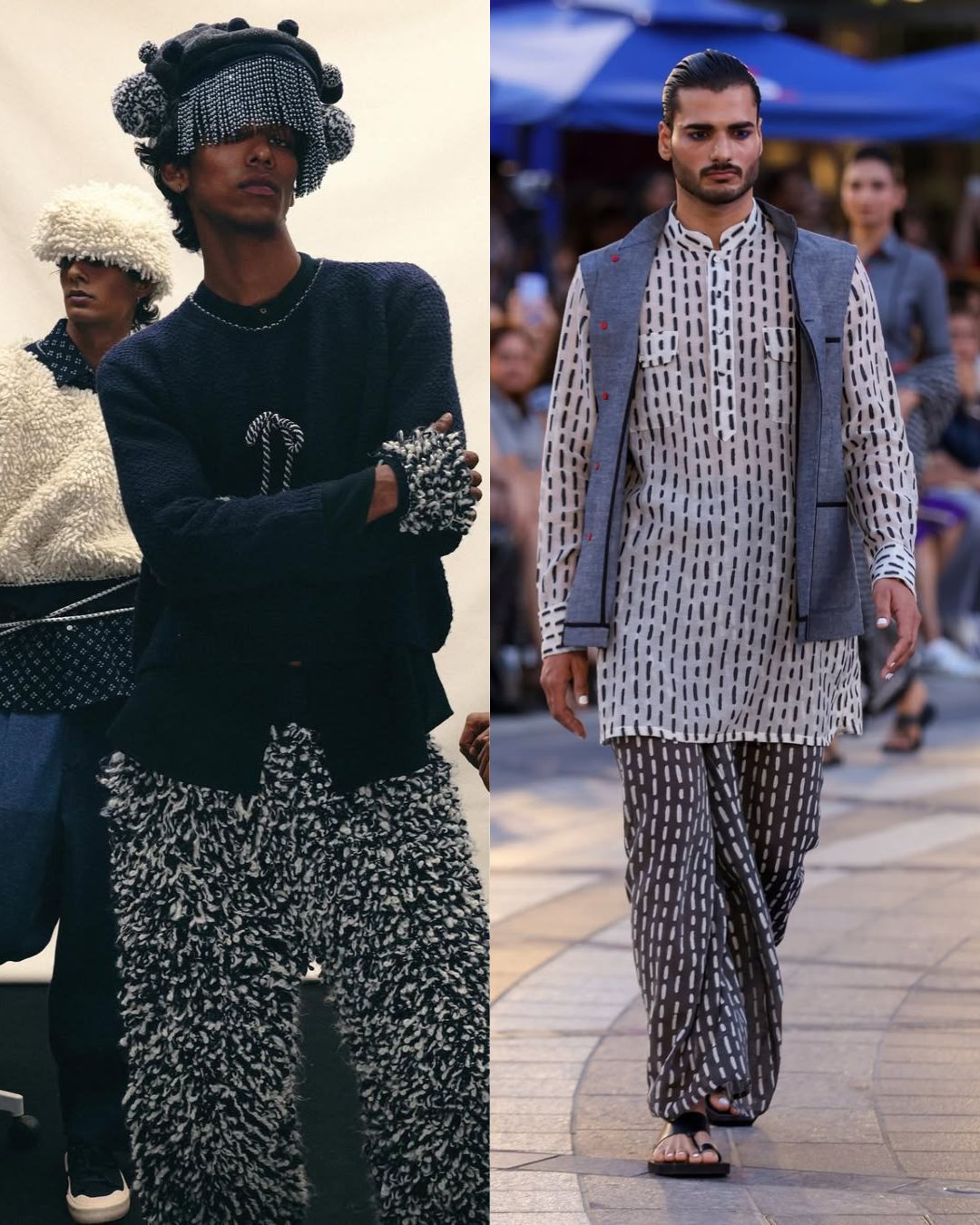
Blue and white stood out as one of the most consistent colour stories this season. péro built an entire collection around it for its HYA Beach Edit collaboration, mixing checks, stripes, and textures without stepping outside the palette. Abraham & Thakore worked with a similar idea for L’Atelier by 1664, using stripes and clean prints. The repetition of the palette across collections made it feel less like a trend and more like a reliable formula that just works. And even via denims displayed at Kartik Research and Payal Pratap, blue & white was the winning combination of the week.
5. Denim Gets a Proper Upgrade
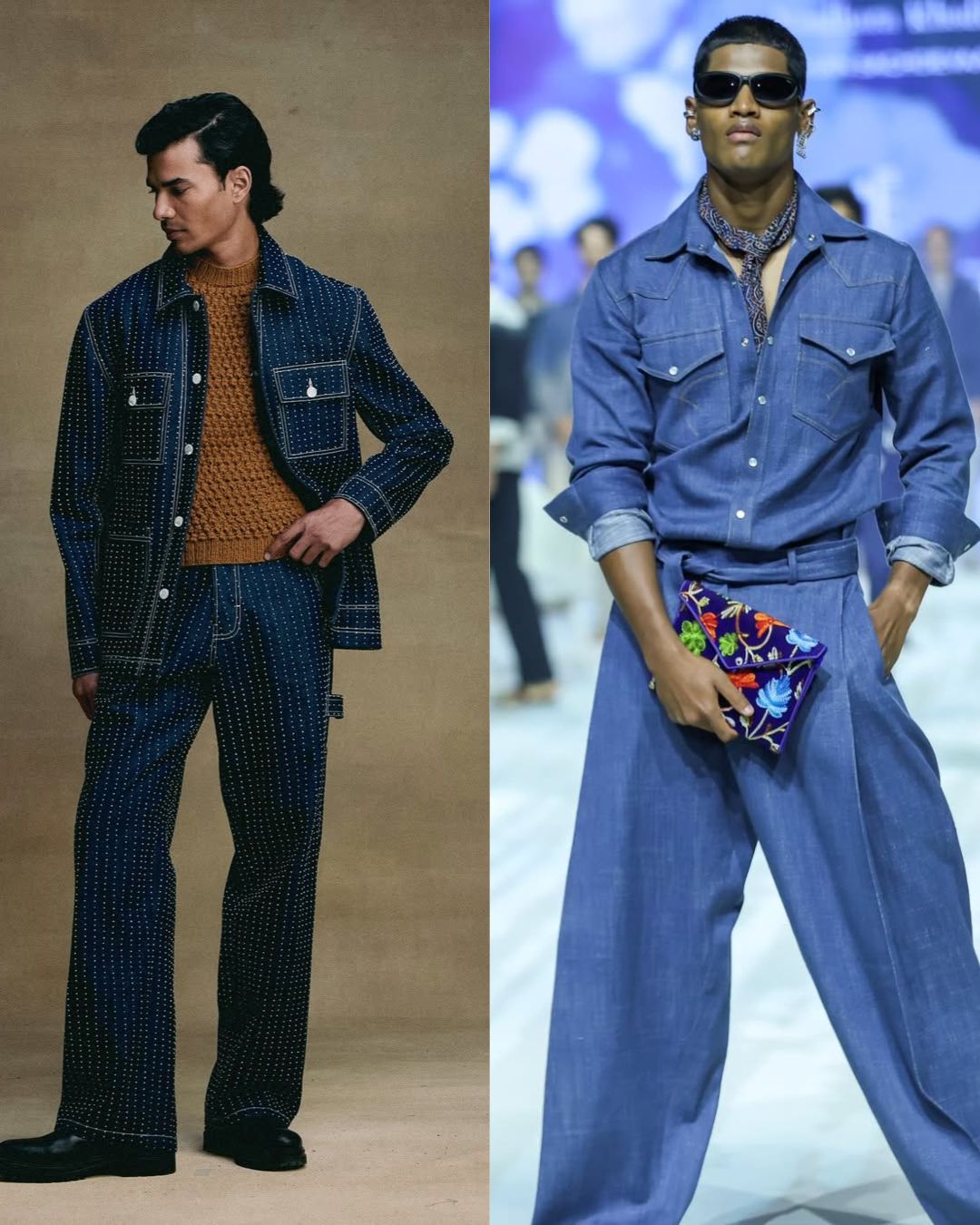
Denim showed up a lot this season but it didn’t feel basic.. Line Outline added surface detail to full denim looks, Pawan Sachdeva tailored it into coordinated sets, and Sahil Aneja styled it with layered separates. Kartik Research decked it up with hand-embriodered motifs and Payal Pratap’s entire collection was built around denim, which also marked her first outing into menswear. Meanwhile, Anurag Gupta also explored the fabric in a more structured way. It’s still the same fabric, just styled and cut with a lot more intention.
6. Styling Is Doing the Heavy Lifting
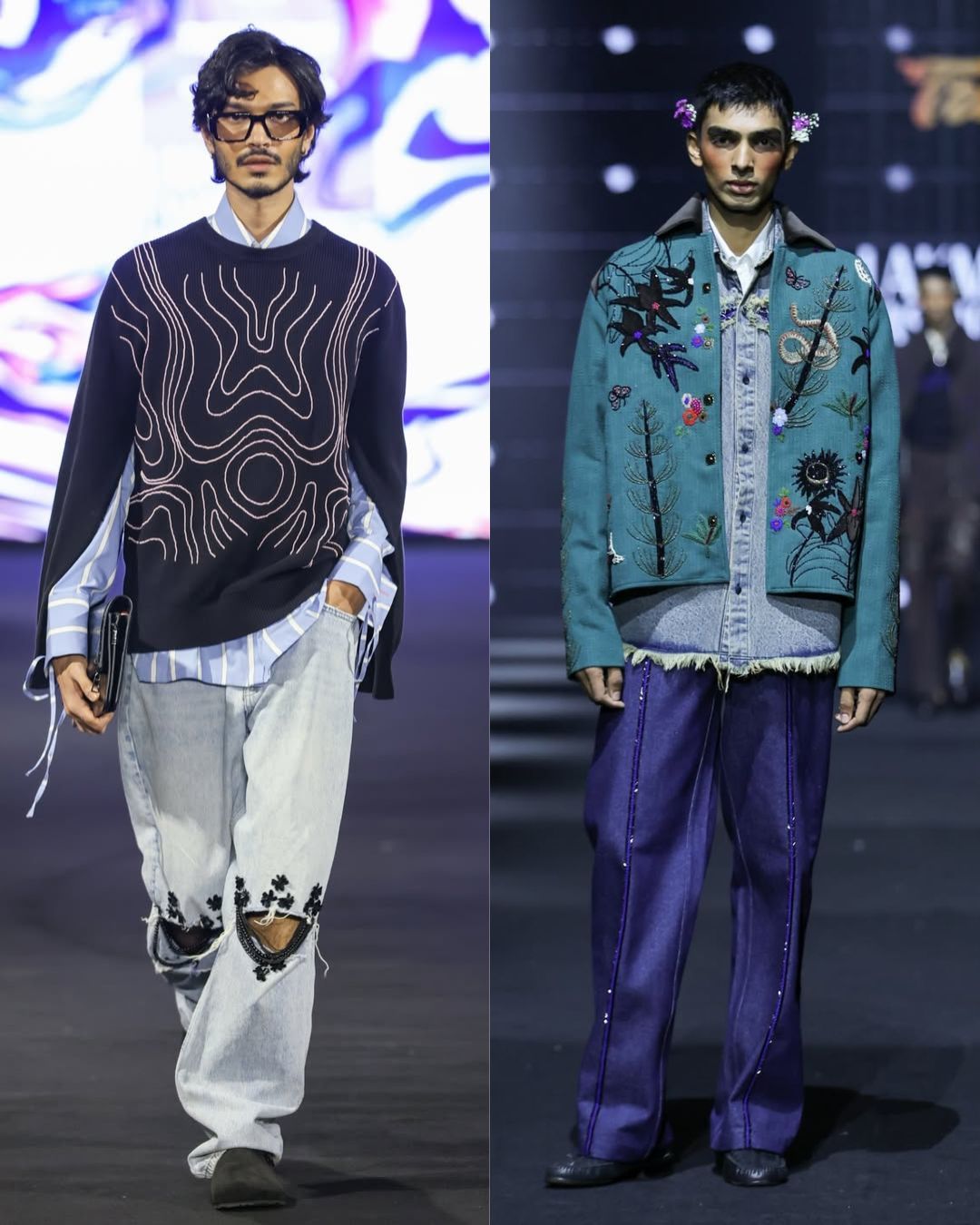
Instead of relying only on construction, many looks stood out because of how they were styled. Sahil Aneja’s layered combinations felt easy but considered, while designers like Anamika Khanna and Rahul Mishra also leaned into layering to add depth without adding weight. Even in more minimal looks, it’s the way pieces are put together—through proportion, layering, and contrast—that defines the outfit. This means that even if the fitting may not feel right, styling it in fun new ways can still help you serve a look.
7. Impact Doesn’t Have to Be Loud
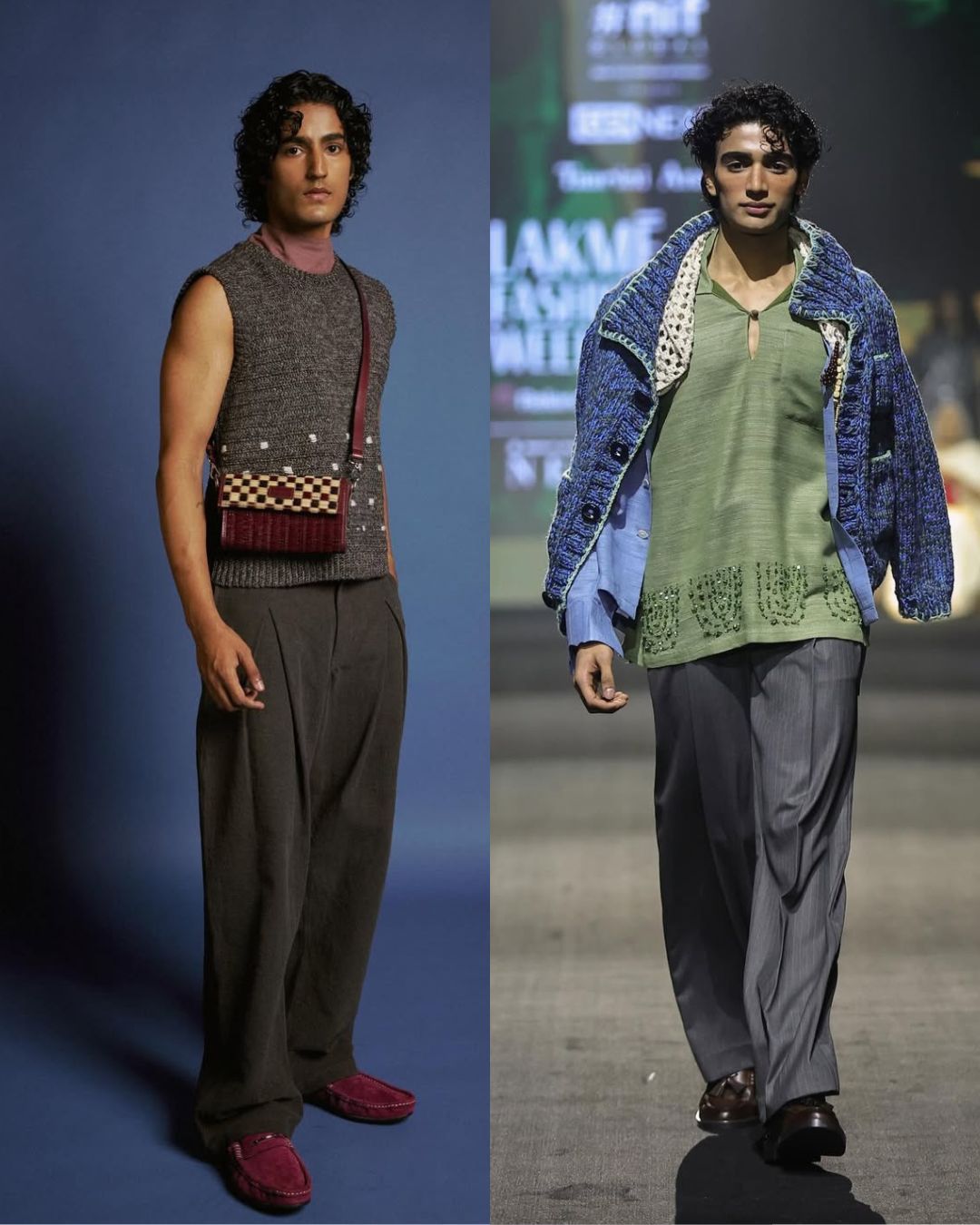
Not every look tried to do the most, and that’s what made them standout. Rahul Mishra’s sheer layers, Anamika Khanna’s draped silhouettes, and Kartik Research’s relaxed, easy pieces all showed a clear shift toward holding back. Even when there was detail involved, it never felt excessive. There’s more confidence now in letting fabric, movement, and finish carry the outfit instead of relying on heavy embellishment or statement elements.


