If Cinderella were wearing the wrong shoe, we might have gotten a different fairy tale. Point being, choosing the right footwear, if you’re preparing for a marathon, can make or break your entire race. Either you see the chequered flag, or you end up booking an appointment with a podiatrist, asking uncomfortable questions about arches, pronation, and why your feet have suddenly turned the wrong way around.
Marathon running loves to dress itself up as a test of mental toughness. Grit. Willpower. Pushing through. All true, to a point. But over 42.195 kilometres, the body is far less interested in motivation than mechanics. Tiny inefficiencies compound. Mild discomfort snowballs. And the shoe, more than any other piece of gear, quietly decides how much of that suffering is constructive and how much is just self-inflicted damage.
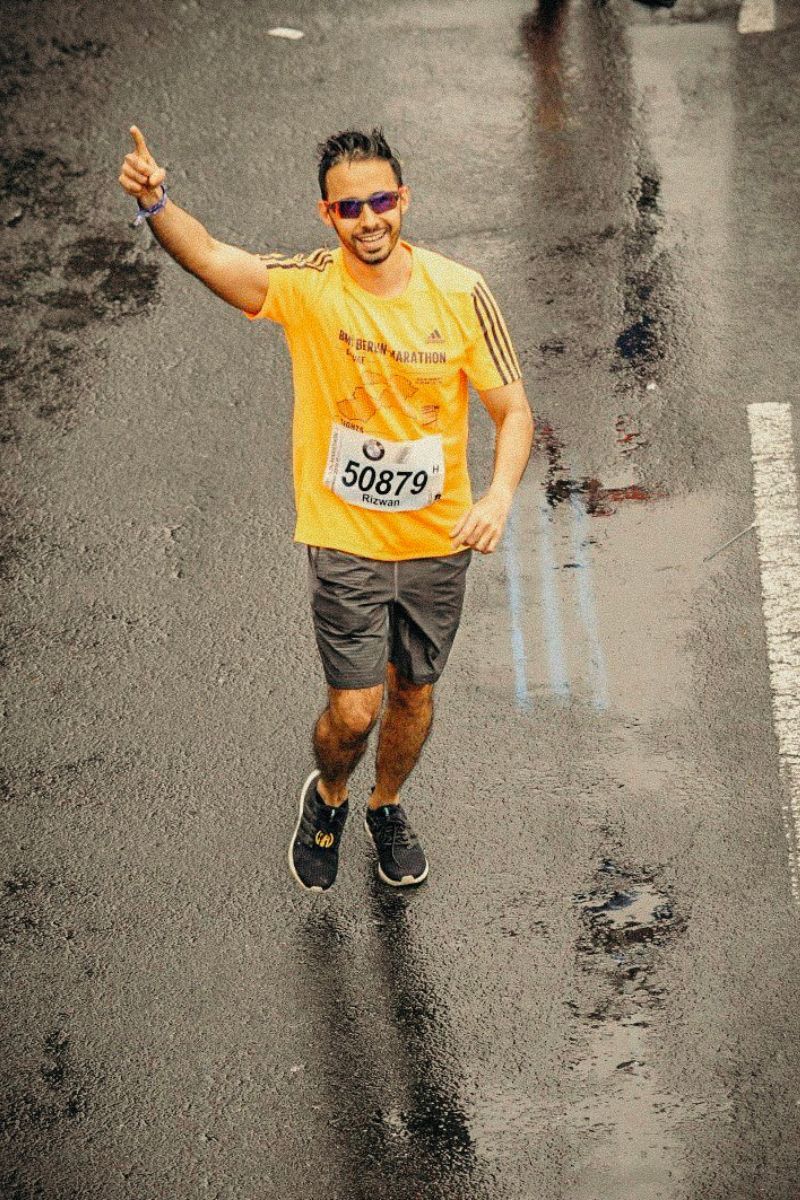
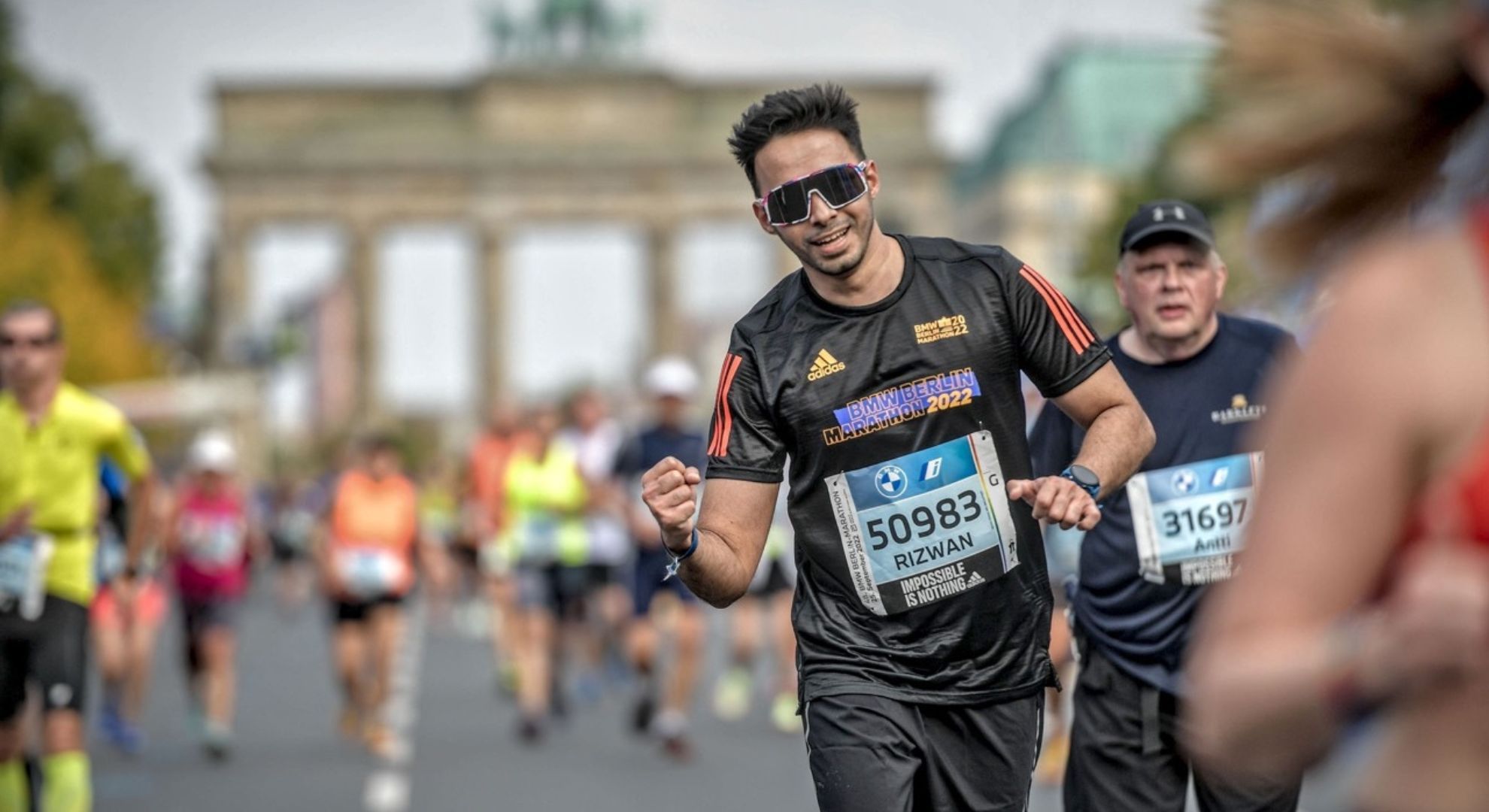
To understand what actually matters when choosing a marathon shoe, I spoke to two runners at very different stages of the journey. Rizwan Bachav, a content creator and distance runner who has been logging marathon miles since 2012. And Rajen Shah, 57, who completed his 50th marathon, finishing second in his age category at the Tata Mumbai Marathon in January 2026. Different ages. Different entry points. One shared truth: neither of them got shoes right at the start.
When shoes were just shoes

In frame: Rizwan Bachav
Bachav didn’t begin with a grand plan. He began with an office challenge. A group signup for the Mumbai Marathon, a mix of curiosity and peer pressure, and suddenly, he was training. Shoes were not part of the conversation. “At that time, I didn’t know there were different kinds of running shoes,” he says. “There wasn’t awareness around gait, pronation, or arch support. Access was limited. You bought what was easily available.”
It wasn’t poor decision-making. It was blind decision-making. The Indian running ecosystem simply hadn’t caught up yet.
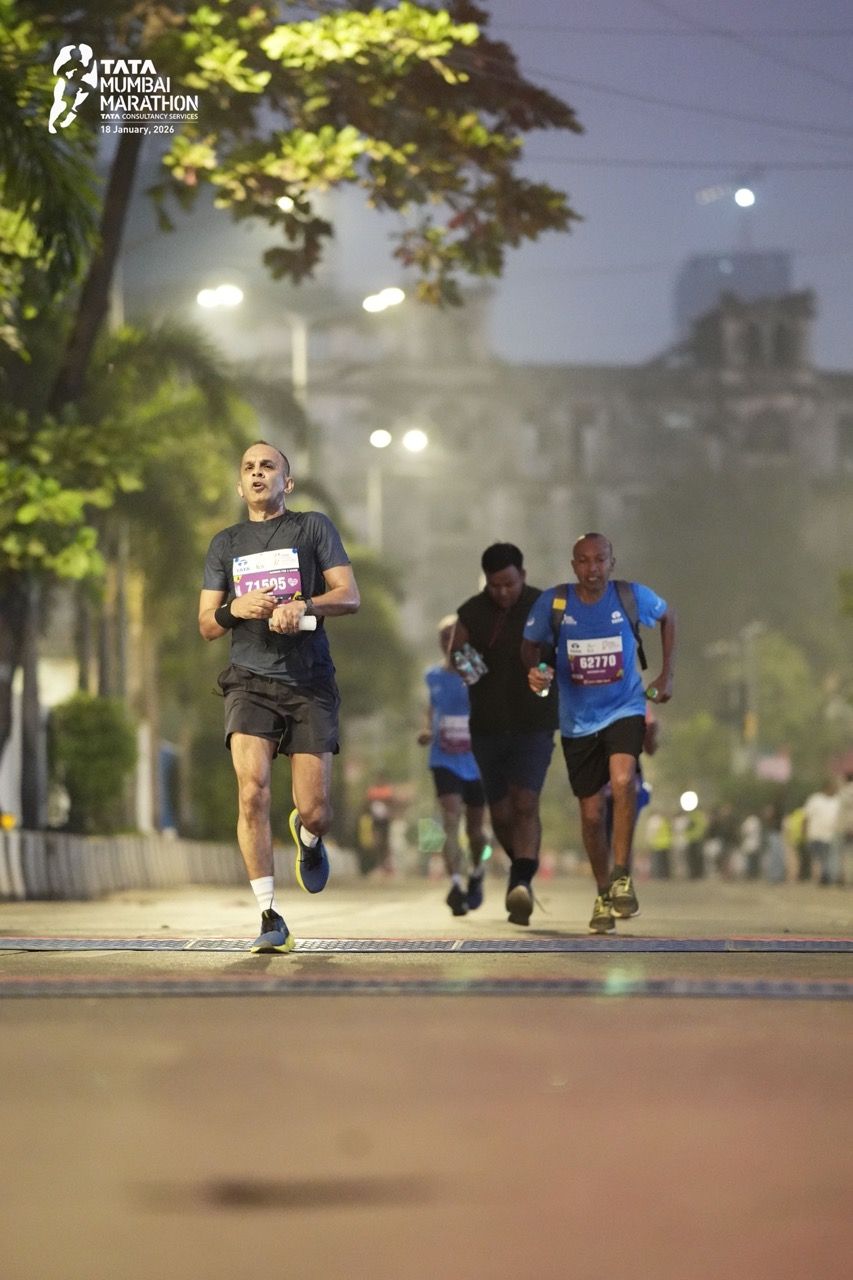
In frame: Rajen Shah
Shah’s early years echo that simplicity. He started running in 2009 but avoided organised races. He ran regularly, consistently, and in regular Nike trainers. Shoes were functional. Adequate. Invisible. Until they weren’t.
During the COVID years, knee and calf pain crept in. Slowly, persistently. That was the moment footwear stopped being abstract. His physiotherapist flagged his shoes as a likely contributor and pointed him towards proper road running footwear. His first serious pair came from Brooks. The difference, he says, was immediate.
In both cases, education arrived late.
The modern mistake is louder, not smarter

If lack of access was the problem a decade ago, excess influence is the problem now. Bachav sees it constantly. New runners are buying shoes because they look good on Instagram. Because an influencer swears by them. Because an elite athlete won a race in them.
“There’s this idea that there’s one best shoe,” he says. “But running shoes are extremely subjective. What works for one runner can be a disaster for another.”

Shah agrees, but his critique is more fundamental. Most runners, he says, don’t even start by asking where they plan to run. Road running, cross training, treadmill sessions, and long-distance racing. Each demands a different shoe. Treating them as interchangeable is where problems begin.
Begin with how your body behaves

Before carbon plates or foam compounds enter the conversation, Bachav insists on one starting point: understand your gait.
A basic gait analysis or a podiatrist consultation can tell you whether you overpronate, supinate, or run neutral, and what kind of arch you have. These aren’t academic labels. They determine how your foot loads, how your knee tracks, and how stress travels through your body after two hours on the road.
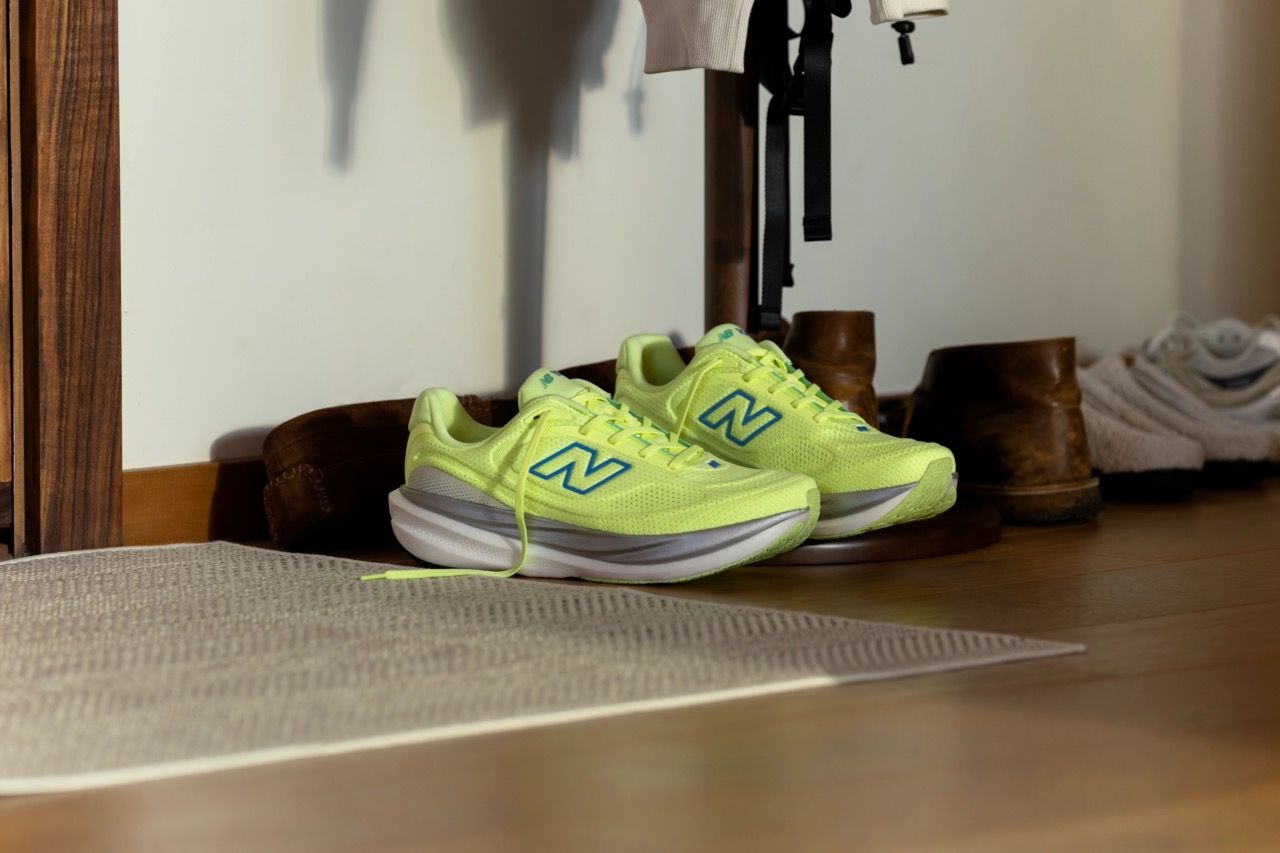
In frame: The newly launched New Balance 1080v15
Shah’s checklist is simpler, but no less precise. For road running, he prioritises sole quality, cushioning, and weight. Over long distances, weight becomes cumulative. Cushioning is not about softness alone, but consistency as fatigue builds. Different approaches, but essentially the same conclusion. Point being, shoes should be chosen to suit how you move, not how they are marketed.
Comfort is not a luxury
If there is one theme that keeps resurfacing, it is comfort. “No amount of technology can compensate for a shoe that doesn’t feel natural,” Bachav says.
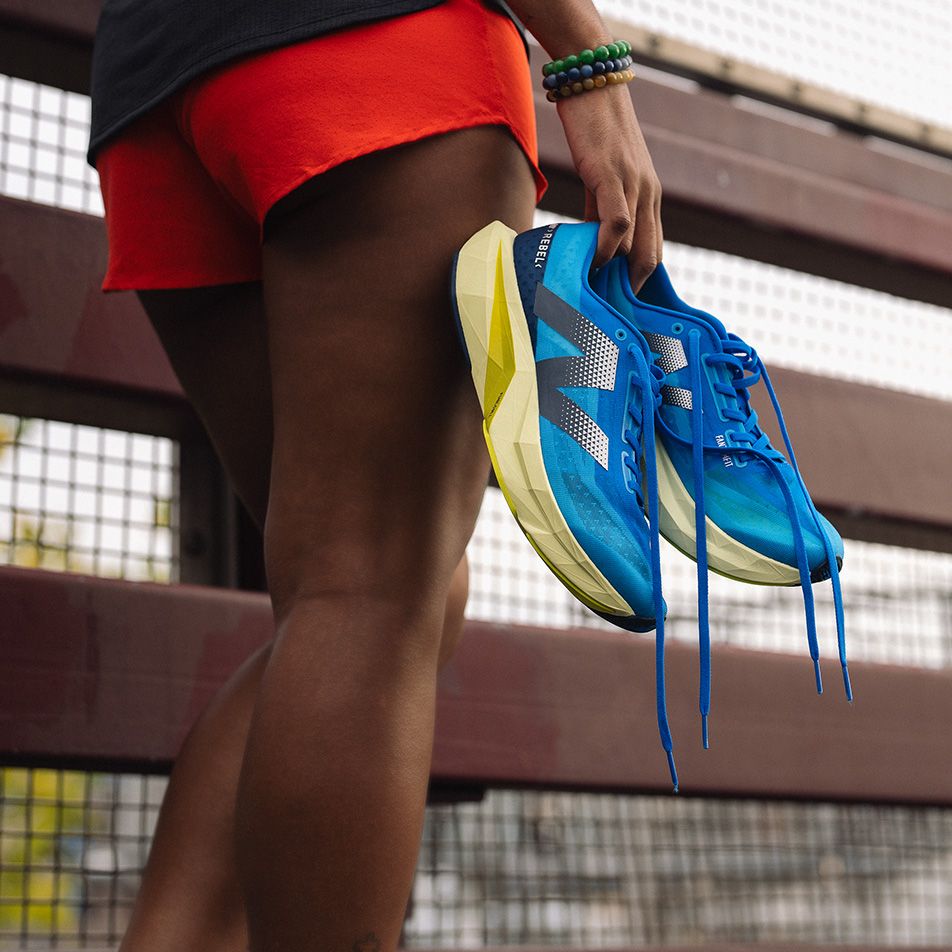
This matters more in a marathon than anywhere else. Over 42 kilometres, small irritations become negotiations. A narrow toe box. A mildly unstable heel. A midsole that feels fine for 10 kilometres and collapses at 30. These are the things that end races quietly, without drama.
Shah looks for width, so the leg stays relaxed while running. Bachav looks for stability that holds up under fatigue.
A marathon shoe is a separate decision
A shoe you enjoy for daily training is not automatically a marathon shoe.
For Bachav, the benchmark is clear. The shoe must feel stable when tired, predictable at pace, and comfortable across multiple long runs. If it doesn’t survive training fatigue, it has no place on race day.

This is where modern technology enters carefully. Carbon plates and high-energy foams can improve efficiency, but only if they work with your mechanics. Otherwise, they introduce new stresses the body isn’t prepared for.
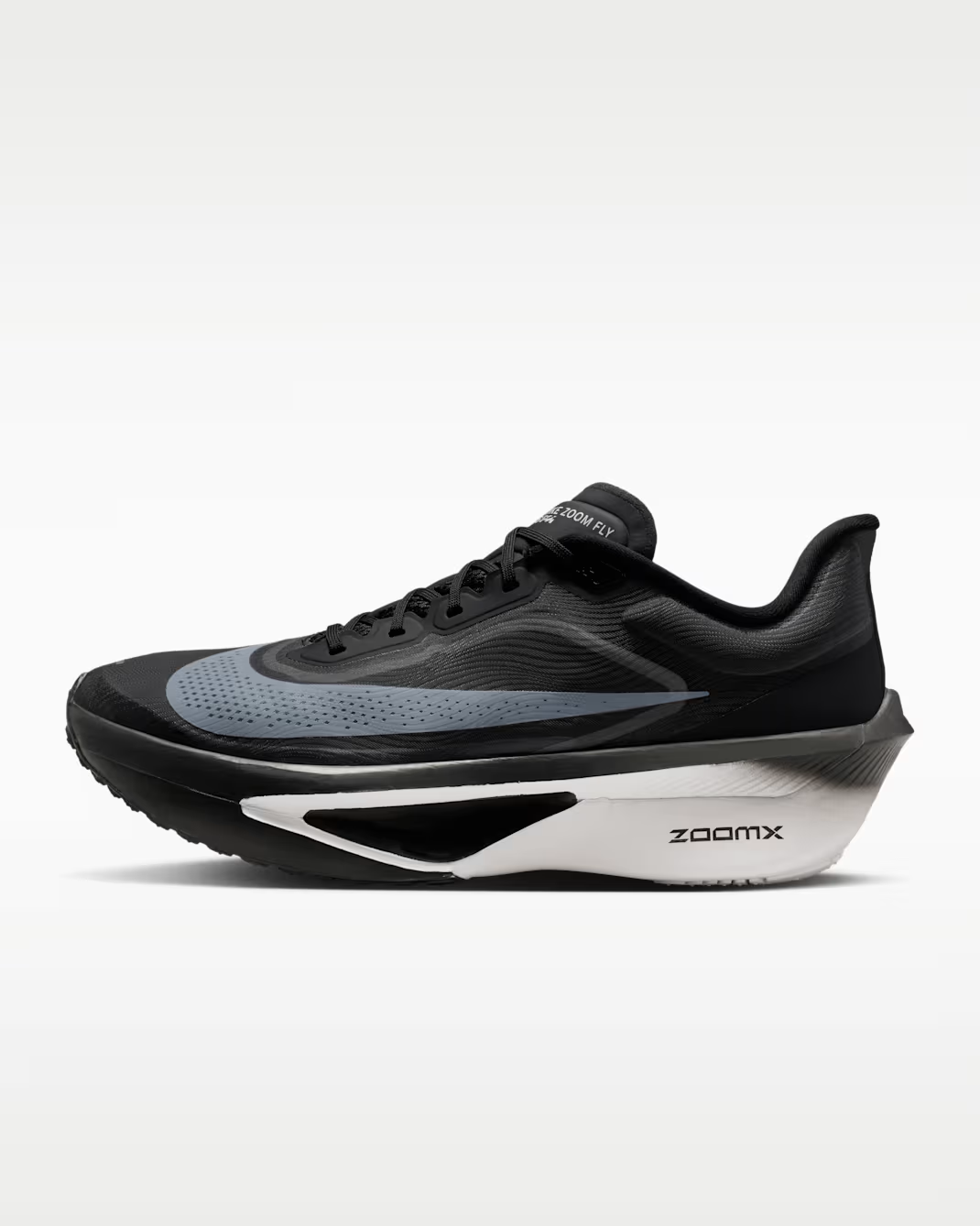
Shah is more decisive. Carbon plates, for him, are now essential. They help cadence. They assist with propulsion. They make maintaining pace late in the race more manageable. He pairs that with a broader base and lighter construction to reduce fatigue.
What neither runner does is buy a race-day shoe and save it for race day. Every marathon shoe earns its place in training first.
Knowing when a shoe is finished

One of the easiest ways to invite injury is sentimentality. Bachav goes by mileage and feel. Most running shoes last around 700 to 800 kilometres, but cushioning degrades long before visible wear appears. Logging shoe mileage keeps him honest. When a shoe starts feeling flat or unexplained niggles appear, it’s done. Shah is stricter. Around 400 kilometres, or at the first sign of pain, the shoe is replaced.
Why rotation isn’t optional

Neither runner relies on a single pair. Bachav rotates between two or three pairs, often within the same brand for consistency of fit. One for speed work. One for long runs. One reserved for races and key sessions.
Shah keeps it lean. One pair for long runs. One exclusively for the marathon. Rotation spreads load, reduces repetitive stress, and smooths the transition from training to racing. Your body adapts gradually instead of being shocked at the start line.
Cutting through the technology noise

With constant launches, louder marketing, and ever-taller stack heights, it’s easy to feel behind.
Bachav’s advice is grounding. Focus on fundamentals. Strong legs, a stable core, and consistent training matter more than any shoe. Every new technology requires adaptation. Trial and error is normal. Chasing every launch is not.
Shah believes technology should be embraced, but selectively. Carbon plates improve cadence and efficiency. The mistake isn’t using them. It’s using the wrong version of them.
At the end of the day, technology can only amplify preparation. It does not replace it.
The non-negotiables

Ask Bachav to reduce everything to one word, and he doesn’t hesitate. Stability. Over the years and thousands of kilometres, stability is what keeps you consistent and injury-free. Shah lists three. Carbon plate for power. A broad base for comfort. Lightweight construction so the shoe disappears as fatigue builds.
Different runners. Different priorities. However, the shared trait here is certainty. Because at kilometre 38, when the body is negotiating with the mind, the wrong shoe doesn’t just slow you down. It reframes the entire race. Choose wisely and the shoe fades into the background, letting you do the hard work. Choose poorly and it becomes the loudest voice in your head, long after the medal is tucked away.


