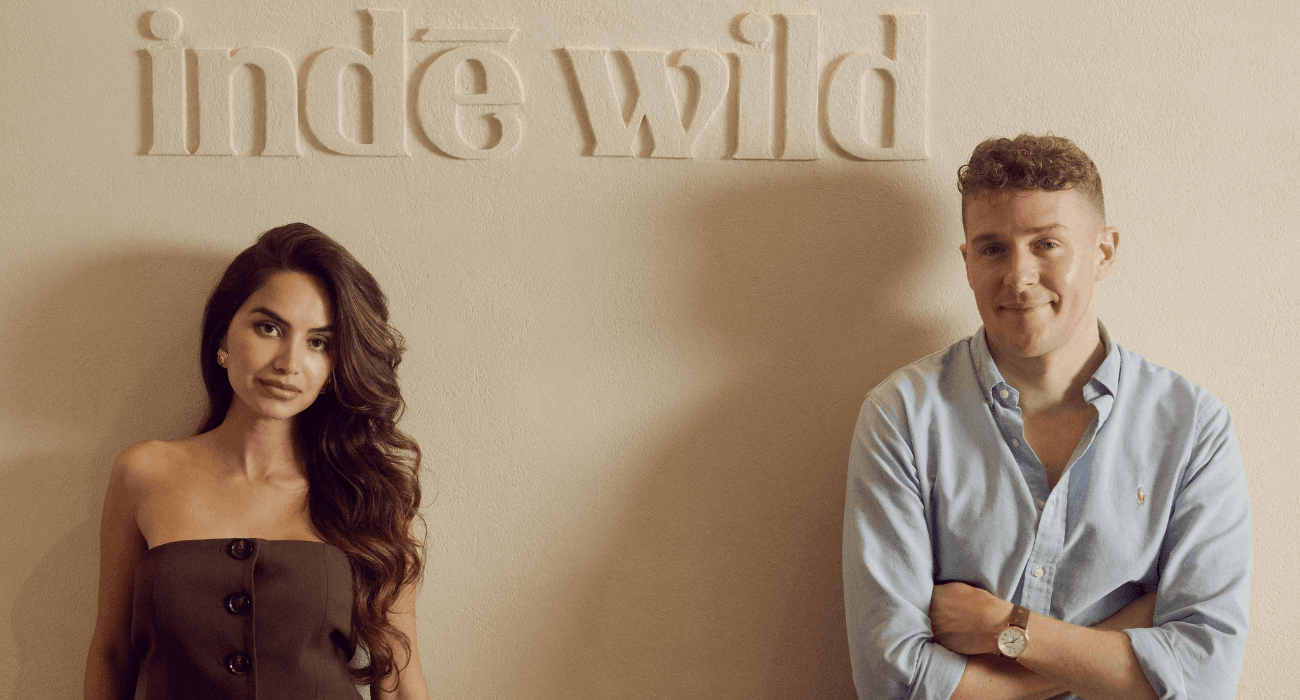
Hair thinning, dry lips and scalp health aren’t gender-specific concerns, and neither are the solutions that address them. The conversation around men’s grooming has shifted beyond appearances to everyday wellbeing. Rather than creating separate products for men and women, brands are rebuilding their philosophy around offering simple but targeted solution to universal concerns. indē wild founders, Diipa Büller-Khosla and Oleg Büller, talk about changing perceptions around masculinity, the rise of champi among male consumers and the simple routines they recommend for anyone looking to get started.
1. Your products are mostly based on rituals which are not gendered. How do you make sure that your products reach its male consumers as well?
Diipa: We don't build products for women and then try to convince men to use them; we build products around universal concerns. When you create products that solve real issues, you realise that skin is skin and healthy hair isn’t gendered.
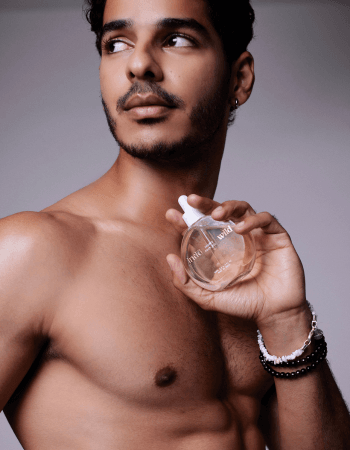
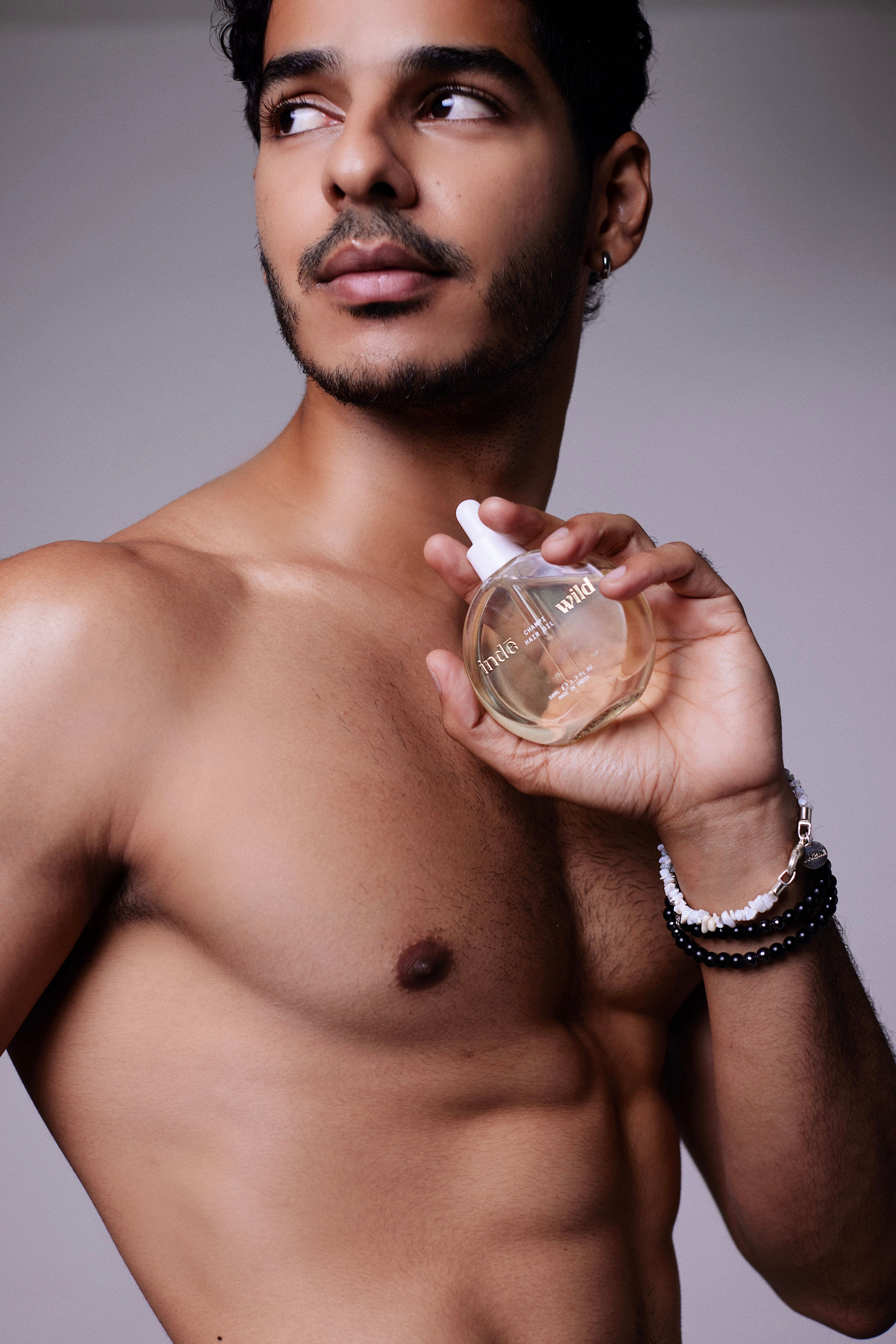
Last year we shot a campaign with Ishaan Khatter, it also featured our Dewy Lip Treatment, and he was still completely himself–confident and masculine–and none of that was taken away by the fact that he was using a lip balm. Taking care of yourself doesn't take away from your masculinity, looking after dry lips doesn't make you any less masculine, it just means you have dry lips and care about them. That campaign blew up which is testament to the fact that self-care has no place being gendered in 2026. Rituals have always belonged to everyone. Growing up, my brother and I got champi from our mother and that's the lens we've always tried to build indē wild through.
2. When it comes to indē wild consumer base, can you tell us about your male consumers and which are the most popular products among them?
Diipa: What has been a pleasant surprise to us is how many men naturally gravitate towards our haircare range. Our MSS, Moonlight Scalp Serum, has been a standout product, especially because hair thinning and shedding are concerns that so many men deal with, often quietly. It's a product that solves a universal concern while being very low lift because of its water-based format, so people tend to recommend it to friends, brothers and partners which has made it quite popular.
Oleg: I'm one of those people! Our MSS has become a staple in my routine, and I've recommended it to many of my friends because I've genuinely seen the difference in my hair. A lot of men worry about hair thinning, almost insecret, but many of the ‘solutions’, so to speak, can be intense, invasive and unapproachable. But a weekly champi and night-time MSS routine has become a non-negotiable for me. It's simple, doesn't feel like hard work, and it delivers.
3. With male pattern baldness and hair loss being the most common issues, how are your champi and treatment oils being received among men?
Diipa: The conversation around hair oiling has become (a lot) more open. It's good to see men embracing champi as well. Hair thinning might be one of the biggest concerns for men, but hair oiling has never just been about treating one concern. It's about looking after your scalp, taking twenty minutes to slow down and building healthier hair and habits over time.
Oleg: Before I met Diipa, I'd never had a champi in my routine, but now it's one of my favourite parts of the week. I think one of the biggest misconceptions is that men don't enjoy rituals…they absolutely do. We just don't always call them that. Whether it's making coffee every morning, going to the gym or watching football every Sunday, we're creatures of habit. Champi fits into that really naturally. It isn't just good for your scalp, it's one of those rare moments where someone tells you to sit still for twenty minutes and do absolutely nothing. The healthier hair is obviously a major benefit, but the ritual itself is what keeps me coming back to it.
4. As the founder of widely popular skin and hair care brand, how do you make sure that your brand campaigns and language influence men to build a proper grooming routine?
Diipa: I actually don't think it's our job to convince men to have a grooming routine; our job is to make self-care accessible and move away from the idea that certain products or rituals belong to one gender. We try to lead witheducation instead of stereotypes, and if a product solves a real concern and people understand why it works, they'll decide for themselves whether it's right for them. I also think we've outgrown the idea that men don't care about self-care. They just don't necessarily want twelve steps or complicated routines. They want products that meet them where they are, work well and don't feel intimidating.
5. From all your SKUs, which are the ones you suggest for men to help them begin their skin and hair care journey?
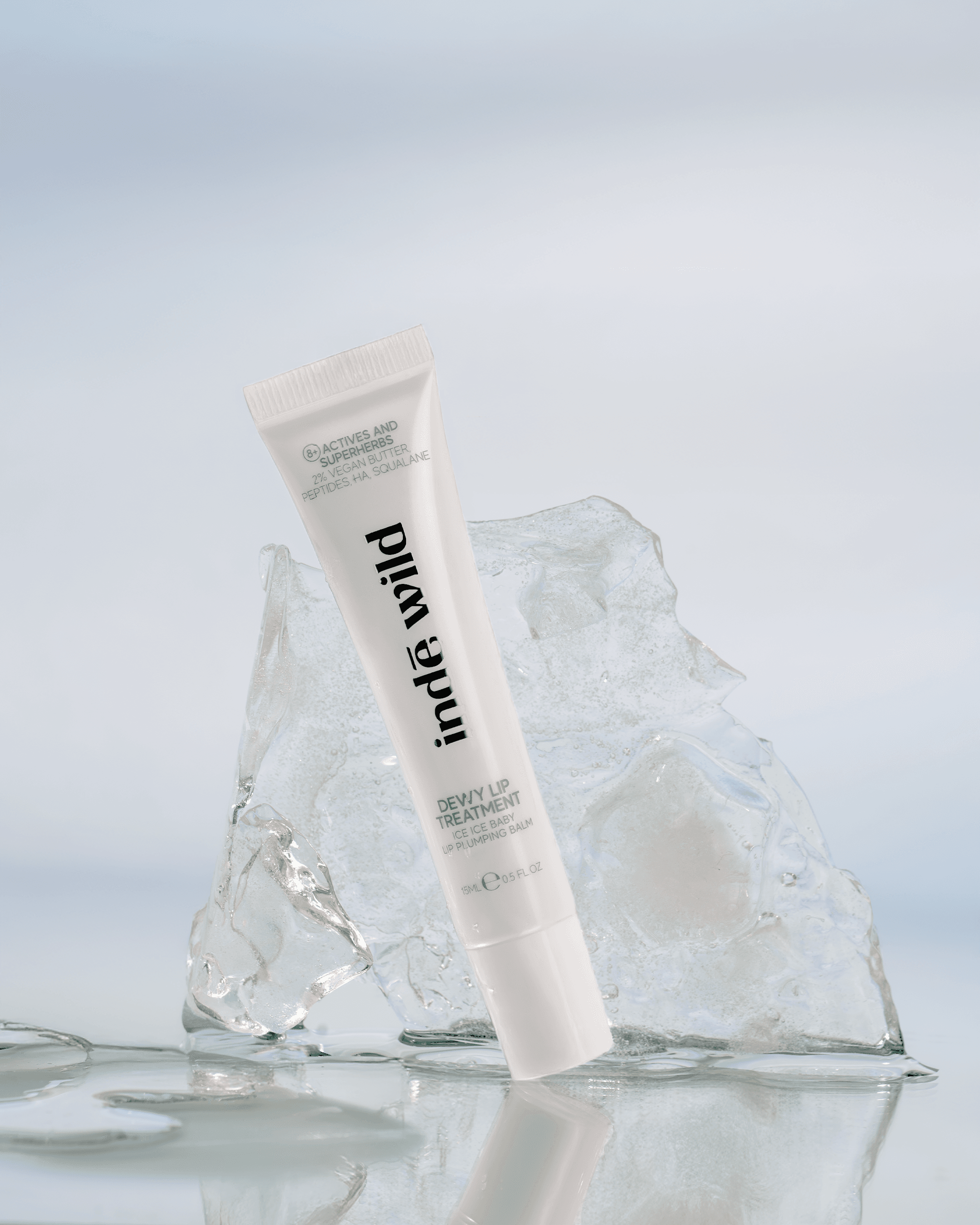
Diipa: I'd always tell someone to start with the concern that's already on their mind because that's the routine you're most likely to stick to. If I had to pick, I’d say start with champi because it's more than just a product, it's aritual that everyone can benefit from. Once you carve out twenty minutes a week to slow down and look after yourself, the rest of your routine starts to less intimidating. Then, for men specifically, I'd pair it with Moonlight Scalp Serum because it's easy to for everyone. Finally, add a Dewy Lip Treatment because dry lips are something almost everyone deals with. I think the biggest mistake people make is believing they need an elaborate routine from day one. You don't, it’s just about taking the first step.


