
Cold weather doesn’t just hit your skin, it also hits your hair hard. As temperatures drop, the air becomes drier, indoor heating strips moisture, and cold winds cause tress to the cuticle layer of hair. All this result in more breakage, more frizz, a flaky scalp, and dull, lifeless strands. A few tweaks to your routine can keep your hair healthy, hydrated, and easy to manage all winter long.
Why Winter Hair Needs Special Care
1. The Air Gets Drier
Cold, dry air pulls moisture out of your hair and scalp leading to brittleness, static, and a flaky scalp.
2. Indoor Heating Aggravates Dryness
Heaters and hot showers strip natural oils, leaving your scalp tight and your hair rough.
3. Caps and Head Covers Affect Hair
Wool and cotton hats can create friction, flatten volume, and worsen breakage. You can cover the head with a cotton clothe before putting the woollen cap on.
How Your Hair Care Routine Should Change in Winter
1. Switch to a Moisturising Shampoo
Summer shampoos often focus on oil control, but winter demands hydration. Look for sulphate-free formulas with hydrating ingredients like glycerin, aloe, or oat extract. Opt for anti-dandruff options if you’re prone to flaking. Another thing to keep in mind is to reduce the frequency of washing to two to three times a week to preserve natural oils.
2. Use Conditioner Regularly
Skipping conditioner in winter can make the hair feel and look dry. Conditioner helps in replenishing moisture, reducing static and making hair smoother and easier to style. If you have greasy or oily scalp, do not apply it on roots.
3. Add a Weekly Hair Mask
Think of it as a deep-conditioning boost for stressed winter hair. You can opt for shea butter masks for coarse or curly hair, Keratin masks for fine or damaged hair and soothing masks for sensitive scalps.
4. Cut Back on Hot Water
Hot showers feel amazing in winter but they strip scalp oils instantly. Try keeping the water lukewarm and rinse your hair with cool water at the end to seal the cuticle.
5. Dry Gently
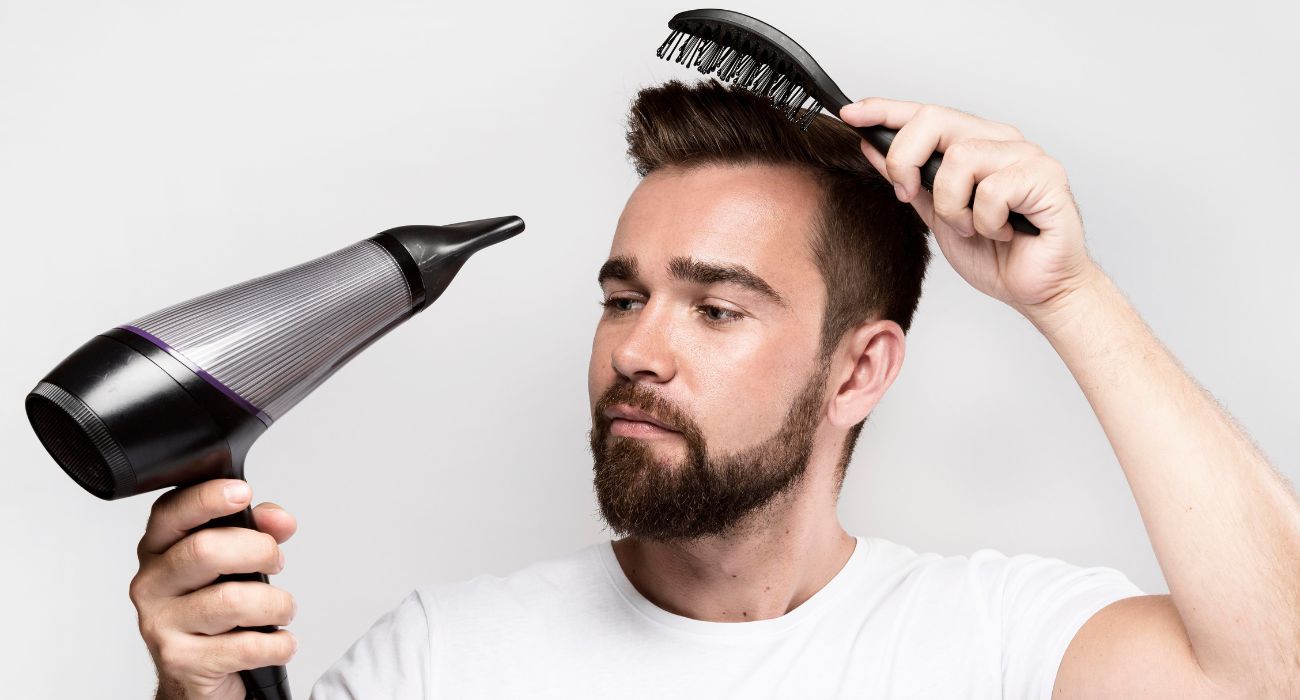
Wet hair is fragile so pat dry with a microfiber towel, air-dry 70% before using any heat tools and use a heat protectant if you’re blow-drying your hair.
6. Hydrate Your Scalp
Winter dandruff isn’t always about fungus, it’s often just dryness. Use scalp serums with hyaluronic acid or lightweight oils to keep the scalp nourished without adding to the product build-up. An anti-dandruff shampoo paired with your regular one or used individually is a must if you have a flaky scalp.
7. Protect Hair From Hats
If you like putting on a beanie then choose satin- or silk-lined ones to reduce friction. Avoid putting on a hat when hair is wet; and you can use a leave-in conditioner to prevent breakage.


