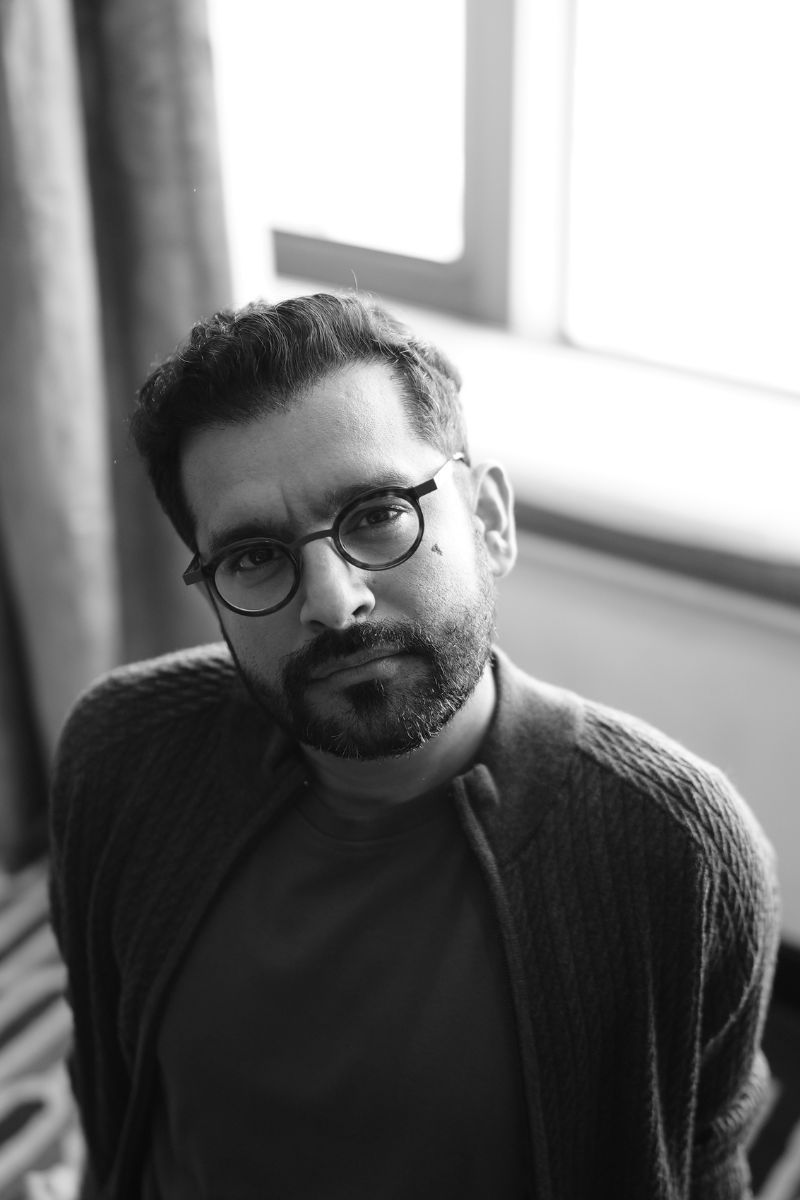
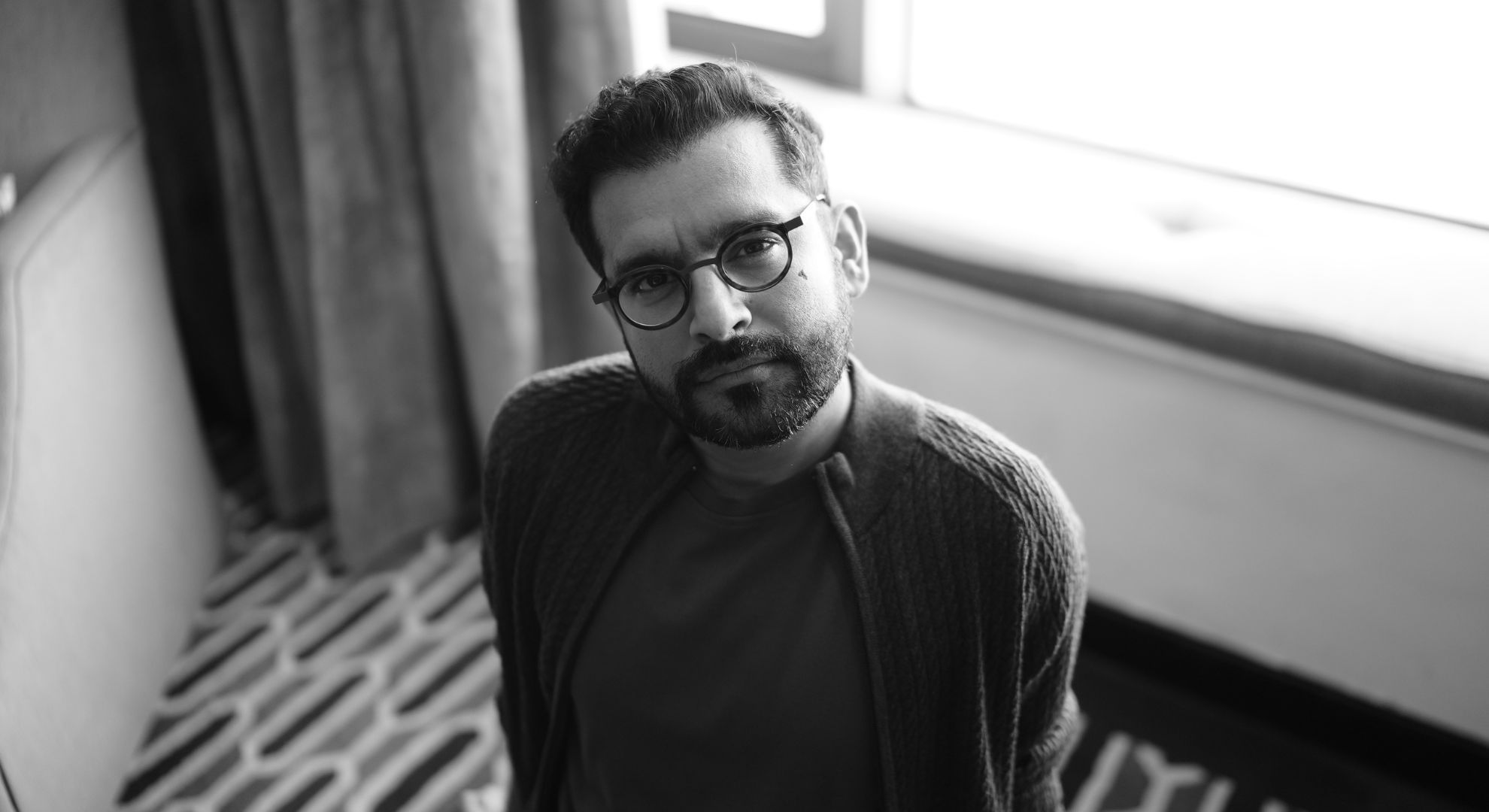
I remember meeting Shakun Batra at a Leela Palace event in Udaipur back in 2024. Lunch was meant to be about Rajasthani food, but it kept drifting back to AI. What stuck wasn’t the tech itself, but how oddly excited he was about it. This is a filmmaker known for intimacy, for messy, human relationships, suddenly talking about algorithms like one his characters.
Two years later, that curiosity has hardened into something far more definitive. Batra isn’t cautiously optimistic anymore, he’s quite bullish about it. With Jouska AI, an offshoot of his advertising firm, he’s betting on a version of filmmaking that looks very different from the one he came up in. “Execution is about to get really easy. So you will not get paid for execution… if I can’t tell a good story, then anyone can make a big shot.”
I spoke to him about what changed, and where he personally draws the line when it comes to using AI in filmmaking, especially at a time when the technology is moving faster than the rules around it
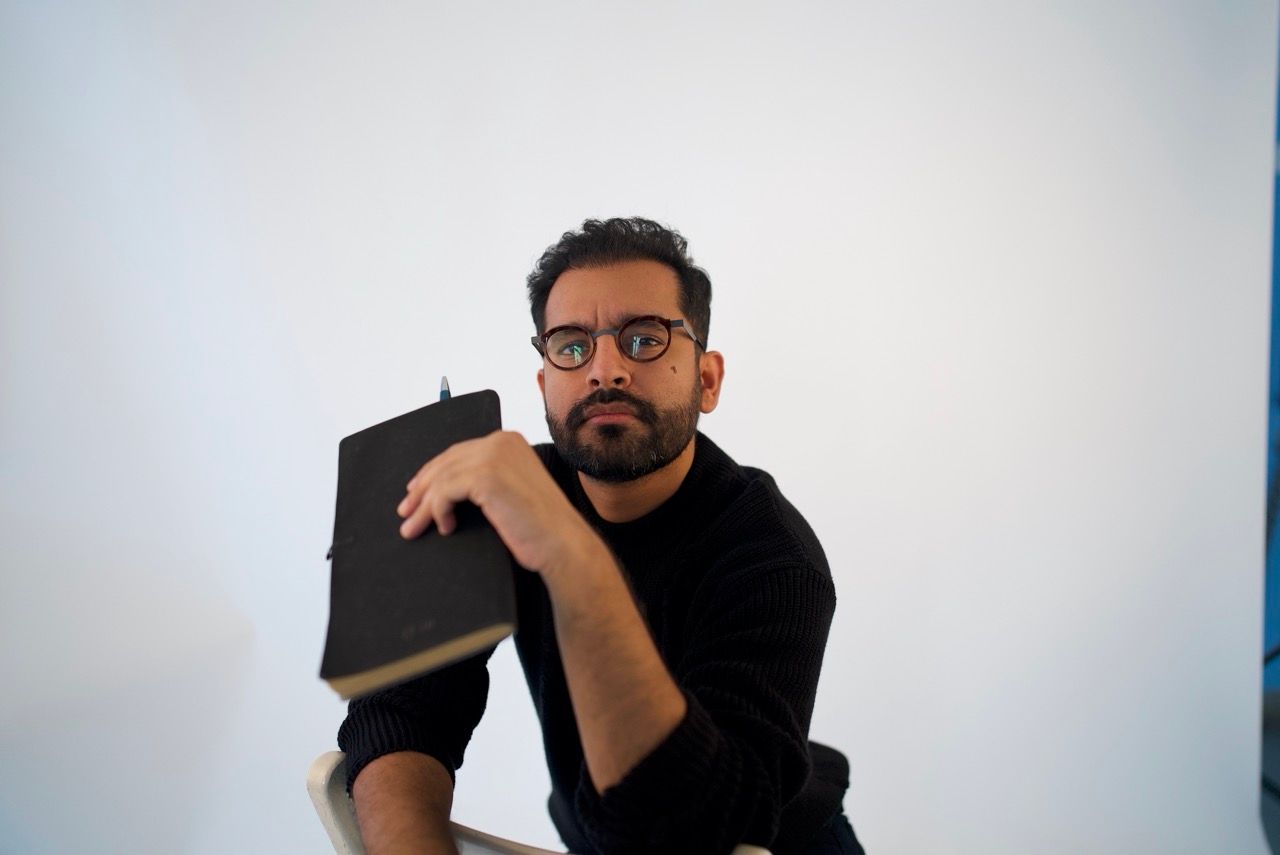
What was your first interaction with AI and what was your initial reaction to it? Was it something very scary or interesting?
The very early interaction was in 2024. At that time, the reaction was disappointment. It looked terrible. It felt like a joke, you weren't sure what it was doing or capable of. It seemed like a gimmick.
Then in October 2024, I started seeing things that made me feel like it was interesting, that you could use it for small things and get some work done. It felt like a new way of doing certain things like VFX.
In December 2024, I was shooting a commercial where I needed a shot of a highway. Obviously, you can’t shoot on a highway, so I built a toll booth in a studio with a green screen, 20 cars, and people. While working, I tried generating the shot with AI on the side, and the client bought the AI shot instead. I had spent around 20–25 lakhs building that set, and the AI version cost me very little.
How did things evolve from there?
In March 2025, Google Veo3 came out. I was just playing with the tool, without a plan. In about 8–10 weeks, I made a full-blown car chase that would have cost me over a million dollars to shoot. I would have needed to travel, scout locations, and hire stunt teams. I realized this was incredible.
As a filmmaker used to shooting actors and relationship-based stories, trying this in my free time made me see the huge potential. However, in March 2025, it still took a lot of work to make something good. It was hard work, but the potential was clear. I kept learning. Now I feel everything is about to change completely.
How do you see AI fitting into filmmaking today?
Seven or eight months ago, I would have said something different. I would have said actors and performances are safe and AI would only support certain parts of filmmaking. Now, I think AI is becoming a whole new process of its own. It doesn’t just add to filmmaking, it can entirely replace parts of it.
There will still be hybrid models, 50 per cent traditional shooting and 50 per cent AI, but some filmmakers will be able to create entire films from home without setting foot on set.
How does Jouska AI operate on a day-to-day level? How is it different from a traditional production house?
First, we are free to imagine whatever we want. There’s no budget constraint. Imagination is the currency, not execution.
Second, we decide what ideas deserve our energy. Is the idea right for AI, or could it have been done traditionally? We constantly upskill, learning new tools, exploring changes, and sharing knowledge. Every Friday we meet to discuss tools and processes.
Now that we’ve mastered the basics, making ads and smaller projects in AI, we’re moving toward bigger goals, making feature films that were previously impossible in our country due to budget constraints.
Do you see yourself continuing to work with actors in a traditional sense?
It depends on the idea and the actors’ availability. One of the hardest parts of filmmaking isn’t budget, it’s actor availability. Top actors are booked for years.
Nothing compares to seeing an actor perform your lines beautifully in front of you. As a director who relies on actors, that experience is irreplaceable. Collaboration with crew also expands your vision, cinematographers, designers, and stylists all contribute perspectives. In AI, the team is smaller, which means fewer viewpoints.
Ideally, I want more real collaboration, but if a big idea requires a star who isn’t available for two years, I won’t wait. I’ll make the film using AI. We’re building a hybrid model, keeping traditional filmmaking where possible, but using AI for expensive or logistically difficult parts like big visual or stunt sequences.
What has working with AI challenged in your instincts as a filmmaker? Has it made you question things you once considered essential to the craft?
Nothing is essential except having a story to tell. The bar for storytelling will get higher, but the entry barrier for filmmaking will get lower.
Filmmaking currently demands complex understanding and coordination across departments. Directors are often valued for execution skills, managing crews and logistics. But execution is becoming easier. Soon, only storytelling will matter. It costs the same to make a palace or a room in AI, so the question becomes, do you have a story worth telling?
What conversations around AI and cinema do you think are still too simplistic or missing the point?
It’s funny when people ask, “But can it do this?” or “What about consistency problems?” I don’t think they’ve used the tools or kept up. The industry is scared to have this discussion openly. People are whispering in private instead of creating guardrails, legislation, and policies to protect technicians who may be displaced.
When I make a shot in AI, I know it replaces lighting technicians, gaffers, grips, or stunt teams. There’s excitement, but also anxiety. Still, many are ignoring the issue instead of preparing.
Technicians were once ahead while AI lagged behind. Now AI has overtaken, and technicians are catching up. A new generation of filmmakers who’ve never been on a traditional set will create stories in ways we can’t yet imagine. The main currency will be storytelling, if you have imagination and a good story, you’ll win.
What will the production house of the future look like?
We’re already seeing billion-dollar companies run by one person. Soon, there will be single-person films, hybrid teams, and small 10-person productions. It’s the rise of the “bedroom filmmaker.”
Like music’s transition from orchestras to laptops with Logic Pro, filmmaking will have its own “Logic Pro moment.” The process will shrink from 100 people to as few as one to fifteen, depending on passion and time.
This will revolutionise not just production but distribution, funding, and ownership. If five people can make a film together with their own money, they can own and distribute it directly, the same way music reaches listeners through Spotify.
However, there will also be “content pollution.” The volume of content will explode, lowering its overall value. Execution will become easy, but storytelling will remain hard, and that’s where the real skill will still lie.
You mentioned earlier that ChatGPT is a terrible writer. Has that changed?
Yes. That statement is a year old. ChatGPT has improved a lot, it’s now like having a top-tier writing assistant. Not perfect, but very useful.
Can AI ever surprise you in a way an actor can?
It already has. I once saw an AI-generated actor add a natural frown I didn’t expect, it was perfect.
What kind of tools are you working with right now?
We use everything available, various aggregators like Higgs Field, Freepik, and others. We switch between as needed.
When you imagine cinema 10 years from now, what excites and worries you most?
No one can say where cinema or the world will be in 10 years. AI is transforming everything, education, healthcare, engineering, trading. Film is just one area, but it’s changing quickly because so much visual and audio data exists to train on.
In the next one or two years, the way we make, distribute, and fund films will change completely. Gatekeeping is ending.
Do you have an ethical boundary when it comes to using AI?
Yes, but it depends on each project. AI lets us make ideas that were once impossible, but morality isn’t simple. Filmmakers like James Cameron or Christopher Nolan don’t need AI, they have budgets and backing. But a young filmmaker in a small town might rely on AI to tell their story. Everyone’s boundaries will differ.
As long as your goal is to express something meaningful, it’s fair. Studios, however, should have guardrails, speaking parts should use actors, music should have composers, and writers should always be involved. Ideally, if a film has a 100-crore budget, at least 20 per cent should be spent on traditional production. Producers need to collaborate on such rules, direct money toward upskilling talent. Right now, many are only thinking about cost-cutting, not sustainability for others. That attitude will be difficult in the long run.


