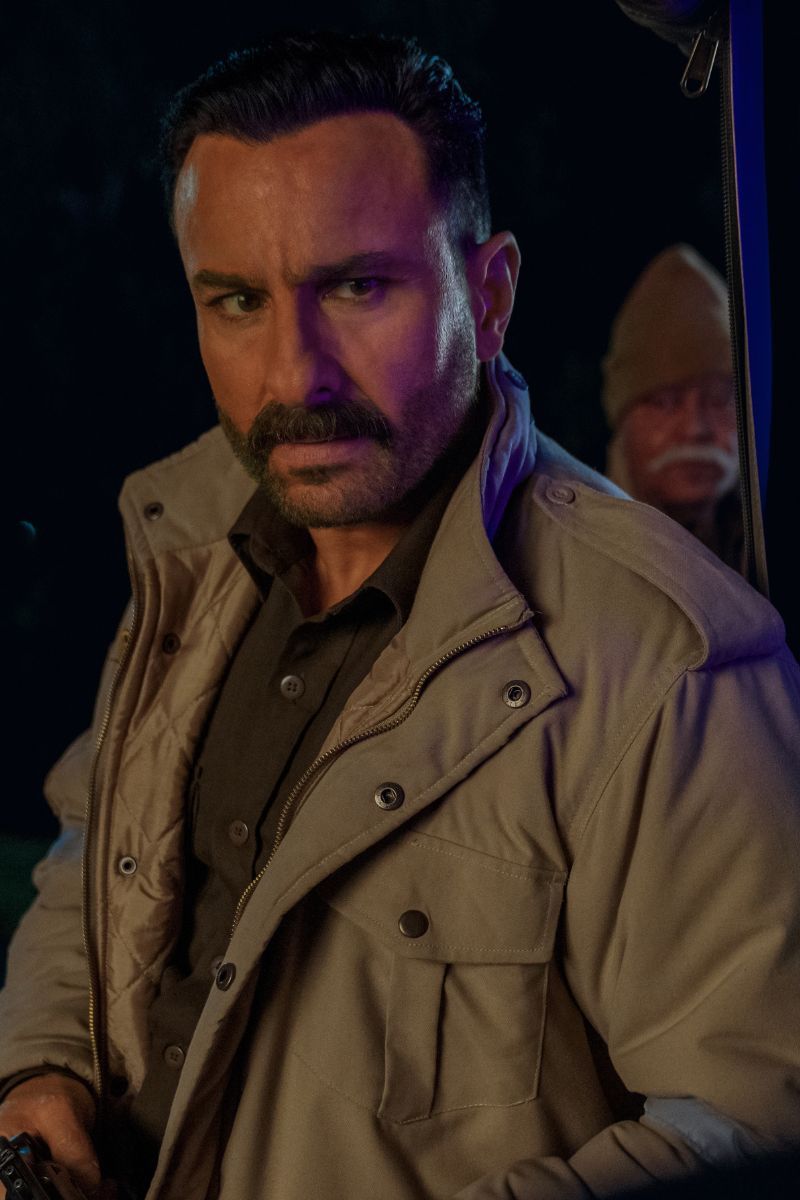
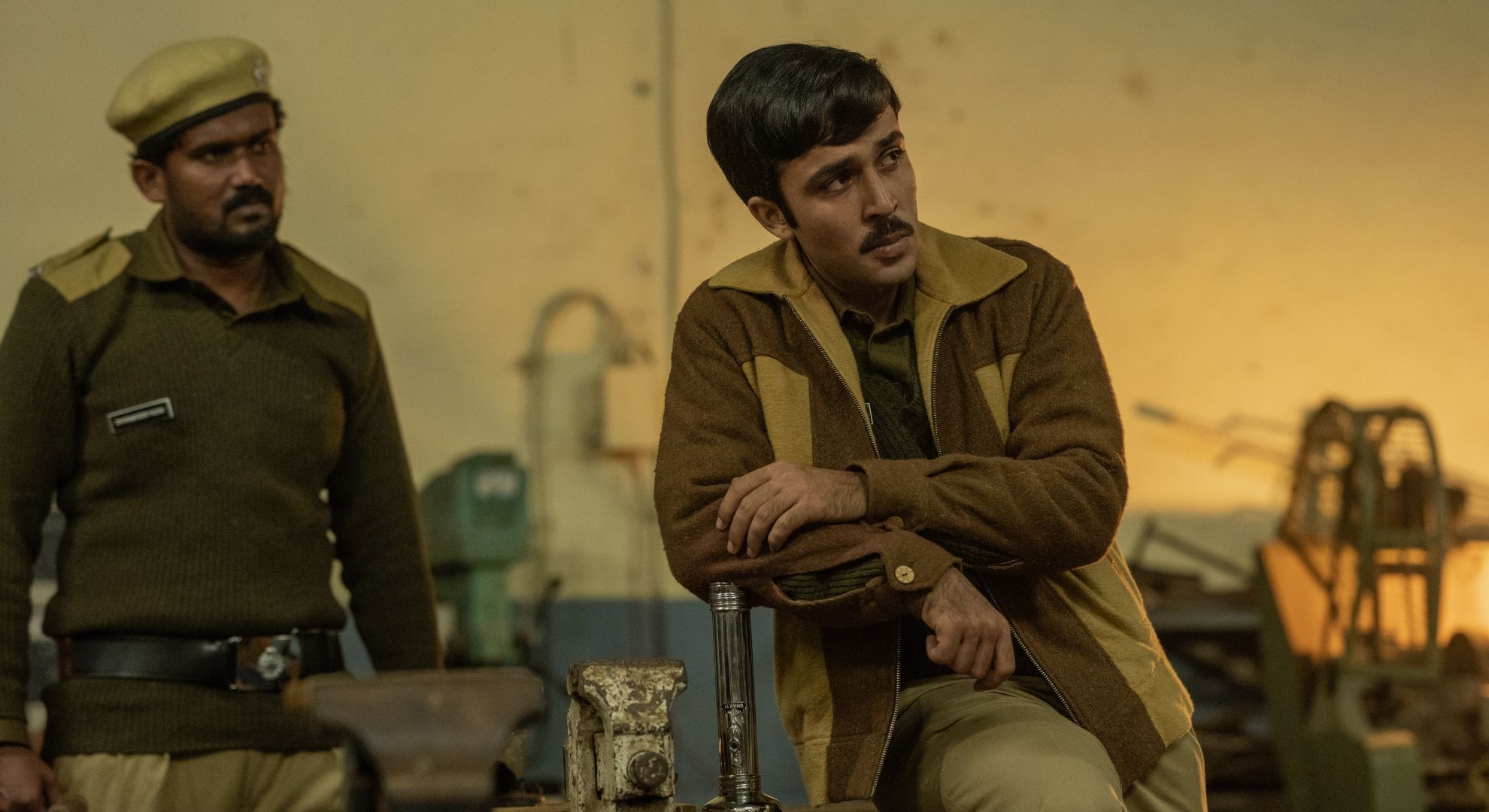
The idea of an Indian cop growing up in the early 2000s has never been cool. Not like the West portrays them, with guns slinging, building climbing and dying hard. Back home, the reality broadcast into Indian living rooms was entirely different. In the mainstream cinematic imagination, the Indian cop was almost universally relegated to a tired, secondary archetype. If the movie was set in Mumbai, he was a pot-bellied man named Shinde or Gaitonde, his uniform slightly straining at the buttons. If the narrative shifted north to Delhi, he became Yadav or Singh. These men were rarely depicted doing actual police work; instead, they were masters of moral policing. They were the uniform-clad antagonists who were structurally compromised, inherently corrupt, and perpetually in cahoots with the local politician or the big bad villain.
There were, of course, tectonic exceptions that proved the rule. Amitabh Bachchan’s white-hot, anti-establishment rage as Vijay Khanna in Zanjeer (1973) re-centred the uniform as a weapon of systemic vengeance. Decades later, Aamir Khan’s methodical, intellectual grit in Sarfarosh (1999) offered a rare look at real intelligence gathering. But these men were treated by the narrative as absolute anomalies, sort of like rare saints in an otherwise broken infrastructure. In those stories, a cop refusing a bribe or thoroughly investigating a well-connected crook wasn't portrayed as the bare minimum of their job; it was an act of epic, mythic heroism.
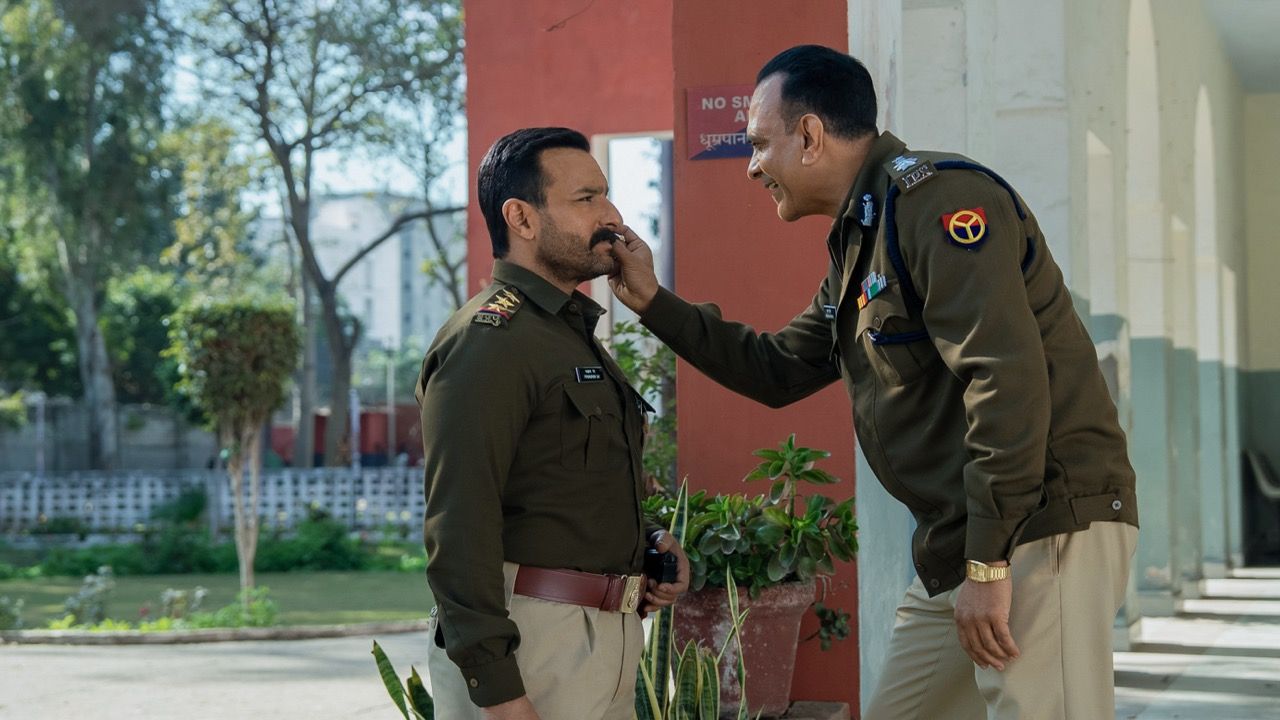
Still from Kartavya
From caricatures to complex characters
On television, our weekly procedural diet lived in the comforting, low-stakes world of CID, where forensic science was stripped of all reality. We watched in warped fascination as Dr. Salunkhe routinely tested highly lethal, unknown chemical compounds by literally dipping his finger into the vial and tasting it off his tongue.
Then came the Over-The-Top (OTT) streaming revolution, and the caricature was permanently shattered. But as the wave of OTT started to take over Indian television, a new era of cop started emerging. In Sacred Games, Sartaj Singh was a broken shell of a man, dealing with his demons by getting obsessed with his case. Or it was Vartika Chaturvedi in Delhi Crime, a woman whose integrity to her work came from refusing to go home until the case broke.

In frame: Monika Shergill, Vice President, Content, Netflix India
For Monika Shergill, Vice President, Content, Netflix India, the shift lies in how streaming fundamentally broadened the genre's storytelling possibilities. "For a long time, these stories were often told in a larger-than-life way, with characters positioned as clear heroes or villains," she says. "Streaming has expanded that canvas. It allows creators to look beyond the badge, the case, or the institution, and explore the people within these worlds with more depth and vulnerability." That's also why, she believes, audiences today gravitate towards stories that feel "authentic, aspirational, and thought-provoking, rather than one-size-fits-all."
Shergill points to the diversity within the genre itself. From Delhi Crime, which "humanised the person in the uniform", to emotionally charged dramas like Kartavya, character-driven series such as Kohrra and Black Warrant, and lighter investigative stories like Kathal and Inspector Zende, she argues that the strength of modern crime dramas lies in their ability to tell vastly different stories through the same institution. "By backing distinct creative voices and grounded, authentic storytelling," she says, "we can keep these stories feeling fresh, commercial and real with characters that stay with viewers long after the credits roll."
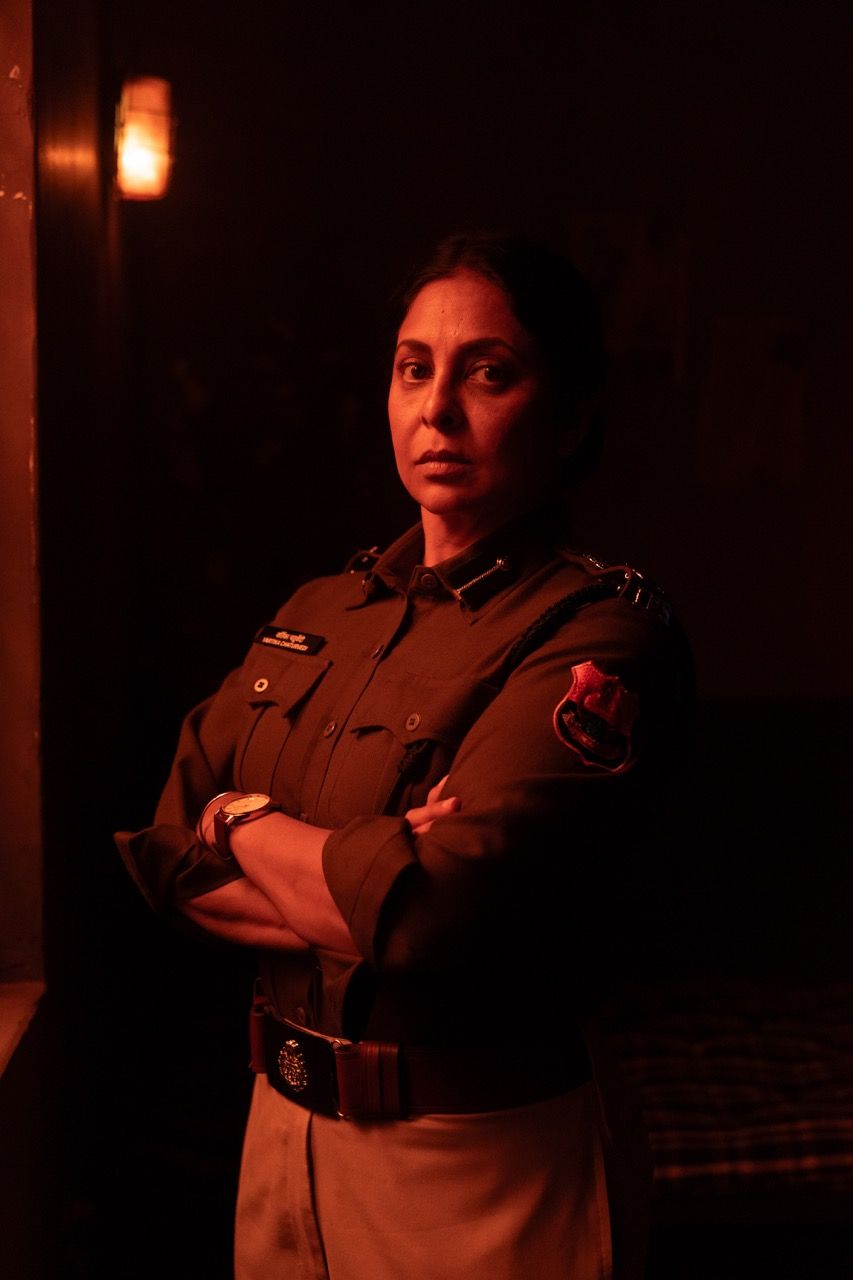
Still from Delhi Crime Season 3
Shefali Shah, who has played Vartika across three seasons now, is almost militant about that distinction. "There is no heroism to her," she says. "She does this because she does this every single day, and yet, there is no wavering of her dedication to it." Shah made a conscious choice early on not to play Vartika as a hero, partly because the character is modelled on a real Delhi Police officer, Chhaya Sharma, whose actual job left no room for theatrics, and partly because, in Shah's words, "that heroism is for the audience to interpret, not for the actor or the character to portray."
Beyond the badge
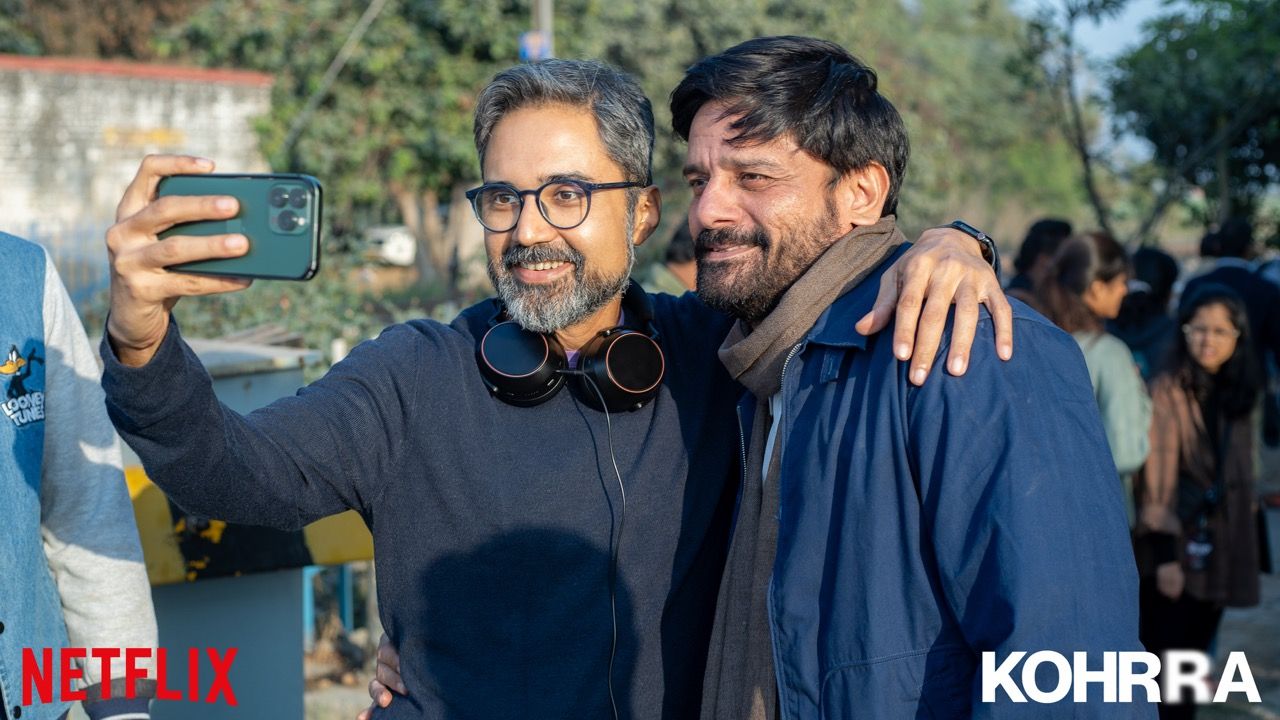
Sudip Sharma, creator, writer and executive producer of Paatal Lok and Kohrra
This is also, not coincidentally, the argument for why streaming managed something decades of Hindi cinema couldn't. "Traditional films are forced to follow the black-and-white template of good versus evil," says Sudip Sharma, who created Kohrra and Paatal Lok. "Streaming allows a fresher take on such stories, which makes way for a more nuanced take and relatable characters." Nobody was paying for a two-hour multiplex ticket to watch a cop fail to find transport to a crime scene. Ten episodes, on the other hand, had room for it.
That detail isn't dramatic licence. It's lifted straight from Shah's own experience on set, where a junior officer is summoned to a hospital and tells Vartika he has no vehicle to get there. "Which is actually a fact," Shah says. "Cops don't even have conveyance to reach a crime scene." She talks about this kind of texture the way other actors talk about their big emotional scenes, if anything, with more conviction. A woman constable once told her, unprompted, on set: "We live here, because there are days and days on end that I can't go back home." Shah also discovered that female officers, until fairly recently, didn't have access to toilets at their own stations.
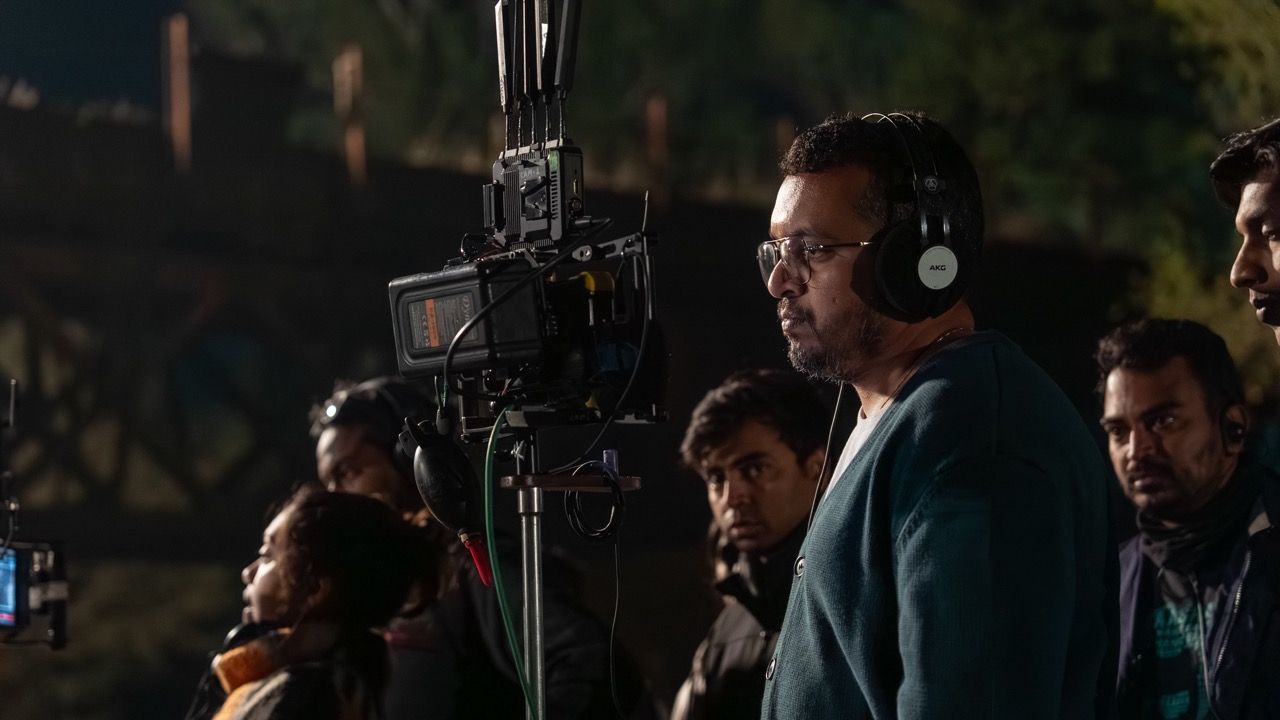
Pulkit, director of Bhakshak (2024) and creator-director of Kartavya (2026)
Pulkit, who created Saif Ali Khan-starrer Kartavya for Netflix, thinks this is the entire trick of the genre, and has clearly thought about it harder than most. "Cop dramas have endured because they're rarely just about cops," he says. "At their best, they're about power, morality, justice, fear, and the choices people make under immense pressure. The police uniform simply becomes a lens through which you can explore society." Sharma puts the same idea more bluntly: "Policing sits at the intersection of civilisation and anarchy, and the police are the gatekeepers to a civilised world. This genre allows a writer to tread both sides of the story while also exploring what such gatekeeping does to the human soul." Strip away the procedural furniture, the case files, the forensics, the interrogation rooms, and what's left is a study of what power does to whoever's holding it.
Which is also why the Vijay Khanna model had to die. The incorruptible, unbending screen cop of old Bollywood worked, Pulkit argues, because he "represented certainty in a world that often felt uncertain." That contract is void now. "Today's audience lives in a far more complex reality," he says. "They understand that people, and institutions, are rarely black and white. So when a character is flawed, conflicted, or vulnerable, they feel more authentic." Audiences got more literate.
The ordinary man in uniform
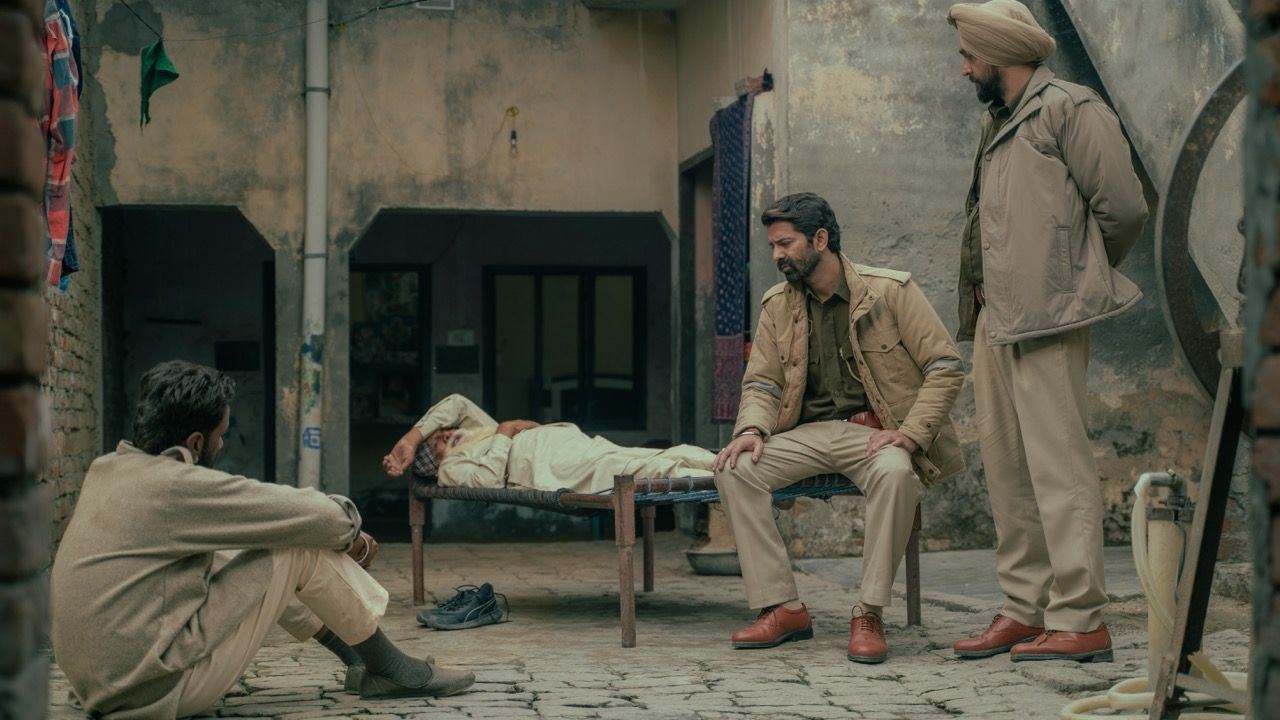
Still from Kohrra Season 2
Nowhere is that literacy more visible than in how unglamorous the modern screen cop is allowed to be. Barun Sobti, who plays the doggedly ordinary cop Amarpal Garundi in Kohrra, believes it all comes down to the writing. "It's the writing of the show... if the writing is engaging, that was surely the case with us," he says. What worked for him about Garundi wasn't a grand thesis on policing, but the fact that the character felt real. "People relate to the ordinariness of this man," he says, "the humour, the hard work that he puts into his job that a lot of Indians are putting in with very little results."
Sudip Sharma thinks this is exactly why the broken cop has outlasted the invincible one. "There is something inherently attractive about a broken soul trying to pursue the truth despite his own limitations and shortcomings," he says. "The eventual redemption of such protagonists makes for a satisfying character journey." Nobody is rooting for a man who's already got it figured out. They're rooting for one who is visibly, audibly, one bad day from falling apart and shows up anyway.
The research behind these shows has gotten darker to match. While reporting Kohrra, Sobti's writers were told about a real policewoman who once had to transport a decapitated man's head to a station sealed inside a polythene bag, on a public bus. "That was pretty horrifying to think," Sobti says. "Completely deep and dark."
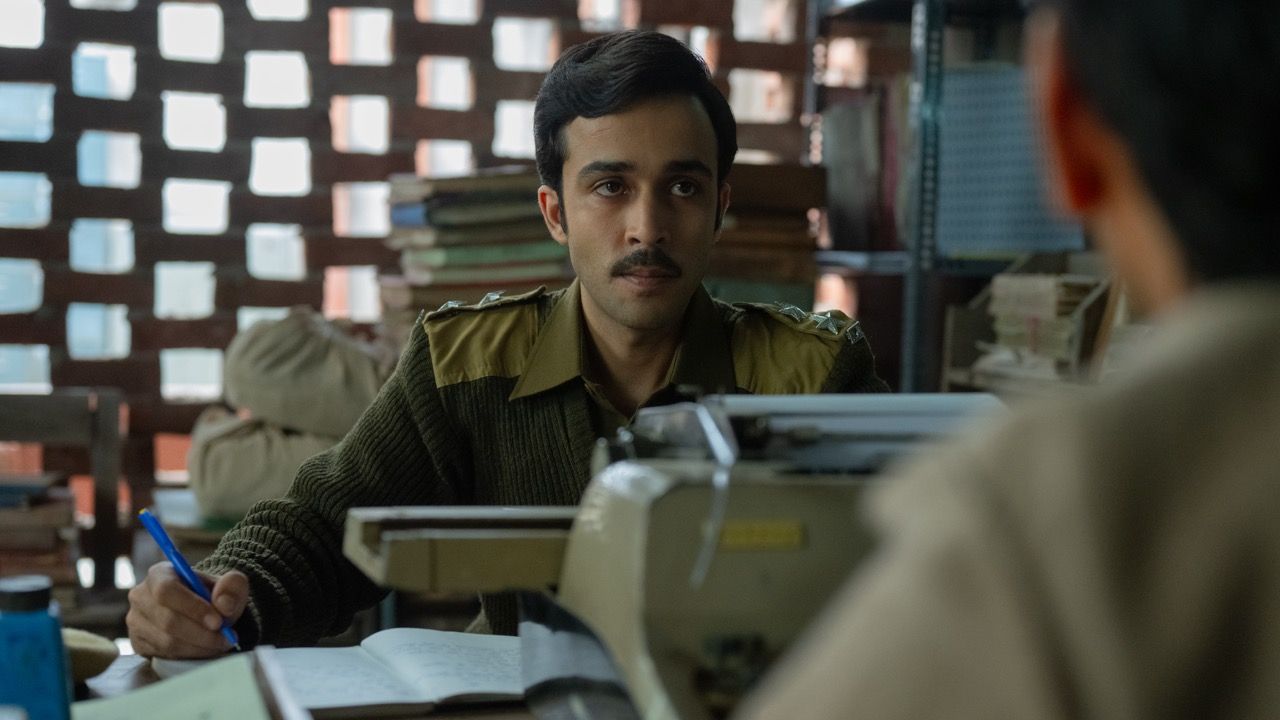
Still from Black Warrant
Zahan Kapoor went through something similar preparing to play Sunil Gupta, the real-life jailer at the centre of Black Warrant, set inside Tihar through the early 1980s. The show's premise is structurally clever on paper, a look at the jail system from the point of view of a prison officer, as against the point of view of a prisoner or from the perspective of the judicial system, which is typically what we're used to, but Kapoor's actual preparation was less about cleverness than confrontation. His main source was Gupta's own memoir, co-written with journalist Sunetra Choudhury. "Discovering the limitations of what it means to be in the prison system, but also the limitations to exist at a time like the 1980s physical limitations, resource limitations, knowledge limitations," he says, "it was phenomenally surprising and emotionally vast."
Kapoor is refreshingly honest, too, about a genre starting to buckle under its own popularity. "It gets a bit tiring, if anything," he admits. "It's hard to break through. That's the real challenge." His way around it wasn't a bigger mystery or a bloodier crime scene; it was changing whose head the audience sits inside. Sunil Gupta, as written, is "someone who's wet behind the ears, entering the system, and trying to do something because it resonates with them deeply... It's a pure emotion, it's an earnest emotion. It has a real beating heart." In a genre crowded with men who've seen too much, here was one who hadn't seen enough yet and that, on its own, was the fresh angle.
The case isn't the point anymore
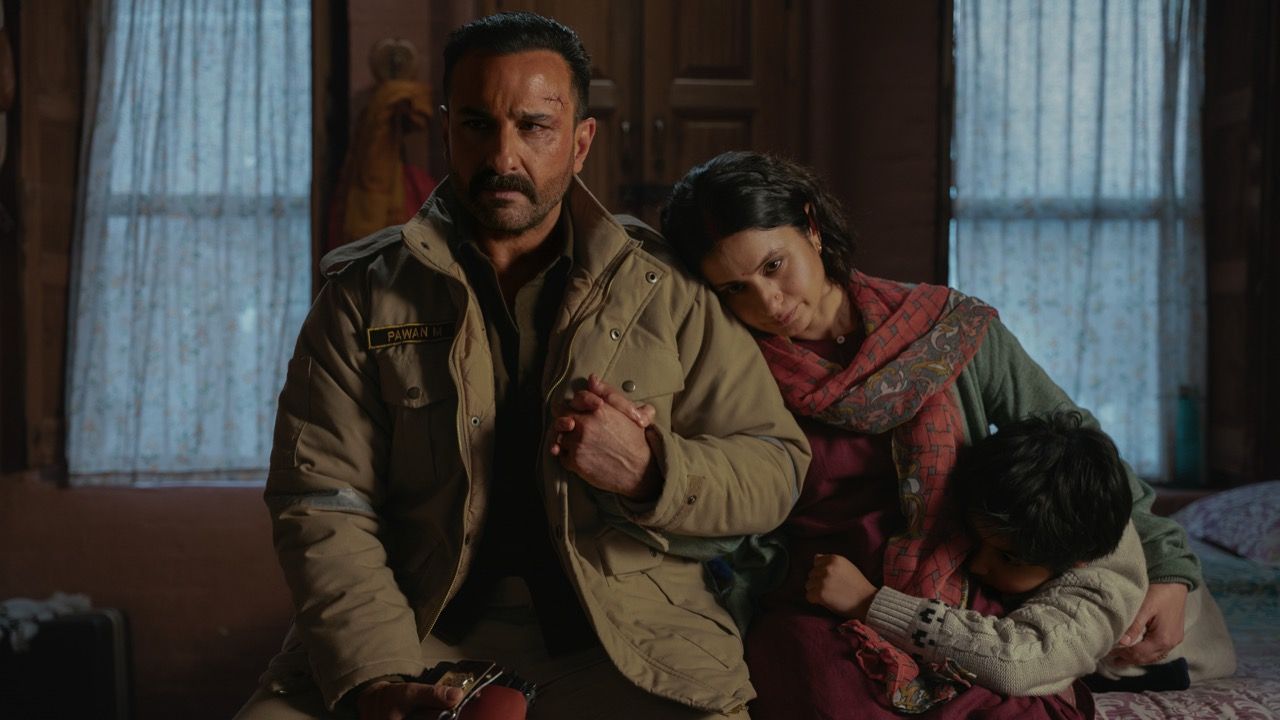
Still from Kartavya
It also explains what actually survives in a viewer's memory once the case is closed. "These are the pillars of how we exist in society," Kapoor says of institutions like the police and the prison system, "and when they function well or badly, it's of huge concern." But the plot mechanics who did it, why, how they got away with it are, in his words, just what "gets you in the door." What stays behind is something else: "what they were going through... what they were convinced of, in terms of how they rationalised their decisions or their actions." Pulkit lands on the same idea from the writer's side of the desk, independently: "A memorable cop drama isn't remembered because of the investigation; it's remembered because of the people. A procedural is driven by what happened and how the case is solved. A great cop drama is driven by why it matters." The whodunit is the hook. The why is the show.
Why the North?
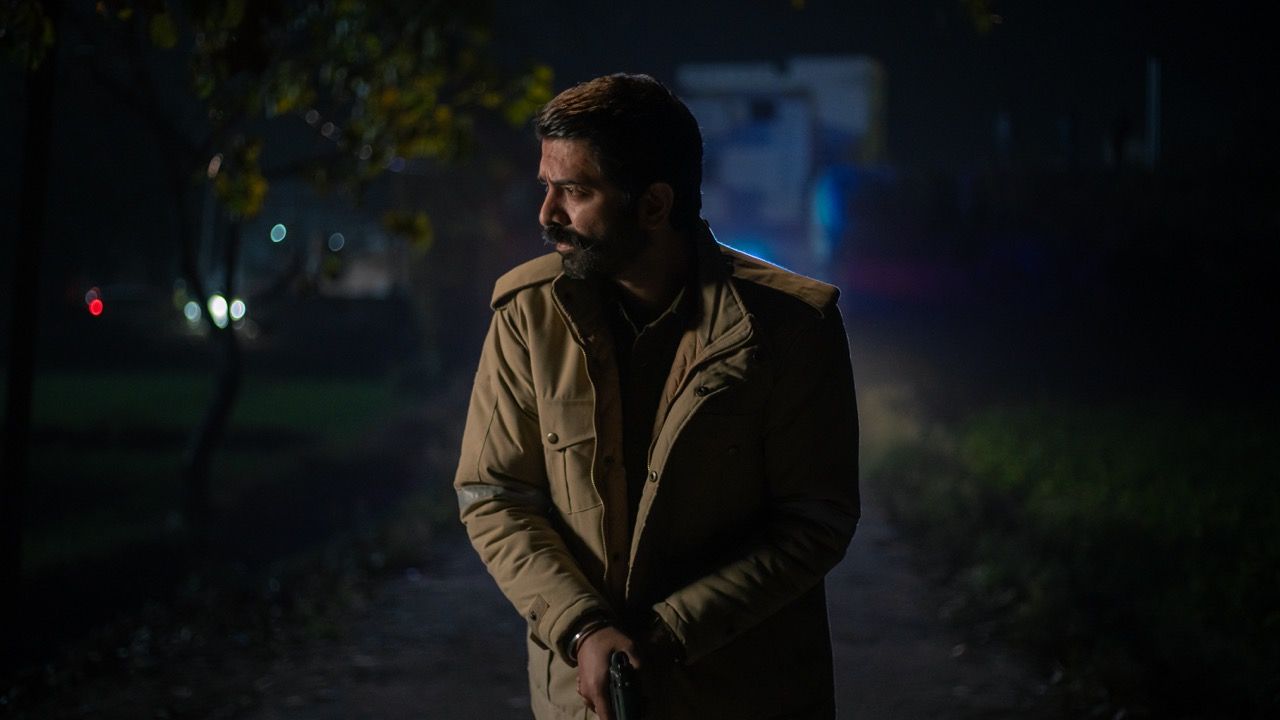
Still from Kohrra Season 2
There's a harder, more structural question underneath all this enthusiasm: why does almost every major Indian cop drama happen to be set in the Hindi-speaking north, Delhi, Punjab, Haryana, UP? Sharma doesn't dress it up. "Crime dramas work best when rooted in a socio-political reality," he says, "and possibly, it's just about creators going back to places they know best." Pulkit's version takes the longer road to the same place: those regions offer "a very visible and layered socio-political landscape" where caste, politics, bureaucracy and crime collide almost on schedule. Neither man treats this as permanent. "I don't think it's because those stories exist only in North India," Pulkit says, pointing to crime dramas already emerging from Maharashtra, Kerala, Tamil Nadu, Karnataka and the Northeast. "Authenticity comes from familiarity, not geography... I don't see the location as the protagonist. The human conflict is." Sharma frames it as a matter of time rather than will, as the writers' room gets less Delhi-centric, so will the map.
Walking the line
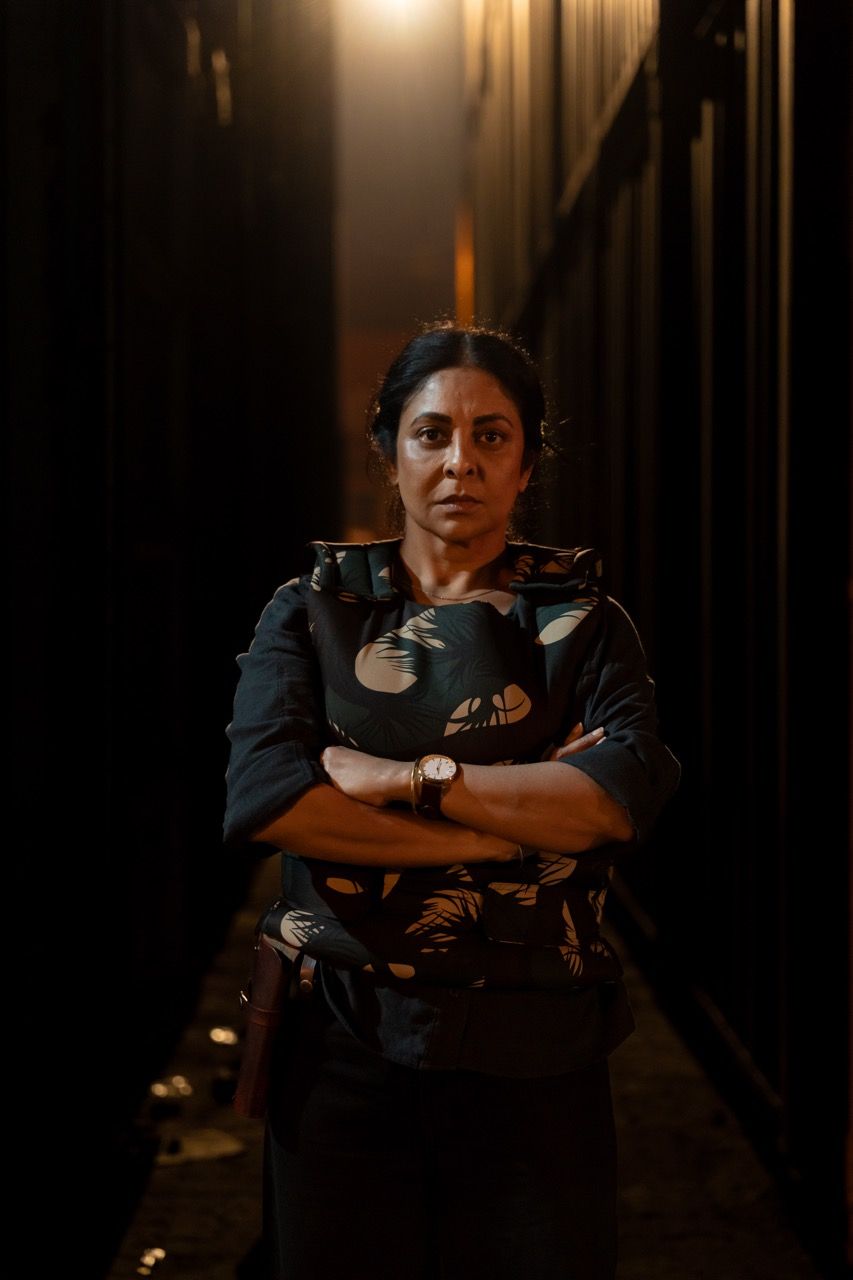
Still from Delhi Crime Season 3
The genre's last and most uncomfortable reckoning is with itself. If cop dramas are this good at making audiences fall for flawed protagonists, are they also making audiences trust the institution more than it's earned? Pulkit doesn't dodge it. "Any genre that deals with power runs the risk of romanticising it if it isn't examined critically," he says. "If a film presents authority as unquestionable, or suggests that the ends always justify the means, it can unintentionally normalise ideas that deserve scrutiny." His research for Kartavya only sharpened the point. He came away convinced of "the immense psychological burden" cops carry, like incomplete information, political pressure, limited resources, and daily exposure to suffering, but refuses to let that explain away misconduct. "Understanding the pressures of the job shouldn't become an excuse for abuse of power or institutional failures," he says. His solution isn't to flatten every cop into a saint or a villain, but to hold both truths at once: "A police officer can be courageous and deeply flawed at the same time. The institution can be essential to society while still being imperfect and in need of accountability. Those two ideas can coexist."
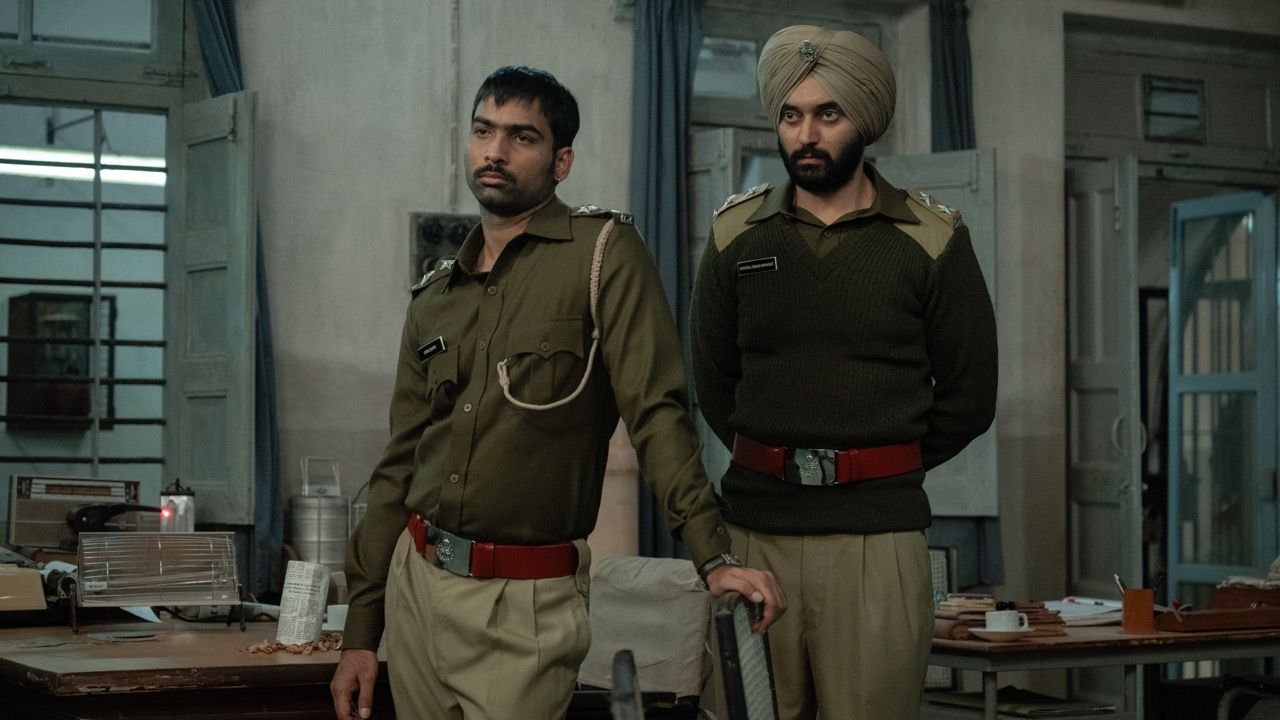
Still from Black Warrant
It's also why he refused to write the one cliché every Indian cop drama defaults to under deadline pressure, the all-knowing officer who walks into a crime scene already holding the answer. "Investigations are messy. Decisions are made with incomplete information. People make mistakes, second-guess themselves, and live with the consequences," he says. "I wanted the protagonist to earn every decision rather than have the script constantly prove that he was right." Even his idea of courage refuses the cinematic version of it: "Courage is often quieter. It's found in restraint, in choosing principle over convenience." Before the uniform, he insists, there's a person, "fears, contradictions, relationships, vulnerabilities", and the job doesn't get to erase that just because the script needs a hero.
Sharma thinks the audience gets blamed for the wrong instinct entirely. The assumption that crime dramas thrive on violence, he argues, runs backwards. "Violence can be a turn-off," he says, "unless it has an emotional angle to it and a larger story behind it." Nobody is staying up till 2 a.m. for the blood. They're staying up to find out what the blood cost somebody.
More than a whodunit
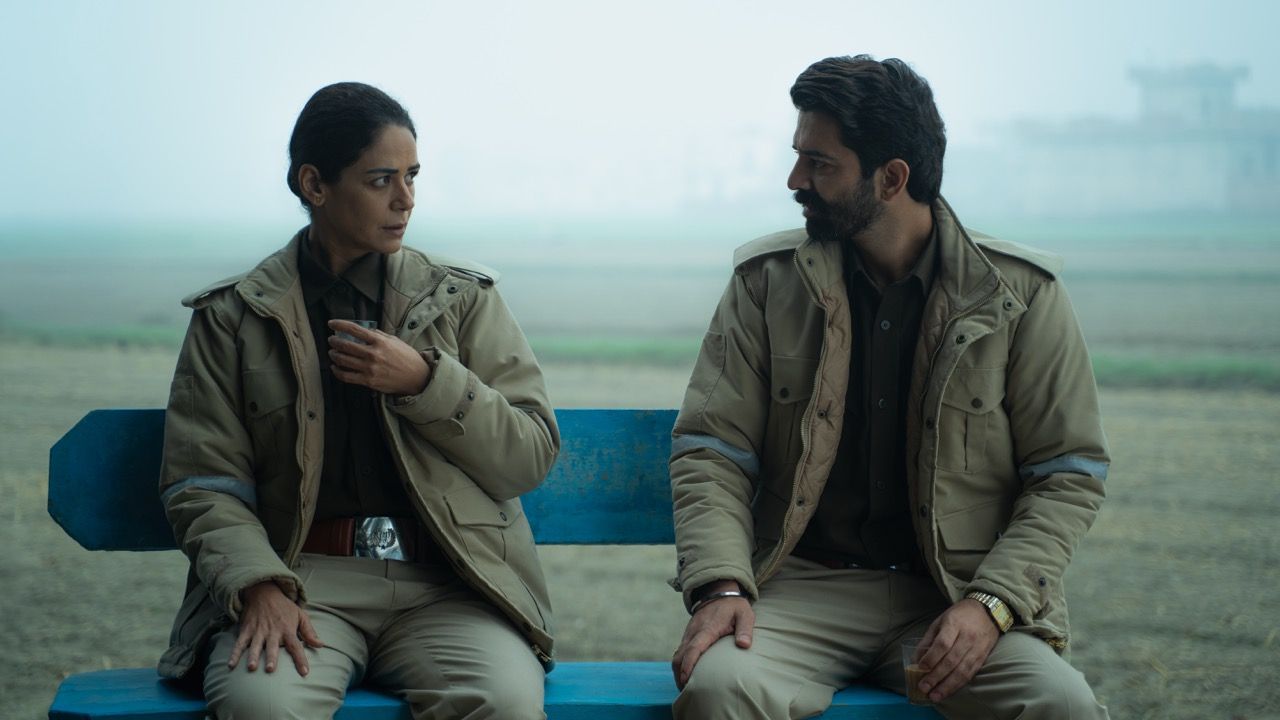
Still from Kohrra Season 2
Which brings this back, finally, to Dr Salunkhe and his powder-tasting forensics on CID, the cop as punchline, built to wrap up clean before the next ad break. The cops of this new wave don't wrap up anything clean, and that's the entire point. Vartika doesn't get a vehicle when she needs one. Garundi doesn't get visible results for the hours he puts in. Sunil Gupta doesn't get to leave his fears at Tihar's gate. What Indian audiences seem to have quietly decided, somewhere across a decade of OTT, is that they no longer need their cops to win cleanly. They need them to be recognisably, exhaustingly real, and to keep showing up anyway. As Pulkit puts it, that isn't really a story about the police force anymore. It's "a reflection of society" that just happens to be wearing a uniform that never quite fits.
Image Credits - Netflix India


