Somewhere between the rise of the alpha male podcast and another man explaining why having emotions is fundamentally unmanly, we seem to have forgotten what actually makes a good man. Luckily, fiction hasn't. For every brooding, emotionally constipated antihero we've been told to admire, there's a Phil Dunphy loving his wife out loud, an Uncle Iroh choosing kindness over bitterness, or a Waymond Wang proving that being gentle doesn't mean being weak.
These aren't necessarily the strongest men in their respective universes. Although, admittedly, some of them could fold you into a lawn chair without breaking a sweat. What makes them special is something far less cinematic. They listen. They care. They apologise. They show up. And perhaps most importantly, they don't treat basic human decency like some extraordinary act of sacrifice.
So, in the interest of giving credit where it's due, we've rounded up the fictional men who remind us that masculinity doesn't have to come at the expense of tenderness. Consider this a celebration of the green flags we've been rooting for all along, and perhaps a rather uncomfortable performance review for the rest of us.
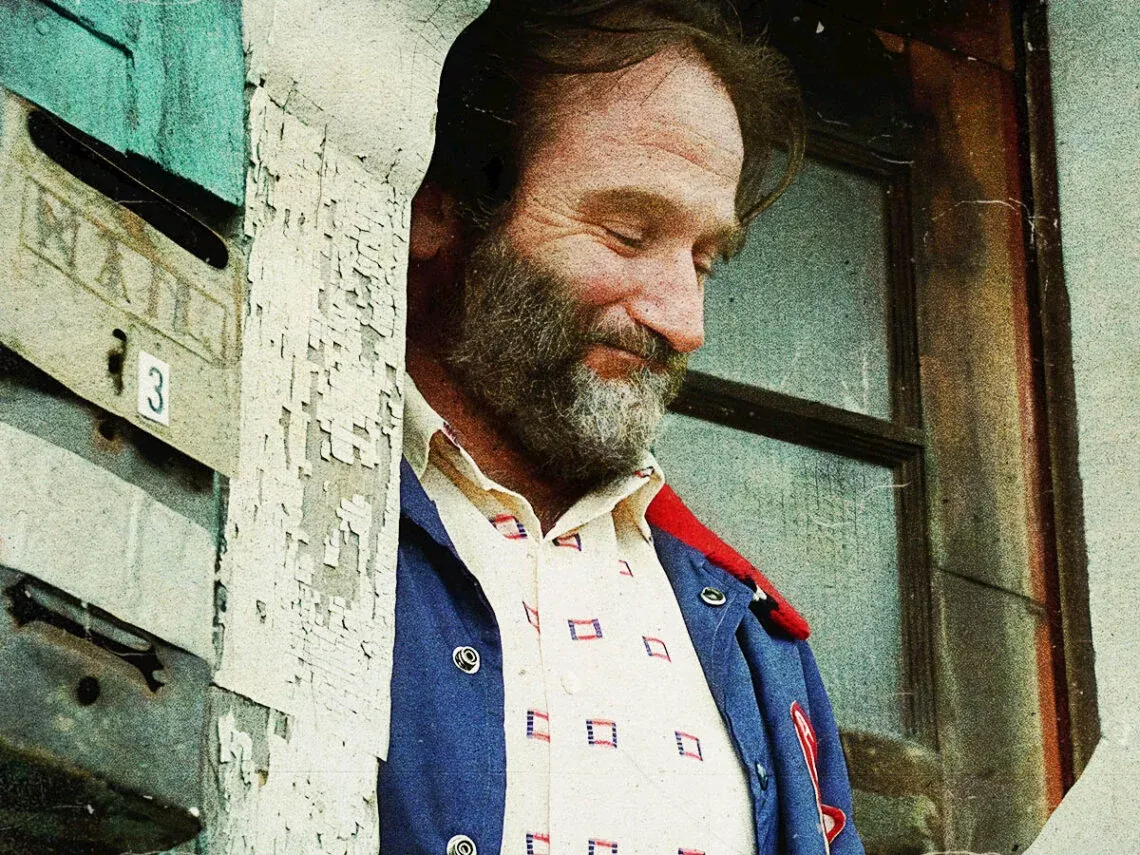
Sean Maguire (Good Will Hunting): For teaching us that vulnerability isn't weakness and that sometimes the bravest thing a man can do is let himself be loved.
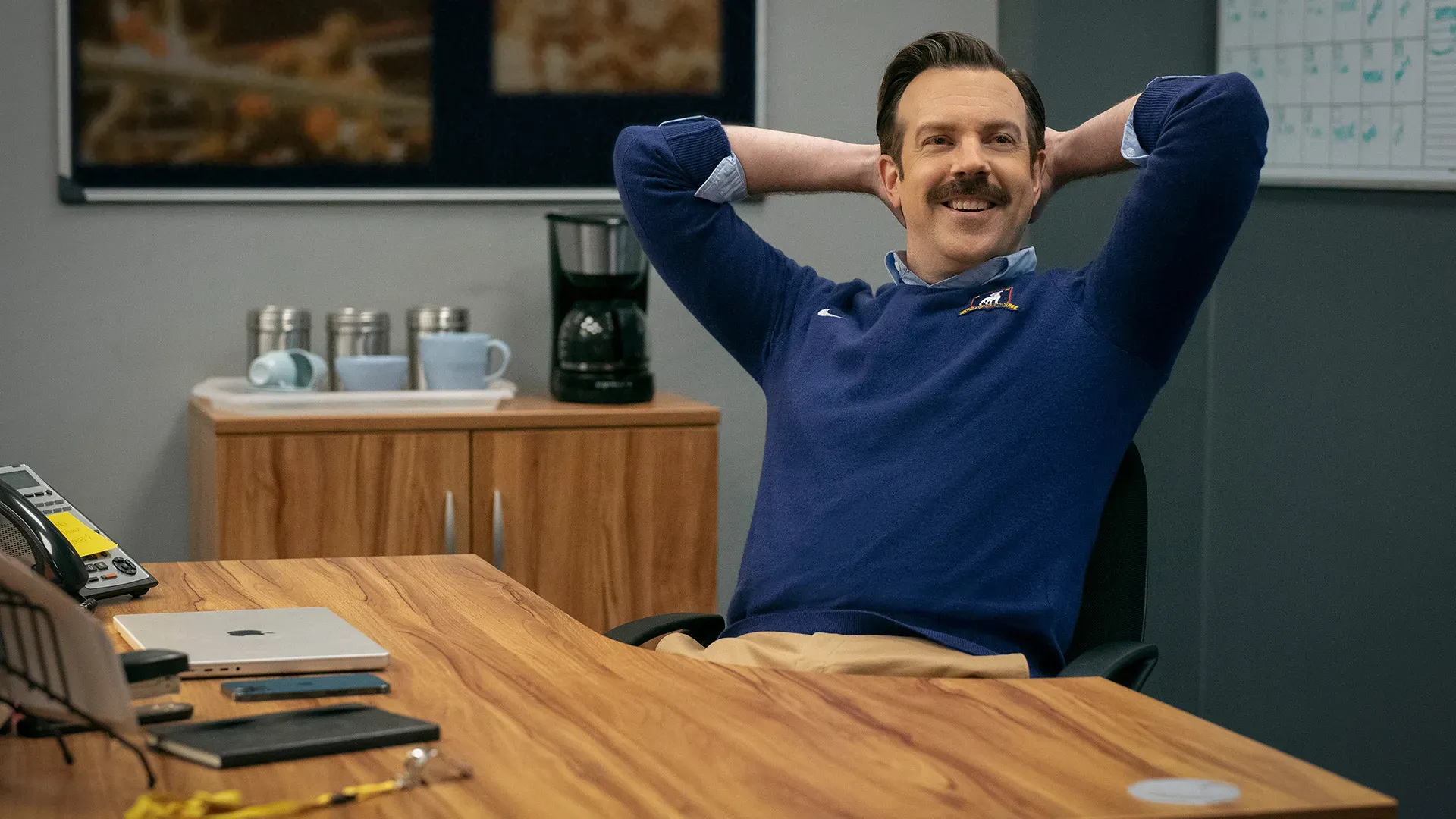
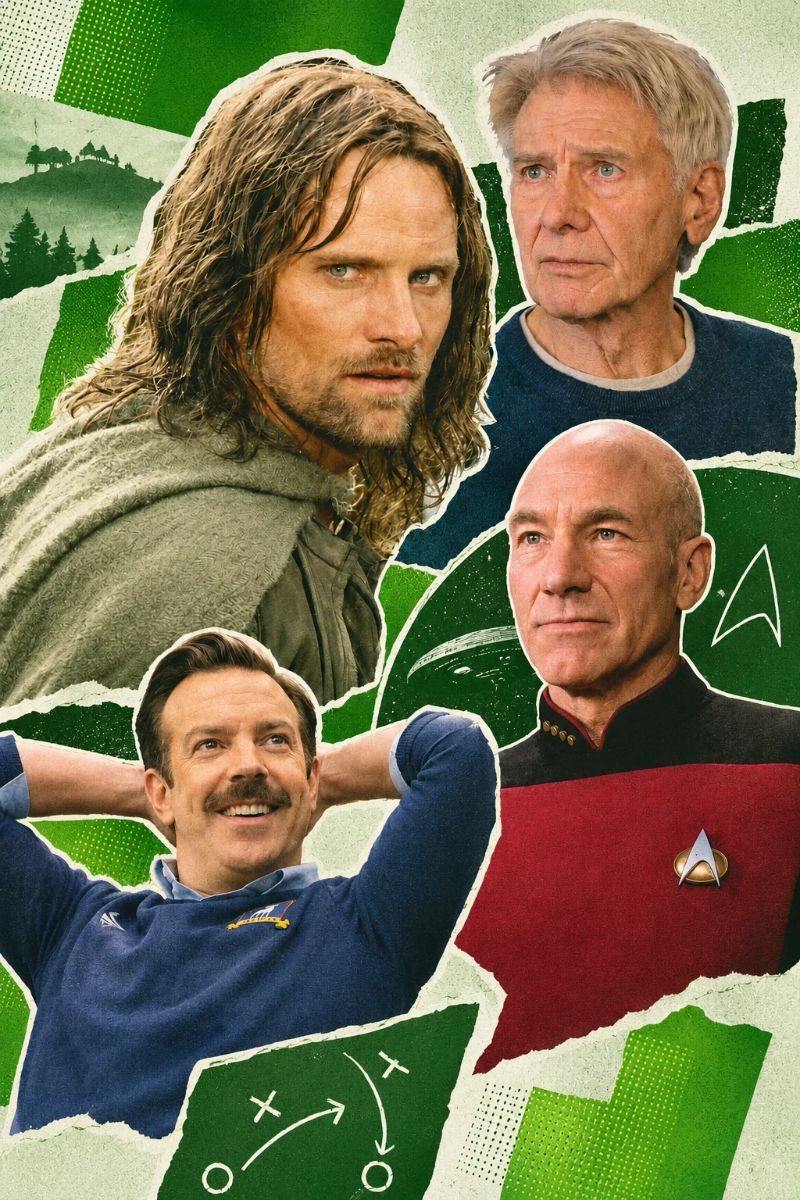
Ted Lasso (Ted Lasso): For teaching us that kindness isn't naivety, optimism isn't stupidity and that being a good leader starts with being a decent human being.
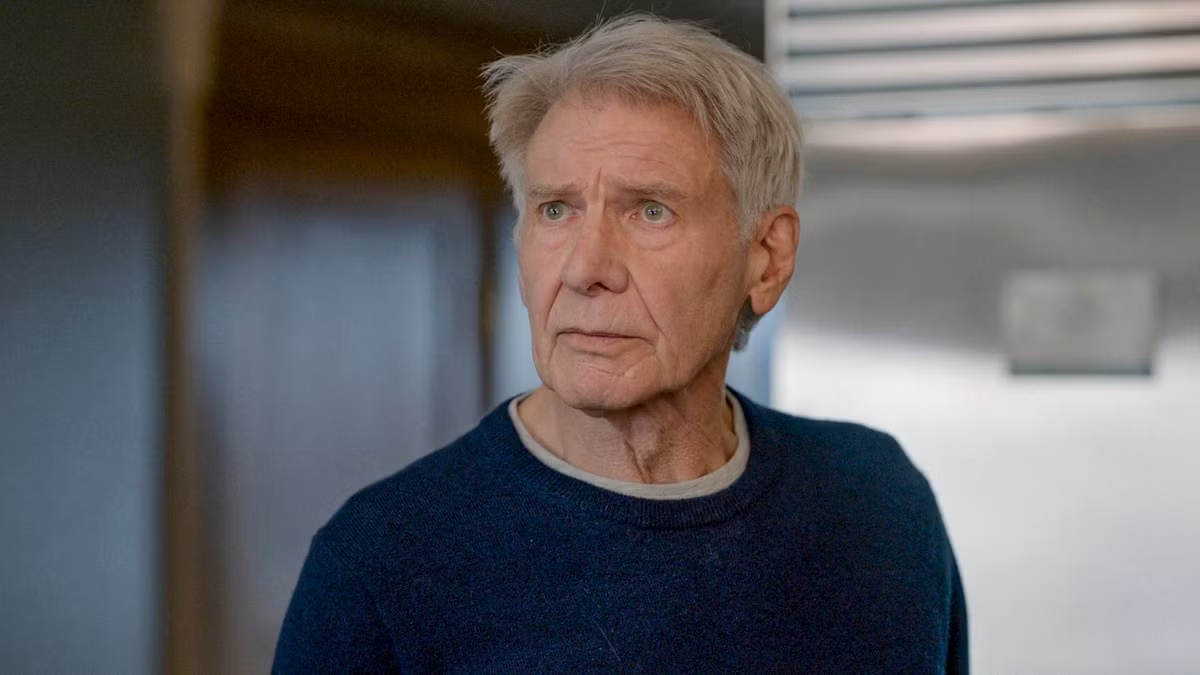
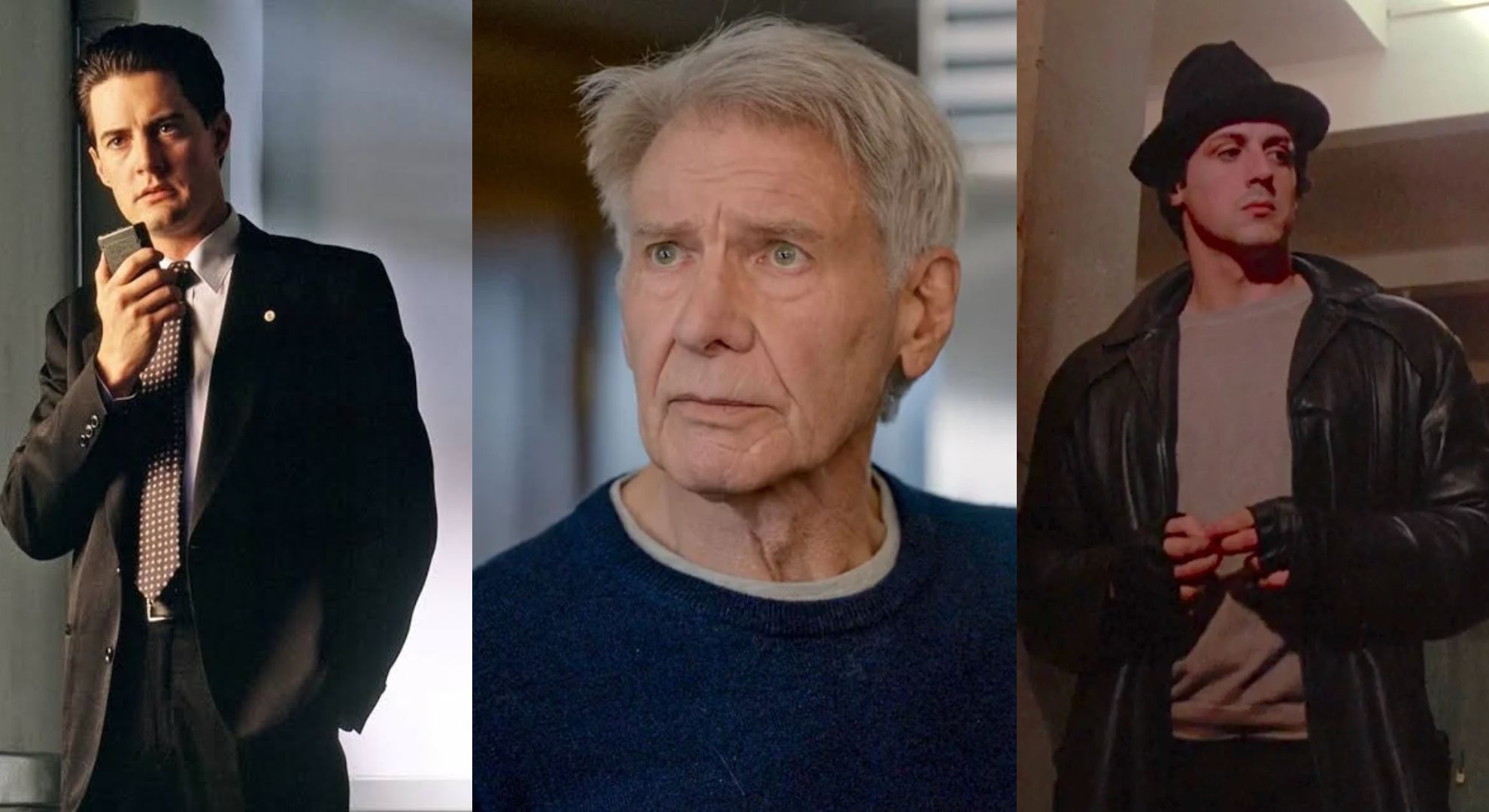
Dr Paul Rhoades (Shrinking): For teaching us that wisdom doesn't mean having all the answers and that asking for help doesn't make you any less of a man.
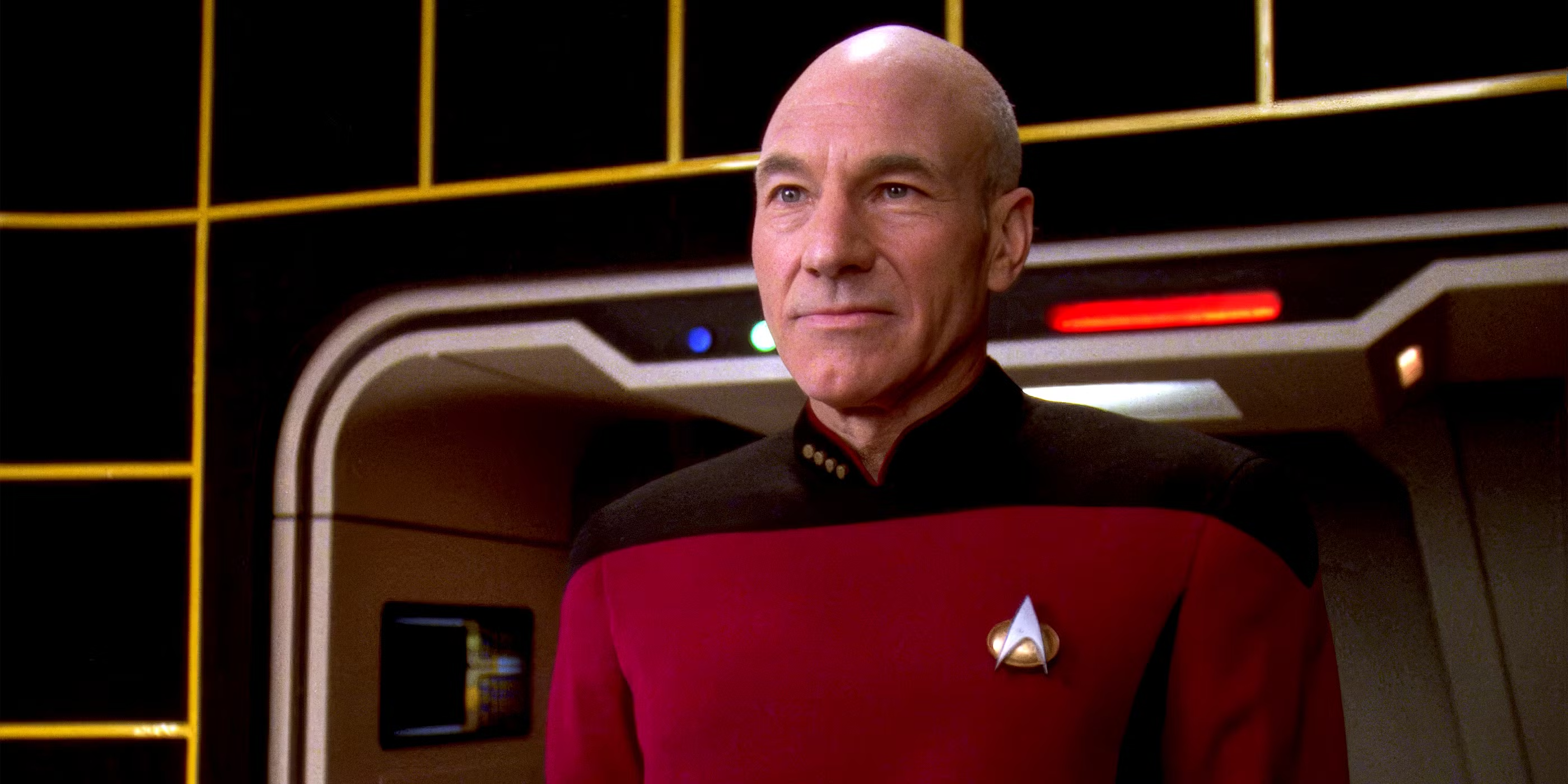
Jean-Luc Picard (Star Trek: The Next Generation): For teaching us that true leadership isn't about commanding respect through fear, but earning it through integrity, empathy and doing what's right.
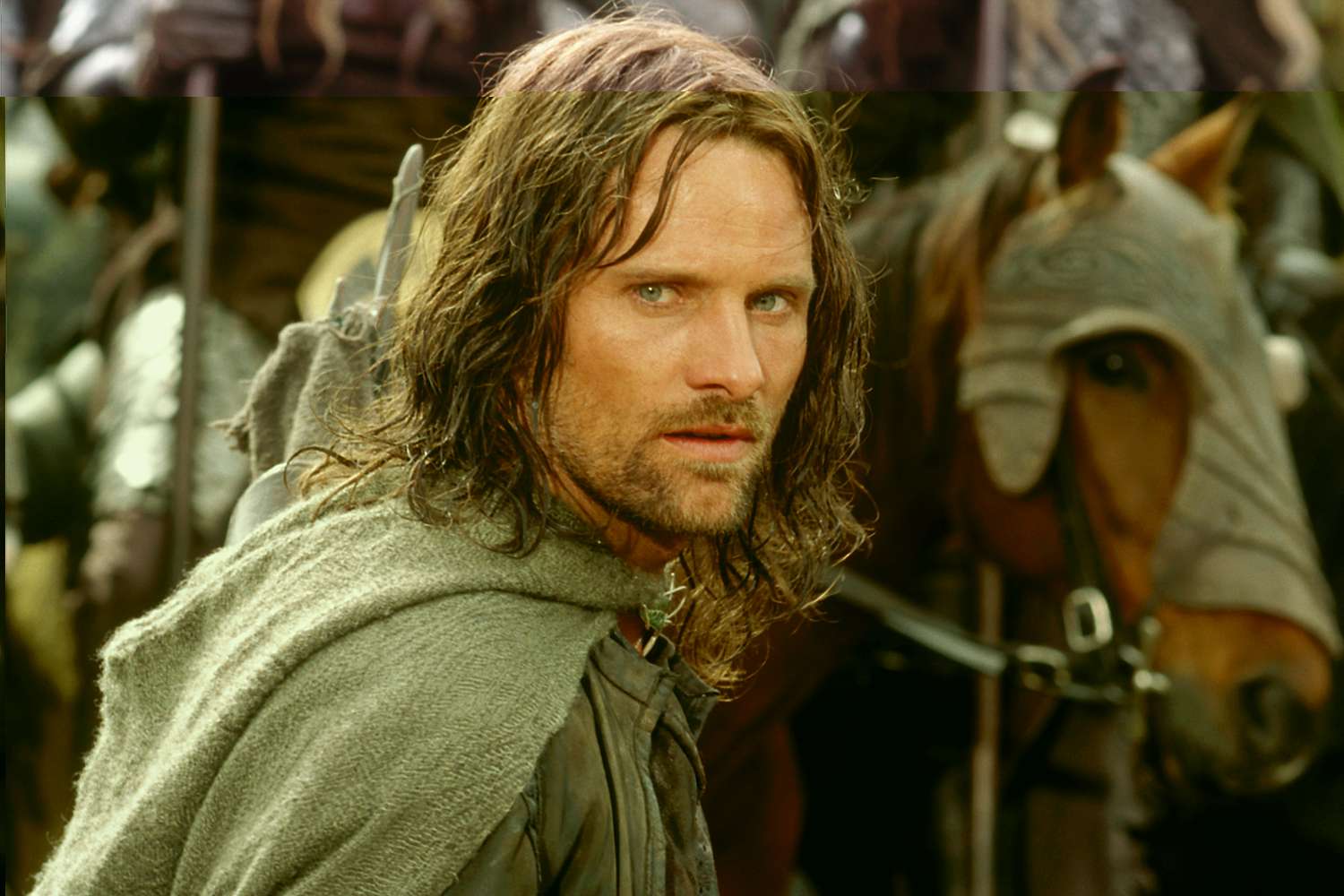
Aragorn (The Lord of the Rings): For teaching us that real bravery lies in humility, loyalty and having the courage to shoulder responsibility.
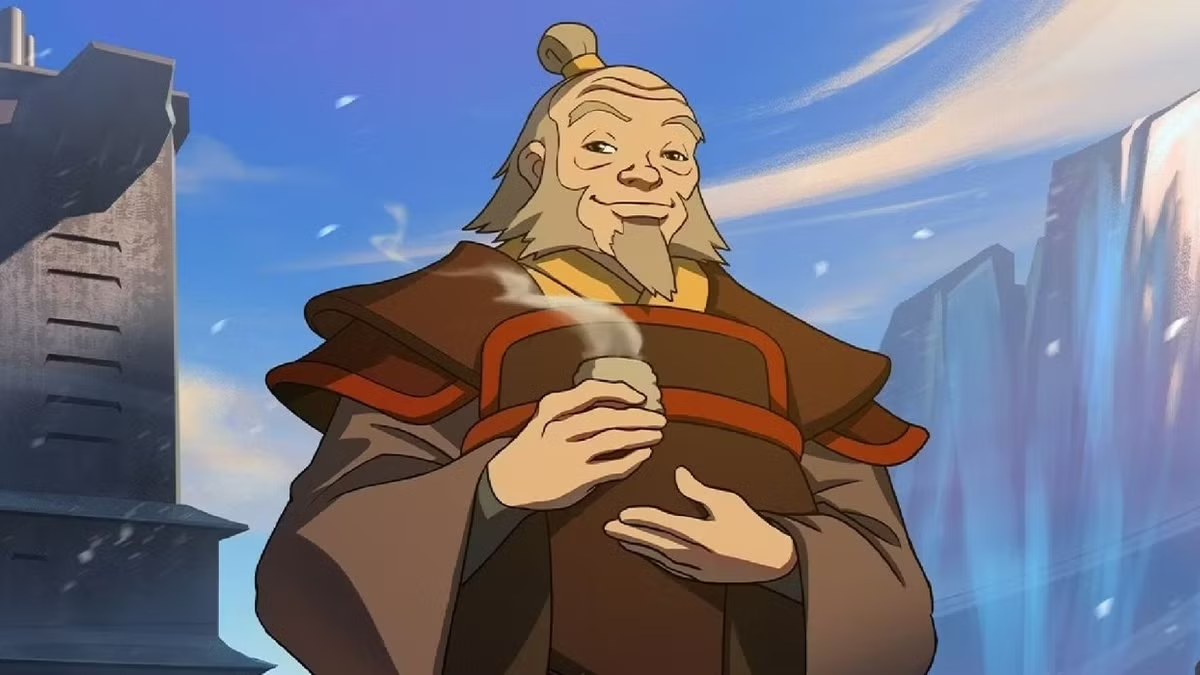
Uncle Iroh (Avatar: The Last Airbender): For teaching us that being gentle in a cruel world takes immense strength and that our worst mistakes don't have to define the men we become.
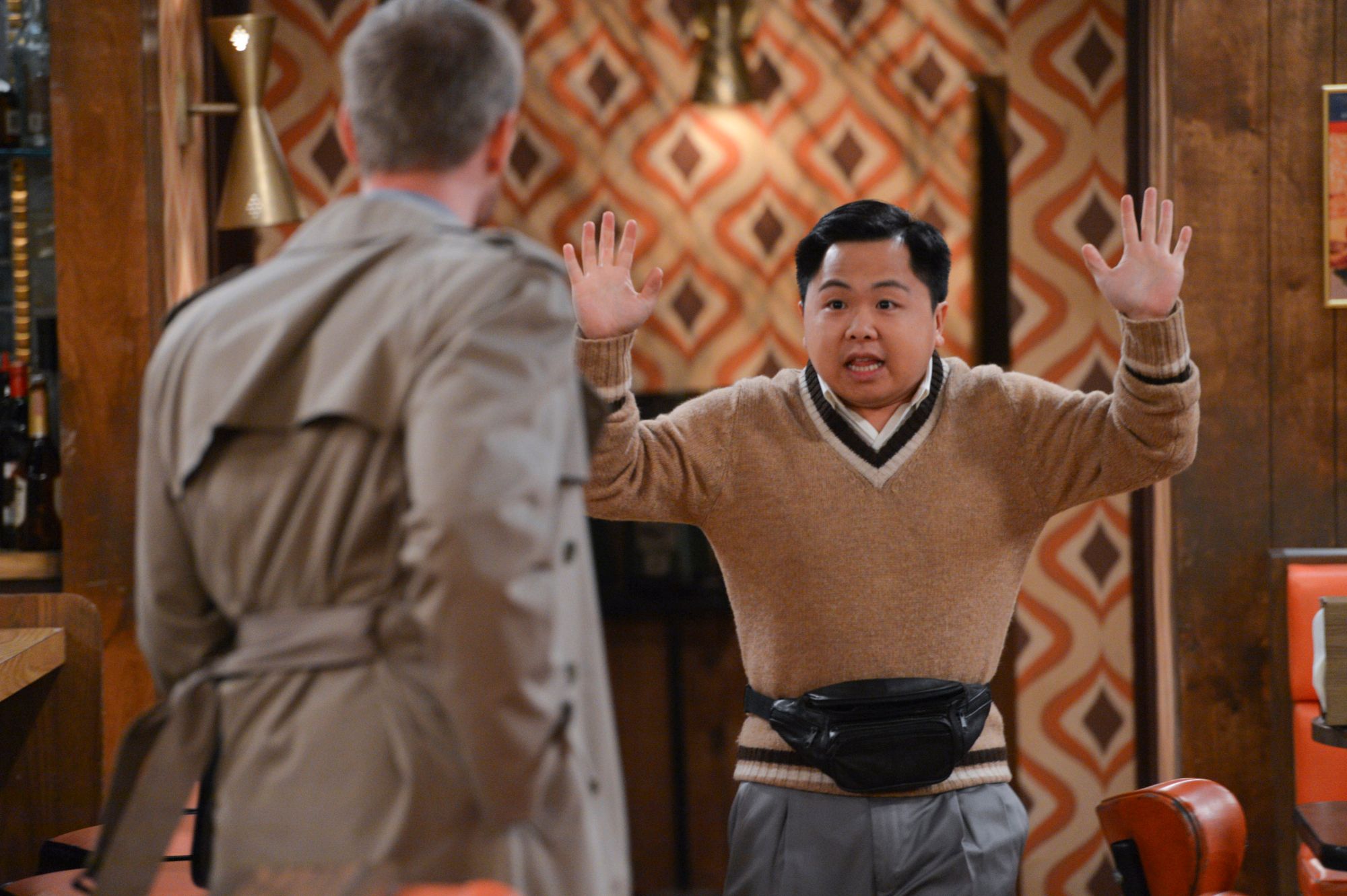
Han Lee (2 Broke Girls): For being loud, quirky, and an unapologetically himself. He gave Max and Caroline a job and a place to belong when they had nothing, never made them feel like charity cases, and takes real pride in looking after his team. He’s wholly himself, and never asks anyone to shrink so he can feel bigger
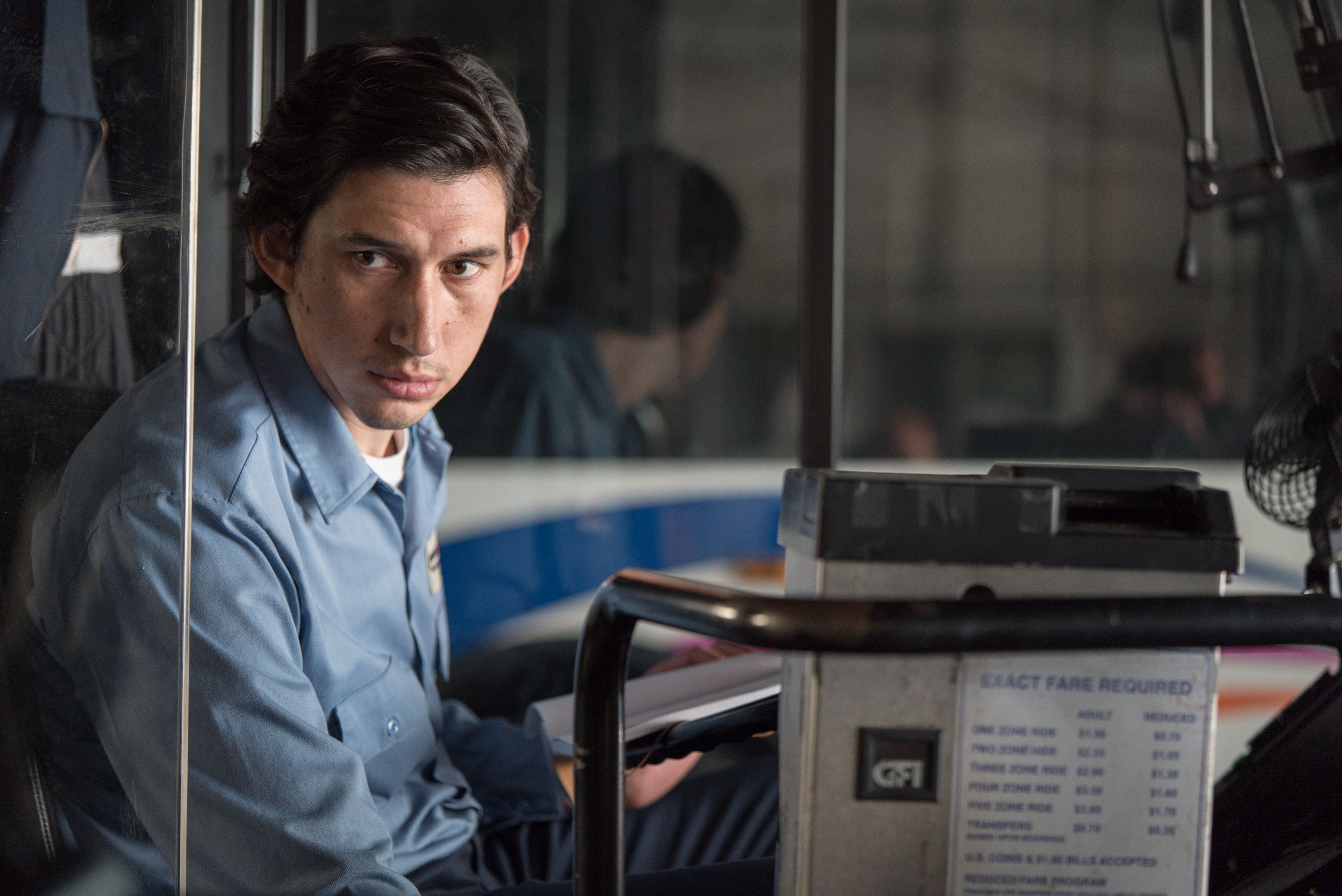
Paterson (Paterson): For being a man whose quiet is full of tenderness. Adam Driver’s bus driver-poet greets each day with gentle curiosity, finds poetry in matchboxes and overheard conversations, and never lets his own ambitions crowd out anyone else’s
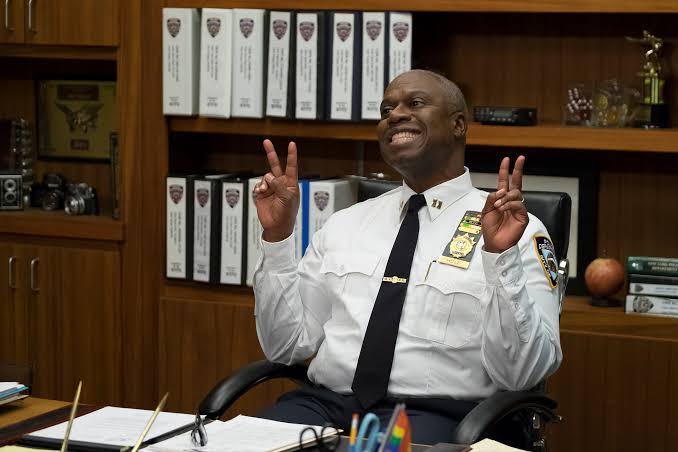
Captain Holt (Brooklyn 99): For showing us what a great boss, partner and friend looks like: someone who lifts you up, tells you the truth (exactly how you need to hear it) and protects the people he loves, whether you're his partner, colleague or even his dog.
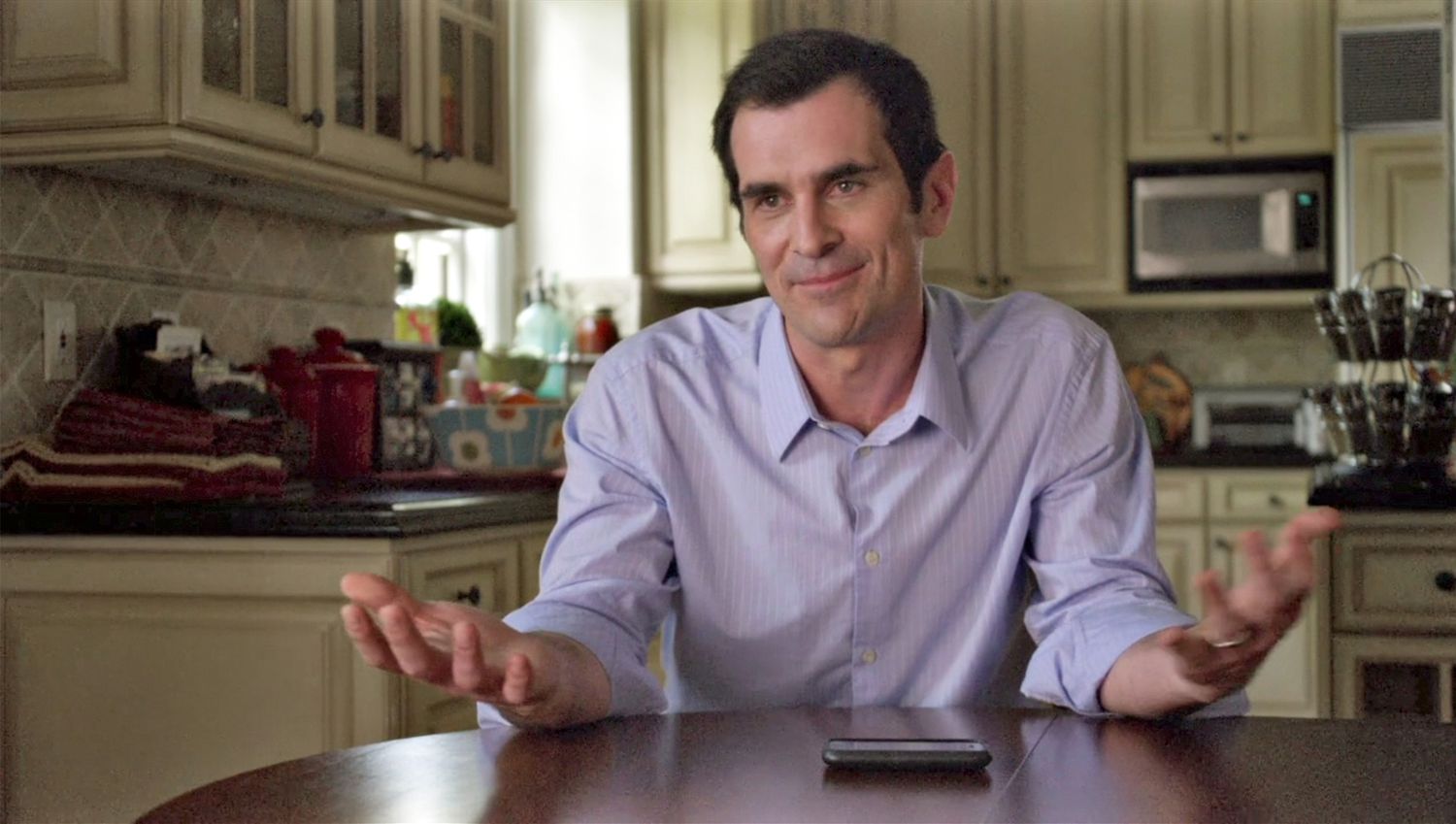
Phil Dunphy (Modern Family): For being the kind of husband and father every man can learn a thing or two from. He never misses an opportunity to make his wife feel loved, celebrated and desired. And as a father, he's his children's biggest cheerleader, protector and friend, accepting all three for exactly who they are without ever trying to mould them into someone else.
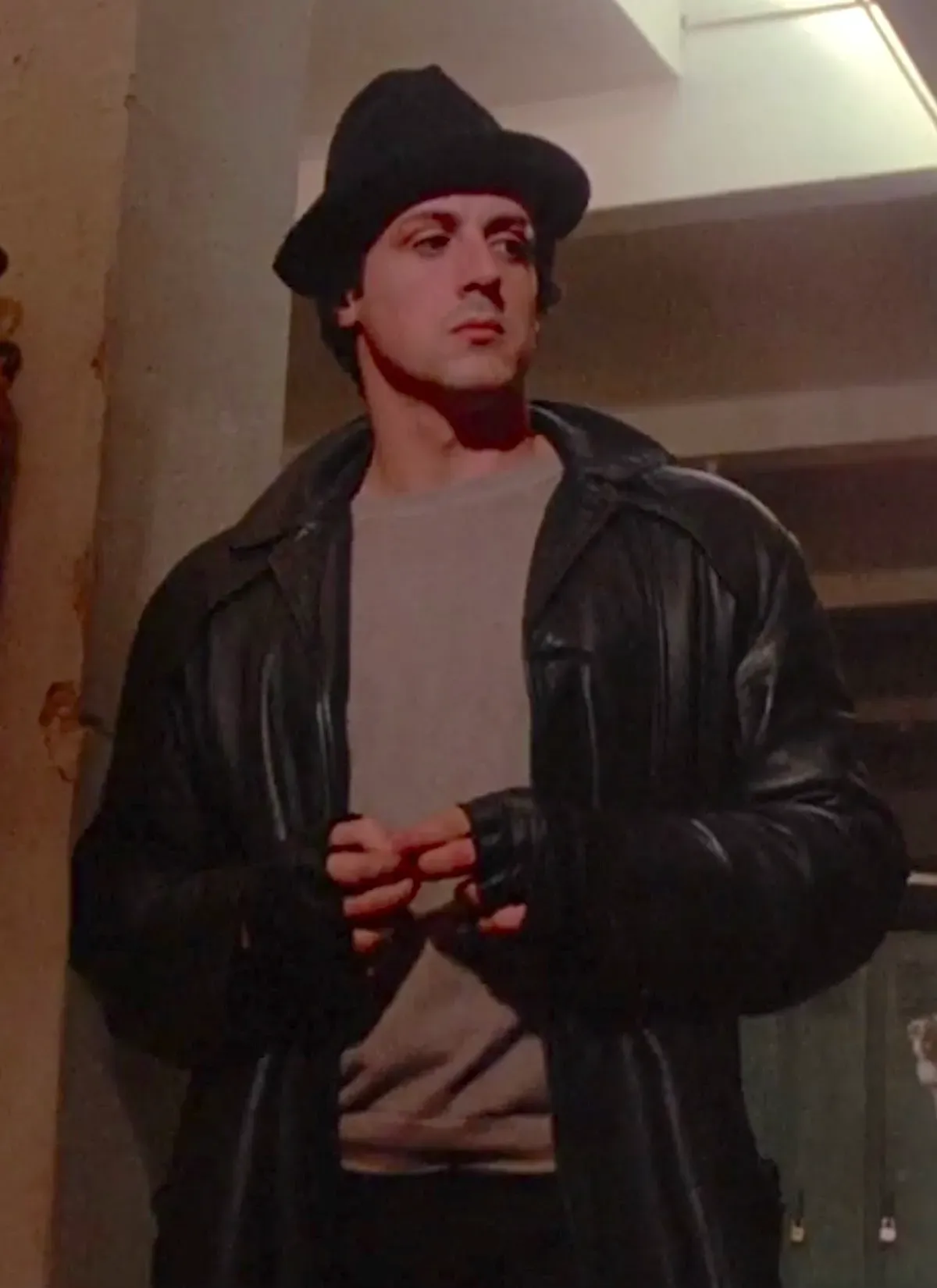
Rocky Balboa (Rocky): For being a heavyweight boxer who talks to his pet turtles and gets adorably nervous around the woman he likes. After going fifteen rounds with the world champion, with reporters shouting questions in his face, the only person he wants to talk to is Adrian.
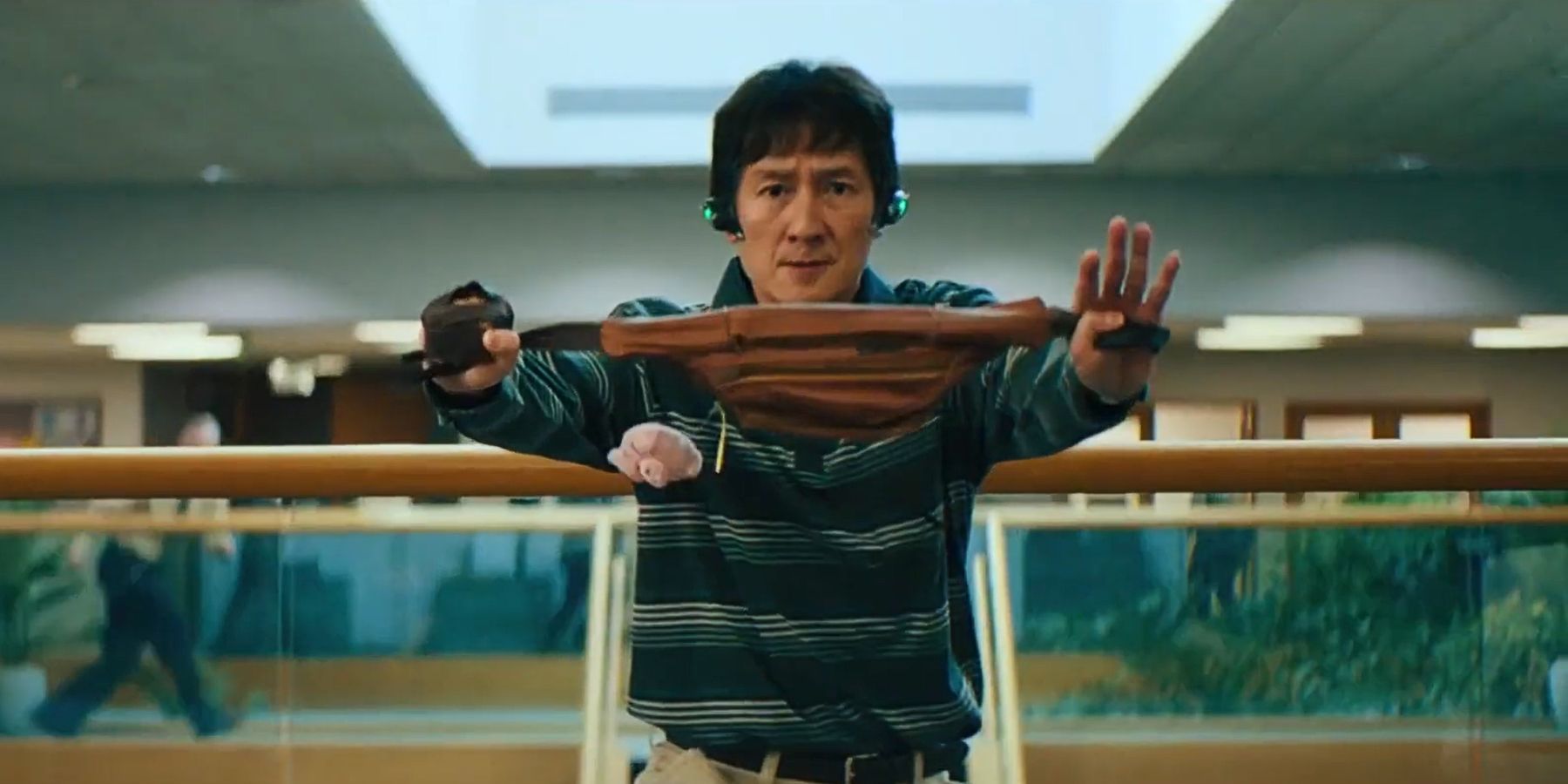
Waymond Wang (Everything Everywhere All at Once): For bringing cookies to a tax audit and somehow making it feel like a sound strategy. In another life, he has the suit, the money and the movie-star entrance, and what he still wants is to do laundry and taxes with Evelyn...and we buy it completely.
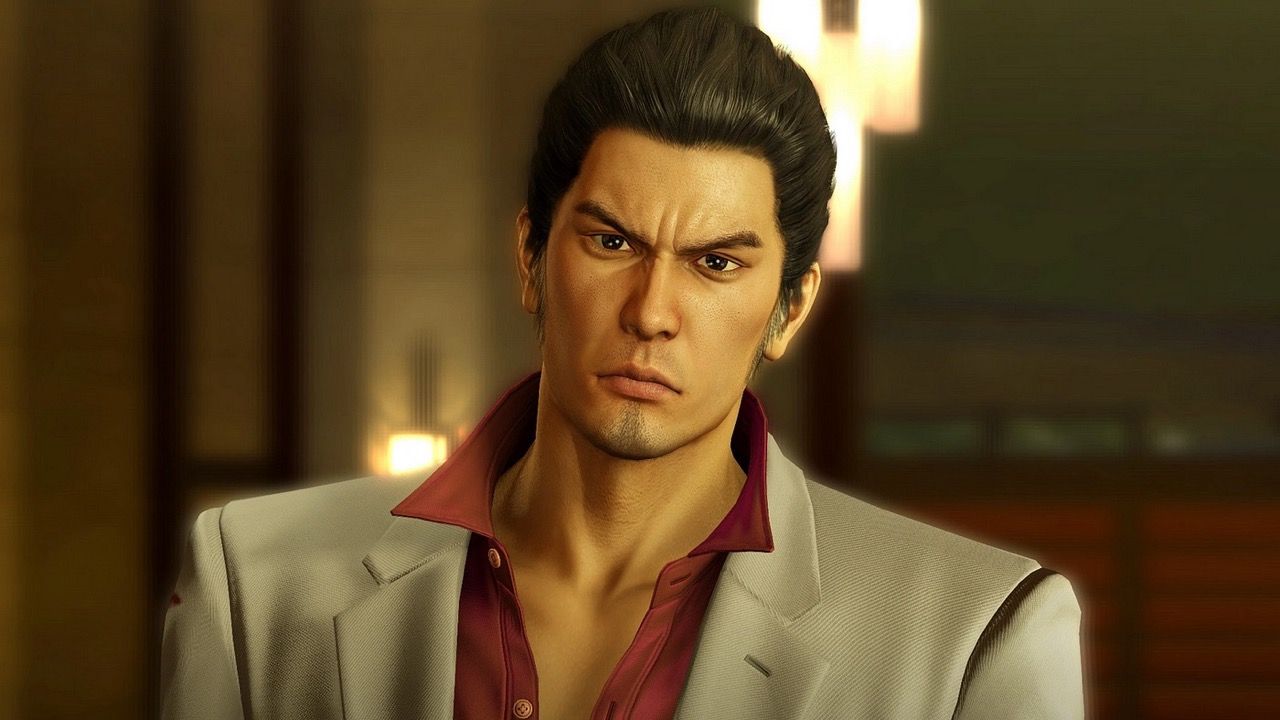
Kazuma Kiryu (Yakuza / Like a Dragon): For being the Dragon of Dojima and taking the job of looking after a house full of kids in Okinawa just as seriously. Watching a man that can destroy half of Tokyo be a healthy, loving family guy is pretty neat.
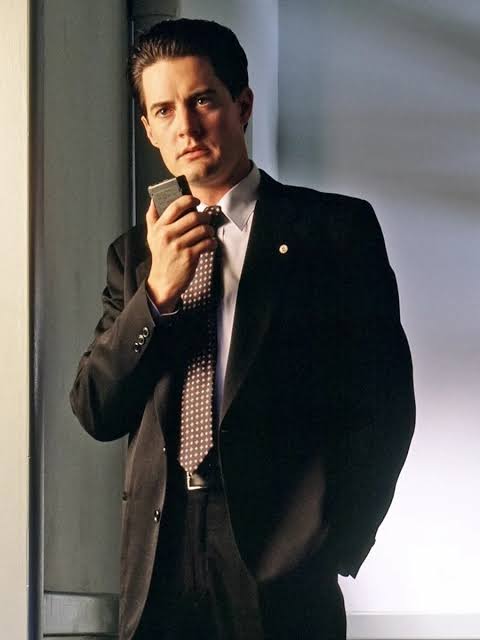
Agent Dale Cooper (Twin Peaks): For being the sort of FBI agent who comes to town, learns everybody’s name and gives the local sheriff his full attention. Even in the middle of a murder investigation, he can be genuinely delighted by a slice of cherry pie, and handles boundaries better than any lawman I’ve ever seen.
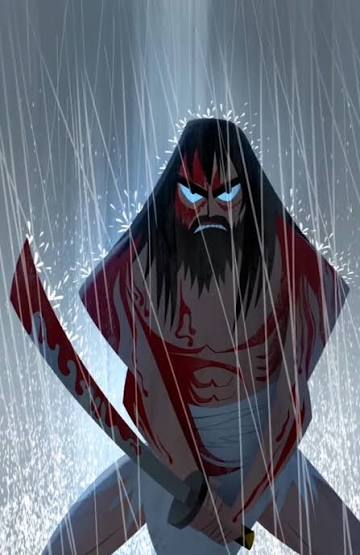
Samurai Jack (Samurai Jack): For spending years trying to get home and still stopping whenever somebody needs his help. He’s spent so much of his life alone by the time we meet him again, and there’s something moving about how much of that old courtesy is still there when he finally has someone to share the road with.


