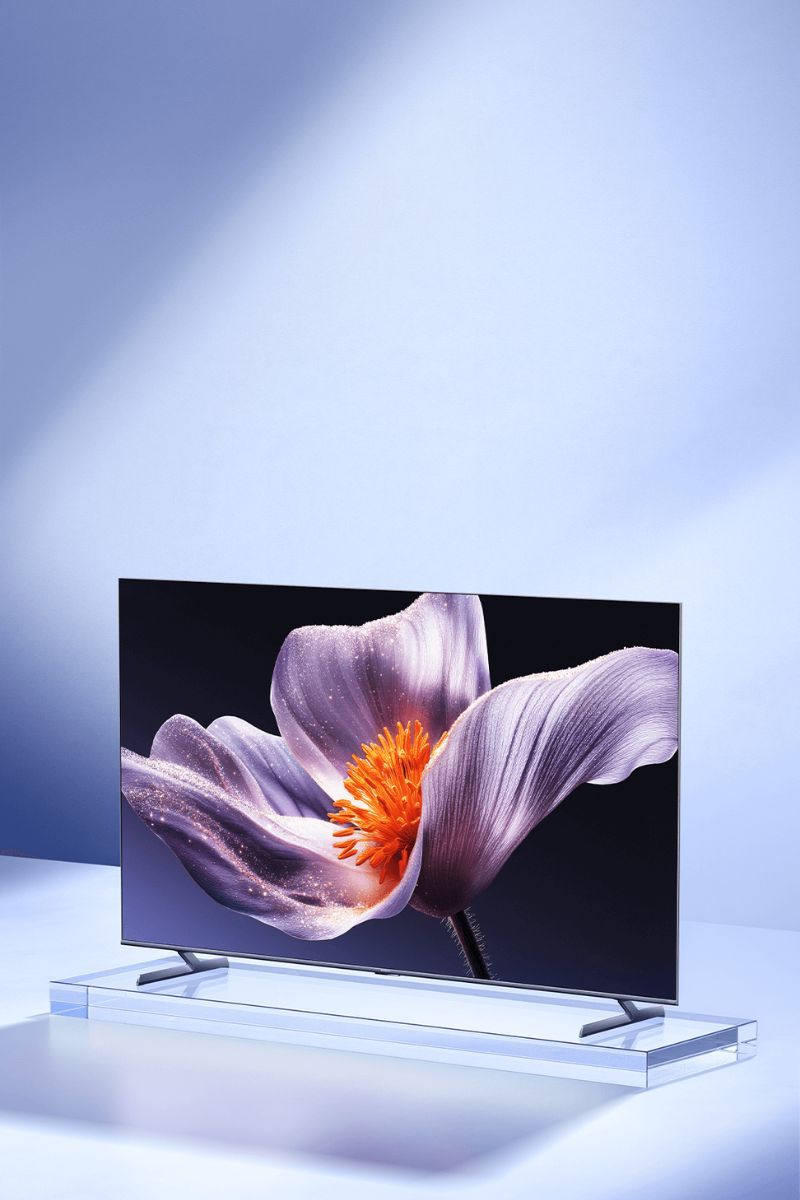
Buying a TV today is similar to getting a prescription in some way. Unreadable jargon that doesn’t quite make sense to the untrained eye. QLED, OLED, Mini LED, IPS LCD. An alphabet soup of abbreviations that’ll confuse even the most terminally online Gen Z. But somewhere in the middle of this chaos walks the Xiaomi TV S Mini LED, carrying enough buzzwords to sound intimidating, but with a price tag that suggests it’s trying very hard to be the sensible one in the room.
Interestingly, Xiaomi itself seems very aware of this balancing act. During my conversation with Sandeep Sarma, Associate Director, Marketing and PR at Xiaomi India, and Gautam Batra, Associate Director, Product Marketing at Xiaomi India, both repeatedly stressed that “value for money” for Xiaomi no longer simply means making the most affordable possible product. Instead, the company wants to position itself as a more upscale brand without losing the accessibility that made it successful in India in the first place.
After spending nearly two weeks with the TV, I can kind of see the argument Xiaomi is trying to make here. Xiaomi’s TV S Mini LED lineup consists of 55, 65 and 75-inch models. I spent around two days with the 65-inch review unit constantly running in the background during work, casual viewing, weekend binge sessions and pretty much everything in between, to figure out what exactly ₹1,19,999 gets you. Here are my findings.
The Design
Unlike smartphones or other interactive devices that live with you, TVs don’t really need to focus too much on design. Which can be both a good and a bad thing. Thankfully, the Xiaomi TV S Mini LED falls into the former category. It’s essentially a massive, very thin sheet of glass that surprisingly doesn’t weigh all that much. At 16kg without packaging, I realised this while carrying it from my parking lot to my fifth-floor apartment with no elevator, which also doubled up as my workout of the day.
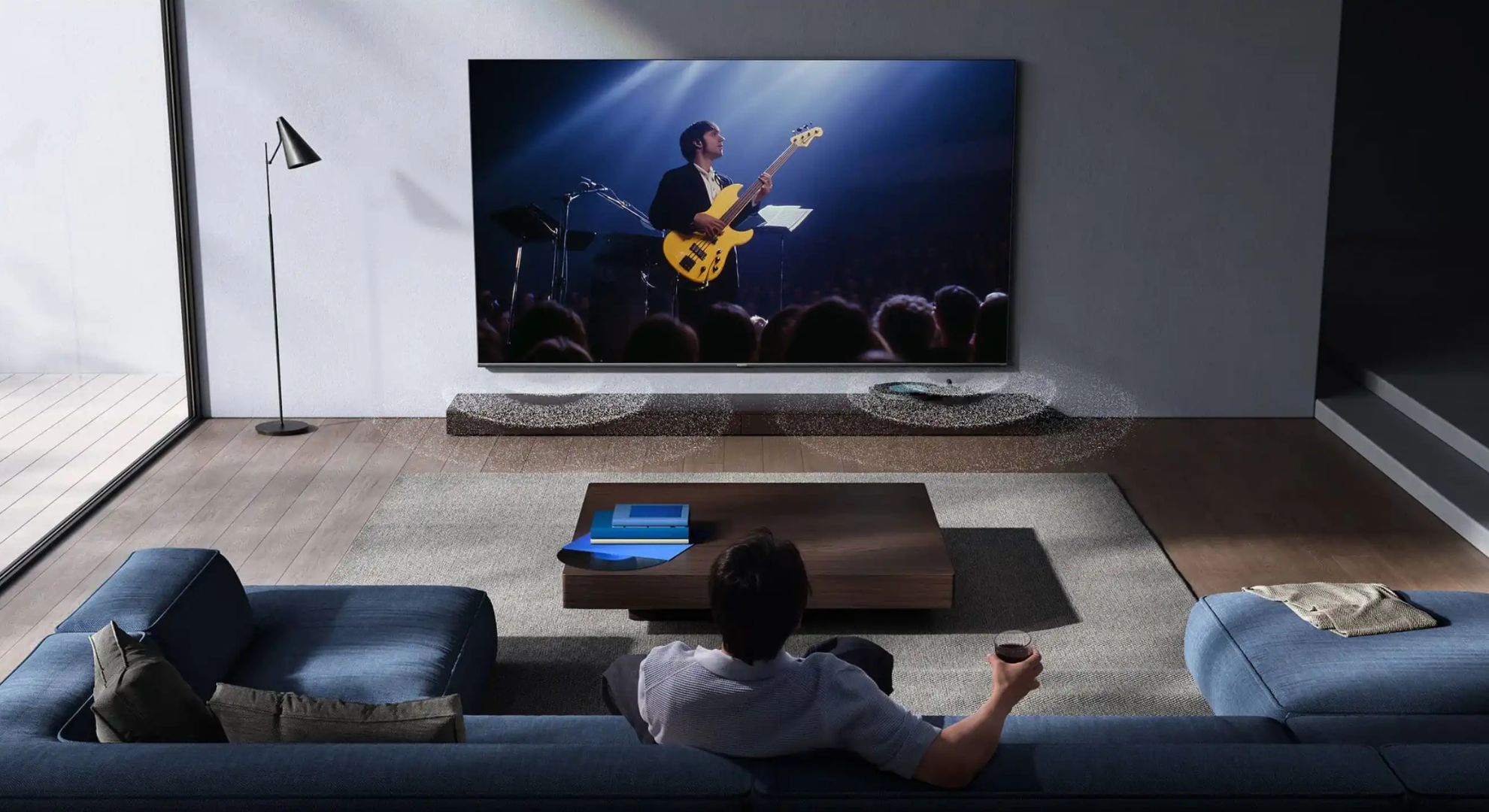
You do, however, need to really think about the screen size you want here. As per the brand, Indian buyers are increasingly moving towards larger and more immersive screens, and well, the 65-inch unit certainly delivers on that front, nearly swallowing an entire wall of my bedroom.
Now what helps is the TV’s extremely minimal design. You get thin bezels on three sides, along with a slightly thicker chin at the bottom that houses the subtle Xiaomi and Mini LED branding without screaming for attention. Around the back, the port situation is fairly standard, but practical enough. You get three HDMI ports with eARC support on one of them, USB ports, Ethernet, AV input, optical audio out and even a 3.5mm headphone jack. Thankfully, Xiaomi has placed the HDMI ports sideways, which sounds like a tiny detail until you realise how annoying it is trying to blindly plug cables behind a 65-inch TV.
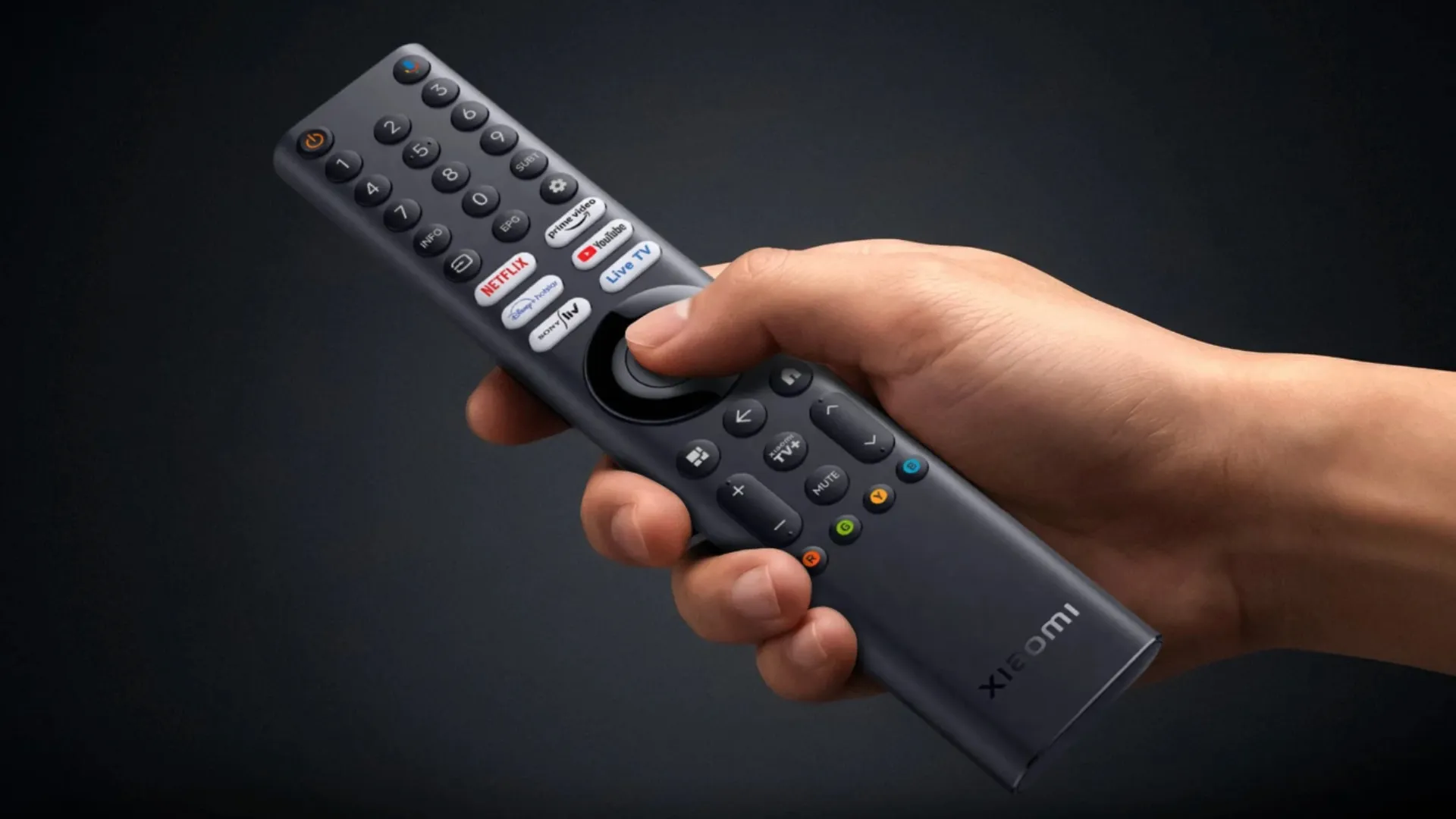
That said, there are still reminders that this isn’t a full-blown flagship TV. The included remote works perfectly fine, but it still falls under the “could’ve been better” category. Functional, lightweight and slightly plasticky in a way that doesn’t quite match the refined aesthetic the panel itself is going for.
Setting It Up
First things first, the Xiaomi TV S Mini LED runs on Google TV UI, which immediately makes life easier while setting things up. Everything is straightforward to navigate, from choosing your input source to jumping between devices. In my case, that mostly meant constantly switching between my PlayStation 5, using the TV as an extended display for my MacBook Air, and regular streaming apps.
The ecosystem integration Xiaomi keeps talking about also starts making sense here. During the interview, Sarma described the television as the “shared screen” around which Xiaomi wants its ecosystem to revolve. Which admittedly sounded like standard corporate-tech jargon at first. But after constantly bouncing between my laptop, phone, gaming console and streaming apps for two days, I weirdly understood what he meant. The TV genuinely starts behaving less like an appliance and more like the centrepiece of the room.
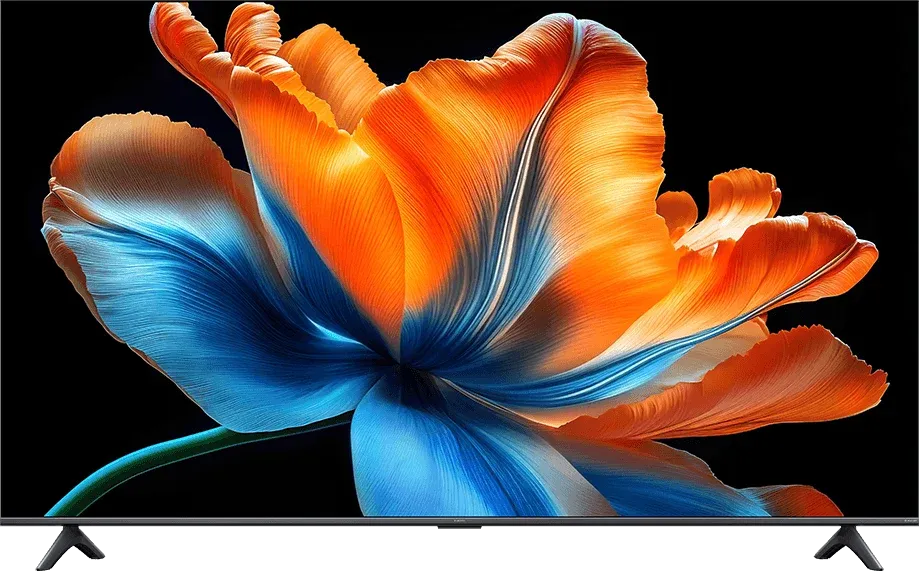
Although, when it came to rapidly switching between apps like Netflix, YouTube and everything else in between, it did feel like the included 2GB RAM can use an upgrade. It’s not that the TV feels slow. But the overall experience here feels polished enough that you naturally expect everything to be razor sharp and instant all the time. Occasional lag stands out more because the rest of the experience feels so smooth.
The user interface remains divisive. Some people will enjoy the content-heavy approach, while others will probably find the interface slightly cluttered compared to the cleaner simplicity of stock Google TV.
Putting In The Hours
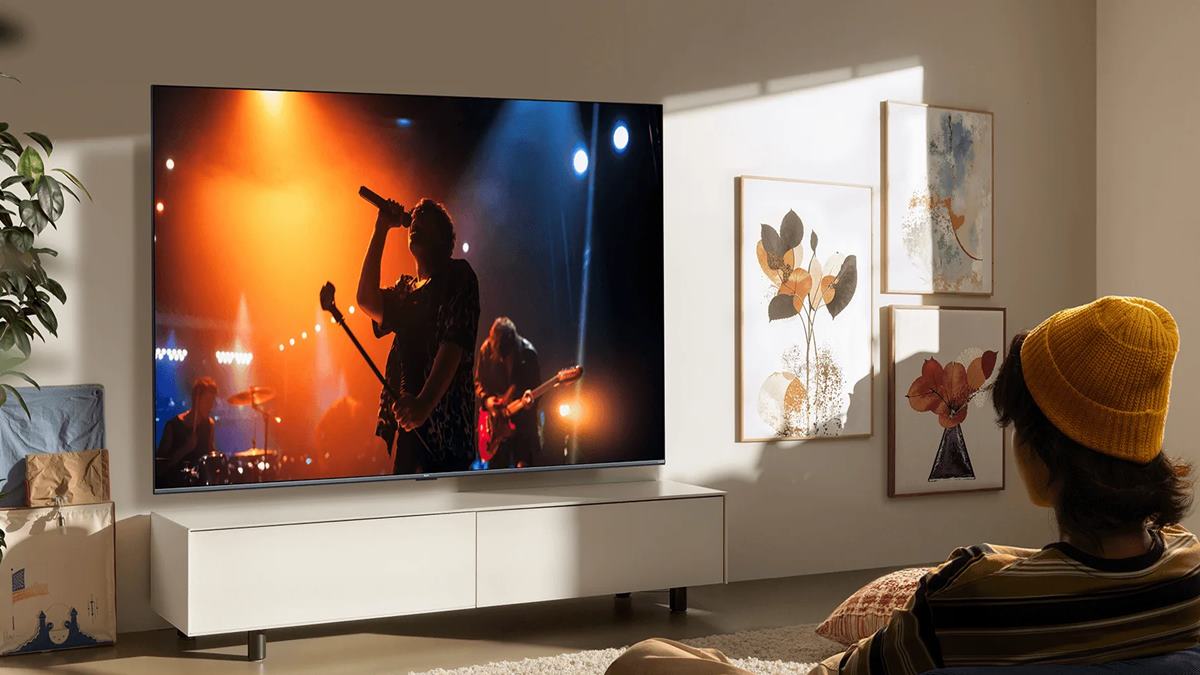
Once you actually start watching content though, there’s an immediate “okay, this is nice” factor that kicks in. The Mini LED panel is bright, sharp and cinematic in a way that genuinely changes the vibe of your room, especially on the 65-inch model. Watching films on it almost feels like having a tiny screening room sitting inside your apartment.
Now, critiquing display quality itself gets a little subjective. Personally, I still prefer OLED panels and the ridiculously deep blacks they offer by individually switching pixels off completely. Mini LEDs work differently. Instead of self-lit pixels, you get multiple dimming zones working behind the panel.
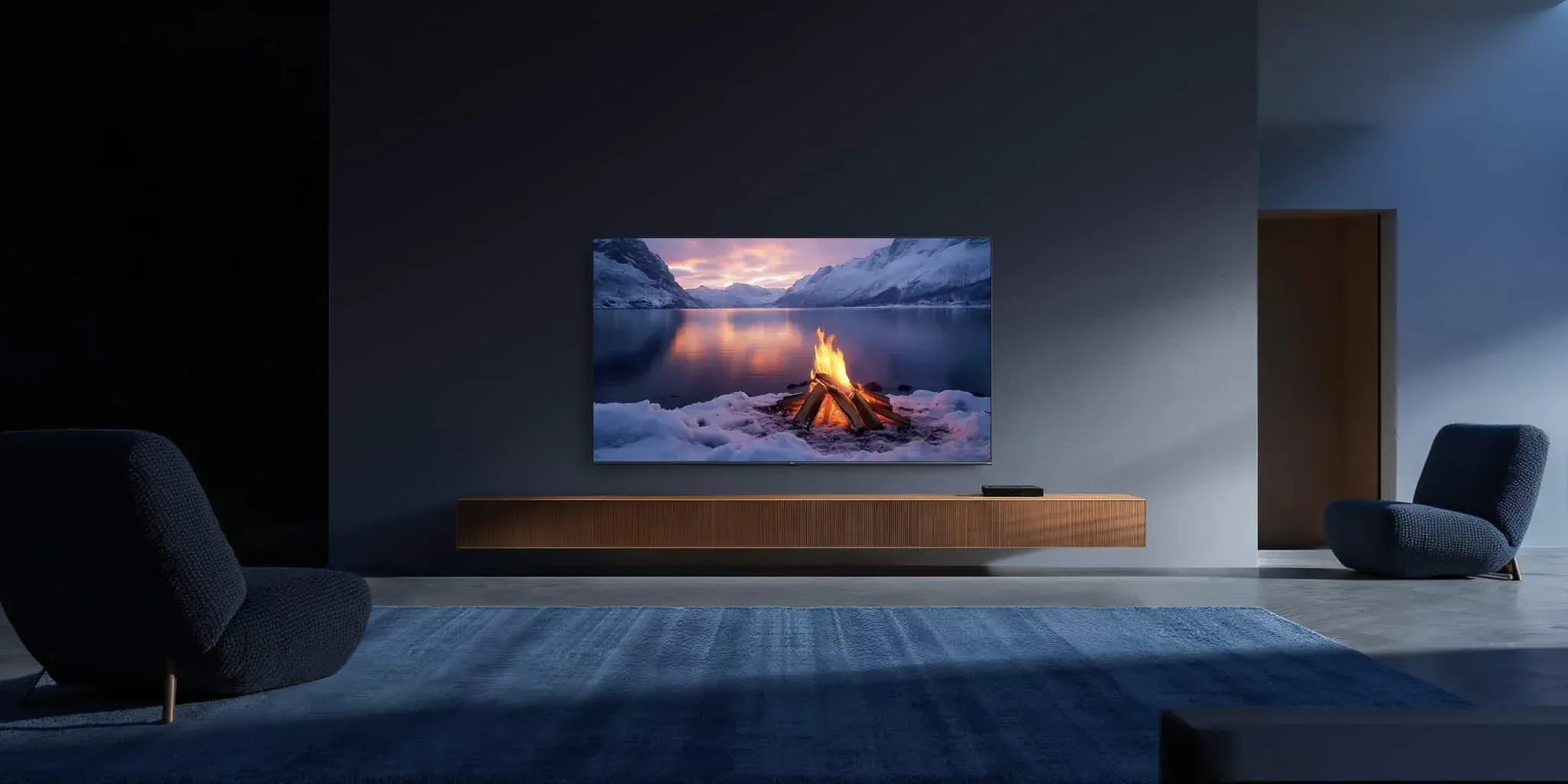
And this is something Batra specifically brought up during our conversation. According to him, Xiaomi wanted this TV to deliver a “proper” Mini LED experience rather than simply using the branding as a marketing term. That means a full-array backlighting setup with hundreds of dimming zones instead of more compromised implementations often seen in affordable panels.
The 75-inch model gets around 512 dimming zones, while the 65-inch review unit I tested comes with 384. What that essentially helps with, especially compared to a regular LED TV, is brightness and contrast. Highlights stand out instantly, darker scenes retain far more depth, and overall image quality feels richer and more refined. No, the blacks aren’t OLED-level black, especially if you’ve used expensive flagship OLED TVs before, and yes, you will still occasionally notice blooming in extremely dark scenes if you actively look for it.
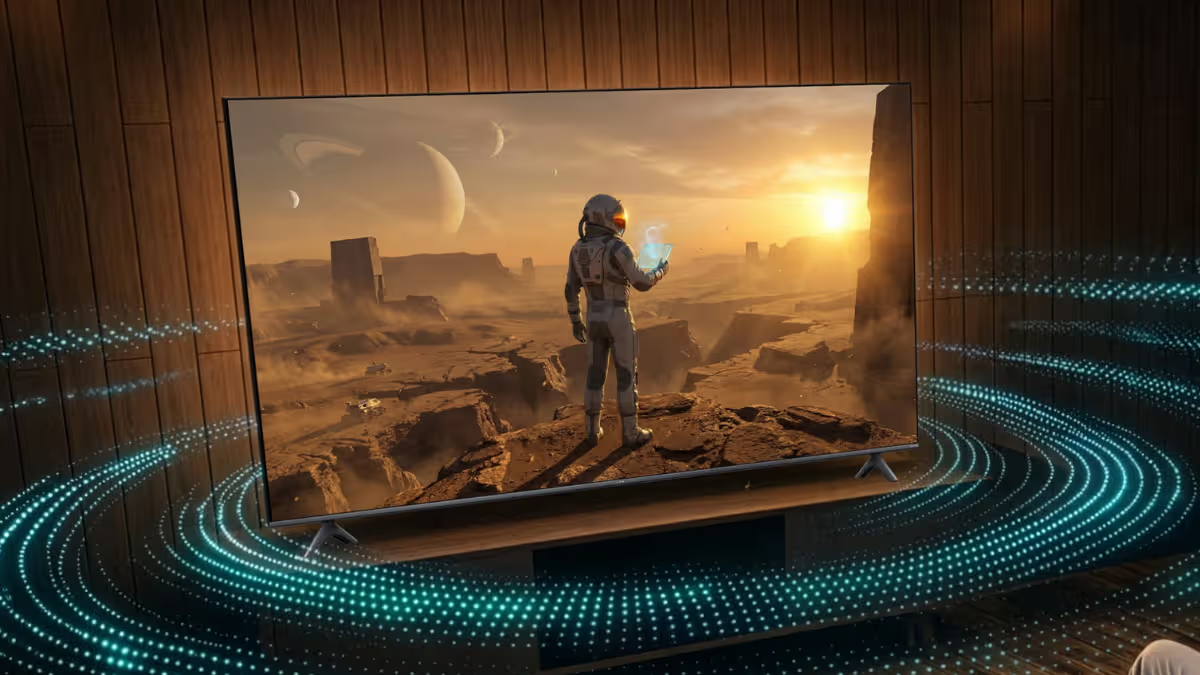
Speaking of gaming, no, this is not going to compete with the absurd refresh rates you get on dedicated gaming monitors. Hardcore FPS players who spend their lives inside Call of Duty lobbies will probably notice the difference immediately.
But if you’re more of a single-player gamer like me, spending hours wandering through Red Dead Redemption 2, making deliveries across the hauntingly beautiful landscapes of Death Stranding 2, or swinging across New York in Spider-Man 2, the experience here is genuinely impressive. A screen this large combined with the brightness and contrast of the Mini LED panel makes these worlds feel massive in a way that’s hard to go back from once you get used to it.
There’s also Filmmaker Mode here. What it essentially does is preserve the colours and overall look the filmmaker originally intended while dialling down all the artificial sharpening, motion smoothing and weird over-processing TVs usually enable by default. To be honest, I didn’t notice some massive night-and-day leap in picture quality, but it’s still a nice feature to have.
The speakers, meanwhile, are decent enough until you hear what a proper soundbar can do. Dialogue sounds clear, and they get loud enough for casual viewing, but there’s very little low-end depth here. Which honestly feels slightly ironic considering how cinematic the panel itself can look.
Verdict
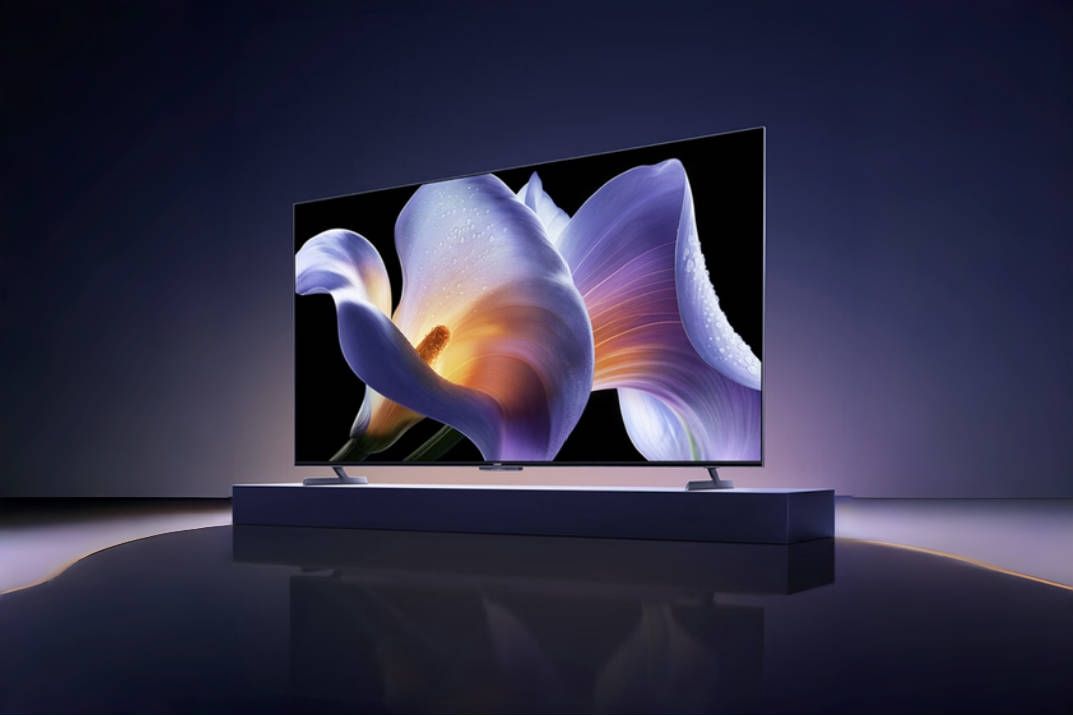
The interesting thing about the Xiaomi TV S Mini LED is that it somehow feels like both the old Xiaomi and the new Xiaomi existing at the same time.
You can still see traces of the older Xiaomi philosophy everywhere here. The aggressive pricing. The attempt to offer features usually associated with far more expensive brands. The constant push towards giving people “more” for their money. And honestly, when you stack this TV up against other Mini LED panels in the market, it absolutely delivers on that value-for-money promise. The display is genuinely impressive, the brightness levels are excellent, and the overall cinematic experience consistently punches above what most people probably expect from a Xiaomi TV.
At the same time though, this also feels like the newer version of Xiaomi that both Sandeep Sarma and Gautam Batra kept talking about during our conversation. A brand that no longer wants to be seen as simply “affordable”, but wants to be taken seriously in the upscale space too.
And to Xiaomi’s credit, this TV does feel like a legitimate step in that direction. It doesn’t feel like a budget TV pretending to be expensive through marketing buzzwords alone. There’s actual effort visible in the panel quality, the Mini LED implementation, the large-screen immersion and the overall experience.
Sure, there are compromises here and there. The 2GB RAM feels slightly underwhelming at this price, PatchWall still won’t work for everyone, hardcore competitive gamers will still gravitate towards proper high refresh-rate setups, and the speakers are decent right until you connect a soundbar and realise what’s missing.
But importantly, none of those compromises feel severe enough to ruin the core experience. And honestly, that might be Xiaomi’s biggest achievement here. The Xiaomi TV S Mini LED may not be perfect, but it feels like the clearest sign yet that Xiaomi no longer wants to just dominate the budget market in India. It wants a seat at the premium table too.


