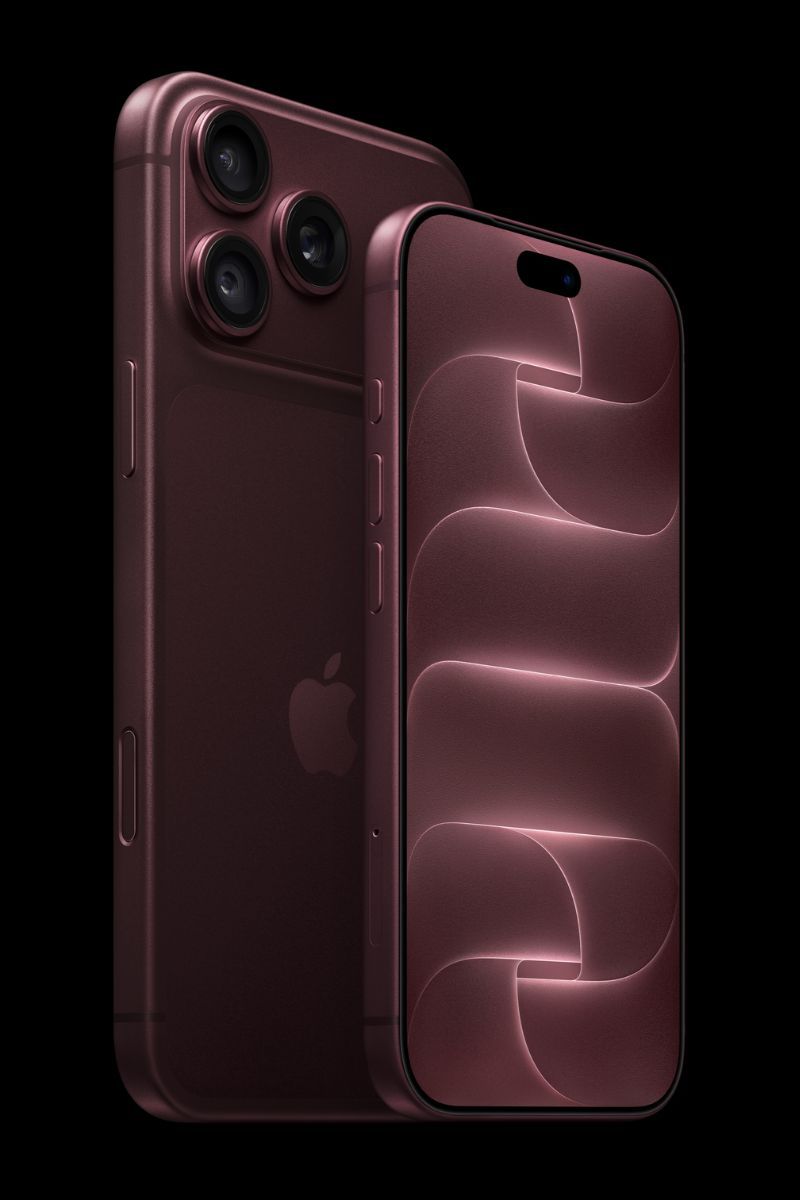
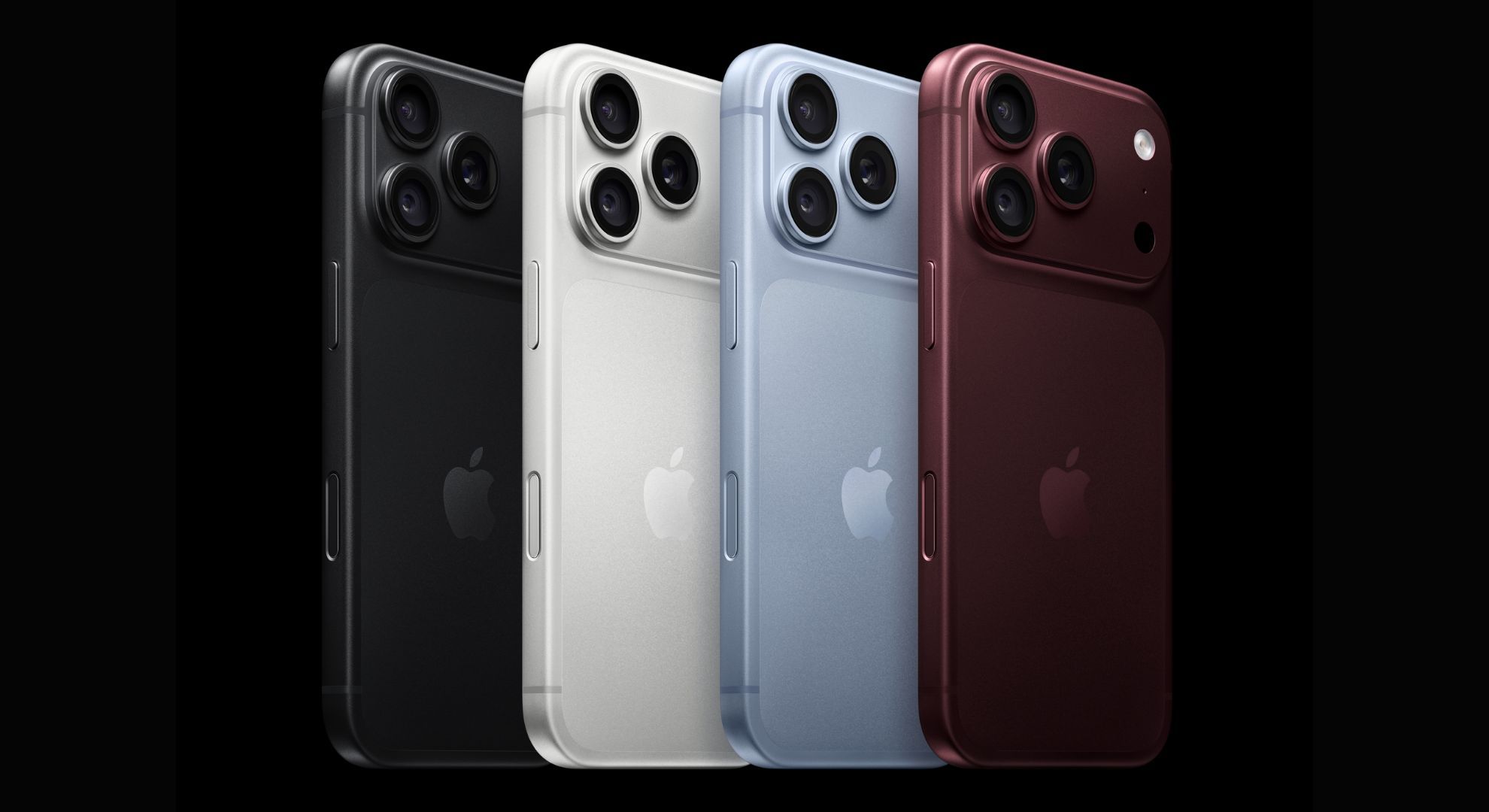
Apple has a peculiar problem with the iPhone: its success has made experimentation harder. For millions of people, it is the default phone, the device they replace every few years without considering what else is out there. Apple can polish the formula and occasionally push it somewhere new. Radically rewriting it is a far riskier proposition than it is for many Android rivals.
That is why the iPhone Air and iPhone Duo can afford to be the experimental children of the Cupertino family, while the Pro series plays the responsible older sibling who keeps everything together. It has to feel familiar without becoming stale, and dependable without becoming boring. It also has to be new without disturbing the things people already expect an iPhone to do well.
That is the tightrope the iPhone 18 Pro Max has to walk. After two weeks with it, Apple pulls it off, though not in a way a spec sheet will show you. The real appeal is a phone you can stop thinking about.
Looks Old, Behaves New
I spent most of the last year with the iPhone 17 Pro, which itself replaced my older 14 Pro Max. That was a warp-speed upgrade where almost everything felt better, from the cameras and display to charging and the feel of the phone in your hand. Going from the 17 Pro to the 18 Pro Max is nowhere near as dramatic. From across a table, it is still the phone you already know. The differences announce themselves slowly, in the hand and on the front.
At 249 grams, the Pro Max is 16 grams heavier than its predecessor, and I suspect I am in the minority when I say I like that. Yes, your hands get tired after prolonged use, and yes, you know when it is in your pocket. But there is something reassuringly expensive about a heavy phone, like carrying a complicated piece of jewellery that also happens to answer emails and shoot 4K video.
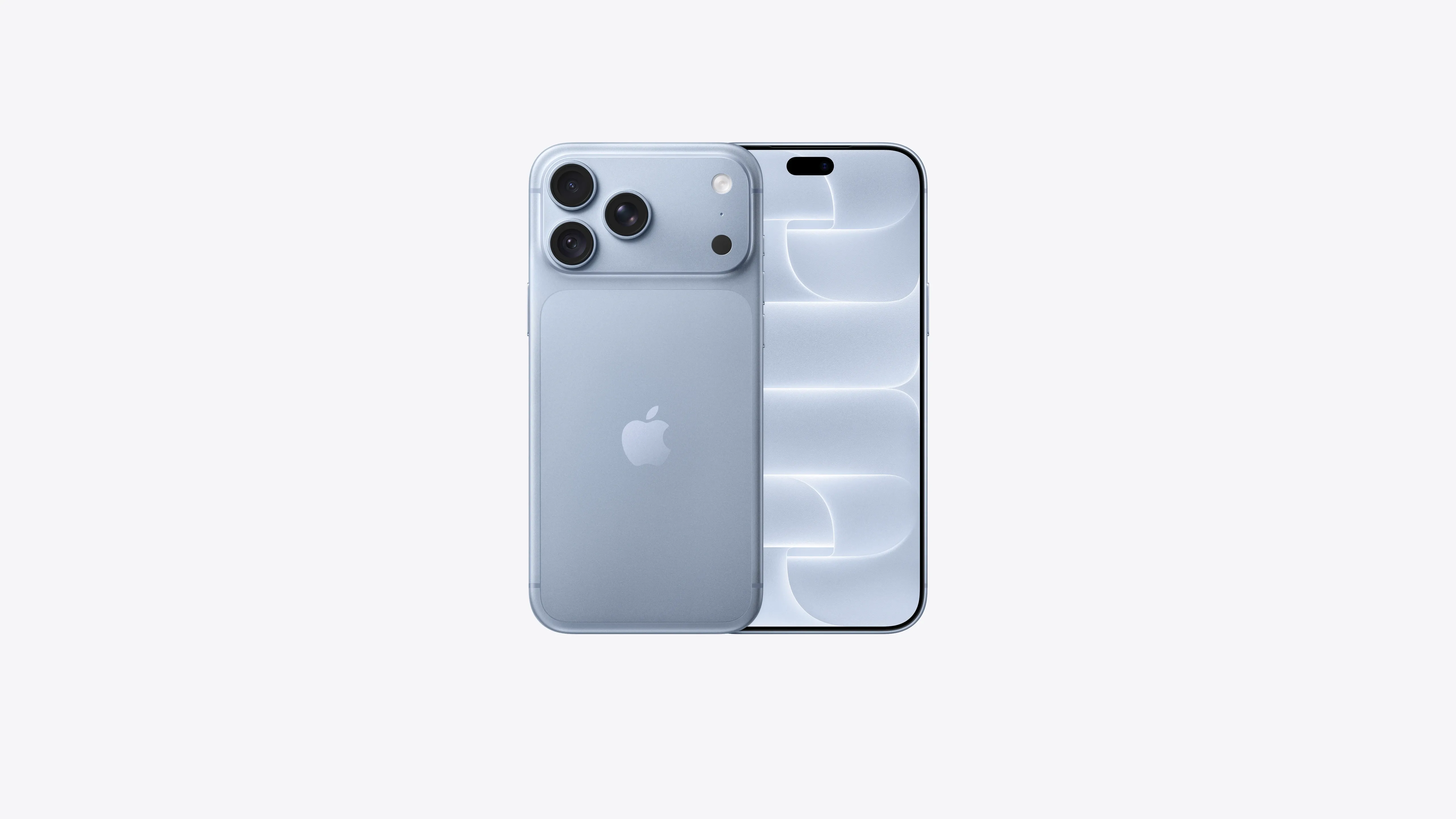
The aluminium frame stays this year, continuing Apple's move away from the titanium of the 15 Pro and 16 Pro. Part of me would have loved something more extravagant, but a heavier material would push it from "substantial" to "why am I carrying a small tablet everywhere?" Besides, I never dented or discoloured my aluminium 17 Pro in a full year.
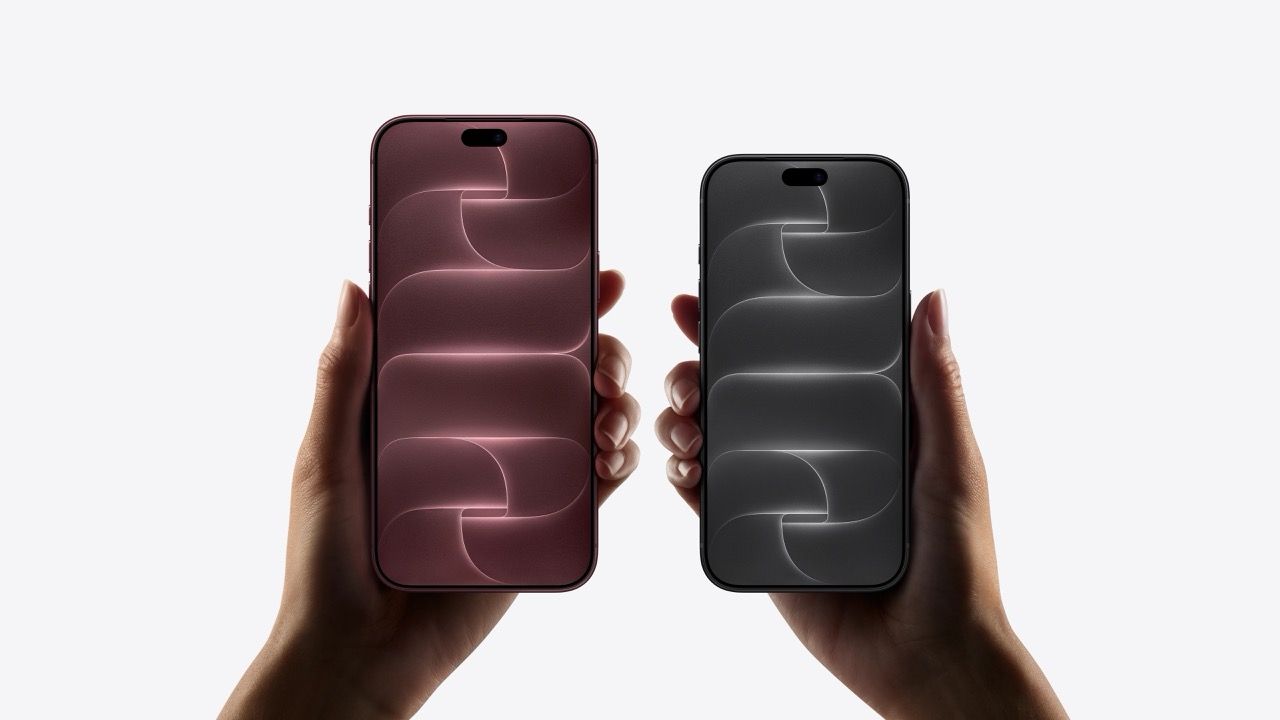
The most interesting change is on the front. The Dynamic Island is roughly 25 per cent smaller after Apple moved the infrared camera used by Face ID underneath the display. That sounds comically minor until you use it. The extra room lets the Island hold up to three Live Activities at once, although the third currently has to be a system activity such as navigation or Now Playing.
Face ID feels as quick and invisible as ever, which is the highest compliment you can pay technology that has been moved beneath the screen. The smaller cutout also feels like another step towards the uninterrupted iPhone display Apple has been chasing forever.
iOS 27 And The Feel Of It
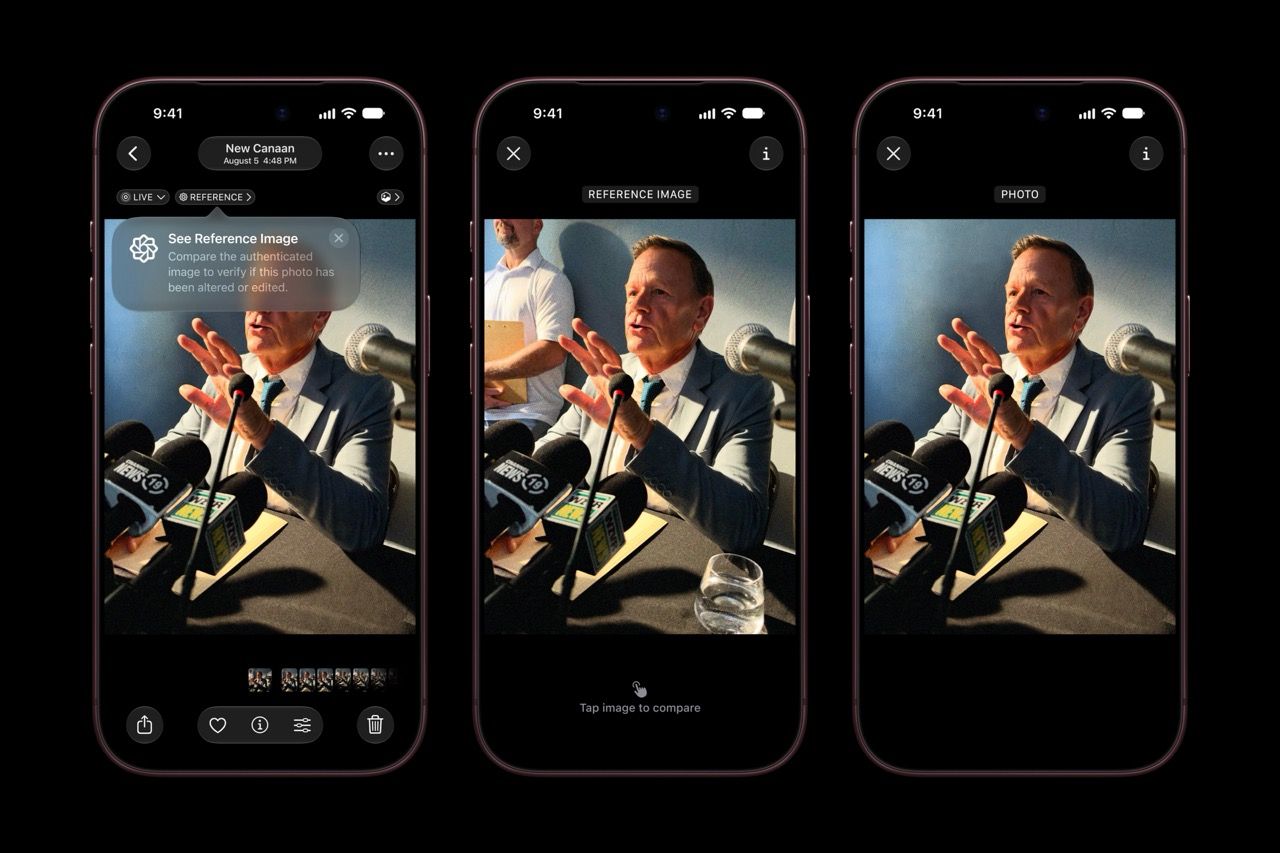
Liquid Glass has grown on me. When Apple introduced it last year, I found it a little too minimal and too interested in showing off how clever it was. After another year of refinement, iOS 27 finally reveals what Apple was trying to do. There is a translucent, almost tactile quality to everything, with menus floating over whatever sits beneath them and animations that flow smoothly all day.
Stacked widgets have quietly become one of my favourite parts of iOS. Every morning at around 10.27 am, Microsoft Teams works its way to the top of my stack. On Fridays, when I am putting together movie listings for the weekend, BookMyShow appears instead. Android can do this too, so I won't pretend Apple invented contextual widgets. But there is something very Apple about how the feature disappears once it becomes useful. You stop searching for the app because the phone has already put it in front of you.
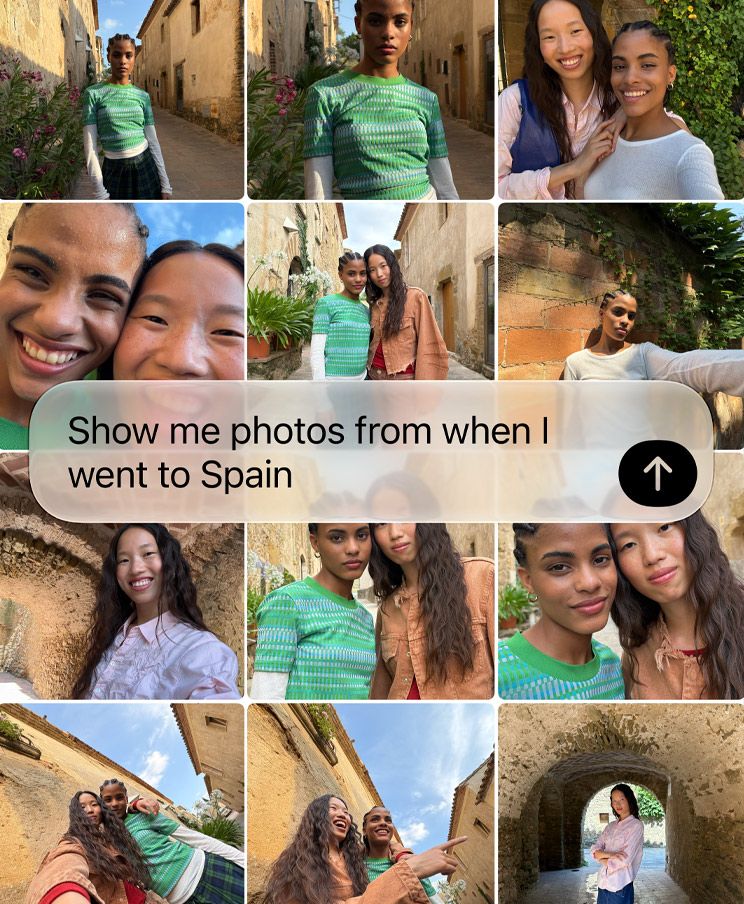
Siri is finally getting good. It is still in beta, and it is certainly not the most intelligent assistant around. But it now understands far more of what is on your screen and across your messages, emails and photos, which makes it much more useful than the old version that was confused by anything more complicated than setting a timer. Say I am writing a piece on documentaries. I can ask Siri how a particular one was received and what the top reviews are saying, and it comes back with a useful answer without my having to leave what I am doing. That is a small task, but it is exactly the kind of thing the old Siri would have given up on.
It may not beat ChatGPT or Gemini for raw intelligence, but it has one advantage they do not: your iPhone. With Apple's privacy-first pitch, you also feel a little less paranoid about what it knows.
Cameras: More Pro Than Ever
The cameras are where the "behaves new" part becomes most obvious, although Apple has not simply slapped bigger numbers on the camera bump. All three rear cameras remain 48MP, and the ultra-wide and telephoto are largely carried over from the 17 Pro generation.
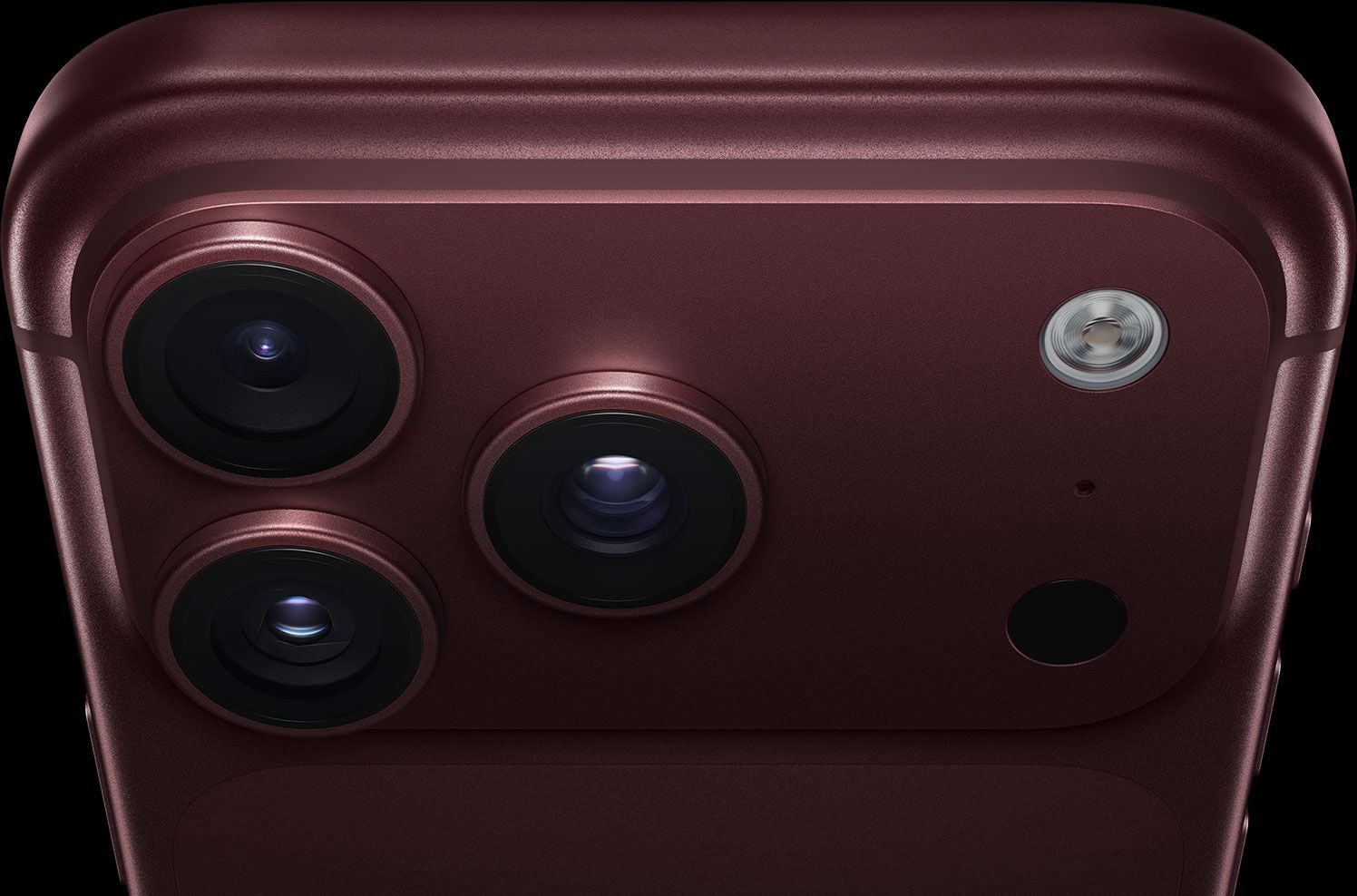
The significant change is the main camera, which now has a physical variable aperture that moves between f/1.48, f/1.8, f/2.8 and f/4 inside Apple's Camera app. Aperture control on a phone is hardly revolutionary, and on sensors this small the difference between settings is nowhere near as dramatic as on a mirrorless camera. But that almost misses the point. Open the aperture, and you get more light and slightly more natural subject separation. Stop it down and more of the scene stays in focus. The real gain is control, especially in low light. The new Pro Controls push that further by bringing aperture, shutter speed and white balance into the stock app, so you no longer need a third-party one.
The improvement over last year is subtle rather than dramatic. What impressed me, repeatedly, was how restrained Apple's processing has become. One photograph of my cat, taken indoors under warm artificial light with deep shadows and a television glowing behind her, contains almost everything that normally sends smartphone HDR into a nervous breakdown. Yet the iPhone does not try to turn the room into noon. The fur keeps its texture, the warmth of the light stays intact, and the television does not become one giant white rectangle. It feels like the phone is showing you what you actually saw, rather than immediately trying to improve it.

I would not oversell this. Apple's processing is still doing plenty in the background, and nobody should pretend an iPhone photograph is untouched. But it is lighter-handed. Some Android flagships can produce more instantly dramatic, social-media-ready photographs, but they make a lot of decisions on your behalf, including how warm, how sharp and how much AI should intervene. The iPhone leaves more of that judgement to you, which keeps you engaged with taking photographs in the first place. In an increasingly AI-assisted world, I appreciate that.

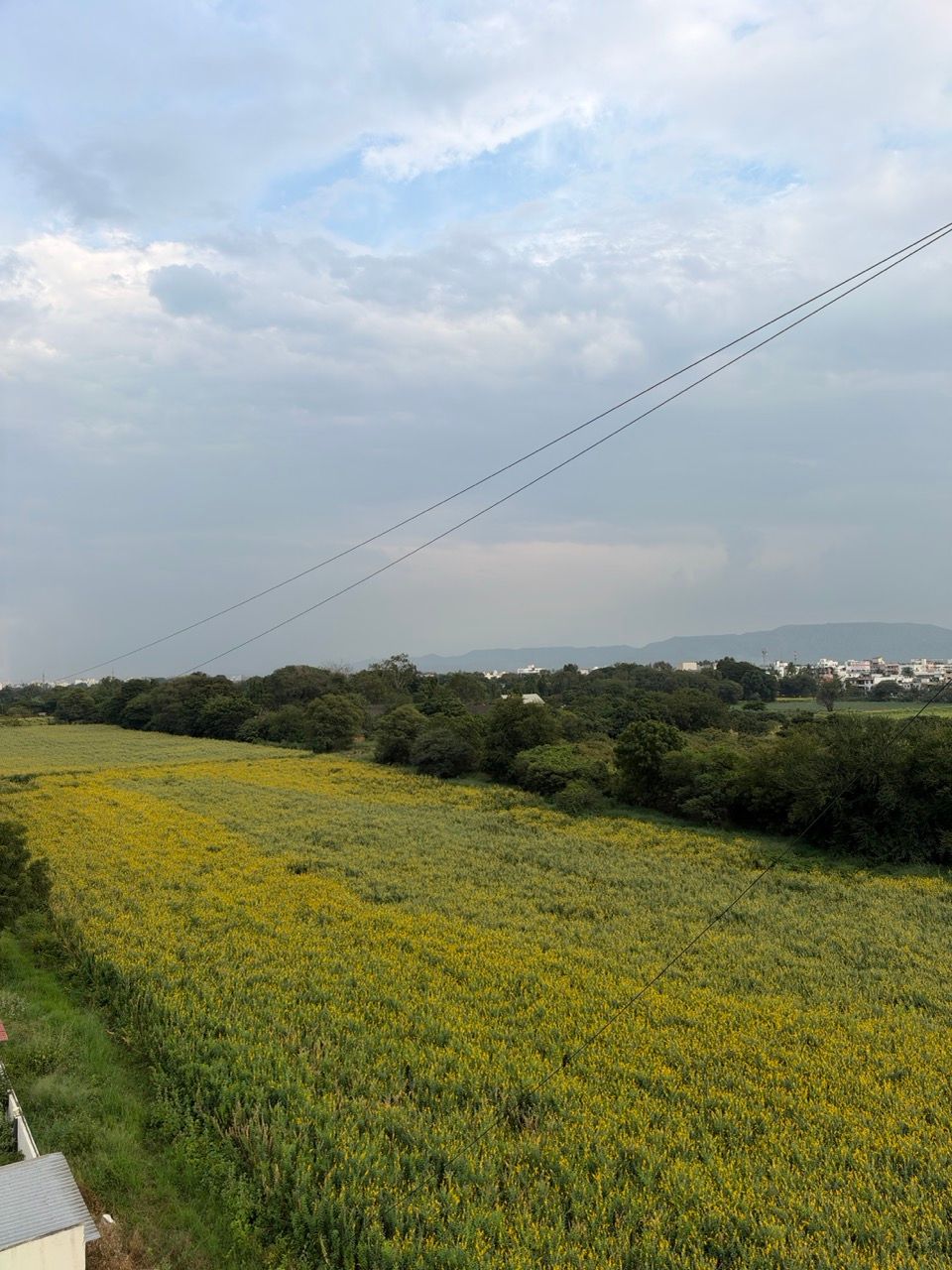
The same restraint shows up elsewhere. Buildings under heavy rain clouds keep detail in both the dark architecture and the bright sky, and a field of yellow flowers keeps its greens, yellows and blues distinct without turning into a saturation demo.
My favourite, though, is a sunset where the foreground is allowed to stay dark. Smartphone photography has spent years obsessing over recovering every shadow, sometimes until a dramatic sunset looks like it happened at four in the afternoon. Here the iPhone lets darkness be darkness while preserving the golden gradient, the cloud detail and the little pockets of orange above the horizon. Sometimes good processing is about what the phone chooses not to do.
There are limits. The ultra-wide has not taken the same leap, and the 4x telephoto is very good rather than transformative. If you shoot almost exclusively in Auto, I doubt you will scroll through your library six months from now and know which photos came from which phone. Start playing with aperture, exposure and Pro Controls, though, and Apple rewards you for knowing what you are doing.
Battery And Charging
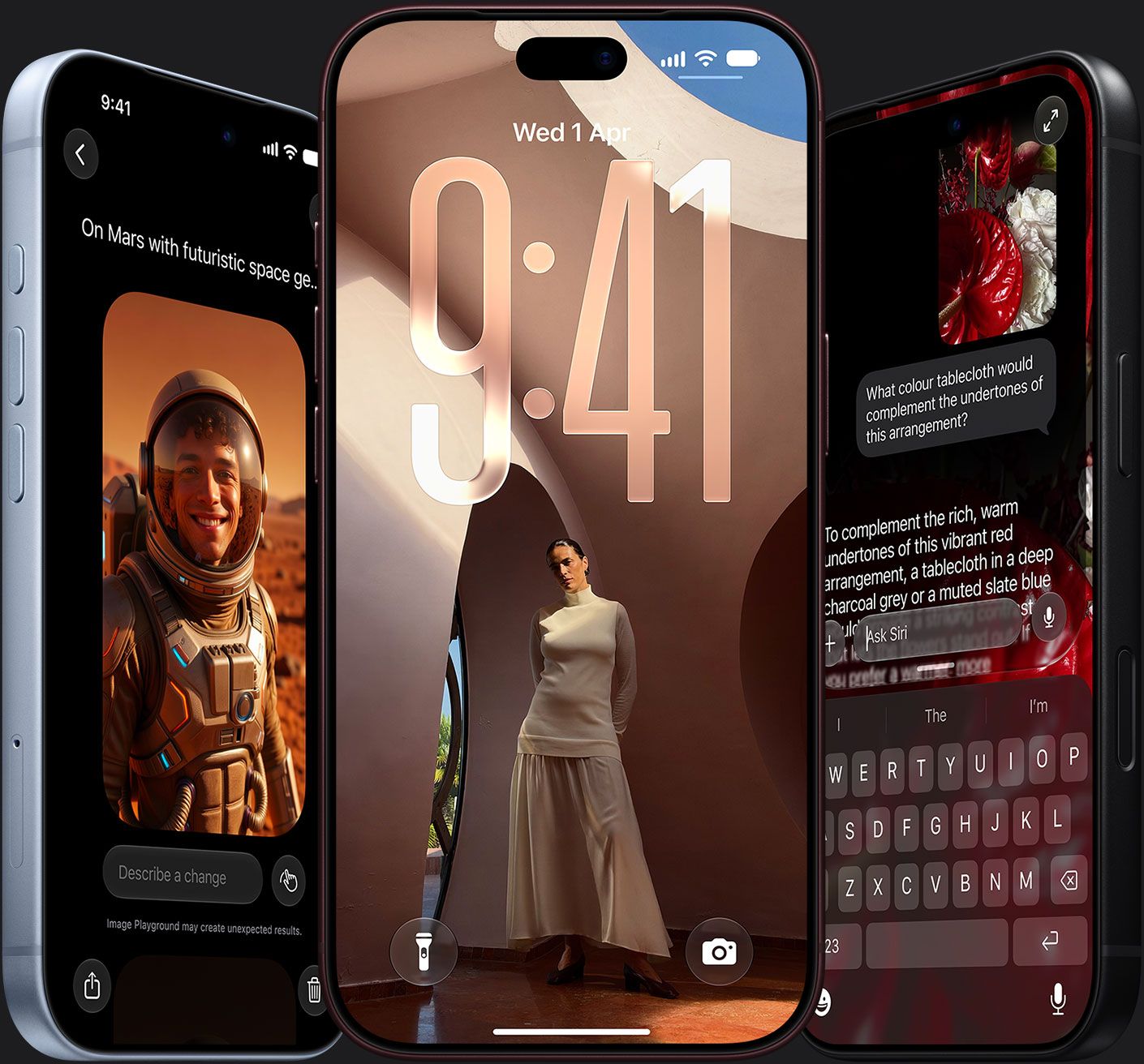
Battery life is excellent, although the improvement is sensible rather than spectacular. It comfortably lasts all day, and the clearest proof came during two days of travel. Navigation, photos, calls, social media and streaming were all on the menu, and I am the kind of person who checks the battery percentage far too often. So I hid it, mostly to curb my own anxiety. To my surprise, the bar barely moved at all, and I never once felt the urge to go looking for a charger.
Charging is the more noticeable change. Wired charging now goes up to 60W with a compatible adapter, which Apple still does not include in the box. It won't terrify the absurdly fast charging on some Android phones, but fifteen minutes plugged in while I shower, get dressed or realise I am already late puts back enough power to matter.
The weight starts making more sense too. It is heavy enough to announce itself every time you pick it up, but when that buys this kind of endurance, I think of it less as a design flaw and more as a fair trade.
Verdict
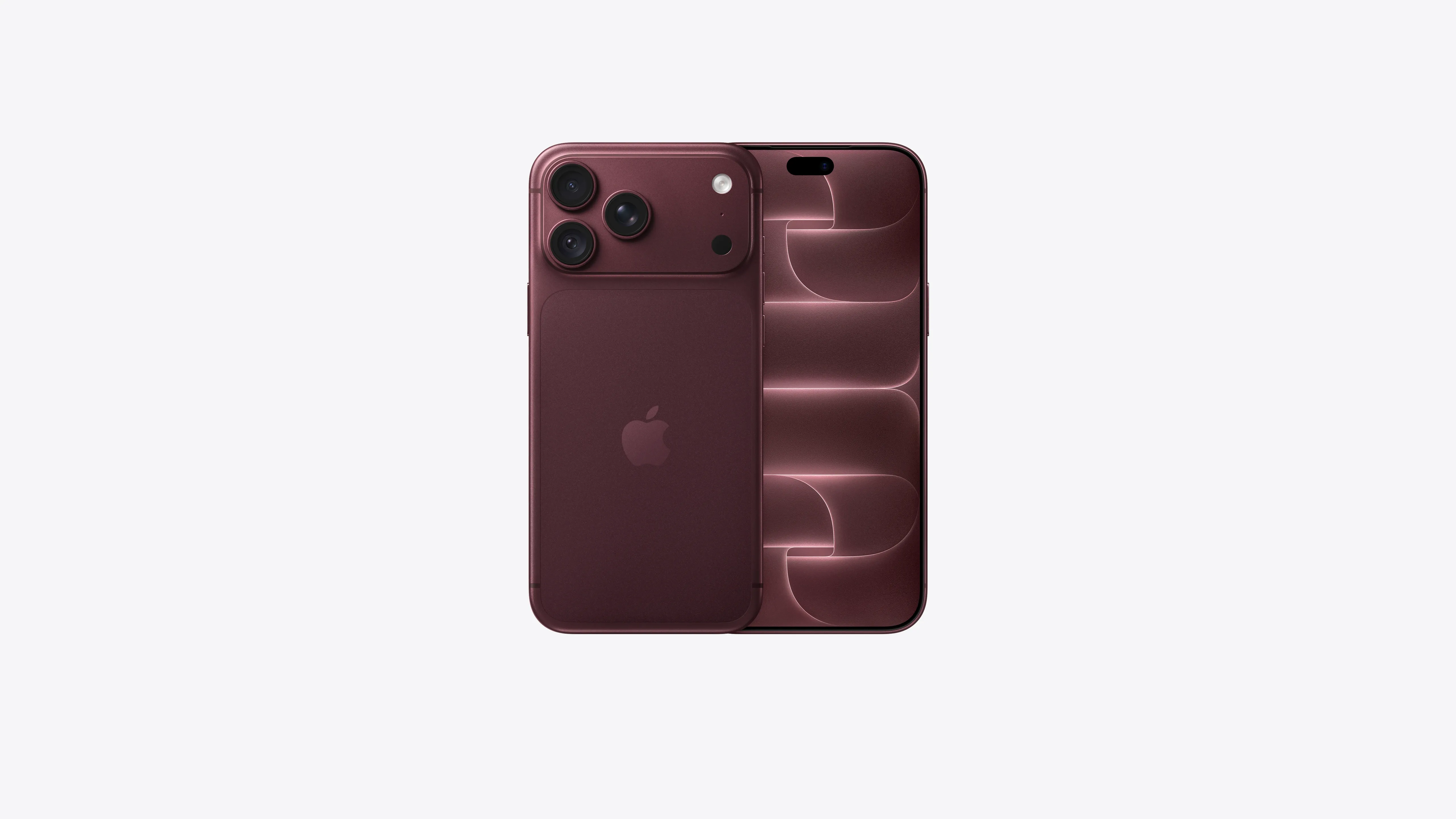
The iPhone 18 Pro Max starts at ₹1,79,900.
The problem is that flagship pricing has become absurd almost everywhere. Once you are already shopping at this end of the market, the question becomes less about whether any of these phones are objectively worth the money and more about what you want back for spending it.
But if you are going to spend this much anyway, you might as well buy the iPhone. Why? For me, what I want back is trust. As a reviewer, I go through more than a dozen phones a year, which should mean moving my SIM card every few weeks and properly living with whatever happens to be on my desk. I have not done that for years, because the phone carrying my actual SIM also carries my banking apps, documents, family finances, photographs, passwords and a disturbing amount of my life I have probably forgotten I entrusted to it. I am not saying Android phones are inherently less secure, because that would be unfair.
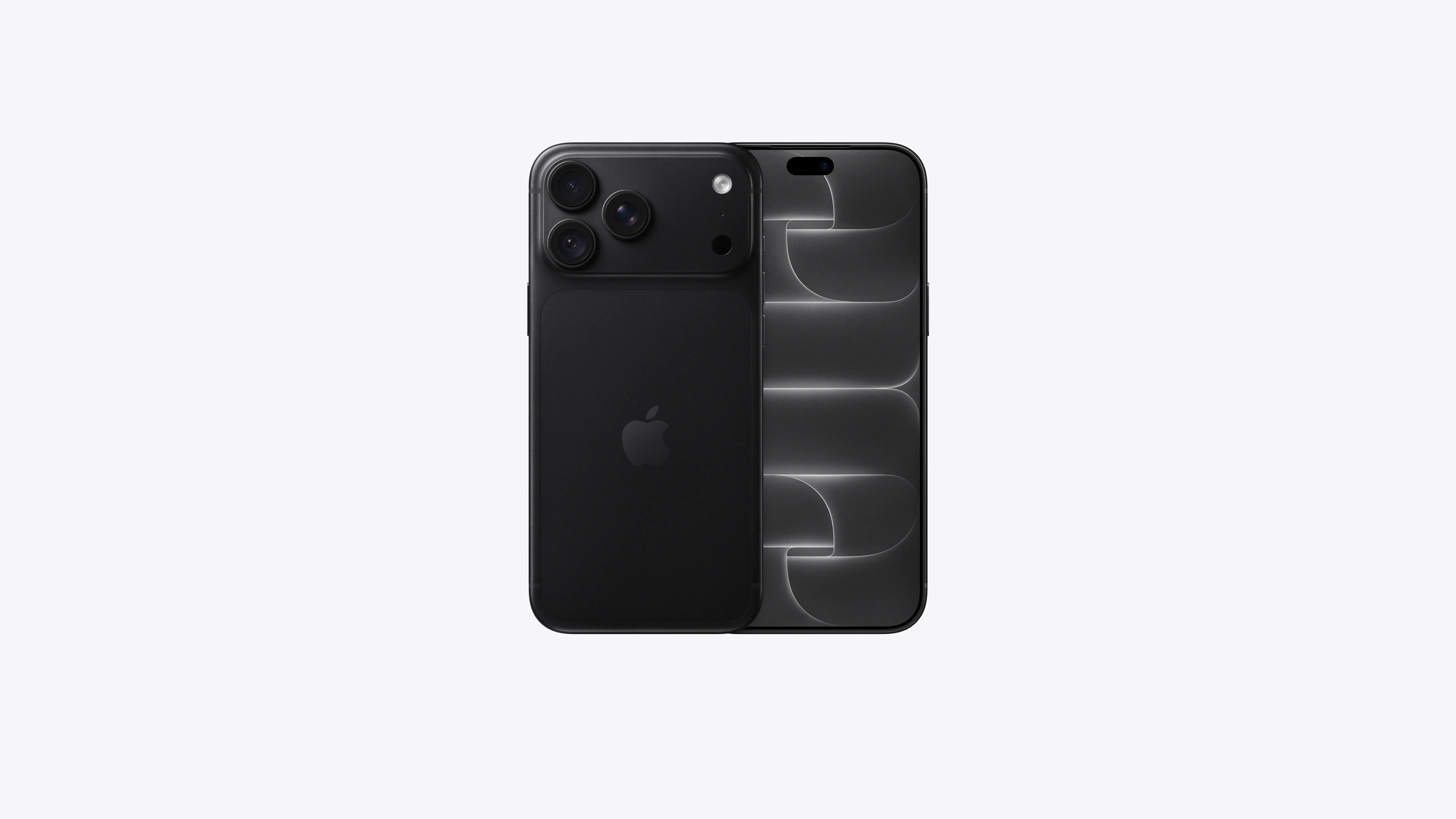
I simply trust the iPhone more with that part of my life. Some of that comes from the ecosystem, some from familiarity, and a lot of it from repetition. Moving from one iPhone to another has become so uneventful that it is almost boring, and while boring is normally an insult in a technology review, it is a wonderful quality in the device carrying the important infrastructure of your life. The 18 Pro Max does not tear up the formula. Apple just keeps finding ways to make a formula I already depend on a little harder to leave.
That is why, as a buyer, I would still choose the iPhone 18 Pro Max. As a reviewer, though, I am already looking elsewhere in Apple's own line-up. The 18 Pro Max is the phone I can stop thinking about, which is exactly its appeal. The iPhone Duo is the one I cannot. From the glimpses I have had, it feels like Apple is taking the familiarity of the iPhone and finally allowing itself to get properly weird again. Whether it can give me the same assurance while being far more exciting is another question entirely. The Duo is the phone I want to write about, but the 18 Pro Max is the one I would trust with my SIM.


