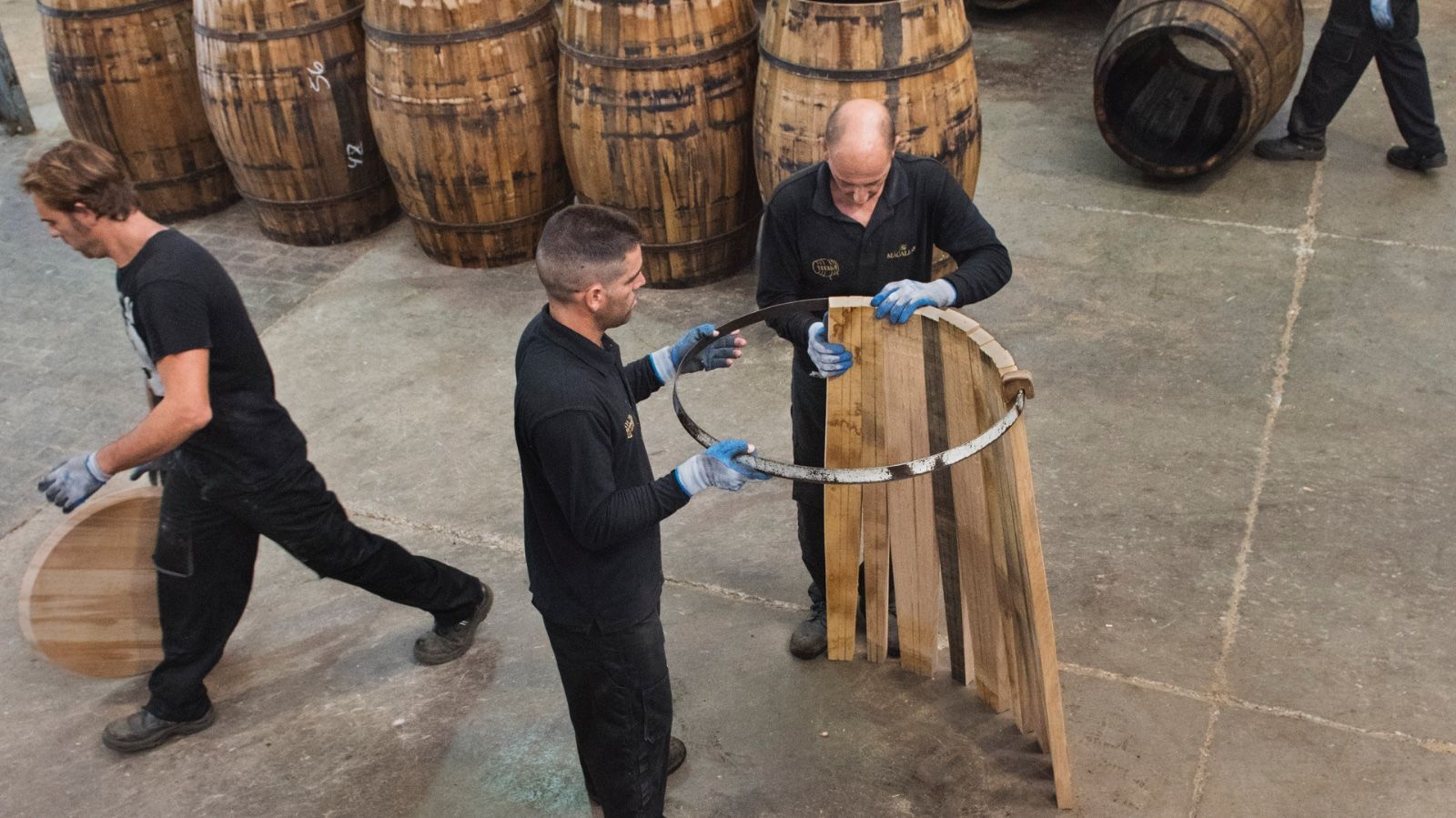
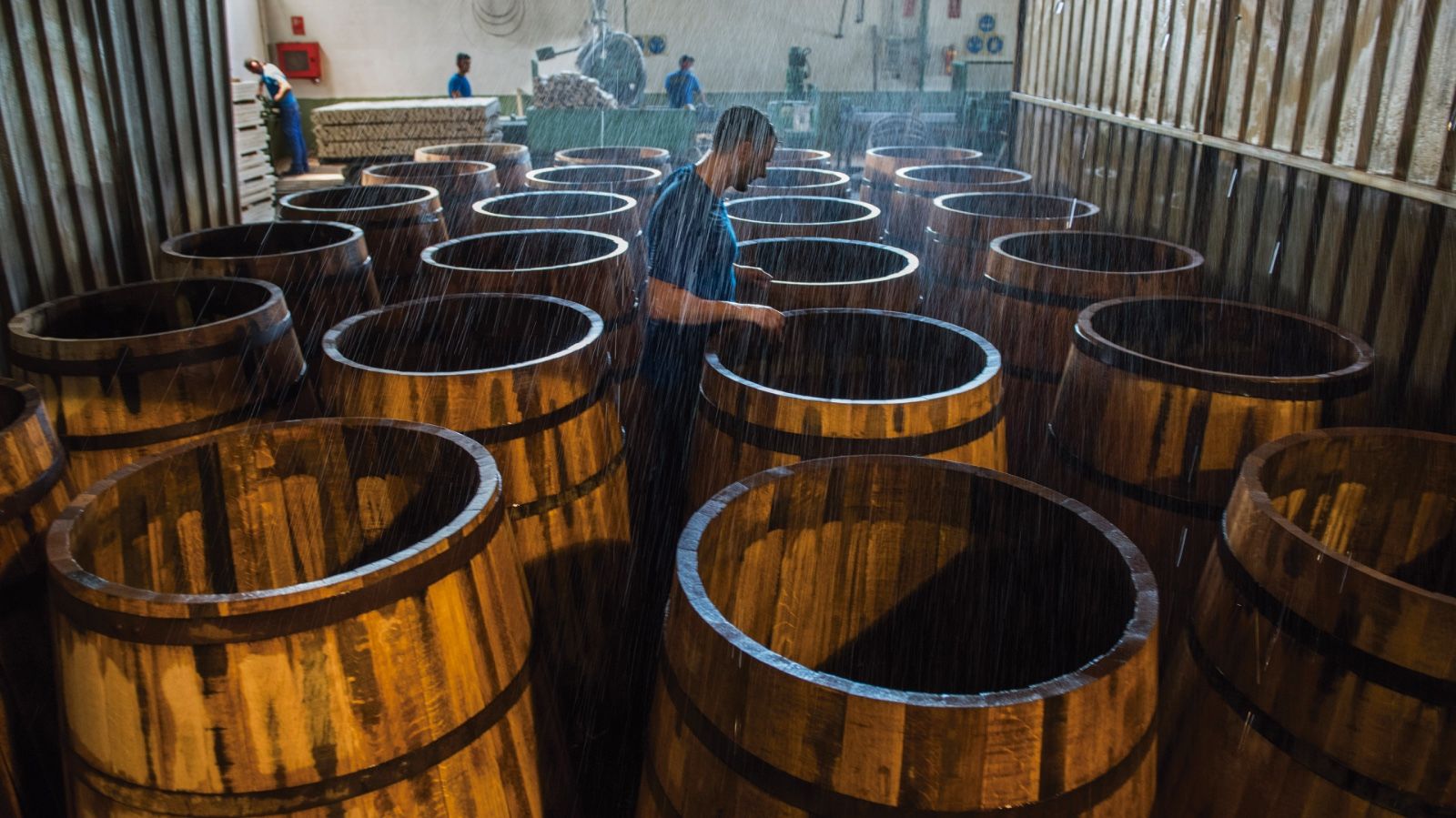
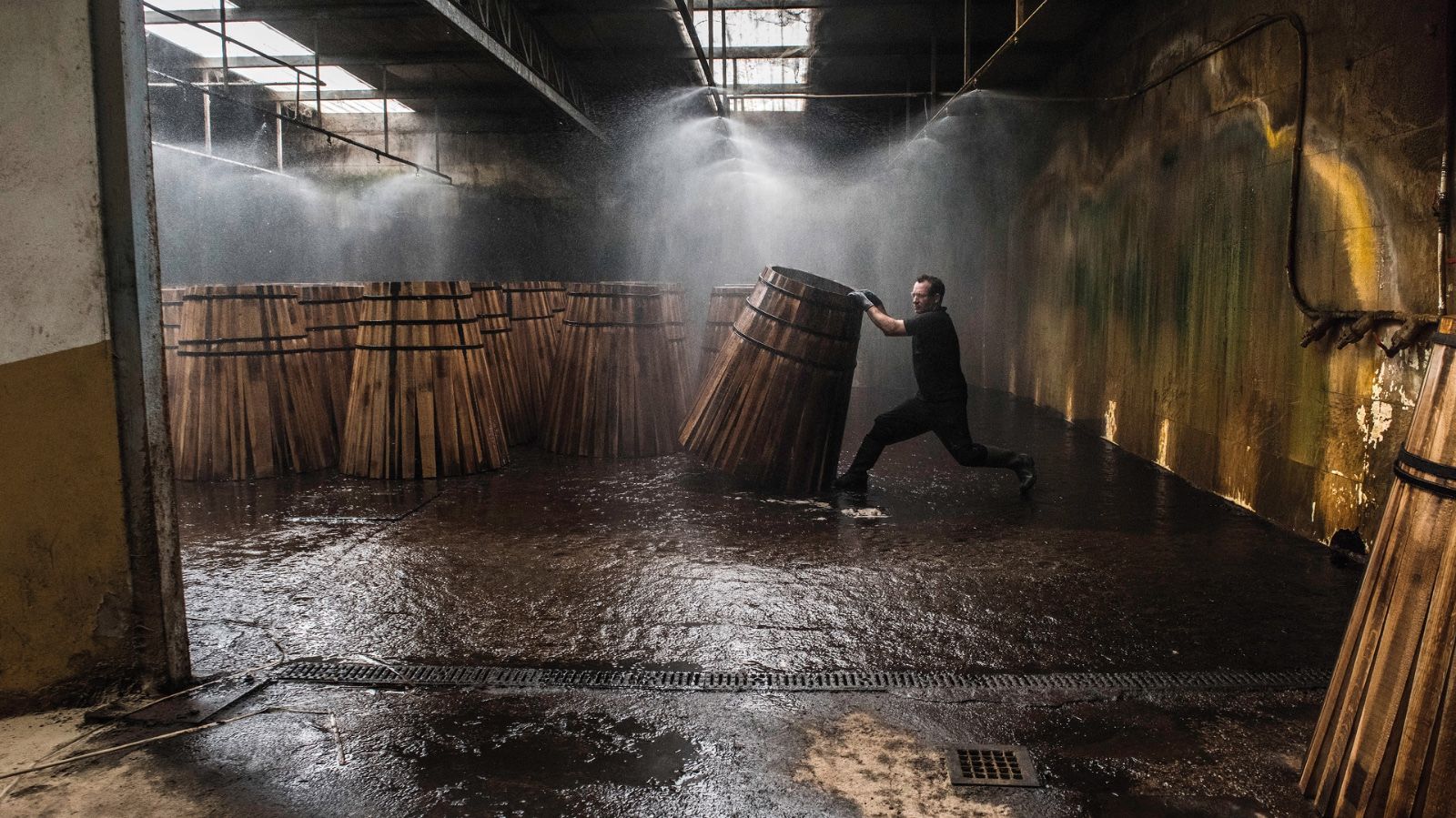
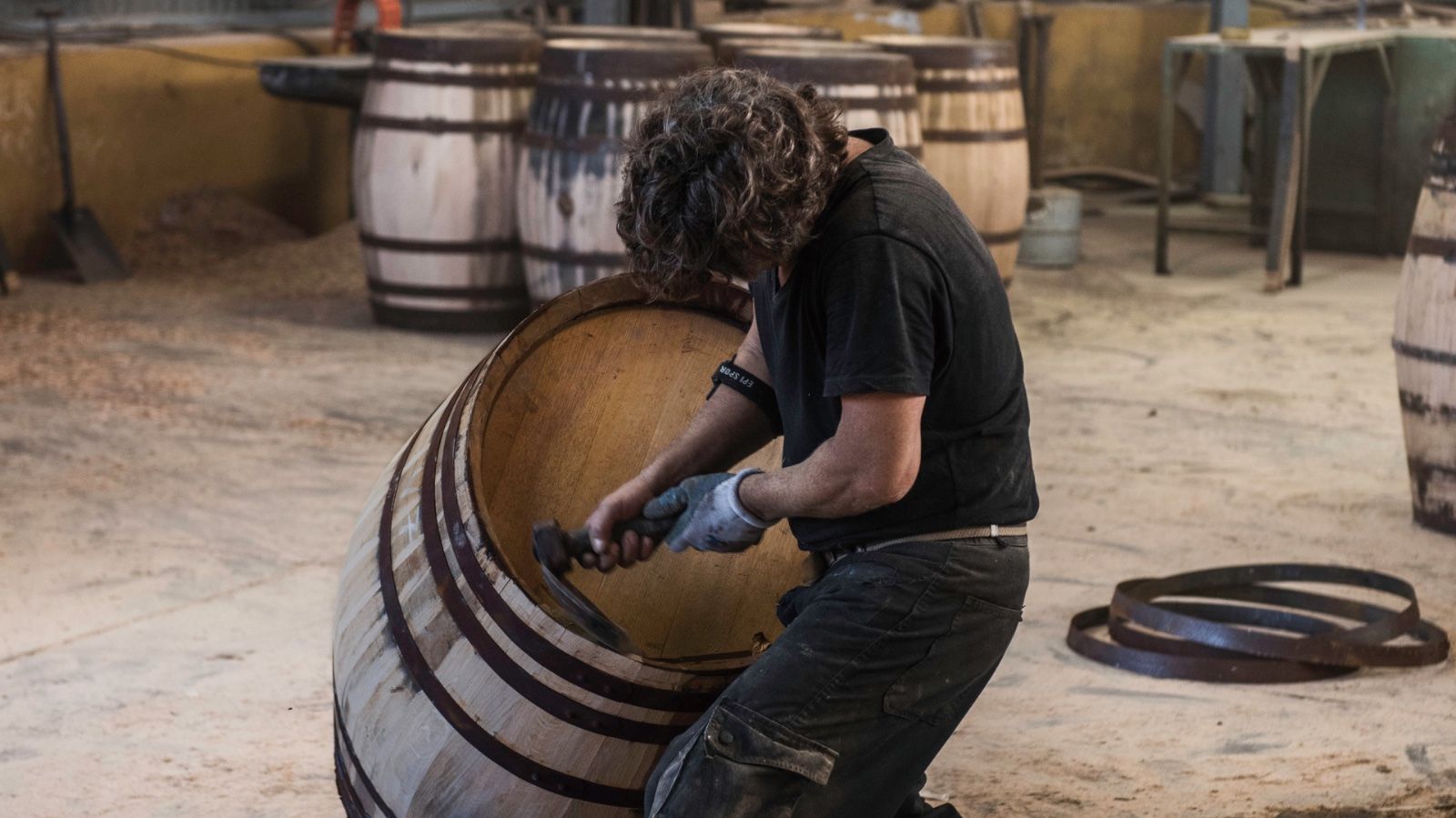
The two men don't look at each other. One holds the hoop steady while the other reaches into a stack of staves, no two the same width, and picks one without a pause. It drops into the last gap in the ring as if the gap had been cut to order. Steel on oak, no nails, no adhesive, just heat and pressure and the same motion passed down through however many pairs of hands in this family. I learn later that they’re brothers as I watch them finish one cask in the time it takes me to write two lines of notes.
I came to Jerez de la Frontera for a whisky story. I left with a wine story, and the turn came inside the Tevasa cooperage, which the Edrington group, The Macallan's parent company, now half owns.
Where The Flavour Lives
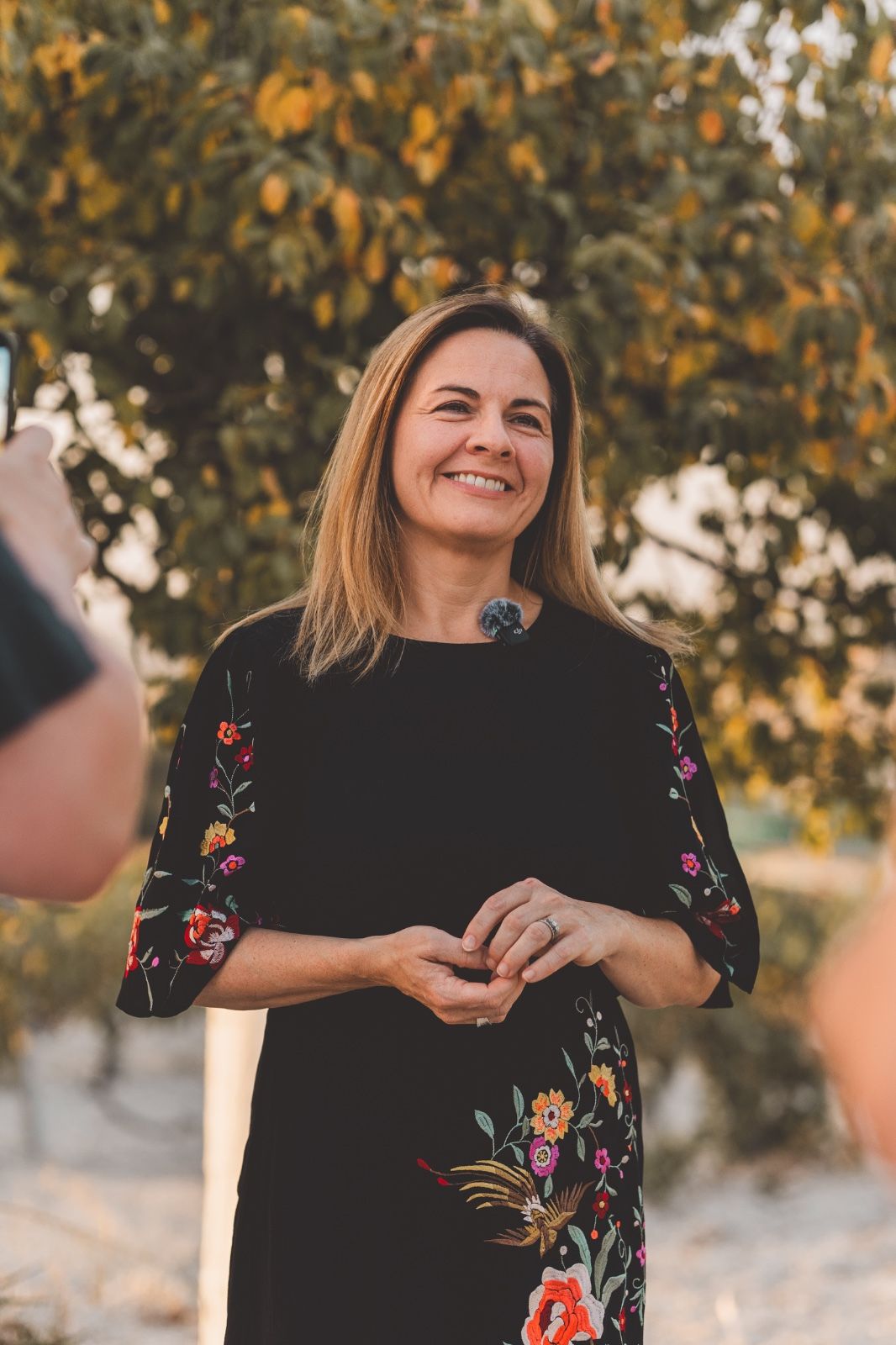
But here's the number that people repeat so often it stops registering. The whisky takes all of its colour from the cask, and an estimated 80 percent of its flavour. Not the barley. Not the water. Not even the stills everyone assumes are doing the heavy lifting. The wood. Jane Graham, who runs cask operations for The Macallan, puts it plainly: "The cask is giving us all of the colour and 80 percent of the flavour. If we don't have the best casks, we don't have the best whisky, and that's non-negotiable."
Which means the real story of a bottle on a bar shelf in Speyside begins more than two thousand kilometressouth, in a Spanish town most whisky drinkers couldn't place on a map, doing something that has nothing to do with whisky at all.
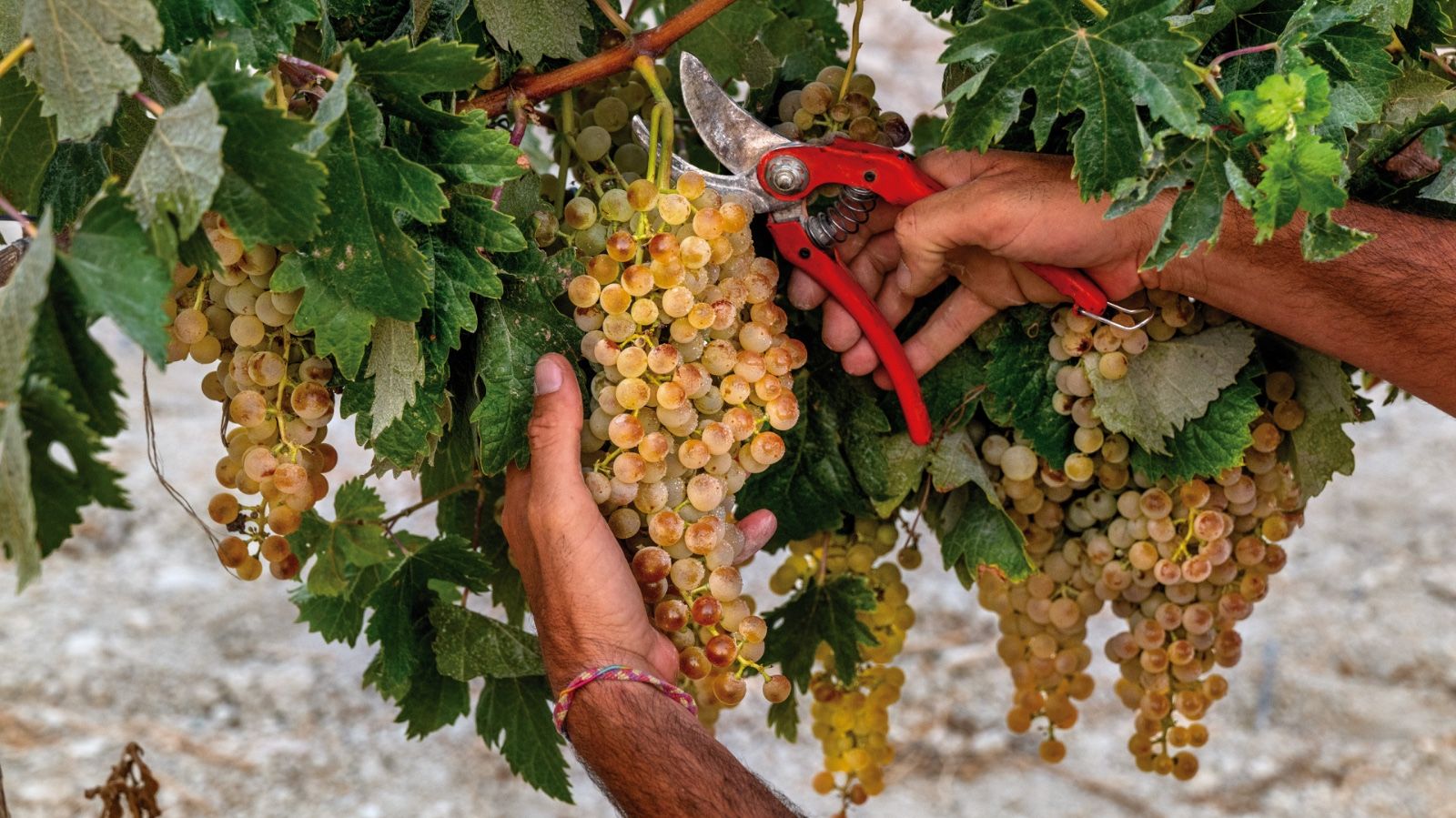
That something is sherry, which deserves thirty seconds here, because it is the most misunderstood liquid behind any bar. It's a fortified wine where grape spirit is added during production, pushing the alcohol content well past a normal wine's and letting it age in barrel for years without spoiling. It's made almost exclusively in a small triangle of southern Spain, Jerez de la Frontera, El Puerto de Santa María and Sanlúcar de Barrameda. The soil underneath has its own name, albariza, pale and chalky, crumbling between your fingers like it's been ground on purpose. Every style of sherry, from the palest fino to the darkest oloroso, comes from one grape, Palomino. Ageing does the rest, which Graham says surprised her most: "It's got a lot more in common with single malt than I'd even realised."
The Science Of Patience
The wine itself never touches the whisky. What The Macallan wants isn't the sherry. It's the barrel that held it. Once a cask has spent months soaking in sherry, usually oloroso, the wine is removed and the cask, soaked through with flavour, ships north to be filled with whisky instead. The process is called cask seasoning, and it is the single biggest reason a Macallan tastes like a Macallan rather than anything else on the shelf beside it. Most distilleries borrow the idea with ex-bourbon barrels. Whereas, The Macallan matures fully in sherry casks, and by Graham's numbers, at current prices, it spends thirteen times more on each one than a competitor spends on a bourbon barrel.
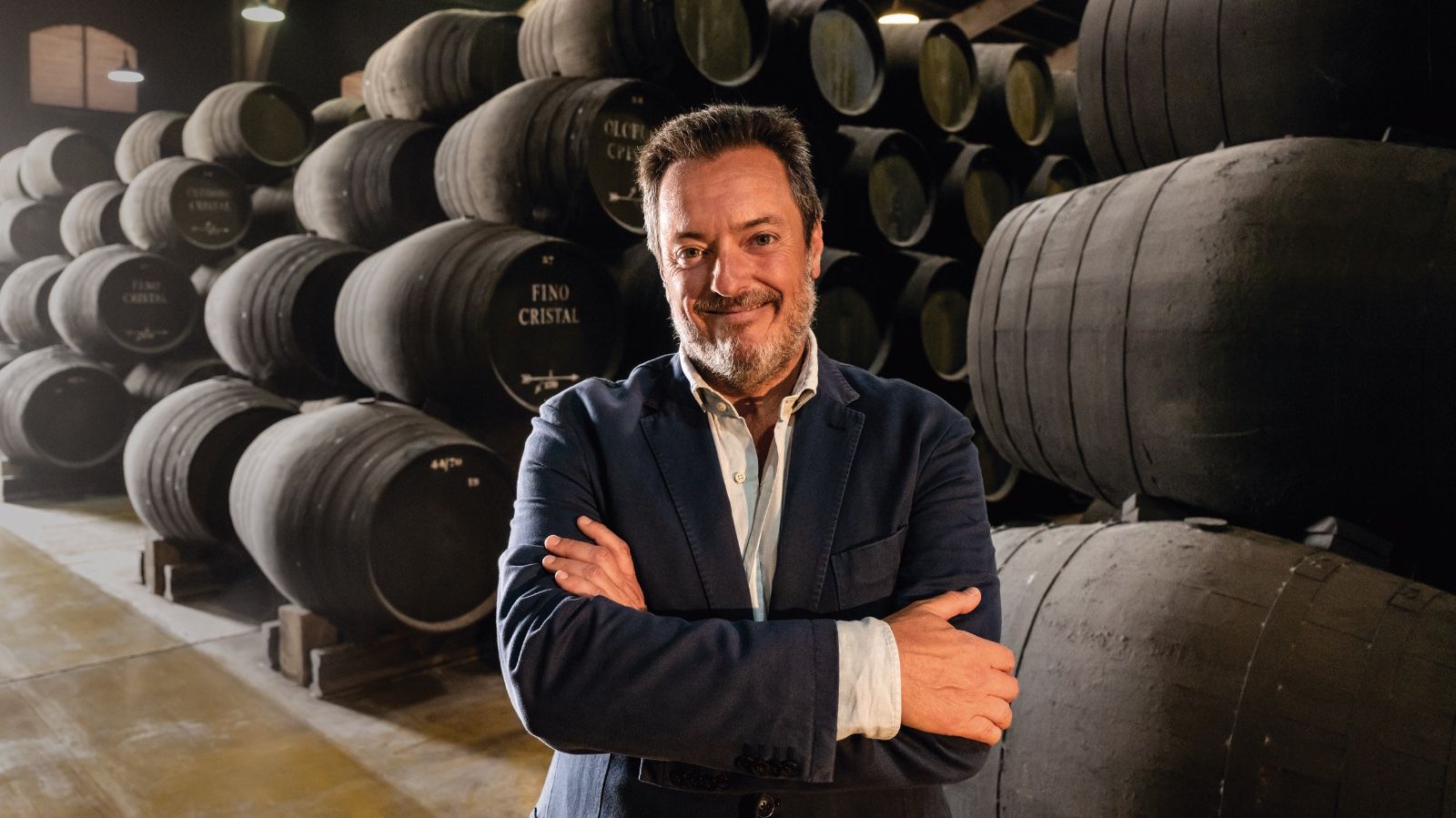
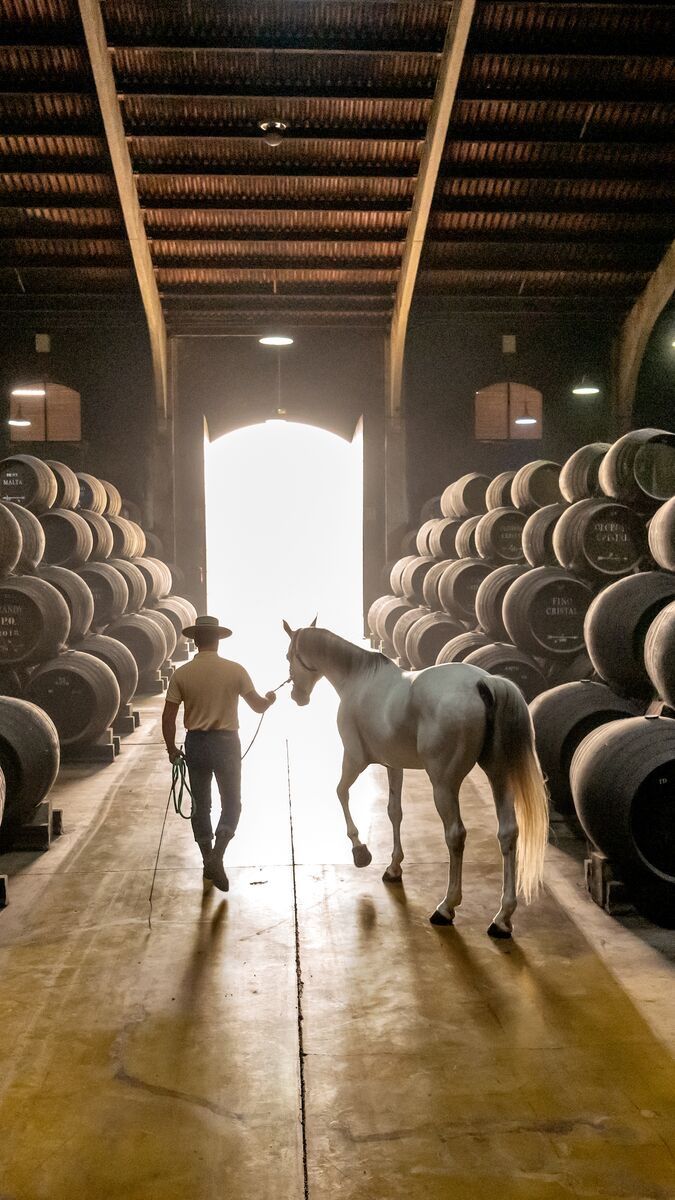
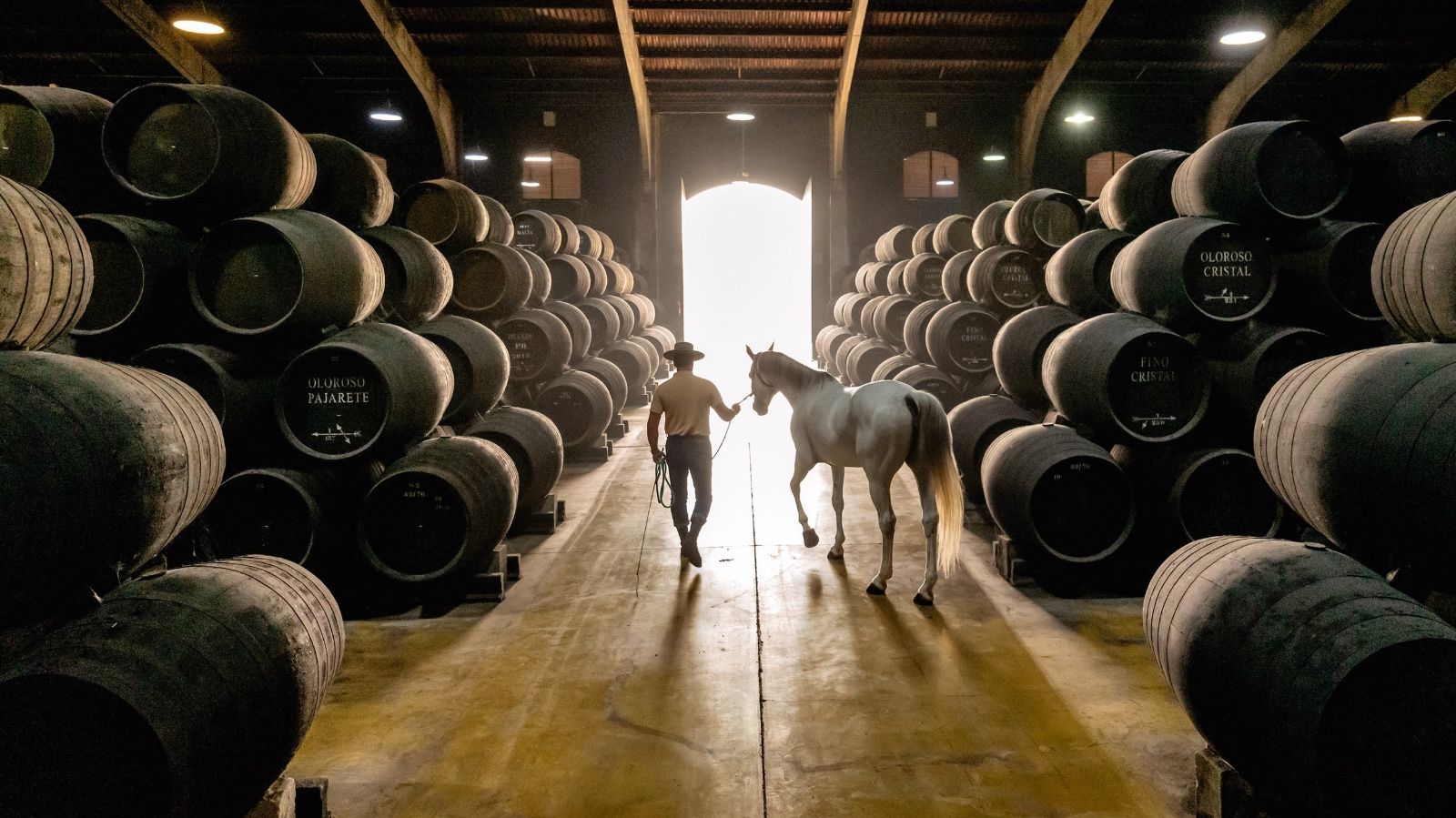
Graham and I talked inside the Valdespino bodega, the Spanish word for a wine cellar. The house dates to 1264. Walking through it felt less like touring a supply chain and more like wandering into a quiet cathedral built entirely out of barrels. Casks stacked four-five high in places, three deep, thousands upon thousands. Only 200 of them are Macallan's seasoning casks, the first ones filled with fino after the deal. The rest belong to Valdespino's own solera, the old system of blended ageing, and Macallan keeps its hands off it. Most of the seasoning happens in other bodegas around Jerez, including warehouses that came with the cooperage deal, and new ones are going up rather than crowd this one.
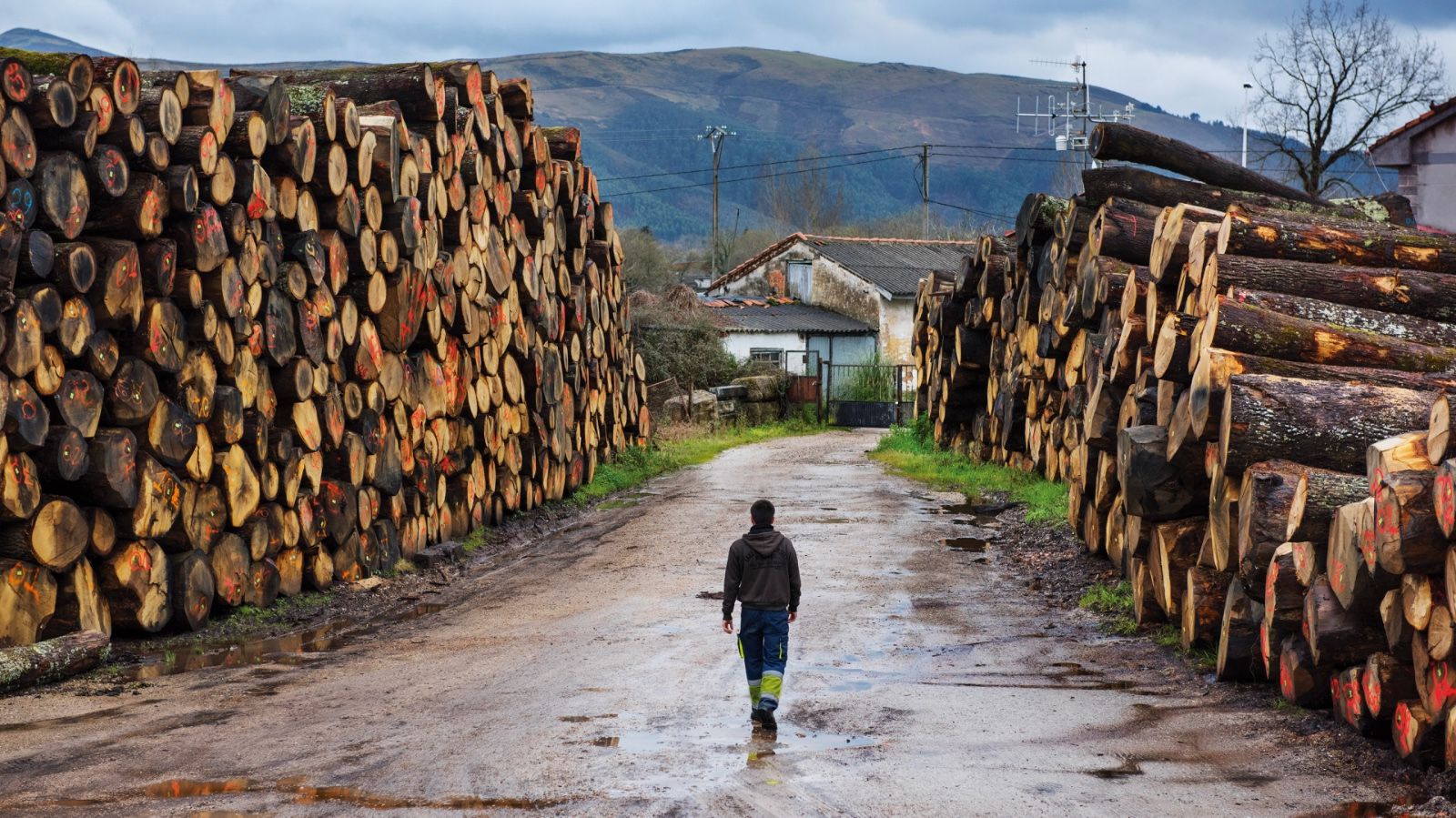
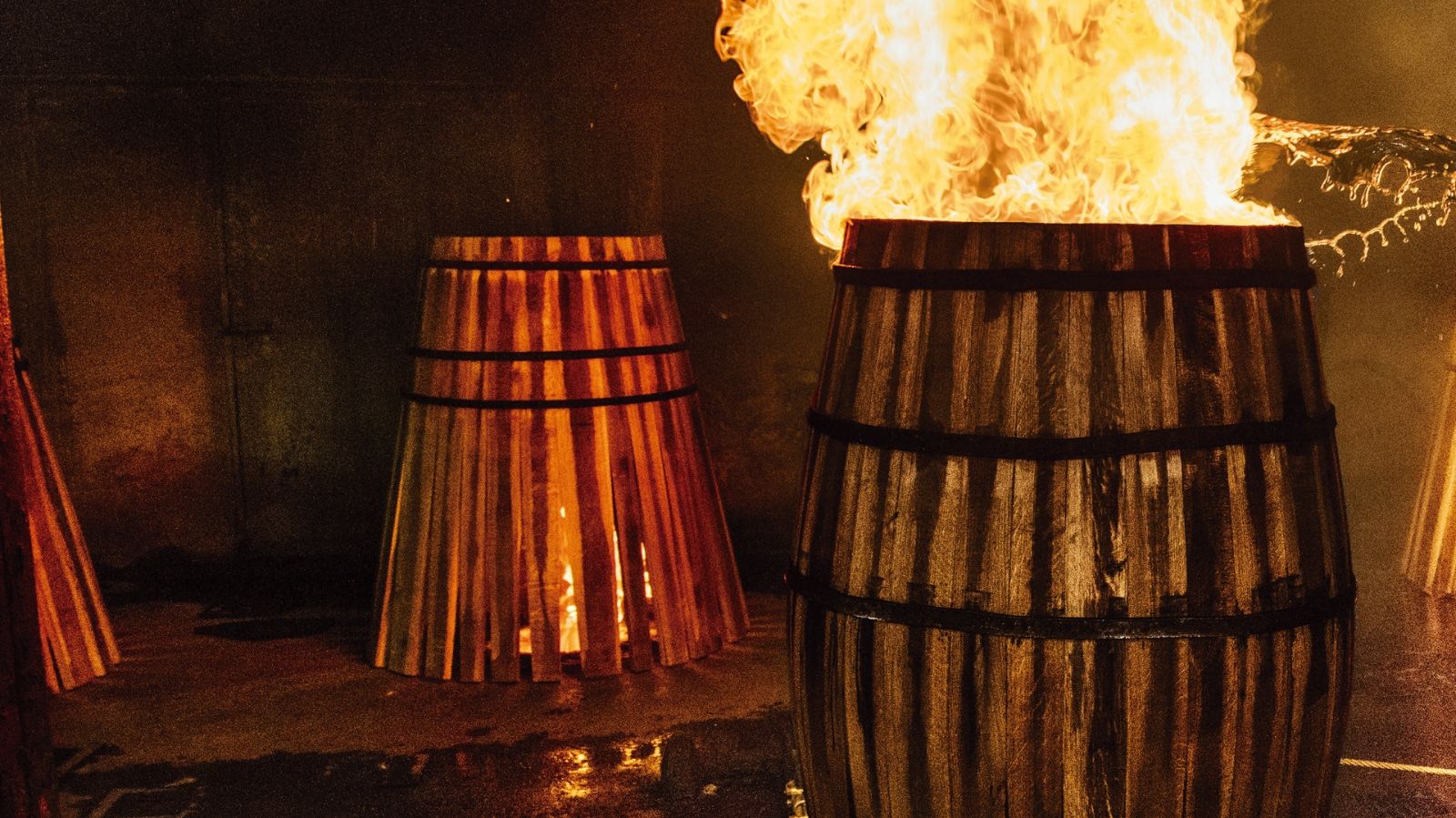
Before any seasoning can begin, the cask has to exist, and Graham walks me through a five-year process that starts when someone chooses an oak tree and ends when a cask is ready for new-make spirit. The tree can'tbe cut the way furniture wood is. It has to be quarter-sawn, with the grain, or the cask leaks, and a Macallan cask has to hold for twelve, eighteen, thirty years. The staves then dry naturally at the sawmill before they ever meet the cooperage's fire, because Macallan's own research says forced drying costs colour and quality. Nothing is wasted. The offcuts fuel the toasting fires I watched burning that morning.
Rescuing The Craft
All of that patience ends up in the hands of two brothers. Their father worked in the same cooperage and has retired, and Graham tells me there have been three generations of one family on the floor at the same time. "Every stave is different because it's cut to maximise the tree," she says, "and they're always left with one little gap, and they perfectly select a stave and slot it in. I've never seen them make a mistake with that." She doesn't think AI could do it. "We don't need AI because those two guys can do it perfectly."
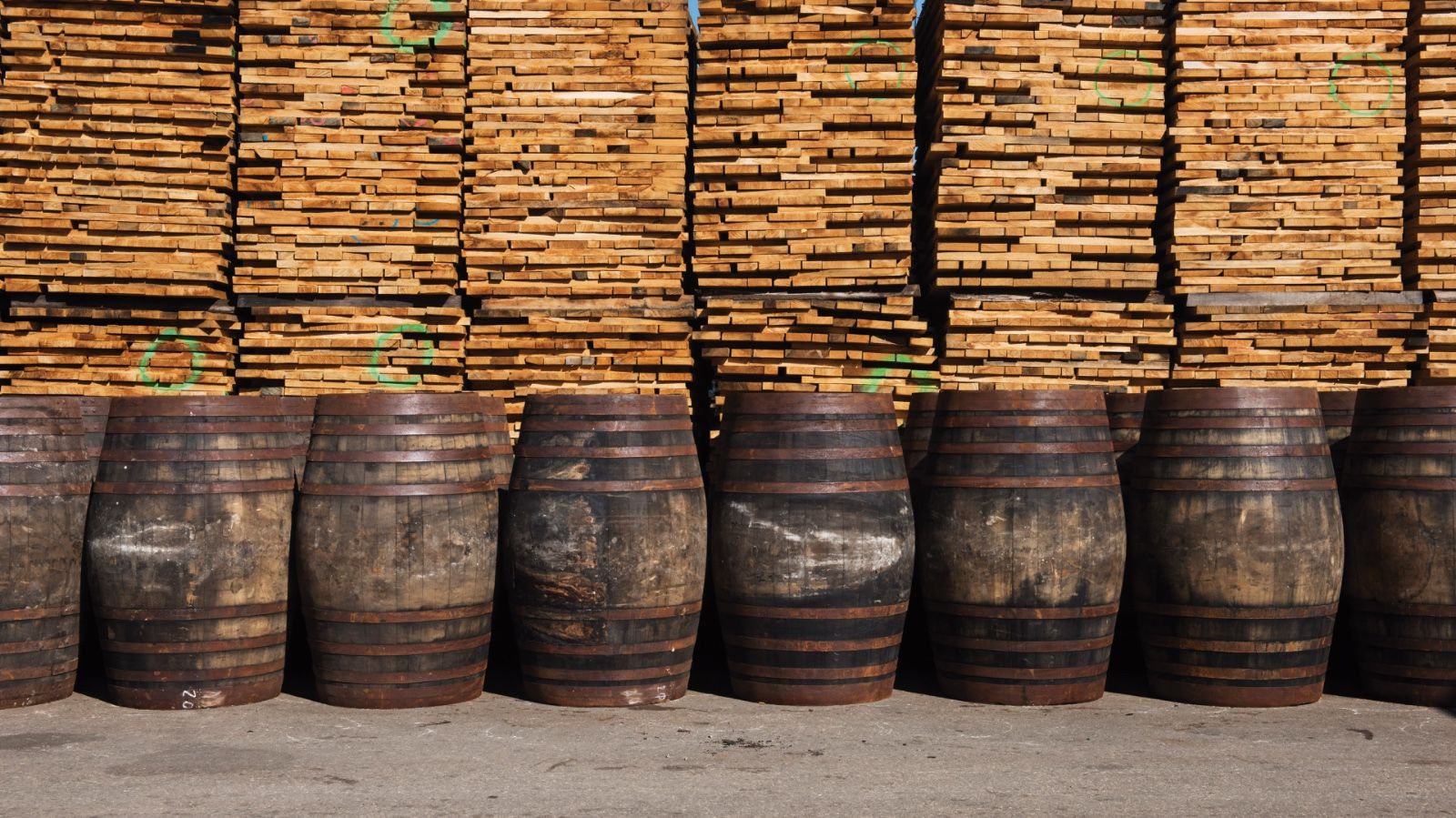
I'd have written that you cannot buy a trade like that, that you can only inherit it. Graham's version is harder. Both long-time cooperages in Jerez were family businesses that had reached a generation with no one left to hand them to. "Our concern was actually all of it," she says, "that whole process of taking natural wood and using only water, heat and fire to turn it into a watertight vessel that can last 200 years. All of that would disappear if we didn't preserve it." You can't learn it at a college, she adds. You learn it on the floor, beside someone who already knows.
Beyond The Casks
So when Edrington came shopping in Spain, it was buying more than casks. In 2023, The Macallan's parent company Edrington bought a 50 percent stake in Bodegas Grupo Estévez, the family group behind Valdespino, and a year later a similar stake in Tevasa Forestal Group, the operation that sources the oak and builds the casks. Both deals left the other half with the founding families. The business case was supply. Good sherry casks are scarce, and a long supply chain breaks in dull ways: a bad harvest, short oak, a fire at a partner's cooperage. "We would rather face into those challenges by operating our own supply chain," Graham says, "rather than just being the customer at the end of the supply chain that has to take the hit."
The relationship wasn't new. Tevasa had built casks for Macallan for more than forty years. Valdespino was different, a sherry house that had never seasoned casks for anyone until Macallan came calling. One deal was a courtship and the other was a rescue, and both left the families running their own floors.
Northbound To The Spey
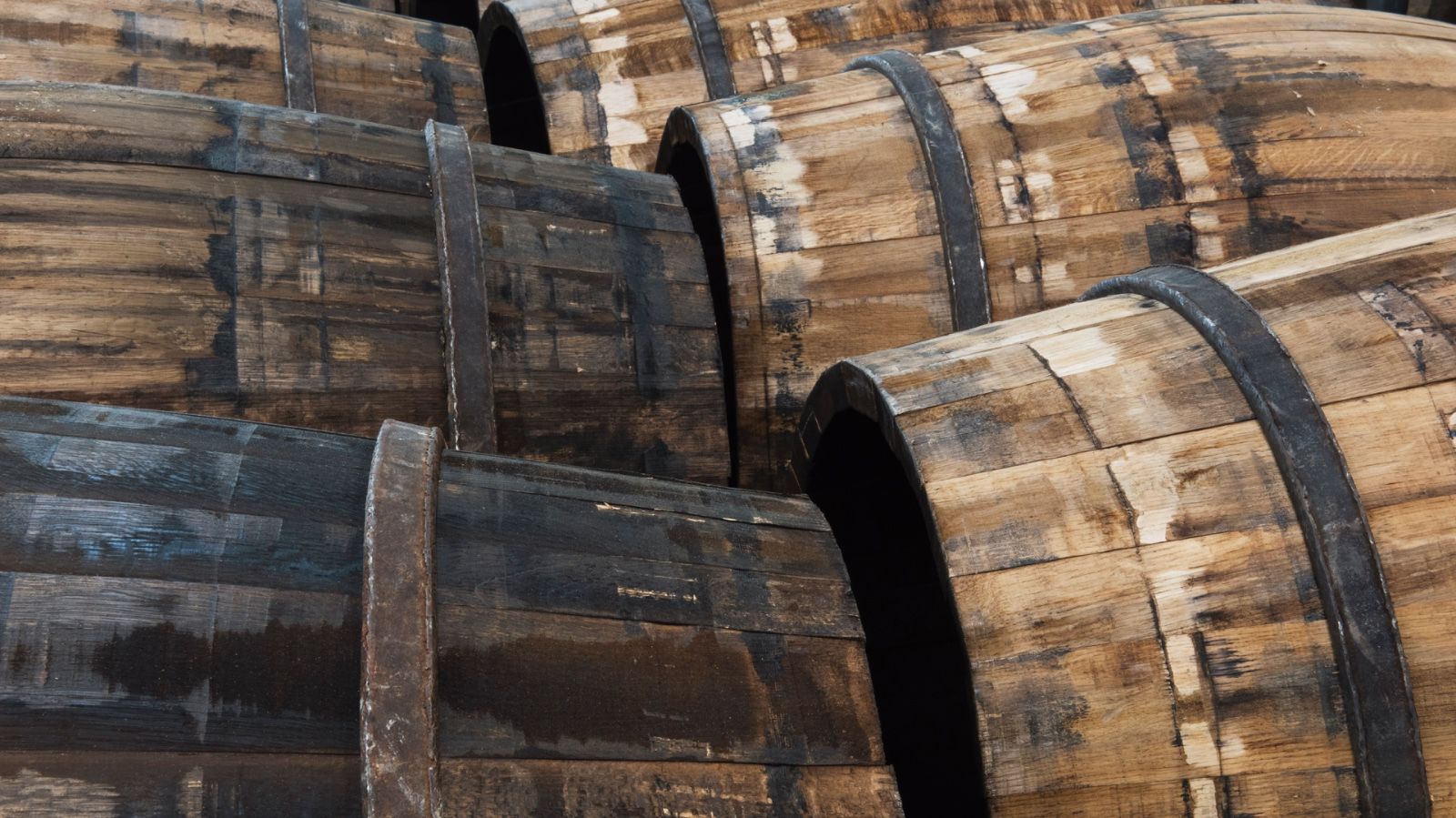
I didn't make it to Speyside on this trip, so I won't pretend I watched the final chapter. But I watched the second to last one. Casks loaded onto a truck outside the bodega, sherry-soaked and ready, bound north for a distillery on the banks of the River Spey, where most of them will spend the next decade quietly disappearing into the spirit.
Graham knows she won't see how it ends. "If I'm sourcing an oak tree today, it's five years before I put whisky in it, and then Macallan matures that for 12, 18, 30 years," she says. "I probably won't be sitting here by the time that goes in a bottle. Everything I'm doing down here is really for the next generation." Her next project is easing the physical strain on the coopers, the heavy hammer and the shoulders, so the people with this skill can keep doing it for longer.
Somewhere up in Scotland, spirit and wood will finally meet, and everything I watched happen in the Andalusian heat that week will show up as a colour, a smell, a few seconds on someone's palate. They'll have no idea of the compressed history lesson I witnessed. Two countries. One grape variety. A soil most drinkers will never hear named. And at least three generations of hands in Jerez that never touched a drop of the whisky they made possible.


