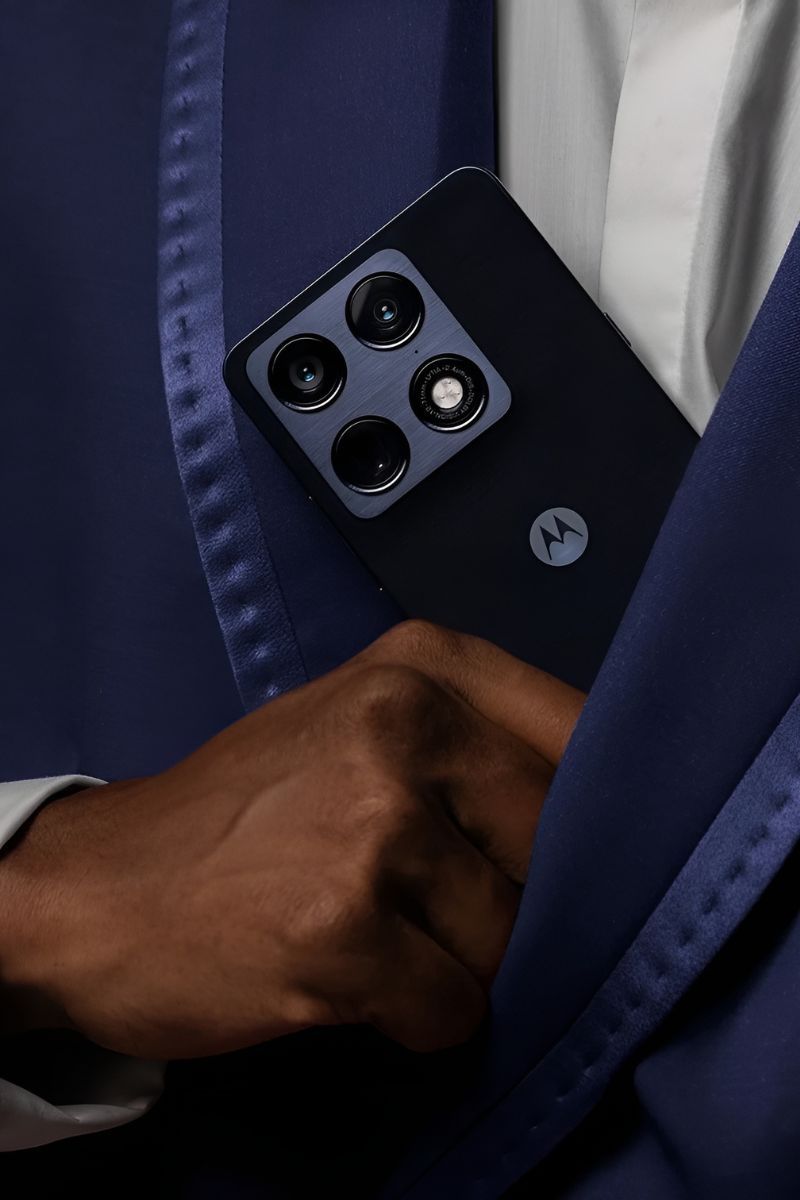

Phones today exist in a strange contradiction. Most resemble indistinguishable prison-soap slabs, devoid of colour or character but reliably competent. Others sprint to the opposite extreme, folding, swivelling, sliding and bending themselves into engineering gymnastics, often at the cost of things that actually matter, like the camera, the display, or basic durability.
Then there’s the Motorola Signature, sitting somewhere in the middle of this tug-of-war. It tries to balance the sensible reliability of the former with the experimental ambition of the latter. Sometimes it absolutely nails that balancing act. And sometimes it fumbles in ways that are frankly a little bizarre.
The Signature Aspect
At one point during my testing period, I found myself lying face-down, half-naked in one of Pune’s premier spas while a masseuse worked through a deep tissue massage. In between repeatedly asking if the pressure was okay, I had a strange thought: how exactly was I going to explain to a friend later that evening that I’d just had an expensive massage to review a smartphone?
This isn’t a gimmick. The Motorola Signature comes with something called the Signature Club, a concierge service that helps you with anything from dinner reservations to booking a massage at a fancy spa in your city you didn’t even know about.
Of course, I pushed it a bit further. I asked the supposedly 24x7 concierge agent to book me a pit ticket for a Kanye concert in New Delhi. That’s something you could easily do yourself through the official ticketing app, so it didn’t exactly feel like a stress test.
Time for something harder. Next, I asked the agent to find golf lessons across courses in Pune and send me the pricing details. A few hours later, an email from the Signature Club landed in my inbox. It wasn’t a vague reply either. The concierge had put together a detailed breakdown of golf options across Pune, including green fees at the Poona Club, driving range sessions at Oxford Golf Resort, simulator practice at iGolf, and even rough membership estimates for some of the city’s more exclusive courses.
What’s noteworthy, though, is that Motorola covers the first service worth up to ₹6,000. Which, incidentally, is how I found myself getting that massage in the first place.
The service itself is free for the first year. After that, Motorola hasn’t announced pricing yet. When asked, the company said the subscription is still being finalised, but will be offered at what it calls a “very compelling price” for users who want to continue using the service.
Size Almost Zero
Coming to the phone itself, it’s difficult not to be impressed the moment you unwrap it, even if the unboxing experience itself is rather underwhelming. Do better here, Motorola.
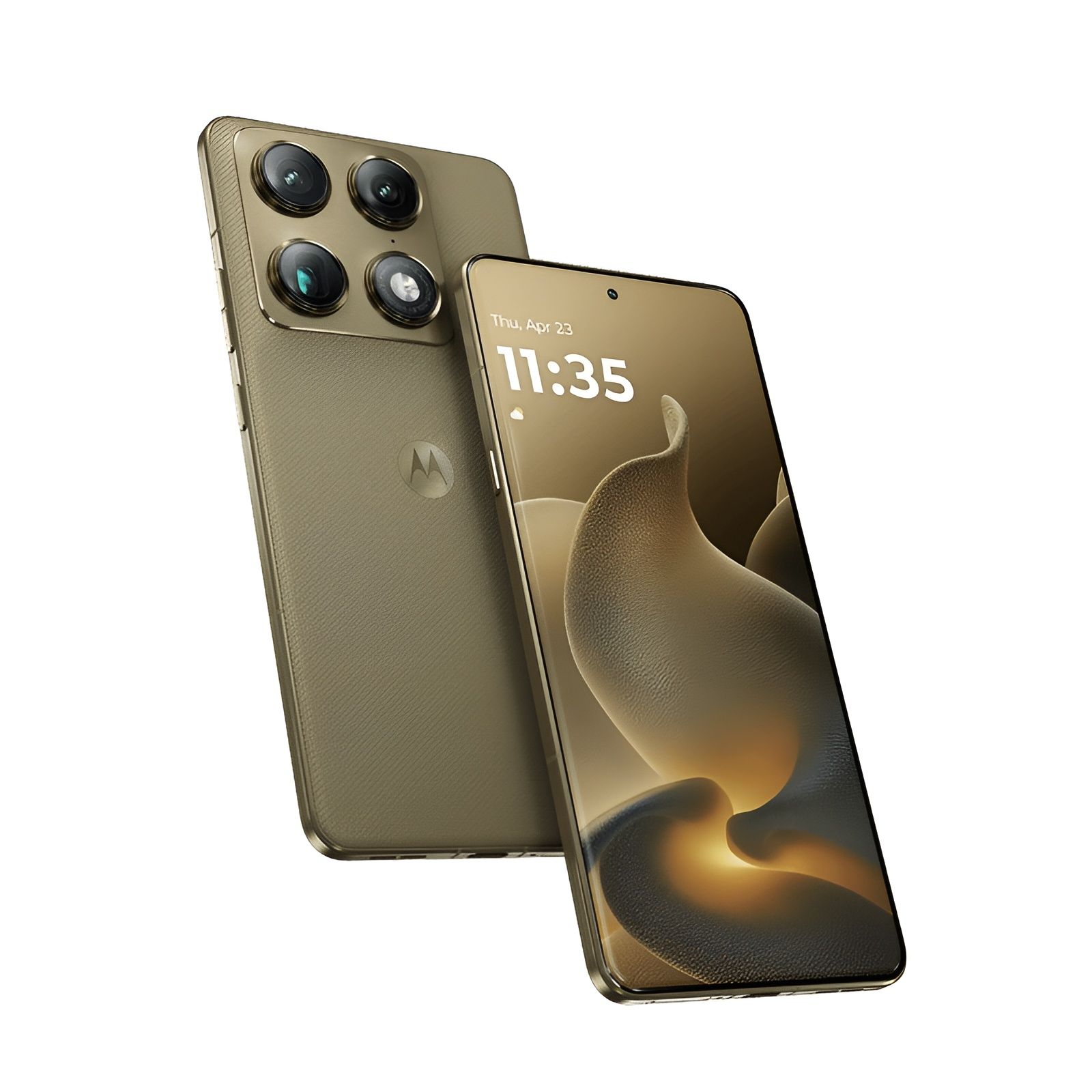
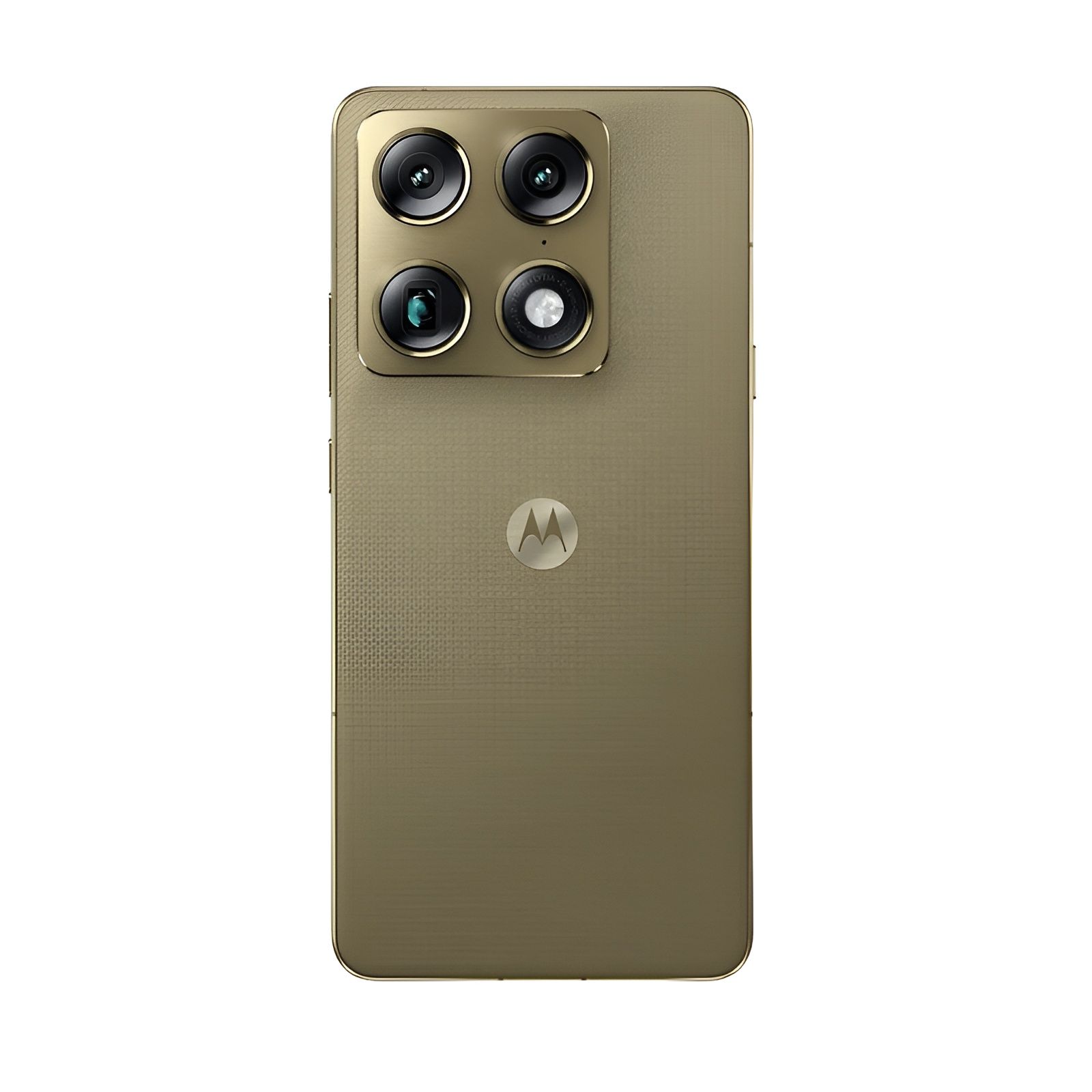
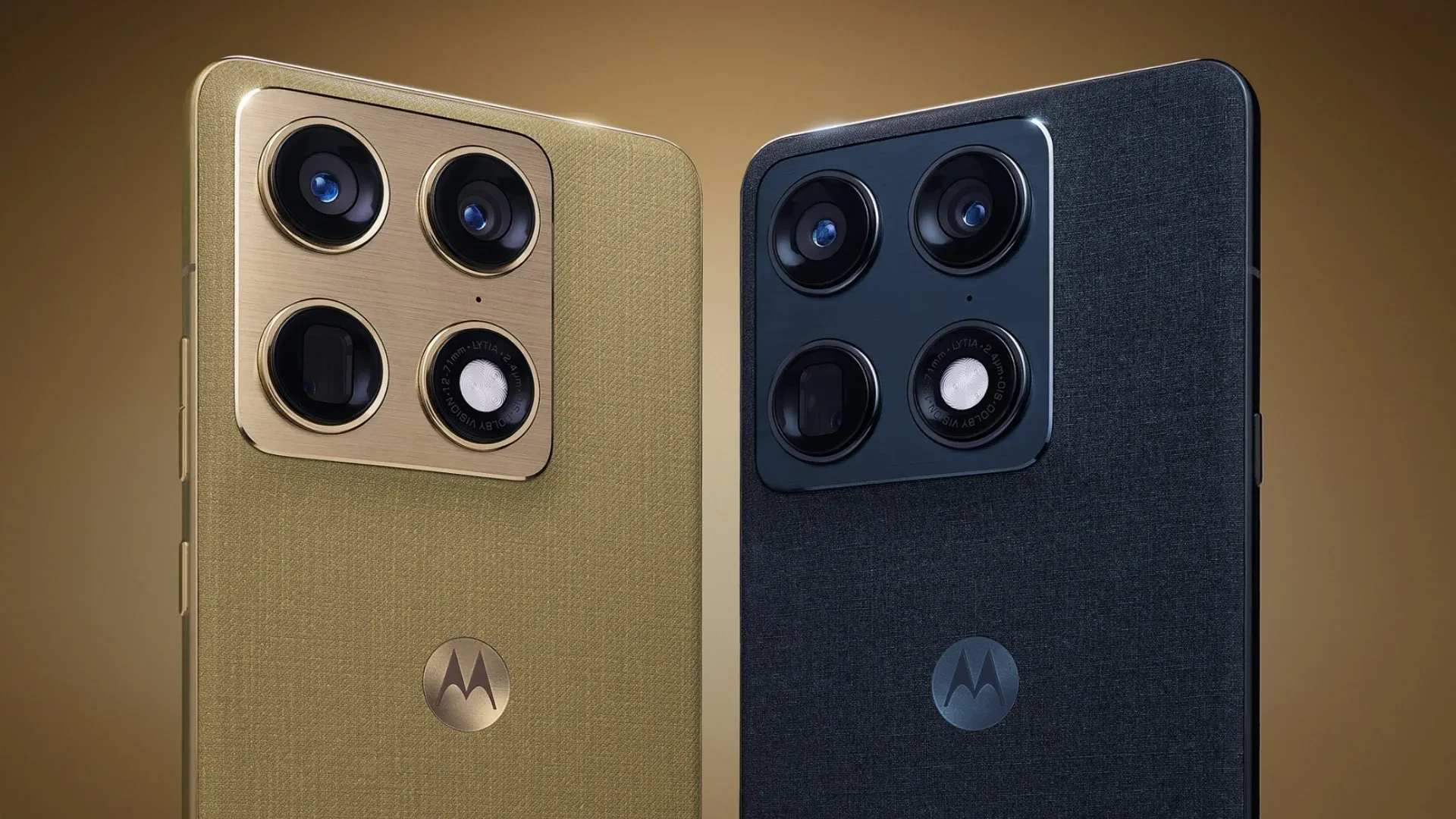
My review unit arrived in Pantone-curated Martini Olive (Gold), finished in a textured, twill-like weave that feels surprisingly grippy in hand. It looks luxurious too. That said, your eyes are immediately drawn to the rather large square camera island at the back, which houses a triple-camera setup: a 50-megapixel primary sensor with an f/1.6 aperture, a 50-megapixel periscope telephoto, and a 50-megapixel ultra-wide lens.
Now, on paper, that may sound slightly underwhelming when you consider the 200-megapixel monsters floating around in this price range. But the Motorola Signature’s real flex is how thin it is.
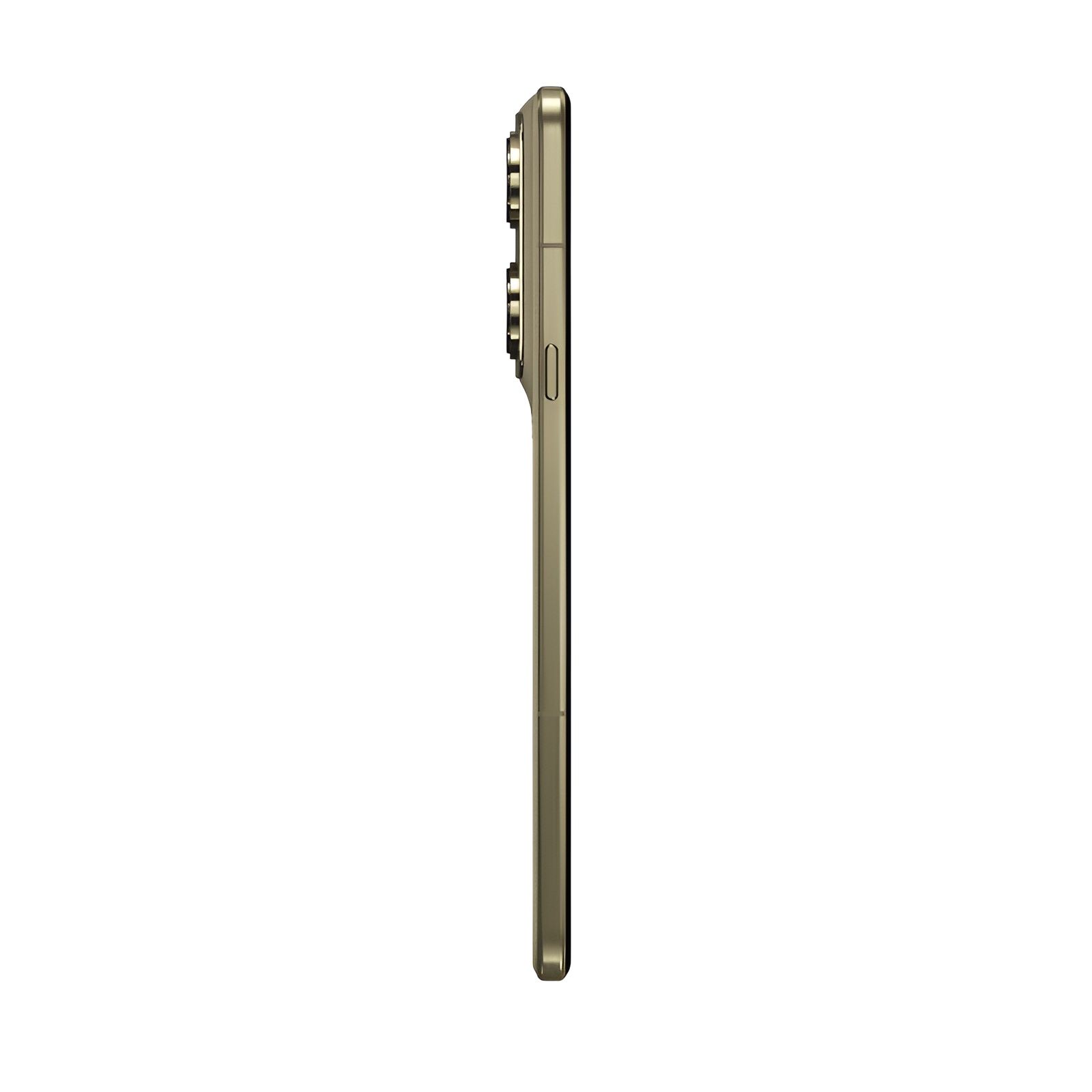
At 6.99mm and weighing 186g, it is only about a millimetre thicker than the industry’s current poster child for ultra-thin phones. Yet it still manages to squeeze in a better camera system, a larger battery, and a superior display.
Big, Bright And Beautiful
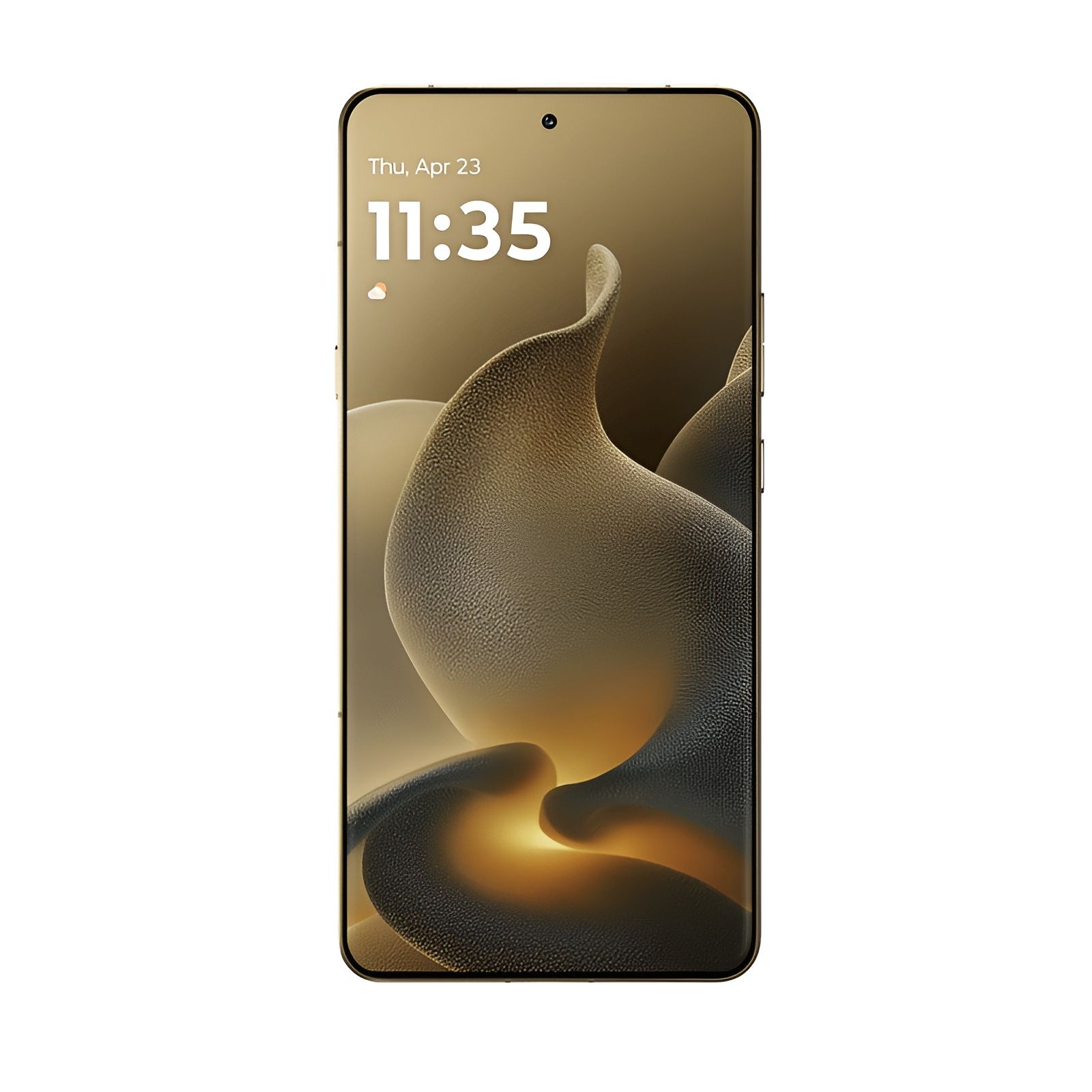
Speaking of which, one of the highlights here is the 6.8-inch 1.5K LTPO Extreme AMOLED display, with perhaps the thinnest bezels I’ve seen on a smartphone. Motorola claims the Signature packs a 95.23 per cent screen-to-body ratio, and honestly, looking at it in person, that number doesn’t feel exaggerated.
While it also boasts a 165Hz screen refresh rate, that’s limited to certain games, and the best you’ll realistically notice in day-to-day use is the more standard 120Hz experience.
Getting hands-on with the display, however, is quite something. It gets extremely bright, hitting a claimed 6,200 nits at peak. Colours are punchy and vivid; blacks look properly black and run deep, and strangely enough, the Gorilla Glass Victus 2 on top somehow feels smoother to the touch here.
The media viewing experience is impressive too, thanks to support for both Dolby Vision and HDR10+.
The Alright
Powering the Signature is the Snapdragon 8 Gen 5 chip, not the Elite version that will be powering some of the upcoming Android flagships. Numbers and specs though seldom tell the whole story.
Motorola’s Hello UI, based on Android 16, runs pretty smoothly. My only complaint here is how little customisation it seems to offer compared to other Android phones. And while the chip handles multi-tasking, note-taking, camera shuttering, video games, and pretty much whatever you throw at it with ease, the area near the camera module did seem to warm up when I really tried to push it. That said, I didn’t experience any thermal throttling during my month with it.
I wish I could say the triple-camera setup was the signature aspect of the Signature, but it teeny-tinyly falls short of being epic and has to settle for memorable.
On paper, there’s really nothing to complain about with the main 50MP Sony LYTIA 828 sensor, which compared to the older 818 sensor, comes with improved dynamic range and noise reduction.
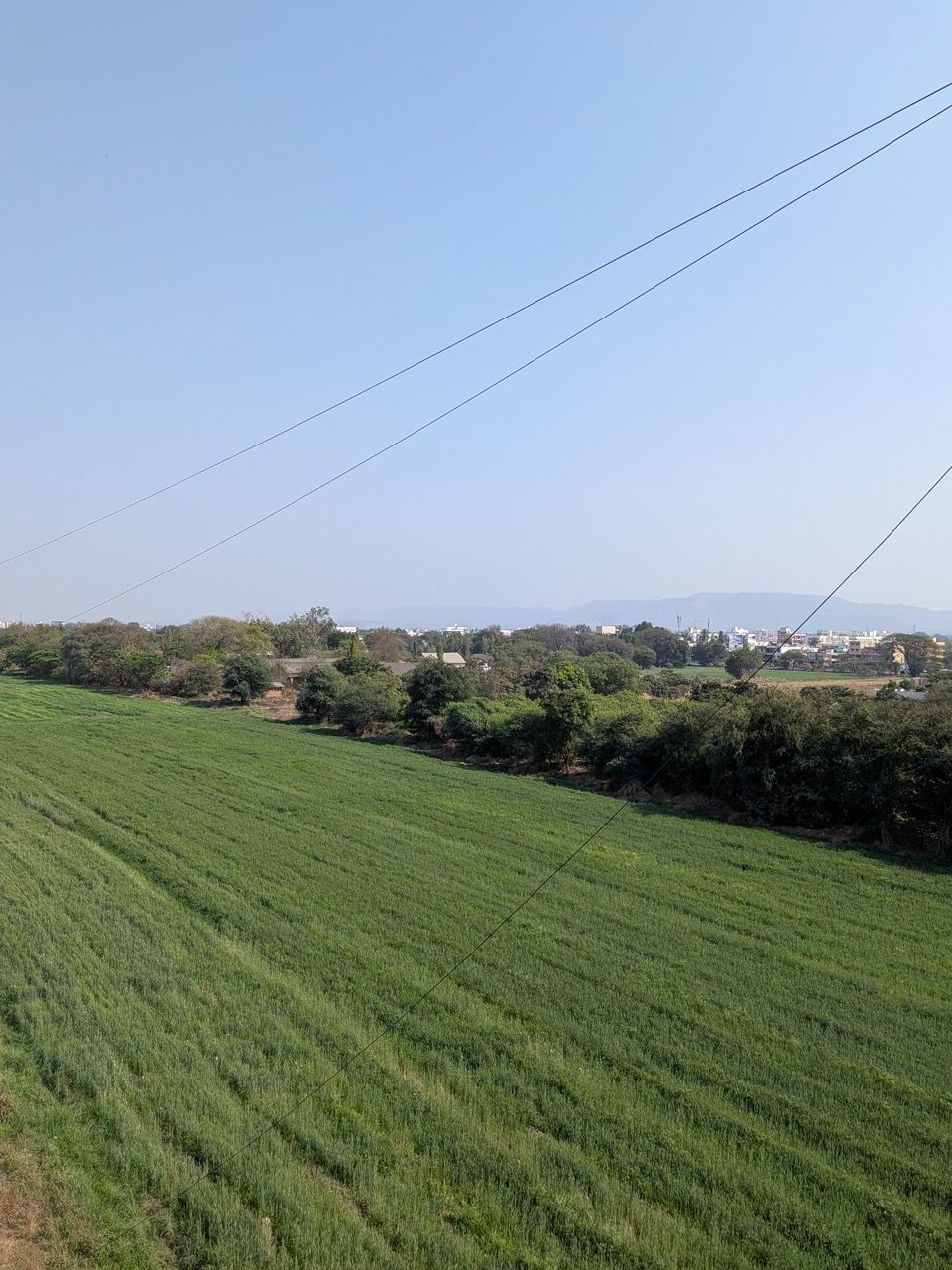
The problem here isn’t the hardware. It’s the software, or more specifically, the computational processing.
While phones in a similar price range offer very polished image processing, the one on the Signature feels slightly undercooked. Colours are accurate, the shutter is fast and dynamic range is good, but images can occasionally look a little washed out and lack fine detail.
The 50MP front camera faces a similar issue. The telephoto, on the other hand, is quite impressive, especially for low-light portraits. The ultra-wide though can be a bit inconsistent.
Motorola could very well fix a lot of this with software updates.
Juicing all this is a 5,200mAh silicon-carbon battery, which again is alright considering the size of the phone and the bright display it packs. You’ll comfortably get a full day of use out of it, and with 90W fast charging, the phone can go from 0 to 100 per cent in under an hour.
The Misses
In the ongoing spaghetti-fication of mobile phone AIs, Motorola’s version doesn’t really do anything standout or special compared to the rest of the AI-tagged marketing gimmicks floating around right now.
There are plenty of AI-enabled features here, including a dedicated physical AI button. But in my time with the phone, I never really felt the need or the desire to use any of the note-taking, screenshot-remembering, or whatever other tacked-on AI slop phone companies seem convinced we desperately need.
What really tested my patience, though, was the AI key itself. There’s simply no way to assign it to anything other than AI features or disable it entirely. Which is bizarre, considering almost every competitor lets you customise these buttons to do whatever you want. Here, it’s AI or nothing.
The Verdict
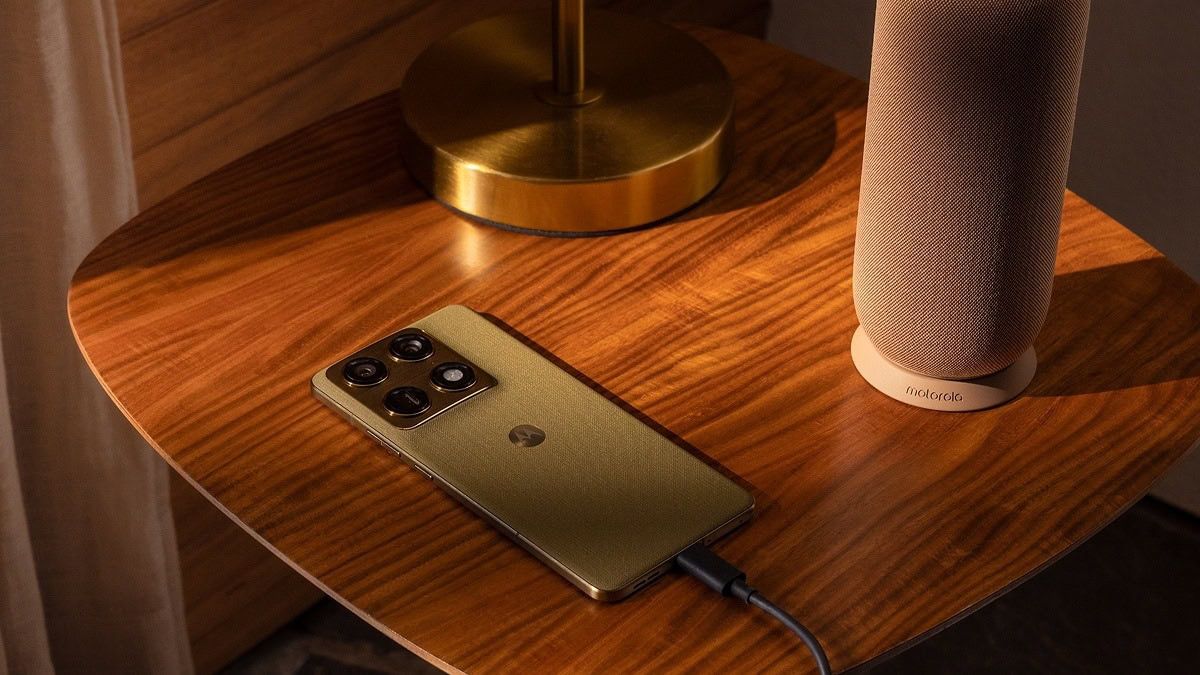
For Rs 74,999, the Motorola Signature is a curious phone. It’s thin, beautifully built, and packs one of the nicest displays you can get on a smartphone right now, all while managing to fit a large battery and a capable camera system.
It’s not perfect. The cameras don’t quite lead the pack, the AI features feel unnecessary, and the locked AI button is a baffling choice.
But the Signature succeeds in a different way. Instead of chasing gimmicks or spec-sheet dominance, it focuses on getting most of the fundamentals right. In today’s flagship market, that alone makes it stand out.


