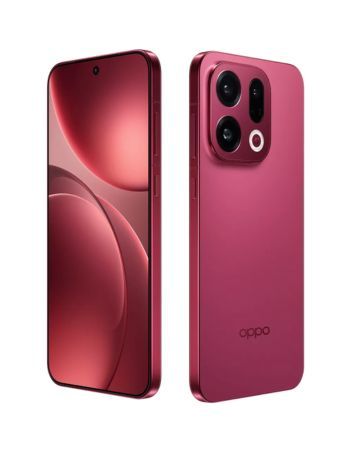
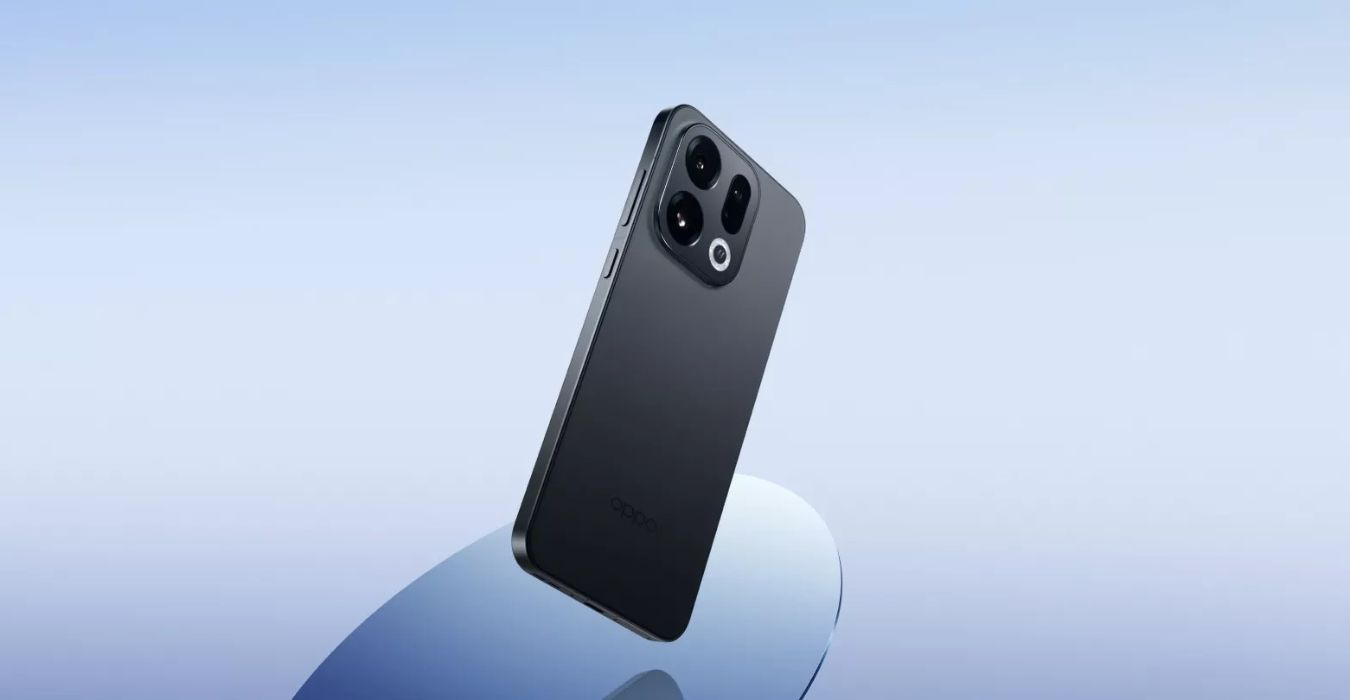
The flagship killer that is not a flagship is a strange place to land, especially when there is a Pro sibling in the lineup that we did not get for testing. But that almost makes the Oppo Find X9 more fun to judge. It walks in without the prestige tag, settles into your day like it has always lived there, and then performs like it has no idea it is the so-called non Pro option. It is understated to the point of being almost shy, the kind of device that becomes essential because it refuses to show off.
To see what it is really made of, I took it on a work trip across Vietnam, flanked by two of the year’s most popular flagships. The question was simple: could this standard, non-Pro variant of the 2025 X9 series replace the two Pros I rely on? The answer is yes, but for reasons you may not think of.
The Touch
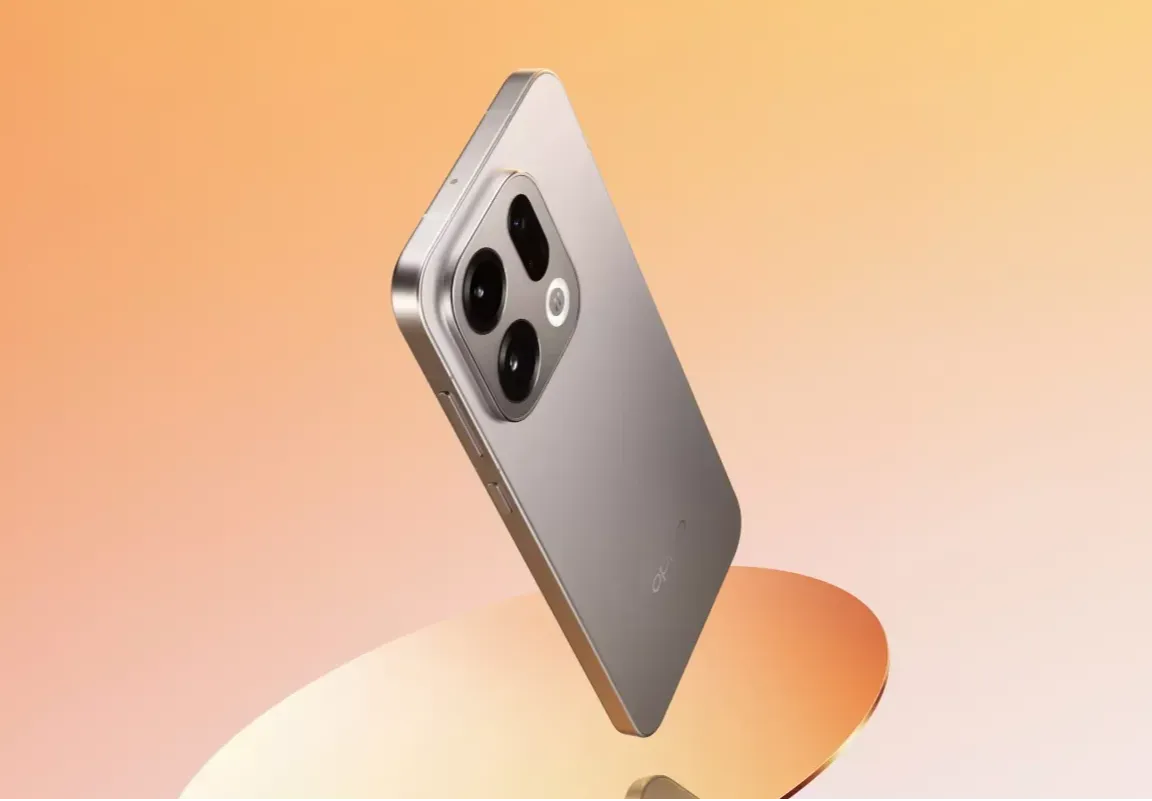
In a nutshell, the Oppo Find X9 feels non-offensive, which works both for it and against it. Design-wise, the X9 follows the same slab-like footprint that has quietly taken over the industry. The camera bump is now a square module instead of the round one from last year. The good part is that it blends in with almost every flagship of the year. The disappointing part is that it is a little boring. To be fair, after dragging it through airports, coastal humidity and many bus rides across Vietnam, I also realised that 6.59 inches is the sweet spot for a modern phone. It sits neatly between the 6.3-inch devices that feel slightly small for media consumption on long flights and the 6.9-inch monsters that do not fit into any jeans pocket, especially when you have not packed extra, extra oversized cargo pants for the trip.
The clean matte finish also works in its favour. It may not look shiny or precious out of the box, but even after a week of being tossed into backpacks, camera slings and boats, it still looked almost new. The 203g weight helped too, for instance the Pixel 10 weighs marginally more at 204g but feels heavier in feel.
Your pinky genuinely notices lighter phones when you are shooting photos from ferries, balancing on a tuk-tuk or trying not to drop your device while crossing traffic.
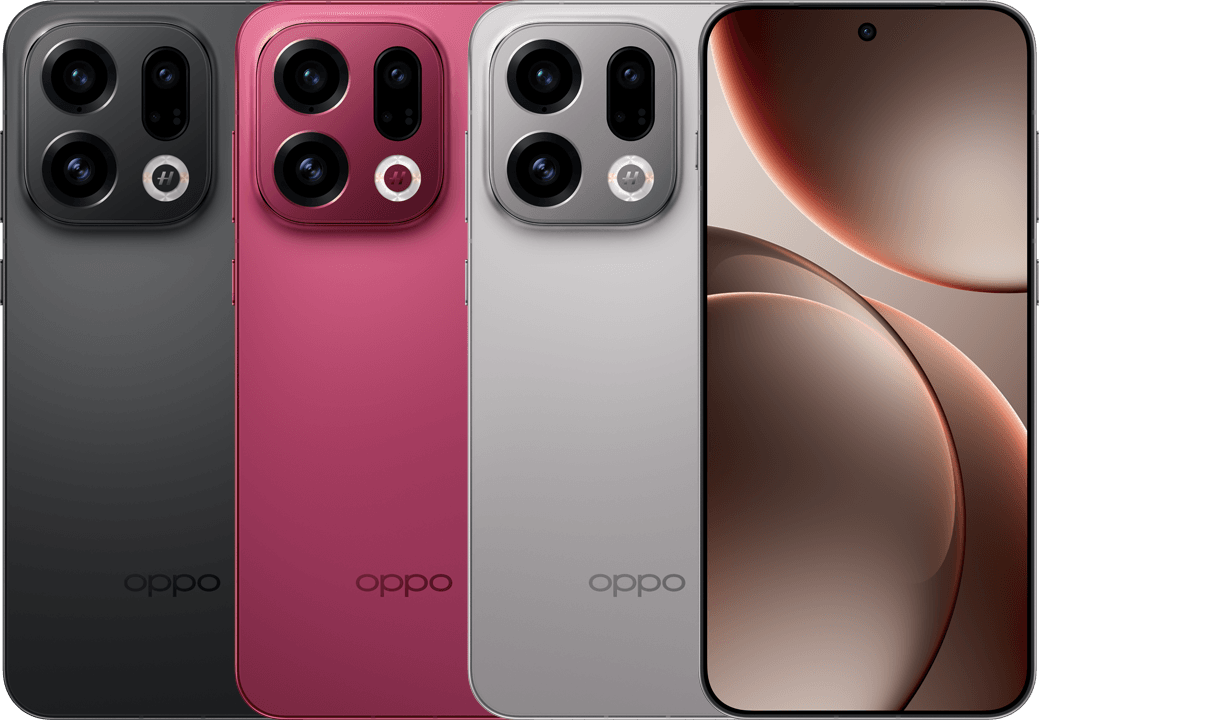
The display is a flat 1.5K AMOLED panel with a 120Hz adaptive refresh rate. The standard X9 skips the LTPO tech found on the Pro model and settles for Corning Gorilla Glass 7i. On paper, these differences matter. As the 7i isn’t as durable as the the Corning Gorilla Victus 2 found on the Pro model.
What I did notice was the panel’s contrast. It is bright, colourful and impressively visible under the brutal Vietnamese sun. But the blacks could have been deeper and sharper, especially when I streamed shows in dim hotel rooms or edited photos during aforementioned bus rides.
The Feel

Both the Oppo Find X9 and Find X9 Pro run on Android 19-based ColorOS 16. First things first, the OS experience is smooth, snappy and intuitive. It also does several things the standard Pixel launcher or even the paid premium ones do not. You can reshape app folders with dynamic layouts, resize and reposition icons, cards and folders on the fly, and match icon colours automatically with your wallpaper. Oppo has finally switched from an optical to an ultrasonic in-display fingerprint sensor, which is 35 per cent faster, 33 per cent more reliable and actually works with wet or oily fingers.
That last part mattered more than I expected. When you are wiping sea mist off your screen on a boat in Hạ Long Bay or trying to unlock your phone after grabbing a greasy bánh mì, the sensor genuinely feels like an upgrade.
But here is the thing. Almost everyone I handed the phone to during the trip said the same thing. The UI looks a little too similar to a certain very popular phone company. It is not that Oppo lacks its own design quirks. I just wish it leaned into them more. Material Expressive 3, which is Google Pixel’s design language has a visual identity of its own. The Nothing Phone UI has character. ColorOS feels like it is trying to lure an existing customer base from a certain phonemaker, instead of building its own signature look. A few distinctive elements would have gone a long way.
The Camera

Let me just say it upfront. The Oppo Find X9 has one of the best cameras I have tested in 2025. The standard variant carries a trio of 50MP main, telephoto and ultrawide sensors on the back, along with a 2MP multi-spectral lens. It misses out on the 200MP telephoto monster on the Pro model. At the front, you get a 32MP selfie shooter instead of the larger Pro sensor.

On paper, these compromises look dramatic. In real life, none of it stopped the X9 from outperforming the two leading flagships I was carrying across Vietnam. What you get is consistency. That was the word that stayed with me every day of the trip.
Daylight shots were excellent with plenty of detail, thanks to the Sony Lytia LYT808 sensor, the same one used in last year’s Find X8 Pro. The dynamic range with auto HDR is strong. The ultra-wide camera is similar to the X8 with its wide f/2.0 aperture. You can shoot macro photos with the ultra-wide, but the main sensor produces far better results, so that is what I stuck with.
(taken on the X Pan mode)
The phone gets a 3x periscope telephoto camera, just like last year. Even at 30x (3x optical zoom) and a little beyond, the details remain solid because of computational processing. The 120x maximum zoom is more of a novelty. You will not get much usable detail up there.

Portrait mode performs well across 1x, 2x and 3x. Low-light shots are excellent with strong detail and minimal noise, a serious improvement over the Find X8. Night mode is genuinely useful and the 32MP front camera does a very good job. Bokeh shots have clean separation and reliable edge detection.

Like many phones, the X9 leans slightly toward oversaturation, but a quick edit post the picture fixes it. There is also a mild softening on brown skin tones, though nothing that ruins a shot.

What impressed me most was how dependable the camera was. In Hanoi’s morning haze, on night walks through the dingy bars of the Old Quarter, inside a dim factory in Ha Long Bay, or on a yacht where everyone was too busy topping up their champagne, the X9 always gave me a shot I could use. It never blew out highlights and never forced a redo. It simply worked, no matter what Vietnam threw at it.
The Battery

This is the second biggest reason you will buy this phone. The Oppo Find X9 is impossible to kill. Even before packing for Vietnam, I knew the X9 would outlast the two flagship devices in my pocket, which is why it became my primary camera for the entire trip. As a pre-trip experiment, I tried draining it from 100 per cent to zero. It took almost two full days, and the last per cent only died after I streamed the highest video quality YouTube could manage on mobile data. Once it finally switched off, the included 80W SuperVOOC charger took just 1 hour and 45 minutes to take it straight back to 100, while 80 per cent took about 70 minutes

All of this comes from the absurdly impressive 7025mAh third gen silicon carbon battery, which genuinely ended my battery anxiety. For context, the Pro variant gets a larger 7500mAh unit and the OnePlus 15 across the corporate aisle runs a 7300mAh pack, both considered among the best battery phones this year. On the X9 though, I kept high performance mode on, locked the display at 120Hz and never once switched to low power mode during the test.

On the trip, the battery was such a monster that I used the reverse wireless charging multiple times to power up my colleagues’ phones and headphones. Whether it was a long bus ride in Ha Long Bay or a café hop in Hanoi, the X9 simply refused to die.
The Verdict

At ₹79,999, with further discounts easily available, the X9 outperforms almost every other one-lakh-plus flagship I carried on the trip. We have not tested the Pro variant yet, but I genuinely doubt it can beat the standard X9 on pure value for money. If you can look past the fairly safe design and the not-so-intuitive OS styling, there are two clear reasons to buy this phone: the battery and the camera. Those two alone place the X9 ahead of most of its premium rivals, and for a standard model, that is rare.


