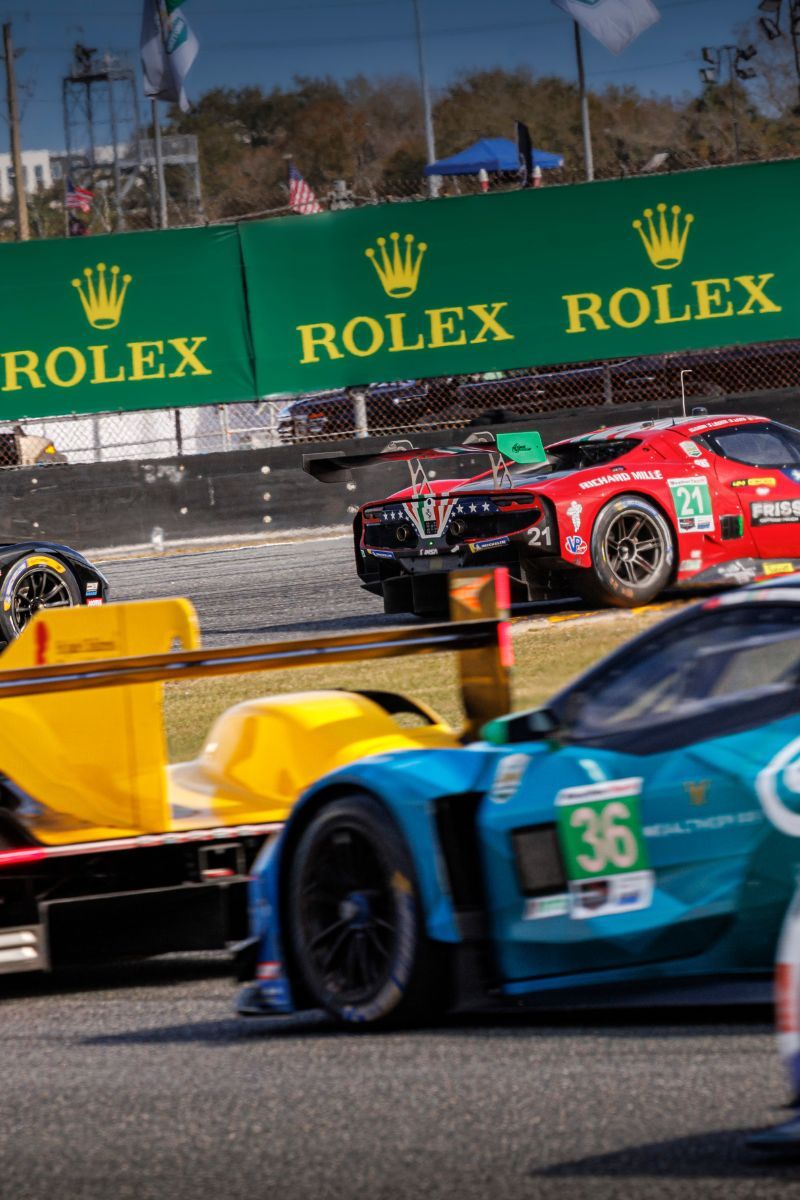
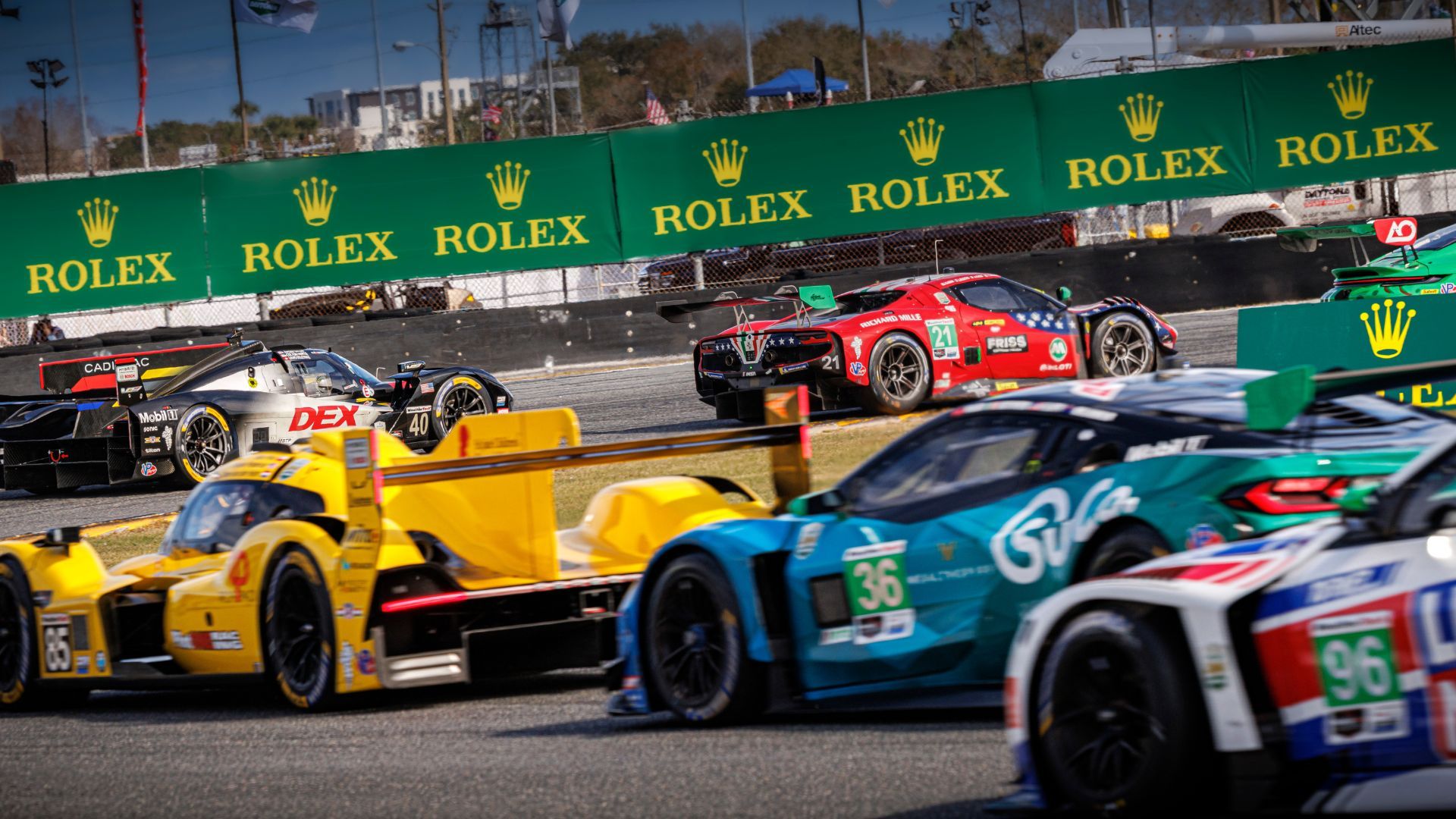
The Rolex 24 At Daytona has always been less of a single event and more a 24-hour endurance ritual that blends speed, fog, fatigue, and the kind of late-night drama that only really makes sense when you’ve been awake since sunset. This year’s 64th running leaned into that reputation hard, with the overall win decided by a margin so fine it felt almost impolite to measure it in seconds.
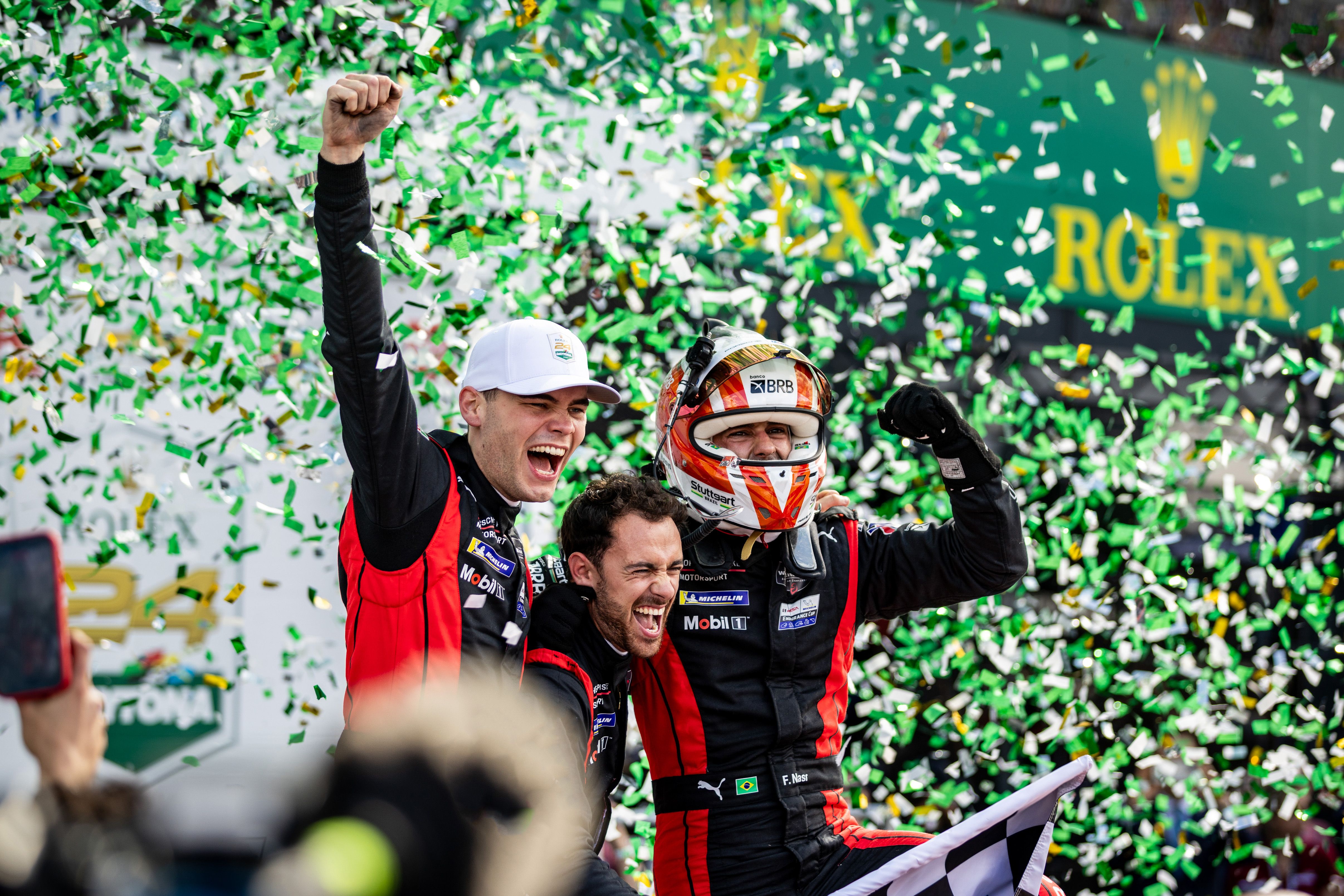
When the dust settled, it was the #7 Porsche Penske Motorsport entry that took the chequered flag, securing its third consecutive overall victory by just 1.569 seconds. Across the four classes, the margins stayed just as tight. CrowdStrike Racing by APR claimed LMP2, Paul Miller Racing’s BMW topped GTD Pro, and Winward Racing’s Mercedes-AMG edged the GTD class. The throughline was the same everywhere you looked: endurance racing, at its best, is less about domination and more about surviving long enough to be sharp when everyone else is running on fumes.
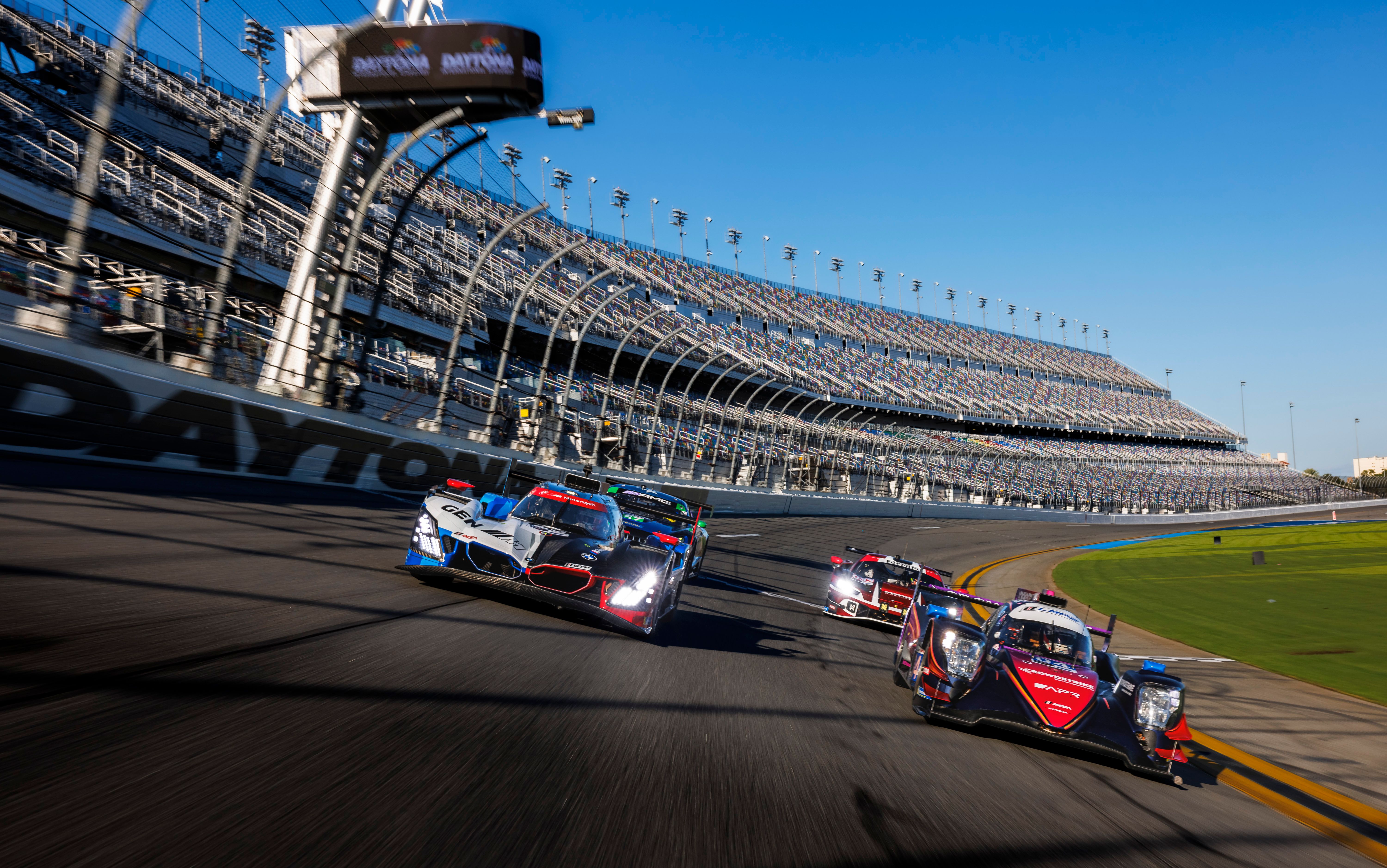
Daytona itself did its part. The 5.73-kilometre tri-oval, with its dramatic 31-degree banking, is designed to reward bravery, but this year it also demanded patience. Thick mist rolled in from dusk till dawn, stretching strategy and concentration across a night that refused to play along. There was even a prolonged safety car period with over six hours still on the clock, which turned the final stretch into a flat-out sprint rather than a gentle glide to the finish. Scott Pruett, a five-time Daytona winner, summed it up neatly: even under yellow flags, you’re still racing. The tactics just get quieter and more ruthless.
For anyone coming at this from a Formula 1 angle, Daytona feels like a different sport operating under the same broad idea of “cars going fast.” IMSA’s multi-class format means four races unfold at once, with top-tier GTP prototypes carving through traffic while GT3-based machines scrap among themselves. The result is constant movement, overtakes layered on overtakes, and the sense that if you look away for too long, you’ve probably missed something worth rewinding. And then there’s the sound. Formula 1’s current turbo-hybrid era has its own sharp, technical edge, but Daytona is a full-bodied orchestra. You get everything from screaming V-8s to twin-turbo V-6s, all stitched together by the whine of hybrid systems and the occasional thunderous downshift echoing off the grandstands. It’s less a single note and more a rolling wall of noise that changes character every time a different class storms past.
Rolex, of course, sits right at the centre of all this, both symbolically and literally. The brand has been part of Daytona since the late 1950s and became the event’s title sponsor in 1992, a long-term relationship that feels less like marketing and more like tradition at this point. This year’s Grand Marshal was Lexi Thompson, who traded fairways for the famous “Drivers, start your engines” call, while Jenson Button watched on as a spectator, fresh from stepping back from full-time racing.
The moment every driver really wants, though, comes in Victory Lane. Alongside the trophies, the winning team receives a specially engraved Oyster Perpetual Cosmograph Daytona, a watch that’s been tied to this place and this kind of racing since the 1960s. The backstory runs even deeper, all the way to Sir Malcolm Campbell chasing land speed records on Daytona Beach in the 1930s with a Rolex Oyster on his wrist. It’s one of those rare cases where the object doesn’t just commemorate the win, it feels like part of the race’s DNA.
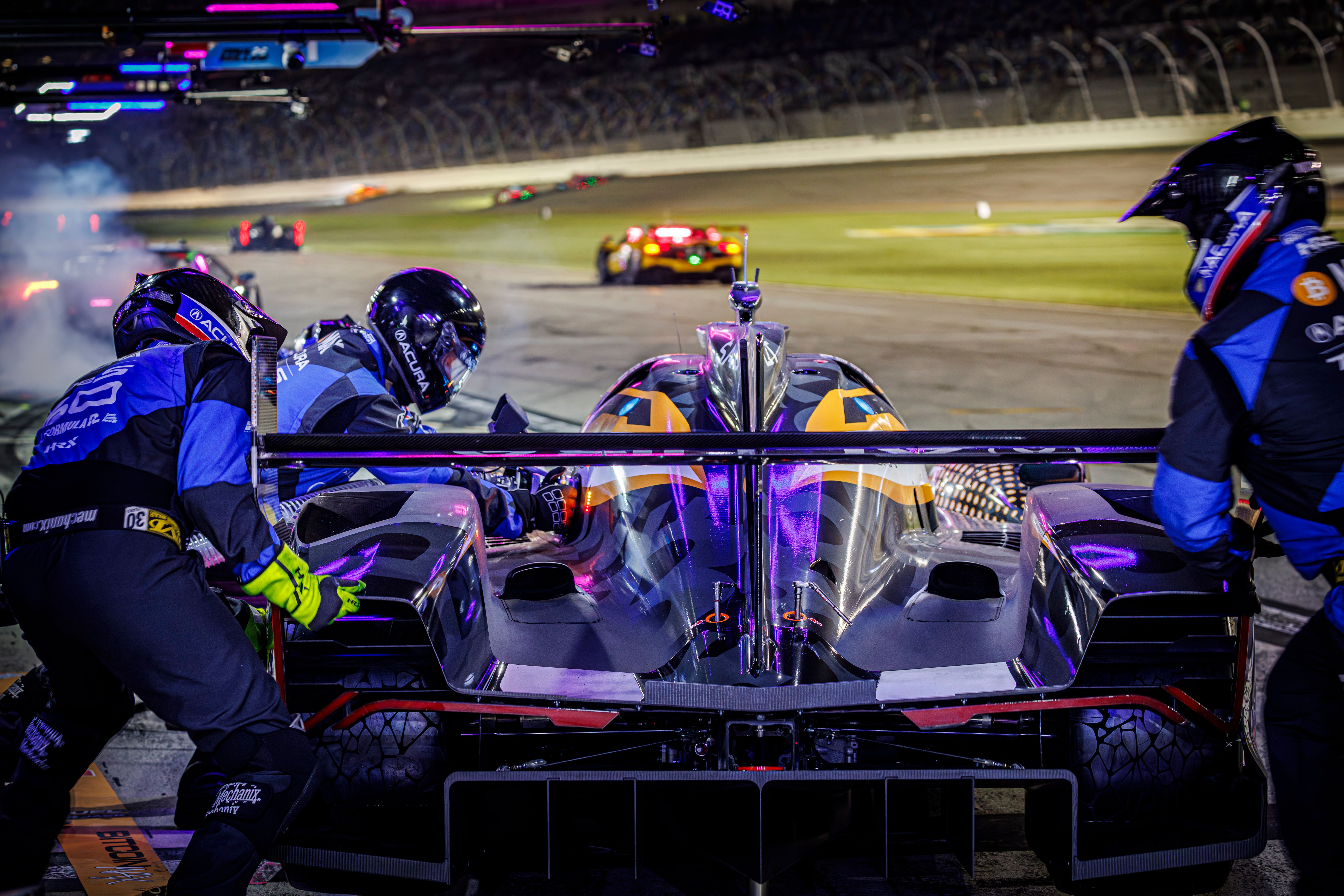
What makes Daytona especially compelling is how accessible it still feels. Compared to the polished, tightly managed world of modern F1, there’s something refreshingly open about being able to wander the infield, peer into garages, and watch teams prep cars just hours before they’re sent back into battle. It carries a faint echo of an older era of motorsport, when factory outfits and passionate privateers shared the same tarmac and the same late-night coffee.
By the time the sun comes back up and the final hour ticks down, the Rolex 24 stops being about lap times and starts being about who still has the clarity to make the right call, hit the right braking point, or keep the car out of the wall. That’s where Rolex’s long-running motorsport story fits neatly. Not just as a sponsor handing out watches, but as a quiet witness to the kind of moments that only happen when time, pressure, and people collide in just the right way. At Daytona, making every second count isn’t a slogan. It’s the job.


