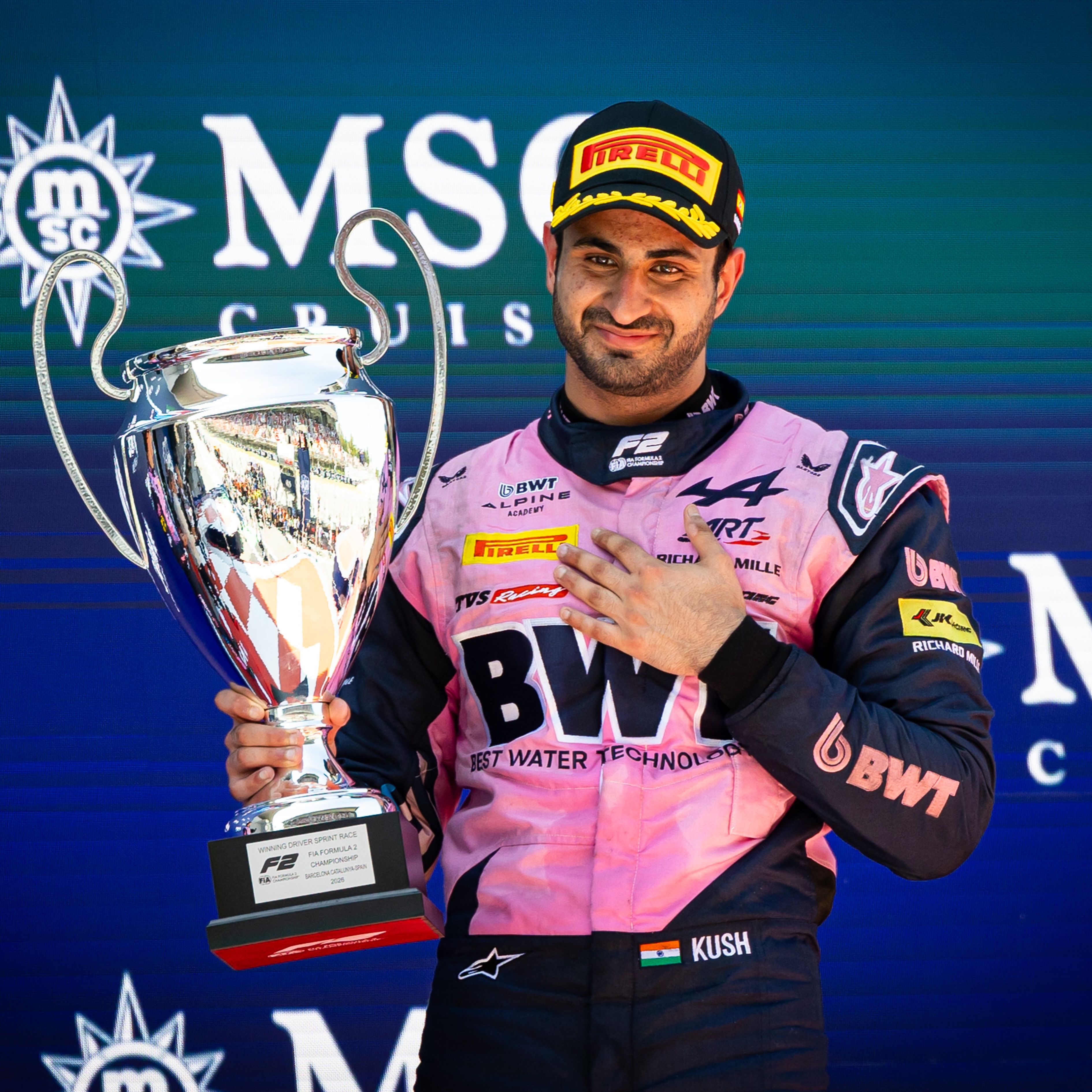
More than a decade has passed since Narain Karthikeyan and Karun Chandhok raced in Formula 1, while the only current F1 driver with Indian heritage is Racing Bulls rookie Arvid Lindblad, who competes under a British licence. Today, the country's brightest prospect remains Kush Maini, who races for ART Grand Prix in Formula 2 while also serving as reserve driver for Alpine's Formula 1 team and Mahindra Racing in Formula E.
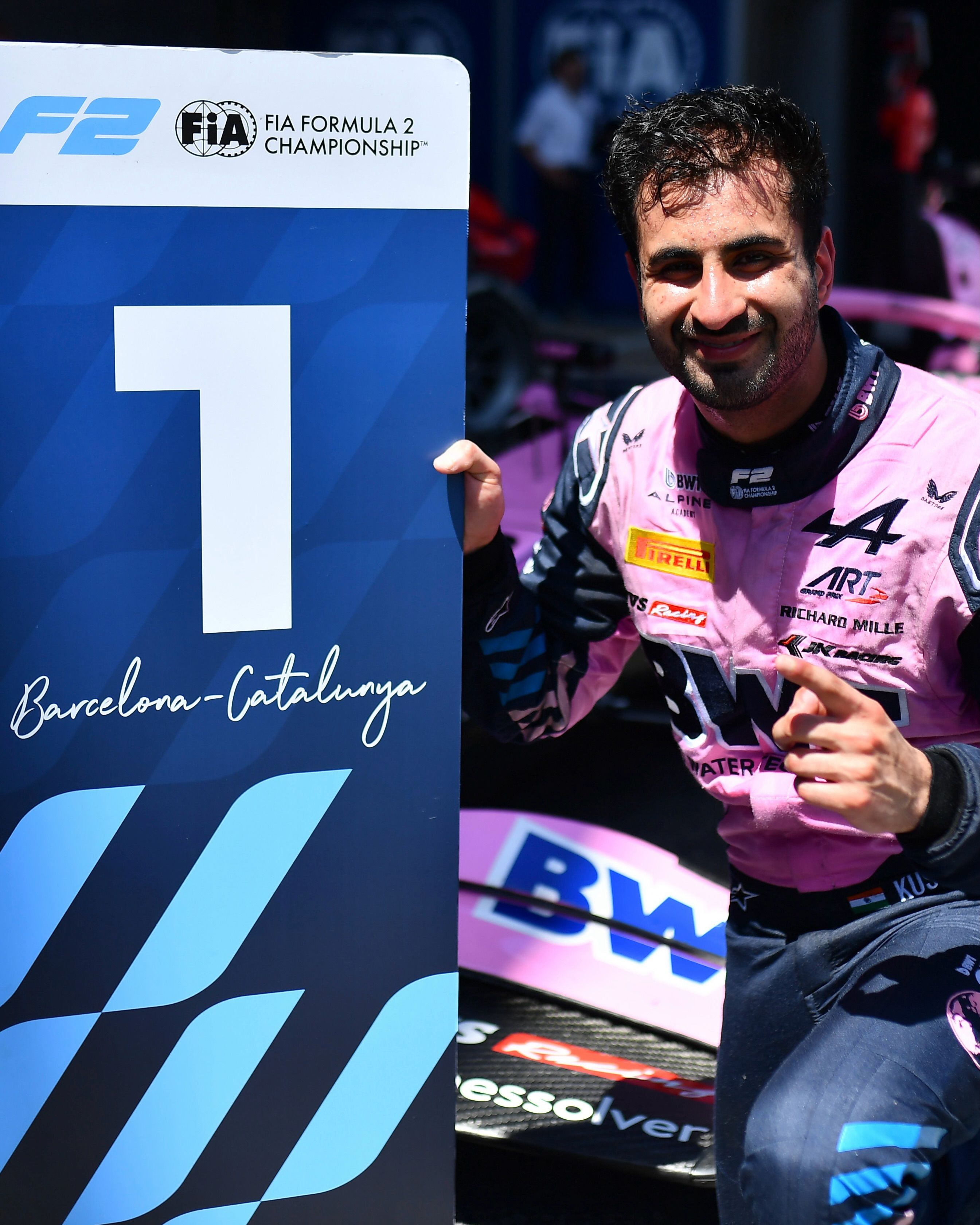
Maini has pieced together one of the strongest campaigns of his career, claiming a commanding Sprint Race victory in Barcelona before following it up with a Feature Race podium at Silverstone. Those achievements are all the more significant considering the obstacles Indian drivers continue to face. Unlike cricket or football, motorsport demands enormous financial backing from childhood, while the country's grassroots racing ecosystem and sponsorship pipeline are still finding their feet—forcing many aspiring racers, including Maini himself, to move abroad at an early age in pursuit of opportunity.
Yet the tide may finally be turning. More than a decade after the Indian Grand Prix disappeared from the Formula 1 calendar amid tax disputes and commercial hurdles, the Indian government has renewed efforts to bring the sport back, with a task force now exploring the feasibility of hosting a race as early as 2028.
With momentum firmly on his side, we caught up with Maini following his Barcelona triumph to discuss the mindset behind winning, the lessons he's learnt from Mika Häkkinen, the physical demands of competing at the highest level, representing India on the global stage, and why he believes the country's motorsport future is brighter than ever.
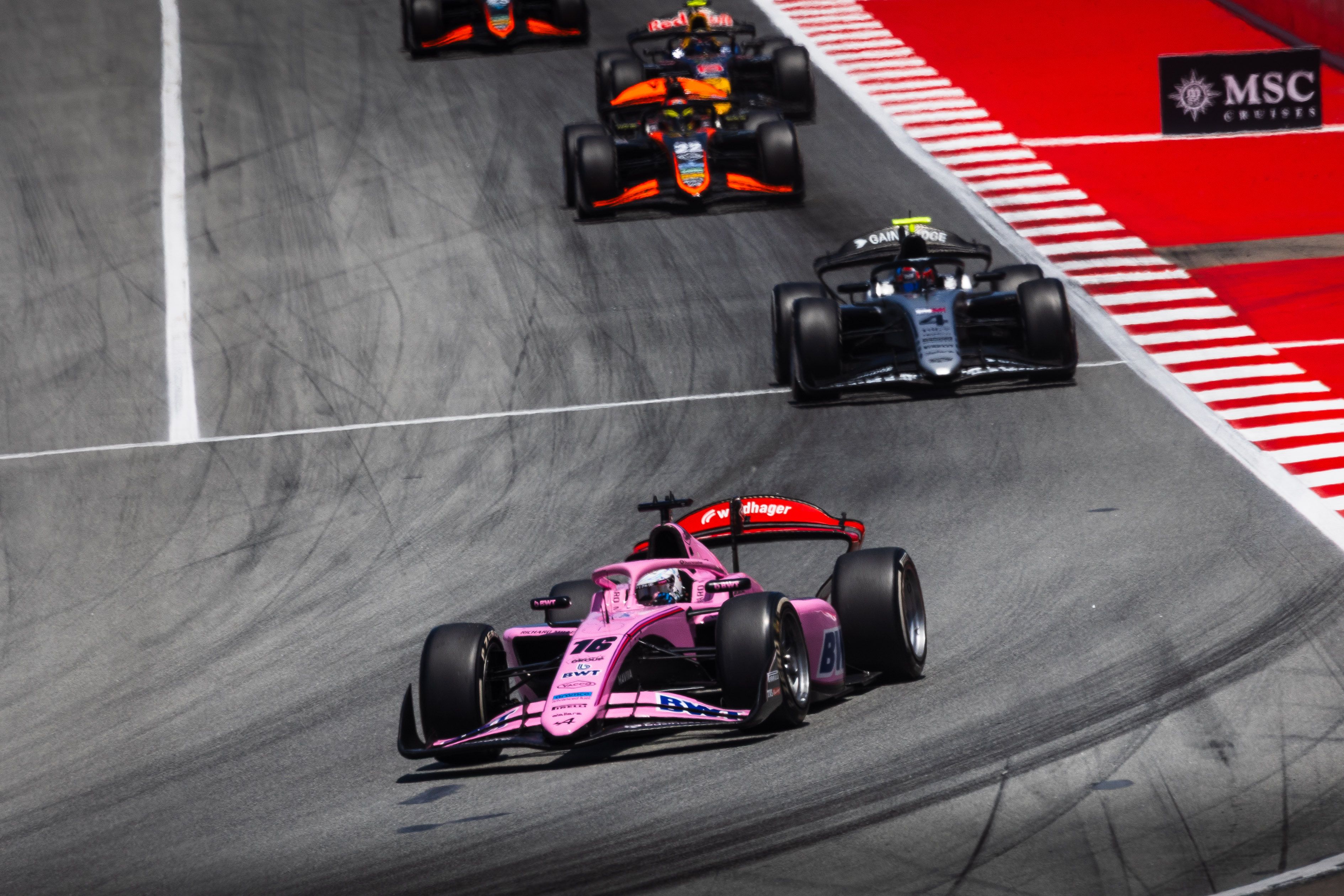
Congratulations on your Barcelona sprint podium! You nailed the start, took the lead early, and finished over seven seconds clear. What is that headspace like when you’re out front and leading the race from there?
Thank you. Honestly, once I got into the lead the focus was just on managing the race and staying consistent. It's easy to get carried away when you're out front but in those moments you're thinking about tyre management, hitting your marks, and not making any mistakes. The gap was good, but in Formula 2 things can change very quickly, so I just kept my head down and concentrated on bringing it home.
Have you started encountering more Indian fans at your races? How has the growing popularity of F1 in India impacted you?
Definitely. I have noticed a lot more Indian fans at races over the last few years and seeing Indian flags in the crowd is always a special feeling. You would always see a lot of them at races in the Middle East, but this year having some support in North America and even Europe has felt great. It reminds me of where I come from and makes me proud to represent India on the global stage.
The growth of motorsport in India has been amazing , more people are following the sport, supporting Indian drivers and also taking up the sport. It motivates me to keep pushing and hopefully inspire the next generation of racers.
Can you break down your diet and workout routine during the race season?
During the race season, everything is quite structured. My trainer makes sure I stick to the plan for race weeks and non race weeks. The focus is largely on eating clean and making sure I am getting the right balance of carbs, protein, and hydration, especially during race weekends. Training wise, it is a mix of strength work, cardio and a lot of neck training because of the physical demands in the car. The goal isn’t just to be fit but to be able to perform consistently and stay sharp throughout a long race weekend.
What are your biggest learnings from Mika Hakkinen?
Working with Mika has been incredibly valuable. One of the biggest things I have learned from him is the importance of staying calm and patient especially during difficult moments in a season. He has been through every high and low in motorsport so his perspective helps a lot. He has also taught me a lot about racecraft, decision making under pressure and focusing on the process rather than getting caught up in results. Having someone with his experience guiding me has definitely helped me grow both as a driver and as a person.
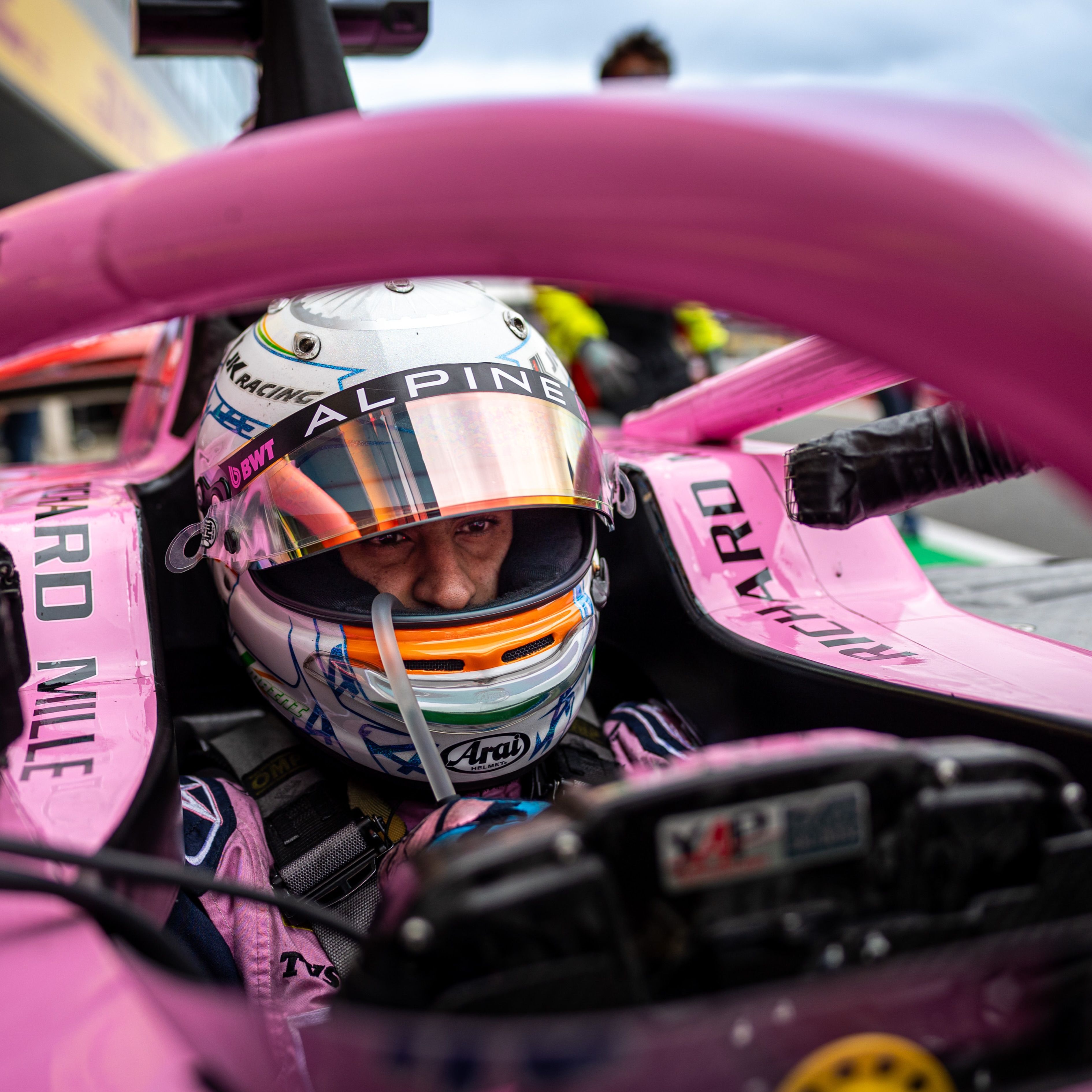
You’re the only Indian driver in this Formula (FIA) series. What were the biggest challenges you faced and why do you think there’s not more representation from our country in the Sport?
Being an Indian driver in Formula 2 is something I am very proud of but it has definitely come with challenges. Motorsport is an incredibly expensive sport and unlike some countries with a long racing tradition, the pathway and support system in India are still developing. That makes it harder for young drivers to progress through the ranks. To have got to where I have been able to, it began with a lot of sacrifices and staying away from home at an early age, so I could have access to some of the best karting circuits. Having said that, I think things are changing. The interest in motorsport is growing rapidly in India and hopefully that leads to more opportunities, investment and ultimately more Indian drivers competing at the highest levels in the future.
You’re the reserve driver for Mahindra’s Formula-E racing team. How different is it to drive a Formula 2 and Formula E car and how do you adapt? Which one do you secretly prefer?
They are very different cars and require quite different driving styles. A Formula E car is heavier, has instant electric torque and involves a lot more energy management while a Formula 2 car is more focused on outright performance and tyre management. As a driver, adapting is all about understanding what the car needs and adjusting your approach accordingly. As for which one I prefer, I genuinely enjoy both for different reasons. Right now my main focus is Formula 2, but driving a Formula E car has been a great learning experience and has helped me become a more complete driver.
You’re also the reserve driver for Alpine’s F1 team. Have you driven a 2026 car yet? What was it like and what is your take on the new regulations for this season?
I have not driven the 2026 car yet so it is still a bit early to give a proper opinion on it. From what I have seen and heard the new regulations are an interesting step for the sport with a bigger focus on efficiency and new technology. Whenever there is a major regulation change there is always a learning curve for both the teams and drivers. It will be exciting to see how everything develops with the cars and the engineers through this almost transition year in Formula 1
Do you think active aero should also come to Formula 2?
I think Formula 2 has a different purpose to Formula 1. The main goal is to prepare drivers for the next step while keeping the racing competitive and relatively cost effective. Active aero is an interesting technology and it works well for Formula 1, but Formula 2 does not necessarily need every feature from F1. What is most important is that the cars continue to help drivers develop the skills they need to succeed at the highest level.
What kind of circuit brings out the best in you? And is there one track on the calendar you always look forward to?
I have always enjoyed circuits that reward confidence and precision, especially tracks where you have to be fully committed every lap. Monaco is definitely one of my favourites. It is such a unique challenge because there is no room for error and every lap feels intense. When youput everything together there it is one of the most rewarding feelings a driver can have. It is always a race weekend I look forward to on the calendar.
There’s been renewed buzz around the possibility of Formula 1 returning to India. As an Indian driver, what would a home Grand Prix mean to you personally, and what do you think organisers would need to get right to build a truly world-class race weekend here?
A Formula 1 race in India would be incredibly special for me. To have the opportunity to race in front of Indian fans and see the sport return to the country would be a proud moment not just for me but for Indian motorsport as a whole. I think the key is creating an experience that goes beyond the race itself. The infrastructure needs to be world class and there needs to be strong engagement with fans throughout the weekend. India has such a passionate and growing motorsport audience and if everything is done properly I have no doubt it could become one of the standout events on the Formula 1 calendar.


