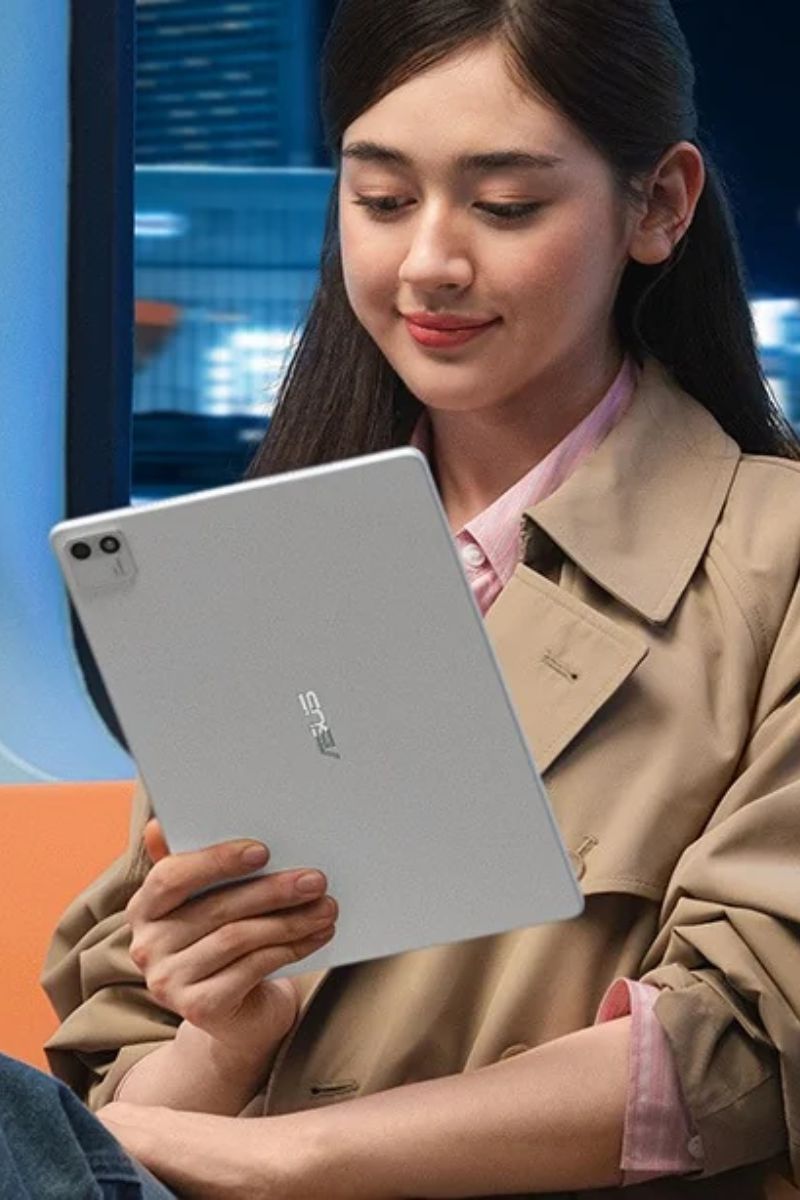
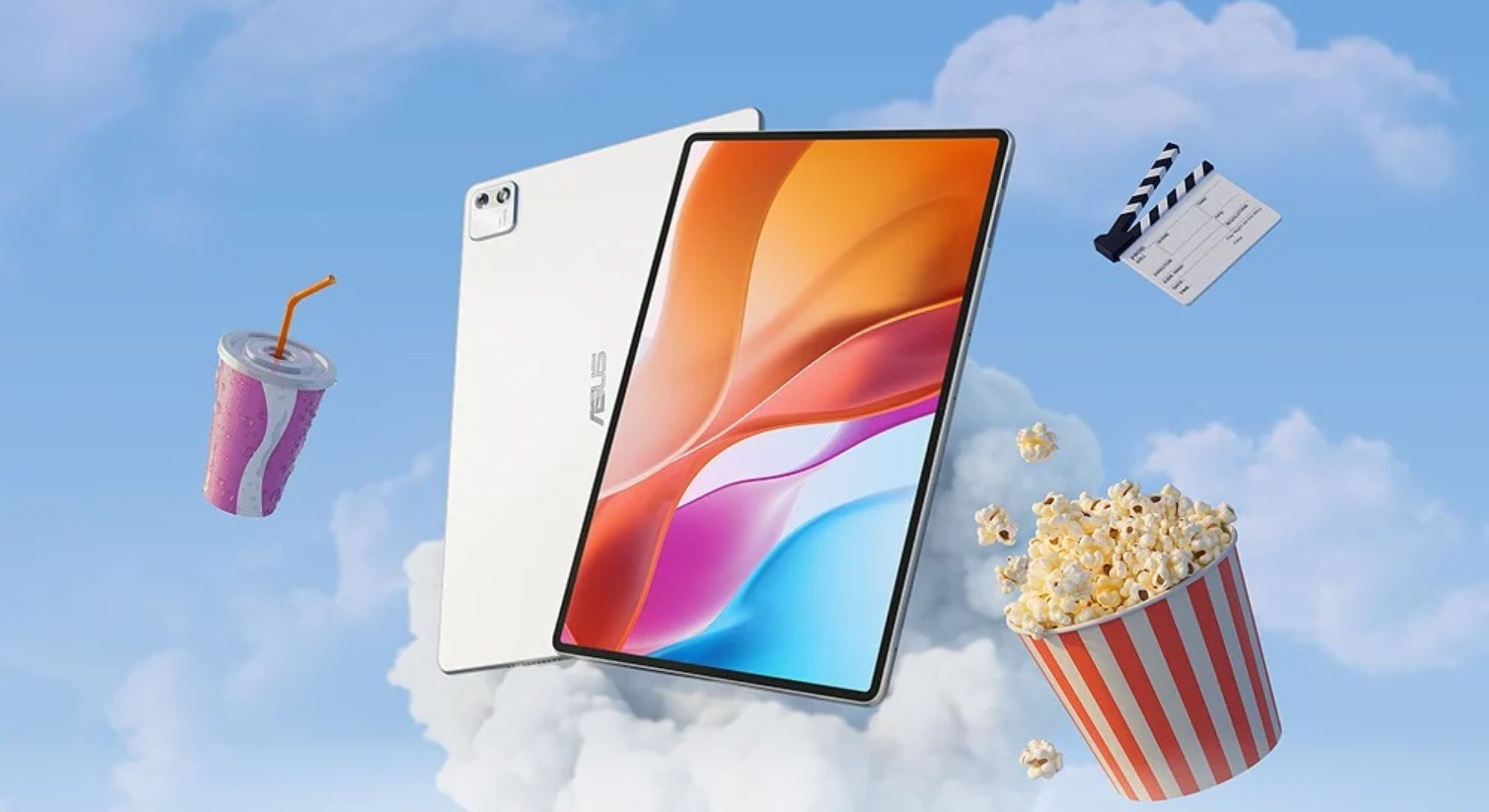
A decade is a long time in technology. Just ask anyone who still owns a micro-USB cable. So, when ASUS decided to return to India's tablet market, it needed something more compelling than another oversized Android phone pretending to be a productivity machine.
Enter the ASUS Pad (T3201). For ₹45,990, you get a 12.2-inch OLED display, a MediaTek Dimensity 8300 processor, a 9,000mAh battery and a surprisingly slim design. On paper, that's a tempting proposition, especially considering what Apple and Samsung charge for their premium tablets.
But impressive specifications don't always translate into an equally impressive experience. Here's what I liked, what I didn't and where ASUS could've done better.
What I Liked
1. That Gorgeous OLED Display
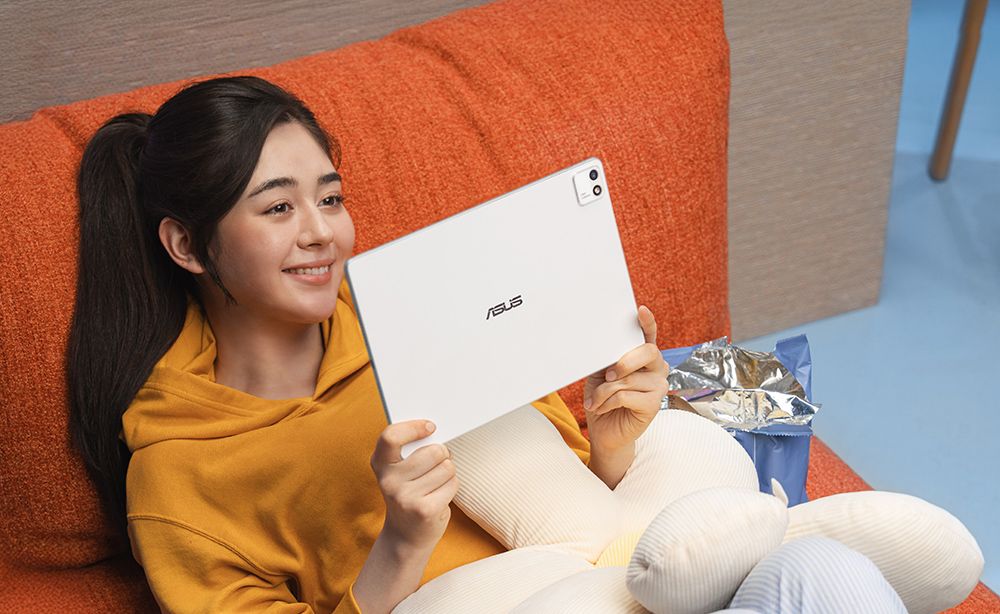
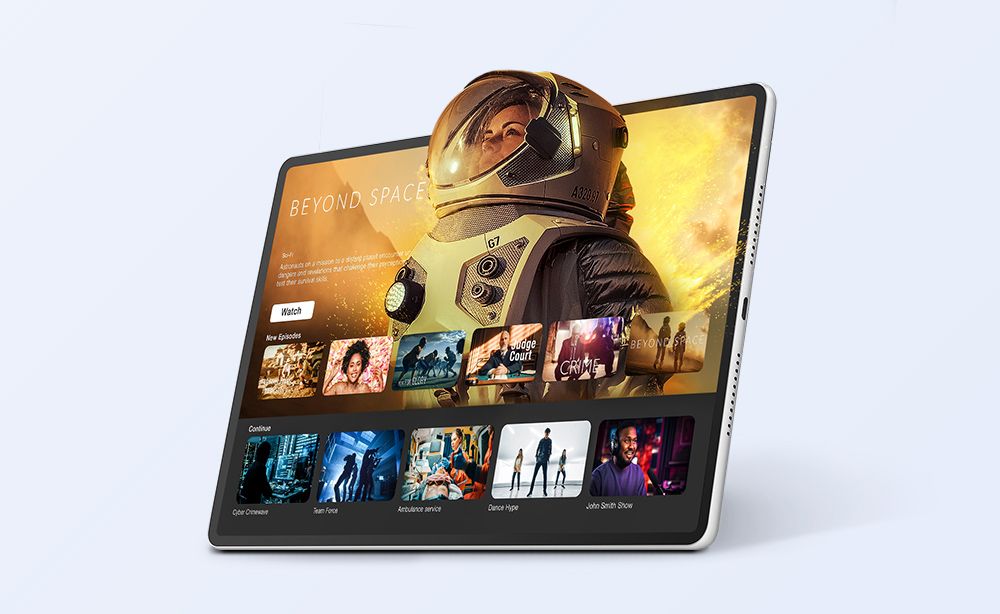
Let's start with the obvious. The 12.2-inch dual-layer OLED display is easily the ASUS Pad's biggest selling point. With a 2.8K resolution, a 144Hz refresh rate and a claimed peak HDR brightness of 2,000 nits, it's a genuinely impressive panel.
Colours are rich, blacks are wonderfully deep, and there's enough brightness for outdoor use. The 3:2 aspect ratio is particularly useful for reading and browsing, while the TÜV Rheinland certifications for reduced flicker and blue-light exposure are welcome additions.
The only annoyance is the glossy finish, which occasionally turns your viewing experience into an unsolicited selfie.
2. A Price Tag That Makes Sense
Premium tablets have developed an unfortunate habit of costing as much as perfectly capable laptops. Apple's iPad Pro starts north of ₹1 lakh, while several premium OLED alternatives command upwards of ₹80,000.
ASUS, meanwhile, is asking ₹45,990 for the 8GB RAM and 128GB storage variant, or ₹49,990 if you want 256GB.
Considering the display quality, that's a compelling proposition. And in an industry where manufacturers have somehow convinced us that removing accessories is innovation, sensible pricing deserves some appreciation.
3. Surprisingly Light For Its Size
There's a fine line between a portable tablet and an expensive dinner tray. Thankfully, ASUS understands the difference.
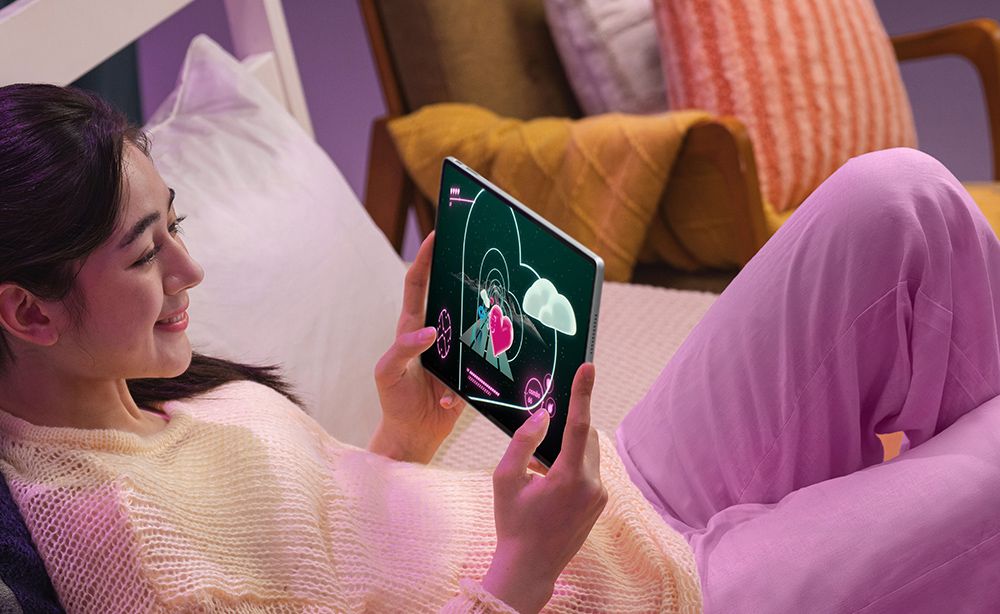
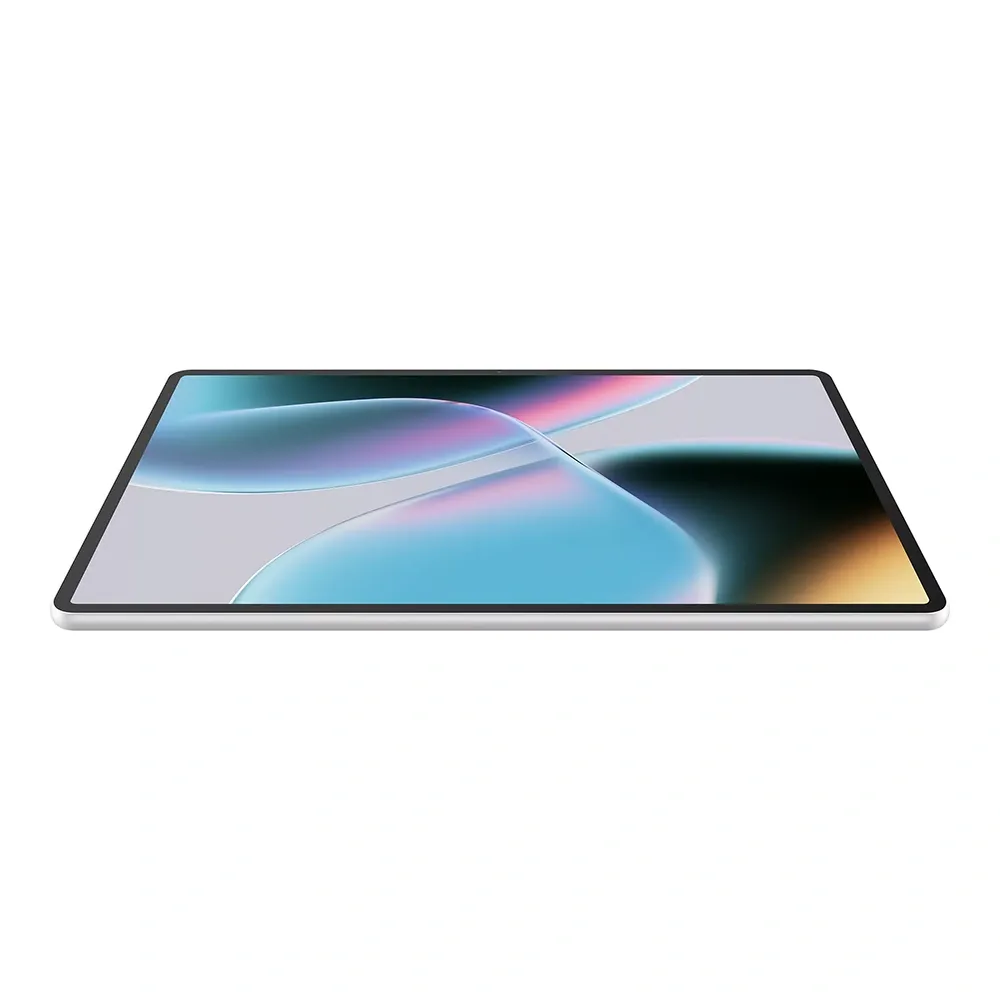
Despite its large display, the Pad weighs just 523g and measures 6.5mm thick. The curved edges make it comfortable to hold, while the slim profile means it slips into a laptop bag without much fuss.
The uniform bezels give it a clean appearance, although their thinness occasionally leads to accidental touches. It's also available exclusively in Pure White, which somewhat limits your aesthetic choices.
4. Speakers That Actually Deliver
There's little point having a gorgeous display if the accompanying audio sounds like it's coming from inside a biscuit tin.
Thankfully, the ASUS Pad's quad-speaker setup with Dolby Atmos is surprisingly capable. There's plenty of volume, dialogue remains clear, and the stereo separation makes films and television shows genuinely enjoyable.
Bass is fairly restrained, though, so music lacks some punch. For serious listening, you'll still want headphones.
5. Performance Without Unnecessary Drama
Not everything needs a flagship processor, regardless of what smartphone manufacturers would like us to believe.
The MediaTek Dimensity 8300, paired with 8GB of RAM, handles everyday tasks comfortably. Apps launch quickly, navigation feels responsive, and even demanding games run smoothly without the tablet getting uncomfortably hot.
Android 16 is refreshingly clean, with minimal bloatware and no intrusive advertisements. Which, considering the state of some Android interfaces, feels like an achievement in itself.
Heavy video editing isn't exactly its natural habitat, especially with RAM capped at 8GB across variants. But for everyday productivity, gaming and entertainment, there's little to complain about.
What I Didn't Like
1. Multitasking Feels Like An Afterthought

If you're selling a tablet with a 12.2-inch display, running two applications simultaneously shouldn't feel like solving a particularly irritating puzzle.
Unfortunately, split-screen functionality on the ASUS Pad is unnecessarily unintuitive, making something as simple as using two apps side by side more complicated than it needs to be. There's no support for floating windows either.
The frustrating part is that the hardware is perfectly capable of handling proper multitasking. It's the software experience that lets it down, particularly for a device that otherwise has the ingredients to be a decent productivity companion.
2. No 5G, No SIM, No Independence
The ASUS Pad is strictly a Wi-Fi device. There's no SIM slot or 5G connectivity, which feels rather limiting when cheaper Android tablets offer both.
Sure, you can always connect through your smartphone's hotspot, but that's another step and another battery to worry about.
If the tablet rarely leaves your home, this probably won't matter. For anyone who wants to use their portable device while being, you know, portable, it's a noticeable omission.
3. A Big Battery Doesn't Guarantee Big Endurance
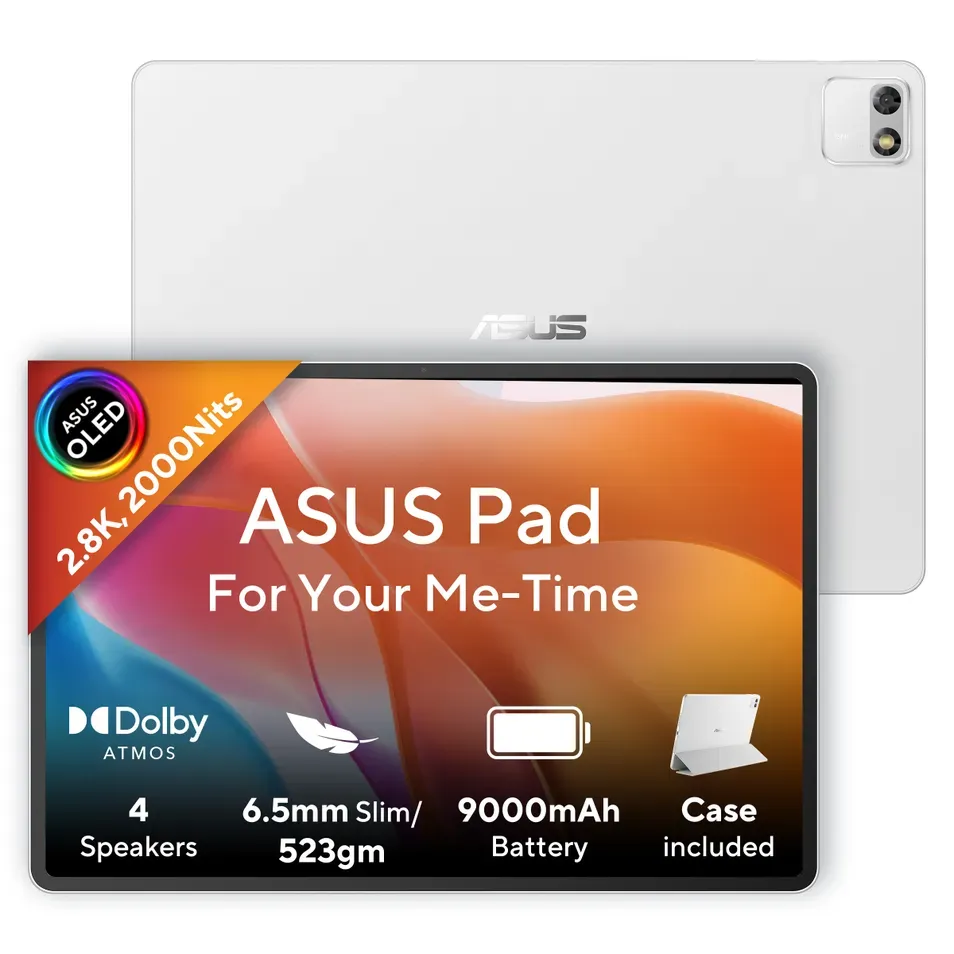
A 9,000mAh battery sounds impressive until you look at what it actually delivers.
Battery life is decent rather than exceptional, with around seven to eight hours of screen-on time depending on usage. That's enough for a typical day, but hardly groundbreaking for a tablet with such a large battery.
The 144Hz refresh rate doesn't help matters either. Without an adaptive refresh rate or an obvious way to manually lower it, the display's smoothness comes with a potential battery penalty.
The included 45W charger helps, but I would've liked to see better endurance from a device with this much battery capacity.
4. The Accessories Situation Is Complicated
ASUS deserves credit for including a charger and folio case, but the generosity stops there.
The ASUS Pen 2.0 is sold separately, there's no dedicated keyboard cover, and you don't get a pre-applied screen protector.
That becomes harder to ignore when alternatives such as HP's OmniPad 12 offer a bundled keyboard at a similar price.
None of these is individually a deal-breaker, but if you're hoping to use the Pad as a laptop alternative, the additional purchases undermine its attractive starting price.
6. No Fingerprint Scanner And Forgettable Cameras
The ASUS Pad skips a fingerprint scanner entirely, relying on facial recognition instead. Even ASUS cautions that face unlock isn't intended for secure banking or payments, meaning you'll still need your PIN or password.
The cameras aren't particularly exciting either. The 13MP rear sensor is adequate for scanning documents, while the 5MP front camera produces grainy results even in decent lighting.
Nobody's buying a 12.2-inch tablet to become a professional photographer, but a better front camera would've made video calls considerably more pleasant.
The Verdict: A Great Display Looking For A More Complete Tablet
The ASUS Pad gets several things right. Its OLED display is fantastic, the design is lightweight, performance is dependable, and the speakers are surprisingly good. More importantly, ASUS has managed all of this at a price that doesn't require a conversation with your bank manager.
But there's a difference between making a good tablet and making a great one. Multitasking feels undercooked, battery life is merely acceptable, and the lack of cellular connectivity and a clear software update policy makes the overall package less convincing. The absence of a proper keyboard accessory also limits its appeal as a productivity device.
Ultimately, I think the ASUS Pad makes the most sense for someone who prioritises entertainment, reading and casual everyday use. For ₹45,990, that gorgeous OLED display alone makes a compelling argument. However, if you're looking for a genuine laptop alternative, there are more versatile options from Samsung, OnePlus and HP worth considering. ASUS has nailed the display. Now it needs to make the rest of the tablet just as convincing.


