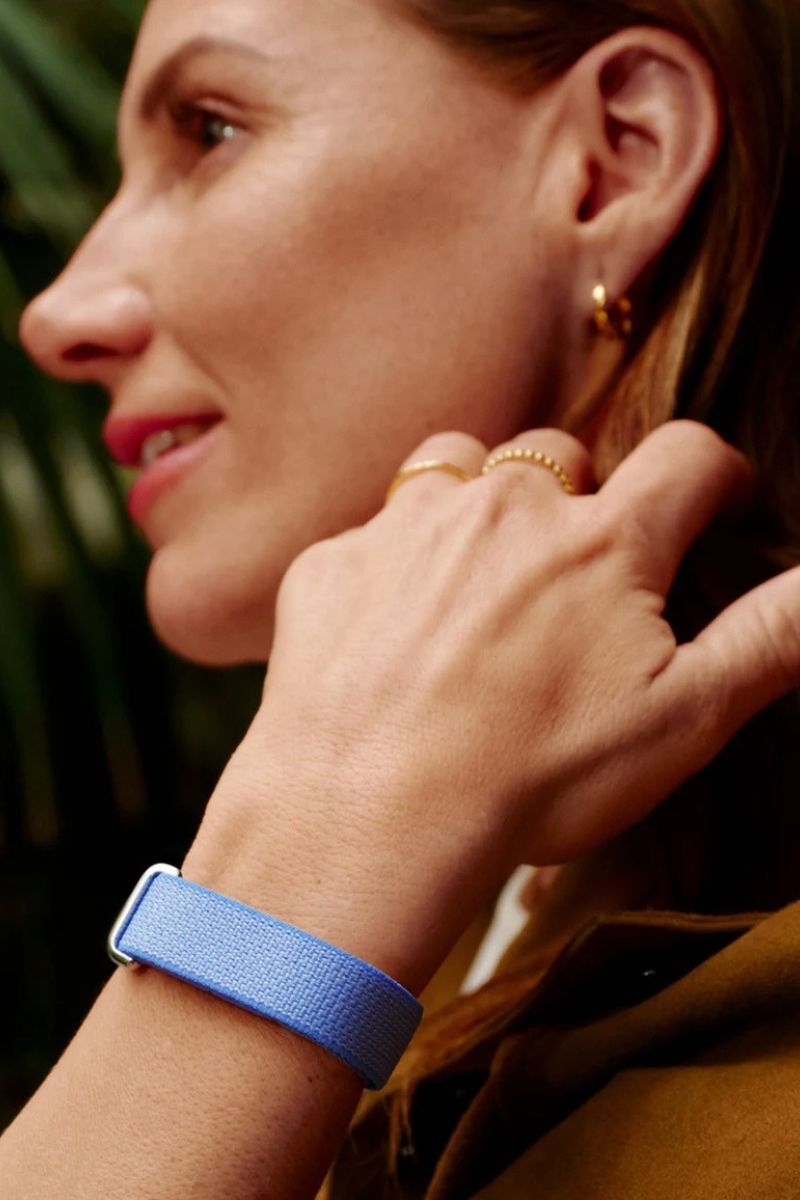
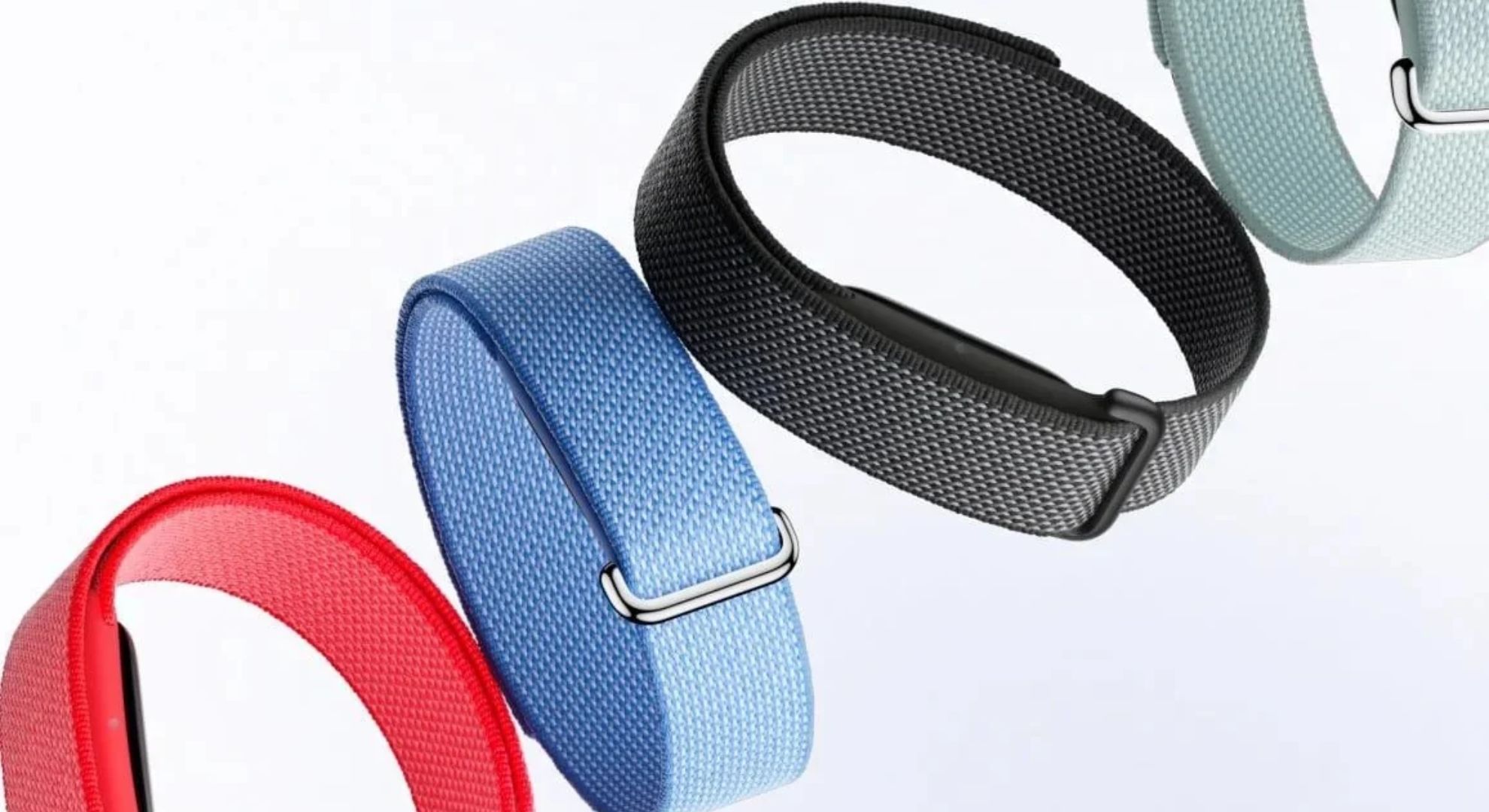
There's a certain irony in the fact that we've spent years buying increasingly sophisticated devices to tell us how to live healthier lives, only to realise that perhaps the healthiest thing we could do is stop looking at them every five minutes.
Enter the screenless fitness tracker. Whoop popularised the idea, Google joined the party with the Fitbit Air, and Garmin followed with its Cirqa. The proposition is fairly simple. No screen, no notifications, no unnecessary distractions. Just a band that sits on your wrist, quietly collecting information about your heart rate, sleep and physical activity. All that information is then sent to the Google Health app on your phone, where you can obsess over it at your convenience. Progress, I suppose.
The Fitbit Air is priced at ₹13,999 in India, with three months of Google Health Premium included. And while I understand the appeal of a wearable that doesn't constantly demand my attention, I also have a few questions about paying that much money for something that doesn't even tell me the time.
That said, there's quite a bit to like here, along with a few things Google could've done better.
Five Things I Like
1. It Weighs Practically Nothing, Which Is Exactly The Point
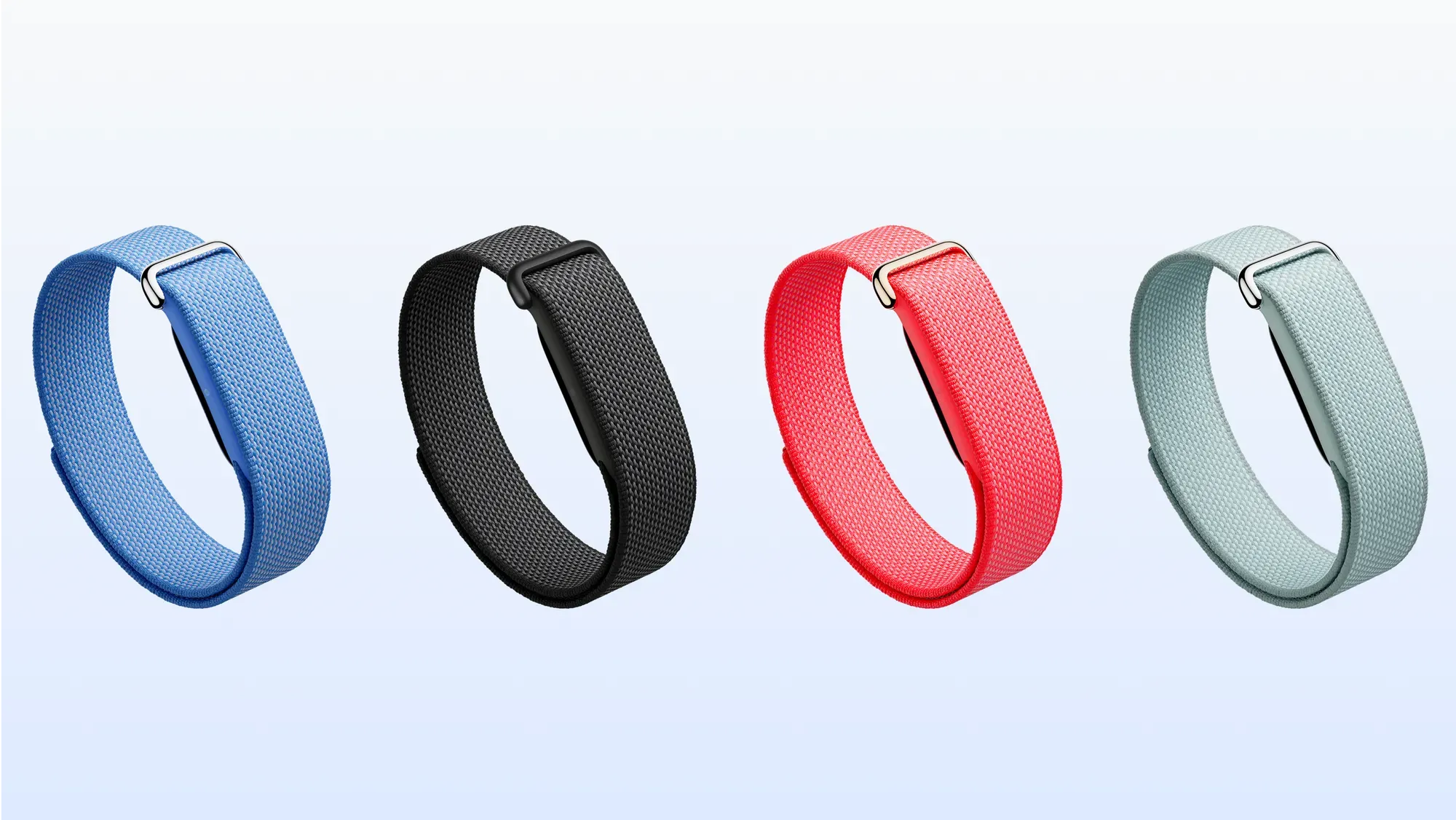
At just 12 grams with its standard strap, the Fitbit Air is ridiculously light. The tracker itself is also remarkably compact, measuring just 17mm wide without the band. That might sound like an insignificant detail on paper, but wearables are only useful if you're willing to keep them on.
And that's where the Air makes a convincing argument for itself. Unlike a traditional smartwatch, there's no bulky case digging into your wrist while you're sleeping, no display lighting up at inconvenient moments and no constant reminder that you've strapped another piece of technology to yourself. It also happens to look like an ordinary bracelet, which is refreshing.
2. Its Sleep Tracking Is Genuinely Impressive
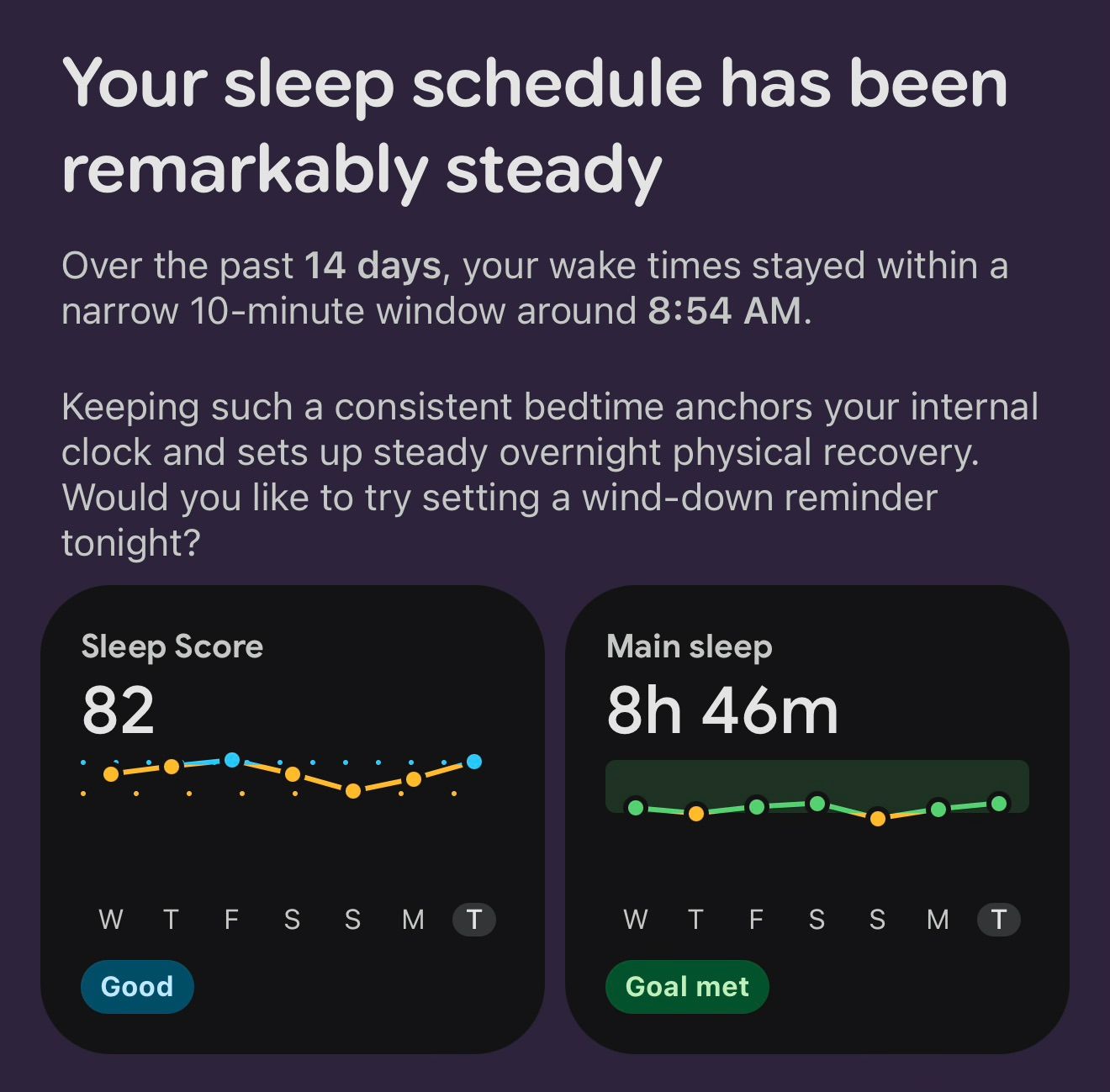
If there's one thing the Fitbit Air seems particularly interested in, it's what you're doing while you're unconscious. Which, depending on how you look at it, is either reassuring or mildly unsettling.
Sleep tracking is easily one of its strongest features. The band monitors your sleep stages, overnight heart rate, heart rate variability, skin temperature and how frequently you wake up. More importantly, it presents all that information in a way that doesn't require a medical degree to understand.
The accuracy is encouraging too. In comparative testing against an Apple Watch Series 12, the Air's recorded sleep duration has come within approximately five minutes, with similar estimates for sleep stages. The sleep scores weren't identical, but that's still a promising result for something considerably smaller and less intrusive than a smartwatch.
3. You Don't Have To Pay A Subscription Just To Use It
Here's something I wish more wearable manufacturers would understand. If I've already paid for the hardware, I'd quite like to use it without negotiating another monthly financial commitment.
At ₹13,999, the Fitbit Air is considerably cheaper than Whoop One, which has a listed MRP of ₹21,990 in India, including a 12-month membership. But the bigger difference is how the two approach subscriptions.
Whoop requires an active membership to access its tracking experience. The Fitbit Air doesn't.Even without Google Health Premium, you still get access to your steps, heart rate, sleep tracking and daily readiness score.
Of course, Google would very much like you to subscribe to Premium, which is where the more sophisticated coaching features come in. But the fact that you can decline without turning your ₹13,999 purchase into an expensive wrist accessory is a welcome change.
4. A Week Of Battery Life Is Respectable, Especially With Fast Charging
Google claims the Fitbit Air can last up to seven days on a single charge, and real-world battery life appears to hover somewhere around that figure, sometimes a little longer. However, what interests me more is the charging speed. Five minutes plugged in can give you approximately another full day of battery life, while Google quotes up to 90 minutes for a complete charge.
In practical terms, that means you could plug it in while showering, get dressed and have enough battery to comfortably make it through the day. And considering I'm already responsible for keeping a phone, laptop, earbuds and several other electronic dependents alive, having one less device demanding a daily charge is a fairly compelling proposition.
5. The Gemini-Powered Coach Is Actually Useful
AI has become the technological equivalent of coriander. Every product needs some seasoning of it. Fortunately, Google's Gemini-powered Health Coach has a few genuinely useful tricks up its sleeve.
Available through Google Health Premium, it allows you to interact with your fitness data conversationally rather than having to navigate through a dozen different menus. You can log meals by photographing them or scanning a nutrition label, record a workout after you've finished it and even ask for feedback on your exercise form using screenshots.
Naturally, it isn't perfect. Food entries can require corrections, and the Coach doesn't always interpret information as accurately as you'd hope. But there's genuine potential here, particularly as Google continues refining the experience.
Four Things I Don't Like
1. The Indian Pricing Is High
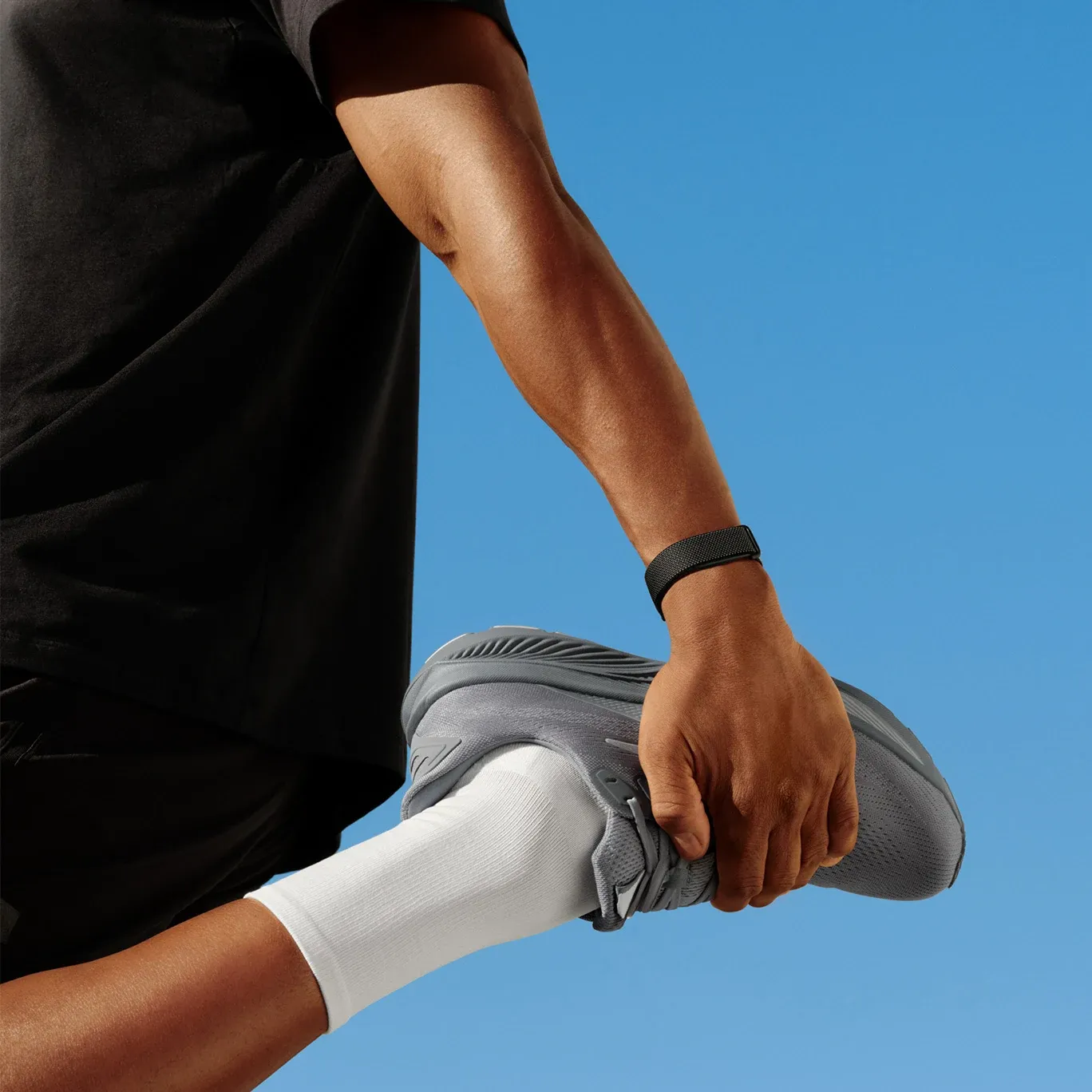
At $99.99 in the US, the Fitbit Air looks like a fairly accessible entry into the screenless fitness-tracking market. At ₹13,999 in India, that argument becomes considerably harder to make.
The Indian price is substantially higher than a straightforward conversion of the US price, although differences in taxes and regional pricing make a direct comparison imperfect. Still, this particular premium feels difficult to justify.
Especially when alternatives like the Noise REP and Amazfit Helio Strap have been listed at ₹9,999 and ₹8,999, respectively.
2. No Built-In GPS Is A Pretty Big Compromise
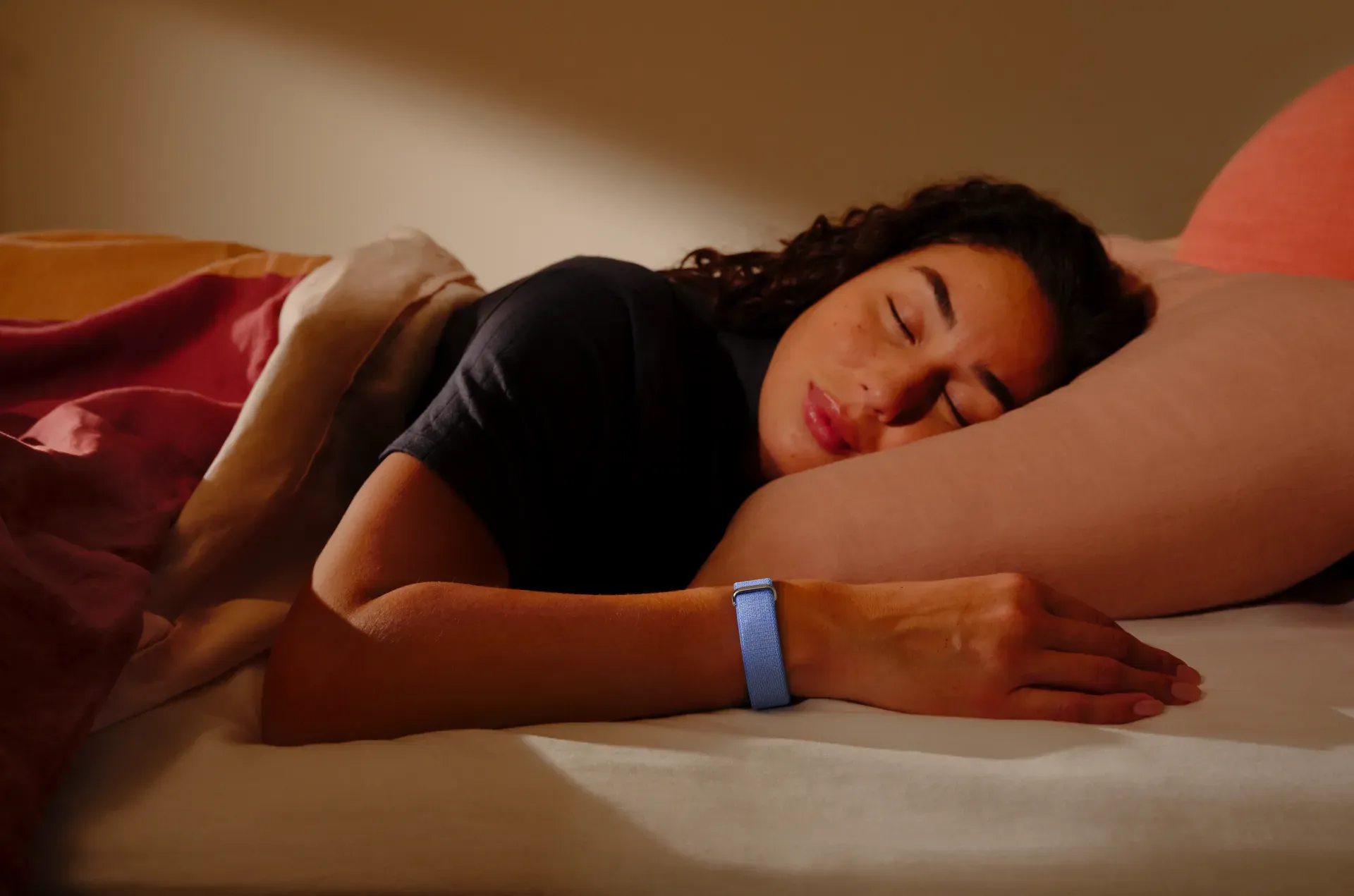
For something designed to track physical activity, the absence of built-in GPS is a fairly significant omission.
If you want a properly mapped run, you'll need to carry your phone and use its GPS. Which rather defeats the appeal of wearing a lightweight, unobtrusive tracker that's supposed to free you from your other devices. More importantly, the distance tracking isn't particularly reassuring either.
In a 10K comparison, the Fitbit Air recorded 10.43km against the Apple Watch Series 12's 10.03km, despite using GPS information from the phone. The discrepancies become more concerning when relying entirely on the band's motion sensors. Now, if your idea of cardio involves walking to the refrigerator or occasionally taking the stairs because the lift is taking too long, this probably won't concern you.
3. The App Has A Lot To Say, And Not All Of It Is Useful
The idea behind the Google Health app is sensible enough. Bring all your health information into one place, organise it neatly and use AI to help you understand what the numbers actually mean. The execution, unfortunately, isn't quite as elegant.
Information is spread across four different tabs: Today, Fitness, Sleep and Health. While that sounds organised enough on paper, finding individual metrics isn't always as straightforward as it should be. However, lengthy summaries and repeated recovery advice can become exhausting. There's only so many ways an algorithm can tell you to get more sleep before you start wanting it to mind its own business.
4. The Lack Of A Screen Is Both Its Greatest Strength And Biggest Weakness
I understand that complaining about the absence of a screen on a deliberately screenless fitness tracker is a little like buying a convertible and complaining about the roof. But hear me out.
Something is appealing about wearing a device that doesn't constantly demand your attention. No messages, no notifications and no temptation to check your wrist every time something vibrates.
Unfortunately, there are moments when having a screen is genuinely useful. Want to check your heart rate halfway through a workout? Take out your phone. Want to see how long you've been running? Phone again. Want to know the time? You know the drill.
And while the idea of disconnecting from technology sounds wonderful in theory, I'm not entirely convinced replacing a quick glance at your wrist with repeatedly reaching for your smartphone is necessarily an improvement.
There's also the question of habit. If you've worn a smartwatch for years, instinctively looking at your wrist to check the time is going to be a difficult reflex to shake. And if you're someone who relies on your watch for notifications, quick information or workout metrics, you might find yourself missing that little screen more than you expected.
Verdict: Should You Buy The Google Fitbit Air?
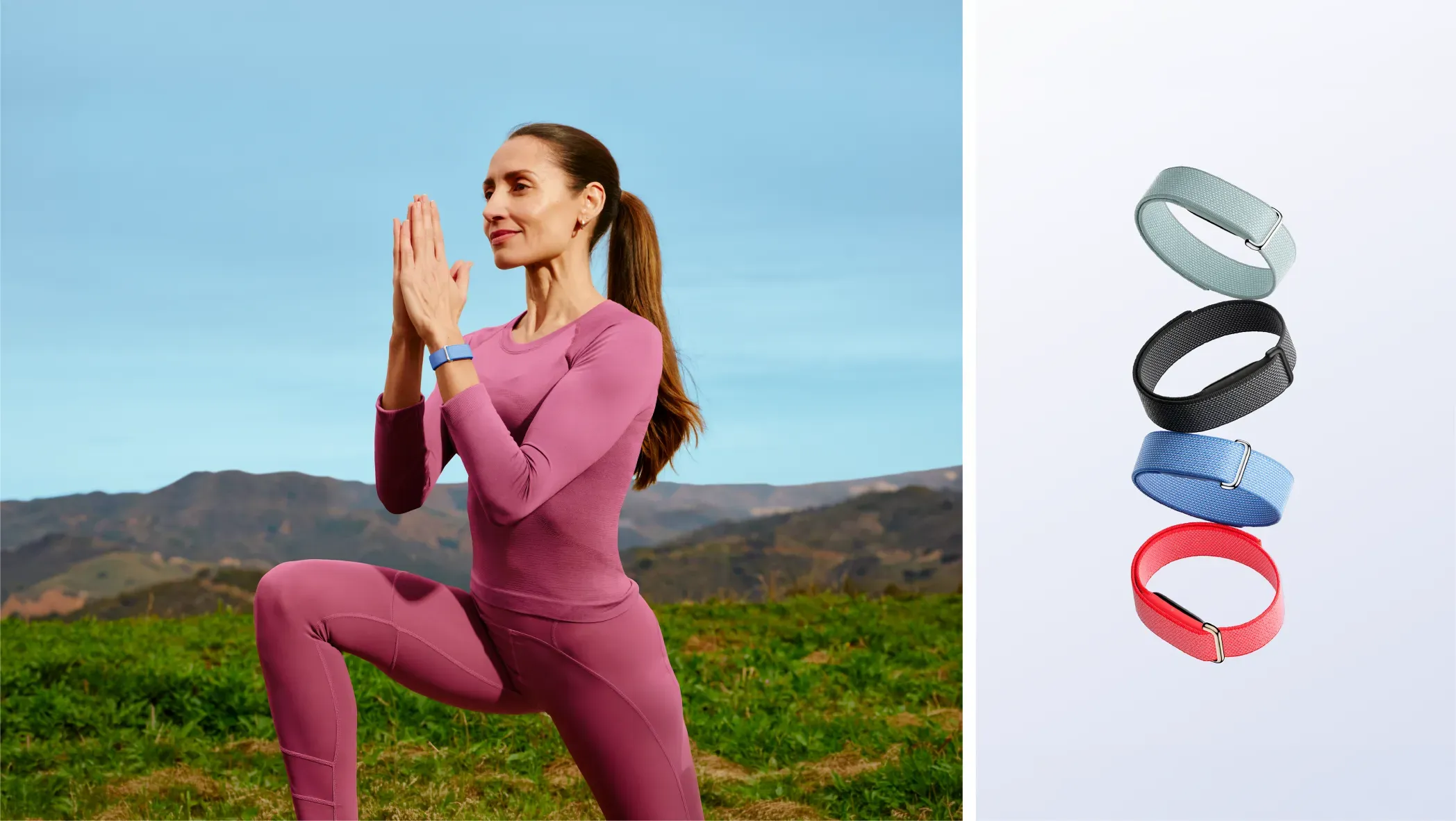
The Fitbit Air is a good product at the wrong price. It's lightweight, comfortable, tracks sleep well and doesn't force you into a subscription. But at ₹13,999, the lack of GPS and inconsistent distance tracking are hard to forgive. If sleep and everyday activity tracking are your priorities, the Air does the job. Google has nailed the idea of doing more with less.


