As a reviewer, I usually have a handful of phones within arm's reach at any given time. Even when I'm meant to be focused on one device for a few weeks, there's always a moment where I grab whichever phone is closest to fire off an urgent email or photograph my cat, who has no interest in waiting for the perfect shot. Every one of those photos, including the ones from my iPhone, lands in the same Google Photos library. More often than not, I have to check the metadata just to remember which phone took what.
Not with the Oppo Find X9 Ultra.
Three weeks in, I can spot its photos the second I open the app. They have a look that separates them from everything else in my camera roll, something very few phone cameras manage anymore. That's only part of it. The longer I spent with the Find X9 Ultra, the harder it became to ignore how complete a flagship this is. Apple, Google and Samsung all have new phones coming. Oppo didn't wait for any of them to make its case.
No Half-Measures
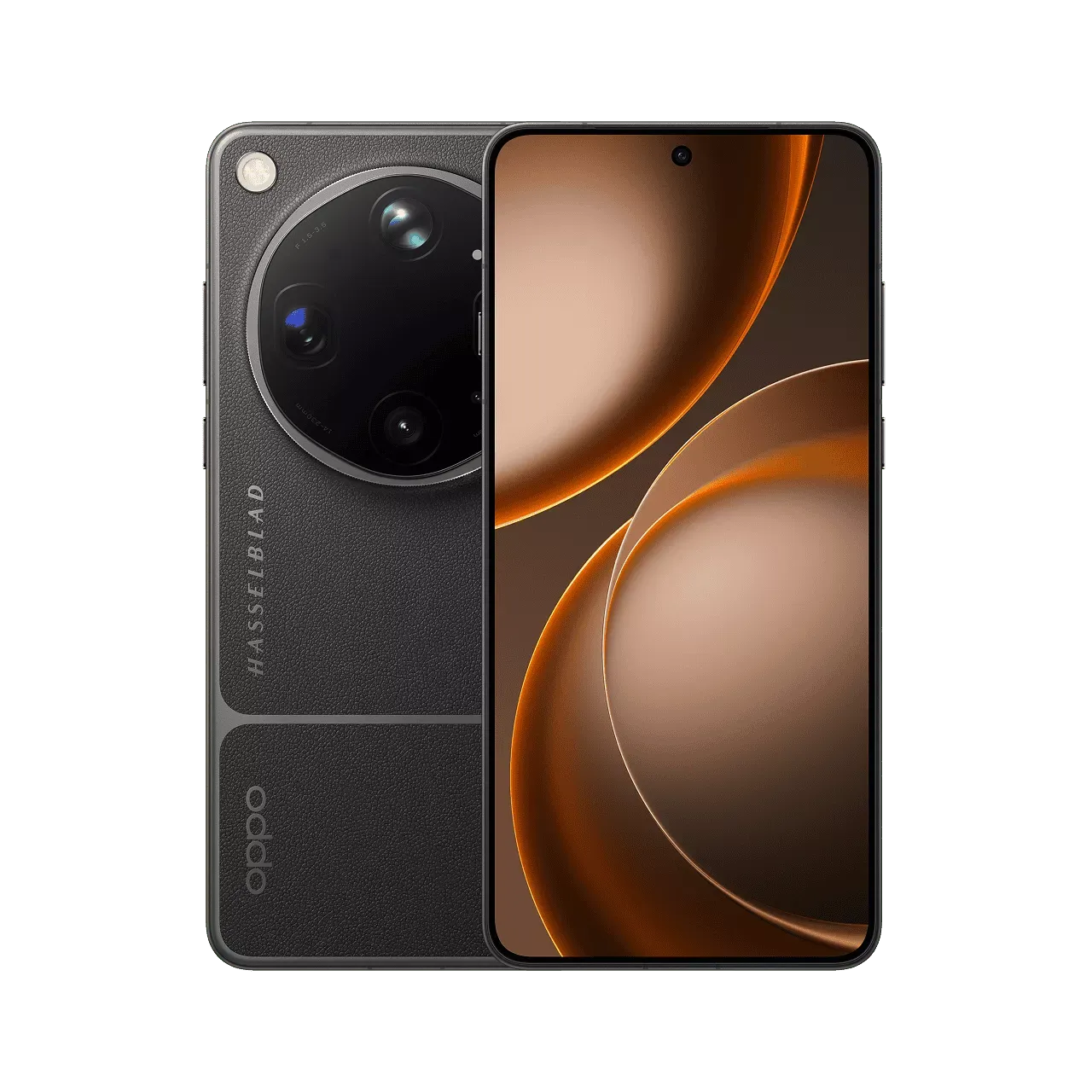
Most phone makers hide behind "eco-friendly minimalism" as an excuse to skimp on the box. Oppo doesn't. Along with the charger and USB-C cable, you get a sturdy case that mirrors the texture of the phone itself. It's a small thing, but increasingly rare: opening a flagship box and not immediately needing to shop for the accessories it left out.
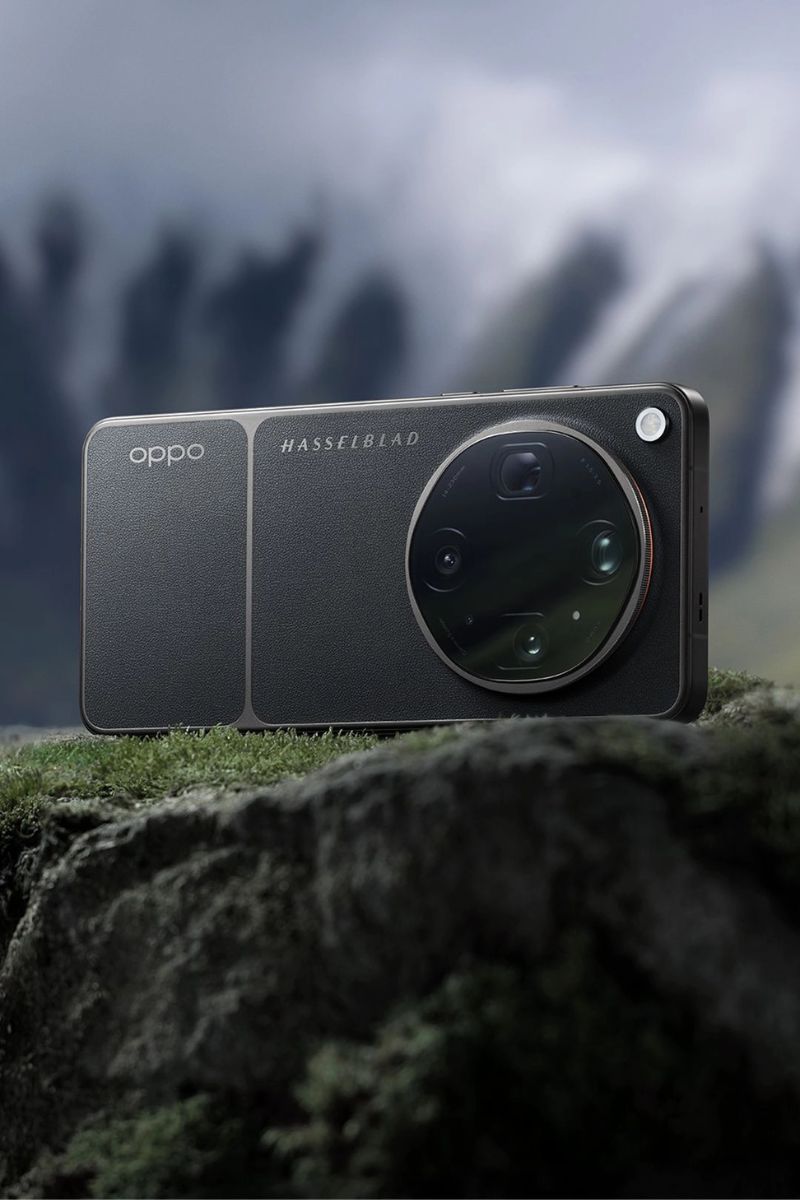
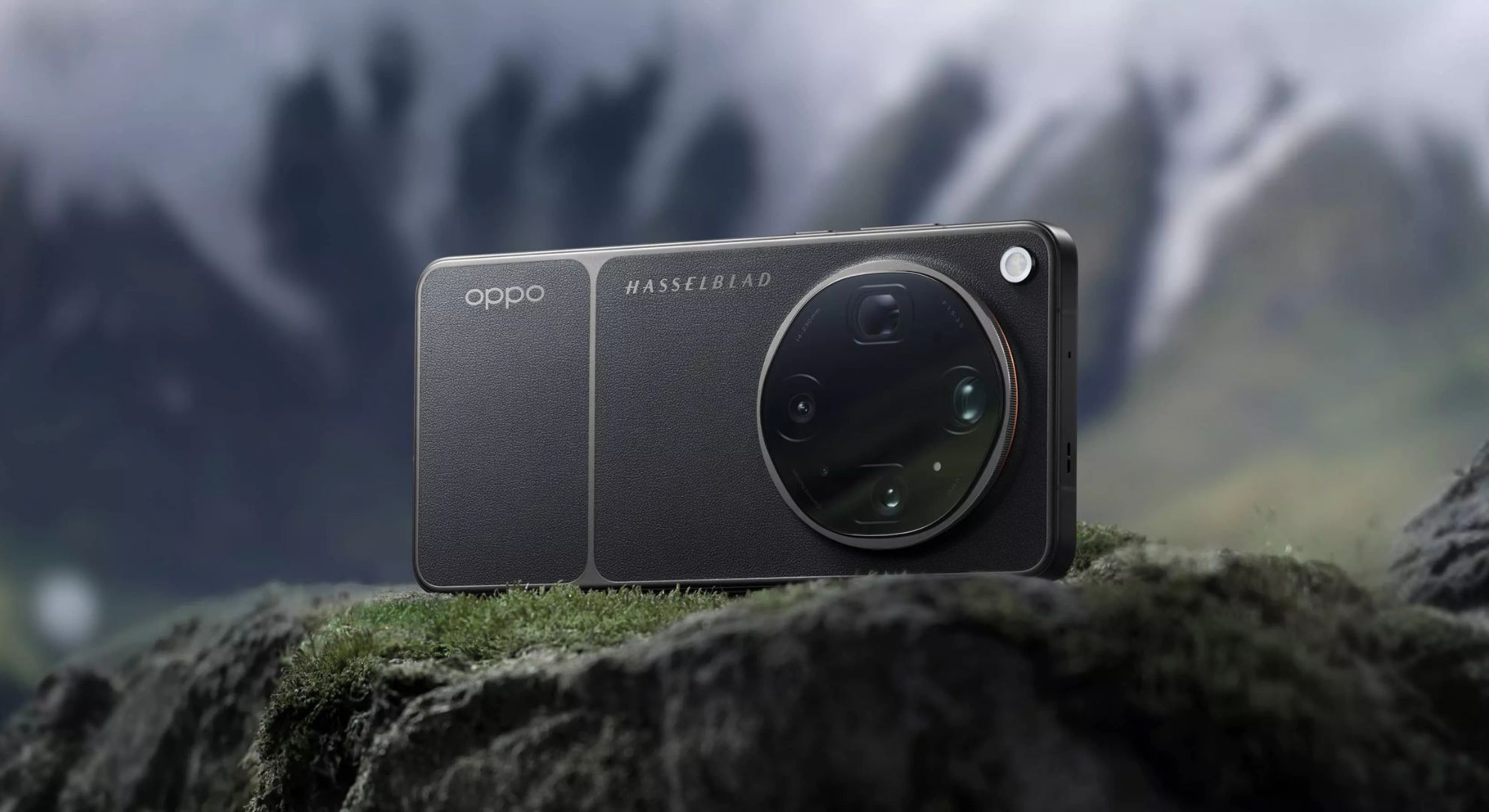
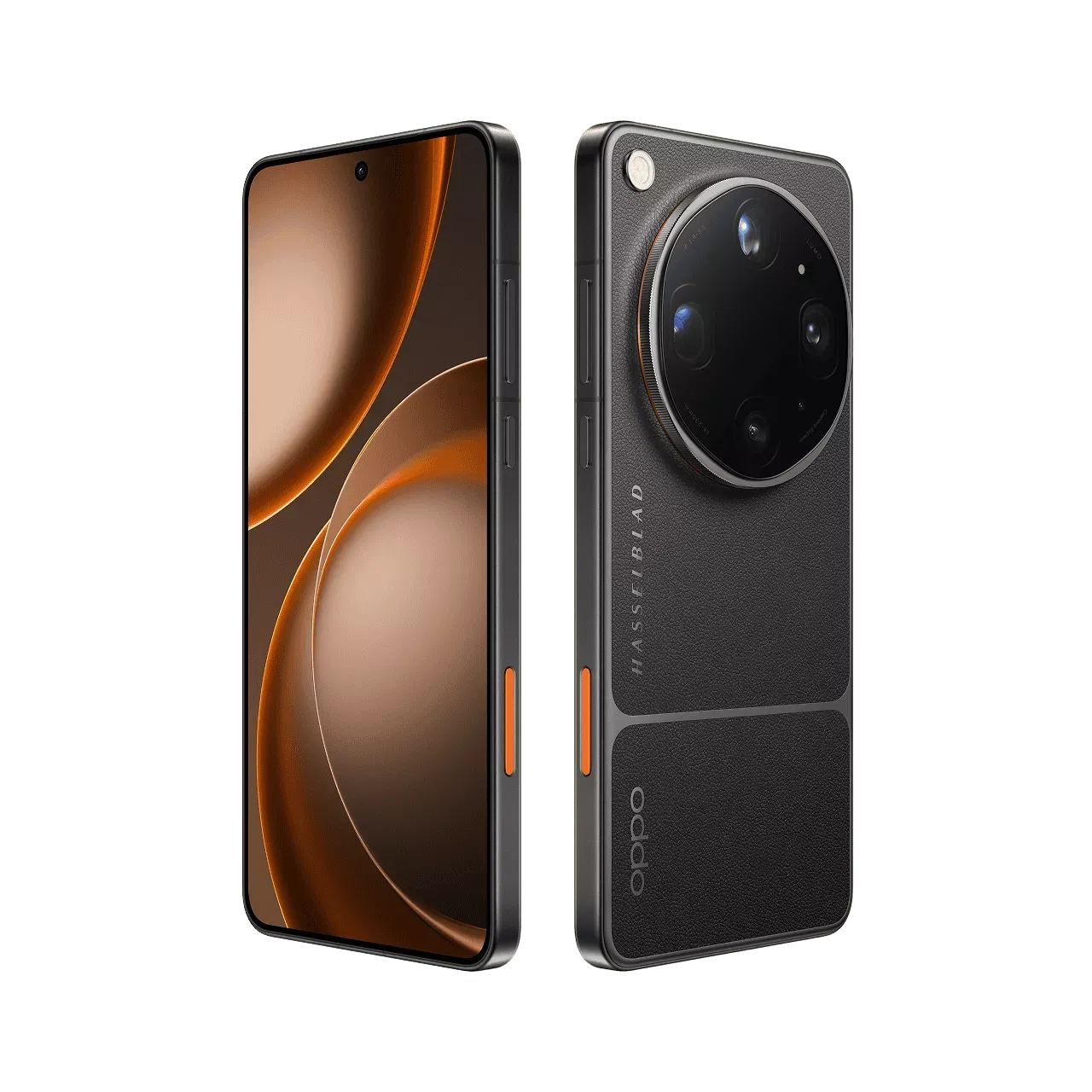
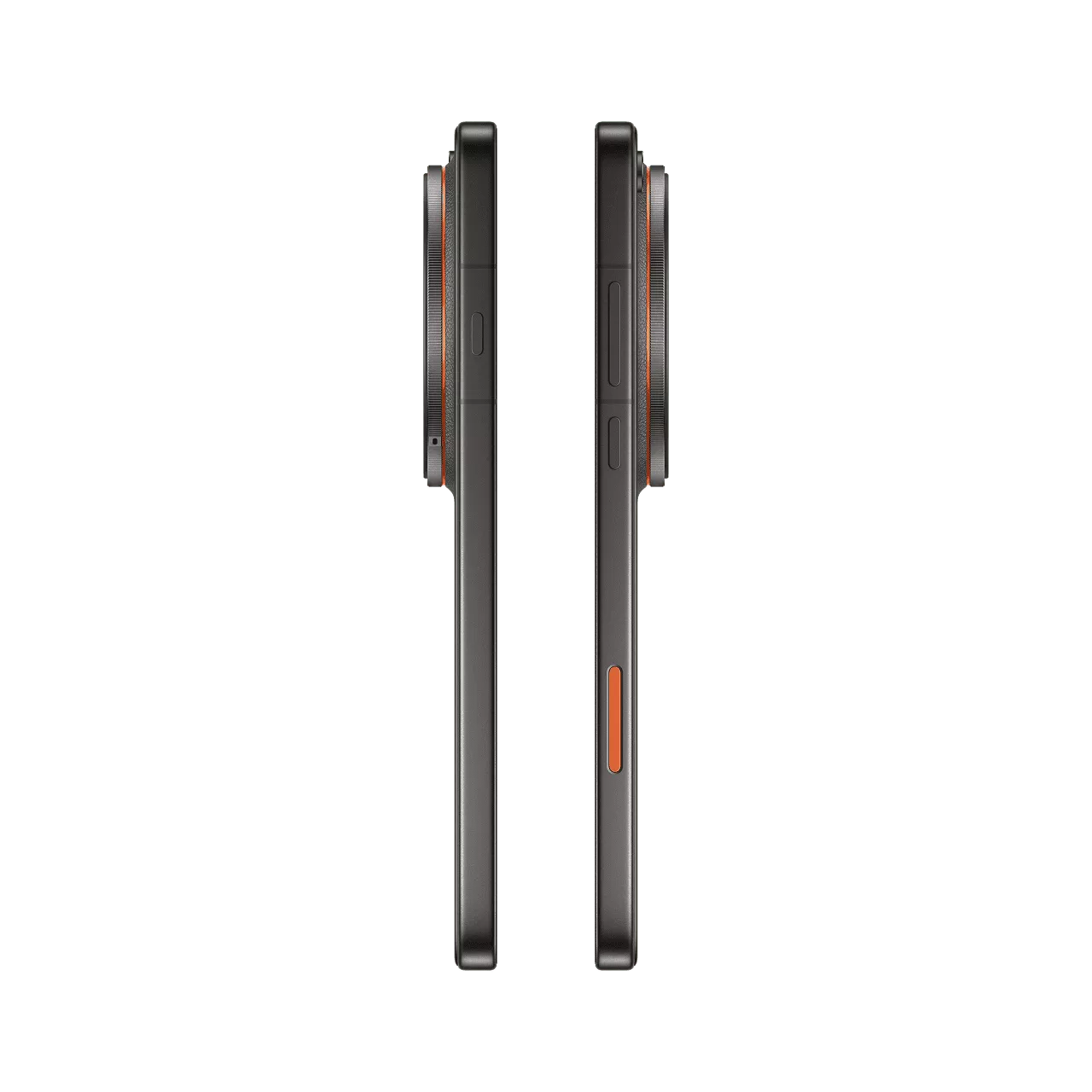
Then there's the camera module. It's a circle that eats up nearly a quarter of the back panel, and I'm not complaining. It looks like Oppo wants everyone around you to clock that this phone means business, and it does exactly that.
Up front is a flat 6.82-inch LTPO AMOLED display running at 144Hz with Dolby Vision support, and it peaks at 3,600 nits, bright enough that direct sunlight stops being something you think about. Editing photos, bingeing YouTube, doomscrolling at midnight: I never once wished for a better screen.
Our Tundra Umber review unit comes in a vegan leather finish that looks good and grips even better, useful when you're carrying around something that costs as much as a motorcycle and have an irrational fear of dropping it. My one gripe: no dedicated camera grip case, not even as an optional extra. For a phone this openly built around photography, that feels like the one accessory Oppo forgot to make.
My favourite software detail on the whole phone is the AI Adaptive Eye Care suite's Viewing Distance Reminder, which nudges you when you're holding the screen too close to your face. It sounds like a gimmick you'll dismiss within a day. I didn't. Two weeks in, I caught myself holding every other phone further away too. It's probably the only time a phone feature has actually changed a habit of mine instead of just nagging me about it.
ColorOS, Finally Figured Out
I've had a complicated relationship with Android skins for years. Most either try too hard to reinvent Android or directly copy iOS, or bolt on so many half-baked features you wish they'd left it alone. ColorOS is the exception. Three weeks with the Find X9 Ultra, and I'm falling for it, slowly and against my better judgment.
It's stable in a way that doesn't announce itself. No flashy tricks, no gimmicks. It just works. Jumping between a dozen apps, editing photos, switching lenses, a few rounds of Genshin Impact: the Snapdragon 8 Elite Gen 5 and 12GB of RAM never once stuttered, slowed down, or ran hot. It simply got on with the job, which might be the nicest thing you can say about a phone.
I used Oppo's AI features far more than expected. The AI Photo Editor genuinely earns its place, cleaning up photobombers and clutter without fuss, and AI Portrait Glow smooths skin without dipping anyone in Vaseline. Neither is a feature you'll brag about at dinner, but they're the kind you'll miss the second you switch back to something else.
But no love story is without its betrayals. The first thing I did after setup was uninstall a stack of preloaded apps. Then came the App Market notifications, suggesting more apps to download. Yes, I turned those off. I know I can. That's not the point.
An Ultra phone shouldn't begin with housekeeping. Oppo's spent years earning a seat at the table with Apple, Samsung and Google, which is exactly why a detail this small stands out this much.
Hard to Take a Bad Photo
Quick bit of context: when I'm out with friends, I'm usually the one who gets the phone taken out of my hands when it's time for a picture. I welcome it. Some people have an eye for photography. They know where to stand, how to frame a shot, when to press the shutter. I have the photographic instincts of a potato.
The Find X9 Ultra made me question that.
Somehow, Oppo has built a camera system that makes it remarkably difficult to take a bad photo. I'd pull it out of my pocket, point it in the general direction of whatever caught my eye, and tap the shutter. More often than not, I'd end up with a photo that looked like I'd actually thought about the composition. Coming from someone with my track record, that's not nothing.
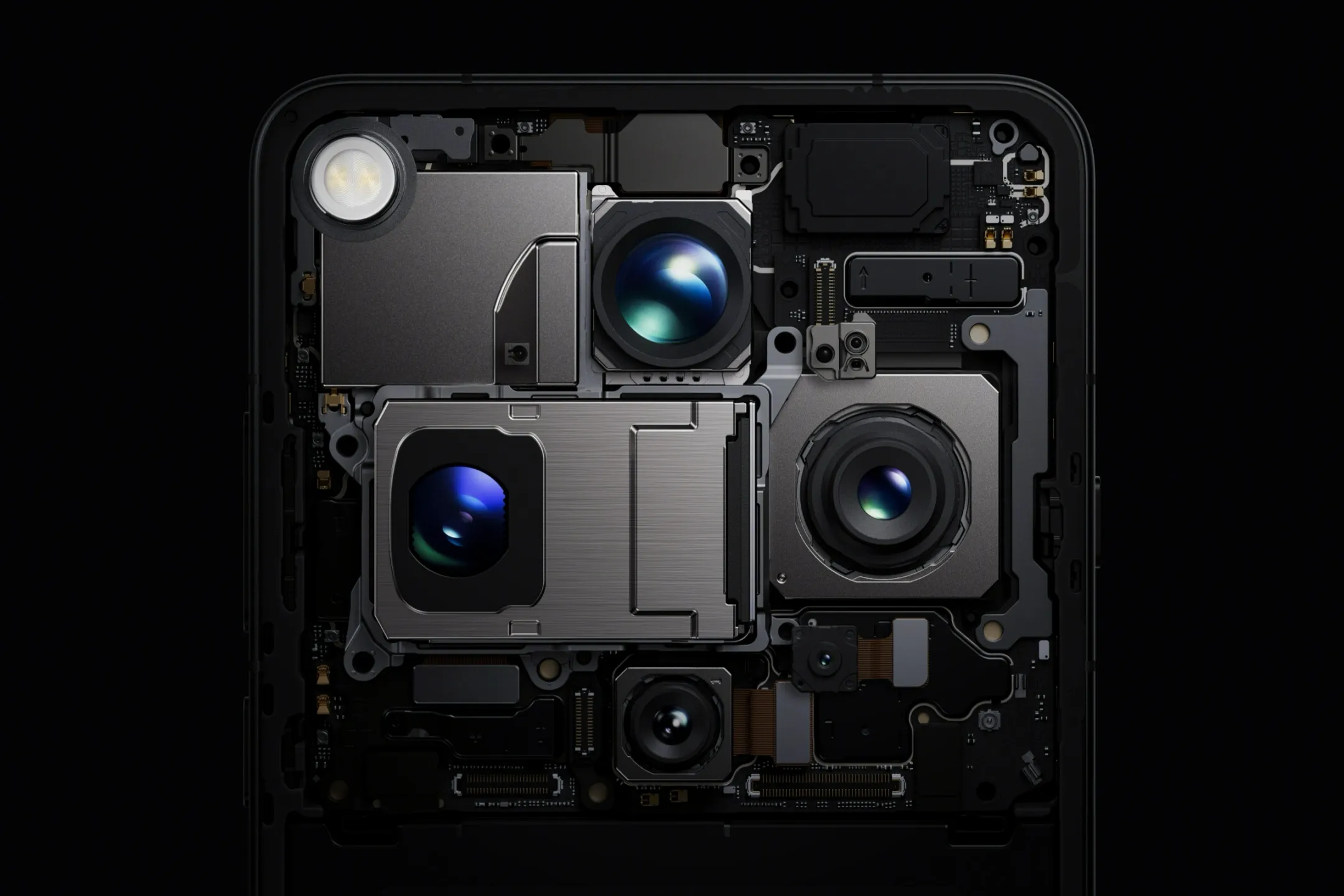
Before the photography purists sharpen their pitchforks: yes, a lot of this comes down to hardware. The Find X9 Ultra runs Oppo's new-generation Hasselblad Master Camera System: a 200MP Sony LYTIA main sensor, a 200MP 3x telephoto, a 50MP 10x periscope, a 50MP ultrawide, and a dedicated True Colour sensor for white balance, spanning a focal range from 14mm to 460mm. It's an absurd amount of camera, but unlike phones where you wonder why half the lenses exist, every one here earns its place.

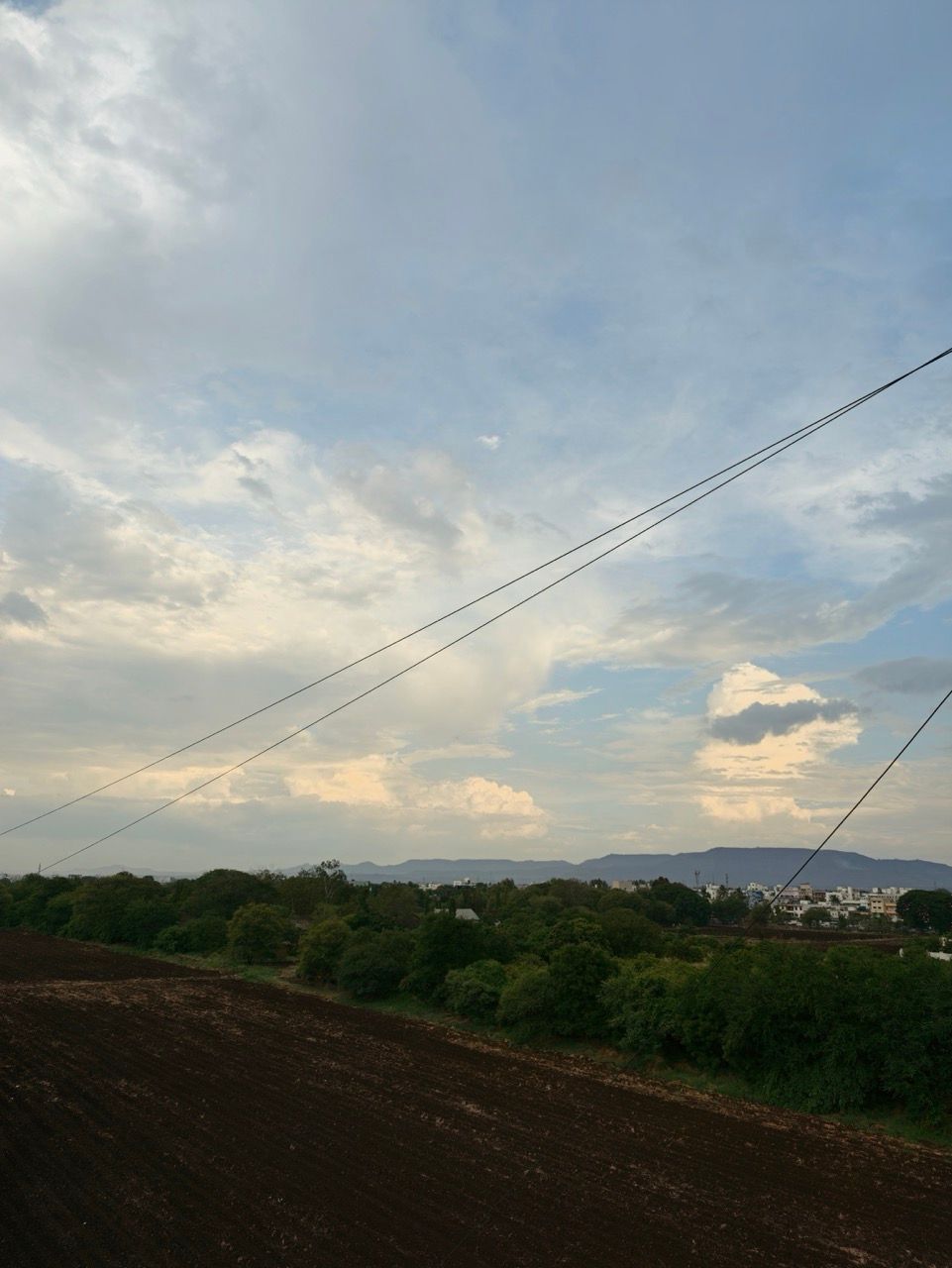
Looking back at the hundreds of photos from these three weeks, I noticed something. I wasn't suddenly gifted with an eye for composition, or hunting for good light, or crouching at odd angles. I just trusted the camera. My cat mid-refusal-to-sit-still, a monsoon sky over my balcony, the hills across the city, some kids playing cricket in a field below; point, shoot, move on. Nine times out of ten, it rewarded that confidence.
The main sensor is exceptional: excellent dynamic range, colours that feel rich without tipping into the oversaturated mess we've all quietly agreed to call "flagship photography." There's a confidence to the images. Exposure lands right almost every time, and nothing looks like it's trying too hard. Better still, that colour science holds across the whole system. Switch from ultrawide to telephoto, and it doesn't feel like you've changed phones, which is rarer than it should be.
Portraits are where it really shows off. Skin tones look believable, subject separation is excellent, and Oppo has resisted the urge to smooth every face into a wax statue: hair strands, beard texture, the frame of your glasses all survive intact. The telephoto cameras hold up too, in a way most zoom lenses promise and don't deliver; I found myself reaching for zoom far more than usual because the results kept earning it.

Low light is handled with restraint. Instead of turning midnight into midday, the Find X9 Ultra keeps the atmosphere of the scene while pulling real detail out of the shadows: highlights stay controlled, noise stays down, and the photo still looks like where you were actually standing.
Then there are the details that make you want to keep experimenting. Hasselblad's XPAN mode remains one of my favourite modes on any phone. The panoramic shots look pulled from a reel of film, not a sensor. Master Mode is there if you want to get hands-on, but I rarely needed it. Auto is just that good.
One Phone, Not Two
Battery anxiety, for most flagships now, has quietly stopped being a real concern. I don't obsess over the percentage the way I did even a year ago.
Even so, the Find X9 Ultra surprised me. Before this phone, I'd leave the house with two: a daily driver for email and WhatsApp, and whatever I was reviewing, kept alive mostly for its camera, partly because I didn't trust review units to survive the day, and partly because, as established, I wasn't exactly first in line for photography duty anyway.
That changed here. At some point during these three weeks, I realised I'd stopped carrying two phones. This became the only one going in my pocket: work events, dinner, a weekend ride. Even on days I spent hours shooting, editing and navigating with the screen cranked up, I never found myself hunting for a charger before heading home.
Credit the 7,050mAh silicon-carbon battery. It's one of the best I've used on a flagship this year, and you'll struggle to kill it in a day unless you're determined to game or shoot 4K video for hours straight. For most people, it'll comfortably run into the next morning.
When it does need topping up, the 100W SuperVOOC charging gets there fast. I never found myself waiting around. There's 50W wireless too, if you've bought into Oppo's ecosystem.
My one complaint: Oppo stopped just short. The OnePlus 15, from Oppo's own sister brand, now does 120W wired. Is 100W slow? Not remotely. But on a phone this close to getting everything right, it's the kind of gap you notice precisely because so little else is missing.
The Verdict
Very few phones change how you actually use a smartphone. This one did. It's why I stopped checking metadata to know whose photo was whose, why I started trusting myself with a camera instead of handing it to someone better, why I left the house with one phone instead of two. It's not perfect. Oppo still treats a flagship this expensive as advertising space for its own App Market, and 120W charging would have completed the package. Those are footnotes, not verdicts.
At ₹1,69,999, I wouldn't think twice. I'd buy this without hesitation. It's one of the most complete Android flagships I've used in years and, more tellingly, one of the very few review units I've actually dreaded sending back.


