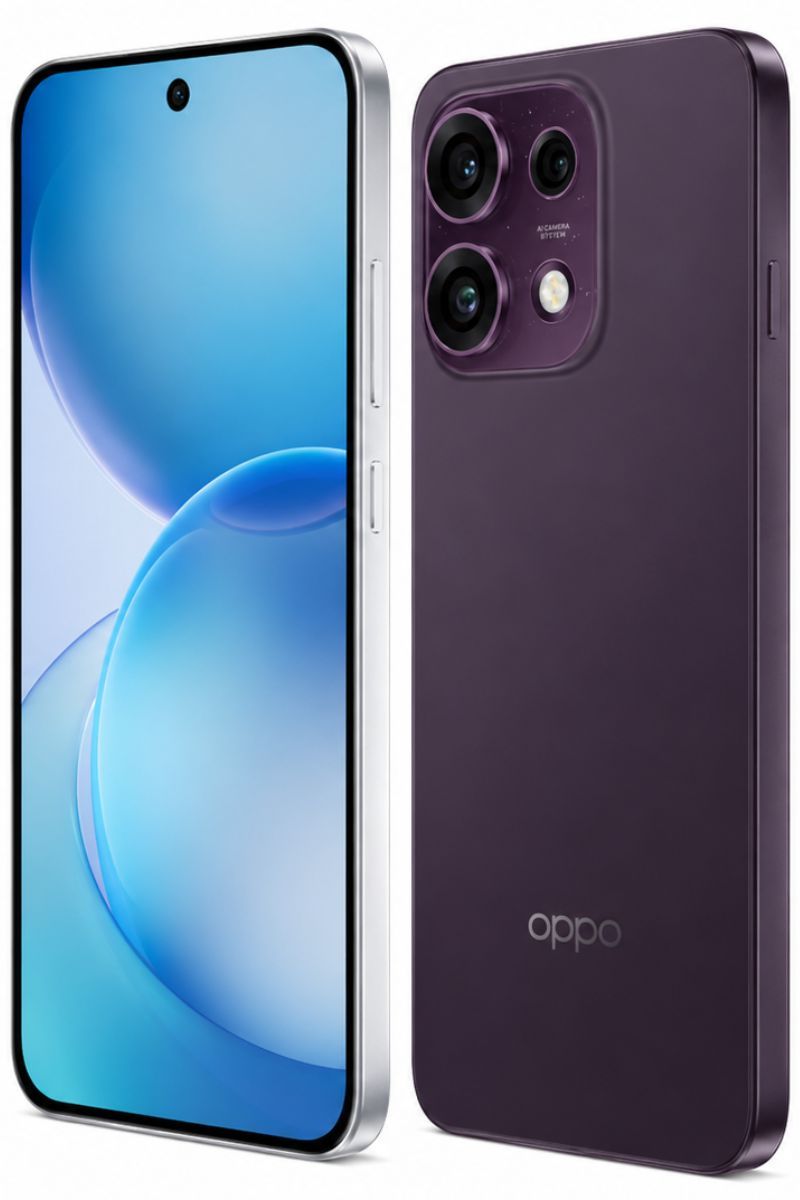
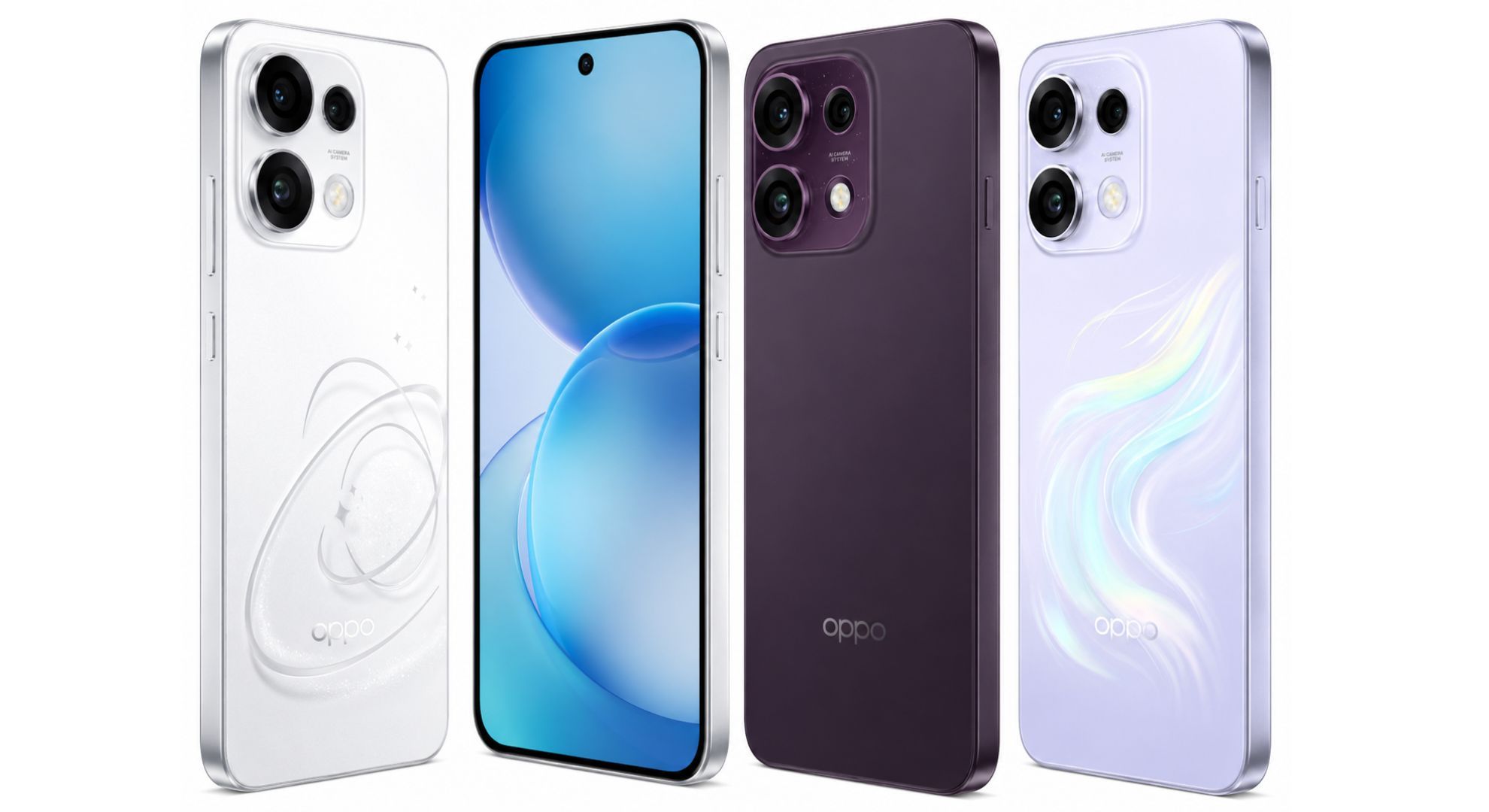
There’s always been a debate between expectation and reality. A few years ago, spending ₹60,000 on a phone came with certain expectations. Today, those expectations have changed. With RAM prices rising, phone makers have had to dial them back. The Oppo Reno 16 finds itself caught somewhere in the middle. It gets a lot of things right, but there are a few omissions that left me scratching my head.
The Touch, The Feel
The unboxing experience of the Reno 16 is pretty similar to previous Reno phones. I'm happy to report that Oppo still includes a charging brick and a case in the box, although I do wish the quality of the plastic case was a bit better considering the price.
Nevertheless, you're greeted by a gorgeous 6.32-inch flat 1.5K AMOLED display with a 120Hz variable refresh rate. The phone feels properly refined in the hand too, thanks to the metal frame that wraps around the sides. Surprisingly, it also feels lighter than it looks, weighing just 182g. Oppo has also pushed the bezels so close to the edges that they're barely noticeable.
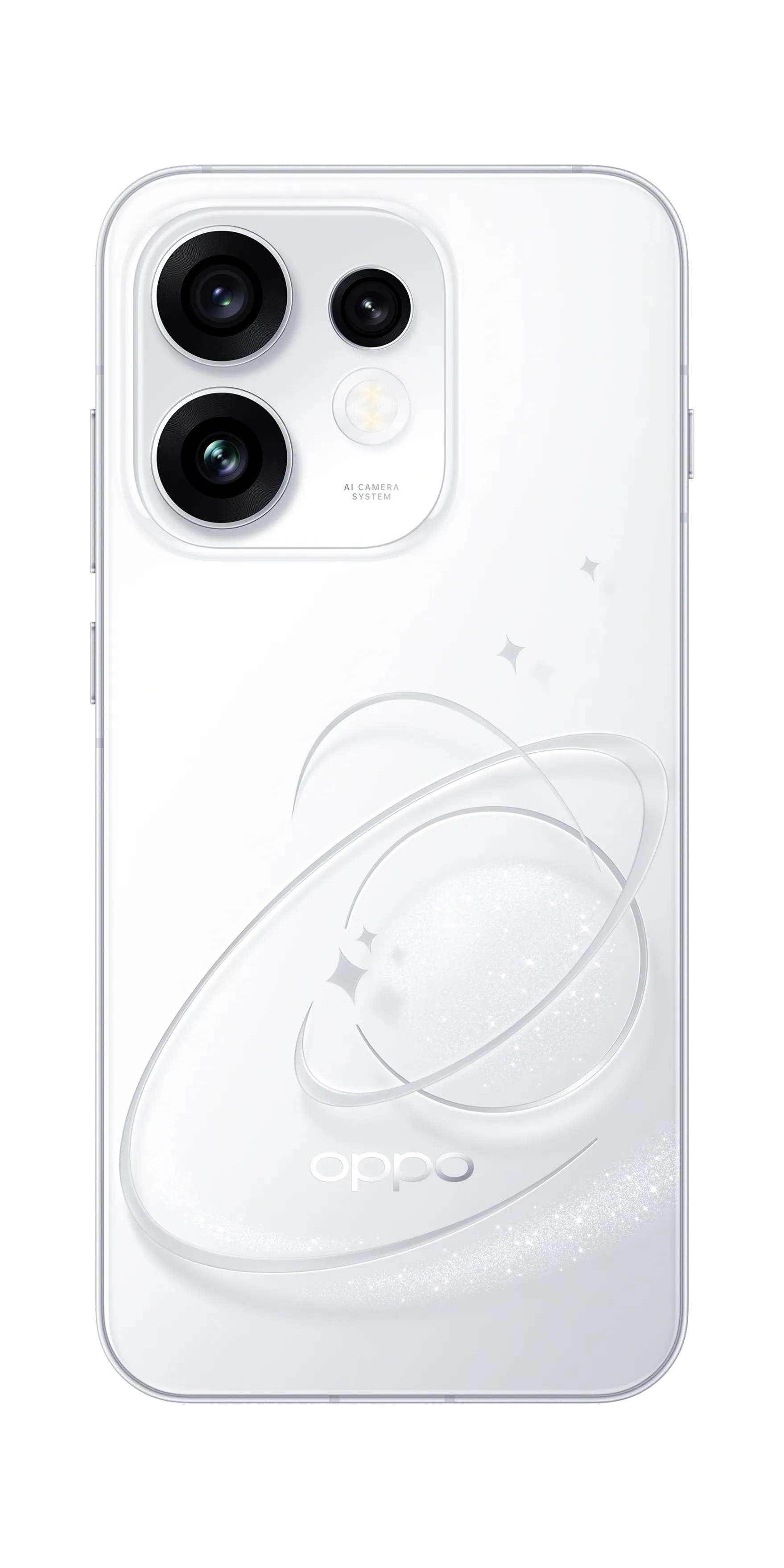
Flip the phone over, and that sense of refinement continues. While we didn't get the HoloVerse 3D variant, I actually prefer the understated look of the Twilight Violet colourway, especially the camera island, which has a subtle starry shimmer under certain lighting. It's a small touch, but one that makes the phone feel far more expensive than it actually is.
Then there's the new AI Snap Key, which makes its way over from the Find X series. By default, it launches Oppo's MindSpace AI feature, though you can reassign it to other functions such as the camera, silent mode or other shortcuts. It's a handy addition, even if the default action isn't one I found myself using often.
The display itself is spectacular. It peaks at 1,800 nits of brightness and packs a pixel density of 460 PPI, making everything from text to videos look wonderfully crisp.
The Experience

The Reno 16 runs on Oppo's ColorOS 16.1. It's snappy, it's clean, and it gets the job done. What I like most about ColorOS is how drama-free it is. Things just work. There are no awkward stutters or random glitches. That said, I do feel like it could use a bit more personality. Not that the current design is bad, but if it were an outfit, it'd be a neatly pressed shirt tucked into formal trousers. Maybe it's time to throw on a polo shirt every once in a while.
My bigger issue, however, isn't with ColorOS. It's with the hardware underneath it.
I'm generally not a fan of spec-sheet comparisons or benchmark numbers. They rarely reflect how most people actually use their phones. But there's something odd about the Reno 16 that I couldn't quite put my finger on. Every time I picked it up after it'd been sitting idle, it seemed to take a split second to gather itself before snapping back to its usual responsive self. Once you're actually using it, it's quick and fluid, but that initial hesitation is noticeable. Whether that's down to the Snapdragon 7 Gen 4, the 8GB RAM, or a combination of both, I can't say. What I can say is that it happened often enough for me to notice. It also makes me wonder how gracefully this hardware will age, especially when Oppo is promising close to five years of software support.
Coming to the AI features, I've always felt phone makers should build them around real user habits rather than trying to convince people to use them. Oppo's AI MindSpace falls into the latter camp for me. I genuinely can't think of a moment in my daily routine when I'd go out of my way to use it.
AI Mind Pilot, on the other hand, is genuinely interesting. It lets you enter a single prompt and simultaneously compares responses from three different AI models, namely Gemini, Perplexity and ChatGPT, within the same interface. You can then pick whichever response you find the most useful. It's a simple idea, but one that actually feels practical.
Then there's Oppo's AI photo editor, which includes features like AI Composition, Portrait Glow, AI Eraser and a handful of other editing tools. It's one of the few AI suites I genuinely miss when switching to another phone. Portrait Glow, for instance, does a surprisingly good job of improving lighting in portraits. Just don't push it too far, as it has a tendency to smooth skin a little too aggressively, giving faces a slightly plasticky, watercolour-like finish.
The Camera
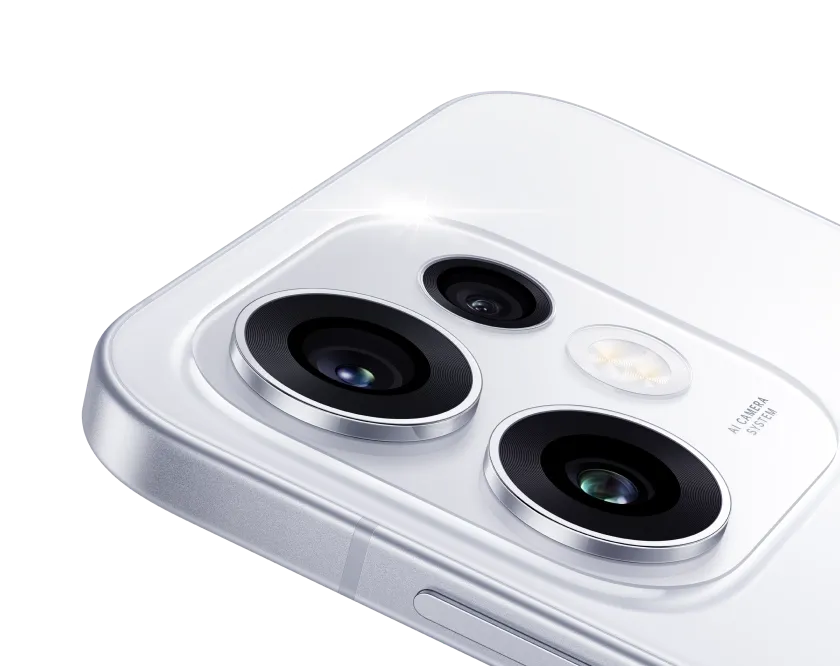
Coming to the crème de la crème of the Reno 16, it packs an all-50MP setup. You get a 50MP main camera, a 50MP telephoto and a 50MP ultrawide at the back, while selfies are handled by another 50MP sensor up front.
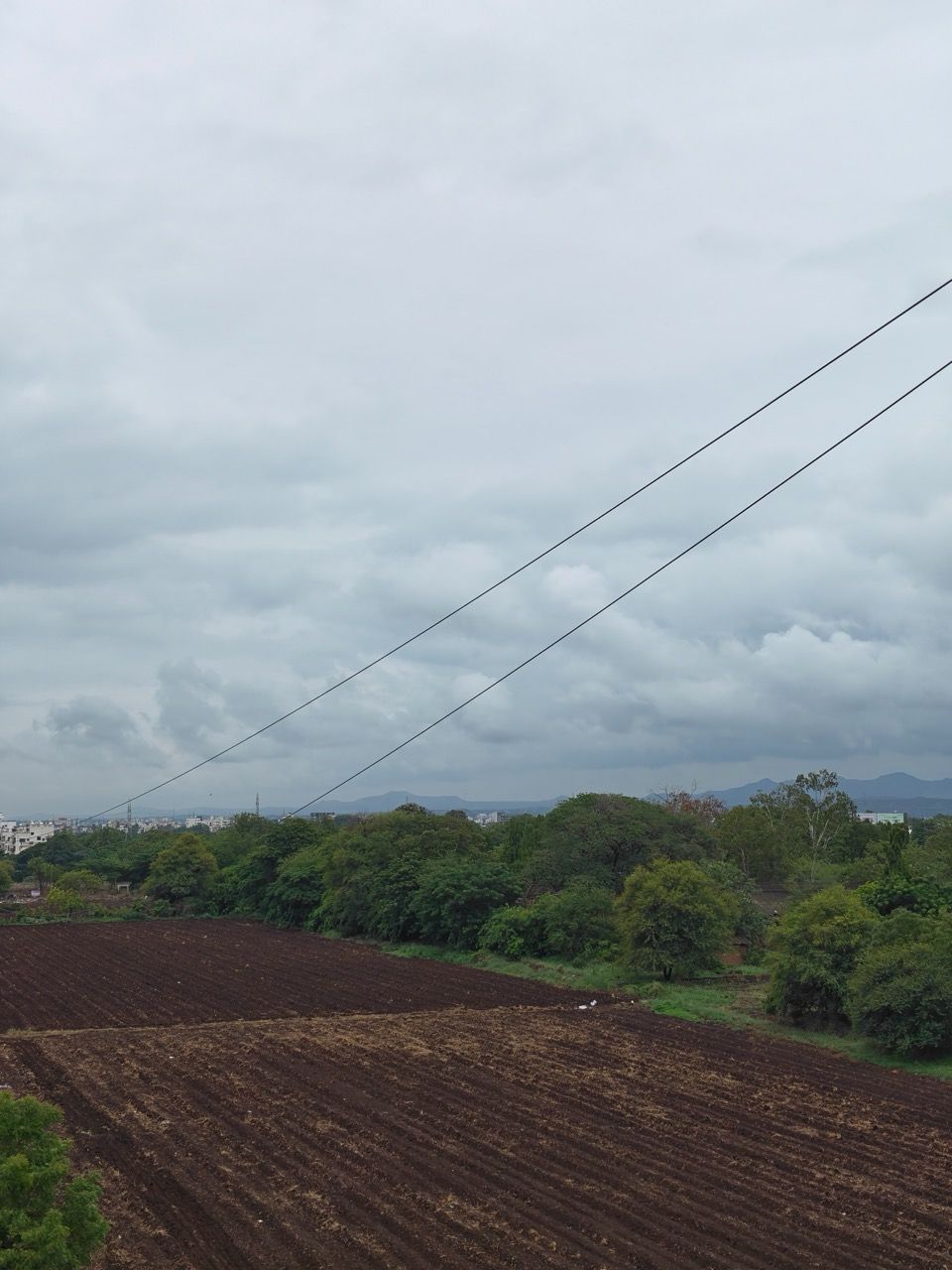
Without getting bogged down in specs, the short of it is this: it's a good-ish camera. Under good lighting, it's genuinely impressive. Low light, though, is where the Reno 16 starts showing its limits.

Let's start with daylight. The Reno 16 does a fantastic job of preserving detail without going overboard on sharpening. The greens in the landscape shots don't look unnaturally saturated, the clouds retain plenty of texture instead of turning into a giant white blob, and the dynamic range is genuinely impressive. Even in the shot of the under-construction building against a gloomy sky, the phone manages to hold onto detail in both the concrete and the clouds without either one blowing out.

The telephoto camera deserves a mention too. It's not there just to pad the spec sheet. Photos remain sharp, colours stay consistent with the main sensor, and you can zoom in without immediately falling into a mush of digital artefacts.
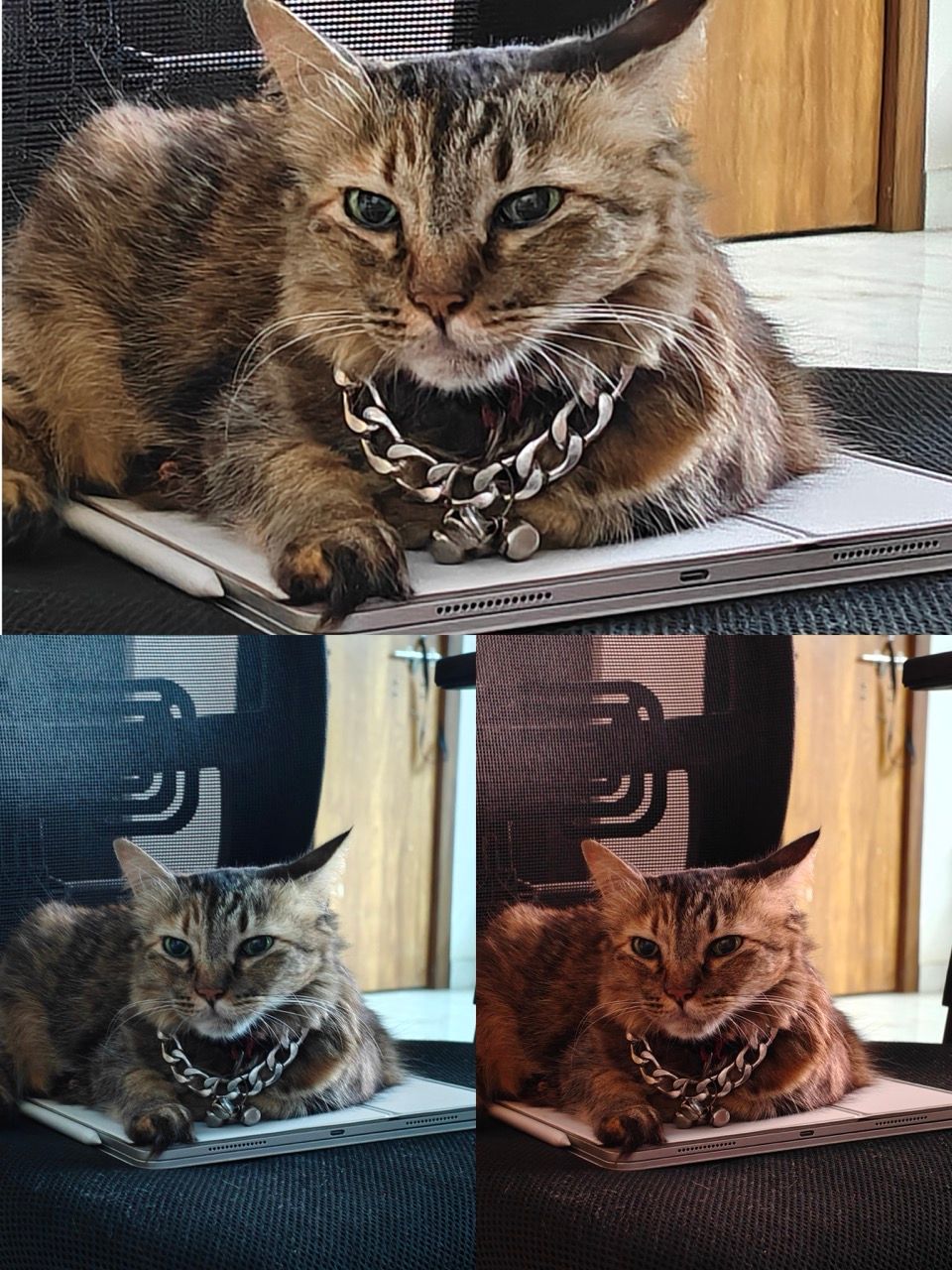
The three photos of my cat are a perfect example of where the Reno 16 shines and struggles at the same time. The only source of light in my bedroom was the TV, which kept flickering between cool blue scenes and warmer orange ones. As a result, my cat somehow ends up looking like three completely different cats. In one image she's almost blue-grey, in another she has a warm golden tint, and in the third she lands somewhere in between. To be fair to Oppo, that's pretty much what was happening in the room. The lighting kept changing every few seconds, and the camera simply reflected it.

What I did notice, though, is that the image processing becomes a little inconsistent in these situations. The software does a good job of keeping noise under control, but it also smooths out finer details a bit too aggressively. If you zoom in, bits of the fur start looking slightly watercolour-ish. It's not bad by any means, but it's one of those things you begin to notice once the lighting gets challenging.
Overall, the Reno 16 has a camera system that I think most people will genuinely enjoy. It thrives in daylight, and the telephoto camera is actually useful. Low-light performance is decent rather than exceptional, but considering everything else the phone gets right, it's a compromise I can live with.
The Battery

The best thing about the Reno 16? You stop thinking about battery percentage altogether. The 6,700mAh silicon-carbon battery is massive, but more importantly, it changes how you use the phone.
Throughout my time with it, I threw just about everything at the Reno 16. Camera testing, endless scrolling, Maps navigation, streaming, the odd gaming session and the usual barrage of messaging apps. It consistently made it through the day with enough charge left in the tank that plugging it in before bed felt more like habit than necessity. If your usage is a little less demanding, squeezing close to two days out of it is entirely possible.
Despite the larger battery, charging never feels like a chore either. Oppo continues to bundle an 80W SuperVOOC charger in the box, and it tops the phone up remarkably quickly. Even a short charge before heading out is enough to comfortably get you through the rest of the day.
Verdict
The Oppo Reno 16 is a very good phone wrapped in slightly confusing positioning. It gets almost everything right, with a refined design, a gorgeous display, dependable cameras, class-leading battery life and one of the cleaner Android experiences around. But the Snapdragon 7 Gen 4, 8GB RAM, occasional sluggish wake-up and average low-light performance make it feel like it's playing in the wrong price bracket.
Yes, global RAM prices have gone up, but Oppo could have done a better job with the pricing. At its official ₹89,999 price tag, the Reno 16 is a difficult sell. The introductory ₹61,999 price makes it considerably more competitive, though even then it feels like there's room for a little more value. It's an easy phone to like. It's just a little harder to justify.


