
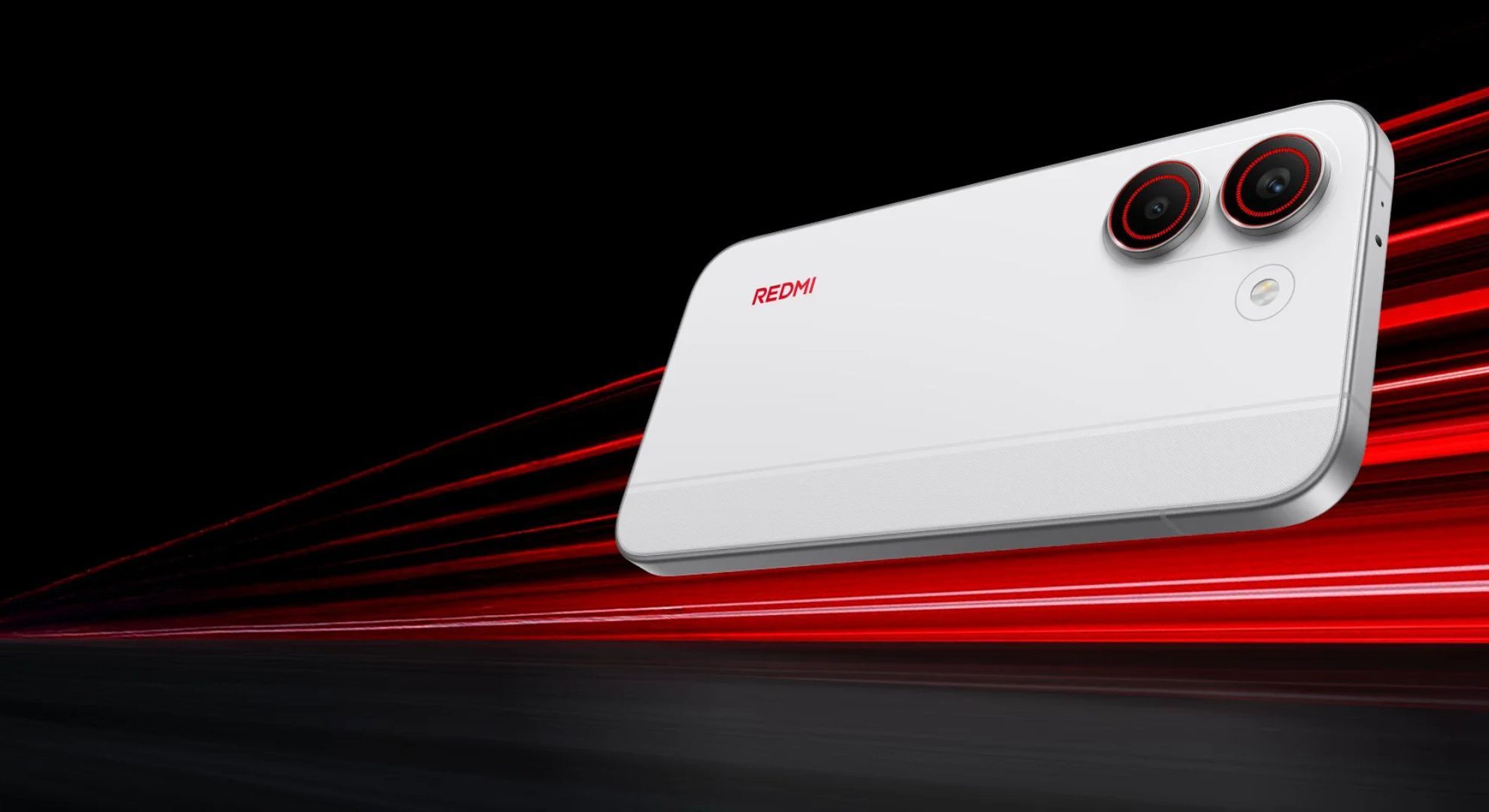
Most phones at this price are trying very hard to look sensible. The Redmi Turbo 5 has apparently decided sensible is overrated.
Launched in India in June at around ₹37,999, it arrives as Redmi’s performance-first alternative to the Note series, powered by MediaTek’s Dimensity 8500-Ultra and equipped with a spec sheet designed to make benchmark enthusiasts begin sentences with “technically”. None of that, however, is what you notice first.
That would be the glowing rings around the cameras.

Xiaomi calls them RPM lights, and they flash in different colours for calls, notifications, music, and games, turning the back of the phone into something that vaguely resembles the shift lights on a race car. Is it necessary? Absolutely not. Did I enjoy it far more than I expected to? Also yes.
And that more or less sums up the Turbo 5. There are bits of it that feel genuinely excellent, bits that feel strangely compromised, and at least one feature whose primary purpose appears to be making somebody across the table ask what phone you’re using.
What I liked
1. The RPM lights are silly. I love them.
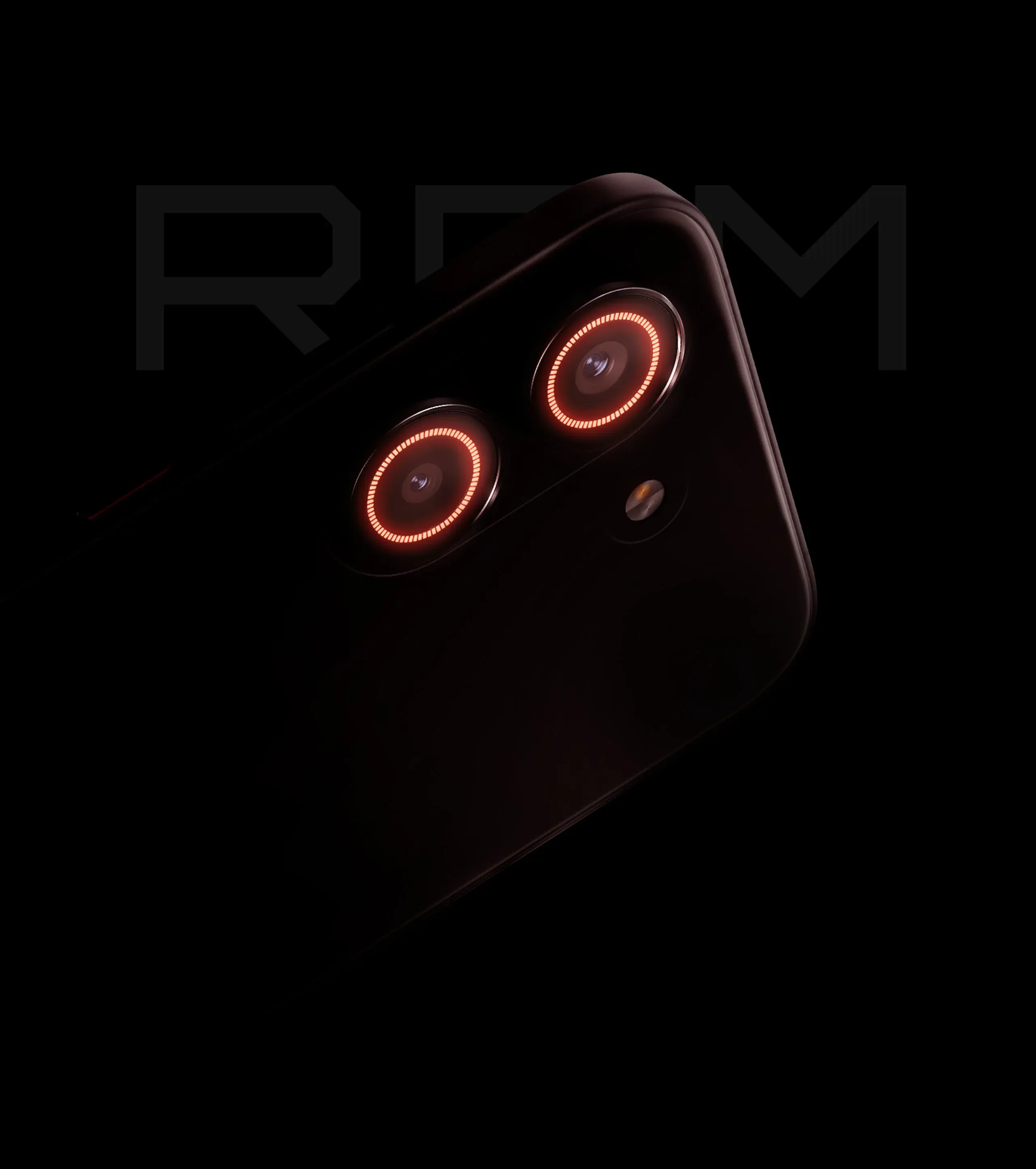
This is easily my favourite thing about the Turbo 5, partly because phones have become painfully afraid of having a personality.
The camera module is surrounded by segmented LED rings that can glow in eight different colours, pulsing for notifications, incoming calls, music and games. Xiaomi calls the system RPM, short for Redmi Pixel Matrix, although the obvious inspiration is motorsport, specifically the little shift lights that tell racing drivers when it’s time to stop being polite to an engine.
There is no meaningful productivity benefit here. Your life will not improve because your camera rings glow purple when someone calls.
But it is fun.
More importantly, it gives the phone some identity in a market where most slabs of glass increasingly look like they were designed by the same committee. You can tone the lights down or switch them off entirely, but I suspect most people will leave them on simply because they’re the first thing anyone notices when you hand the phone over.
Sometimes a gimmick earns its keep by being a very good gimmick.
2. The battery is gloriously excessive
The Turbo 5 gets a 7,540mAh silicon-carbon battery, which is the sort of capacity that makes battery anxiety feel slightly melodramatic.
It is a substantial jump over the previous generation, and Xiaomi pairs it with 100W charging. Better still, the charger is actually included in the box, which should not qualify as generosity when you’re paying nearly ₹40,000 for a phone, but apparently this is where we are now.
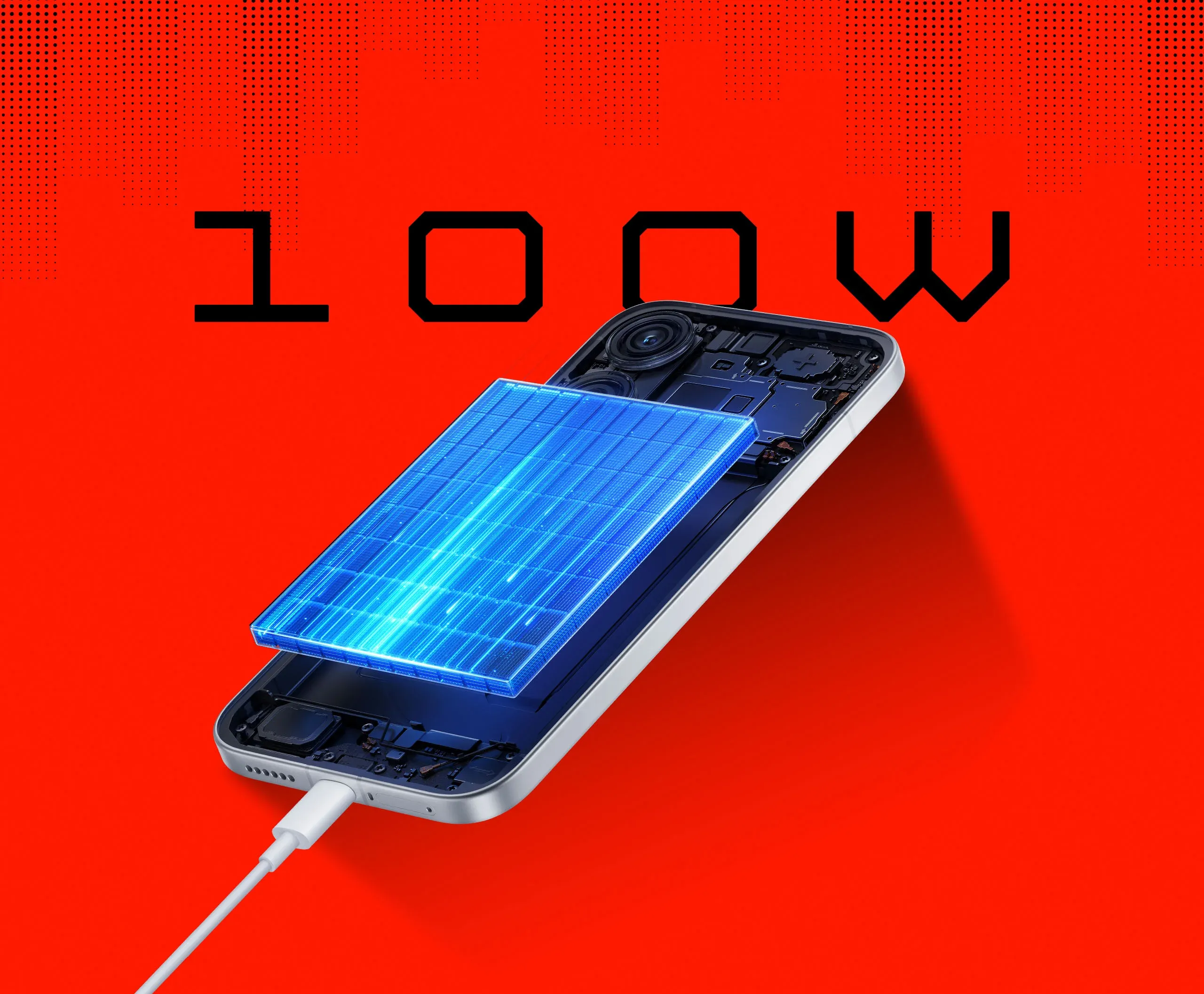
There is also 27W reverse charging, which means the Turbo can double as an emergency power bank for earbuds and other accessories.
The numbers are impressive, obviously, but the more important bit is that this is the kind of battery you largely stop thinking about. And with phones, not thinking about the battery is usually the highest compliment you can give one.
3. The screen is very good
At 6.59 inches, with a 120Hz refresh rate, Dolby Vision, HDR10+, 12-bit colour and a claimed peak brightness of 3,500 nits, the display is bordering on obnoxiously well-equipped.

That brightness figure in particular sounds like something you would expect to hear during the launch of a flagship costing considerably more.
Specs aside, though, the broader point is simple: the Turbo 5 has a genuinely excellent screen. It is bright, fluid and punchy, and unless you are the sort of person who inspects sub-pixel arrangements for recreation, there is very little here to complain about.
What I didn’t
1. The camera is less exciting than the lights around it
There is something wonderfully ironic about putting this much effort into illuminating a camera module and then making the cameras themselves merely fine.

The main 50MP shooter is perfectly competent in daylight, but there is no telephoto camera at all, while the 8MP ultrawide feels like it has mostly been invited along so the specification sheet can say there are two cameras.
Low-light performance is where the cracks become harder to ignore, particularly with video, where consistency can take a noticeable hit.
For Instagram, holidays and the occasional photograph of food you absolutely could have eaten without documenting first, the Turbo 5 will do the job.
2. There is a Poco-shaped problem in the room
This is probably the biggest question hanging over the Turbo 5.
Strip away the Redmi badge and the glowing camera rings, and you are looking at something extremely close to the Poco X8 Pro, another phone from Xiaomi’s extended family. The Turbo gets the bigger battery, and the lighting certainly gives it more visual theatre, but there is enough shared hardware here to make the comparison unavoidable.
Then there is the competition outside Xiaomi’s house.
The OnePlus Nord 6 and Motorola Edge 70 Pro are operating in broadly the same territory, which means the Redmi cannot simply show up with a big battery, fast chip and an enthusiastic light show and expect nobody to ask difficult questions.
None of this makes the Turbo 5 a bad phone. Far from it.
The display is excellent, battery life is exceptional, performance is exactly what the name suggests, and the RPM lights give it something most phones in this segment badly need: a bit of personality.
The competition may be strong, and the Poco comparison is impossible to ignore, but the Turbo 5 still makes a convincing case for itself by being fast, long-lasting and genuinely fun to use. Sometimes, that is enough to make a phone stand out.


