

I'll start with a confession: I wasn't looking to replace anything. My Sony WH-1000XM4s have been with me for years, through flights, deadlines, breakup playlists, recovering from breakup playlists, and of course, to drown out the goddamn crying babies that seem to follow me on every flight.
Point is, they’ve been through the wringer. And now, they're battered. The cuffs are starting to tear, the battery isn't quite the marathon runner it once was, and they look like they've seen things, or better, seen me through things, which is equally traumatic. But they still work. More importantly, I still like them.
So when I picked up the Sony 1000X THE COLLEXION, made to celebrate ten years of the 1000X line and priced at ₹69,990, the question wasn't whether they were good. At seventy grand, "good" should be the bare minimum. The question was whether they were good enough to make me start emotionally cheating on my XM4s.
Annoyingly, yes.
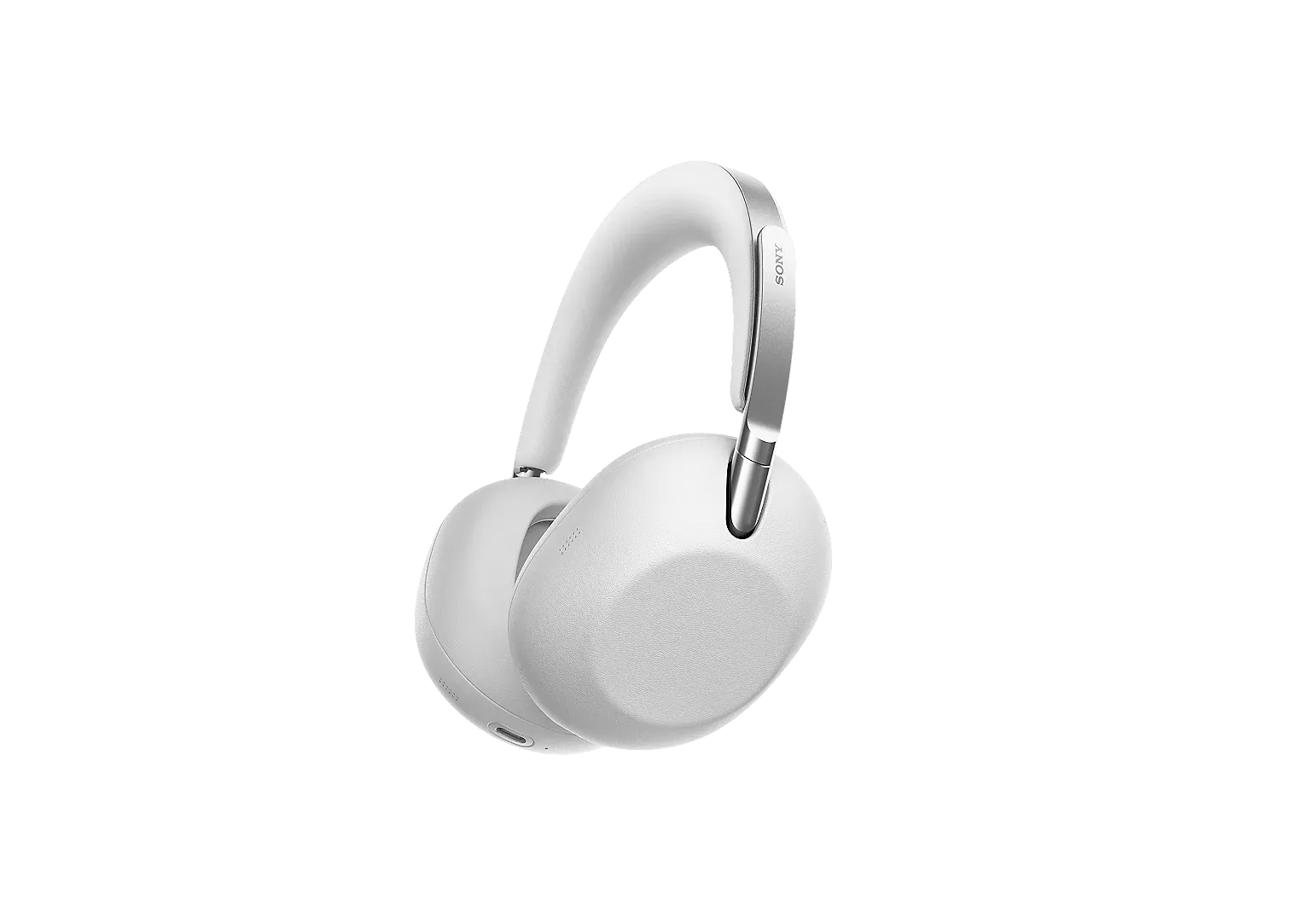
They actually feel like ₹70,000 headphones. This should not be a compliment, considering what they cost, but anyone who has bought expensive tech knows that price and perceived expensiveness are often distant cousins who only meet at weddings.
When I first read about the Collexion, I was mildly disappointed that Sony hadn't gone full metal jacket, like the AirPods Max. If I'm spending ₹70,000 on headphones, part of me expects them to arrive in a velvet box carried by a butler. But after wearing them, I get it.
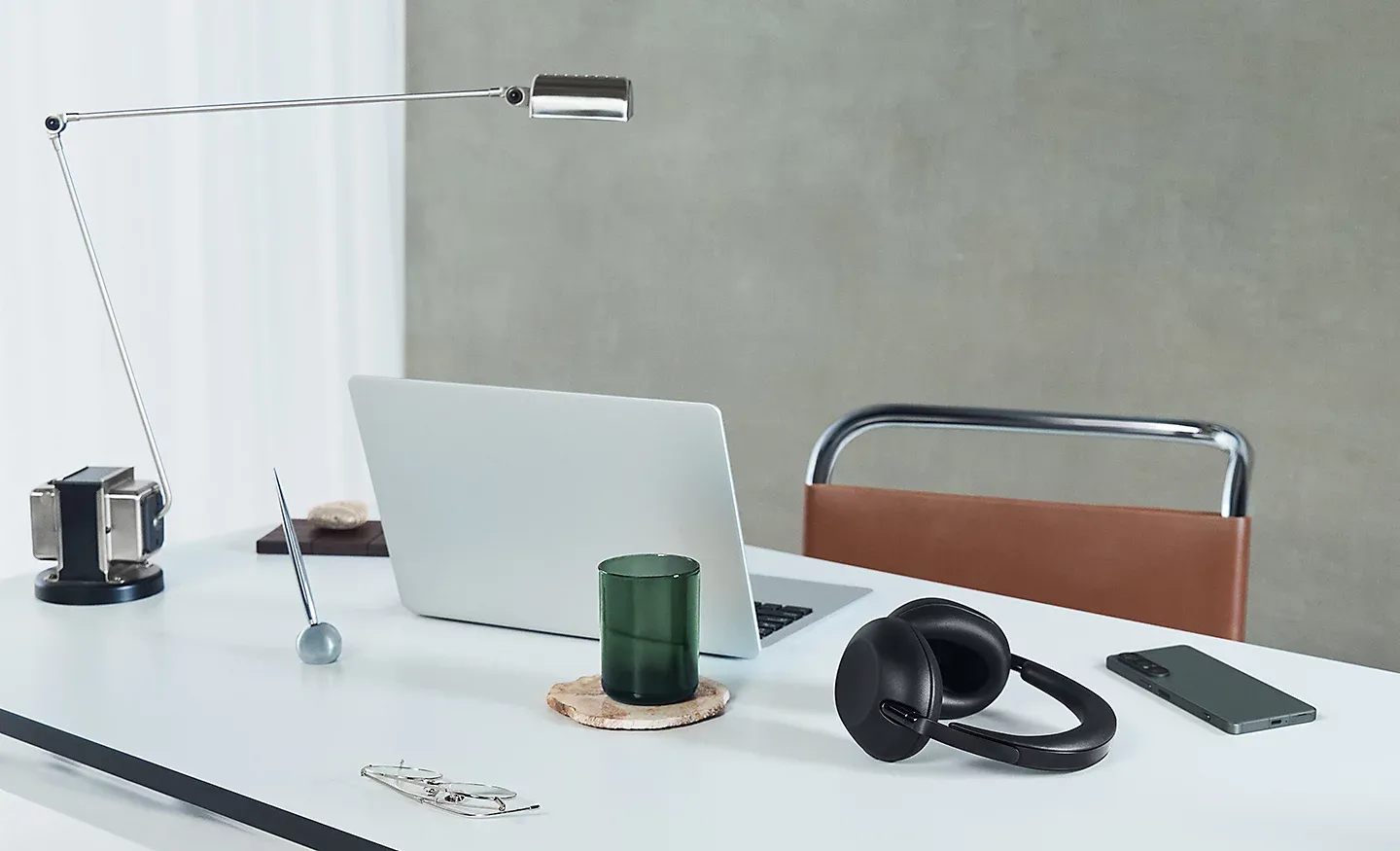
Sony has used metal where it matters, particularly around the arms and detailing, then wrapped much of the rest in soft faux leather. The result feels fancy without feeling heavy for the sake of feeling fancy. There is a restraint to the design that I really like. The earcups are slimmer and flatter than the XM6, the silhouette is cleaner, and when they sit around your neck they look closer to an accessory than a piece of electronics.
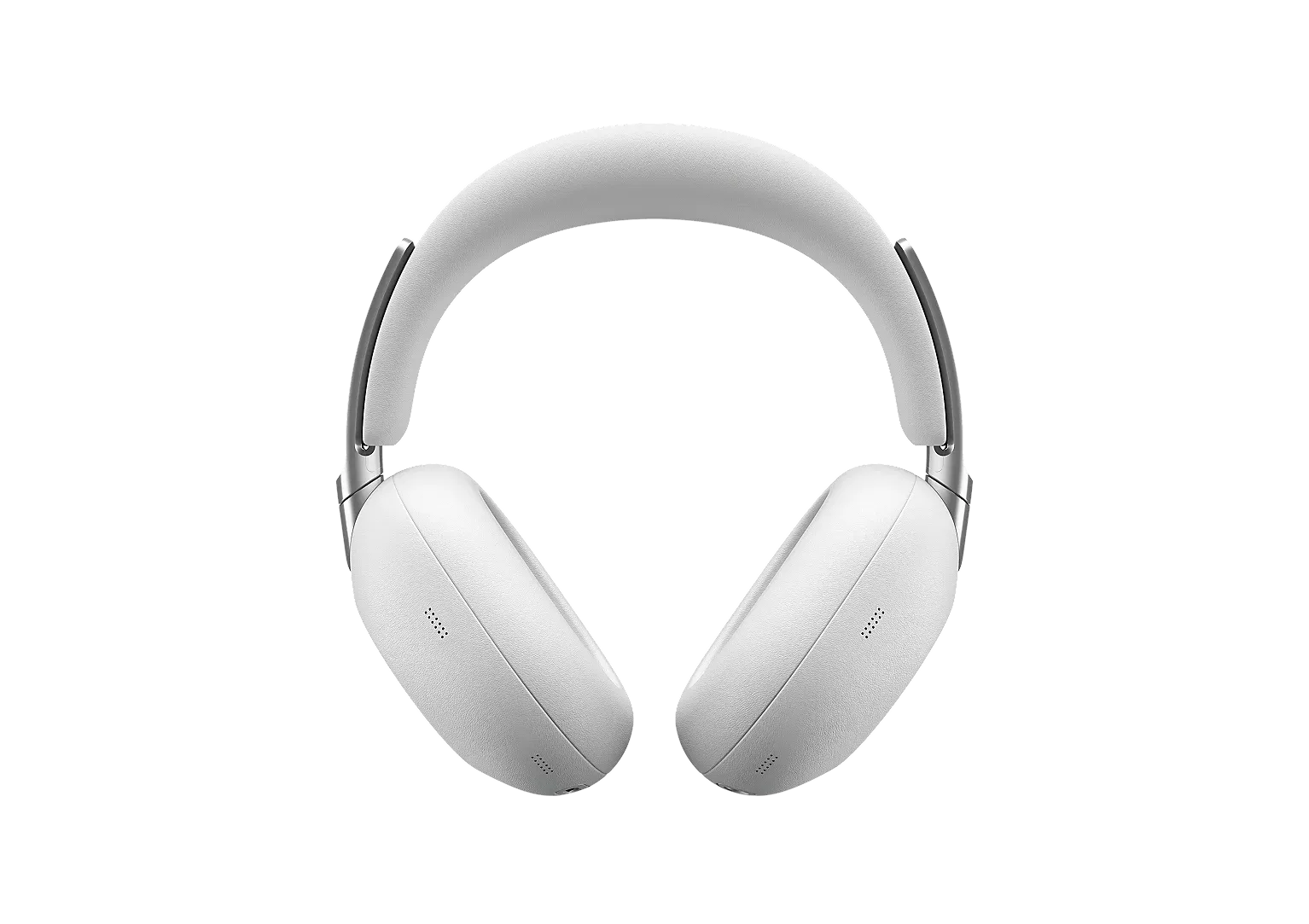
The comfort is ridiculous. On paper, the Collexion weigh around 320g, which is heavier than the XM6 and heavy enough that, before putting them on, I assumed I was going to notice every single one of those extra grams after about an hour. I didn't.
Sony has made the headband wider, added more cushioning and reduced the clamping pressure, and what that does in practice is spread the weight so evenly that you actually forget you’ve been wearing headphones at all. Embarrassingly, more than once, I tried looking for my headphones while still wearing them.
The earcups are plush without getting obnoxiously warm, the headband sits comfortably without creating a pressure point at the top of your head, and the lighter clamp means I can wear them for long stretches without reaching that inevitable moment where you suddenly realise your ears have quietly been filing a complaint for the past hour. This is my biggest complaint with the XM4s, and the Collexion solve it.
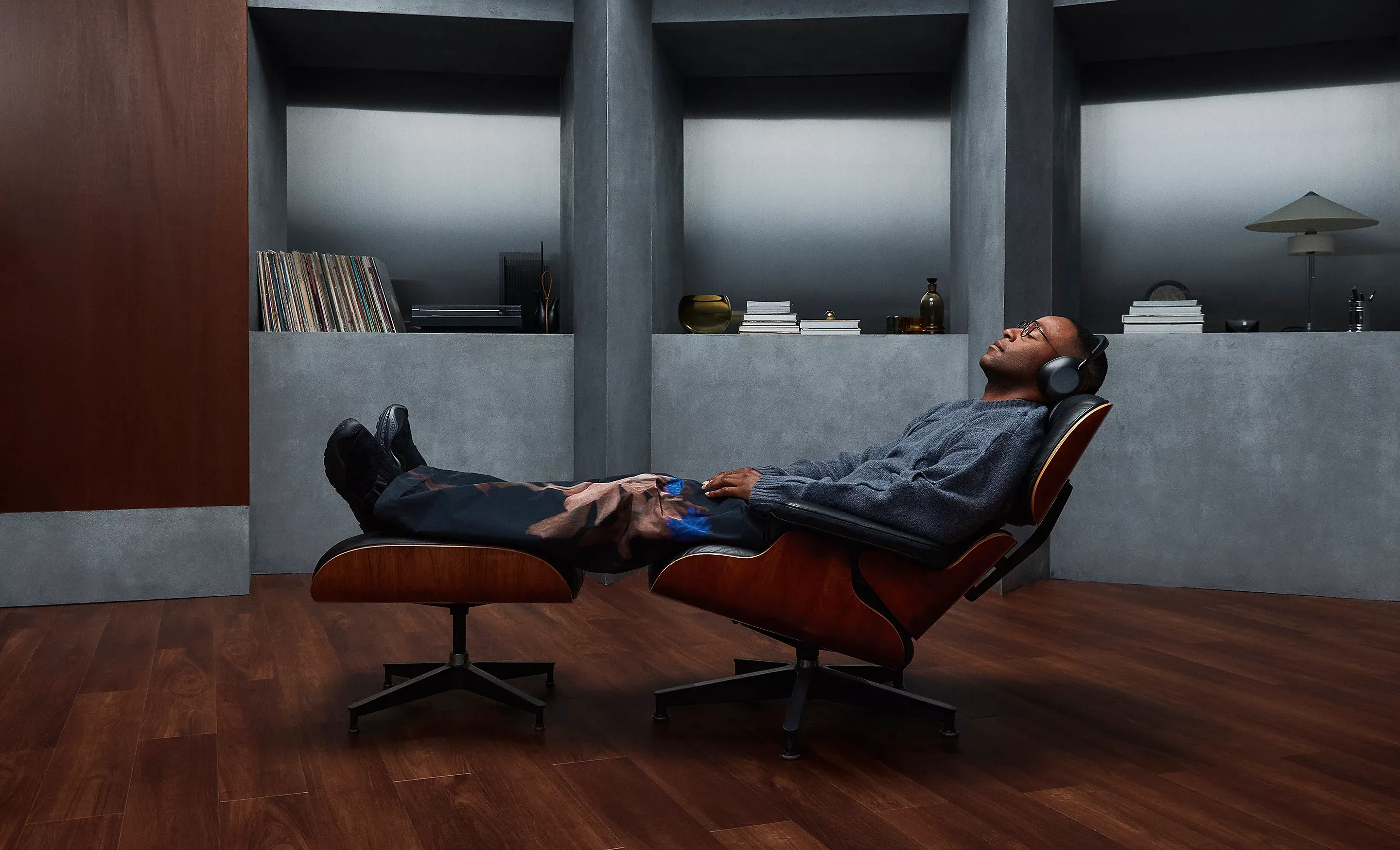
The sound is where things get properly interesting. This is the real upgrade. The Collexion don't immediately try to impress you by throwing bass at your skull like an EDM gig in Goa. Instead, everything feels like it has been given more room to breathe. The soundstage is wider, vocals sit more naturally in the mix, and instruments don't all fight over the same piece of sonic real estate.
It's especially obvious with busier tracks. On lesser headphones, once enough guitars, drums, synths and vocals arrive, the whole thing can turn into musical Mumbai traffic. Here, everything still seems to know which lane it's in.
Sony has built a new 30mm carbon-composite driver for these and worked with mastering engineers on the tuning. There is also LDAC for higher-resolution Bluetooth audio and DSEE Ultimate, which uses AI processing to restore detail lost in compressed music.
Now, I remain deeply suspicious whenever the words "AI" and "audio" appear in the same sentence. But DSEE Ultimate isn't trying to turn your terrible MP3 from 2008 into a studio master. It's more subtle than that. With decent recordings, you notice slightly more texture, a little more air and a better sense of separation.
The bass has learnt some manners. There is plenty of it, but it doesn't spend the entire song trying to introduce itself. Sub-bass goes properly low, kick drums have real weight, and electronic music still has that satisfying thump you want from a pair of Sony headphones. The difference is control. Bass notes start and stop cleanly instead of spreading across the rest of the track.
Importantly, the mids don't disappear underneath it. Vocals stay present, guitars keep their texture, and everything remains surprisingly clean. There are moments, particularly with dense rock or electronic tracks, where the low end can still feel a little enthusiastic. But this is Sony we're talking about. Expecting no bass emphasis at all would be like going to an Italian restaurant and complaining about the carbs. And if it bothers you, the EQ exists for a reason.

The noise cancelling is excellent. The Collexion use Sony's QN3 processor with a 12-microphone system, and you notice it most when the world around you simply starts disappearing. Engine hum gets pushed away, air-conditioning fades into the background, and traffic becomes something you can see without necessarily having to hear.
Low- and mid-frequency noise is where they're particularly strong, which makes them brilliant on flights, trains and in offices. Sony has also reduced the clamping pressure here in favour of comfort, which means you lose a tiny bit of passive isolation. Personally, I'll take the trade. I'd rather hear 3 per cent more of the outside world than spend a seven-hour flight feeling like my skull is being vacuum-sealed.
The controls understand the assignment. Swipe up and down for volume. Swipe across to change tracks. Double-tap to play or pause. Cover the right earcup and the headphones immediately let the outside world back in.
None of this sounds revolutionary, and it isn't. Some of it is even on my XM4s, but why fix what isn't broken? The Sound Connect app also gives you a 10-band EQ, Adaptive Sound Control, Speak-to-Chat, wear detection and multipoint connectivity for two devices.
Multipoint remains one of those features you don't appreciate until you've used it. Being connected to your laptop and phone simultaneously means you no longer have to dive into Bluetooth menus every time someone calls.
There is also Bluetooth 6.0, LDAC and LC3 support, plus enough menus in Sony's app to keep you tinkering for hours. Fair warning: if you don't know what you're doing, it might briefly make you wonder whether you've accidentally opened the cockpit settings for an Airbus. But learning and adjusting your EQ is half the fun, and I'd rather have too many options than not enough.
The compromises
The battery life feels oddly unambitious. Sony rates these for up to 24 hours with ANC on and around 32 hours with it switched off. Twenty-four hours isn't bad. In isolation, it's actually plenty. The problem is that the XM6 manage 30 hours with ANC, and even my ancient XM4s were rated for 30 hours when they were new
The slimmer design is partly responsible, which is fair enough. Beauty has always demanded sacrifice. But I can’t look at my headphones when I wear them, so why not just give me that additional juice?
There is another catch if you're using LDAC with ANC. Battery life can drop to around 20 hours, which means using the headphones' better audio codec also makes them die sooner.
At least fast charging helps. Five minutes gets you roughly 90 minutes of playback, although a full charge takes around three and a half hours.
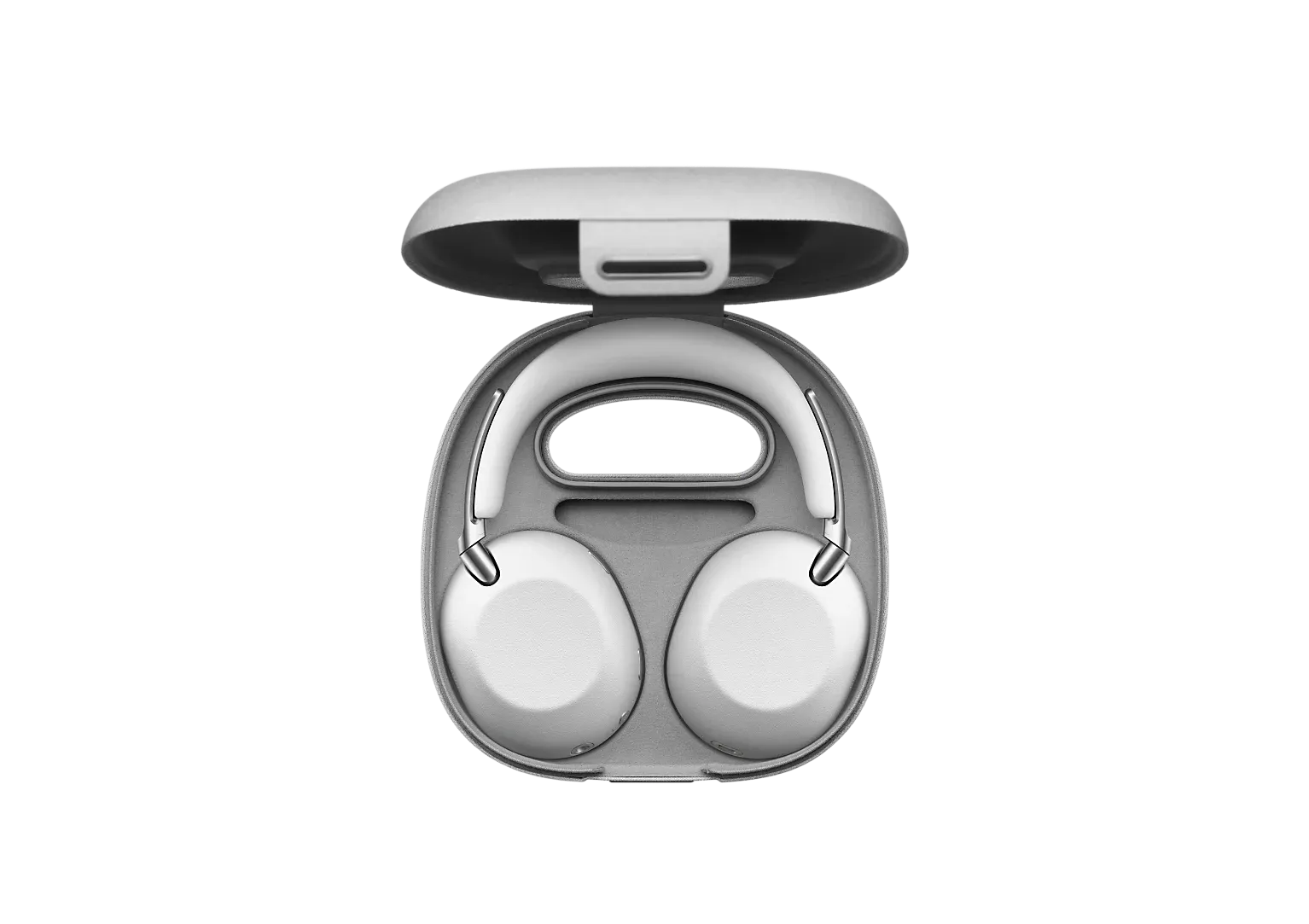
I really wish they folded. This might be the thing I miss most about my XM4s. Those fold down into a compact little package and vanish into a backpack. The Collexion rotate flat, but that's it. No folding hinges. No collapsing inward. Which means you get a large hard case that is beautifully made and reassuringly protective, magnets and all, but it also takes up serious space. That's not a problem at home. It becomes one when you're packing for a trip and suddenly deciding whether you need your headphones or a second pair of shoes.
The wired setup is weirdly old-school and restrictive at the same time. Sony includes a 3.5mm cable, which is nice. The strange bit is that the headphones still need to be switched on for wired playback. The USB-C port also handles charging only, with no USB audio, which feels like an odd omission on headphones this expensive and this obsessed with sound quality.
The verdict
I came into this review perfectly happy with my XM4s. I still am. They're lighter, they fold, their battery life was better when they were new, and after years together I know exactly what I'm getting every time I put them on.
The Collexion haven't made them obsolete. Instead, they've done something worse. They've made them feel old. The difference isn't dramatic in one single area. It's the cumulative effect. The materials feel nicer, the comfort is better, the soundstage is wider, the bass is cleaner, and the detailing is sharper. Everything feels a little more considered.
The XM6s are arguably the smarter purchase considering a lower price. But the Collexion aren't really trying to win the spreadsheet. They're the indulgent version. They're for the person who already likes what Sony does with the 1000X line but wants the nicest version of it, and is willing to pay more for better materials, better comfort and a more spacious, refined sound.
Would I like another six hours of battery? Absolutely. Would I like them to fold? God, yes. But every time I put them on, most of those complaints disappear fairly quickly. Which is unfortunate for my XM4s. They deserved a dignified retirement. Instead, they've been replaced by the younger, better-dressed guy she insists you shouldn't worry about.


