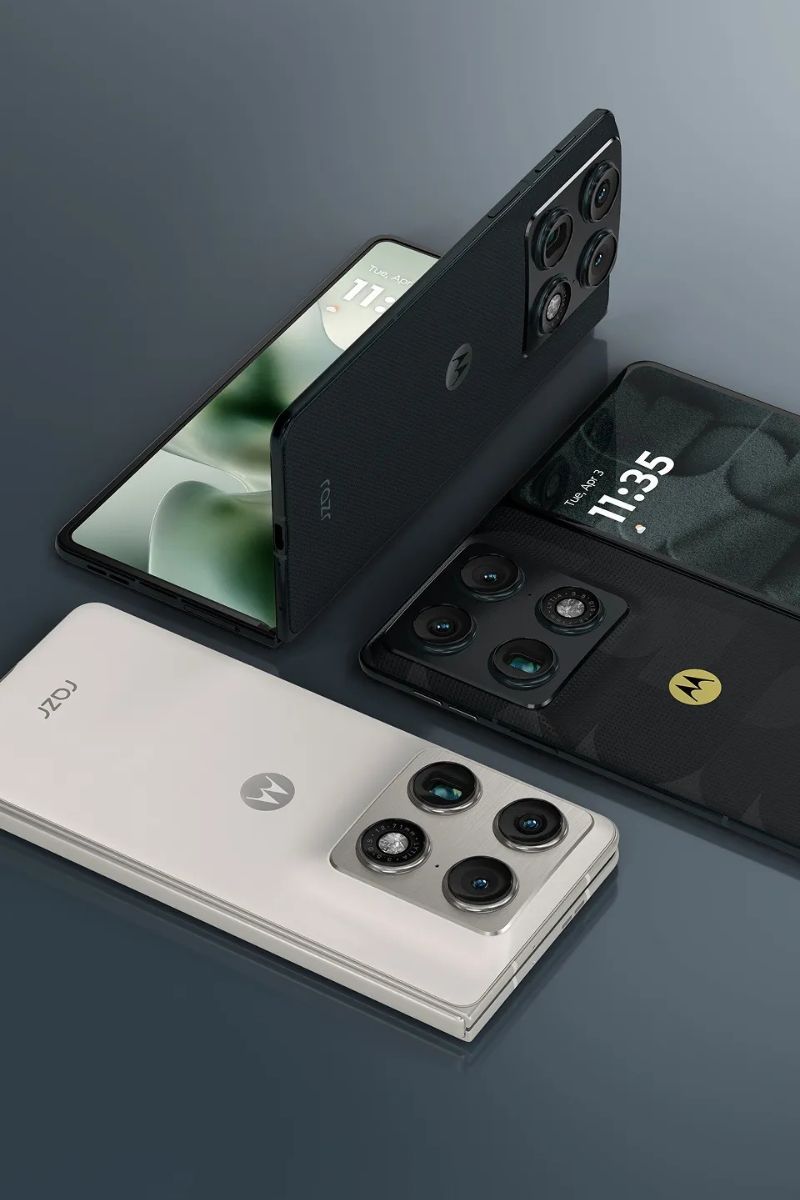
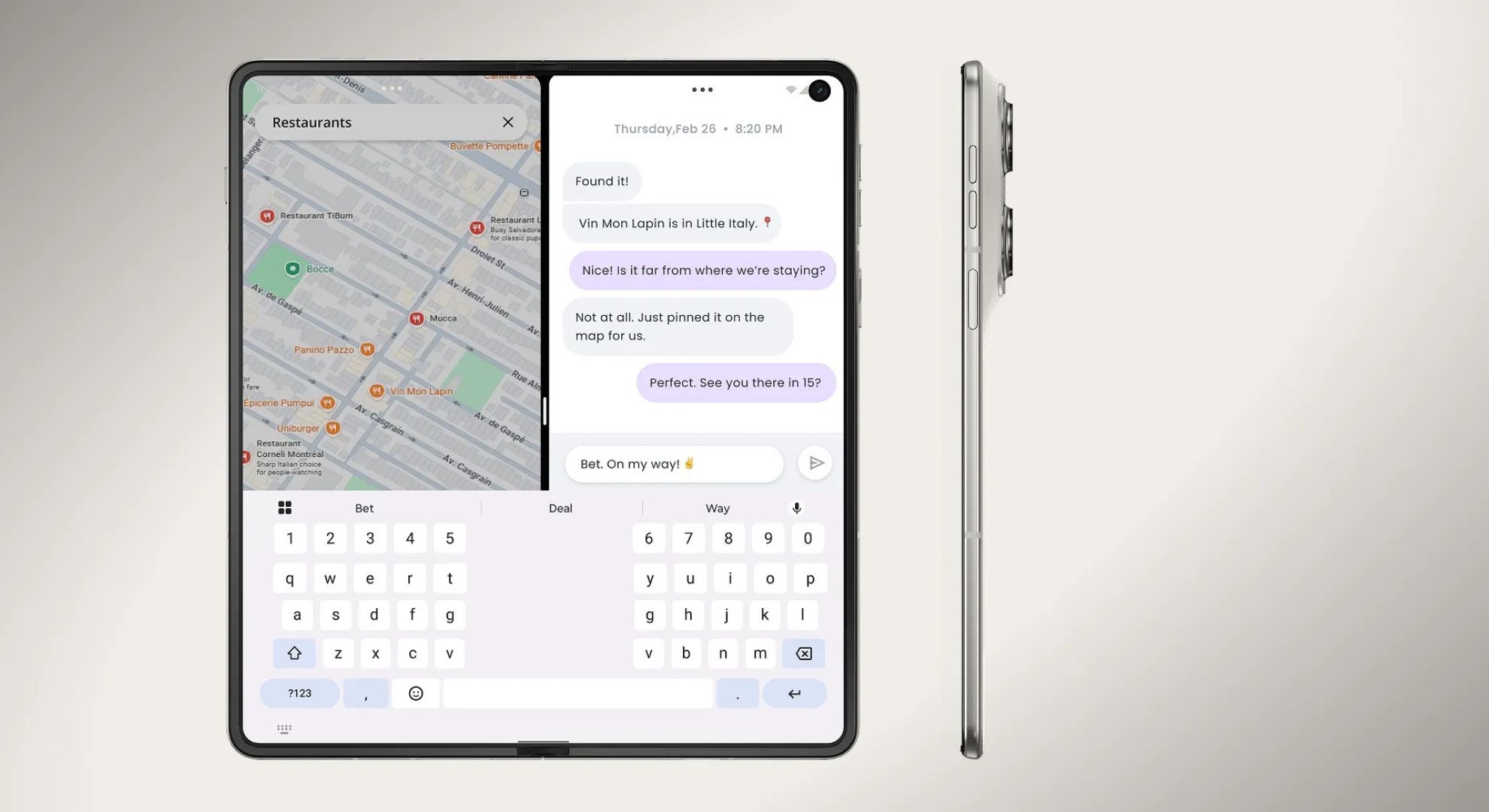
Not everyone nails their first attempt at a foldable. Well, technically a book-style foldable. Unless, of course, you are Motorola. The Razr Fold is the company’s first proper shot at the format, and after spending two months with it, I’m surprised by just how sorted the whole thing feels.
What I loved
1. The design is brilliant
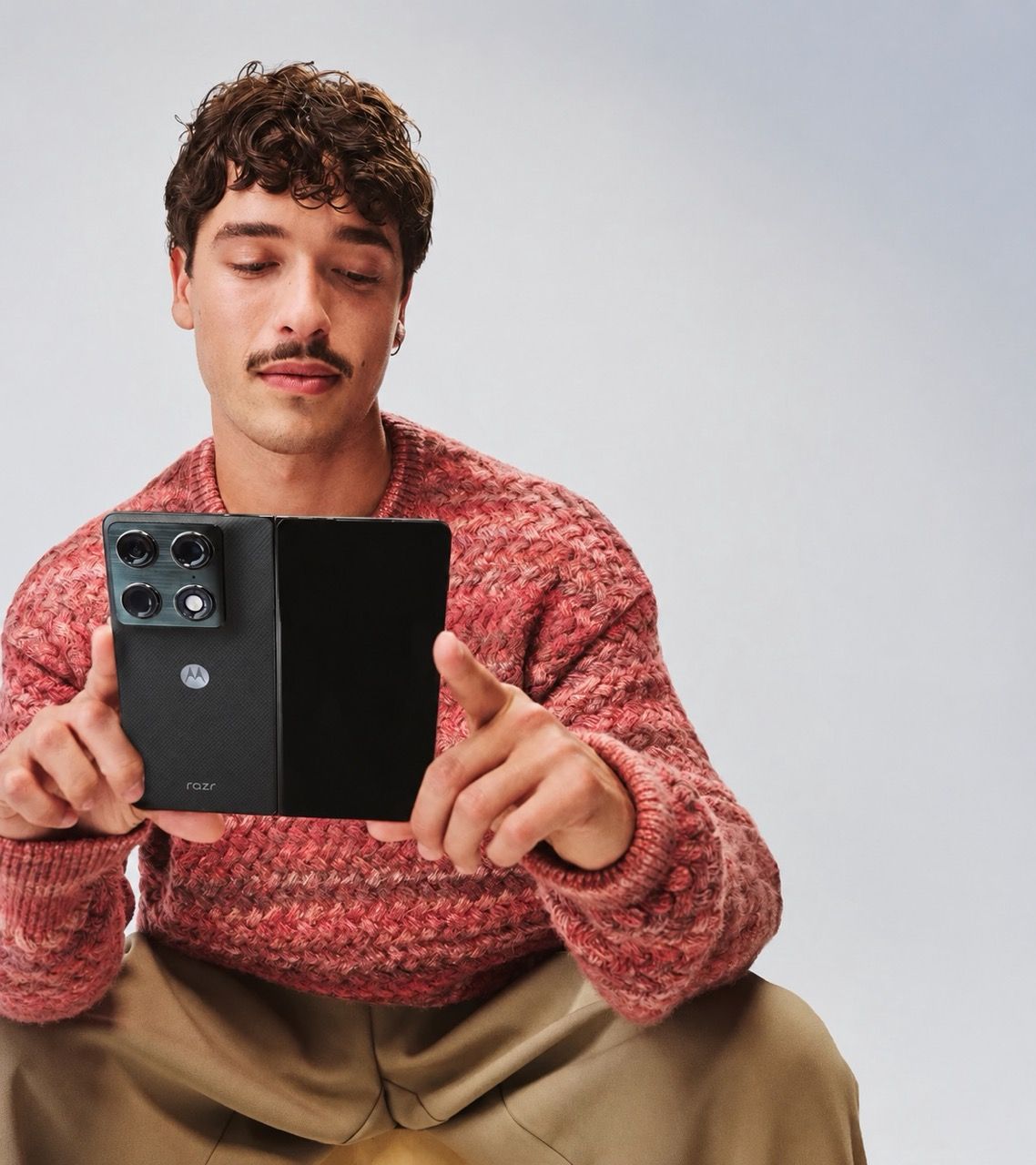
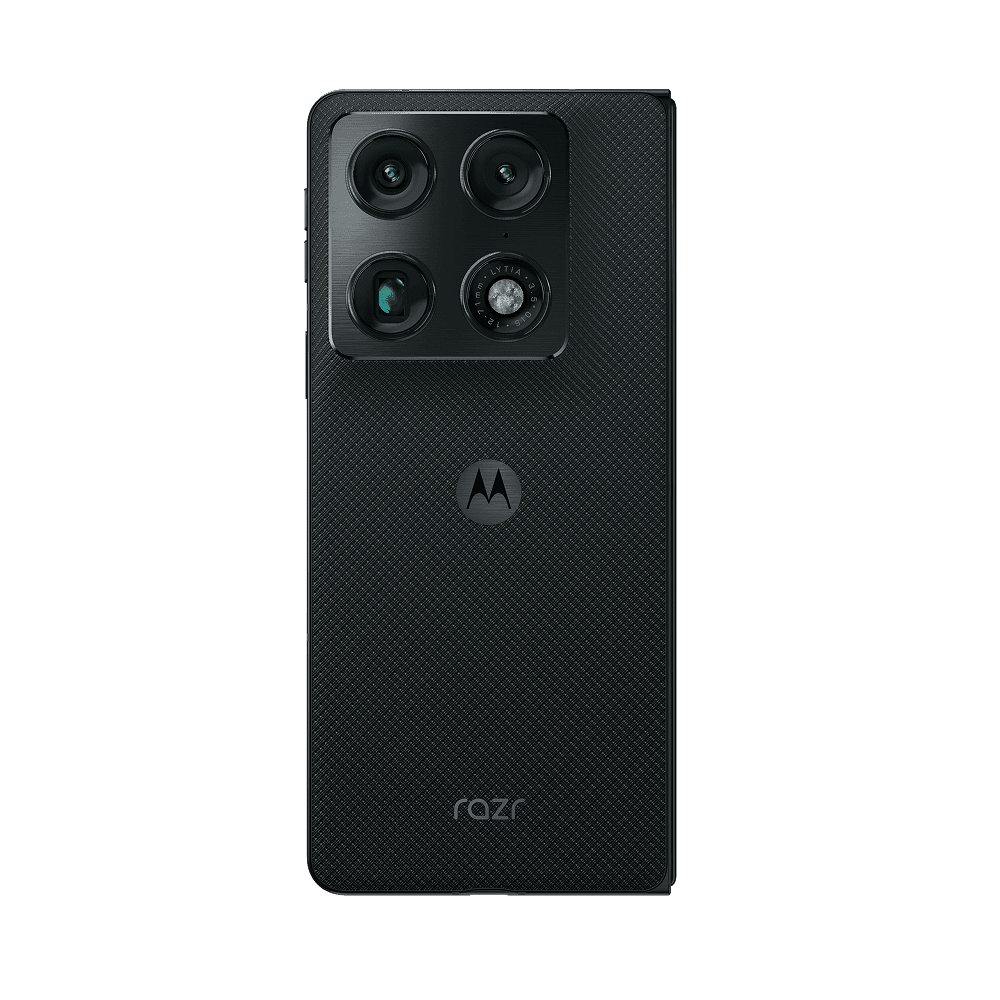
It feels extremely thin in hand, and that's not just a feeling. It's 9.9mm thick when unfolded and weighs 243g, which is impressive for something with two full displays and a 6,000mAh battery packed inside. The textured back is the real win though. It's grippy without being rough, and it's genuinely made me want to use the phone without a case, which rarely happens with a phone this expensive.
You get two finishes, Pantone Blackened Blue and Pantone Lily White, each with its own texture.
2. The outer display is narrow, and I like it that way
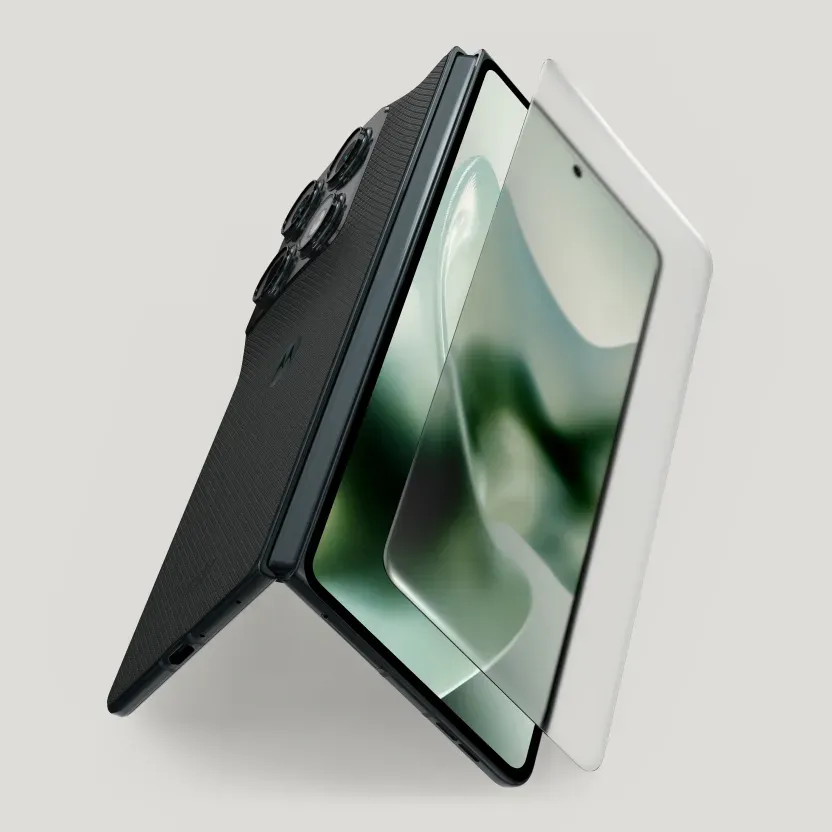
For many, it’s a trade-off every book-style foldable makes. For me, it isn’t, just because it makes the phone easier to grip and use one-handed when it's closed. The 6.6-inch pOLED cover display has a 1080 x 2520 resolution, a 165Hz refresh rate, Gorilla Glass Ceramic 3 and up to 6,000 nits of peak brightness. It's so bright and nice to look at that some days I genuinely don't feel the need to open the phone at all. Which is a slightly strange compliment to give a foldable, but here we are.
3. In case you do open it though, the inner display is just as impressive
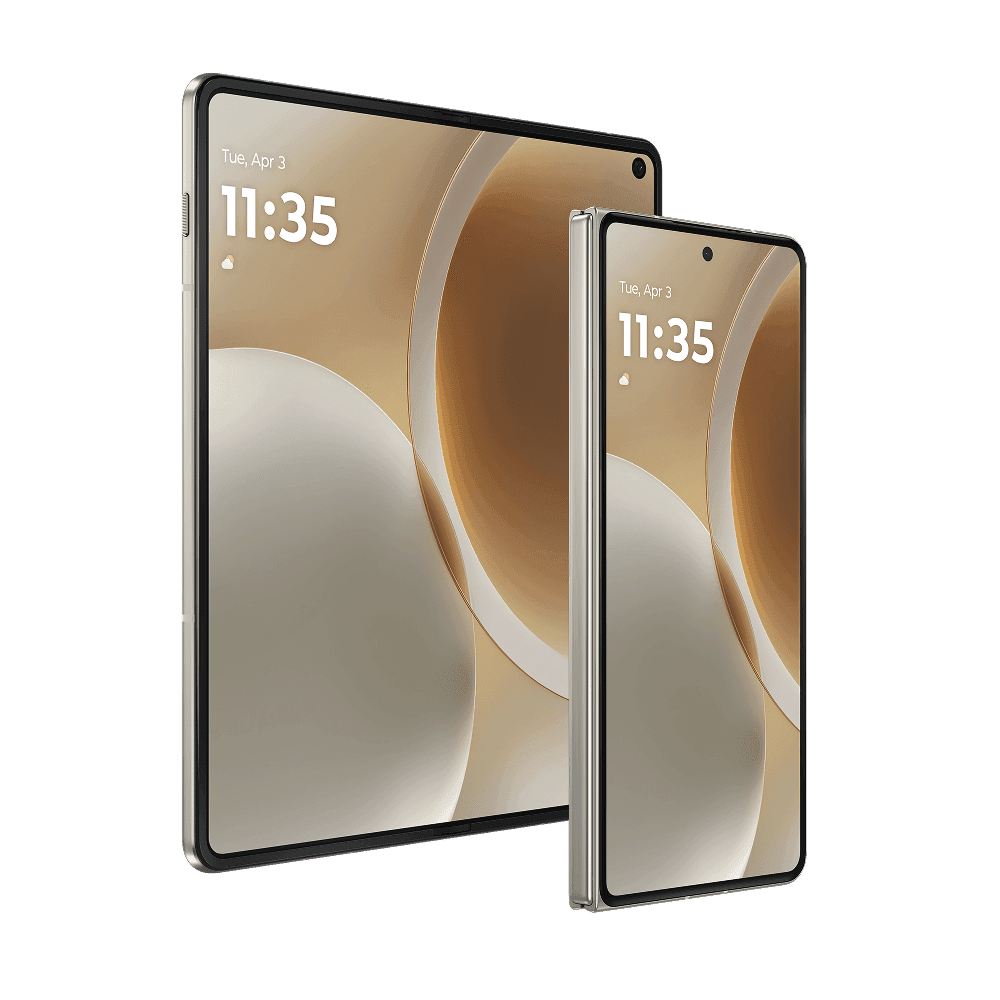
It's an 8.1-inch LTPO OLED panel with a 2232 x 2484 resolution, 120Hz refresh rate, 10-bit colour, HDR10+ and Dolby Vision. It also gets up to 6,200 nits of peak brightness, so visibility really isn't an issue. The crease is a non-issue for me. It's a bit like the Dynamic Island on the iPhone; you know it's there, but you stop noticing it within days. A lot of that comes down to the teardrop-shaped hinge Motorola uses, which lets the screen fold without a hard bend.
4. The cameras are really good for a foldable

Foldables usually cut corners here, but the Razr Fold doesn't. You get three 50MP cameras at the back: a 50MP main camera using a Sony LYTIA sensor, a 50MP autofocus ultrawide and a 50MP periscope telephoto with 3x optical zoom. All three pull their weight, and the colours come out vibrant without looking overcooked.
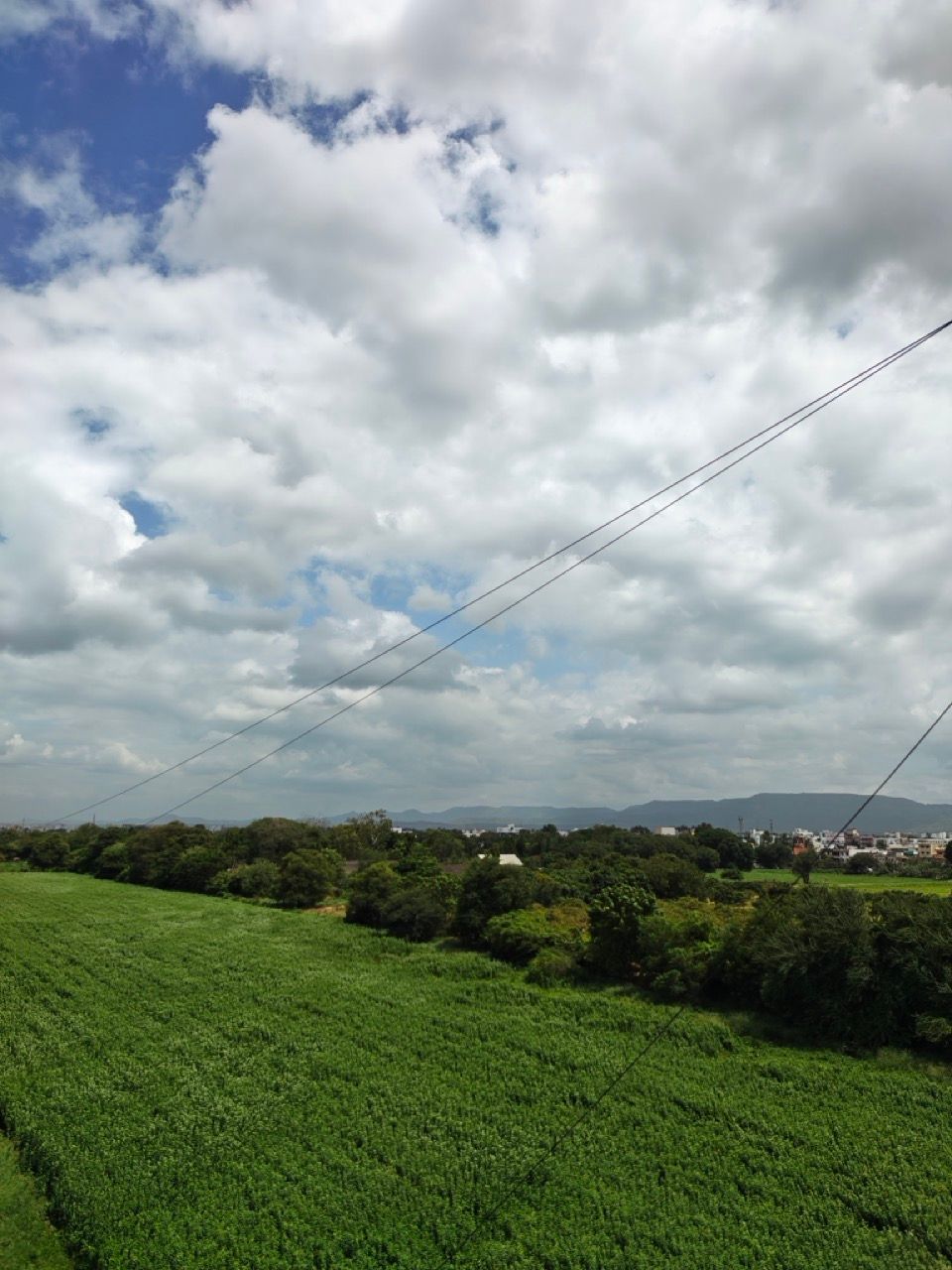
You also get Dolby Vision video recording, plus a 32MP camera on the cover screen and another 20MP camera on the inner display. Having that many selfie camera options on one phone feels slightly excessive, but hey, I'm not complaining.
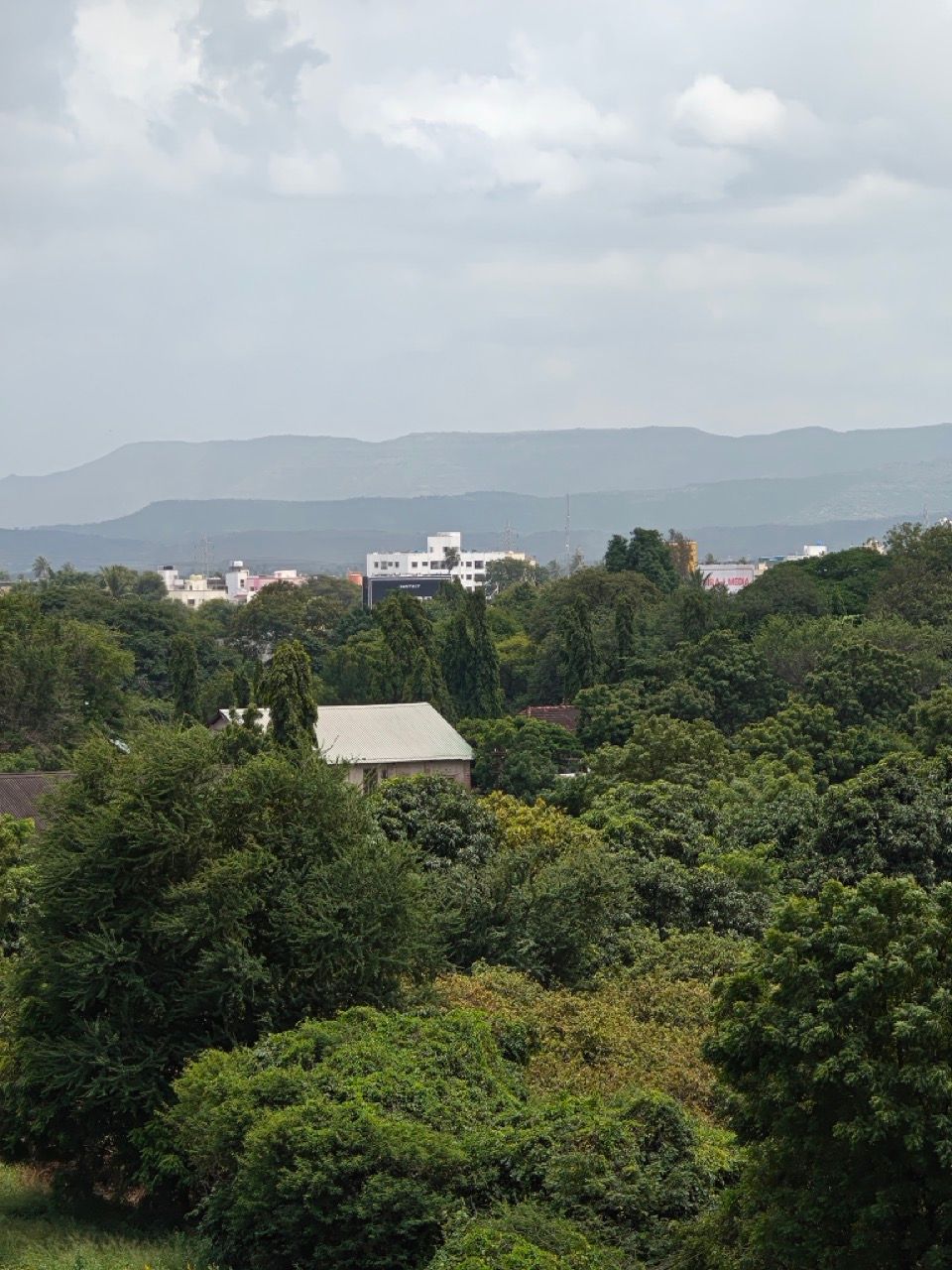
If I'm being picky, zoom past 10x starts to lean on AI processing and gets a bit soft, but for everyday shooting this is a genuinely strong camera system.
5. The battery is easily a one-and-a-half-day battery
The 6,000mAh silicon-carbon cell is a big part of why. Silicon-carbon batteries can pack more capacity into the same space, which is particularly useful when you're building a phone this thin.
And that tracks with my experience too. It hasn't heated up once in two months, even with the display cranked up.
Charging is properly quick too. You get 80W wired charging and 50W wireless charging, along with 5W reverse wireless charging for the occasional emergency earbud rescue.
6. One I didn't expect to love: the hinge
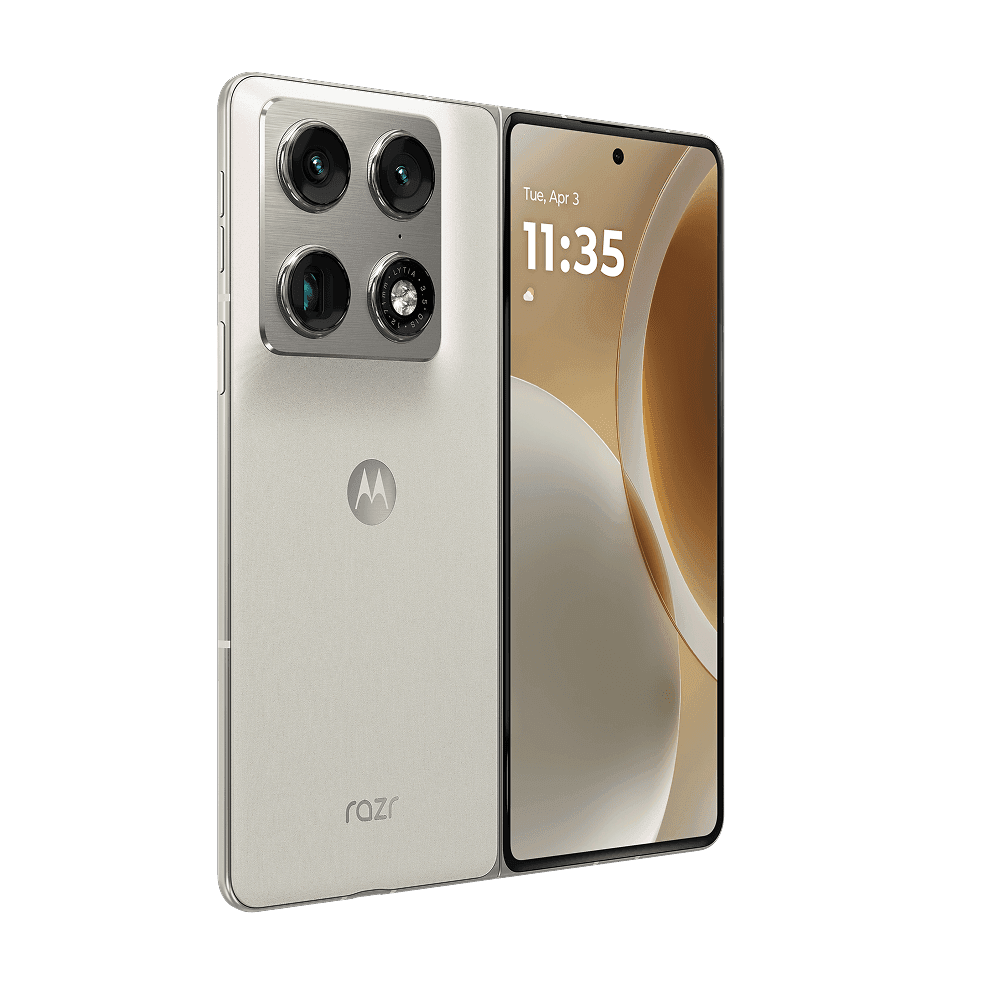
It opens smoothly with zero wobble, and it's sturdy enough to hold the phone propped up halfway for video calls or watching something hands-free. The only catch is that the camera housing makes it a little top-heavy in that half-open mode, which is a minor trade-off for how good those cameras are.
What I don't like
1. The forced AI button feels like a waste of space
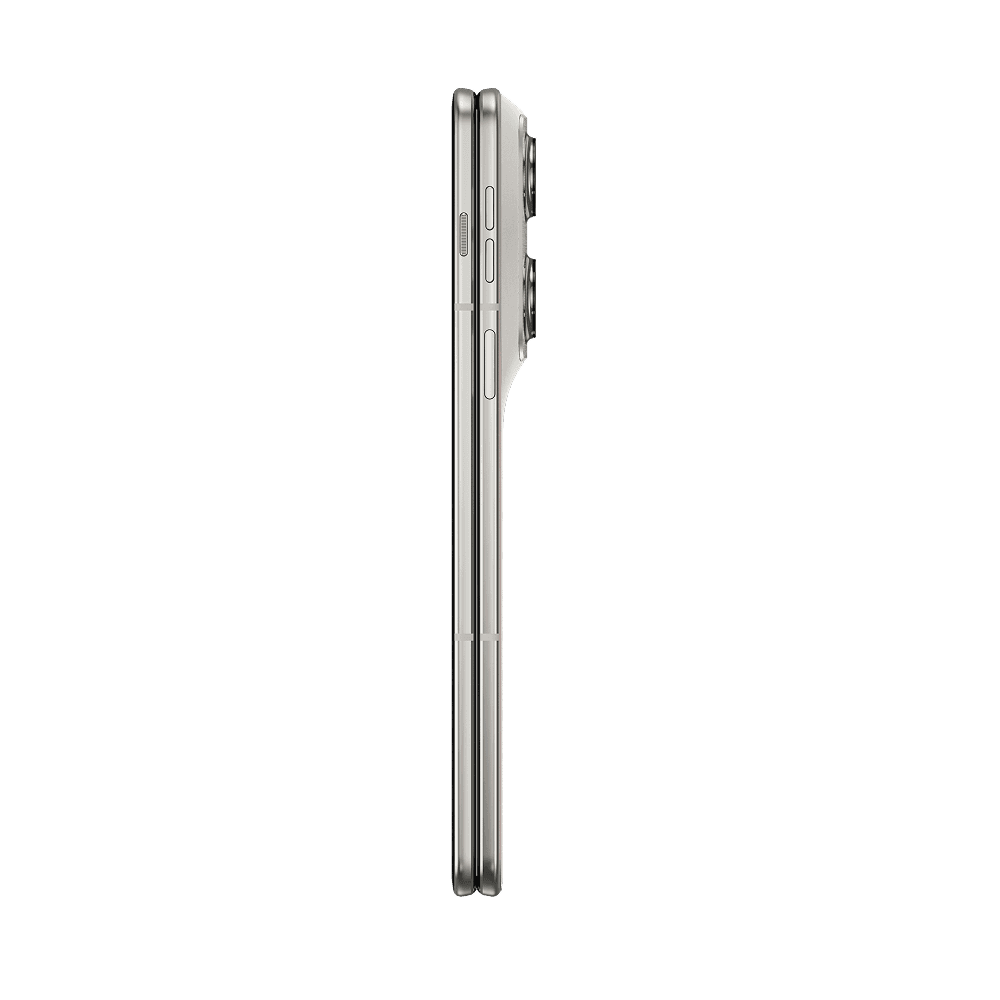
It's a dedicated key that only does one thing: summon Moto AI, and you can't remap the double-tap or press-and-hold to anything else, similar to the Motorola Signature. Moto AI itself is built around Perplexity and sits alongside Motorola's other AI features, but I'd still rather be able to decide what a physical button on my phone actually does.
I've also caught myself hitting it by accident while reaching for the volume buttons more times than I'd like.
2. Updates are not timely, even though Motorola's promise is a strong one on paper
The Razr Fold ships with Android 16 and Motorola's Hello UI, and it actually gets seven years of OS upgrades and seven years of security patches. That's a real step up for Motorola and matches what Samsung and Google offer on their flagships.
The problem is the follow-through. The first update after launch didn't land for about a month, and it was just a routine security patch, with no bug fixes. A great promise only counts if it's backed by a fast rollout, and Motorola's track record here makes me want to see a few more update cycles before I fully trust it.
3. I wish Motorola offered more personality in its software experience
Hello UI is clean, and it works, and features like Catch Me Up and Next Move are handy, but it often feels like it's sitting somewhere between Pixel's simplicity and Samsung's density rather than feeling like its own thing. Performance isn't an issue. The Snapdragon 8 Elite Gen 5, paired with 16GB of RAM on my unit, makes everything feel as fast as you'd expect from a phone at this price. I just wish the software itself had a little more character. It's nice at the moment, but there's room for Motorola to let its own identity show through more.
The verdict
Two months in, the Razr Fold still feels like the most complete first-generation foldable I've used. The design, the displays, the cameras and the battery all do the heavy lifting, and Motorola has managed to fit a Snapdragon 8 Elite Gen 5, a 6,000mAh battery and genuinely capable cameras into a phone that's still just 9.9mm thick when open.
The rough edges are mostly software ones that Motorola can fix over time, if it actually commits to doing so. For a first swing at the book-style format, that's a pretty confident showing.
Price: ₹1,49,999


