I’ve always been fascinated by the idea of the well-rounded phone. Not a compromise. Not perfection either. Just a device that gets most things right without forcing you to sacrifice something important. Because in smartphones, trade-offs are everywhere. If it folds, the camera suffers. If the camera is spectacular, the battery or the software experience takes a back seat. If the battery is incredible, the camera suddenly isn’t. And on the rare occasion a phone does everything well, it’s priced like a golden Apple.
But the Google Pixel 10a might just be the closest thing to balance most people actually need, and that might be both a good thing and a bad thing.
Full Flush

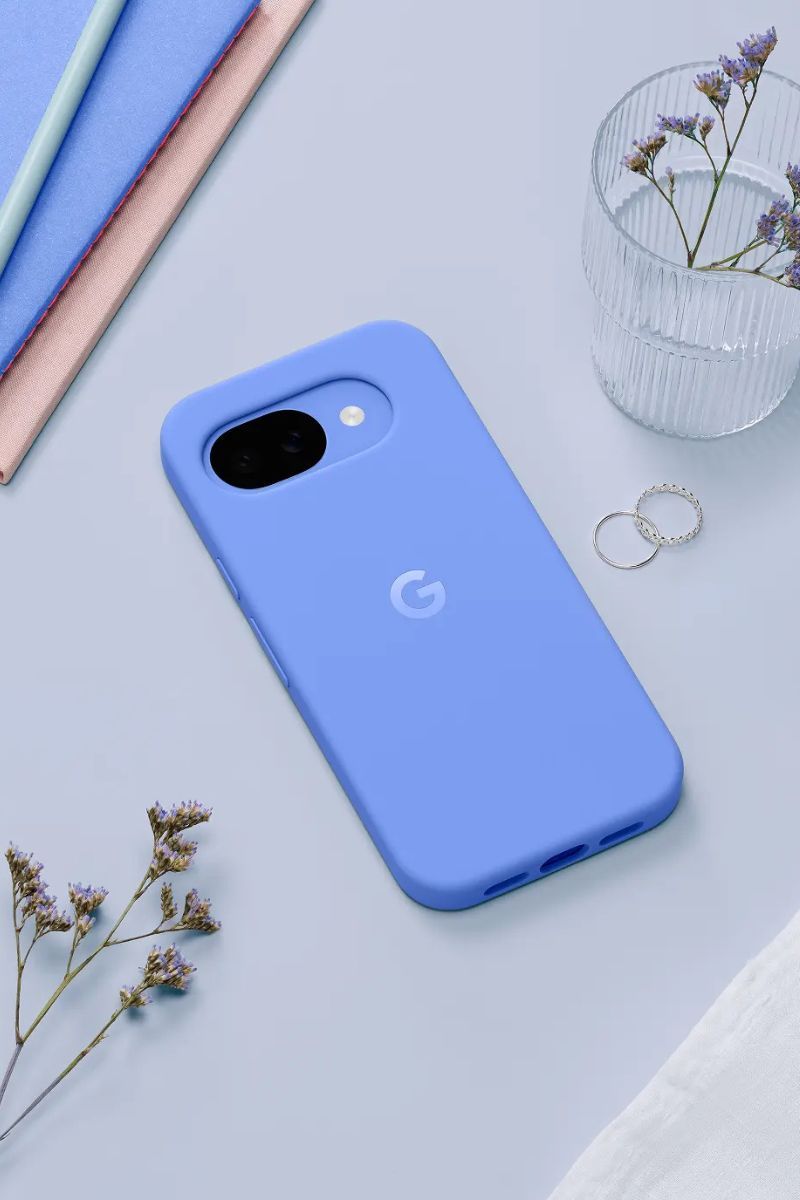
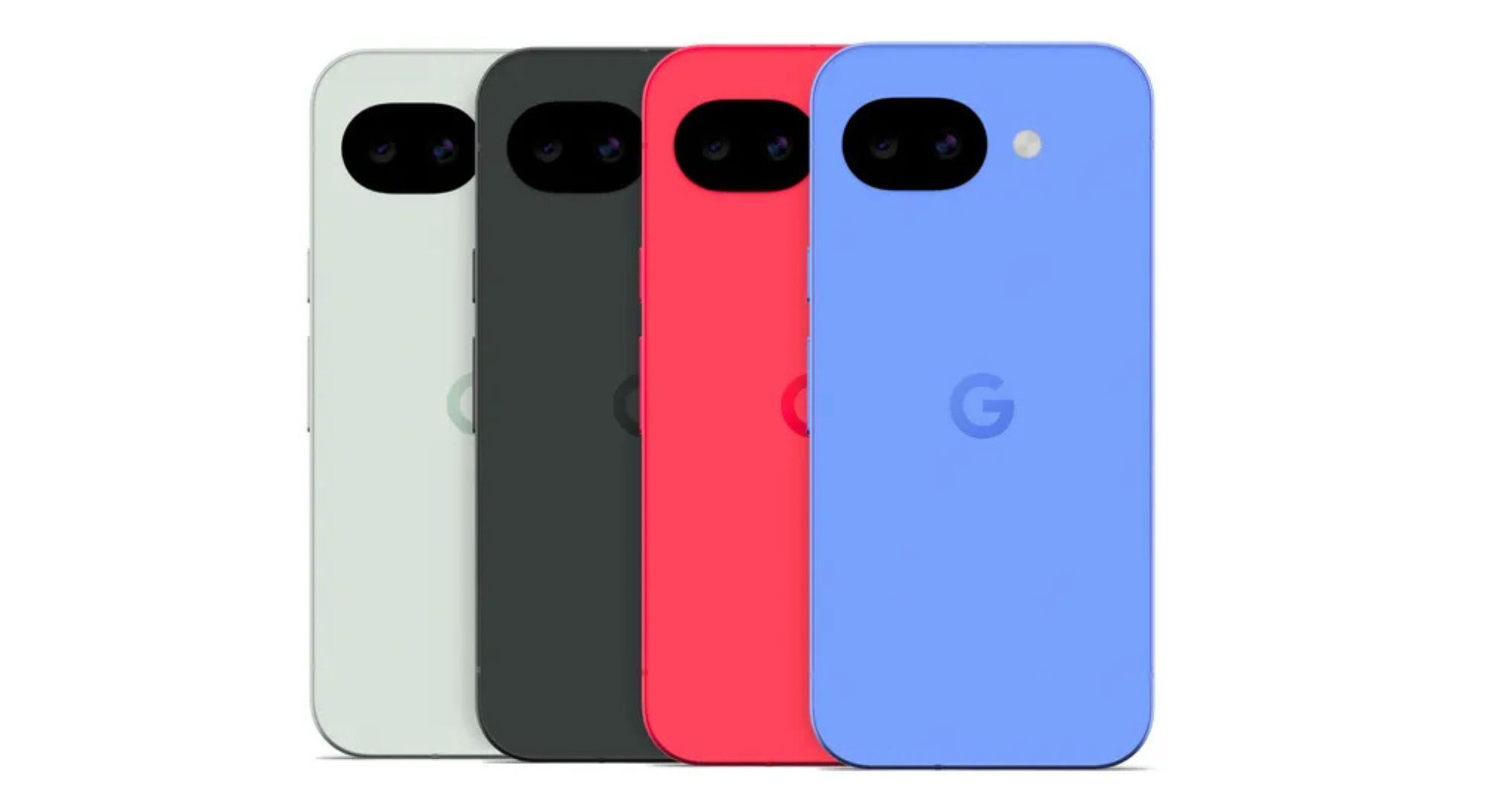
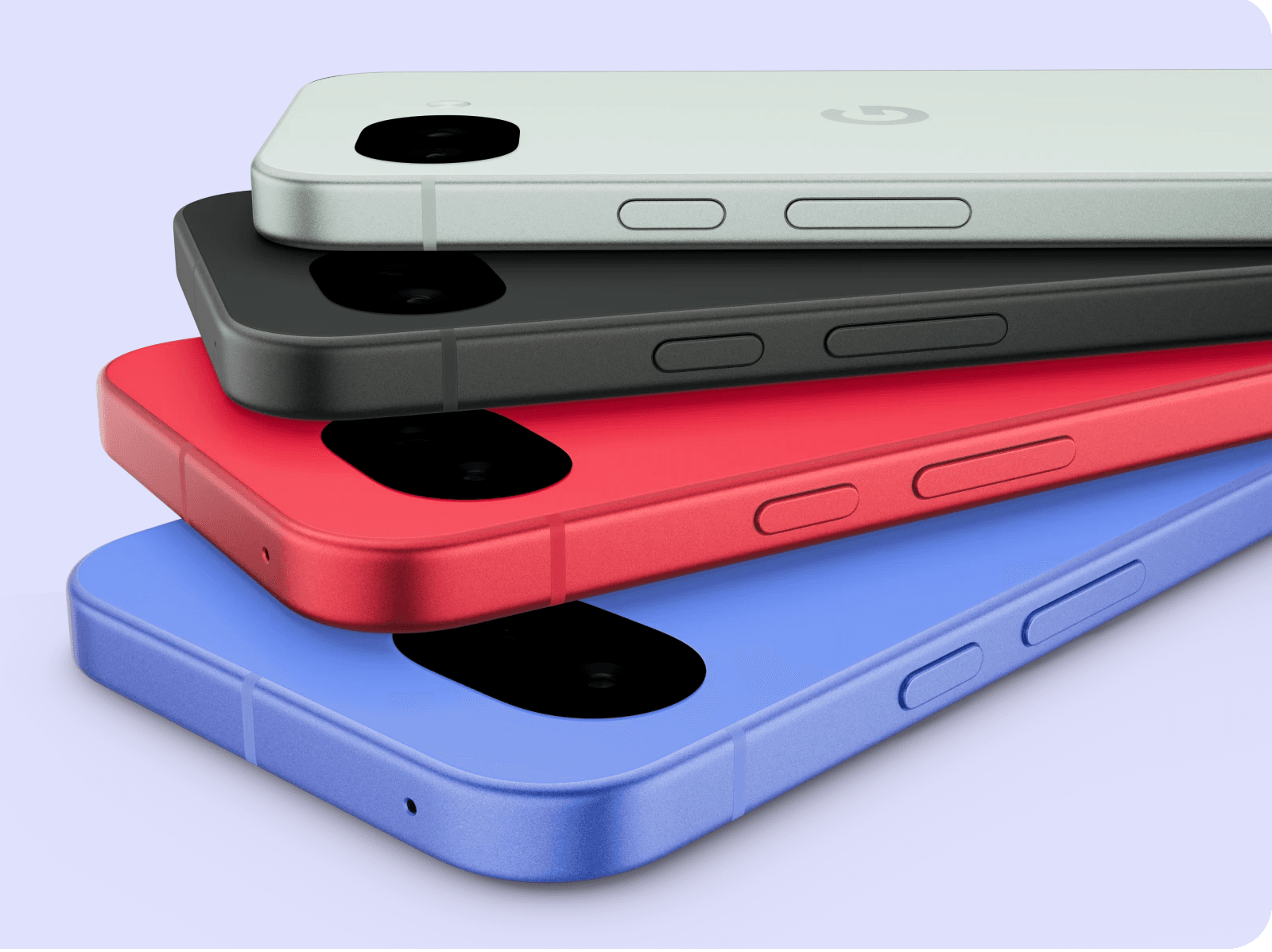
Let’s address the elephant in the room. The Pixel 10a doesn’t look drastically different from the Pixel 9a. Except for one thing. The back is now completely flush.
While the 9a had a small but noticeable camera bump, the new model simply makes the phone slightly thicker so the camera sensors sit perfectly level with the back panel. It’s a small change, but a surprisingly practical one. The phone lies flat on a table with no annoying wobble, and you don’t feel the need to slap on a thick case just to protect the camera module.
At 9mm, the Pixel 10a is undeniably a chonky boy. But oddly enough, it doesn’t feel that way in the hand. The aluminium frame gives it a sturdiness that most budget phones struggle to fake. And despite the added thickness, it weighs just 183g.
That combination of thickness and relatively low weight makes the phone surprisingly comfortable to hold. Your pinky finger doesn’t feel crushed under the weight during long scrolling sessions, and the grip feels secure without being bulky.
A Sharp Display And A Sharper Android Experience
The Pixel 10a’s 6.3-inch Actua display is easily one of its best features. Budget phones and watered-down flagship variants usually cut corners here. Google didn’t.
The 10a gets almost the same panel as the Pixel 10. That means a 120Hz refresh rate, up to 3,000 nits of peak brightness and a crisp 422ppi density. In other words, this is a properly good screen.
The catch is the bezels. They’re thick enough to notice, and even after two weeks I never quite got used to them. It’s the one area where the phone still looks unmistakably mid-range, and something Google should have improved after the 9a.
But once the display lights up, the complaint fades quickly. Google’s panels remain among the best you can get on a phone today. Bright, contrasty and razor sharp, now protected by the tougher Gorilla Glass 7i.
Running on top is Android 16 with Google’s Material Expressive 3 design language. While most phone companies are chasing glassy minimalism and sterile interfaces, Google’s version of Android feels far more alive. The animations pop. The colours feel playful. Nothing about it feels dry or corporate.
Most operating systems behave like an overly polite concierge who insists on calling you “sir” at the start of every sentence. Material Expressive 3 is more like a surfer bro saying, “Hey bruh, look how cool this is.”
And honestly, it works. The interface feels lively, fun and, most importantly, something you won’t get tired of using every day.
You might have noticed that I haven’t mentioned the processor yet. That’s deliberate, because it’s also been one of the biggest complaints about the Pixel 10a. Instead of the newer Tensor G5 found in the Pixel 10 lineup, Google sticks with the older Tensor G4.
I wish I could tell you that it doesn’t matter. But in day-to-day use, it largely doesn’t. Two weeks in, I’ve barely noticed any meaningful difference between the 10a and my personal Pixel 10 Pro XL. Apps open quickly, animations remain smooth and the phone never feels sluggish.
What concerns me more is longevity. Google promises the same seven years of software support as its flagships, which sounds great on paper. The real question is how well the Tensor G4 will hold up over that time. Seven years is a long runway for any processor, and whether this one can keep pace remains to be seen.
AI That Makes Sense
The AI arms race in smartphones is getting exhausting. Most companies treat it like a marketing checkbox. Dedicated AI buttons, AI hubs, AI spaces. Features nobody asked for and rarely uses.
The problem is simple. Instead of solving real problems, companies are busy inventing problems just so AI can solve them.
Take the growing trend of AI “spaces” where you dump screenshots, voice notes and random files so the system can summarise them for you later. It sounds clever on stage during a keynote. In reality, that’s not how people instinctively use their phones.
Google, thankfully, approaches this differently. Instead of building a shrine to AI, it quietly folds it into things you already do.
Take Magic Cue. Now integrated into Gboard, it makes replying to WhatsApp or Instagram messages quicker with context-aware suggestions. It’s subtle, useful and doesn’t interrupt what you’re doing.
Circle to Search is another great example. Hold the bottom bar, circle anything on screen and Google instantly searches it. No screenshots, no switching apps, no friction.
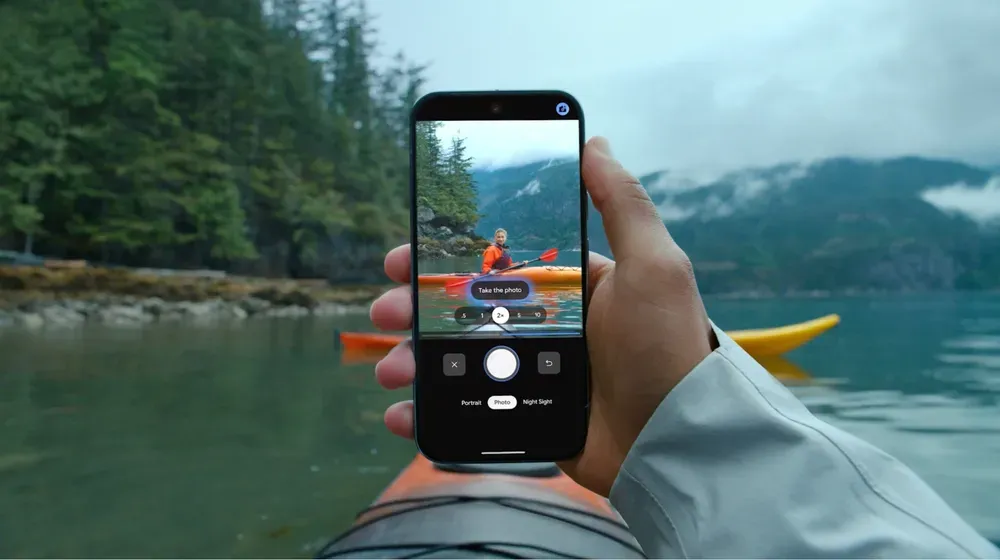
The only AI feature I’m less convinced by is Camera Coach. It offers feedback and shooting tips, but it still feels half-baked. What would’ve been far more useful is something like an aim assist in a shooting game. Help users frame the shot properly instead of just telling them what they need to do. That aside, Gemini remains the most practical AI assistant you can get on a smartphone today.
A Win And A Compromise, Sort Of

The cameras on the Pixel 10a are, well, the same ones you’ve seen before. Google is using the exact 48-megapixel main sensor and 13-megapixel ultrawide from the Pixel 9a. That might sound lazy, but in fairness, the Pixel 10 itself uses the same hardware, so this was always going to happen.
The good news is that Google still understands photography better than most phone companies. While half the industry is busy turning every photo into a radioactive HDR experiment, Google’s processing remains refreshingly sane. Colours look natural, skin tones look like actual human skin and night photos don’t try to convince you that midnight is actually 2pm.
There are limits though. The sensors are small, and physics eventually wins. Push the phone into low light and you’ll start seeing noise creep in, blown highlights and an ultrawide that occasionally gives up before the main camera does.
But here’s the thing. The Indian smartphone market is obsessed with megapixels. Phones show up with numbers so big they sound like real estate prices. The problem is that a lot of them then proceed to brighten your face, smooth your skin and sand away every pore until you look less like a person and more like a freshly glazed ceramic vase.
Google doesn’t play that game. Its photos may not look as loud or dramatic on first glance, but they are far more balanced, detailed and consistent. You know what you’re going to get every time you press the shutter. And honestly, that reliability is worth more than another 50 megapixels on a spec sheet.
The battery, meanwhile, is quietly excellent. Google hasn’t changed the capacity this year, yet the Pixel 10a somehow manages to outlast the much larger Pro model I’m currently using. It’s one of those things you don’t notice immediately, but after a week or two you realise the phone just refuses to die.
Charging has also improved, slightly. Pair the phone with Google’s 45W adapter and the Pixel 10a can pull up to 30W under the right conditions. It’s not going to win any charging speed races, but at least Google is moving in the right direction.
What still needs some work is adaptive charging. With the 80 percent limit turned on, the phone slows down dramatically around 77 percent. Covering the last few percentage points can take an oddly long time.
Verdict
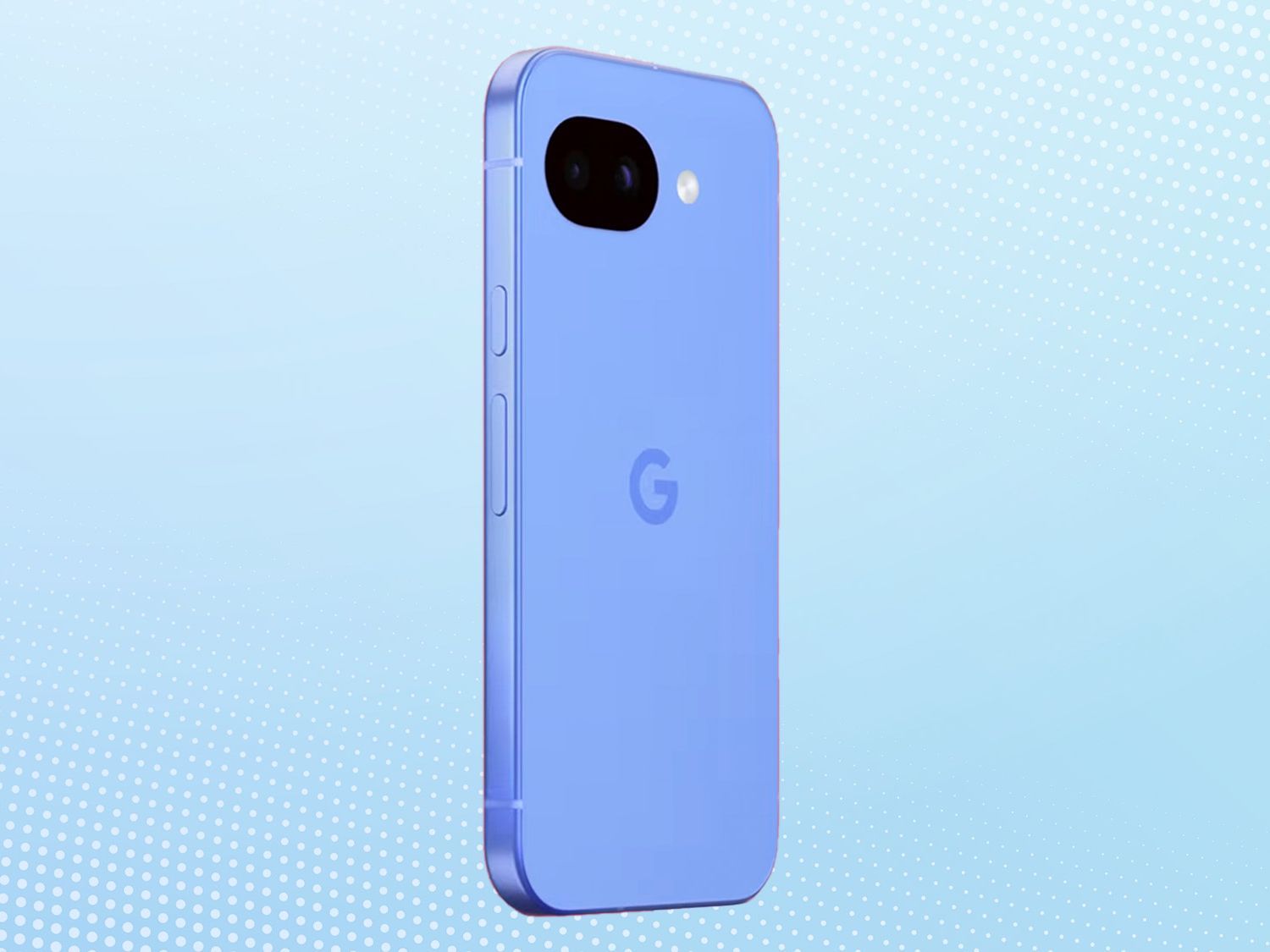
The loudest complaint about the Pixel 10a so far is that it looks suspiciously similar to the Pixel 9a. And yes, that criticism is fair. Google hasn’t exactly kicked down the doors of innovation this year.
But here’s the thing. The 9a was already a very good phone. And the people shopping in this segment are not the sort who line up every September to upgrade like they’ve got shareholder obligations.
Taken on its own, the Pixel 10a is annoyingly difficult to fault. The new flush design looks clean, the display is excellent, the cameras remain dependably good and Google’s version of Android continues to be the most fun you can have on an Android phone without installing weird launchers from the Play Store.
Yes, there are compromises. The processor isn’t the newest kid in the Tensor family. The bezels are thicker than they should be. And the spec sheet won’t win any arguments on Reddit.
But in actual day-to-day use, very little of that matters.
At ₹49,999, the Pixel 10a delivers what might be the most enjoyable Android experience in this segment. If you want a phone that takes good photos, runs beautifully smooth software, has a great display and won’t make you feel the itch to upgrade every year, this is an easy recommendation.


