
Smartphone companies love a tidy hierarchy. Flagships sit on top, foldables do their party trick, mid-rangers play it safe, and budget phones survive on hand-me-down features. Innovation trickles down slowly, like a reluctant inheritance. Nothing, unsurprisingly, has decided to be a bit annoying about it.
The new Nothing Phone (4a) does all the sensible budget-phone things you expect. Then, almost cheekily, it goes and does a few things better than the flagship. Not across the board, don’t get carried away. But just enough to make you realise the hierarchy might not mean much anymore, in a good way.
The Touch, The Feel And The Glyph
Nothing fans had a minor existential crisis last year when the Glyph bars disappeared. In came the circular Glyph Matrix on the Nothing Phone 3. Clever, yes. On-brand, debatable. It felt like Nothing got bored of its own signature and decided to remix it a bit too hard.
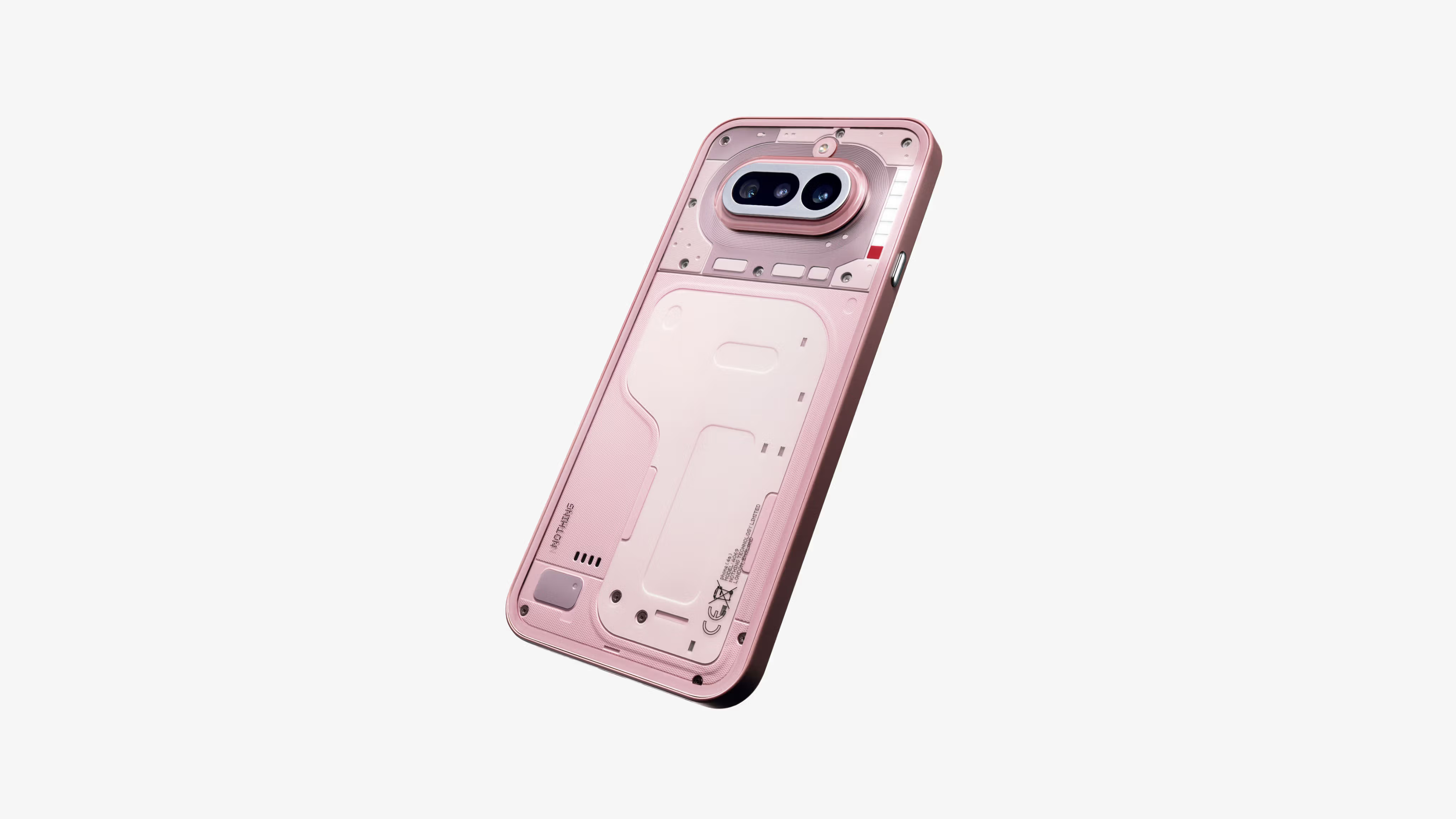
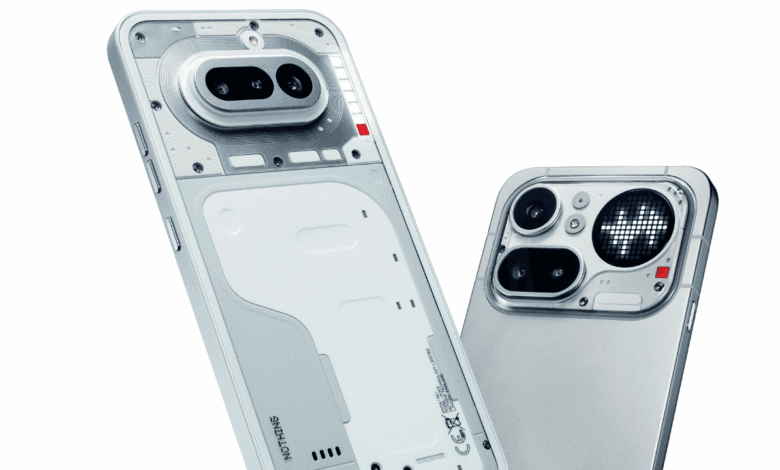
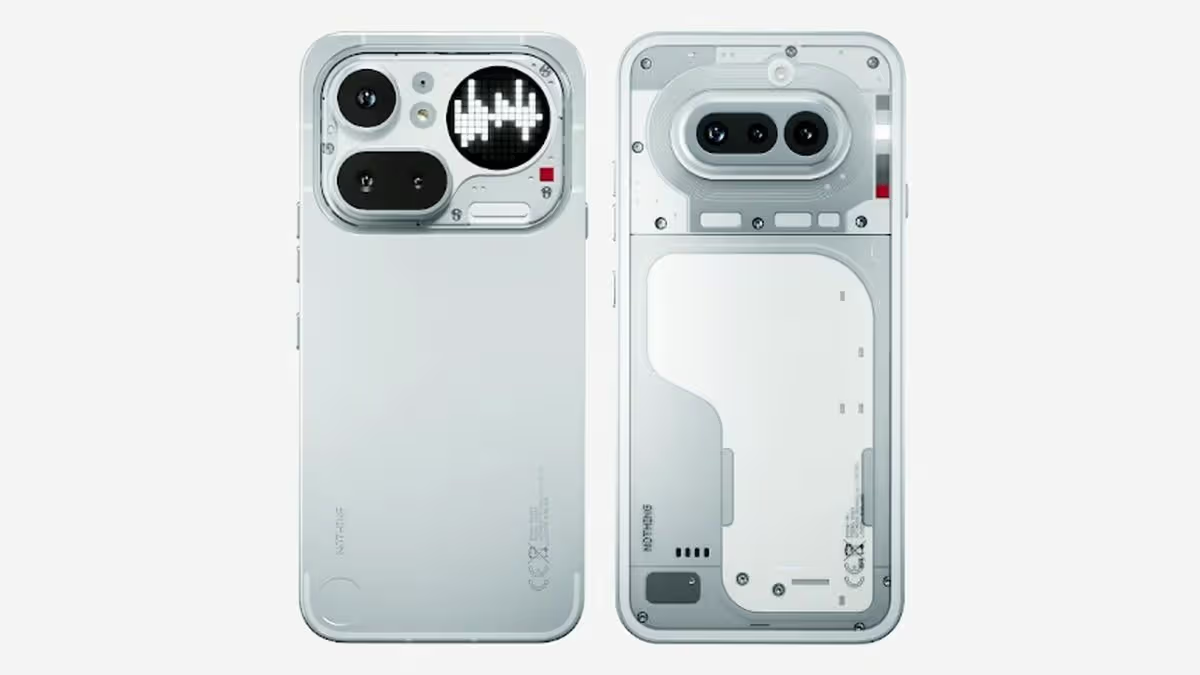
This year, it’s walking that back. Slightly. The 4a Pro, which we haven’t tested, keeps the circular setup. The regular Nothing Phone (4a), though, brings in what Nothing calls a “Glyph Bar”. Which is a polite way of saying six white LEDs in a line. They’re bright, they blink on cue, they track your Uber, your food, your general impatience. It all works. It’s also hard to care after a point. The novelty wears off quicker than you’d expect.
The design follows suit. More structured, more symmetrical, more… well-behaved. Rounded camera module, faux battery cut-out, everything sitting exactly where your brain expects it to. It’s cleaner, sure. But also a bit too eager to please. The Nothing Phone 3 worked because it wasn’t entirely comfortable in its own skin. This one feels like it’s been coached.
Which, to be fair, might be the brief. The Nothing Phone (4a) doesn’t want to be the weird one. It wants to be the one people agree on. Less “look what we can do”, more “this should offend no one”.
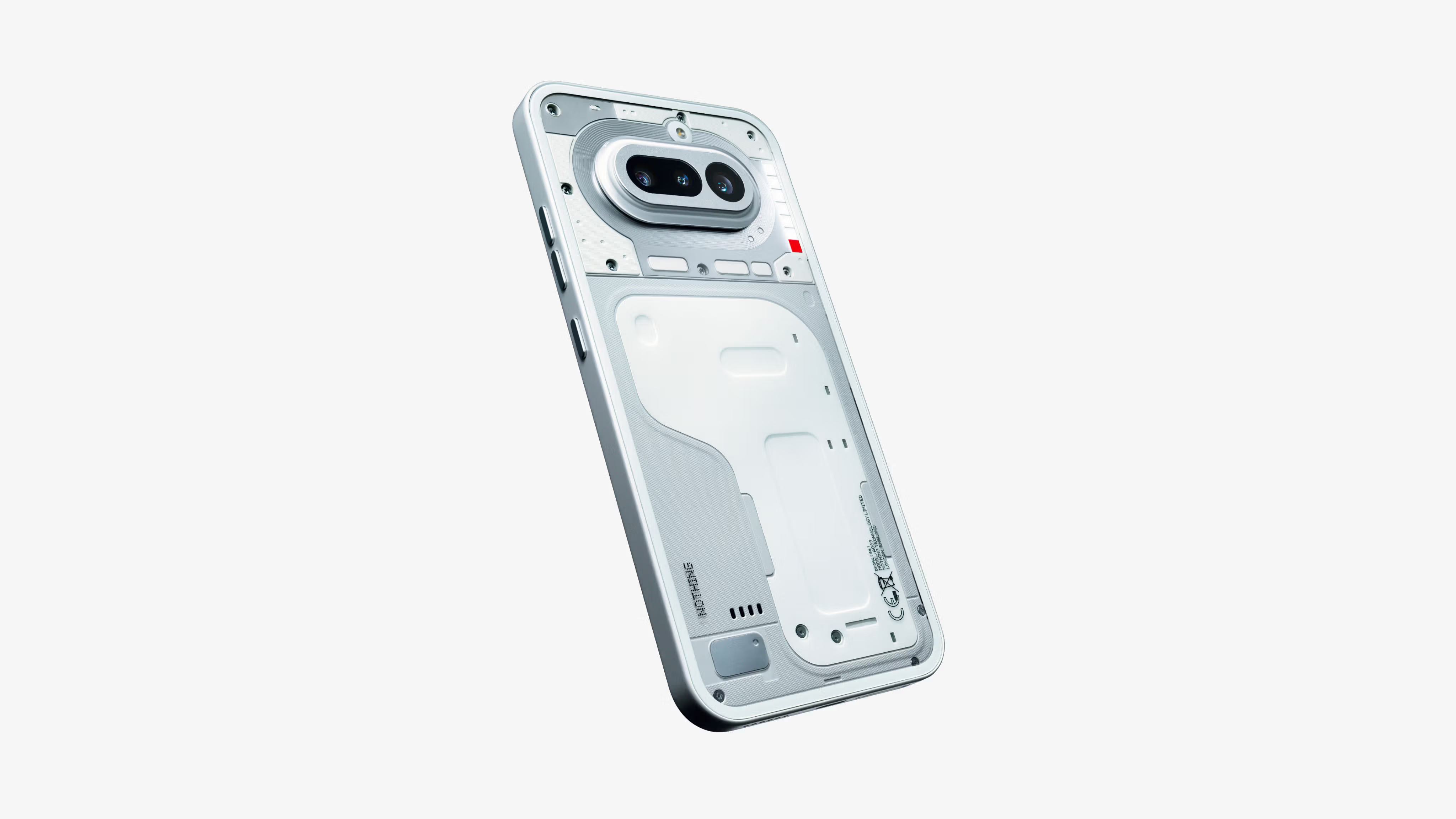
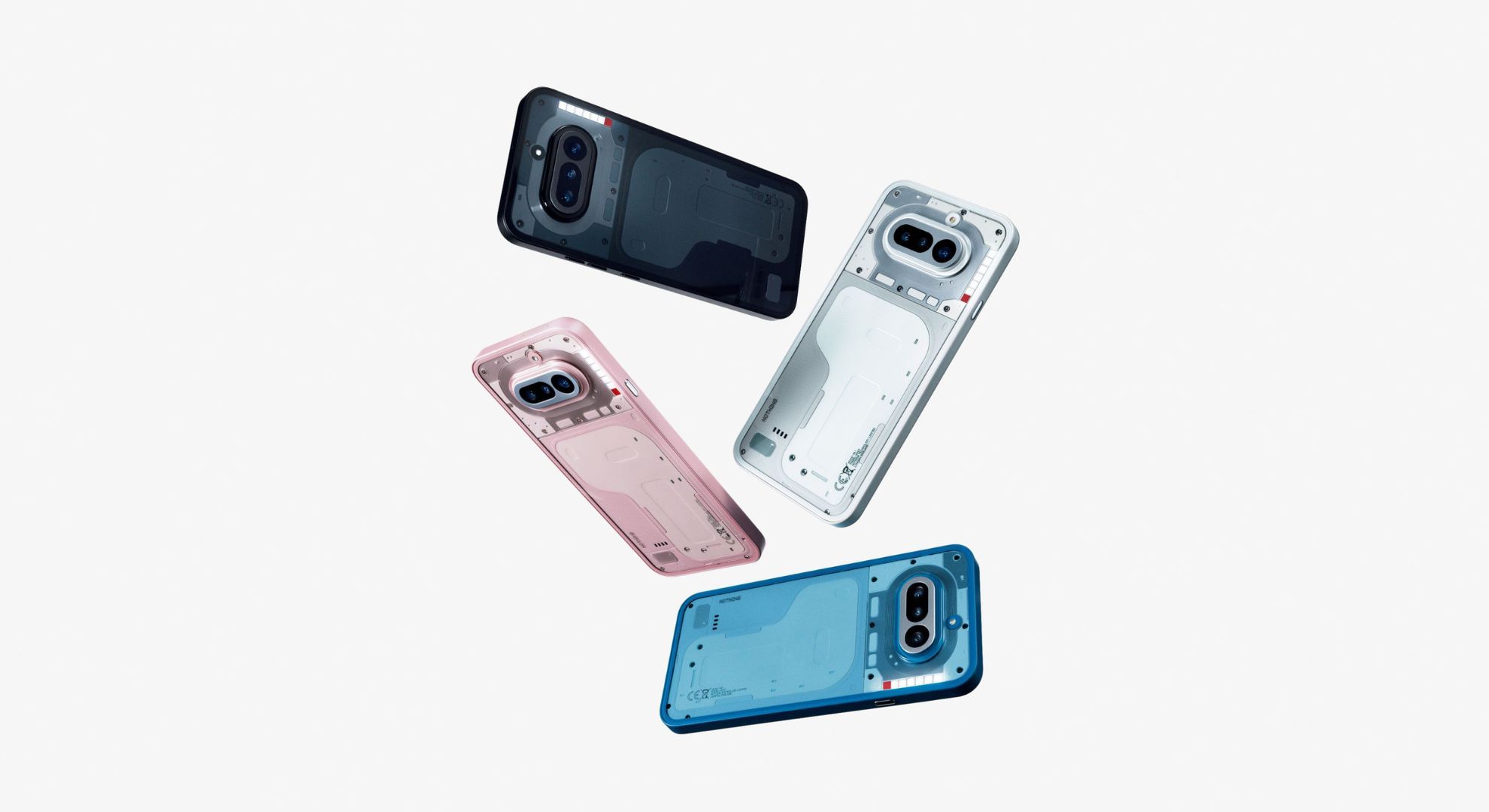
Also new this time are four colour options: white, black, pink and blue. Our review unit showed up in white, which looks clean, predictable, and a little too polite. The pink, though, is where the personality is. It feels closer to the Nothing you’d actually notice across a table.
Turn it over and the drama dials down, but doesn’t disappear.
You get a 6.78-inch 1.5K flexible AMOLED flat display with a 120Hz refresh rate, 440ppi density, and Corning Gorilla Glass 7i on top. On paper, it’s bigger than the Nothing Phone 3’s 6.67-inch panel. In hand, that mostly translates to width. More screen, yes. Also more stretch. One-handed use quickly becomes optimistic.
In our very scientific pinky test, the 205g weight starts to show. It’s not heavy in isolation, but give it a few minutes resting on your little finger and you’ll feel it. Especially for a phone that’s largely plastic. It is not a dealbreaker, just one of those slow-burn annoyances.
Build quality is… good enough. Which is exactly what you expect at this price, and exactly what it delivers. Nothing doesn’t drop the ball, but it doesn’t overdeliver either.
The unboxing, though, is where it still tries. You get a 100cm charging cable, a pre-applied screen protector, a transparent SIM ejector tool, and a clear case. It’s thoughtful, almost nostalgic in a market that now treats chargers like contraband. The case, however, feels like a temporary solution at best. Give it a few months, and it’ll probably yellow into something you’ll want to hide.
Nothing Quite Like It

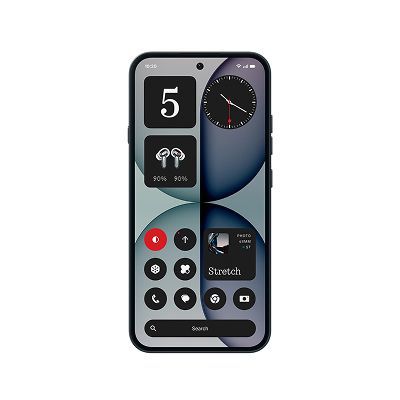
I quite like Nothing’s take on Android. It’s minimal, tasteful, and easy on the eyes. More importantly, it knows when to stop. There’s no avalanche of pre-installed junk, no desperate attempts to “add value” by clutter. Just a clean, restrained UI that feels like it trusts you to set things up your way.
It also ships with Nothing OS 4.1, which is mildly amusing because the flagship is still on 4.0. Make of that what you will.
What surprised me more, though, was how I ended up using it. I usually keep my home screen painfully minimal. A couple of apps, maybe a widget if I’m feeling adventurous. The Nothing Phone (4a) changed that. I had it packed with widgets, purely because they’re actually fun to use. Functional, yes, but also oddly charming in a way Android hasn’t felt in a while, apart from the Pixels.
That said, it’s not perfect. The community widgets are a nice idea, but they don’t quite play along. My unit runs on a custom cycle, light mode through the day, dark in the evening, and most of these widgets just refuse to adapt. They pick a side and stick to it, which breaks the illusion a bit.
Under the hood, you’re looking at a Snapdragon 7s Gen 4, paired with 12GB RAM and 256GB storage on our unit. Perfectly respectable. Also, not class-leading. There are phones in this price range that will outgun it on paper, and unfortunately, this is one of those times where the spec sheet does translate, at least slightly, into real-world use.
You’ll notice it in small moments. Opening Instagram, switching between apps, the occasional hesitation that reminds you this isn’t trying to be the fastest phone in the room. It’s not bad. It’s just not invisible. And once you notice it, you keep noticing it.
To compensate, Nothing has leaned into responsiveness. Touch sampling jumps from 480Hz to 2,500Hz while gaming, which sounds excessive until you actually play something fast-paced. Inputs feel immediate, almost aggressive in how quickly they register.
There’s also some targeted optimisation going on. Games like Battlegrounds Mobile India can hit 120fps, while Call of Duty: Mobile runs at up to 90fps. In practice, it holds up. A 30-minute session on COD stays locked at 90fps, smooth, responsive, no drama.
What The AI?
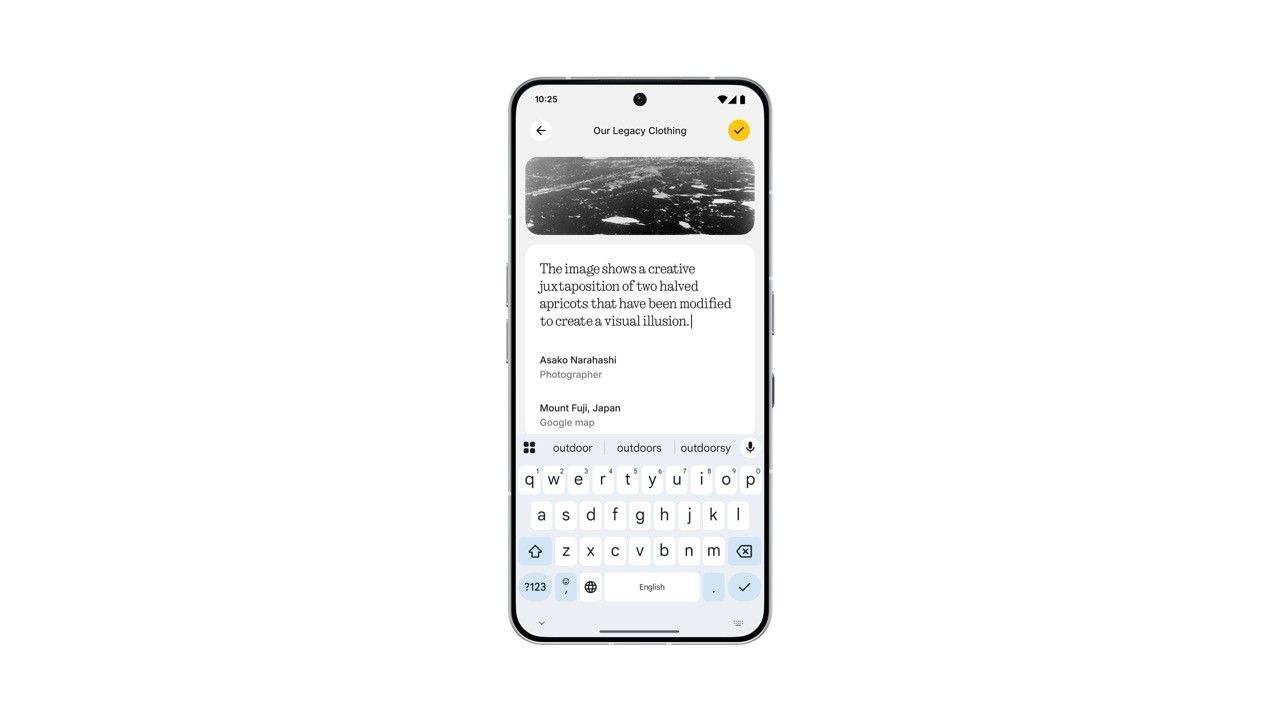
The problem with smartphone AI right now isn’t capability. It’s desperation. Most companies are busy inventing reasons for you to use AI, instead of quietly slipping it into things you already do. Nothing, for now, falls squarely into that trap.
Take Essential Space. You can dump screenshots, voice notes, random thoughts into it, and it’ll neatly summarise everything for you. Sounds useful. In practice, it asks for effort. You have to remember to use it, which immediately defeats the point. Good software disappears into your routine. This feels like another app you’ll open for a week, admire, and then forget exists.
The dedicated AI key doesn’t help its case either. It’s there, it’s physical, it feels important. And then you realise how little you can actually do with it. Minimal customisation, limited flexibility, and no real sense of ownership. It’s less a shortcut and more a reminder that something smarter could have been done here. What’s missing is integration. Not features, not ideas. Just better placement.
Imagine a widget that quietly tracks your daily commute and updates traffic before you even think to check. Or something that surfaces reminders based on what you’re actually doing, not what you told it yesterday. That’s where this starts to make sense. Right now, it feels like AI you visit. Not AI that lives with you.
Lights, Camera, Action
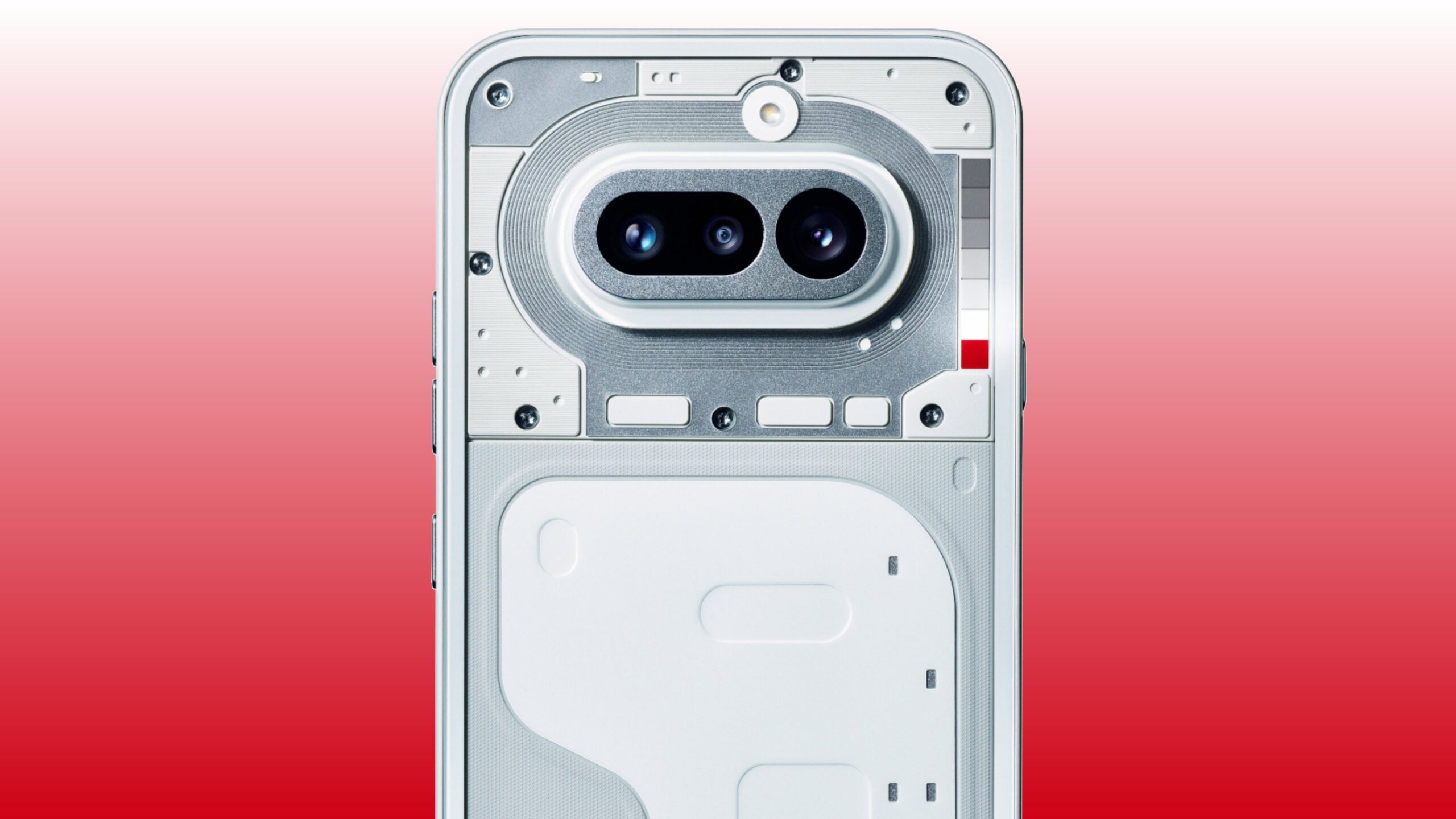
Nothing isn’t doing anything wildly different with the cameras. At least, that’s what it looks like at first. You get the usual spread. A 50MP main & telephoto, an 8MP ultrawide, and a 32MP front camera. Same layout as before, same general approach. But the telephoto is doing a bit more heavy lifting this time. It’s a tetraprism periscope setup, a first for a non-flagship Nothing phone.
The zoom actually holds up. Colours don’t fall apart, contrast stays intact, and there’s far less noise than you’d expect once you start pushing in. Overall though, there’s a slight shift in colour science. Warmer tones, a bit more magenta creeping in. Not enough to ruin anything. The upside is that images feel less over-processed. Edges are cleaner, sharpening is dialled back, and photos look a little more relaxed.
Portrait mode is better too. Edge detection is sharper, separation is cleaner, though the background blur still tries a bit too hard out of the box. Selfies go in the opposite direction. More colour, more contrast, a little more enthusiasm than necessary. They look good, just not always natural.
Low light is alright, but it is also consistently alright. You do notice a bit of noise creeping in, especially when using the 8MP ultrawide.
Video, though, is where things get a little dicey. 4K at 30fps is fine. Start zooming while recording, and the quality drops off quickly. Noise creeps in, details soften, and it all feels a bit fragile.
Presets are still one of Nothing’s better ideas. You can tweak your own look, save it, share it, reuse it. It’s simple, and it actually sticks. But for some reason, it doesn’t fully carry over to higher-quality video. Which feels less like a limitation and more like something that just hasn’t been thought through.
Battery That Refuses To Die
Battery life is where the Nothing Phone (4a) quietly gets things very right. There are two versions. 5080mAh globally, and a bigger 5400mAh unit which you’ll get in India.
In use, it’s solid. A day and a half without thinking about it. Two days if you’re being careful. You stop checking your battery percentage as often, which is usually a good sign. Charging is predictable. 50W wired, (no charger in the box btw). With the right adapter, it crosses 60 per cent in about 30 minutes and fills up in under an hour. Fast enough that it never really becomes a problem. Nothing also claims better long-term battery health. Around 90 per cent capacity after 1,200 cycles. If that holds up, it matters more than most of the spec sheet.
Verdict
At ₹34,999, and realistically a bit less once the usual bank discounts kick in, it’s a very easy phone to recommend. You get a genuinely good display, a camera system that’s more capable than it needs to be, and battery life that just refuses to be a problem.
In some ways, it even edges past the flagship. Which is both impressive and slightly awkward.
The only real hesitation is longevity. Three years of Android updates and six years of security patches feels… conservative. Especially when others in this space are starting to stretch that window. It’s not a dealbreaker, but it does make you pause.
That aside, this is a very complete phone. Not perfect, not trying too hard to be either. But yes, this Nothing Phone (4a) is, quite clearly, something.


