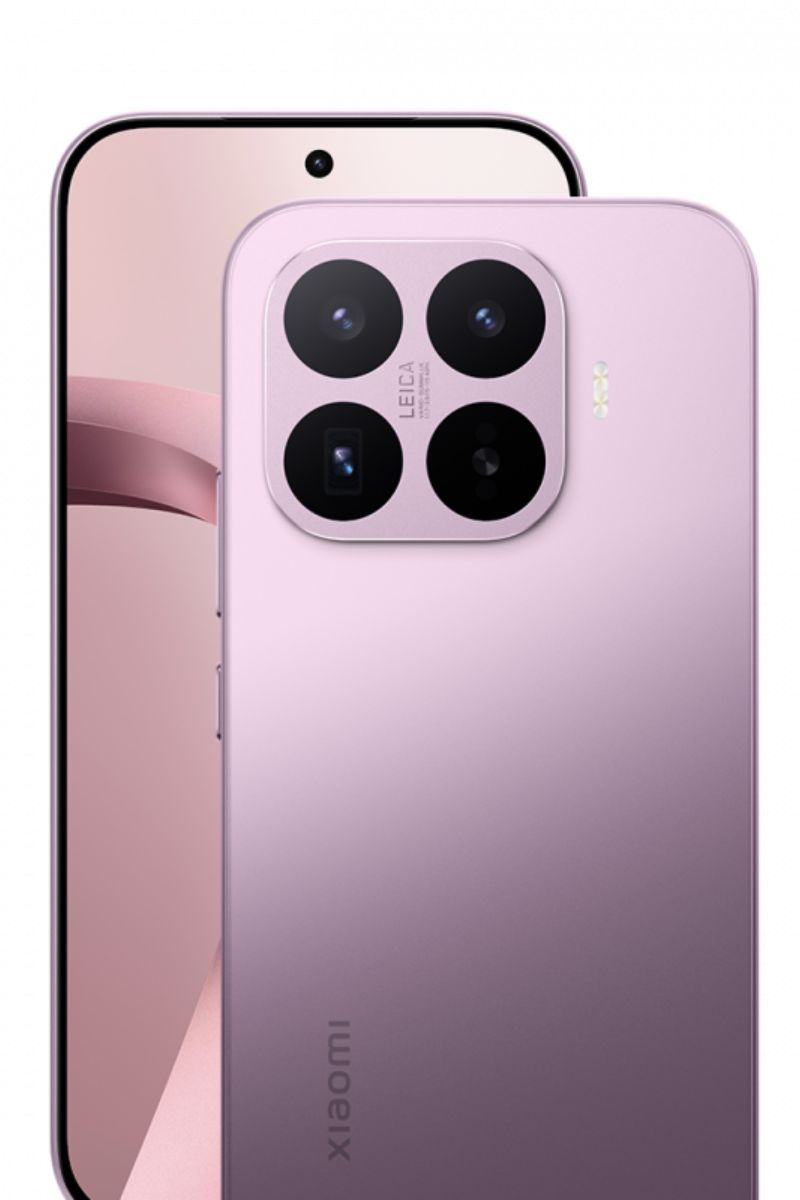
The smartphone market in India currently finds itself in an interesting place. Rising component and memory costs have pushed smartphone prices up across segments, making devices that sit between the flagship and mid-range categories far more appealing than they used to be. That’s exactly what Xiaomi seems to be counting on with the 17T series.
We spent some time with the standard Xiaomi 17T to find out whether it can scratch that flagship itch without demanding flagship money. In a market where true flagships are becoming increasingly expensive, that might just be the sweet spot Xiaomi is aiming for.
Touch, Feel And The Display
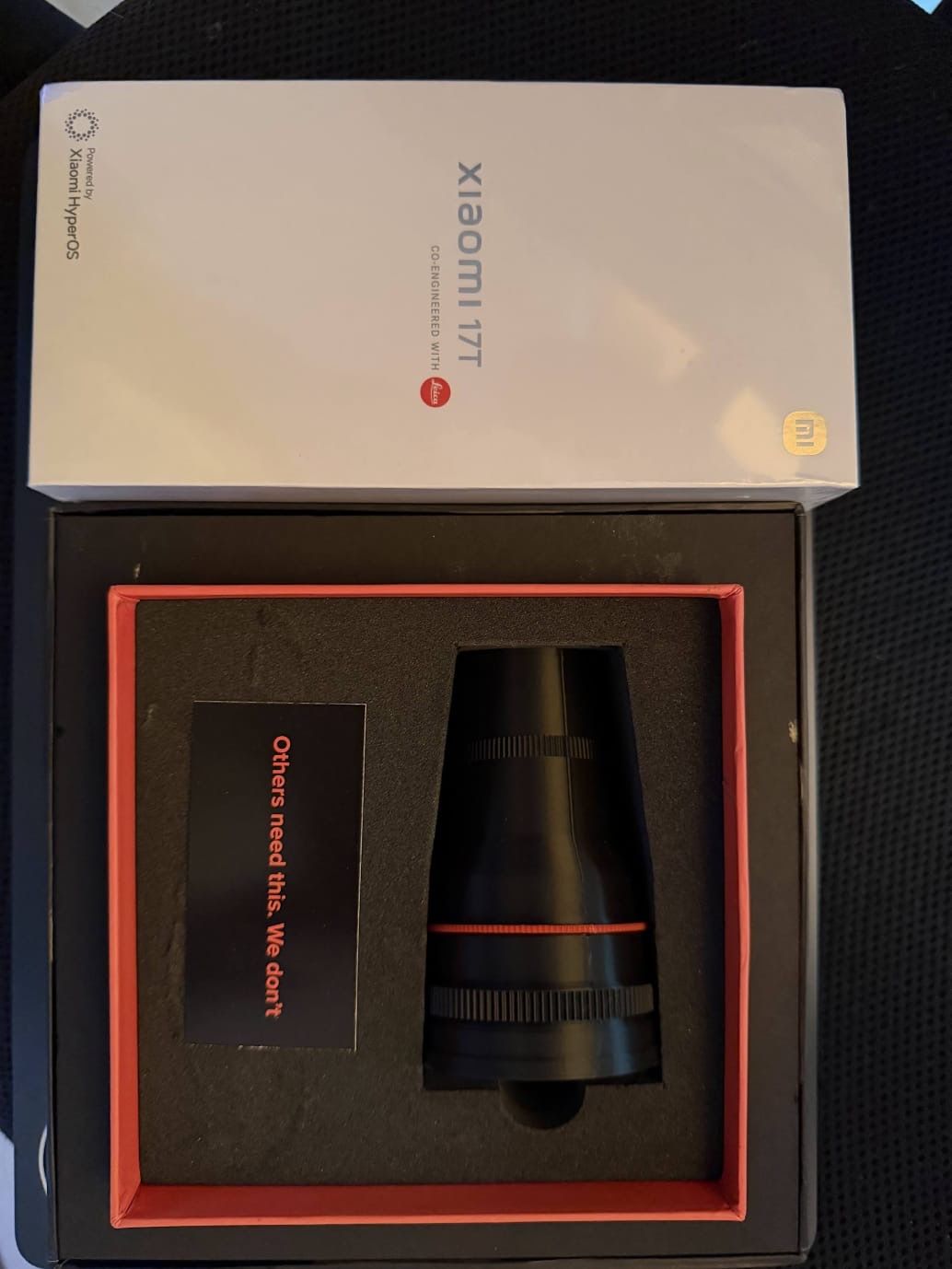
I like when companies pay attention to the unboxing experience of their devices. The Xiaomi 17T, interestingly, comes with an additional box alongside the phone, containing a non-functioning prop telephoto lens and a card that reads, "you don't need this". Bold.
We need phone makers bantering with each other more often. Although, I would've liked it if it actually did something. Coming to the phone itself, the rest of the unboxing is pretty standard, with an included cover that feels surprisingly premium to the touch.
Once you turn things on, you realise why the 6.59-inch display size makes so much sense. It doesn't require you to do finger yoga to reach the corners, while still offering enough real estate to comfortably consume content. In an era where phones seem to be in a competition to become tablets, the Xiaomi 17T feels refreshingly sensible.
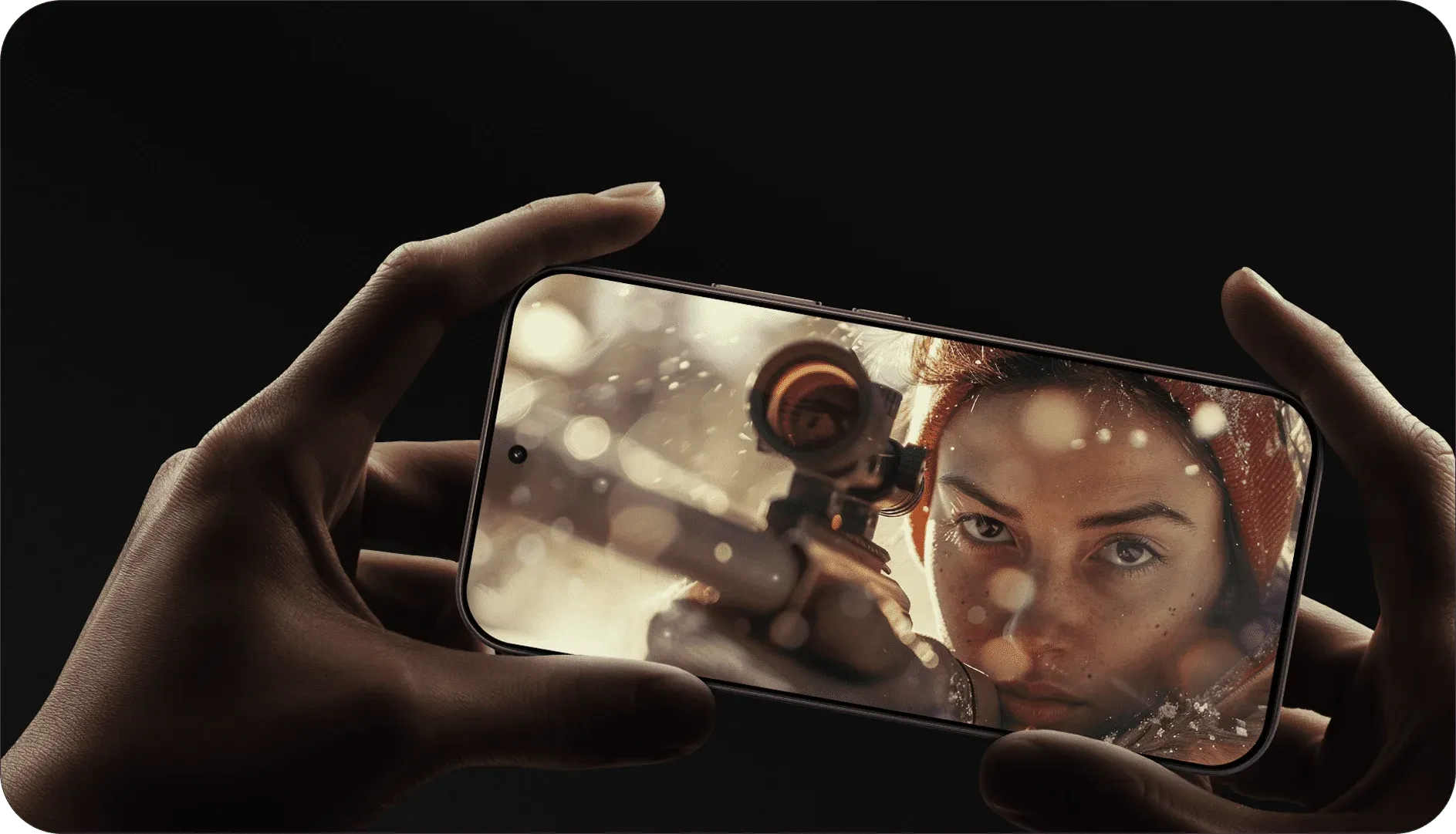
Speaking of the display, while the phone may be positioned as a mid-premium smartphone, the screen certainly makes a case for itself as flagship-grade. You get a 6.59-inch 1.5K 12-bit AMOLED panel with razor-thin bezels, a centred punch-hole cutout, a 120Hz refresh rate, HDR10+ support, and a maximum brightness of 3,500 nits. HDR content on YouTube and streaming platforms looks excellent out of the box.
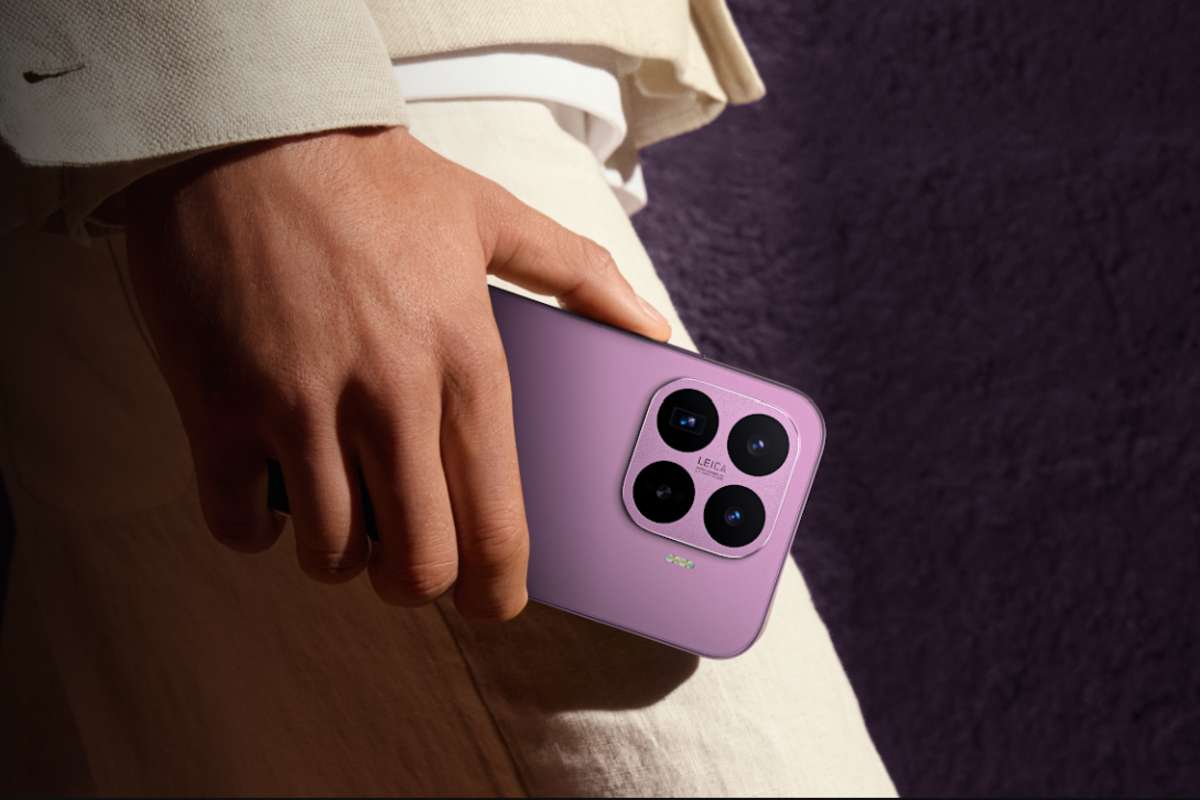
However, there are a few hiccups here. You can kind of tell where the company had to cut costs. This becomes fairly evident the moment you pick up the phone. While your pinky finger will thank the sub-200g weight during long doom-scrolling sessions, the actual touch, feel, and overall build quality leave a little to be desired, especially the plastic frame.
Additionally, there seems to be something strange going on with the refresh rate. Everything looks smooth and consistent, but it feels like it's a couple of clicks slower than it should be in the strangest way possible. It's difficult to quantify, but noticeable enough that you pick up on it after a few hours of use. Thankfully, this feels more like a software issue than a hardware limitation, and is something Xiaomi could potentially address through a future update.
The Leica Experience

Let's address the giant Leica-branded elephant in the room.
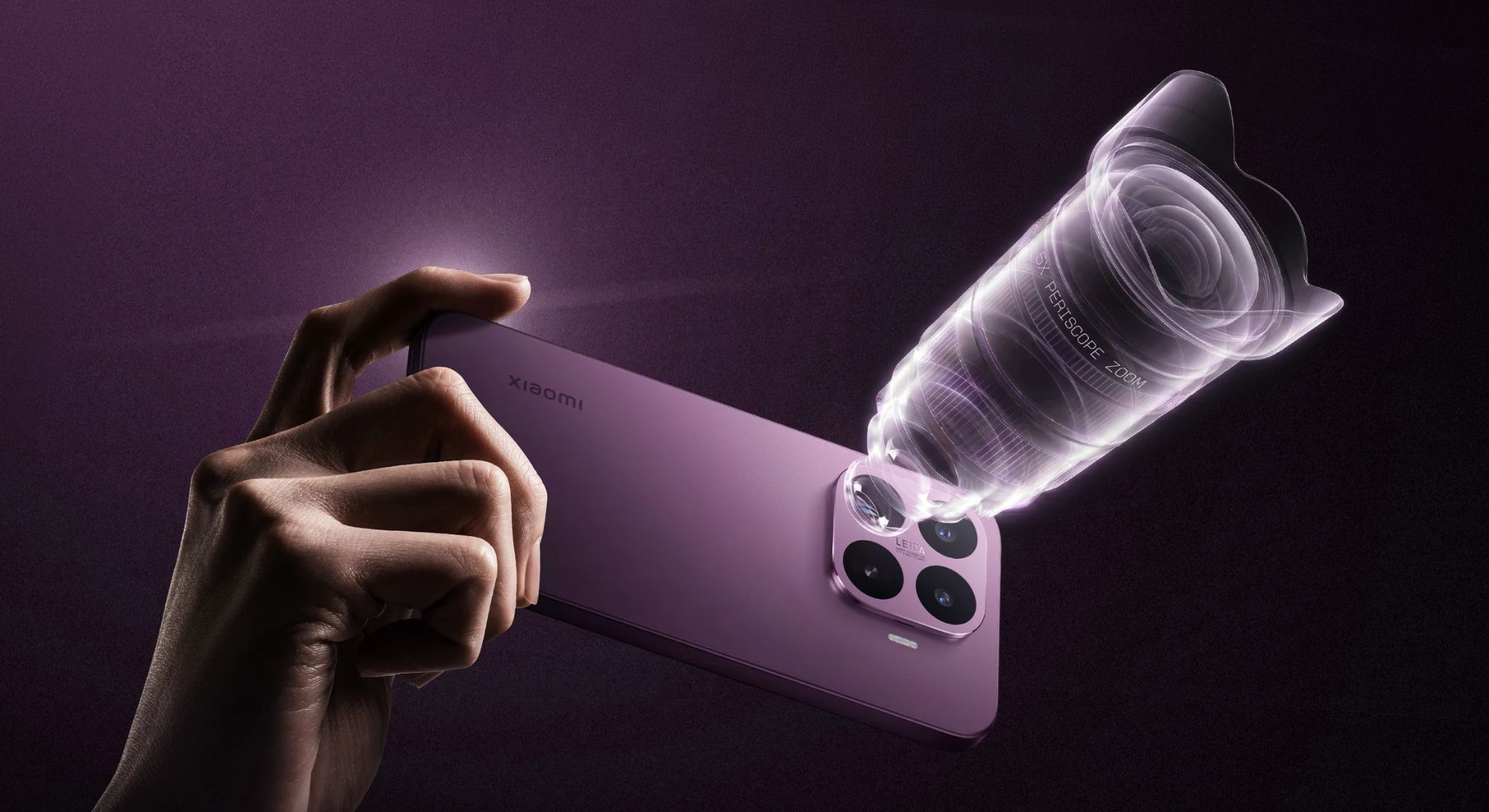
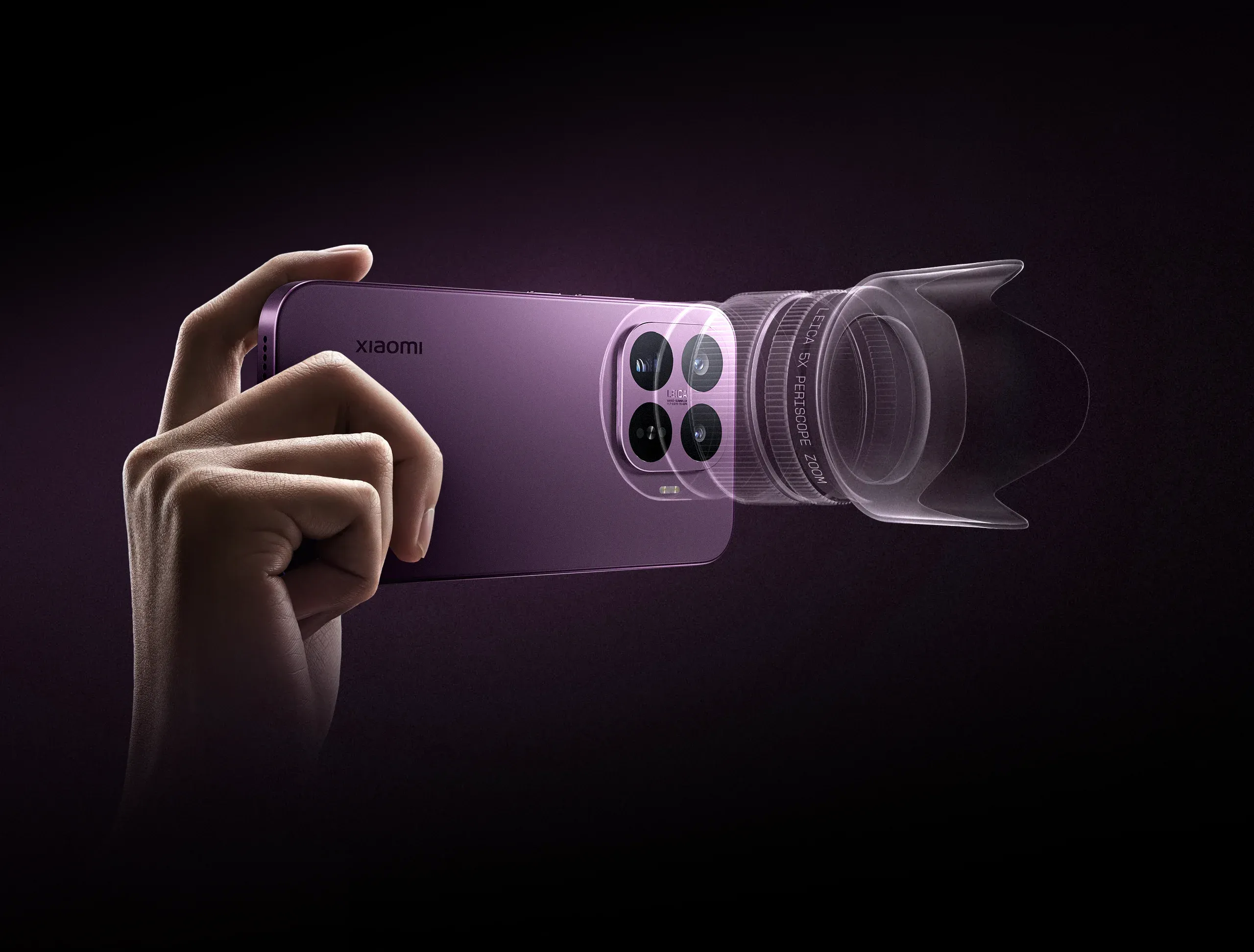
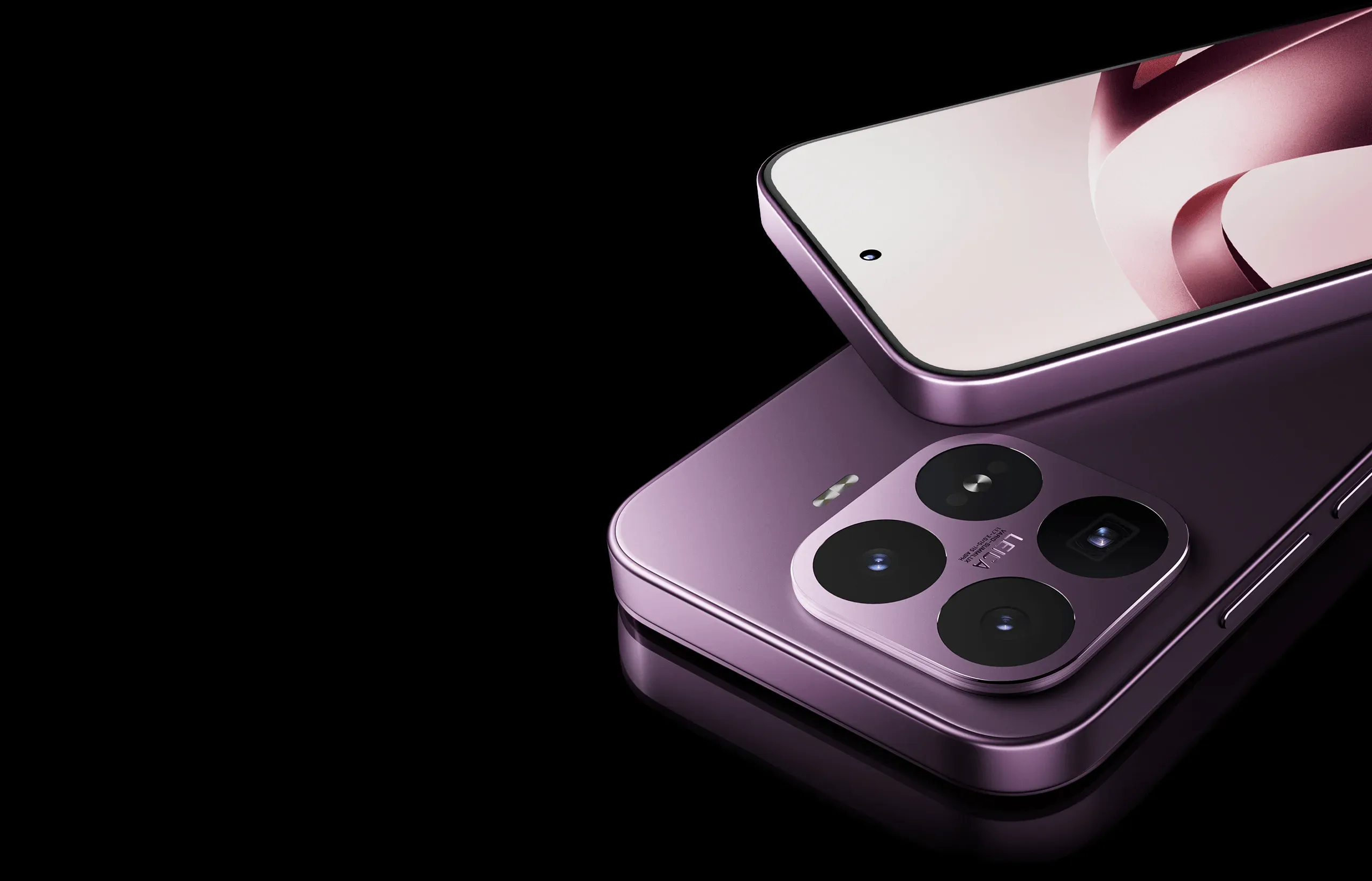
The Xiaomi 17T's biggest party trick is undoubtedly its camera system. On paper, you get a 50MP primary camera, a 50MP 5x periscope telephoto lens, and a 12MP ultra-wide camera. Selfie duties are handled by a 32MP front shooter. Those are impressive numbers, sure, but numbers haven't really meant much in smartphone cameras for a while now.

What Xiaomi is really selling here is the Leica experience. And the easiest way to describe that experience is this: reality, but with a little more drama.
As expected, photos come out warmer, shadows run deeper, and colours have a richness to them that feels closer to a magazine spread than real life. It's not trying to faithfully document a scene. It's trying to make that scene look interesting. Sometimes even romantic. Whether you shoot in Leica Vibrant or Leica Authentic, the phone clearly has opinions about how your photos should look.
Thankfully, they're mostly good opinions.
During the day, the Xiaomi 17T is remarkably difficult to take a bad photo with. Point, shoot, post. That's pretty much the workflow. Images are sharp, dynamic range is solid, and the processing strikes a nice balance between making things look appealing without turning every tree into a radioactive shade of green.

The real surprise, however, is the 5x telephoto camera. What it actually nails, apart from the zoom itself, is the bokeh effect in portrait shots. Soon, you start using it for everything. Selfies. Pictures of your cat—the under-construction building near your house. Suddenly, even mundane things end up looking like they were shot by someone who knows what they're doing.
Edge detection is reliable, background blur looks natural, and the phone does a respectable job separating subjects from messy backgrounds. The only thing to keep in mind is that Leica's colour science remains very much present here. Some people will love the warmer skin tones. Others may feel the phone is trying a little too hard.

At night, things remain reassuringly competent. The camera doesn't fall into the trap of turning darkness into daylight, which is a surprisingly common problem these days. Instead, it preserves the mood of a scene while still keeping enough detail in the shadows to make photos usable. Noise is controlled well and highlights rarely spiral out of control.
If there's one criticism, it's that Xiaomi occasionally gets a little too enthusiastic with its colour grading. If you're someone who wants photos to look exactly as your eyes saw them, the Leica look might feel a touch heavy-handed. Personally, I suspect most people will prefer the extra character.
Video performance is equally dependable. You can shoot at up to 4K 60fps, and the footage comes out stable, well exposed and consistent enough that you don't have to think twice before using it for social media or the occasional travel montage you'll swear you'll edit later.
Performance And HyperOS
At the heart of the Xiaomi 17T sits the MediaTek Dimensity 8500 Ultra, paired with 12GB RAM and up to 512GB of storage. This is a step down from the MediaTek Dimensity 9500 found in the Pro model. But as we've learnt time and again, specsheets don't tell the whole story.
Things feel smooth. Almost oddly smooth. There's a silky quality to the animations that reminds me of animated films where every movement feels deliberate and carefully crafted. Day-to-day performance is equally reassuring. Apps open quickly, multitasking is effortless, and the phone rarely feels out of breath, even when juggling several things at once.
Where things get slightly more complicated is HyperOS 3.

For the most part, Xiaomi's software experience feels polished and mature. Animations are fluid, albeit a notch slower for some reason, multitasking is seamless, and useful additions like Super Island make the UI feel useful, even if it's a little uninspired. That said, there's still something slightly odd about the overall responsiveness. Everything works as intended, but it occasionally feels a click slower than it should, despite the 120Hz display. It's difficult to pinpoint exactly what's causing it, but once you notice it, it's hard to unsee.
But HyperOS itseld still feels like a polished experience fighting with some very old Xiaomi habits. The biggest offender is the lock screen magazine carousel. The phone seemed oddly determined to get me to turn it on, repeatedly surfacing prompts for a feature that often looks less like a lock screen enhancement and more like an advertisement. Then there's the Theme Store, which remains as chaotic as ever. For every genuinely useful customisation option, there are several questionable themes, wallpapers, and icon packs that make the whole experience feel cluttered. It's a far cry from the clean, premium software experience Xiaomi is otherwise trying to create.

I also encountered the occasional bug during my time with the device. A little camera lag here, a random frame stutter there. Nothing serious though.
The good news is that none of these issues feel fundamental. The hardware is solid, the performance is there, and most of the complaints seem like the sort of things Xiaomi could iron out through future software updates.
Battery Life And Charging
If there's one area where the Xiaomi 17T refuses to compromise, it's battery life.
The phone packs a massive 6,500mAh battery, and the result is roughly a day and a half of use without much effort. Battery anxiety is increasingly becoming a thing of the past with silicon-carbon batteries, and I am absolutely here for it. You stop checking the battery percentage every few hours. You stop carrying a charger around "just in case". You simply use the phone.
What I am not here for, however, is the 67W charging. It's perfectly adequate, but when the Pro gets faster charging, the decision feels unnecessarily limiting. The battery is large enough that you won't be reaching for the charger often, but when you do, it would have been nice to top it up a little quicker.
The Verdict
The Xiaomi 17T is a bit like that friend who isn't the fastest runner in the group but somehow ends up winning the race anyway.
Sure, there are phones with faster chipsets. There are phones with faster charging. There are even phones with cleaner software. But at ₹59,999, few manage to put together a package that's this easy to recommend.
The star of the show is undoubtedly the 5x telephoto camera. Once you start using it, it's surprisingly difficult to go back. Add a great display, good battery life, and performance that's more than capable of keeping up with everyday demands, and you've got a phone that punches comfortably above its weight.
HyperOS still needs a little adult supervision, and Xiaomi could do with toning down some of its more questionable software habits. But if you're looking for a smartphone that gets the fundamentals right while giving you a genuinely fun camera to play with, the Xiaomi 17T is one of the easiest recommendations in its price bracket.


