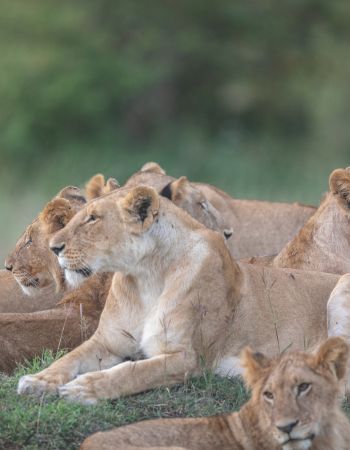
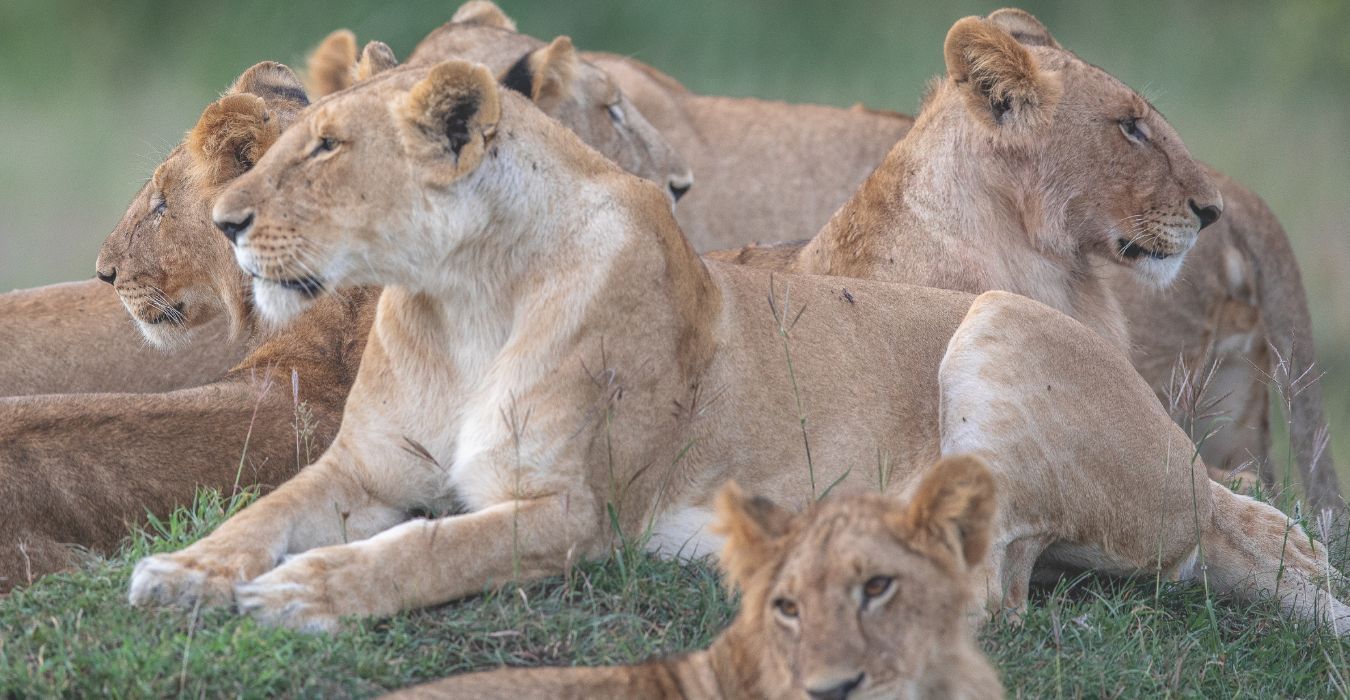
Africa has been my home for more than two decades now. Wherever I am today, I owe it to that continent. It has been 21 years since I first set foot there, beginning in West Africa. It has given me everything: space, freedom, and the courage to express myself. The sense of empowerment that it gave shaped the way I see the world. Over the years, the eastern part of the continent, with its breathtaking wildlife, became my special haven of peace.
About a decade ago, a new passion began to take hold of me: wildlife photography. At first it was simply the ritual of going on safari with a camera, but East Africa soon felt like home in a deeper way. Every visit — nearly twice a year now — brings a tranquillity that I have never found anywhere else. Maasai Mara, one of Africa’s greatest wildlife reserves in south-west Kenya, in particular draws me back again and again.
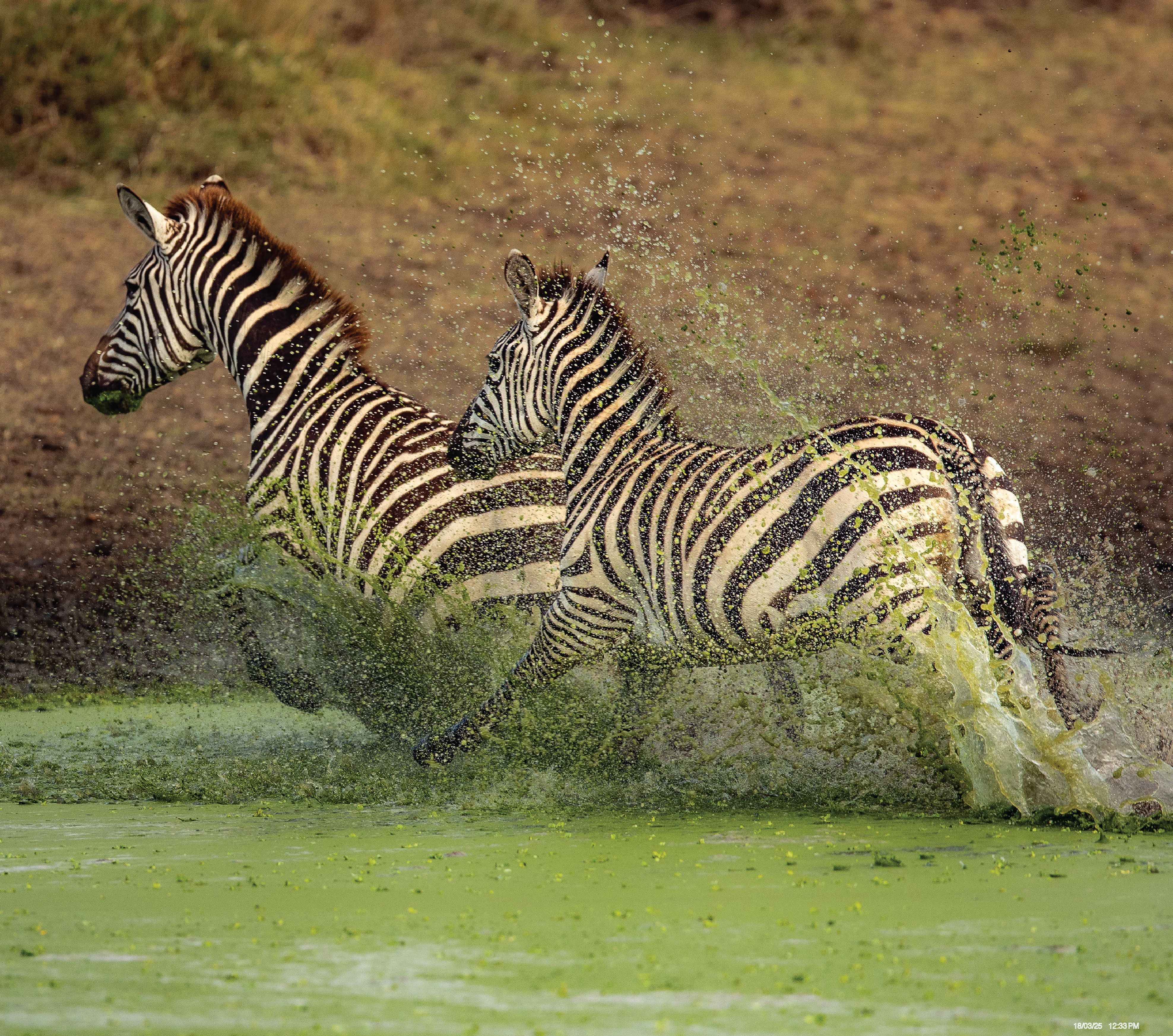
Wildlife photography is never easy. The animals are never under your control. They behave, act, and react entirely on their own terms. Add the unpredictable elements of nature — sudden rain, heavy clouds, or intense heat when animals stay hidden — and the challenge only grows. Yet, it is this uncertainty that these very uncertainties are what makes me go back. Every outing teaches me something new and fuels my desire to keep learning.
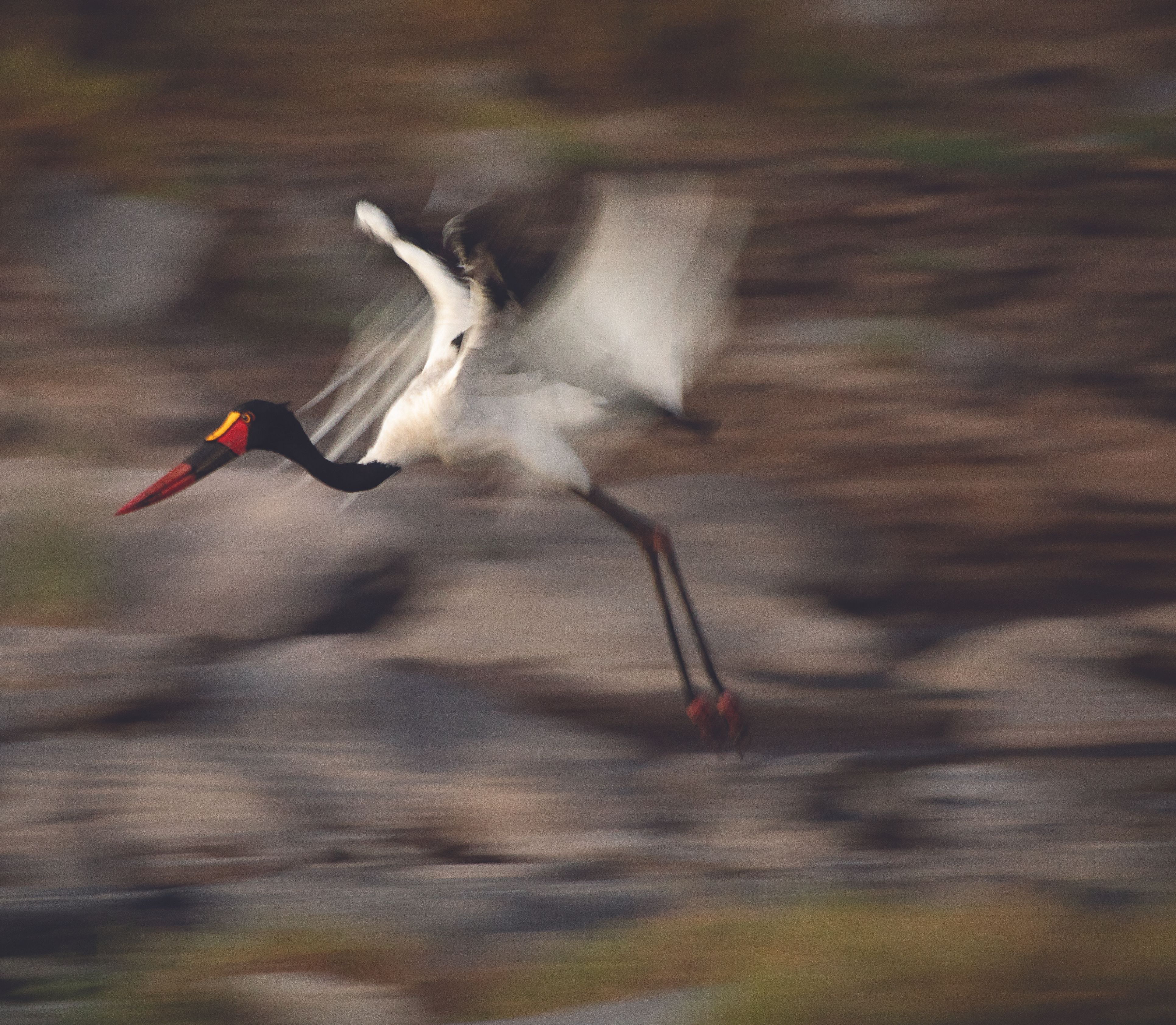
One of my favourite photographs in the is that of the famous Tano Bora — the ‘Five Musketeers’ — a remarkable coalition of five male cheetahs in the Maasai Mara. Most male cheetah coalitions consist of only two or three brothers, but the Tano Bora were different. They were believed to be two sets of brothers who joined forces, not all from the same litter, yet united as a single hunting unit. Their unusual size allowed them to bring down large prey like wildebeest and topi with impressive success. Sadly, their story has changed over time. Around 2022 the coalition began to decline, and today only a few members survive.
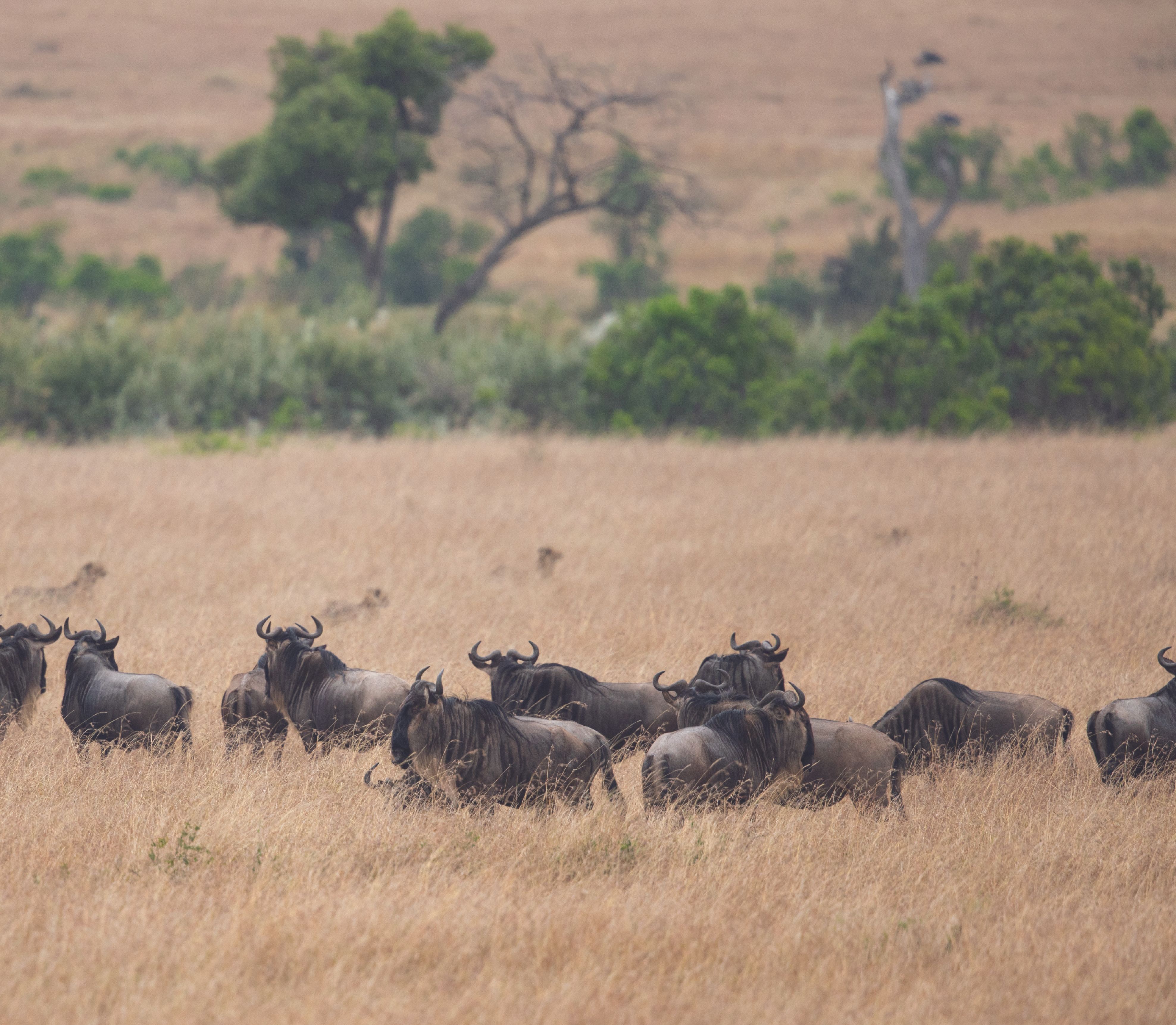
When I captured that photograph, all five brothers were resting. One of them had tucked himself into a small bush, the kind they prefer for shade, while the sunlight filtered beautifully through the leaves. I lay flat on the ground for the shot because eye-level contact is essential in wildlife photography. There is no seat for a mattress in the wild; you simply lie down to meet their gaze. As we drove across the savannah that day, I stayed alert to every crack in the landscape. At one point I noticed something moving — a flicker that first looked like a shadow — until I focused my lens and realised it was one of the brothers. The camera caught that interplay of light and shadow perfectly.
Cheetahs are captivating not just for their speed but also for the delicate balance of their lives. In the wild, male cheetahs — and leopards, too — focus on mating and then leave. The mother is solely responsible for raising the cubs. For the first year, she and her young are at their most vulnerable. In the earliest months she carries each tiny cub by the neck, often moving them one at a time to safer ground. If she has a litter of four, she must place each cub in a new location and then return for the next, exposing the others in the process. Predators frequently exploit those moments, and many cubs are lost.
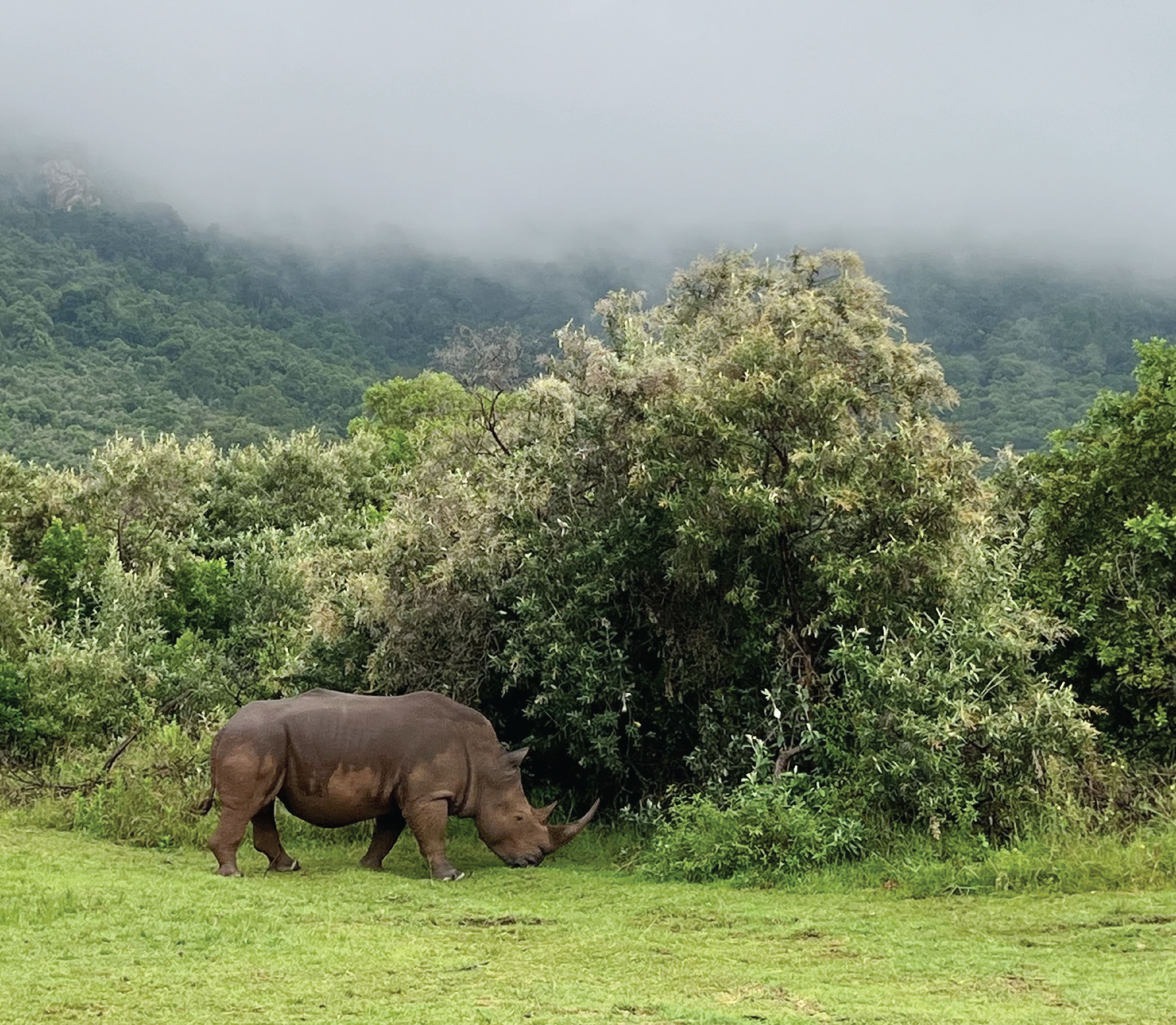
I witnessed the heartbreak of this vulnerability myself. We had seen a mother cheetah with two cubs. The next day we found her again, but something was different. She was calling out with a sound that carried both urgency and pain. My Maasai driver turned to me and said he thought she had lost one of her cubs. For thirty or forty minutes we watched as she searched frantically, circling and scanning the tall grass. She never found the missing cub. Finally, with quiet determination, she picked up the remaining one and began to walk away. We followed at a respectful distance for more than an hour until she finally stopped to rest, setting the lone cub gently on the ground and looking around once more. It was a moment of raw nature, beautiful and profoundly sad.
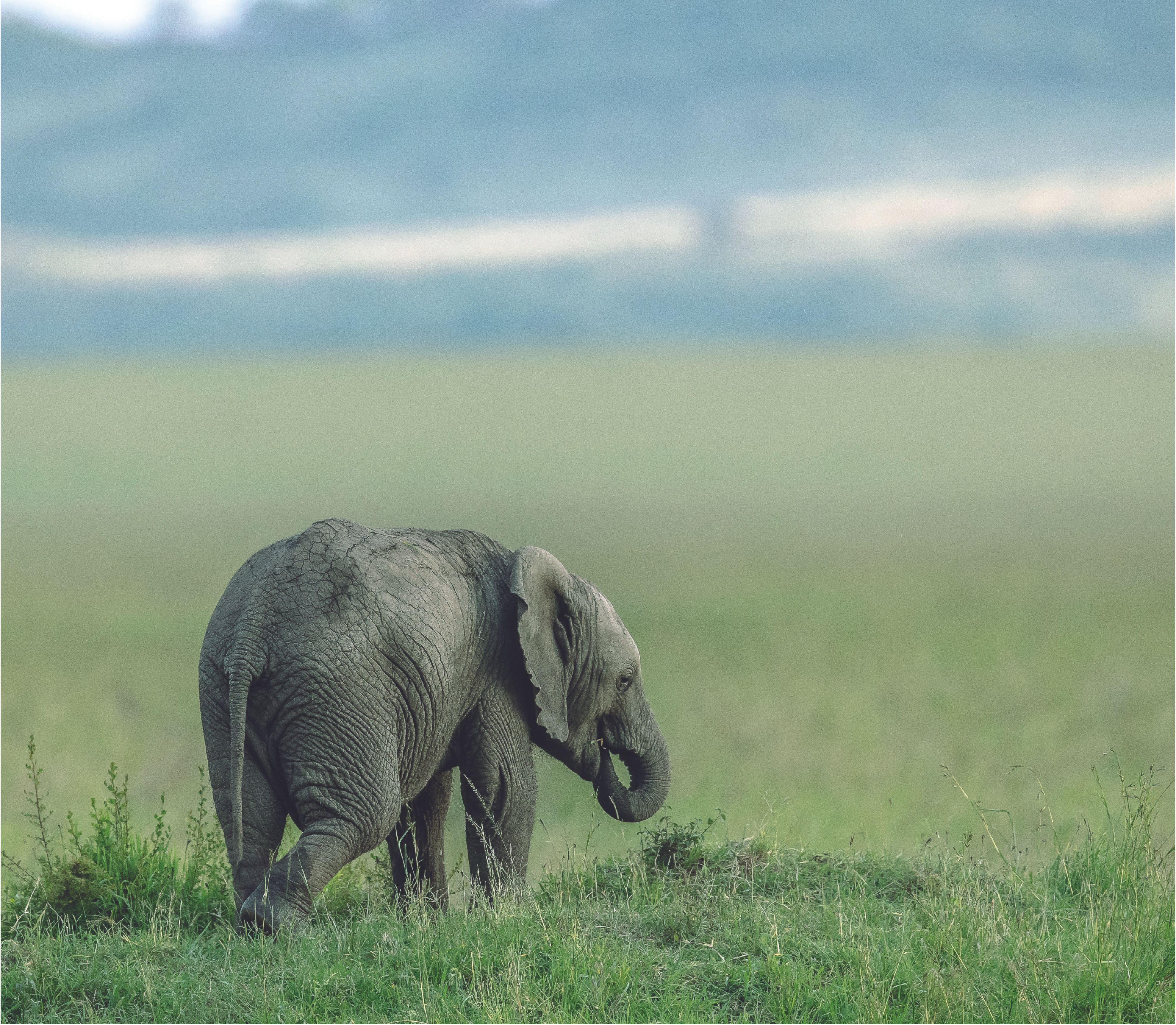
These experiences remind me that photography is more than an art form; it is a form of advocacy. Every image carries a message. The roar of a lion becomes a call to protect. The silent elegance of a cheetah mother becomes a plea for conservation. Through my lens I hope to preserve not just pictures but also the fragile wonder of this heritage for future generations.
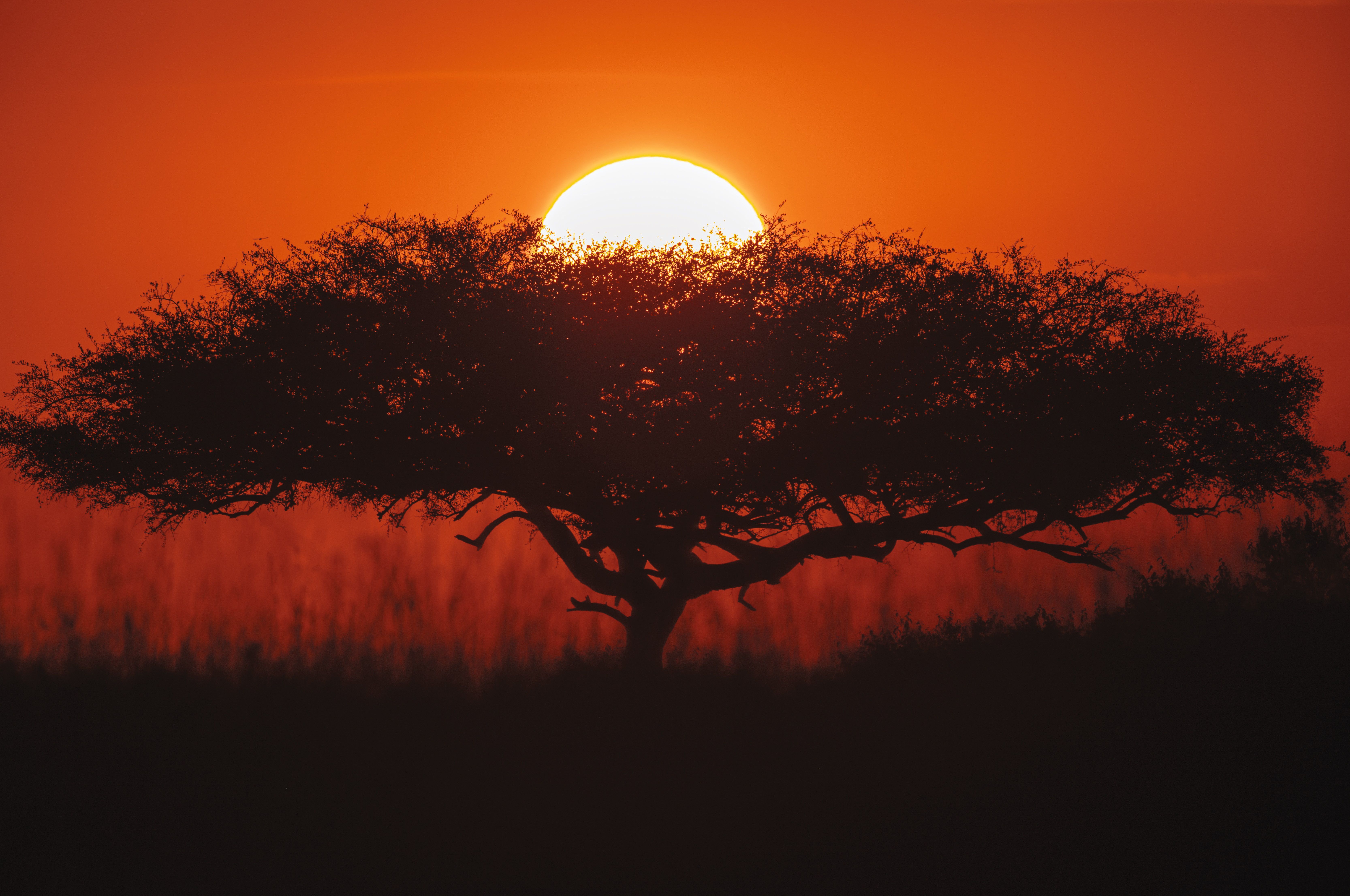
Africa continues to teach me, to challenge me, and to inspire me. My journey with wildlife photography is ongoing. This coffee-table book is only one milestone in that journey, a way to share the life and beauty of Africa with the world, and to honour the continent that has given me so much freedom, joy, and purpose.
About The Author: Manish Mundra, founder of Drishyam Films—the production house behind movies like Masaan, Dhanak, Newton, and Kadvi Hawa, and a wildlife photographer, has come out with his first coffee table book. Titled Wild Africa: Through My Lens, it is a book born of passion and relentless learning, and chronicles the challenges, triumphs, and revelations of wildlife photography. Published by Rupa Publications, it has nearly 28,000 photographs, each handpicked by Mundra.


