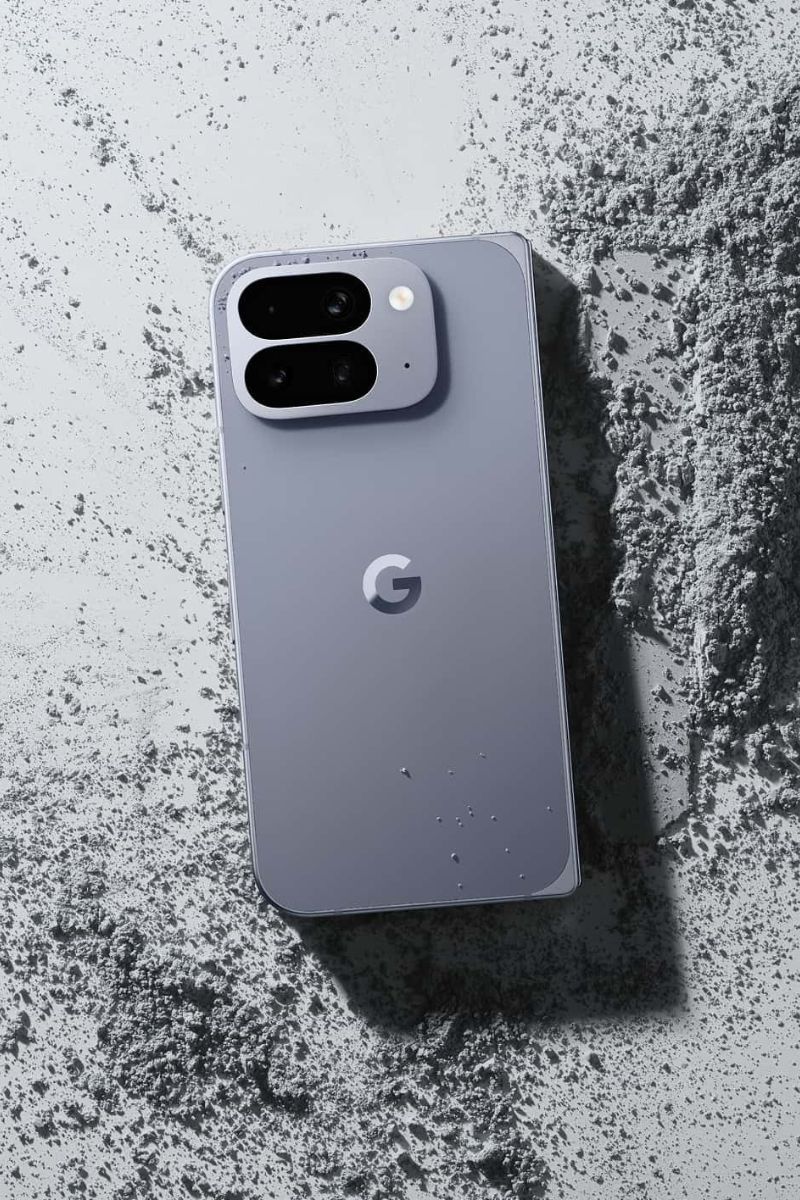
Foldables still sit in that awkward, slightly experimental corner of tech culture, not unlike the early days of smartphones when nobody quite knew what they were meant to be yet. They are pricier, a bit more fragile than your standard slab, and not exactly known for their long-term durability either. The idea of a phone with a hinge, a crease and a screen that literally folds in half still feels like something that could go wrong at any moment. Then there is the fact that the cameras usually feel like a compromise. The big screen is impressive, but also raises a quiet question: do you actually need this?
And yet, something has changed. Over the past few years, foldables have grown out of their gimmick phase and into something far more convincing. Not essential, but no longer absurd either. A third category is emerging, one that sits somewhere between phone and tablet, with just enough practicality to justify its existence.
Which brings us to the Google Pixel 10 Pro Fold. I lived with it for over 100 days, not as a novelty, but as my primary device. No switching back when it got inconvenient, no romanticising the idea of the foldable future. Just daily use, in all its mundane, occasionally frustrating, and sometimes genuinely brilliant reality. Here is what that actually feels like.
Folded, But Still Surprisingly Practical
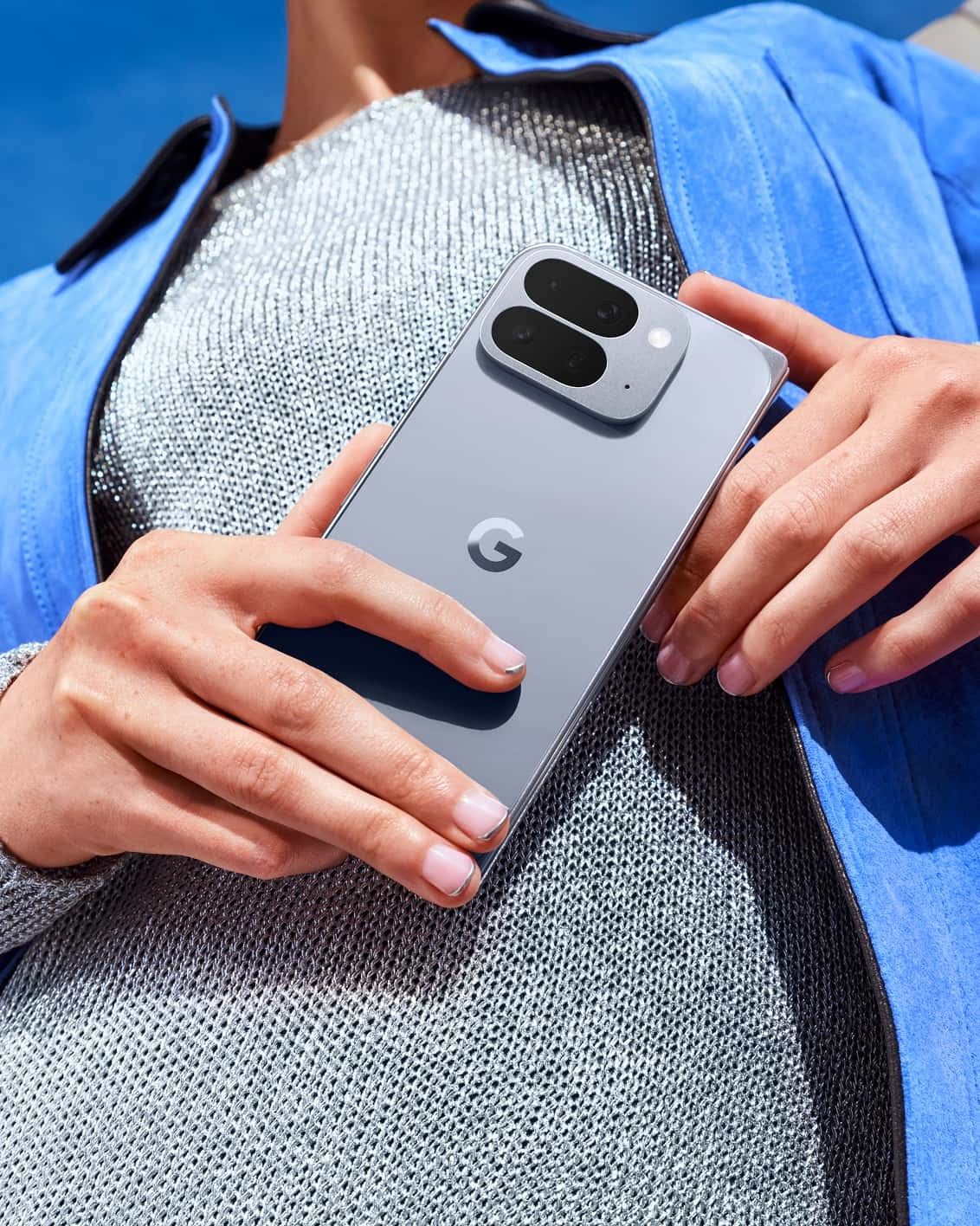
First things first, the Google Pixel 10 Pro Fold has never once failed while folding, unfolding, or doing any of the other hinge-related things people still worry about with foldables. Despite travelling with it, stuffing it into bags, and generally not treating it with kid gloves, it still looked almost brand new on day 100. A lot of the credit here goes to Google’s hinge engineering. Somehow, it has managed to give the phone an IP68 rating, which is still rare in the foldable world, and something that came in particularly handy during an impromptu Holi photoshoot. More on that later.
There are, however, a few things you never really get used to. At 10.8mm thick when folded, the phone can feel cumbersome (258g) during long one-handed use. The slippery edges do not help either. What does help, though, is the passport-like silhouette. Compared to the taller, narrower shape of the Samsung Galaxy Z Fold, this wider design feels much easier to live with.
The Screen Is Great. The Use Cases, Less So
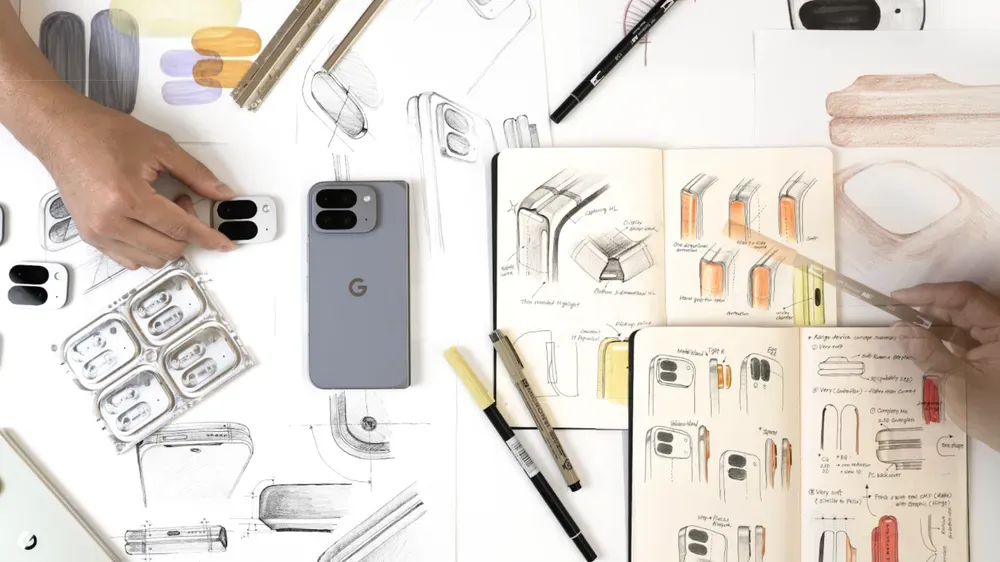
The outer display, a 6.4-inch FHD+ 120Hz OLED panel with 408ppi, is one of the crispest smartphone screens I have seen in a long time. Pair that with Google’s Material Expressive 3 design language, and there are moments when you may not even feel the need to unfold the device at all.
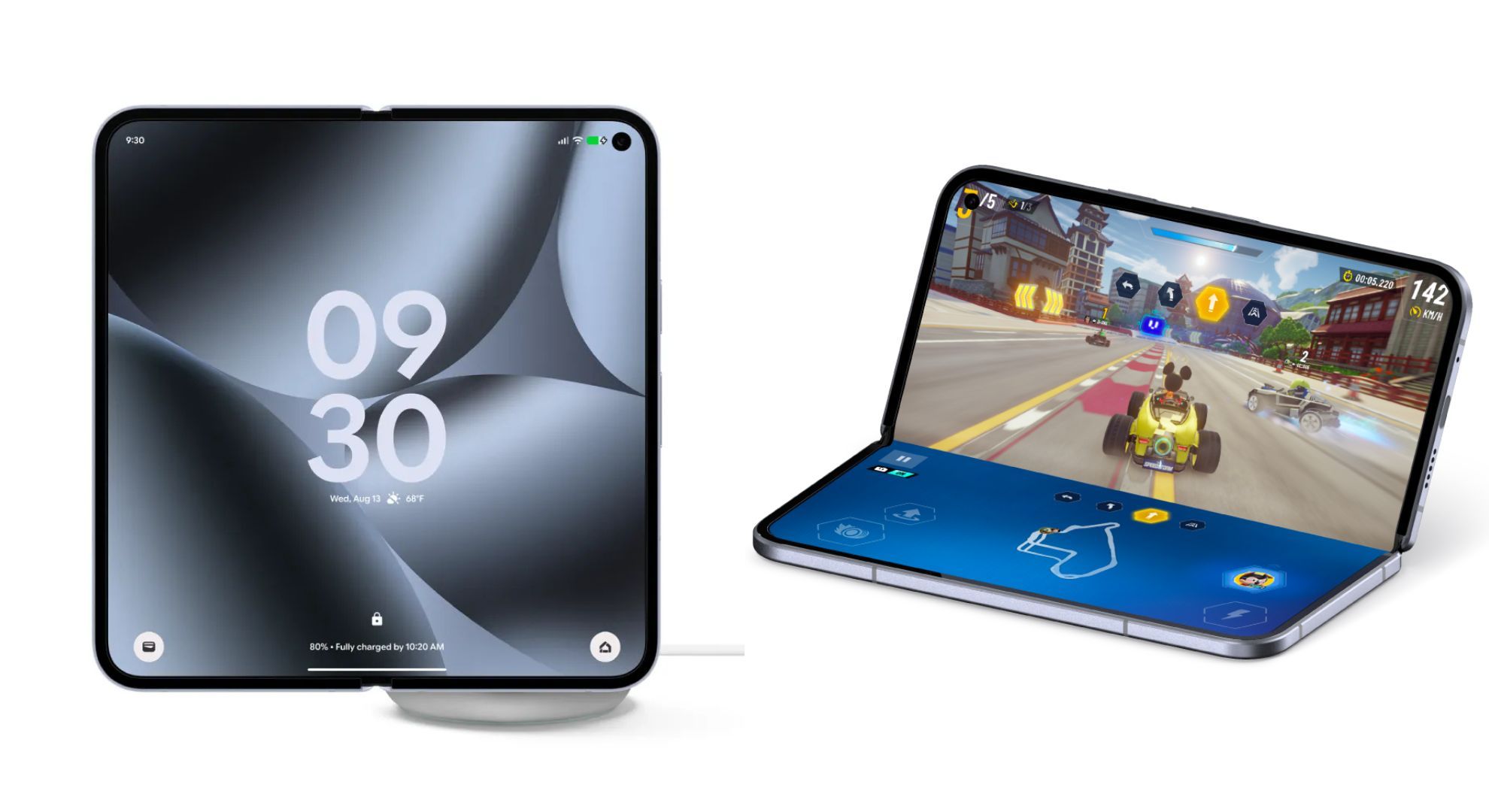
If you do, though, you are greeted by an 8-inch 120Hz OLED display with a slightly lower 373ppi pixel density. In normal use, that difference is practically impossible to notice. What I would have liked, however, is some sort of pre-applied screen protector, because the inner display tends to attract smudges and fingerprints rather quickly. That said, over 100 days of use, the seemingly delicate panel has held up remarkably well.
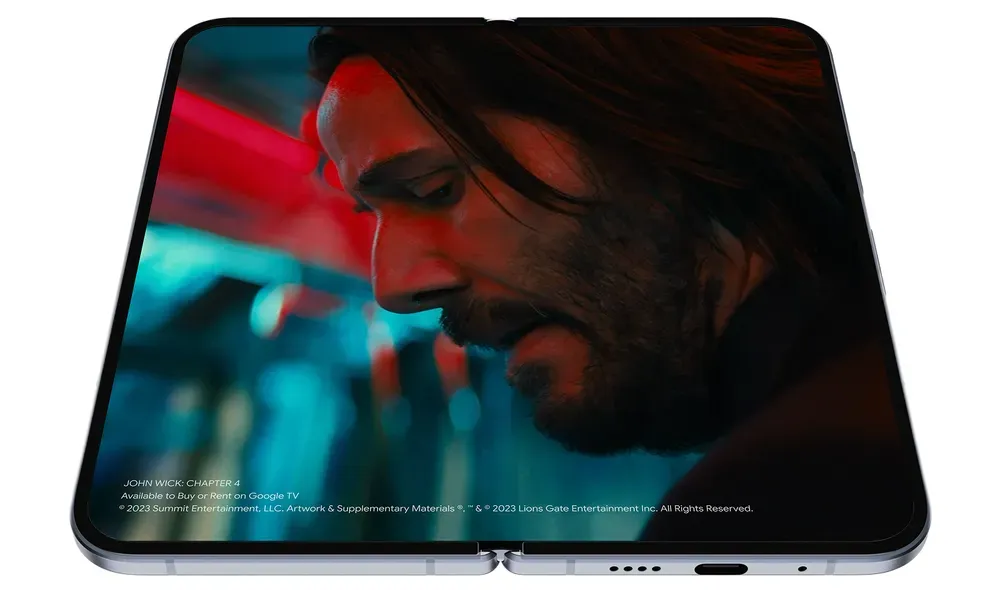
As for the crease, surprisingly, it really is not much of an issue. The hinge opens completely flat, although there is still a visible indent running down the middle of the display. After a while, though, your brain mostly tunes it out and you stop noticing it altogether. If there is one thing I would have liked, it is a bit more space along the edges to comfortably get your thumbs in and pry the phone open when folded.
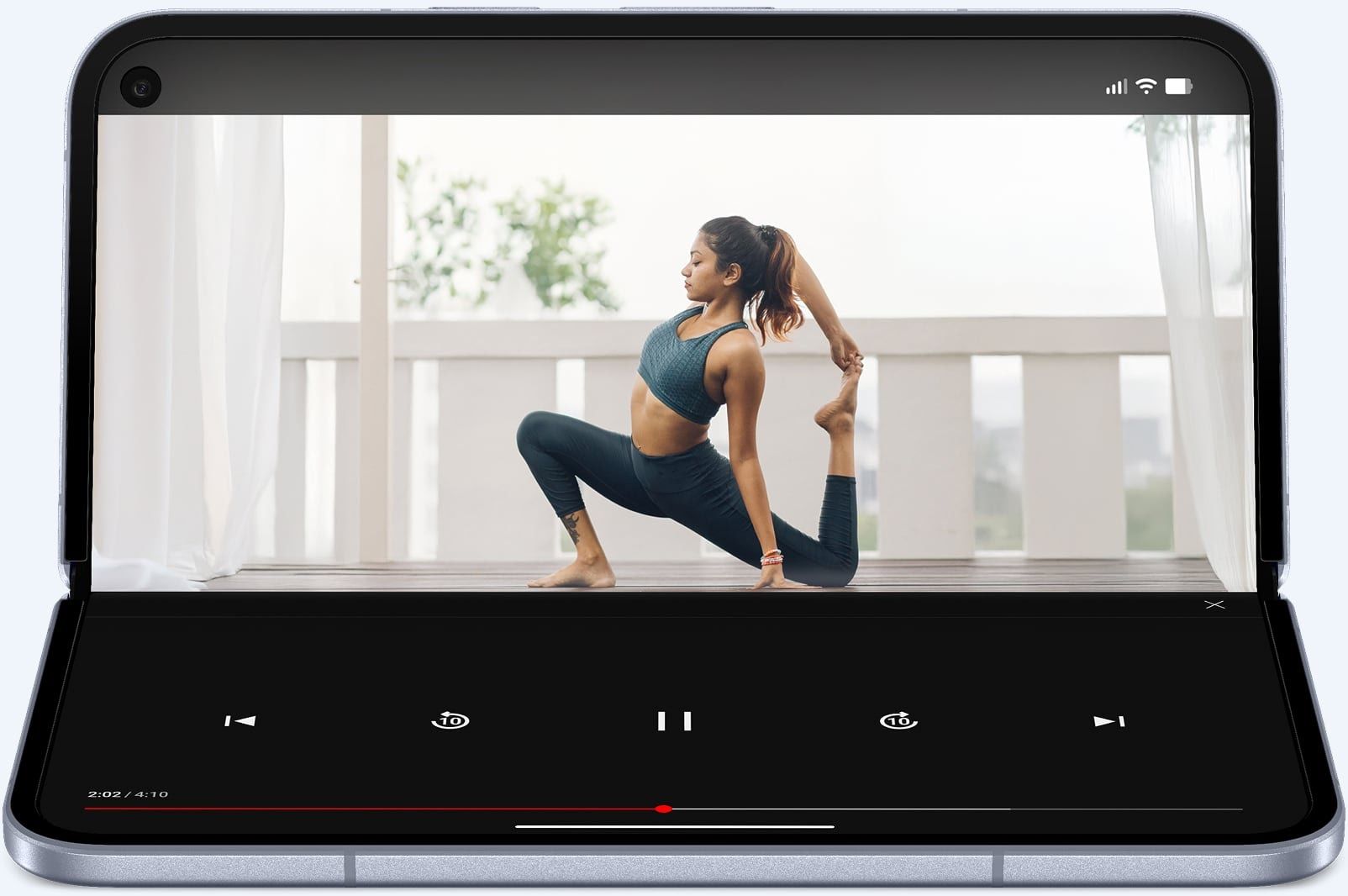
The biggest problem is not unique to the Pixel 10 Pro Fold: what do you actually do with the unfolded display? Yes, the screen is gorgeous, but most apps still appear in this strange blown-up tablet view, unless they are specially designed for foldables. Yes, you can multitask with split view, but that juggling around between emails, notes, Chrome tabs and chats got a little tiring to fiddle around with after a while. The form factor is still too small to feel like a proper tablet replacement, but too big to feel seamless.
Media consumption is fun, yes, but even there you do get black bars on both the top and bottom. It is not all that different from using a slab phone in landscape mode. The unfolded screen still feels impressive, but the use cases around it are thinner than foldable brands would probably like to admit.
Tensor Panic Was Overblown
The Tensor G5 debate always felt a little overblown to me. When Google first introduced it with the Pixel 10 lineup, there was a lot of talk around whether it was powerful enough, whether it lagged behind Snapdragon, whether it could keep up with the rest of the flagship crowd. In daily use though, none of that really showed up.
On the Google Pixel 10 Pro Fold, everything feels quick. Apps open instantly, multitasking is smooth, animations are fluid, and I never really ran into moments where the phone felt slow or overwhelmed. For the stuff most people actually do on their phones, texting, browsing, scrolling, editing photos, replying to emails, it is more than enough.
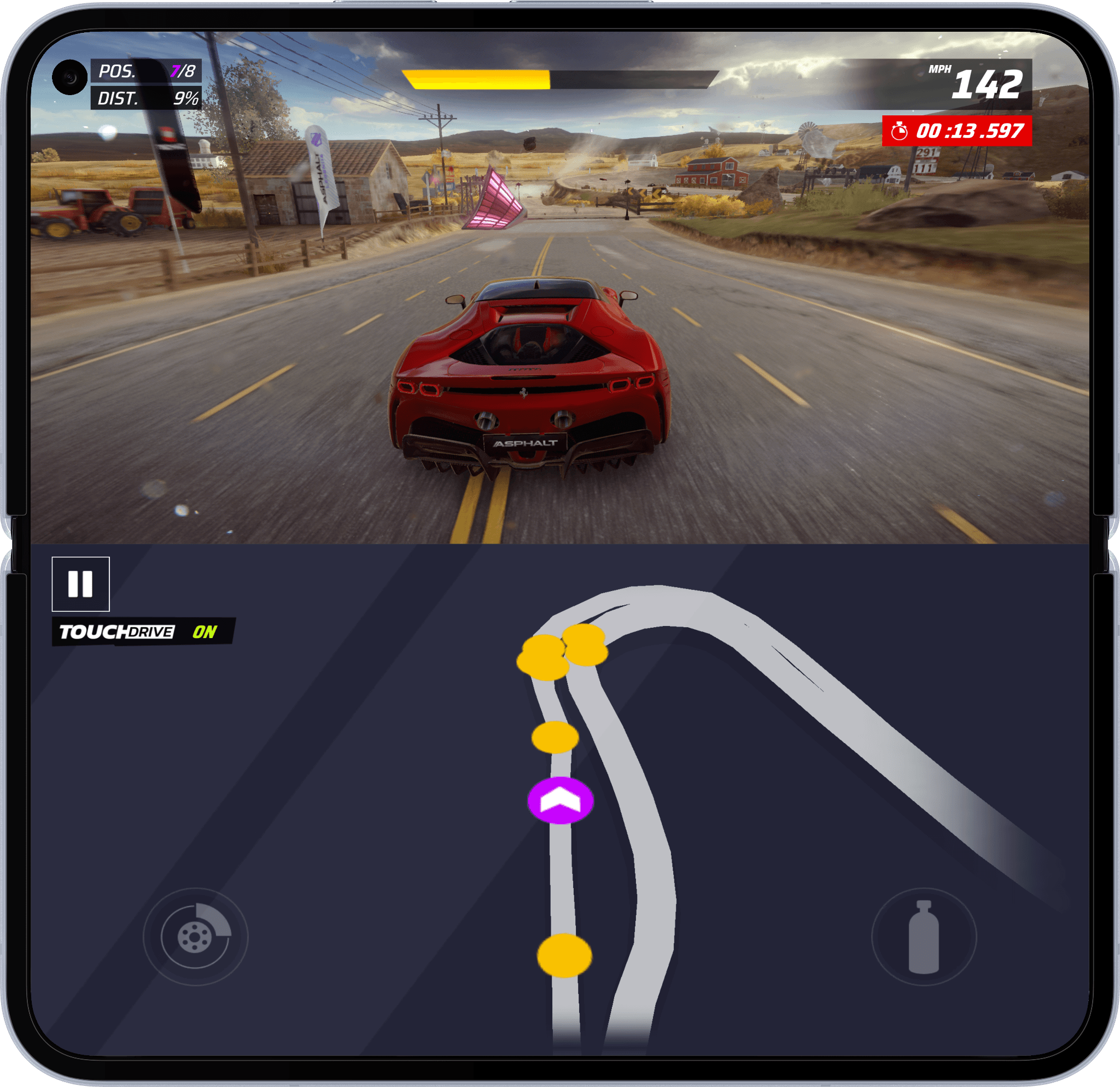
Where the limitations do show up is gaming. Push it with something that demands sustained performance or high frame rates, and you do start to feel the gap between Tensor and a flagship Snapdragon chip. It is not bad by any means, but if gaming is your main priority, there are definitely better options out there.
Battery life on the Google Pixel 10 Pro Fold depends massively on which screen you end up leaning on more. Use the outer display like a normal phone for most of the day, and it can genuinely surprise you. On lighter days, with about five hours of screen time split between both displays and mostly over Wi-Fi, I was comfortably getting close to two days out of it, somewhere around the 38 to 40-hour mark.
Once you start using the inside display more aggressively though, especially on 5G, the numbers do come down. On heavier days, it was closer to 28 hours between charges, usually ending the night with around 25 per cent battery left.
One surprising thing though was the standby drain. I remember going to bed with around 90 per cent charge, only to wake up to 83 or 84 per cent. I tested this quite a few times and the overnight drain remained one of the few strange quirks of the phone.
For a foldable, that is honestly pretty solid. It never gave me battery anxiety, and I never really felt the need to carry around a power bank. That said, it still falls short of the marathon battery life you get on bigger slab phones.
Pixel Imperfect Cameras

The good news is that the Google Pixel 10 Pro Fold has a good camera system. The bad news is that for a phone this expensive, not all of those cameras feel particularly impressive.
On paper, you get a 48MP main sensor, a 10.5MP ultrawide, a 10.8MP 5x telephoto, and two 10MP selfie cameras. Which sounds decent enough until you realise this is basically the same setup Google used last year, and it is still nowhere close to what you get on the non-folding Pro Pixels.
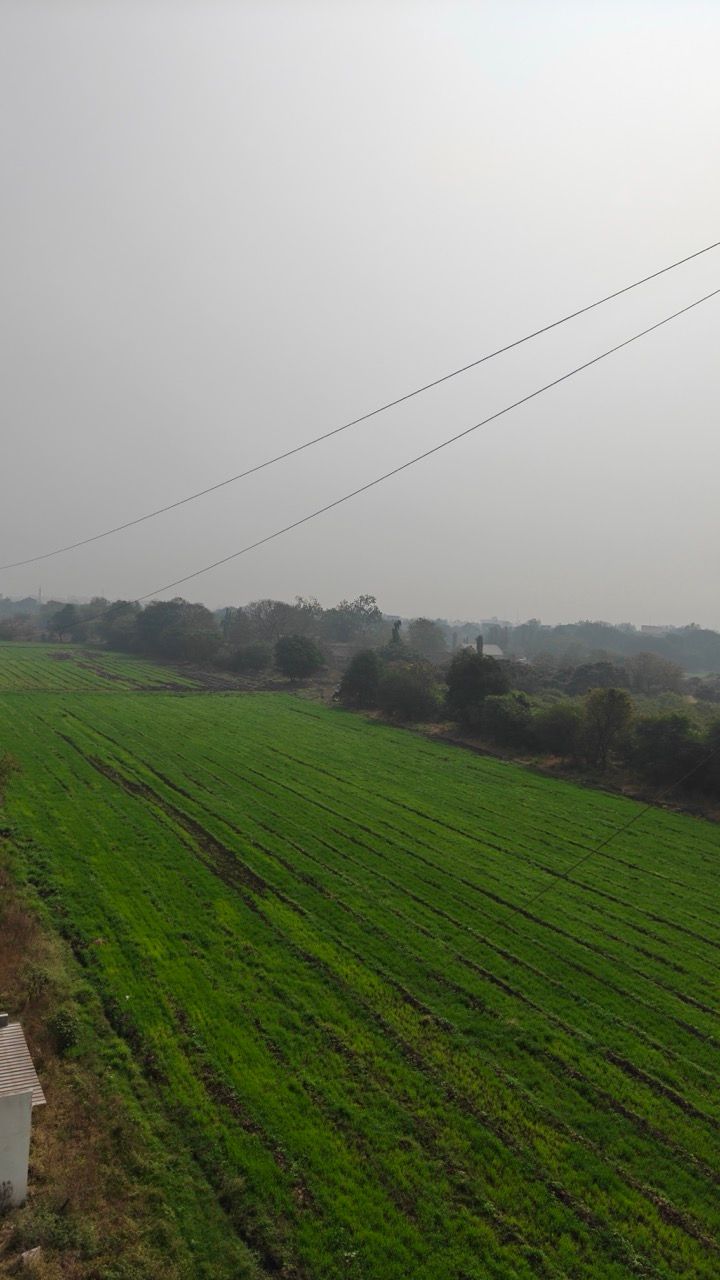
The main sensor does most of the heavy lifting and, thankfully, it is very good. Photos have that classic Pixel look to them: crisp without looking oversharpened, natural colours without the usual Samsung-style saturation overload, and enough contrast to make everything look dramatic without turning sunsets radioactive. The dynamic range is still excellent, portraits come out sharp, and it remains one of the few cameras that gets skin tones consistently right.
Low light is where things start to get a little messy. The main sensor can get slightly grainy and soft when the lighting is not ideal, but Google’s Night Sight still works like black magic when it gets really dark. It is still probably the best night mode on any phone right now.
The ultrawide is solid without being spectacular. It is useful, gets the job done, and thankfully does not wildly shift colours compared to the main sensor. The 5x telephoto, meanwhile, is probably the most impressive secondary camera here. Not only does it let you get much closer to subjects than most other foldables, it is also one of the better zoom cameras in the category. In fact, compared to rivals like the Samsung Galaxy Z Fold 7, the Pixel often produces cleaner, more natural-looking zoom shots despite not having the more impressive-sounding megapixel count.
That said, the telephoto can get a little soft in lower light, and once again, there is no escaping the fact that the camera hardware here is not really “Pro” in the same way the regular Google Pixel 10 Pro or Google Pixel 10 Pro XL cameras are. Those phones get much larger sensors, far better ultrawides and significantly better zoom systems. On a foldable this expensive, that compromise still stings a little.

The Fold does have a few camera tricks of its own though. You can prop it up halfway and use it like a tiny tripod, use the outer screen as a viewfinder while shooting with the main camera, or take selfies using the rear camera setup, which instantly gives you much better image quality than the front-facing sensors. There is also Google’s Made You Look mode, which throws up fun animations on the outer display to keep kids distracted long enough for you to get a photo. It is more gimmicky than essential, but it is exactly the sort of silly little feature that makes foldables fun in the first place.
Final Thoughts
Living with the Google Pixel 10 Pro Fold has been a surprisingly enjoyable experience. More than anything, it is the phone I find myself reaching for the most, even when there are other devices around me that are objectively better at specific things.
At ₹1,72,999, I was honestly expecting not to like it as much as I did. Especially because the Samsung Galaxy Z Fold 7 was one of the best phones I used last year, and going into this, I assumed it would still be the foldable to beat.
But somewhere along the way, the Pixel grew on me. Maybe it is the shape, maybe it is the software, maybe it is just how easy it feels to live with day to day. It is not perfect. The cameras are not quite Pro-level, the unfolded screen still feels like it is waiting for a killer use case, and the battery drain overnight is strange. But despite all of that, this is one of the few foldables I would actually consider buying with my own money.


