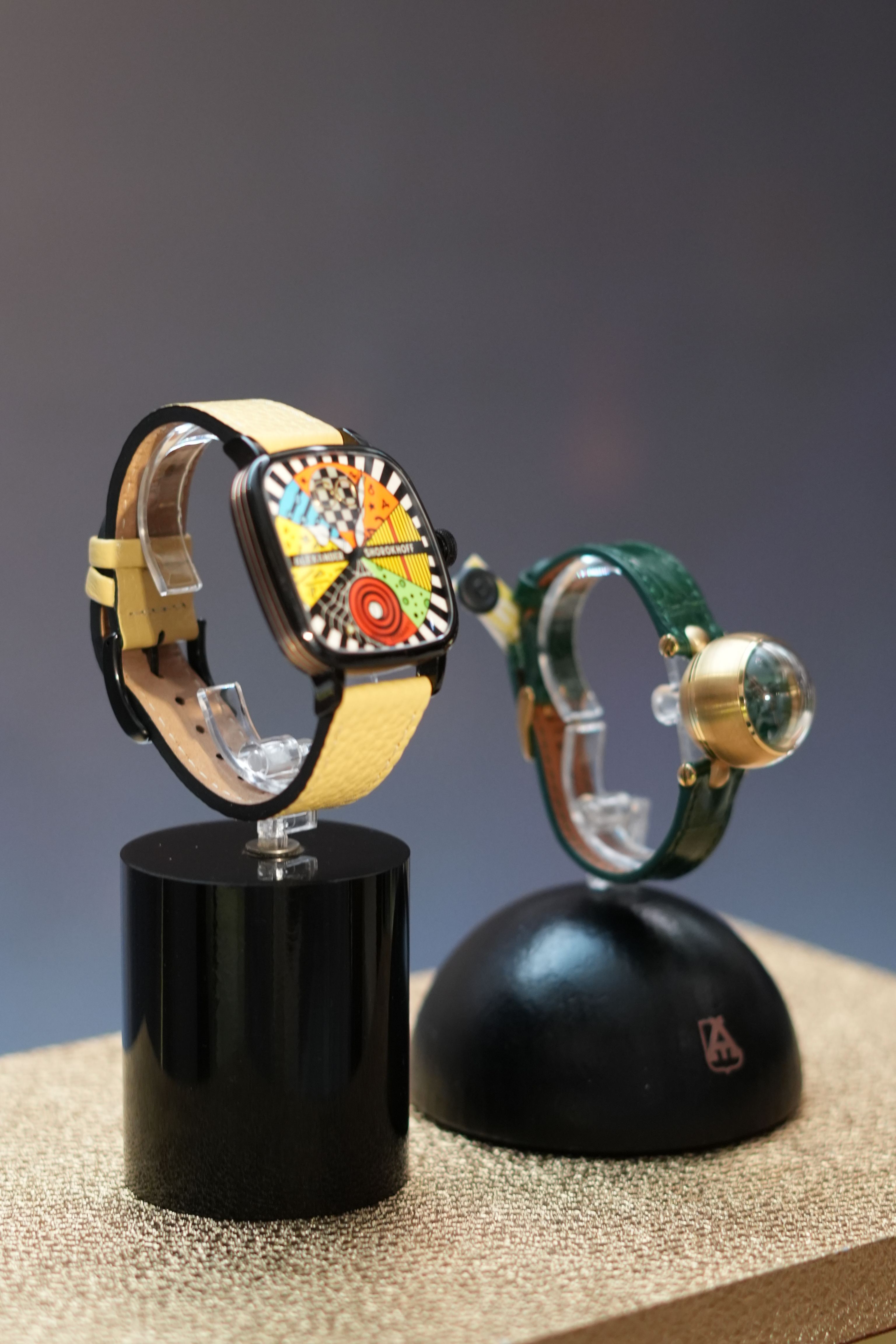
Founded in Germany but shaped by its founder’s Russian background, Alexander Shorokhoff has spent decades leaning into design as its main differentiator. Not in a superficial sense, but in the way its watches are built and finished. Square cases with rounded edges, multi-layered dials that resist symmetry, vivid colour combinations that would look out of place in most Swiss catalogues, and movements that are not just decorated but hand-engraved with intent. These are watches that ask to be noticed. They do not sit quietly under a cuff, and they are not trying to.
For a long time, that sort of approach lived on the margins of mainstream collecting. Indian buyers, in particular, tended to enter the category through recognisable names and safe, versatile pieces. That is still true to an extent, but there has been a visible shift over the past few years. Spend enough time around collectors now, and you start to see a pattern. The second or third watch is rarely a repeat of the first. It is something more personal, sometimes louder, often more considered. The conversation moves from “What is it?” to “Why this?”
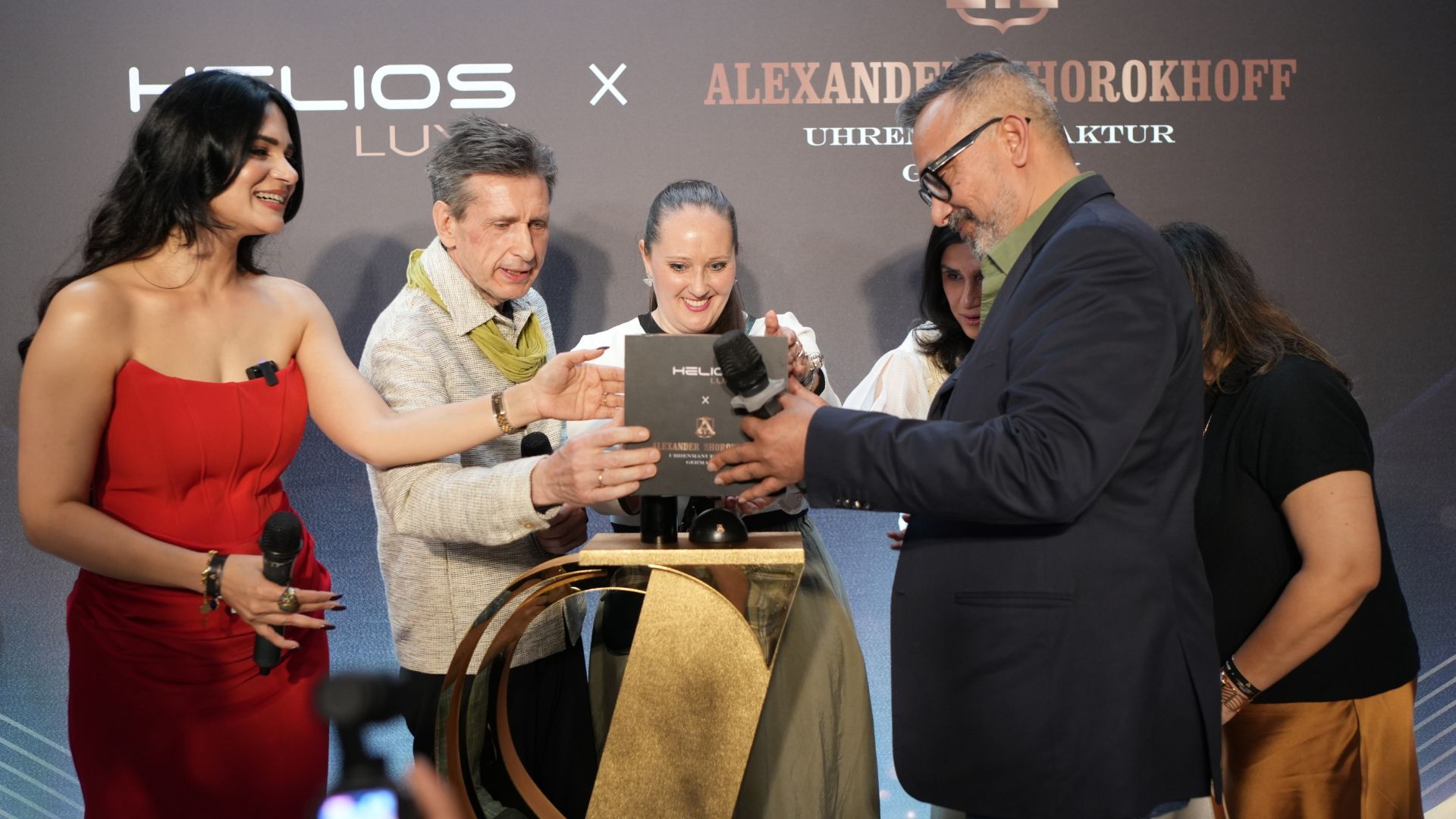
That shift is exactly where Helios Luxe has been focusing its efforts. As Rahul Shukla, Vice President and Chief Sales and Marketing Officer, Watches Division at Titan Company Ltd., explains, the approach has been to build a portfolio of brands anchored in “deep design and rich storytelling,” rather than simply recognisable names. In that context, Shorokhoff fits a very specific brief. “Alexander Shorokhoff lies at the intersection of aesthetics—the avant-garde design sensibility, the vibrant colours, and the whole artistic expression of the designer himself,” he says, adding that it is “very differentiated… you would not find a similar watch in the market.”
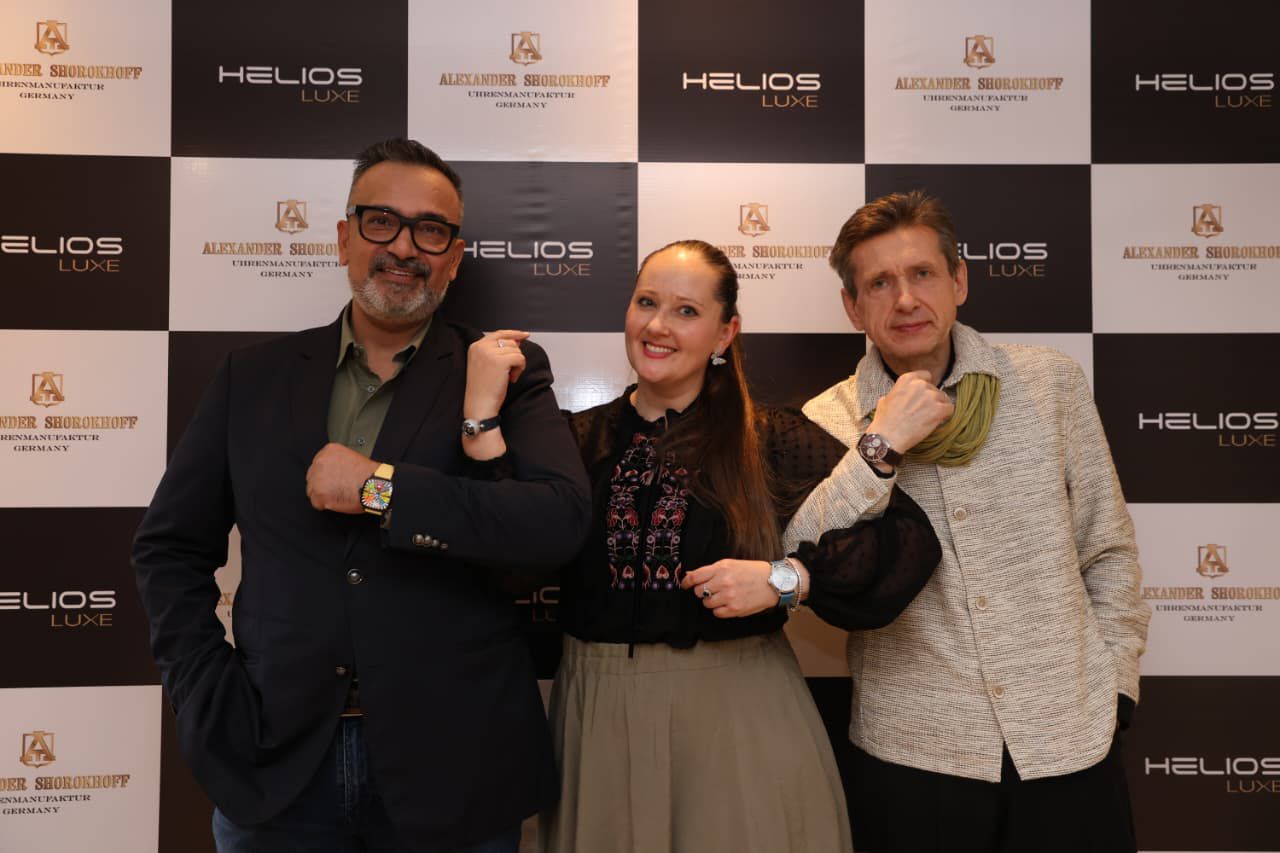
There is also a broader shift in how this segment is being defined. As Shukla puts it, accessible luxury today sits at the intersection of design, horology, and storytelling, and increasingly, buyers are looking for something that reflects their own identity rather than just signalling status. It is a useful way of framing why a brand like this makes sense now. It is not an entry point into watch collecting, but it is becoming a more natural next step.
That also explains the way the brand is being introduced. With limited production and a “one man, one watch” approach to assembly, these pieces are not designed for scale in the traditional sense. For collectors who already own the usual suspects, that matters. It offers a sense of difference without drifting too far into obscurity. The rollout across a small number of boutiques reflects that thinking. It is not trying to be everywhere. It is trying to find the right wrists. From there, the conversation moves quite naturally to the man behind it. Excerpts:
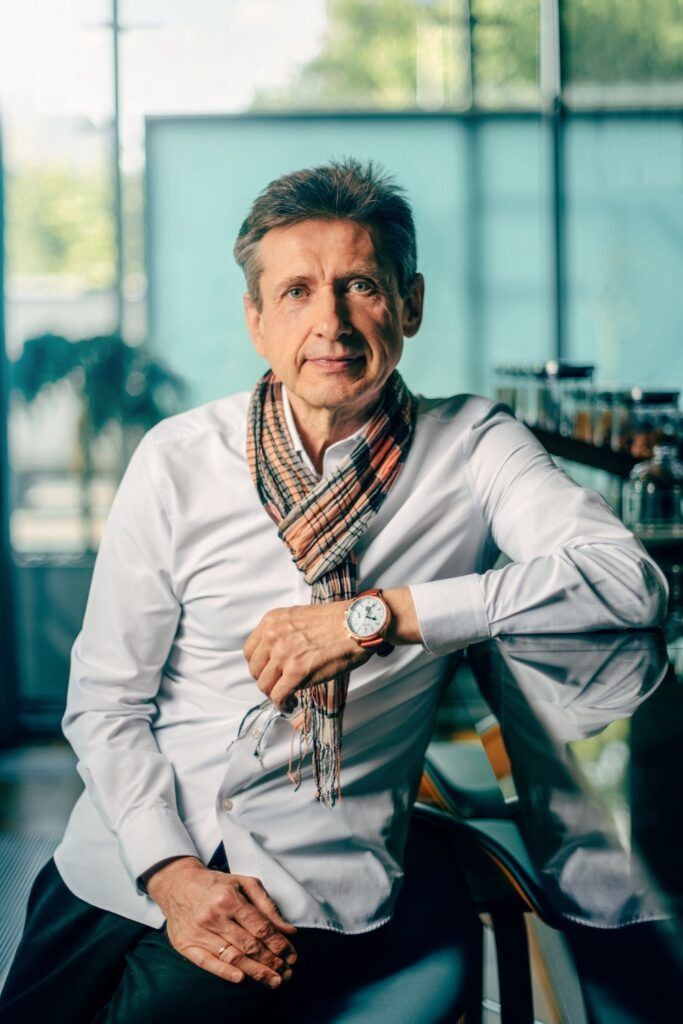
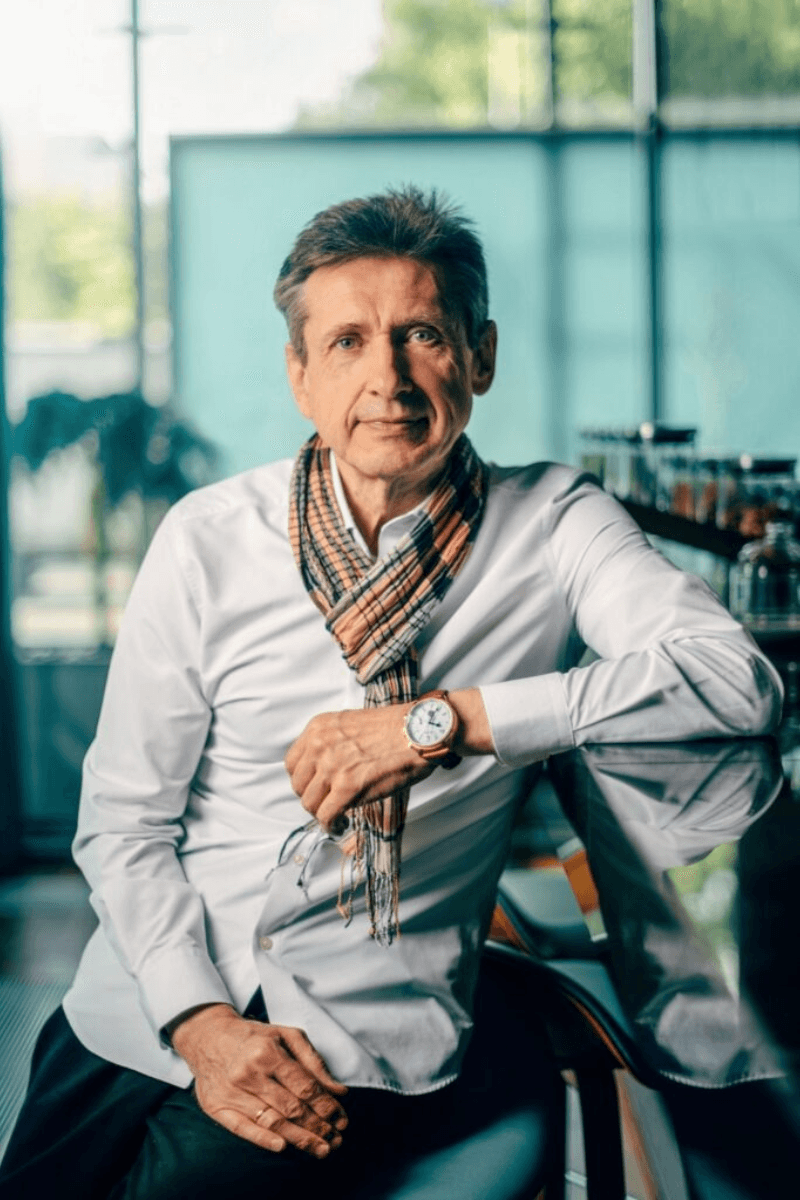
You began as an engineer before moving into watchmaking. What was your relationship with watches before the 1990s?
So my background goes back to my university days in Moscow, where I studied architecture. After my education, I started to make some designs in different directions; its been this way from the beginning. In 1991, I was sent to Germany to study economics, because I was working in Russia as chief of a building company. I started in Germany some further studies for a year. In 1994, I followed the watchmaking passion I had and the success was very great, and in 2003 I decided to go in high luxury direction.
You moved to Germany just after the fall of the Soviet Union. Was it difficult building an independent brand right after the quartz crisis?
In reality, Russia opened in 1991 and everybody from Europe or America was interested in new collaboration with Russia. If I’m being honest, it was not difficult to introduce the brand; everybody wanted to have it. Even at exhibitions such as Baselworld, we had a big queue of customers and everybody wanted to order.
This was a phenomenon and I used it to the maximum, and therefore the growth was very big in terms of volume. The design changes started later when I introduced my house internationally. I didn’t know how the perception would be, but I was lucky—the design had very good critical perception.
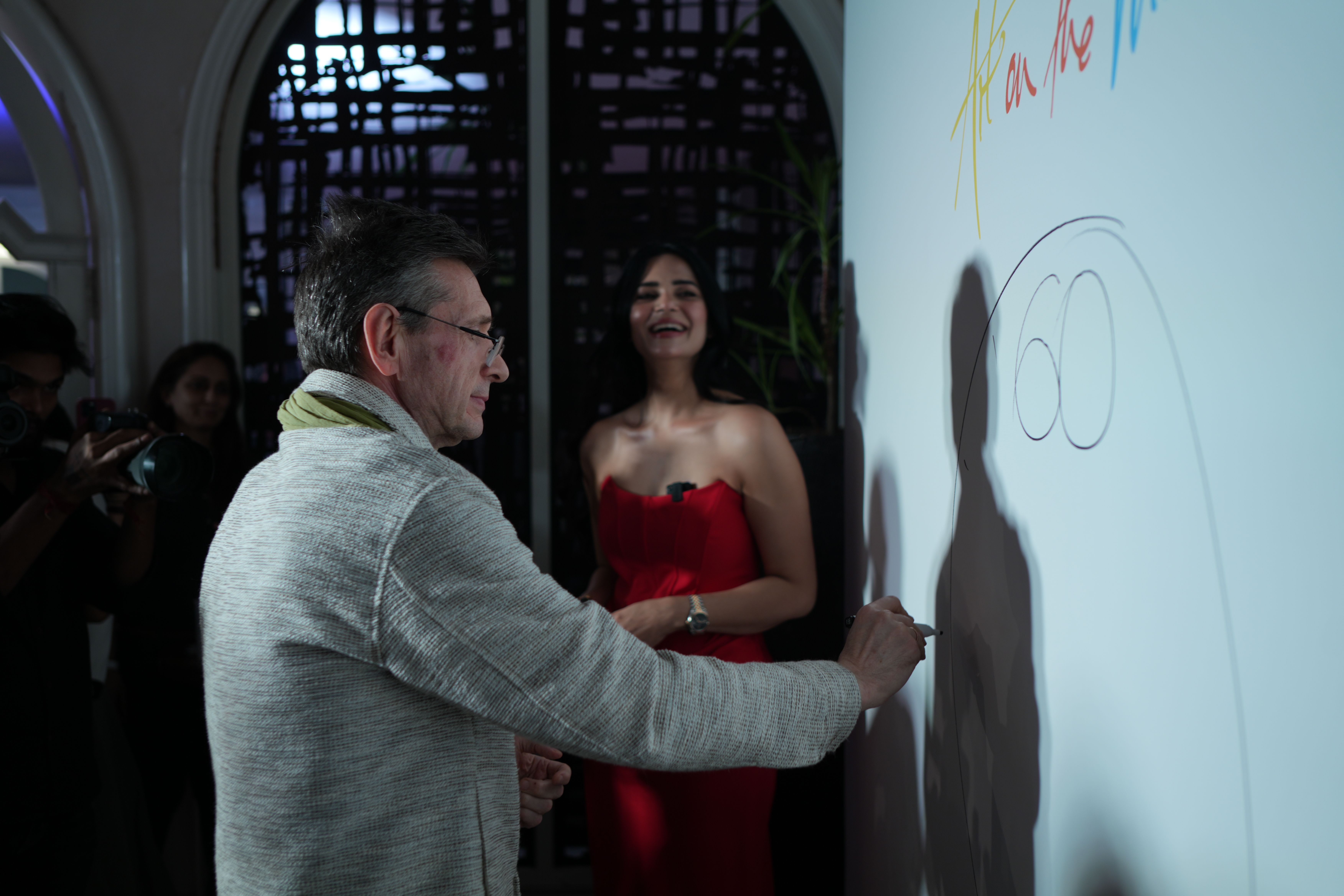
Your watches vary dramatically in design, but the craftsmanship remains consistent. How do you maintain that balance?
For us it is important—not only the design, also quantity of the watches. We have a system in the company: one watch, one man. One watchmaker starts from the beginning, assembling the movement, and keeps it on a special board while waiting for engraving. The engraver does the engraving, then we send it to refine—gold plating, silver plating, titanium plating, rhodium plating and so on.
When it comes back, the same watchmaker assembles it again; he knows the watch and what challenges can be expected with each collection. After that, he assembles the watch completely. Particularly important for us is the three days of control, where every day the watchmaker checks the movement. We regulate not like the producer recommends—for example +40 seconds a day—we regulate between minus 10 and plus 10. This needs a special set of watchmaker skills and we aim to be as responsible as possible with our quality across collections.
How large is your team today?
We have a team of well-educated watchmakers, and two of them are ‘watchmasters’. They know not only movements; they know construction, philosophy and history of the movement. They are specially educated people, and they educate all other watchmakers to keep the quality consistent across our watches.
We are on the market for more than 40 years and since then, we maybe changed two or three masters because they have retired of course. The other two watchmasters have been working with us for around 10 to 12 years.
Your watches are often quite expressive—especially in their use of colour. Do you have a personal favourite?
The first watch I like very much is the Kandy Avantgarde—the beautiful square case with rounded corners. This gold wire around it, and four glasses on the back in different colours, and this special engraved movement. The inspiration is Kandinsky design, and the engineering construction is also really beautiful. To put the wire around, you need to solve that it fits to the back, not to the case; you don’t see the construction, because the precision is so high—but it is there.


