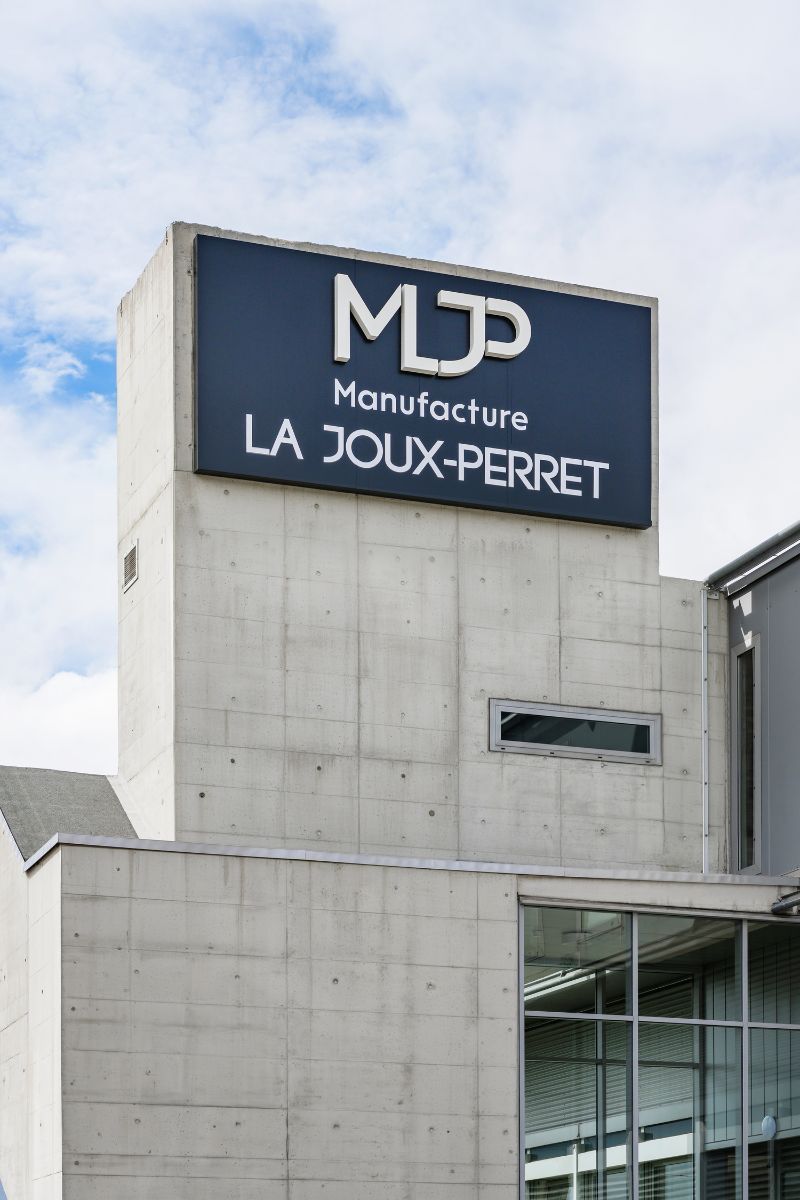
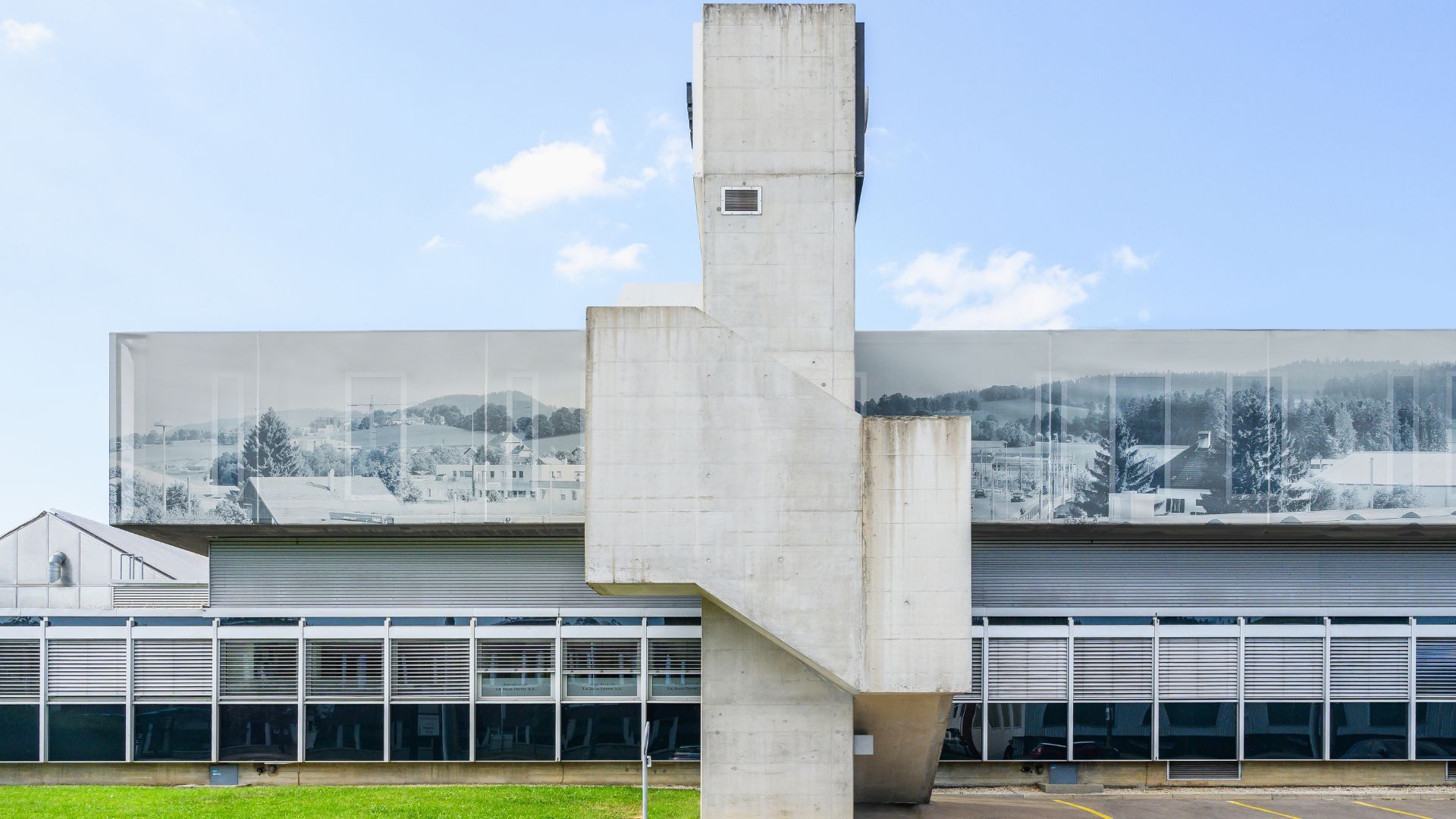
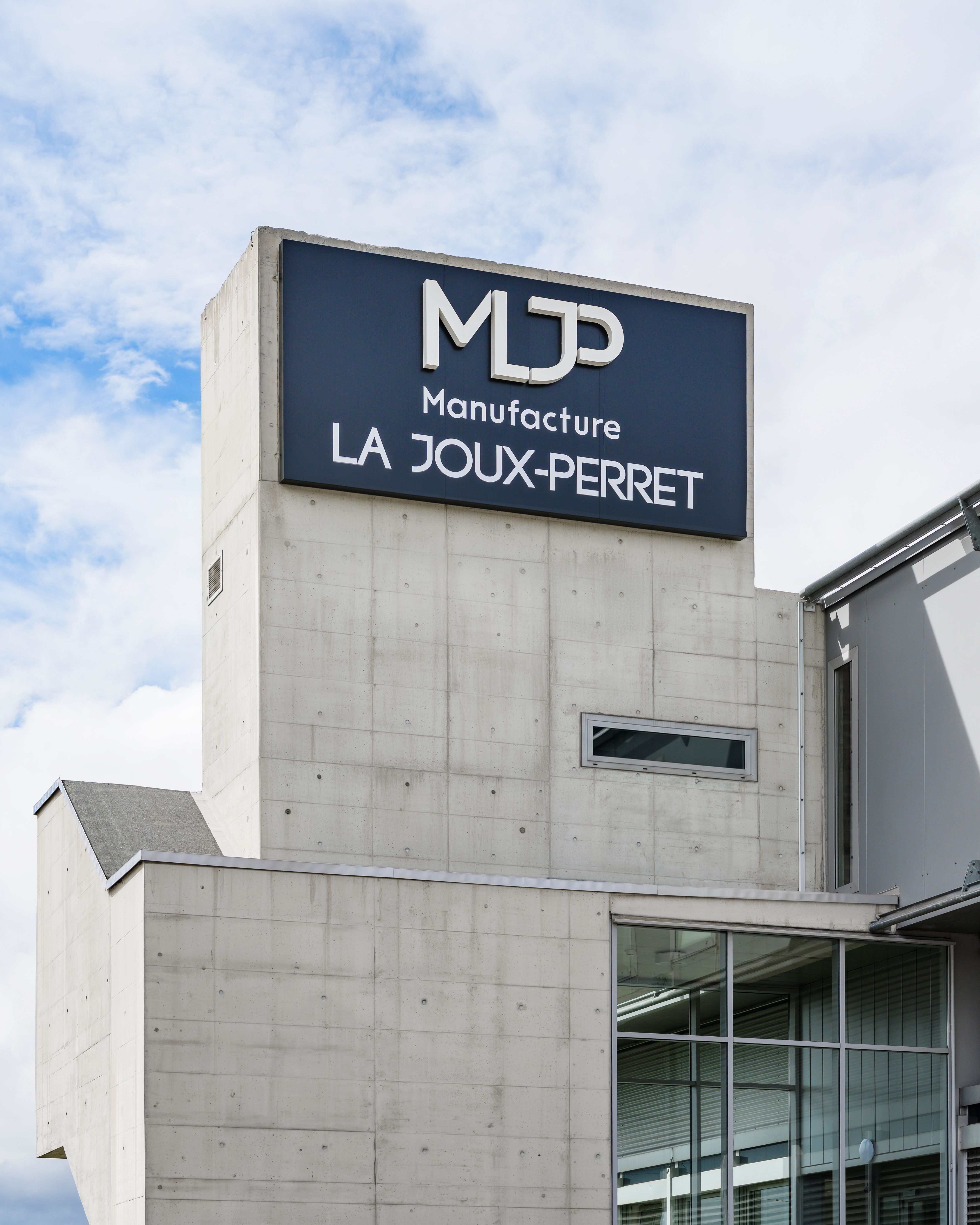
LVMH’s Watches Division has quietly made one of its most intriguing moves of the year; acquiring a minority stake in La Joux-Perret, the storied Swiss manufacture based in La Chaux-de-Fonds. Known among insiders as a master of movement-making, La Joux-Perret’s fingerprints are found across some of the world’s most sophisticated timepieces. This deal isn’t about ownership in the traditional sense; it’s about deepening ties between two powerhouses that already share a strong working relationship, and setting up LVMH’s watch brands for a new era of innovation.
For years now, the two groups have been in quiet collaboration. Since 2022, TAG Heuer has worked closely with La Joux-Perret on the development of its solar quartz movement—a subtle but significant milestone in the push for “Swiss Made” sustainability. That same movement now powers several of TAG Heuer’s mainstream models like the Aquaracer and Formula 1 collections. Meanwhile, Tiffany & Co.’s Rope watch, one of the house’s rare mechanical ventures, is also driven by a La Joux-Perret calibre. With the new partnership formalised, that shared pipeline of innovation is set to open wider, flowing across Hublot, Zenith, and the rest of LVMH’s watchmaking roster.
Beyond its glitzy maisons, the group has been steadily consolidating its footprint in Switzerland — now counting sixteen manufactures across the country. By investing directly in La Joux-Perret, LVMH gains access to cutting-edge mechanical know-how while reinforcing its commitment to Swiss watchmaking’s beating heart. As Jean-Christophe Babin, CEO of LVMH Watches Division, put it, the goal is to “lead the way in sustainable high-precision watch movements,” building on the combined strengths of LVMH’s creative power and La Joux-Perret’s industrial mastery.
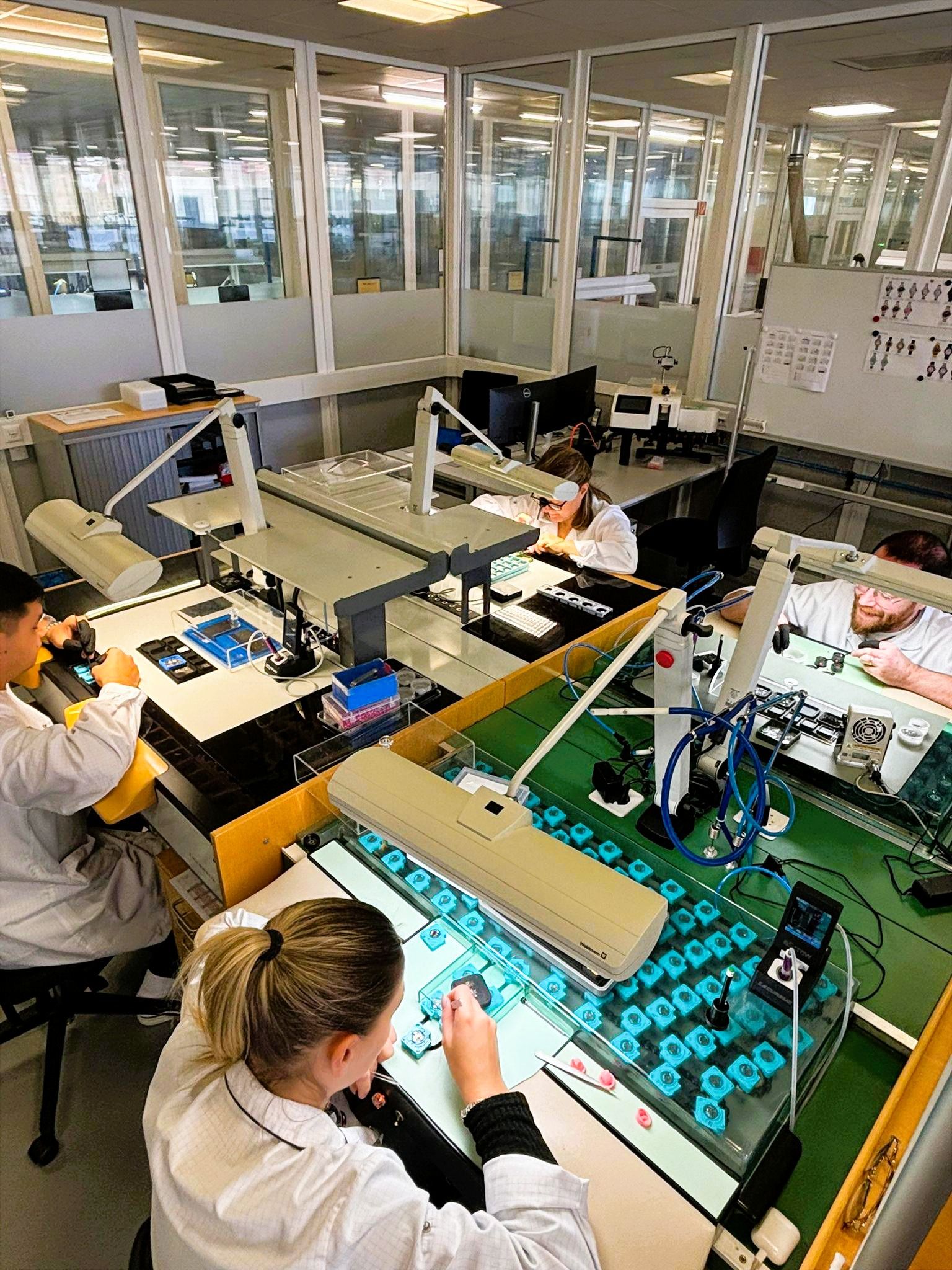
For La Joux-Perret, the alliance is equally strategic. Founded in La Chaux-de-Fonds and employing roughly 140 people, the manufacture has long been one of Switzerland’s benchmark movement suppliers, designing and producing automatic and complicated calibres—and more recently, venturing into high-precision solar quartz. It’s one of the rare independents that controls nearly its entire value chain, from prototyping to final finishing. Citizen Group, which acquired the manufacture in 2012, remains its majority owner, ensuring La Joux-Perret continues to operate independently while expanding its global reach. Yoshitaka Oji, Citizen’s President and CEO, called the move “a recognition of [La Joux-Perret’s] expertise” and a foundation for long-term growth in Swiss watchmaking.
It’s an interesting crossroads for the industry. In the last decade, movement makers have become as strategically valuable as luxury labels themselves. Where once Swiss watch brands prized total autonomy, we’re now seeing a web of symbiotic partnerships—blending industrial might with artisanal agility. LVMH’s minority stake doesn’t dilute La Joux-Perret’s independence; rather, it anchors it to a network that can amplify its capabilities. In a landscape increasingly defined by sustainability goals, innovation bottlenecks, and supply-chain scrutiny, this kind of alignment feels both pragmatic and forward-looking.


