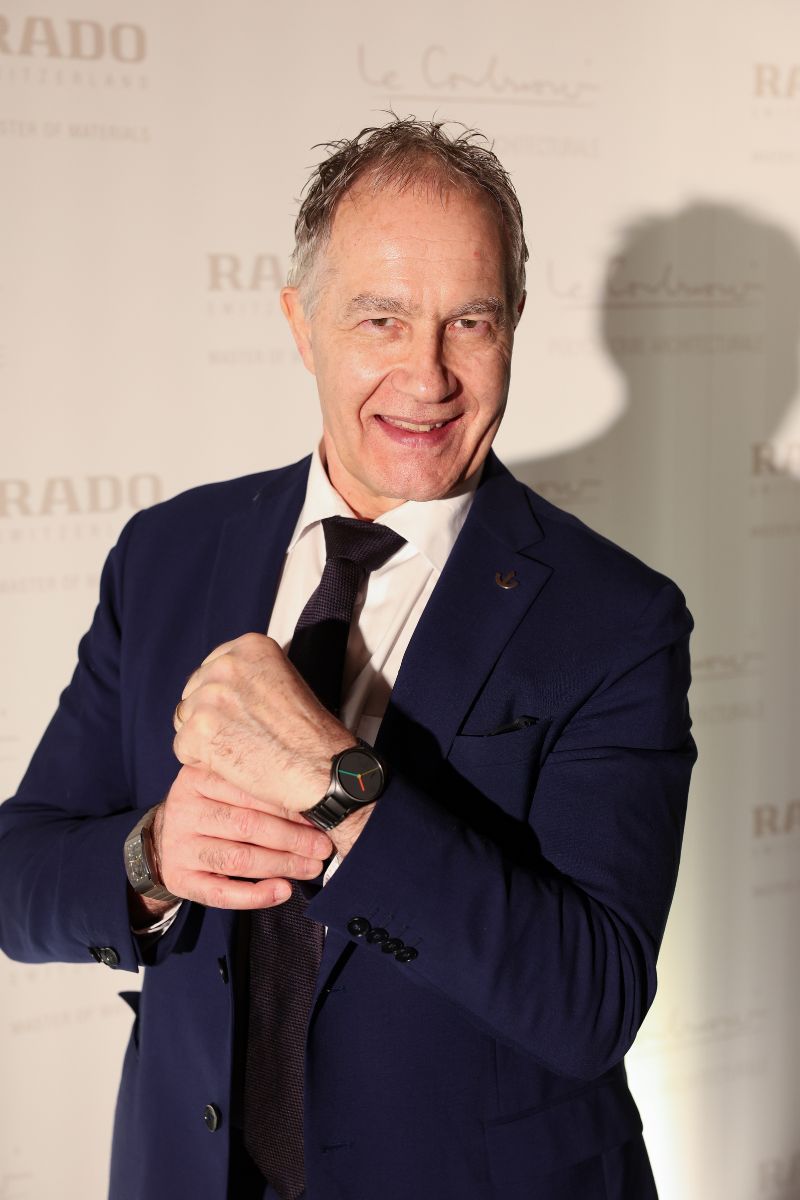
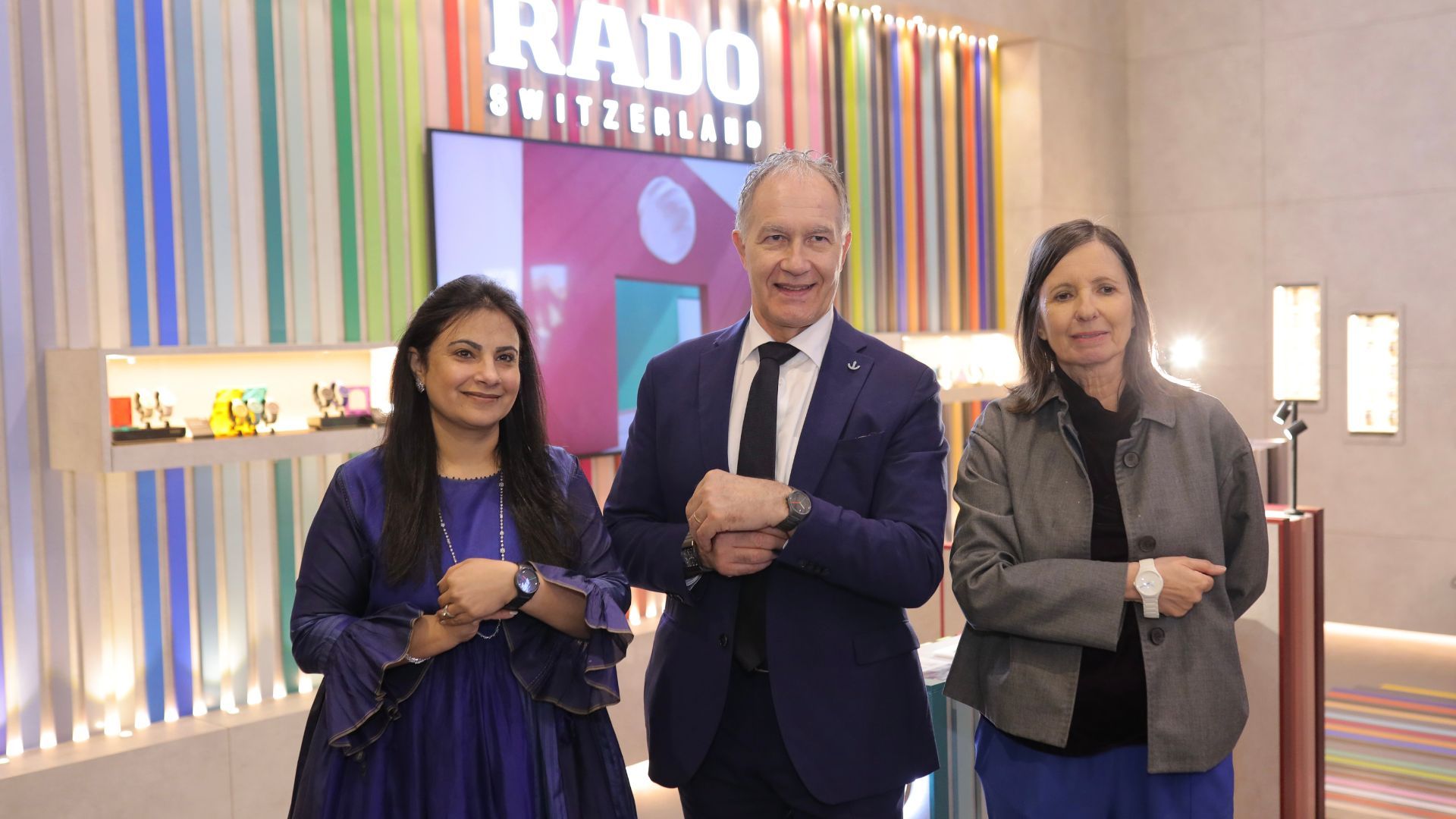
A year ago, when Adrian Bosshard was in India to celebrate Rado’s collaboration with British designer Tej Chauhan, the conversation revolved around materials and experimentation. The Swatch Group veteran spoke at length about ceramic innovation, bold design language, and the growing appetite among Indian collectors for watches that stood apart from the mainstream.
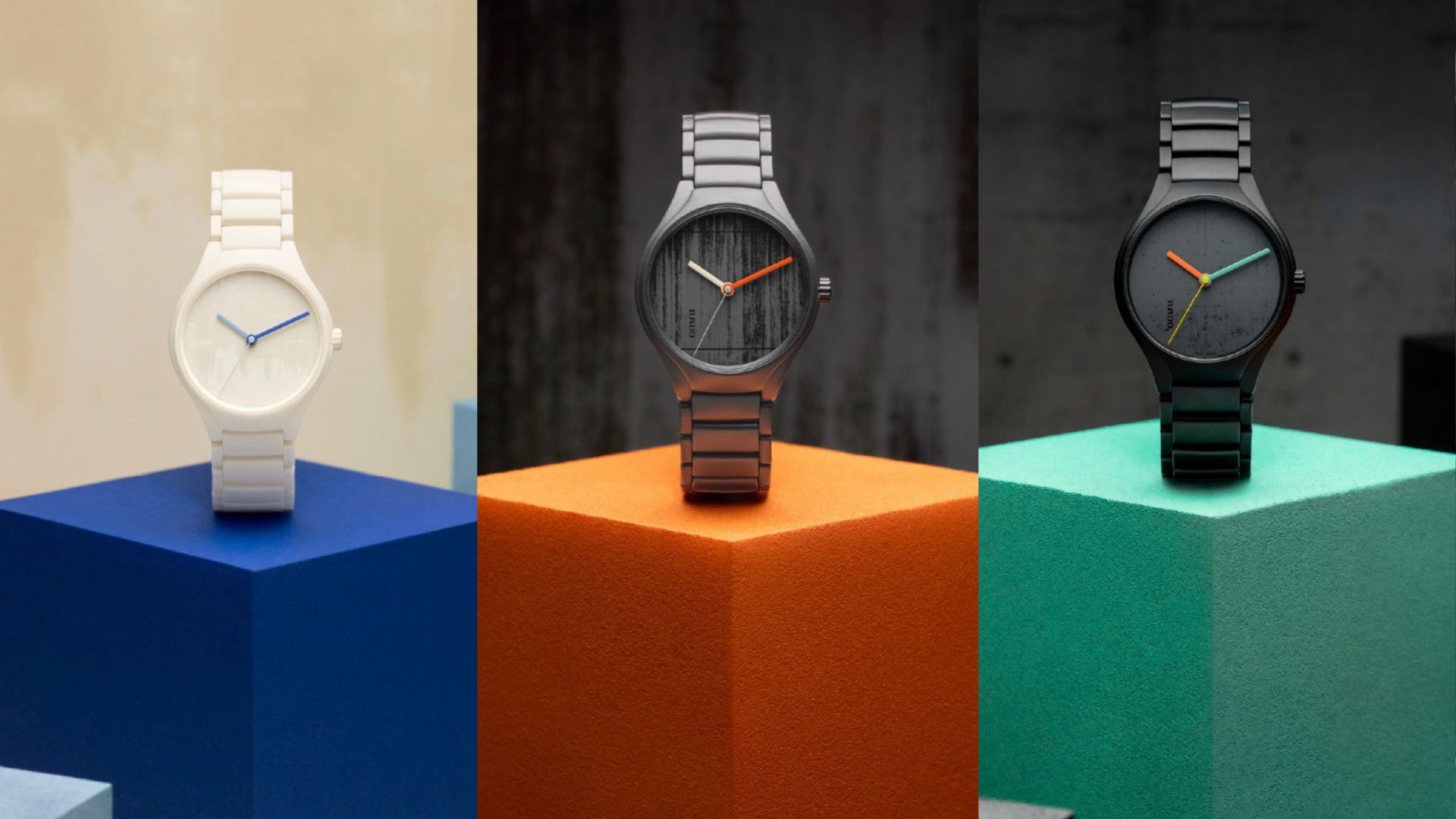
Twelve months later, the tone of the conversation hasn’t changed much—but the context has. This time Bosshard returned to the Delhi Art Fair in early February to unveil the Rado True Round X Les Couleurs® Le Corbusier® Special Edition, a trio of watches inspired by the architect’s modernist buildings in Marseille, Cambridge, and Chandigarh. Each model translates the textures of Corbusier’s concrete facades into engraved high-tech ceramic dials, paired with colours drawn from his famed PolychromieArchitectural palette. If anything, the launch reinforces something Bosshard has repeated in almost every conversation about the brand: Rado’s future is still rooted in design.
In a wide-ranging chat, Bosshard spoke about how his background as a motorcycle racer shaped his leadership style, why collaborations matter, and how India has quietly become one of the brand’s most important markets. Excerpts:
You’ve spoken before about your background in motorcycle racing. What lessons from that world still influence the way you work today?
Even before I became a motorcycle rider, I was passionate about watches. I grew up in the Biel region, which is the main city for watches, so I was always close to the watch industry.
But racing teaches you something important. You can only survive when you put all your effort and energy into it. You cannot succeed if you give only eighty percent. It’s very similar in the watch industry. Our aim today is to win the customer’s heart. And you can only win the customer’s heart when you offer excellent products in terms of design, materials, feeling, value for money, creativity and individuality.
Another important lesson is teamwork. When I was racing, I was alone on the bike, but without the mechanics and engineers I could not achieve good results. Today it’sexactly the same. Without my designers, engineers and the whole team in Switzerland I could do nothing.
You’ve spent nearly three decades within the Swatch Group, across brands like Certina, Union Glashütte, and now Rado. At a time when independence is a big topic in watchmaking, how do you see that experience?
I’m open to new things and I like challenges. But when you are somewhere where you are very well treated and where you can execute your vision, why should you change? I started with the Swatch Group almost thirty years ago after my racing career. The owners and the top management always gave me fields where I could really enjoy my work and manage companies according to my vision.
Before making strategic decisions, I always go deeply into the DNA of the brand. Every brand in our group has its own DNA. If you want to lead a brand successfully, you need to understand that DNA and respect it. I’m also a loyal person by nature, I think. The group has always shown confidence in me, so I’m loyal in return.
Rado has leaned heavily into design collaborations in recent years—from Tej Chauhan to the new Le Corbusier collection. Why are these partnerships important?
Around ninety-eight percent of our collection is designed and developed internally by Rado. Only a very small percentage involves external designers. But when we do these collaborations, the designers must fit the brand. And we must give them enough freedom to express themselves.
The Tej Chauhan project is a good example. We took one of the most iconic timepieces of Rado, the DiaStar, which has been successful since 1962. Then we gave him the freedom to create a colour combination based on his inspiration. The result was a watch that was technically Rado, but with a design language that was completely out of the box. It became an immediate success. This combination—Rado competence with creative design thinking—can produce something very special.
The new Le Corbusier-inspired True Round watches seem to follow a slightly different process. How did that project begin?
This collaboration was different because it wasn’t driven by a single designer. Instead, we selected three important buildings designed by Le Corbusier. One in Marseille, one in Cambridge, and one in Chandigarh.
Our brief to the team was to take inspiration from these buildings and translate it into the True Round collection using high-tech ceramic. I also wanted the DNA of the building facades to appear on the dial. Achieving those textures in ceramic was a big challenge for our R&D team, and so was matching the colours from Le Corbusier’s architectural palette.
You’ve previously described India as Rado’s number one market. How does that influence the brand’s strategy?
For a global brand like Rado, the product strategy cannot change dramatically from market to market. But we listen carefully to inputs from different markets and integrate them into our long-term strategy.
India is extremely important for us. It’s one of our strongest markets and the appreciation for design here is very high. Customers here may buy fewer watches, but when they buy, they buy something meaningful.
The watch industry had a difficult year in 2025. What trends did you observe?
2025 was one of the most challenging years for the industry. There were geopolitical conflicts, currency challenges and complications from a strong Swiss franc. China was also slowing down. But then, something interesting happened. Customers became more selective. They buy less, but when they buy, they buy something valuable. For Rado, it was still a strong year because we gained market share, especially in markets like India.
You cater to both first-time luxury buyers and seasoned collectors. How do you approach these two audiences?
We don’t approach them differently. If someone is buying their first watch and putting three or four lakh rupees on the table, they must be convinced. They must love the design, believe in the material and trust the brand. If they make the right choice, they will come back again. We see this very often. Many customers have several Rado watches in their collection.
I remember one customer who visited our factory through our Golden Ticket programme. She became so passionate about the brand that later she bought seven watches at once—for her husband, her son, her sister and herself. Once people discover the comfort and uniqueness of a brand, they often become repeat buyers.
Do you still follow motorsport?
Yes, I still follow it! Last year I was at the MotoGP race in Valencia with my grandson, where we got to meet 2024 champion Jorge Martin. He’s a big fan! I don’t race anymore—that chapter is closed. But I still enjoy the atmosphere, the competition and the technology.
Finally, what are you personally looking forward to in 2026?
Today nothing is completely predictable because of the global situation. But our strategy remains clear. We will continue focusing on design and material innovation.
In India, we also want to strengthen our retail network with more boutiques. The boutique experience is the best way to communicate the uniqueness of Rado. If we stay focused on these strengths, we will continue moving forward.


