Somewhere past Neriamangalam, with the road tilting upward and the hairpins tightening, I started doing the math. The display read 147 kilometres of range. Munnar was still 55 away, and the car was climbing, which meant the number on the screen was optimistic. I knew that. Every gradient eats charge faster than flat road, and the Western Ghats aren't gentle about it. So I did what anyone does in a small electric car heading into the hills with no certainty of a charger at the other end. I watched the number. I watched it like a stock ticker on a bad Monday.
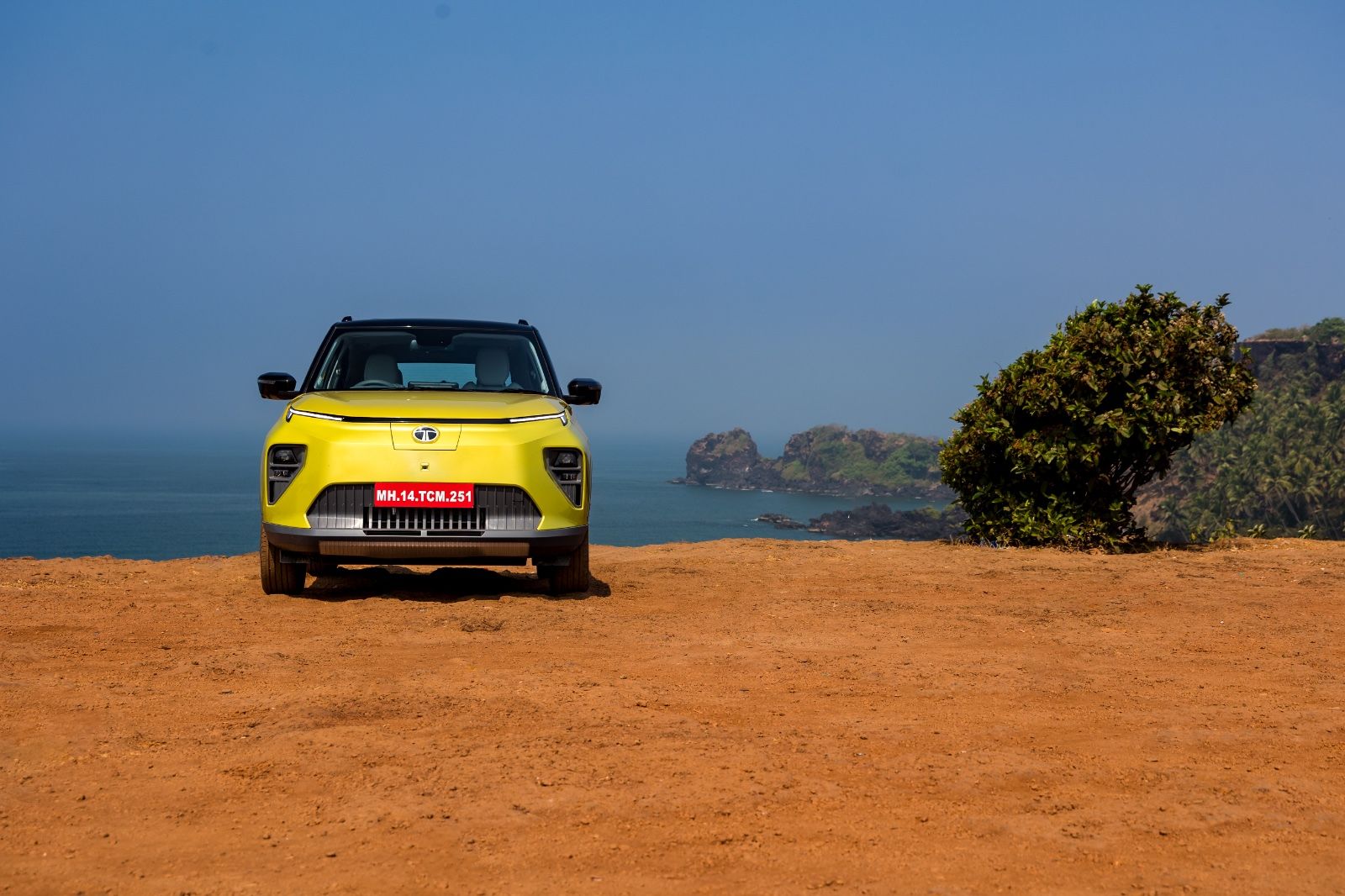
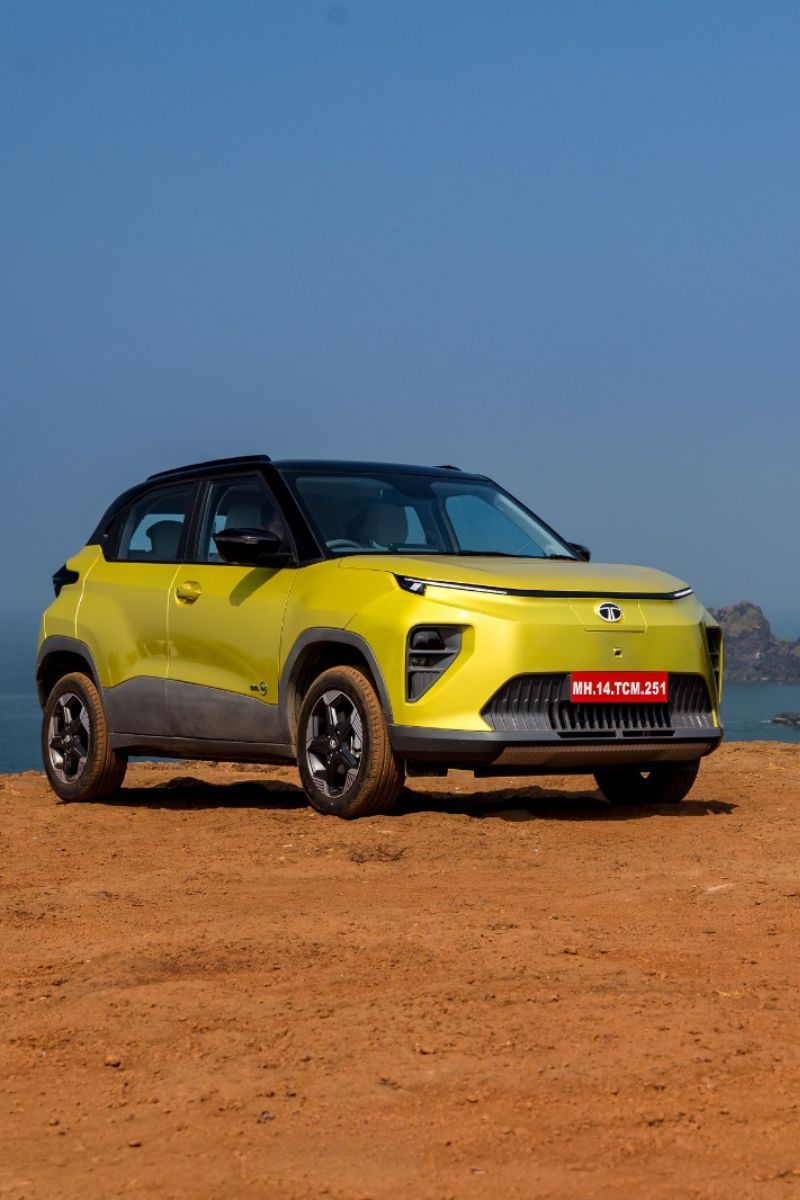
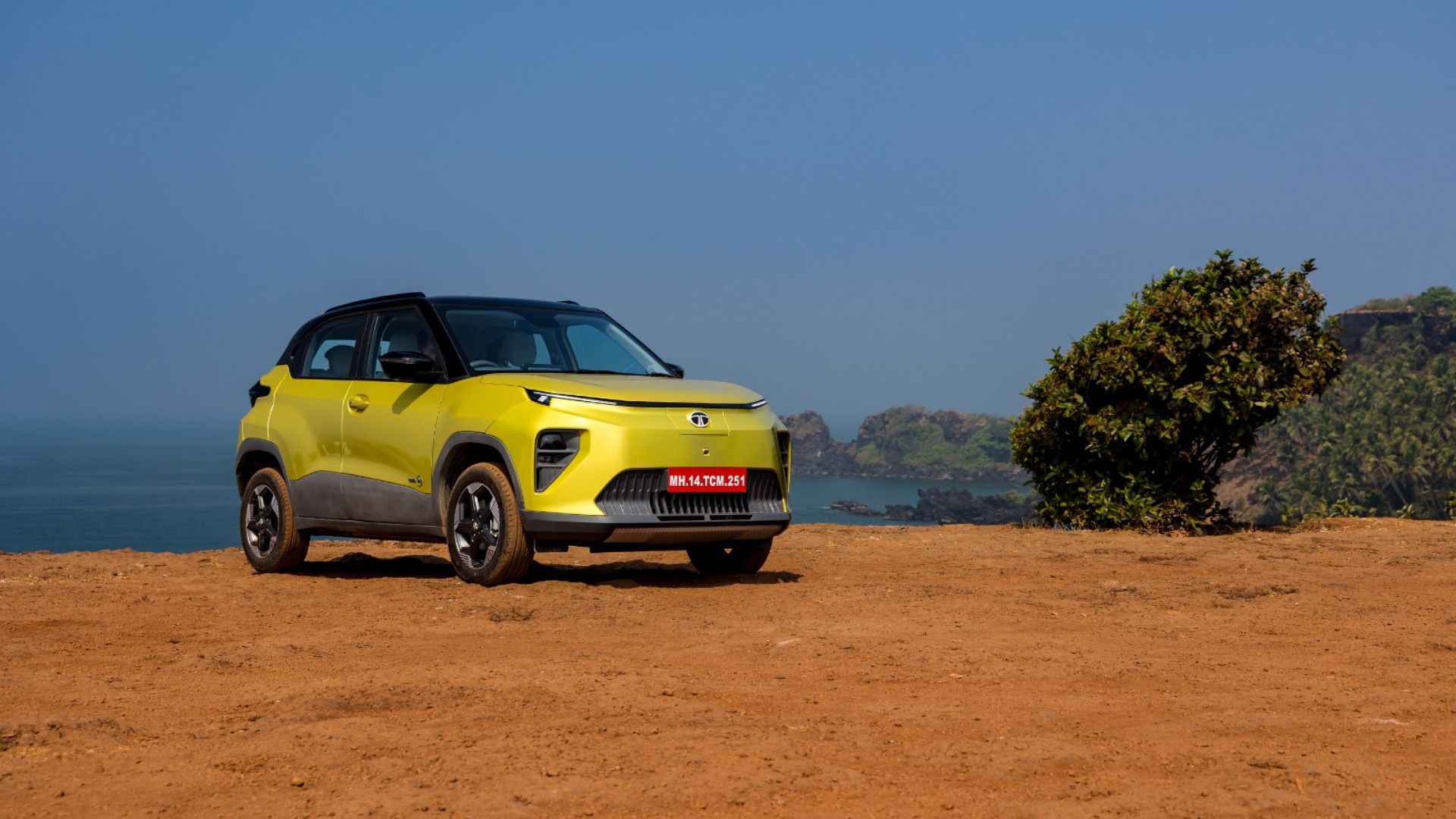
The car itself seemed unbothered. This is the 2026 Tata Punch EV, the facelifted one, and I was driving the 40 kWh long-range variant on a press drive from Kochi to Munnar and back. About 260 kilometres round trip, with roughly 1,500 metres of elevation gain in one direction. On paper, the battery's real-world range sits somewhere between 310 and 350 kilometres depending on how you drive and where. On paper, fine. But paper doesn't account for the fact that climbing ghats at 40 km/h in second-gear equivalent with the air conditioning running is not the same as cruising on the Kochi bypass. I'd done that math too.
What's changed since the last Punch EV? Quite a lot, actually, and most of it is under the skin. The old 35 kWh battery is gone, replaced by a 40 kWh prismatic LFP pack that's denser and more thermally stable. The motor still makes 127 bhp and 154 Nm, which is adequate, occasionally peppy, never dramatic. But the real engineering story is the new 6-in-1 integrated drive unit that bundles motor, inverter, reducer, DC-DC converter, power distribution, and onboard charger into a single housing. Tata claims it's 28 per cent lighter and 6 per cent more efficient than the outgoing setup. What I can tell you is that the car felt composed on the inclines in a way I wasn'texpecting. Power delivery was steady, unhurried, never gasping. You don't get a balistic surge for overtaking a truck on a blind curve, but you get enough. Always enough.
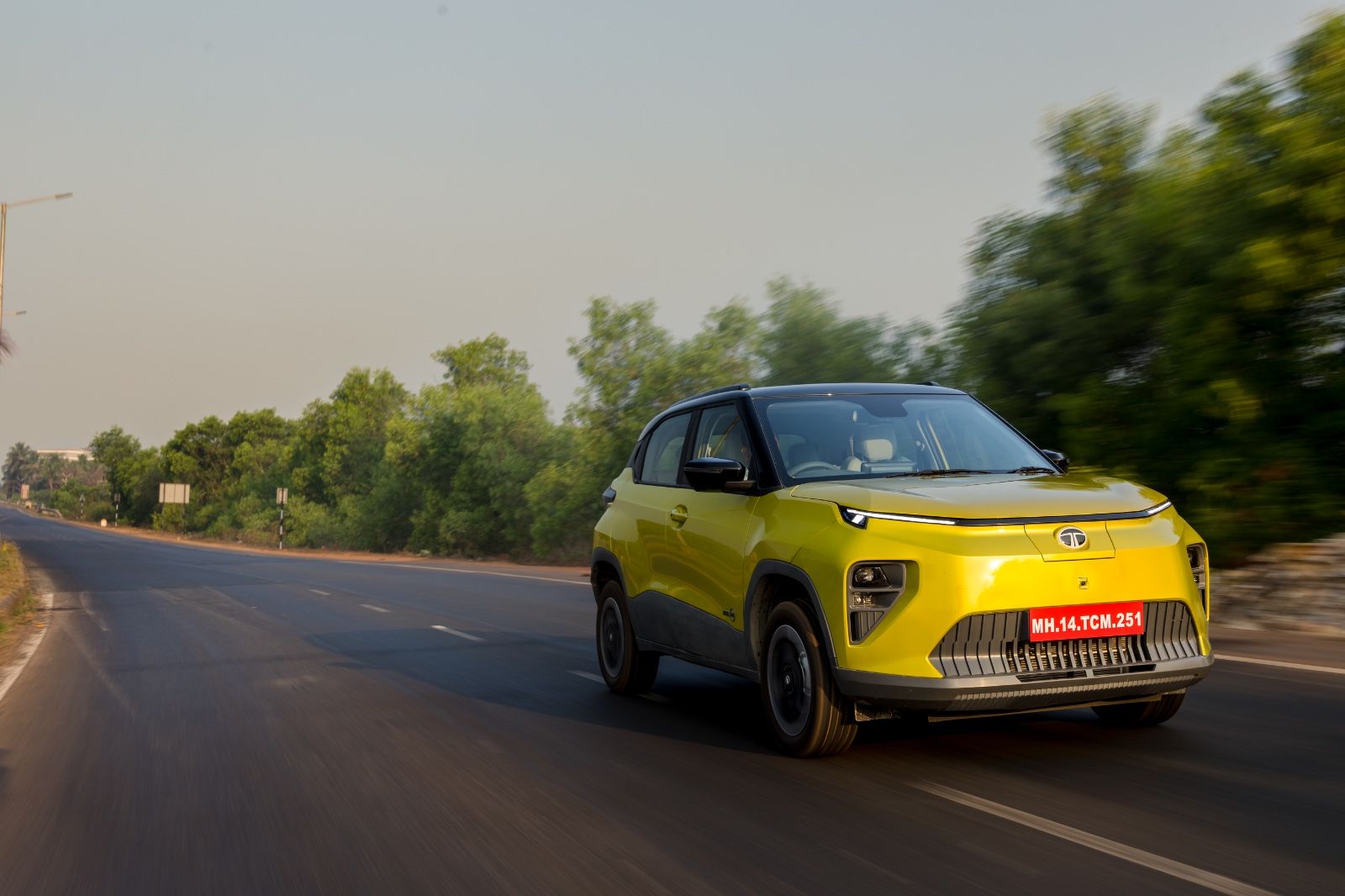
The climb itself was remarkable for how unremarkable the car made it feel. I had it in City mode with regen set to Level 1 or 2 via the paddle shifters, a new addition to this facelift. There are four regen levels: zero is coast, three is the strongest pull-back. Level 1 and 2 felt convenient for the hills, scrubbing speed into corners without the aggressive lurch of Level 3. And the best thing about regenerative braking on a descent: it gives back. The stretch coming down from Top Station toward Munnar town actually added kilometres to my range estimate. I watched it climb from 38 to 52 over about twelve kilometres of downhill switchbacks. That small reversal felt unreasonably satisfying.
I should talk about the ride, because everyone who drives this car talks about the ride. It's genuinely excellent. The Punch EV's suspension has always been its quiet party trick, but the facelift seems to have refined it further. The battery mass sits low, which helps. The springs are stiffer than the petrol Punch to manage the extra weight, but softer damping compensates, and the result is a car that absorbs broken tarmac with a composure you wouldn't expect at this price. Somewhere on the approach to Adimali the road surface went from decent to terrible and the Punch just carried on, the thuds muted, the cabin unrattled. I've driven cars at twice the price that would have made more of a fuss.
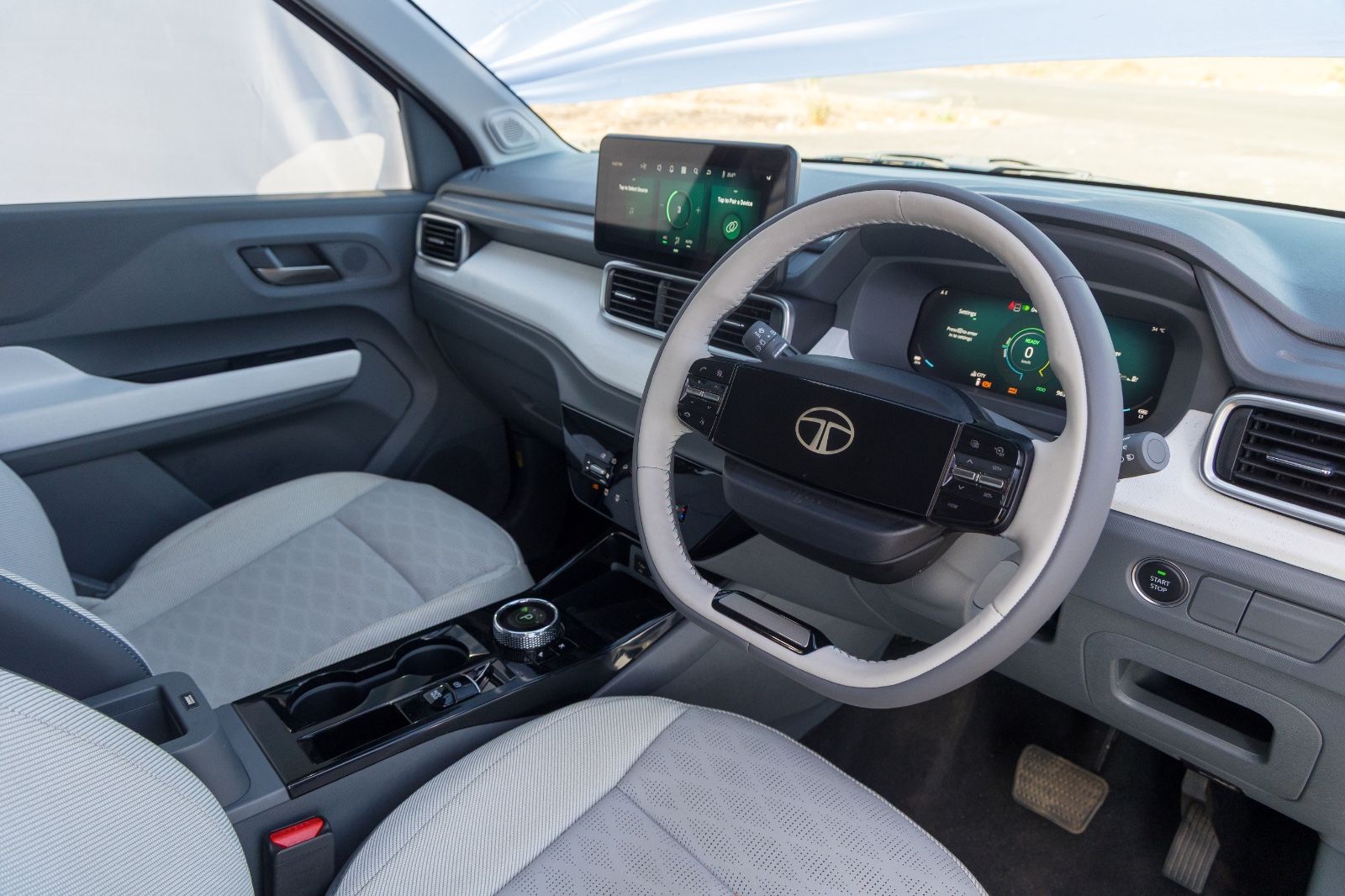
Inside, the facelift brings a lighter grey-and-white colour scheme that opens up the cabin considerably. It's still a compact car. The rear seat fits two adults and a third with reluctance. There are no rear AC vents, which is odd given the petrol Punch gets them. No ambient lighting anymore either, which is a strange deletion. Tata has clearly been aggressive with cost engineering, and it shows in places: rear disc brakes are now drums, LED projector headlamps are restricted to the top variant, and the new vertically-oriented window switches take some getting used to. The 65W USB-C ports are a welcome addition though. I charged my phone and my laptop simultaneously, which felt like a small luxury.
But I was telling you about Munnar. I arrived with 35 kilometres showing on the range display. Tight, but not alarming. Enough to drive around town if I'd needed to. I didn't. I found a Tata Power DC fast charger near the bus stand, plugged in with the CCS2 connector, and went to find tea. The car can now accept up to 65 kW DC, up from 50 on the outgoing model. In practical terms, 10 to 80 per cent takes about half an hour. I didn't need a full top-up. I sat on a low wall outside the charger, drank cardamom tea from a paper cup, watched the percentage climb on my phone via the Tata app. Twenty-six minutes later I was at 80 per cent. The display now read 265 kilometres of range. Munnar to Kochi is around 130. The anxiety, such as it was, evaporated.
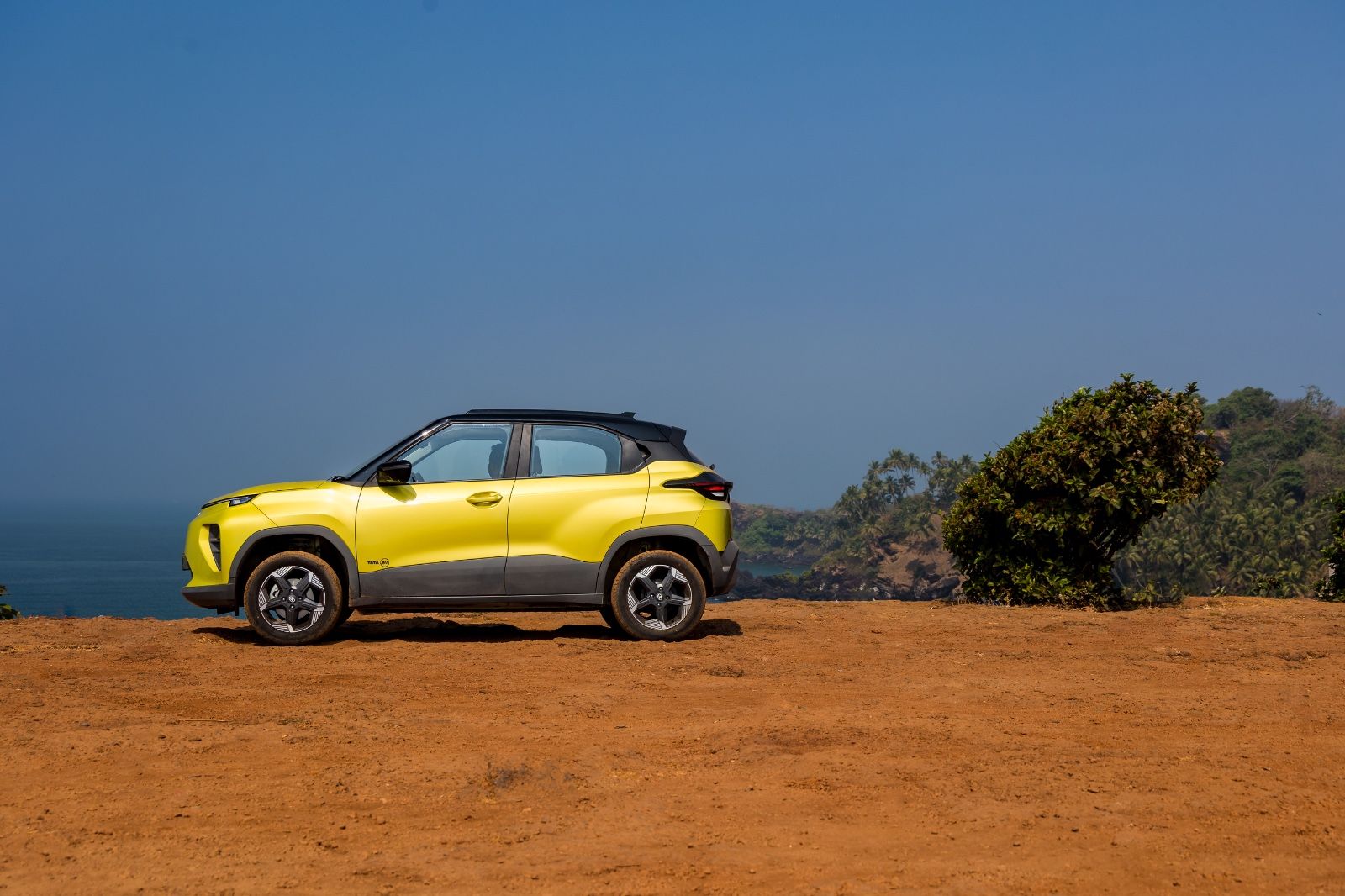
The drive back was a different experience entirely. Partly because downhill favours an EV in ways that would make a petrol car's brakes weep. Regen on Level 2, the car pulled itself through the descents with barely any brake pedal input, feeding energy back into the pack. By the time I hit the plains, I had 201 kilometres still showing and an hour of easy driving left. The steering, I should note, is light and direct but tells you nothing about the road surface. It's fine for the car's character. You're not attacking corners in a Punch EV. The tyres, Apollo Amperion low-rolling-resistance rubber, squeal if you push them, which I did once, out of curiosity, and then didn't again.
So here's where I've landed. The Punch EV facelift starts at 9.69 lakh and tops out at 12.59 lakh, and that top number is actually 1.85 lakh less than the outgoing model. That's unusual. Cars don't get cheaper. This one did, because that integrated powertrain costs less to manufacture, and Tata decided to pass the saving on rather than pocket it. For that money, you get a car with genuine 280-300-plus kilometre range in the real world, a ride quality that embarrasses its segment, fast enough charging to make a tea stop feel productive rather than punitive, and enough space for a small family that doesn't expect a Harrier.
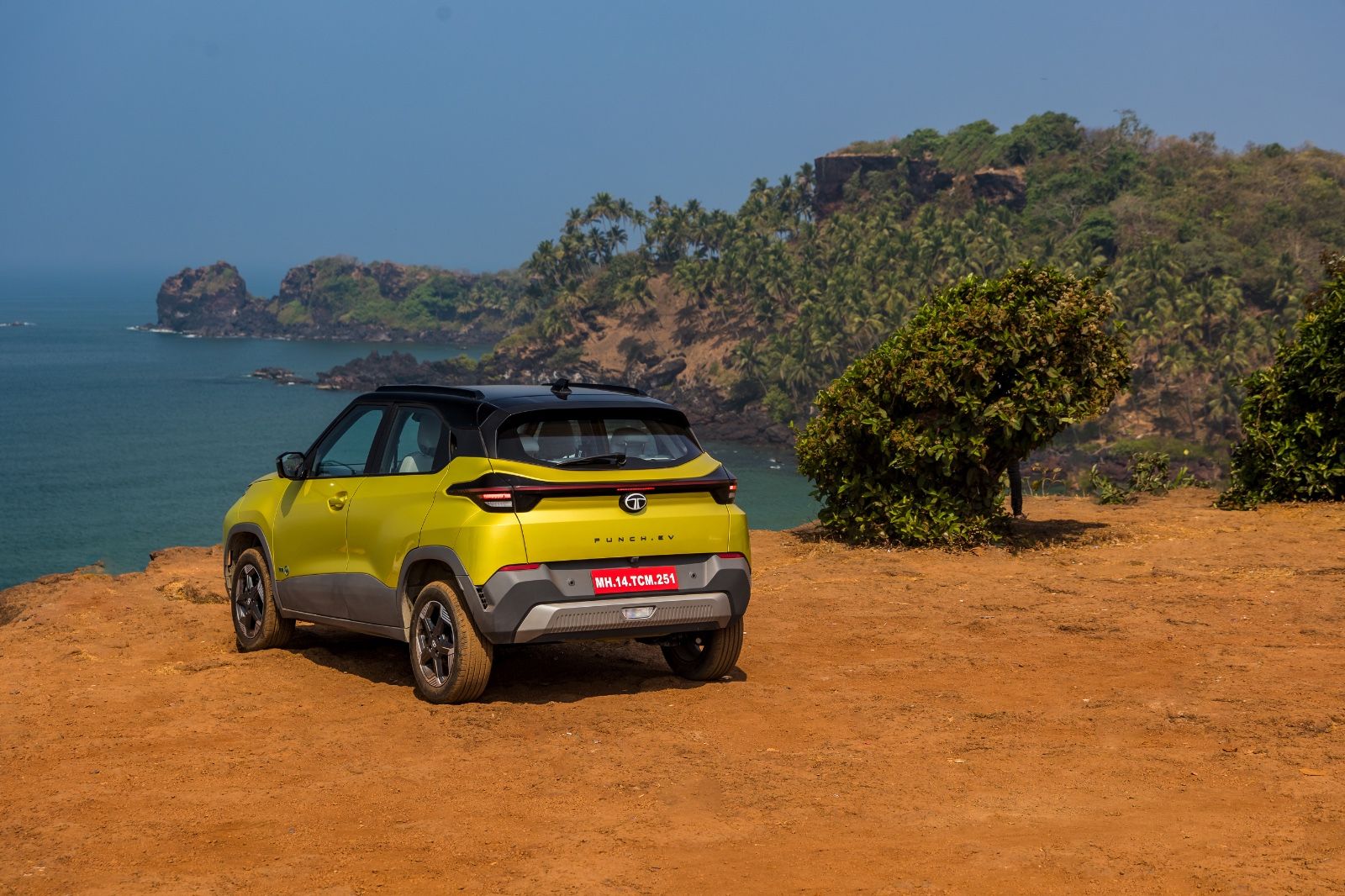
I stopped for takeaway on the way back into Kochi. A parcel of fish moilee and appam from a place near Aluva that someone on the press convoy had recommended. I put the bag on the passenger seat, the cabin still cool from the air conditioning, the display showing 164 kilometres of remaining range, the highway empty. The food smelled incredible. The car was quiet. And the thing I remember most clearly about the whole drive, the thing I keep coming back to, is how little there was to worry about.


