Somewhere on the NICE Road, with Bengaluru's afternoon chaos behind me and a BMTC bus still uncomfortably close in the rearview, I reached for the climate control. Not the touchscreen. The toggle switch. Found it without looking, flicked it two clicks colder, kept my eyes on the road. A relief.
This is what Kia understands about the Seltos that so many rivals seem to have forgotten: sometimes the smartest thing a car can do is get out of your way. In an era where infotainment screens have swallowed entire dashboards whole, the second-generation Seltos has chosen a different path. It has chosen restraint. And that choice tells you everything about what this car is trying to be.
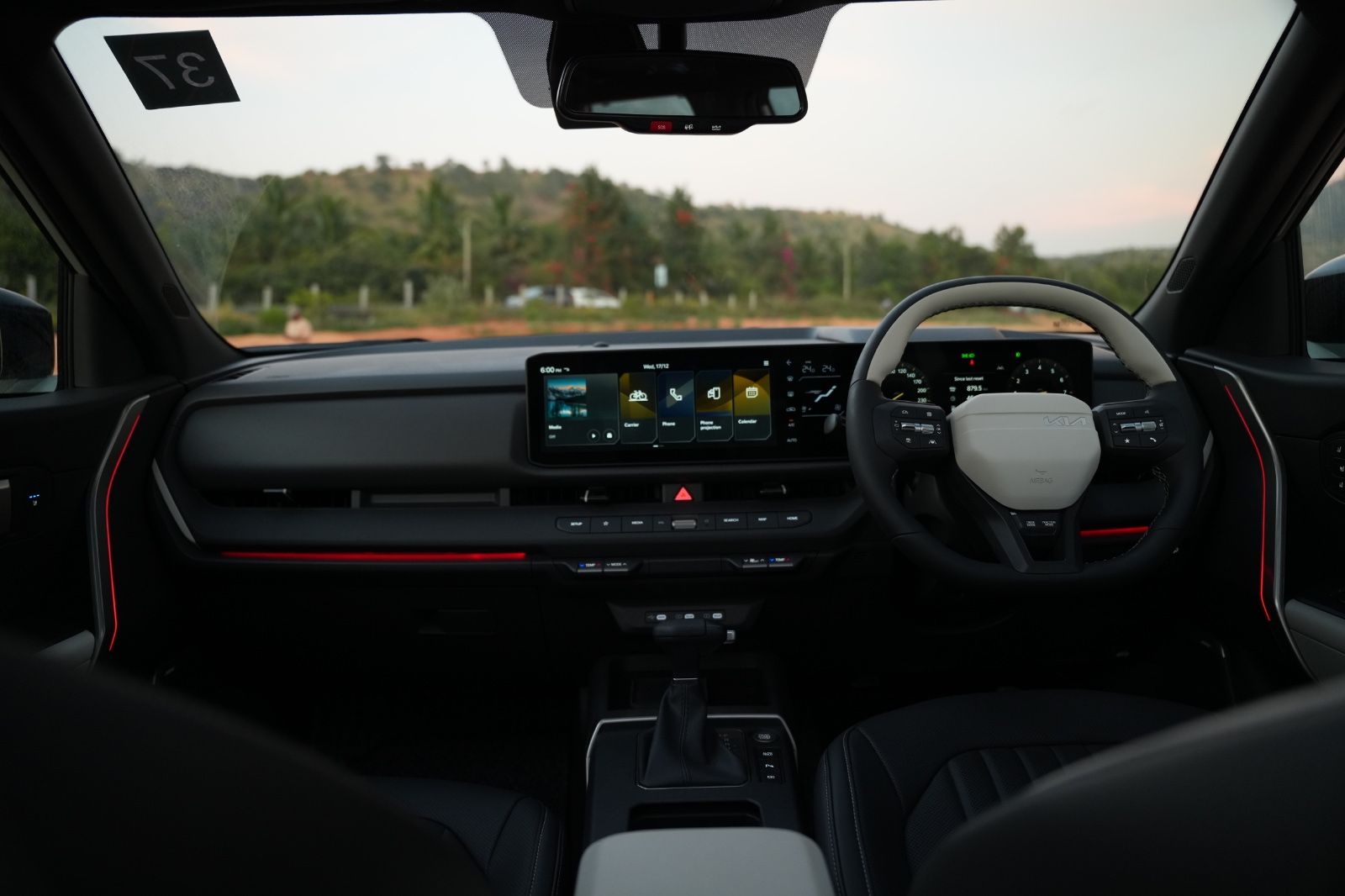
The cabin is where this philosophy announces itself most clearly. Yes, there's the triple-screen setup borrowed from the Syros: a 12.3-inch touchscreen, a 12.3-inch digital cluster, and a 5-inch HVAC display nestled between them. But below that climate screen sit proper toggle switches for temperature and fan speed. Large ones. The kind you can operate while threading through an auto-rickshaw gauntlet without once glancing down. There's a scroll wheel for volume that rolls with satisfying resistance. Media controls have actual buttons.
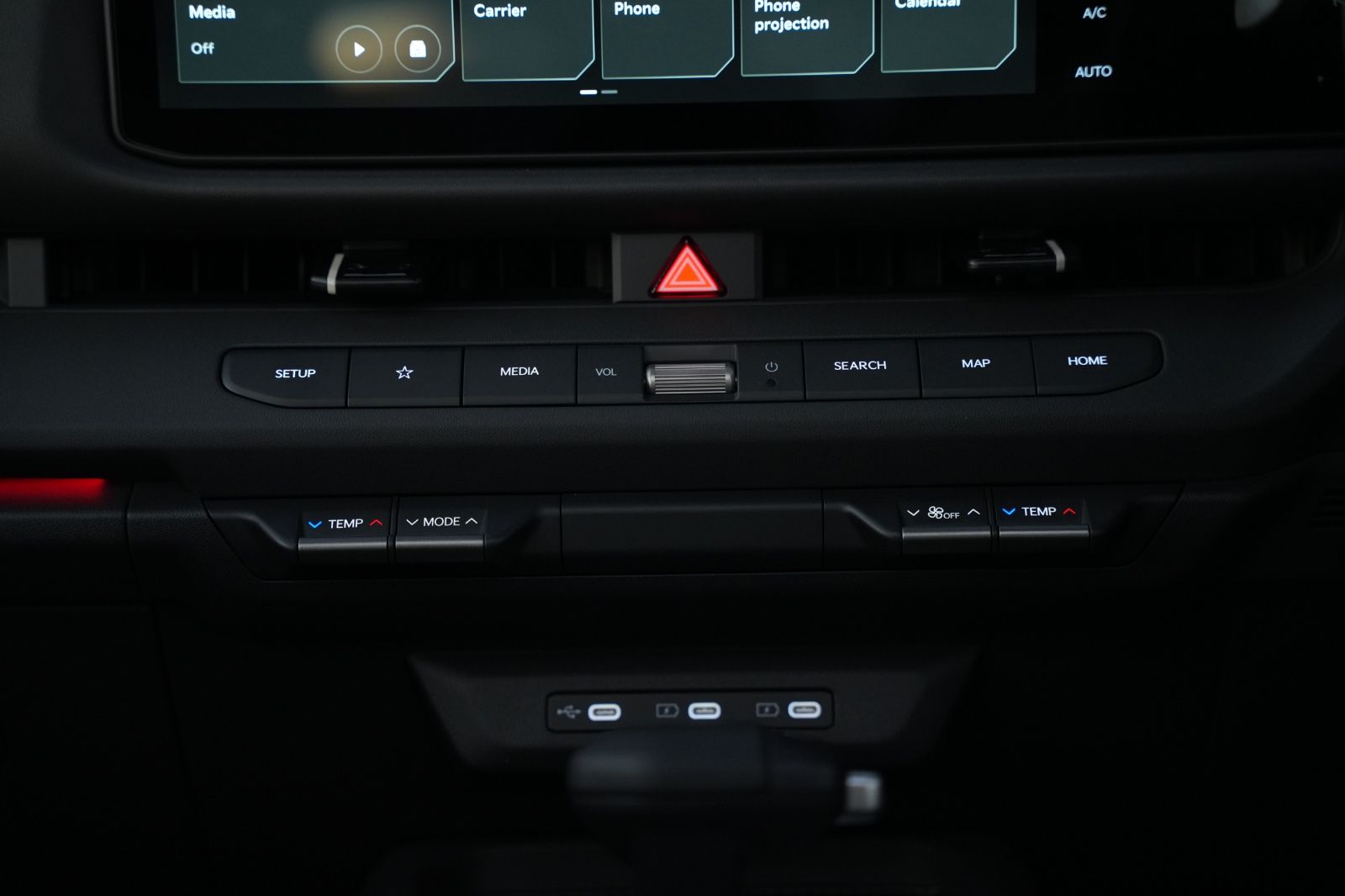
The steering wheel is where Kia's ergonomic thinking really shines. At the bottom of the chunky new wheel, precisely where your thumbs naturally rest, sit two scroll wheels for drive and traction modes. You don't hunt for them. Your hands already know. The wireless charging pad has a grippy, anti-slip texture that actually keeps your phone in place over Bengaluru's apocalyptic speed breakers. The yacht-style gear selector falls exactly where your hand reaches for it. Nothing about this cabin requires learning. It just works.
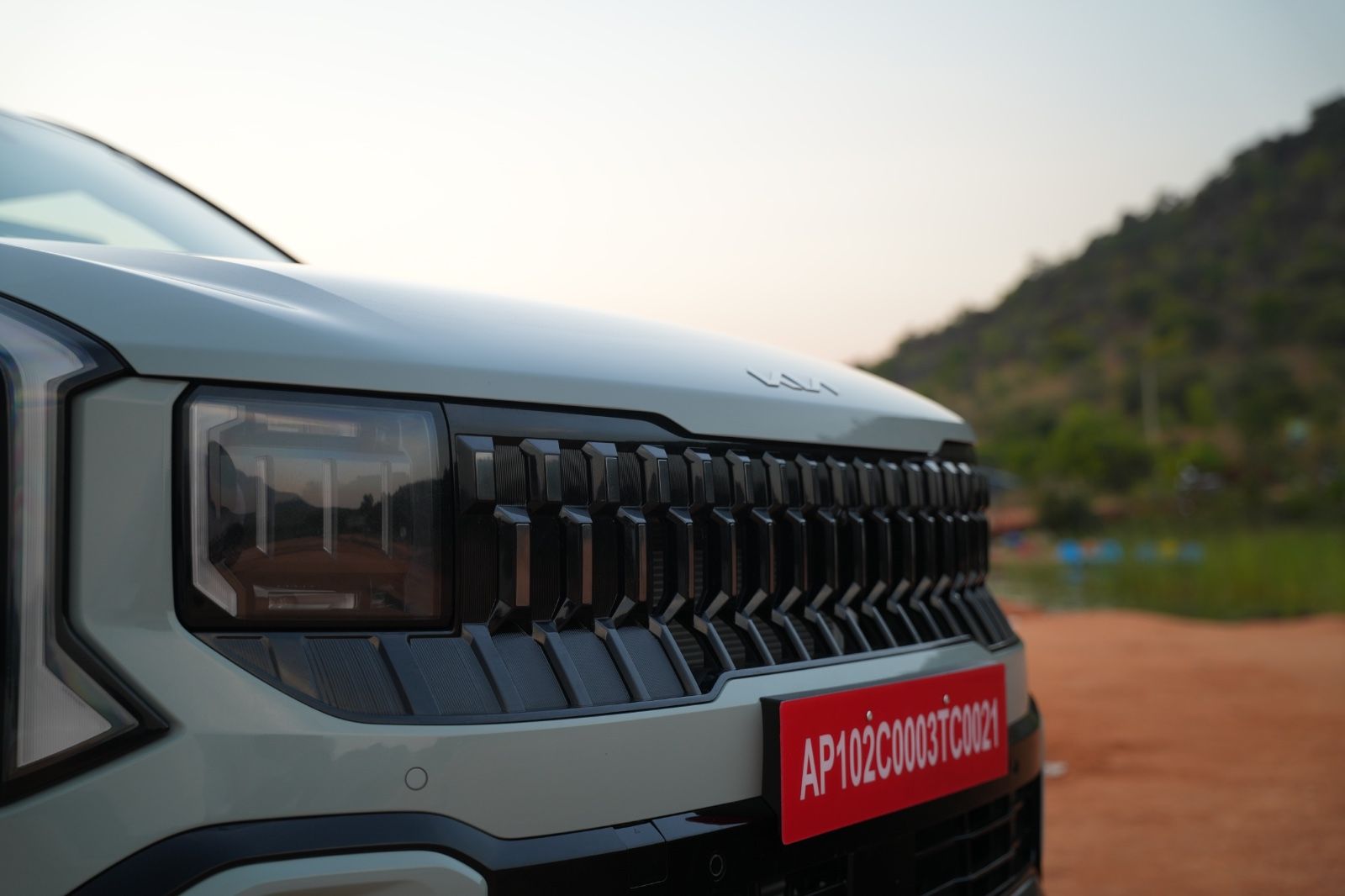
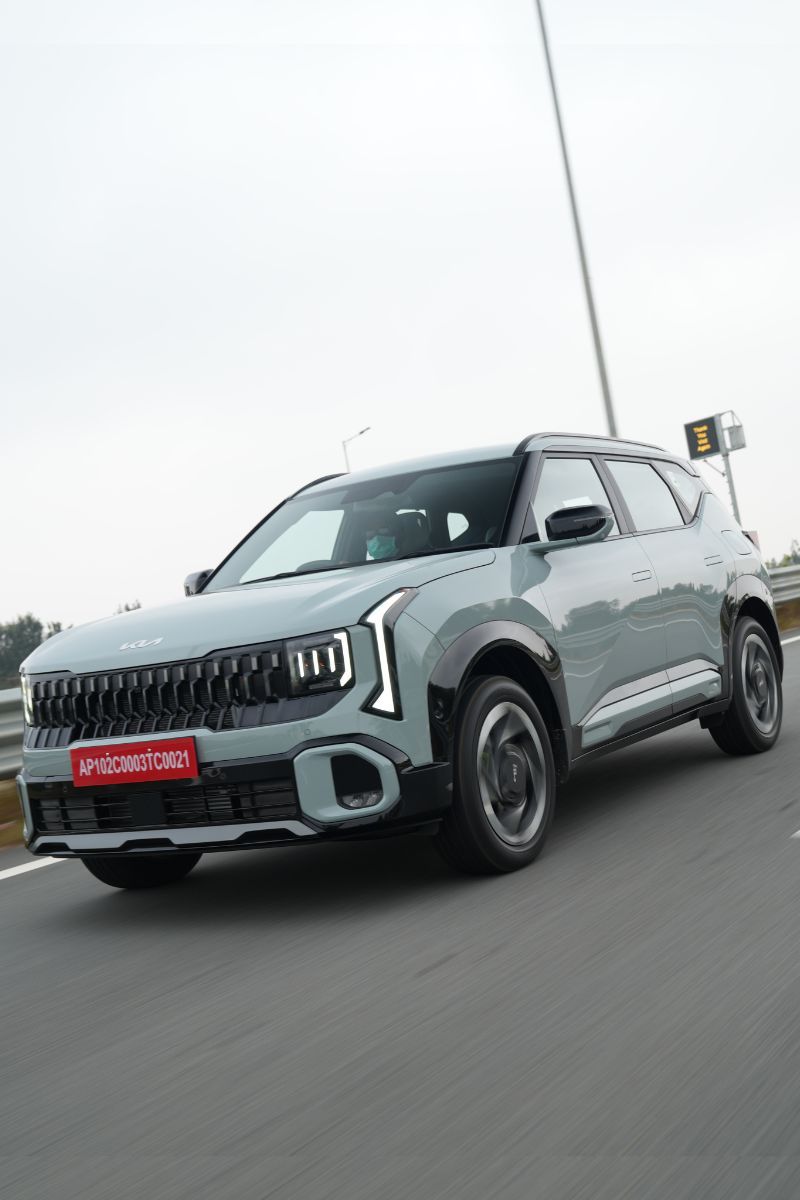
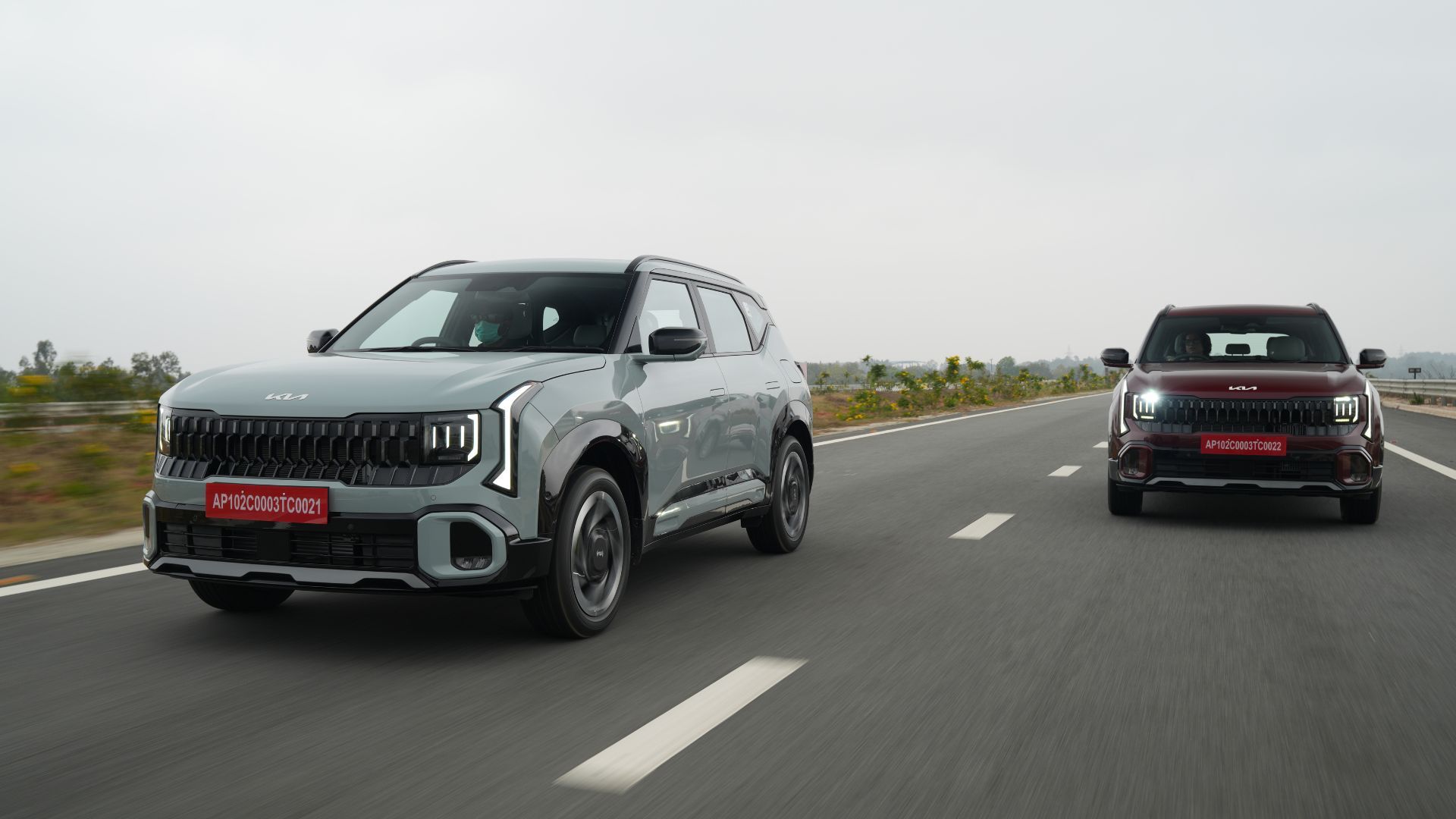
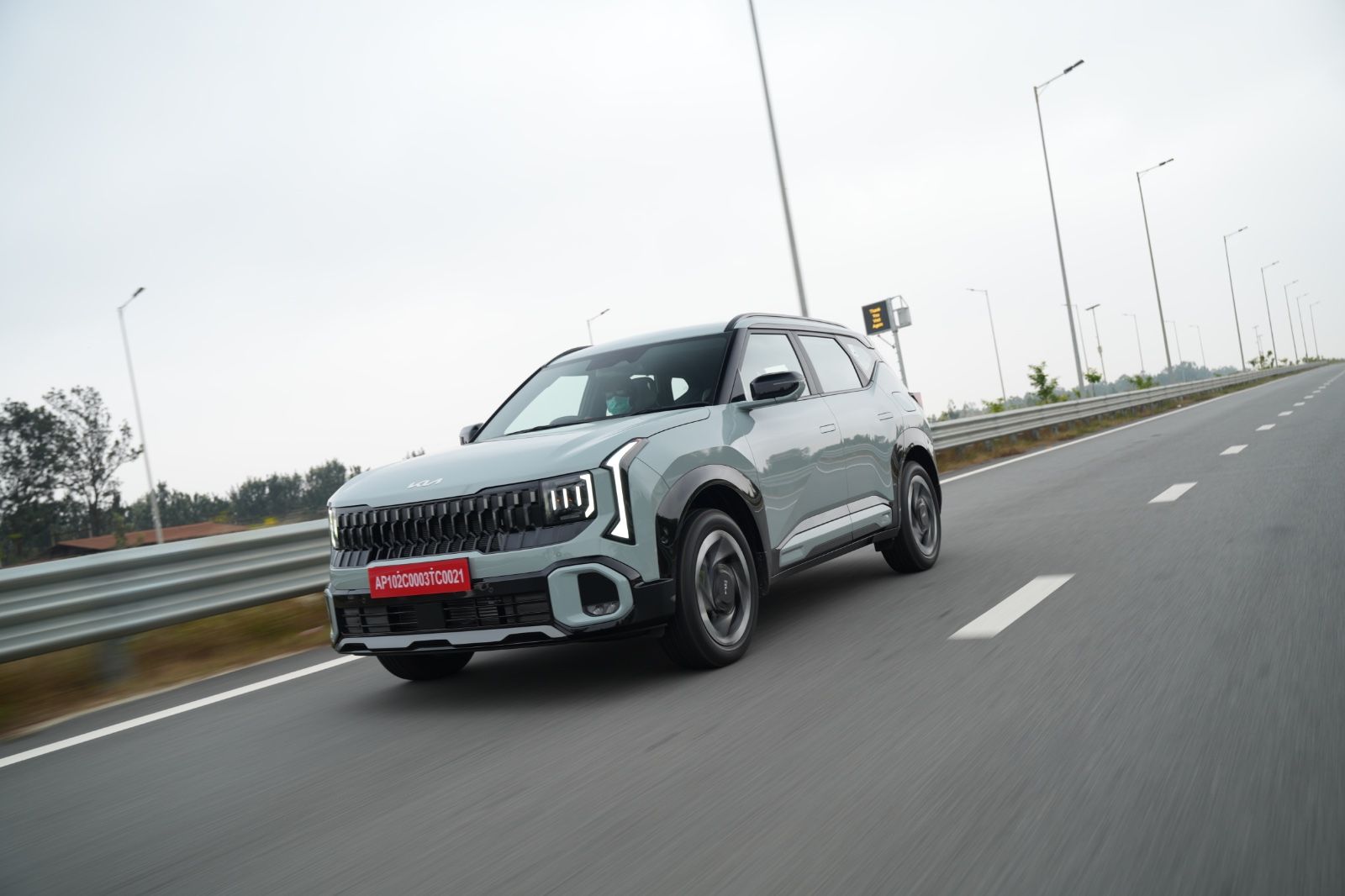
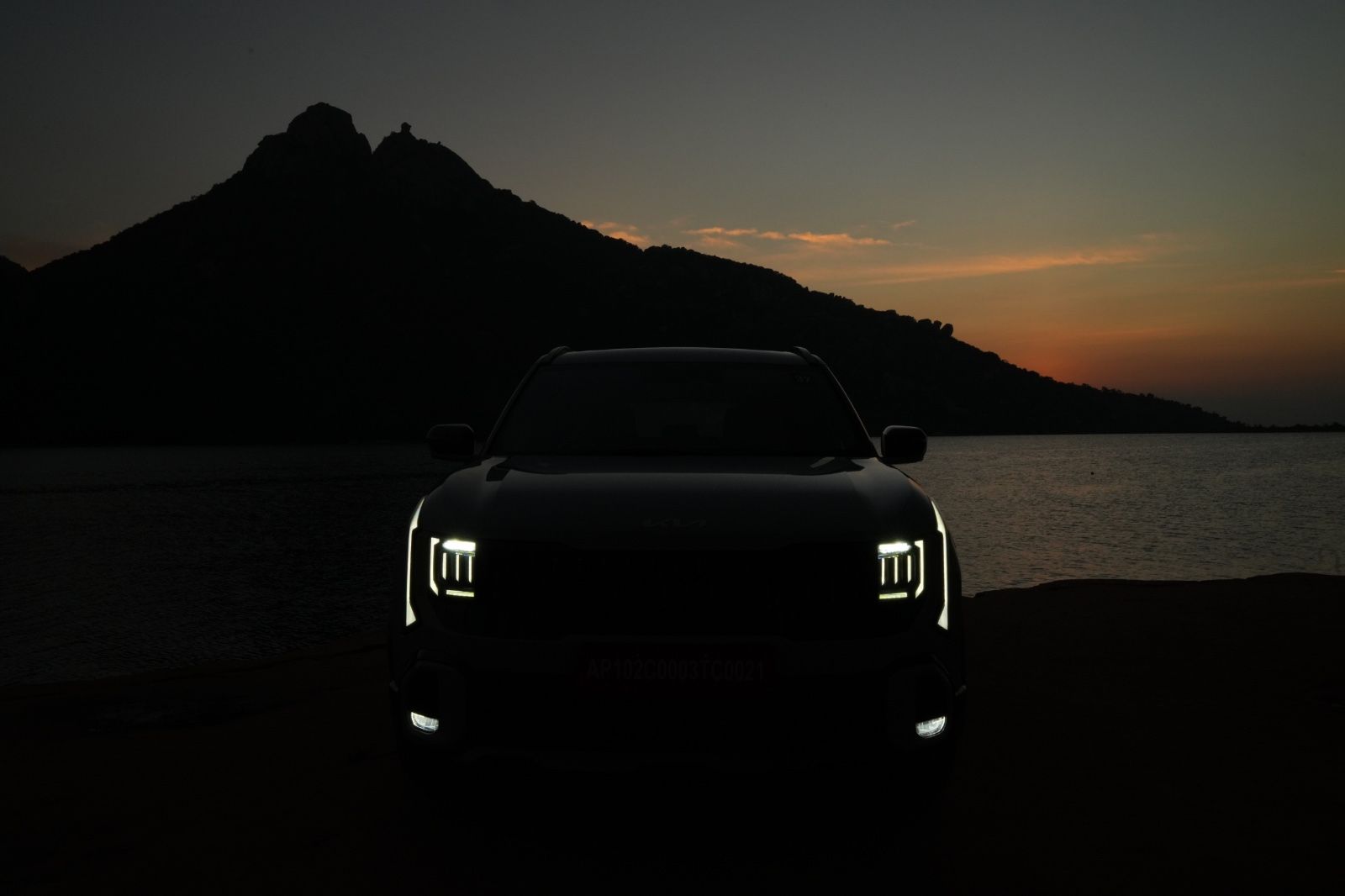
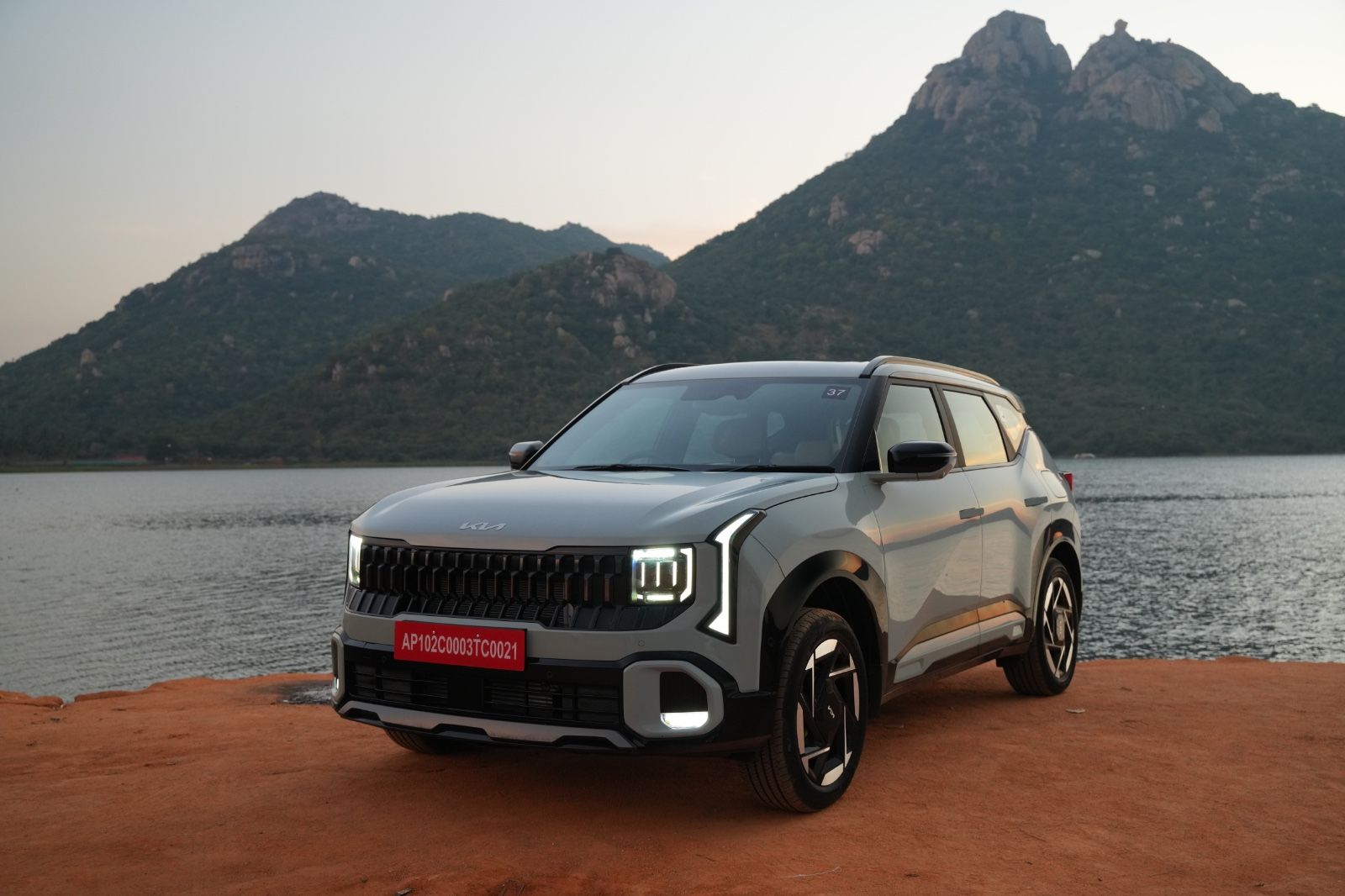
So here's the exterior, the part that's going to start arguments at dinner parties. The new Seltos doesn't look like the old Seltos. It doesn't really look like anything else in this segment either. The vertical DRLs wrap around the front corners and climb onto the bonnet. The grille is massive, glossy black, more American Telluride than Indian compact SUV. The headlamps sit in squared-off housings that look better in person than they do in photographs. I'll say this: it has presence. At 4,460mm long, it's the longest in its class, and that size helps it carry off the aggressive design language without looking overwrought. You won't love it immediately. You might grow to respect it.
That word again: restraint. The tailgate is manual. No motor, no hands-free gesture nonsense, no soft-close mechanism waiting to fail three months out of warranty. One less thing to break. The mesh-pattern headrests look interesting but they're still actually useful as headrests, with proper padding where your head needs it. Rear cooled seats? The smaller Syros gets them. This doesn't.
The 1.5-litre turbo-petrol makes a strong case for itself within the first few kilometres. The numbers matter: 160PS at 5,500rpm, 253Nm arriving at just 1,500rpm and staying until 3,500. What matters more is how it feels. The torque comes in clean and low, so you're never caught waiting for the turbo to wake up when a gap opens in traffic. The seven-speed DCT shifts quickly enough to satisfy but doesn't have that nervous, head-nodding jitter that afflicts some dual-clutch boxes at parking speeds. It manages stop-start Bengaluru traffic with a composure that feels almost unnatural for this transmission type.
And then there's the ride. This was the old Seltos's weakness, the thing that sent comfort-seeking buyers towards the Creta or Grand Vitara. Kia has retuned the suspension, same MacPherson struts up front and torsion beam at the rear, but with a distinct bias towards absorption rather than stiffness. The crashiness is gone. Over the patchy sections of NICE Road and the usual Bengaluru potholes, the body doesn't bang and rattle into bumps anymore. It's still not pillowy. Not the softest in its class. But the improvement is real and noticeable. Highway stability at triple-digit speeds remains excellent, the steering accurate without pretending this is something sportier than it is. Expect 12 to 14kmpl in mixed driving.
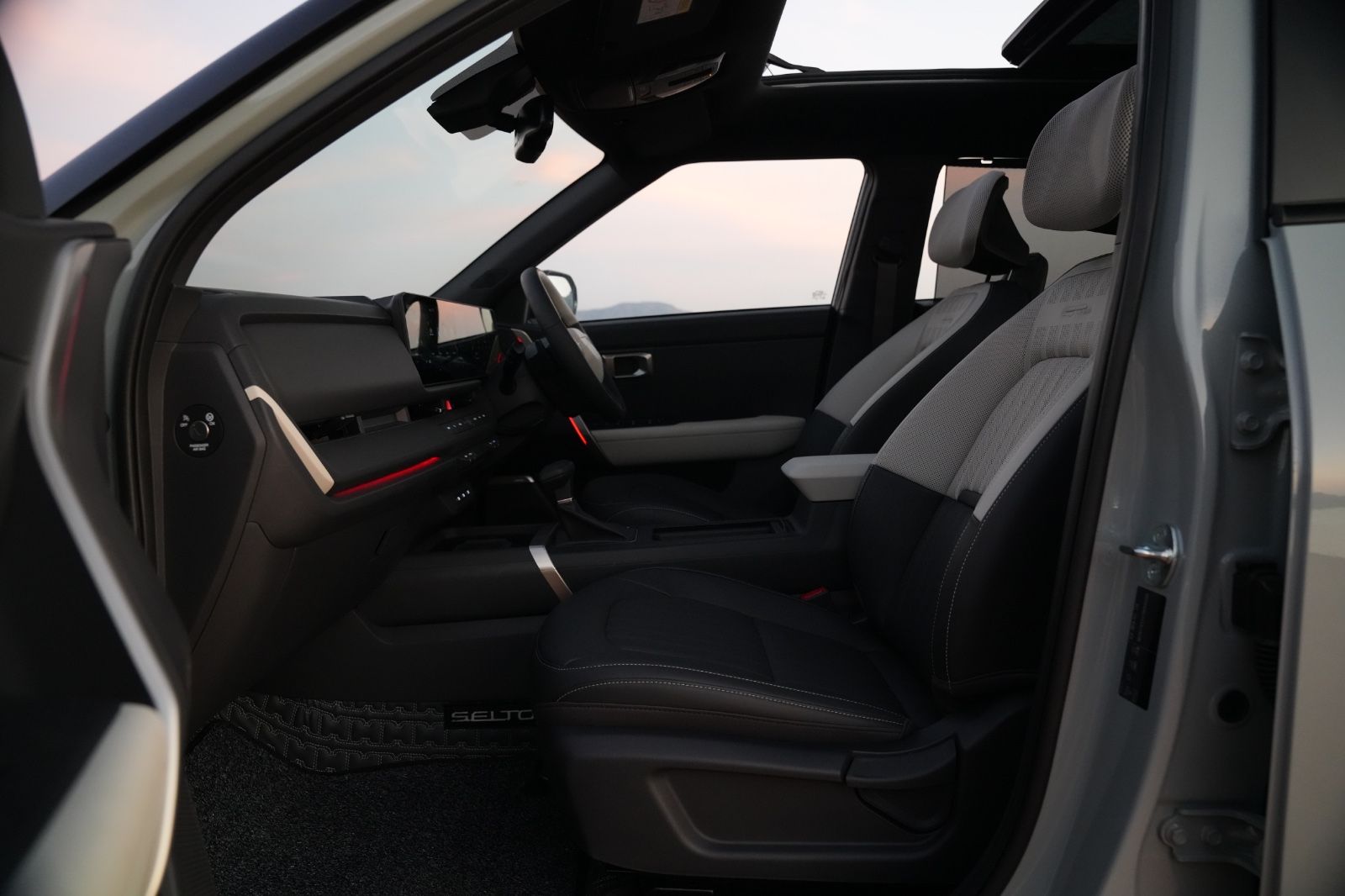
This is a car for the buyer who has stopped counting features. For someone who values the daily experience over the spec-sheet flex, who understands that a manual tailgate that works forever beats a powered one that doesn't, who appreciates that physical buttons aren't regression but rather respect for the driver's attention. It's not for the person who needs to list everything their car has at a dinner party. It's not for the feature-obsessed or the badge-conscious or anyone who confuses complexity with capability.
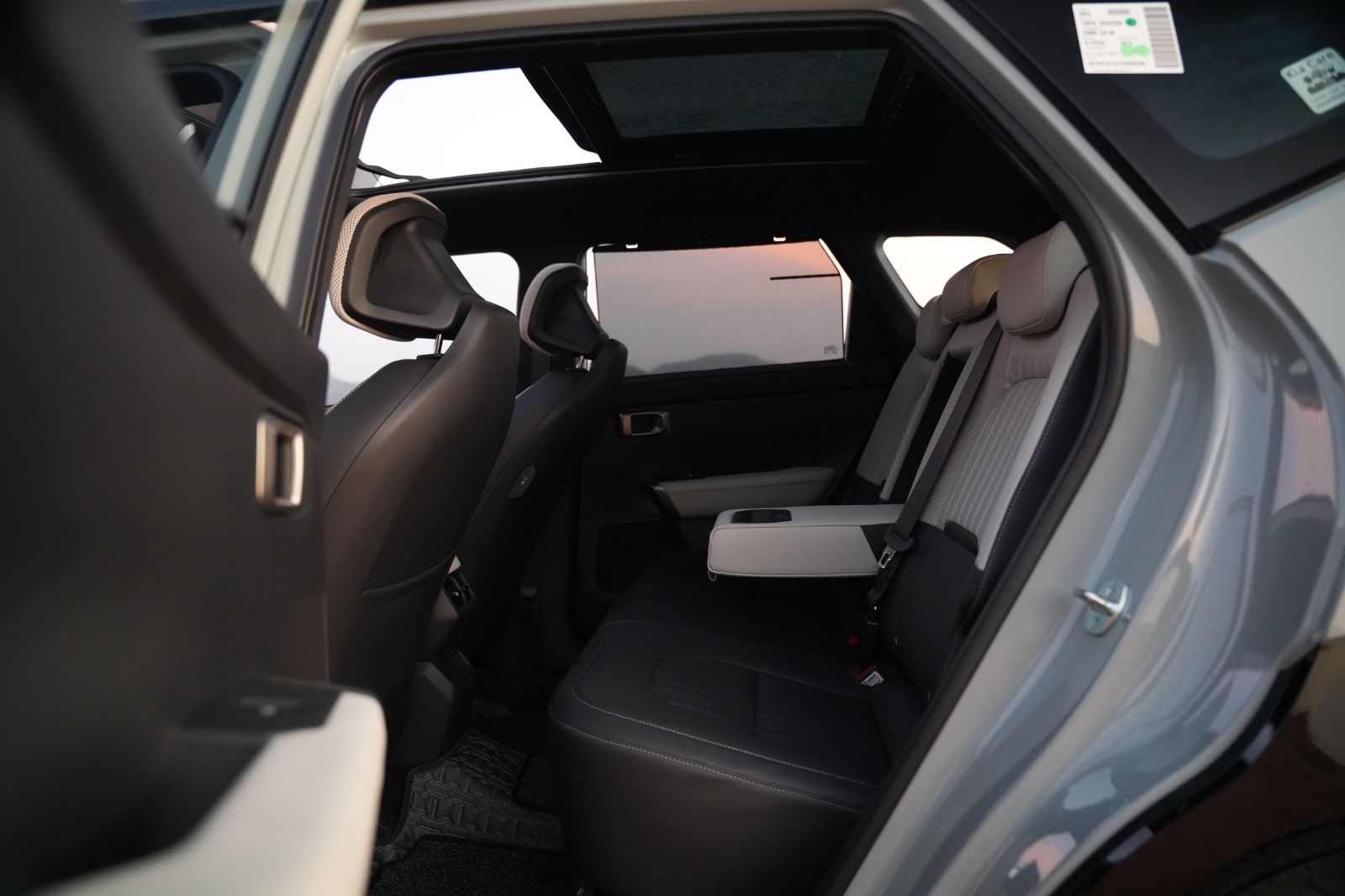
Priced between Rs 10.99 lakh and Rs 19.99 lakh depending on variant and engine, the turbo-petrol automatic tops out around the eighteen-lakh mark. Competitive enough.
What stays with me, days after returning the keys, is that climate toggle. Such a small thing. But when you're in traffic, when the sun is hammering through the panoramic roof, when attention is currency: it matters. Kia remembered that. Strange, that so few others do.


