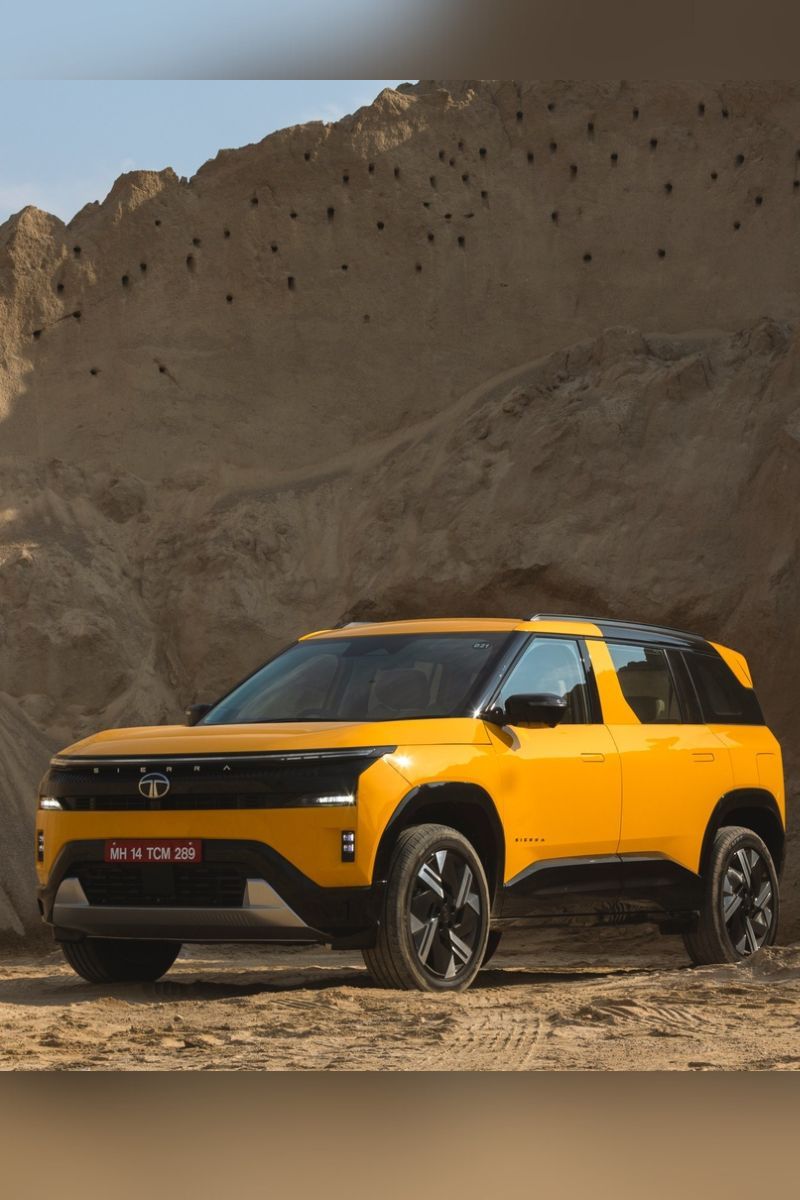
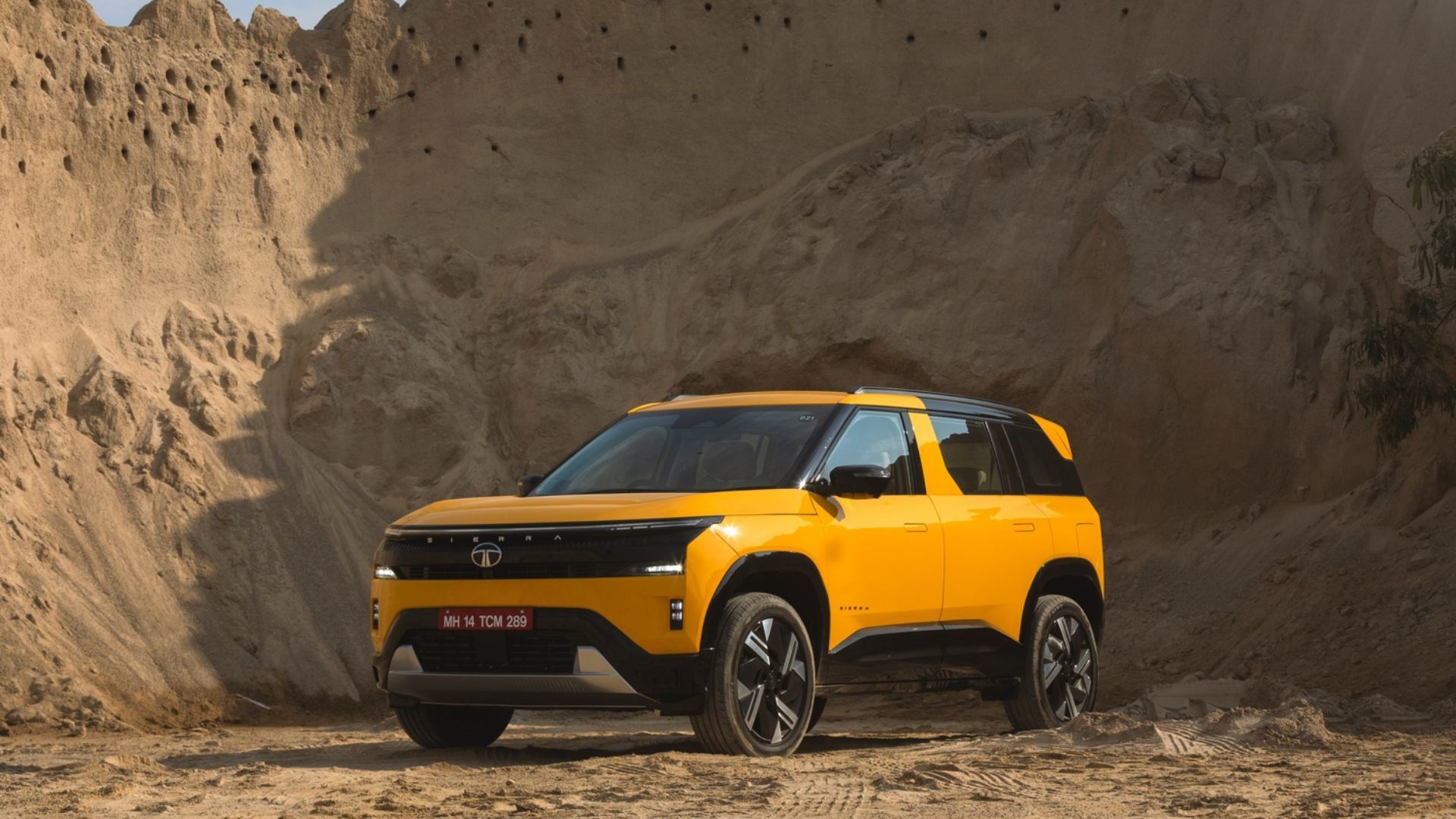
Chandigarh in early winter possesses a clarity that makes you want to drive. The air is crisp, the light sharp and golden, and the city's modernist bones look almost sculptural against cloudless skies. Le Corbusier would approve. I was there to spend a day with the new Tata Sierra, and within an hour of picking it up, I'd already lost count of how many people had stopped to photograph it.
This isn't hyperbole. A teenager on a scooter nearly clipped a divider trying to get his phone out. A gentleman in a white Fortuner, a car that costs considerably more, pulled alongside at a traffic light just to ask if this was "that new Tata." It was. And he looked at it with something approaching envy.
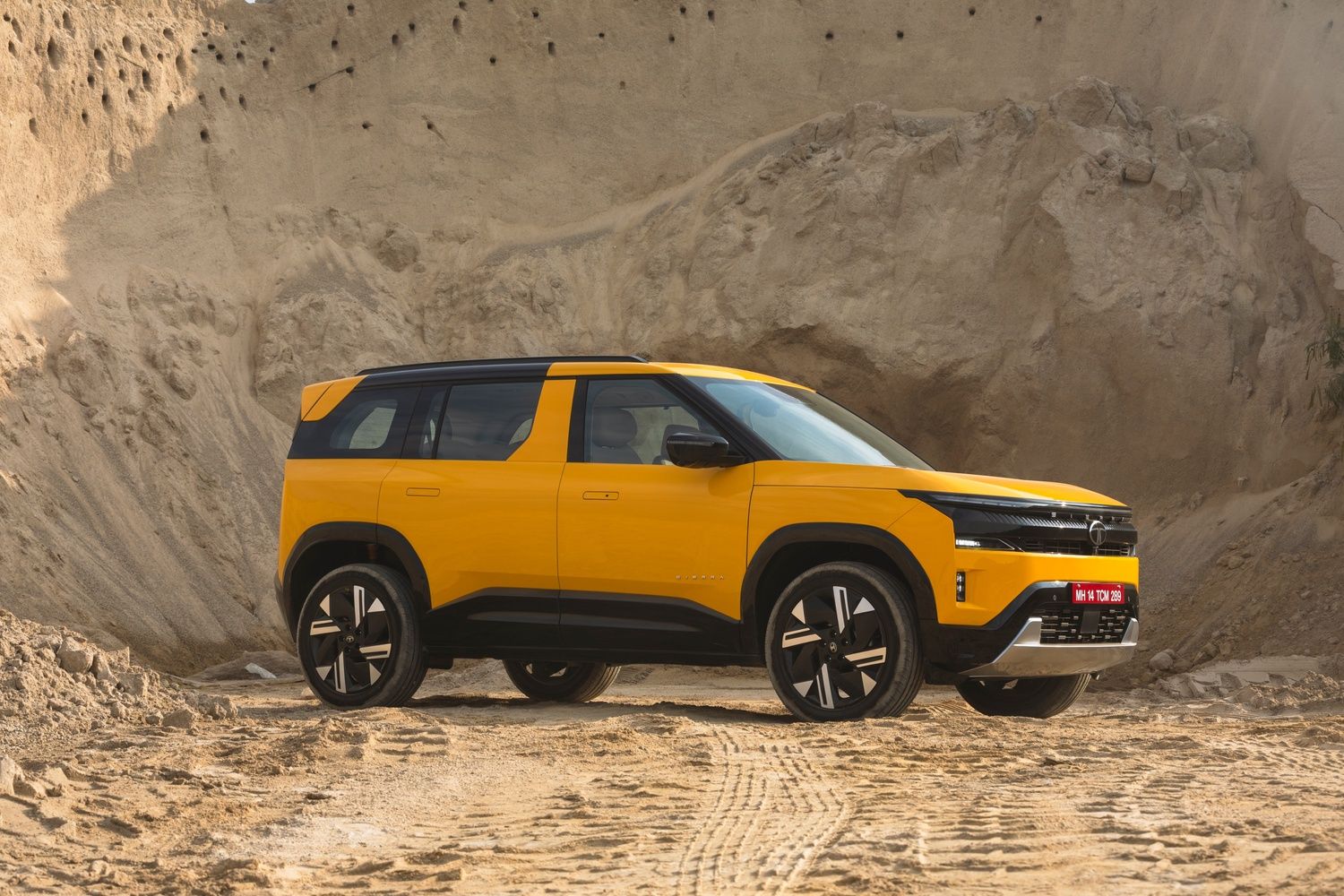
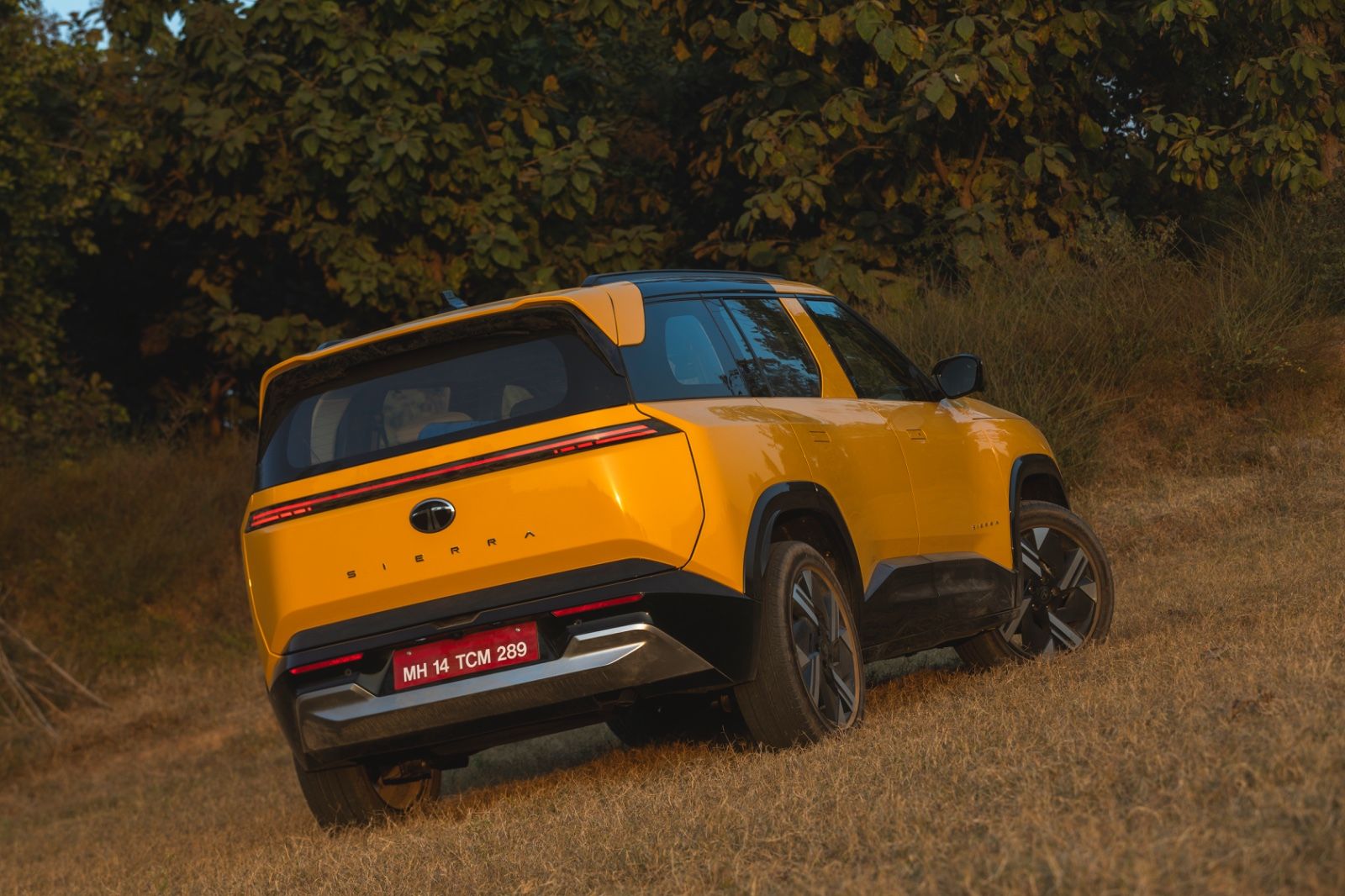
The Sierra's presence is its most formidable weapon. In a segment crowded with variations on a theme—where one mid-size SUV blurs into another through a fog of similar proportions and safe styling choices—this thing actually looks like someone cared. The wraparound rear glass treatment, that famous design signature from 1991, has been cleverly reinterpreted through a gloss-black roof and rear glass combination that suggests the original without cosplaying it. The flanks are clean and muscular. The flush door handles work. The 19-inch diamond-cut wheels fill their arches properly. At 4.3 metres long, it isn'ta small car, but the short overhangs and tall glasshouse give it presence without bulk. It photographs well from every angle, which matters more than purists might admit.
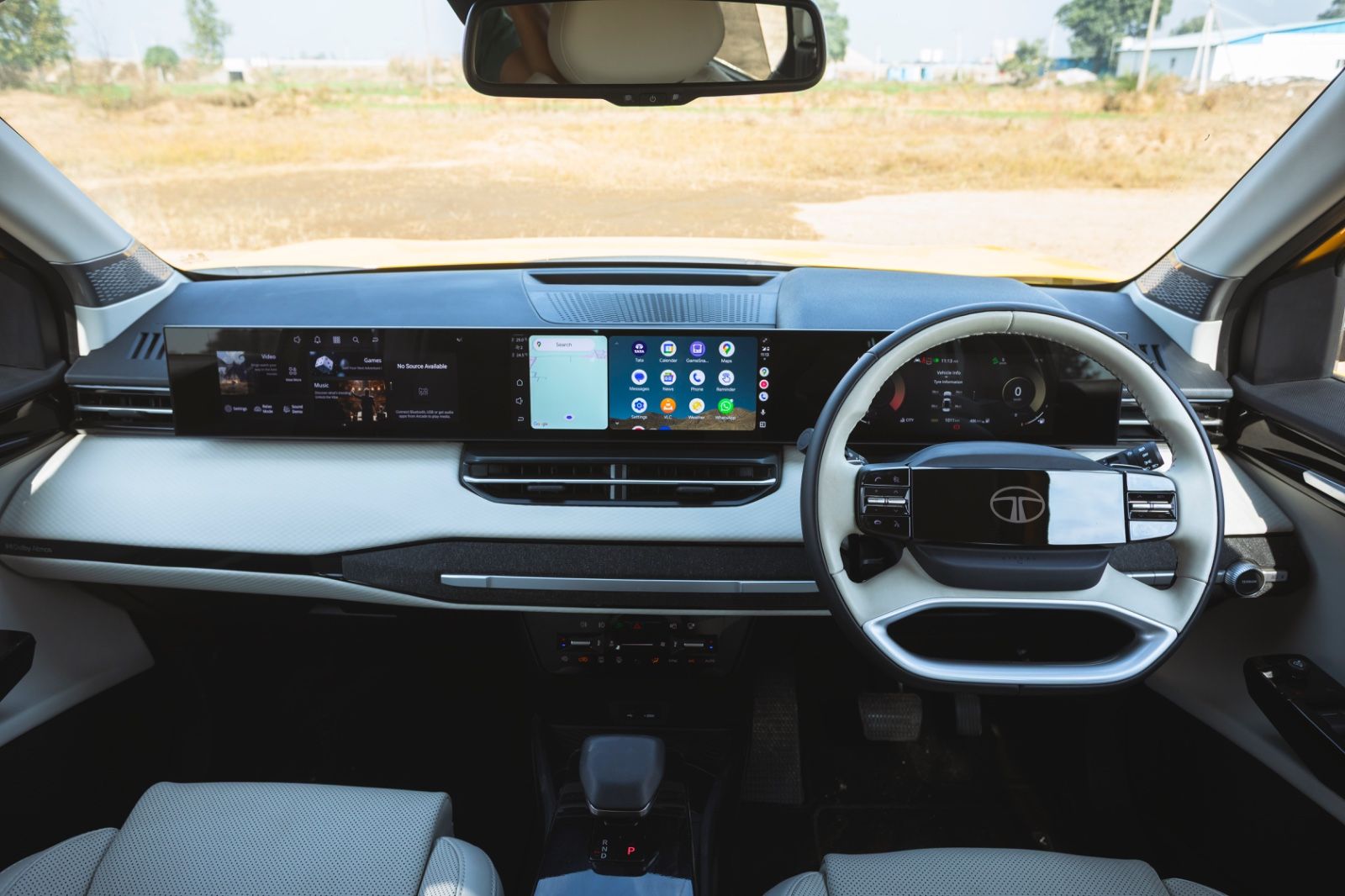
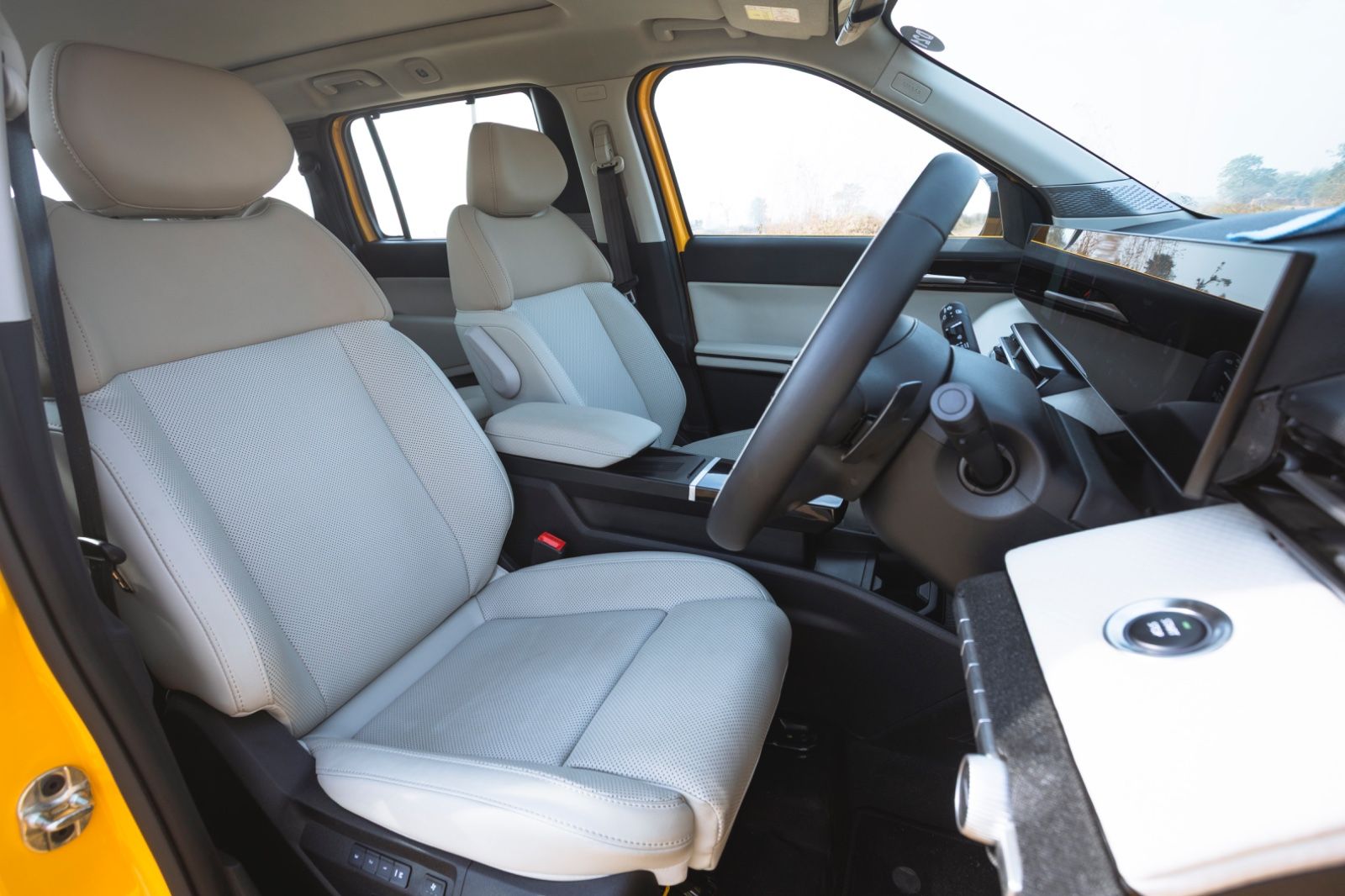
Inside is where Tata has genuinely surprised me. I've spent time in enough of their products to know the usual complaints: fit and finish that doesn't quite match the design ambition, plastics that look better than they feel, switchgear borrowed from lesser models. The Sierra's cabin is their best yet. A lounge-like atmosphere pervades the space. Three screens span the dashboard on higher variants—a 10.25-inch digital cluster, a 12.3-inch central touchscreen, and another 12.3-inch display for the front passenger. All three are crisp Samsung OLEDs, responsive to touch, and running software that doesn't feel like an afterthought. The passenger screen lacks a privacy filter, so whoever's watching something will be broadcasting it to anyone outside, but it's a genuine feature rather than a gimmick. The JBL 12-speaker system with Dolby Atmos is genuinely excellent—the kind of sound setup you'd expect to find much further up the price ladder.
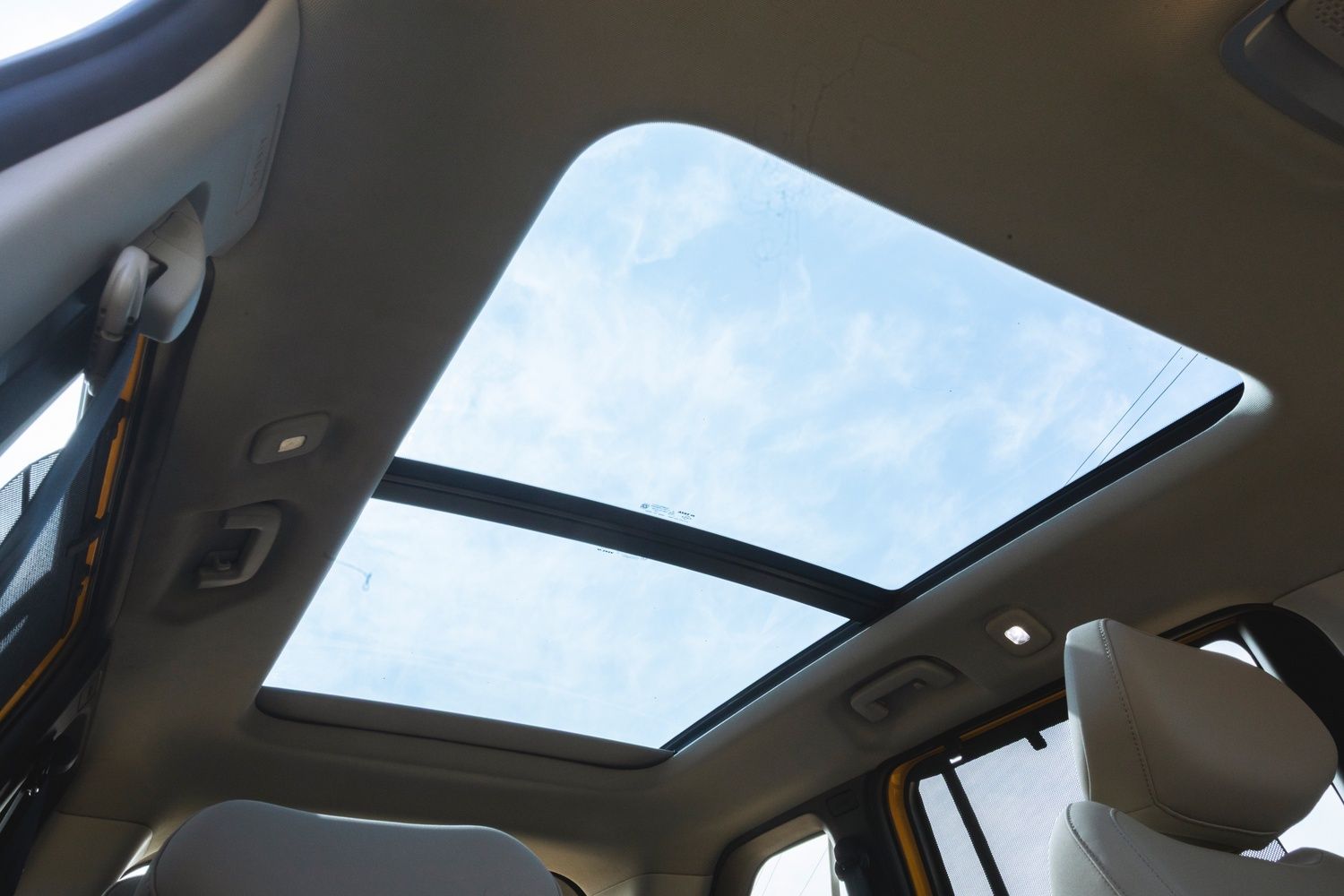
Rear seat space deserves particular mention. The 2,730mm wheelbase has been deployed intelligently; three adults can sit comfortably abreast, with knees and heads nowhere near contact with anything. There's a recline function for the backrest, a boss mode button that slides the front passenger seat forward, and window blinds. The panoramic sunroof extends unusually far back, flooding the cabin with light and giving rear passengers a view of the sky that echoes the original Sierra's expansive glasshouse. It's a thoughtful touch.
I drove only the 1.5-litre diesel automatic, which produces 118 horsepower and 280 Newton-metres when mated to the six-speed torque converter. Let me be frank: this is not an exciting powertrain. The turbo-petrol, which I didn't get to sample, would likely be my pick of the range for anyone who derives pleasure from the act of driving. But the diesel is adequate in a workaday sense, and for those prioritising fuel economy and long-legged highway cruising, it makes a certain kind of sense.
The climb to Morni Hills, about an hour northeast of Chandigarh, provided the diesel with enough challenges to reveal its character. The gradient rises steadily, the road quality deteriorates, and there are enough switchbacks to keep you honest. The engine never left me wanting for torque. Pull-out for an overtake, and there's enough shove arriving low enough in the rev range to get the job done. But you're never allowed to forget you're driving a diesel. There's a gruffness to the engine note, a vocal quality that intrudes even at moderate revs. It's not unrefined in the way diesels were a decade ago, but it lacks the almost petrol-like smoothness of the best modern oil-burners. The gearbox, meanwhile, is calibrated for comfort rather than urgency. Leave it in Drive and it'll shuffle through ratios seamlessly enough. Ask for quick downshifts via the paddle shifters and it takes its time considering your request.
What the Sierra does well, genuinely well, is ride. Even on the 19-inch wheels of my test car, which can introduce a slightly brittle edge over sharp-edged potholes, the overall composure is impressive. Broken tarmac approaching Morni was dismissed with the kind of insouciance that suggests serious engineering work in the suspension department. Higher variants get frequency-dependent dampers, and they earn their keep. Body roll exists, certainly—throw it into a corner with enthusiasm and you'll feel the Sierra leaning on its outside tyres—but it never feels uncontrolled. The steering is light and lacks genuine feedback, but it points the car where you want it to go without drama.
We stopped at Baba Chicken on the way back, an institution in these parts for anyone with an appetite for Punjabi food and a tolerance for crowds. The butter chicken arrived gleaming in its tomato-and-cream gravy, the dal makhani slow-cooked into something approaching velvet. I ate too much, as one does. The Sierra waited patiently in the car park, gathering stares from other diners.
Here is where I must temper my enthusiasm. The Sierra I drove exhibited some quality concerns that undermined its aspirations. These aren't deal-breakers, but they are details that matter, particularly when Tata is asking buyers to stretch beyond what a Creta or Seltos costs.
Tata has built something genuinely compelling here: a car with real presence, a cabin that punches above its weight, and driving manners that prioritise comfort over pretensions of sportiness. The foundation is strong. The design works. The intent is clear. What remains is execution. If Tata can tighten the screws—literally and figuratively—the Sierra could be something special. The bones are good. The face is unforgettable. Now they just need to ensure that every car leaving the factory matches the promise of the concept. The name demands nothing less.


