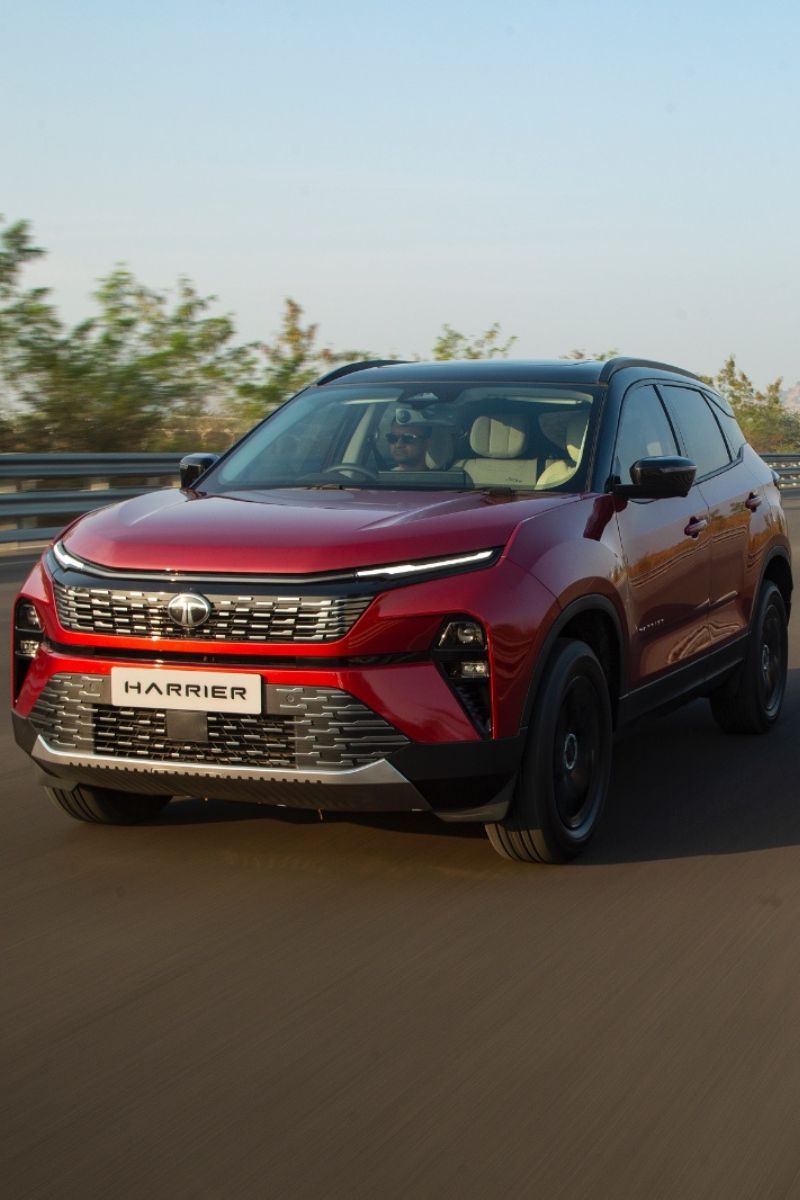
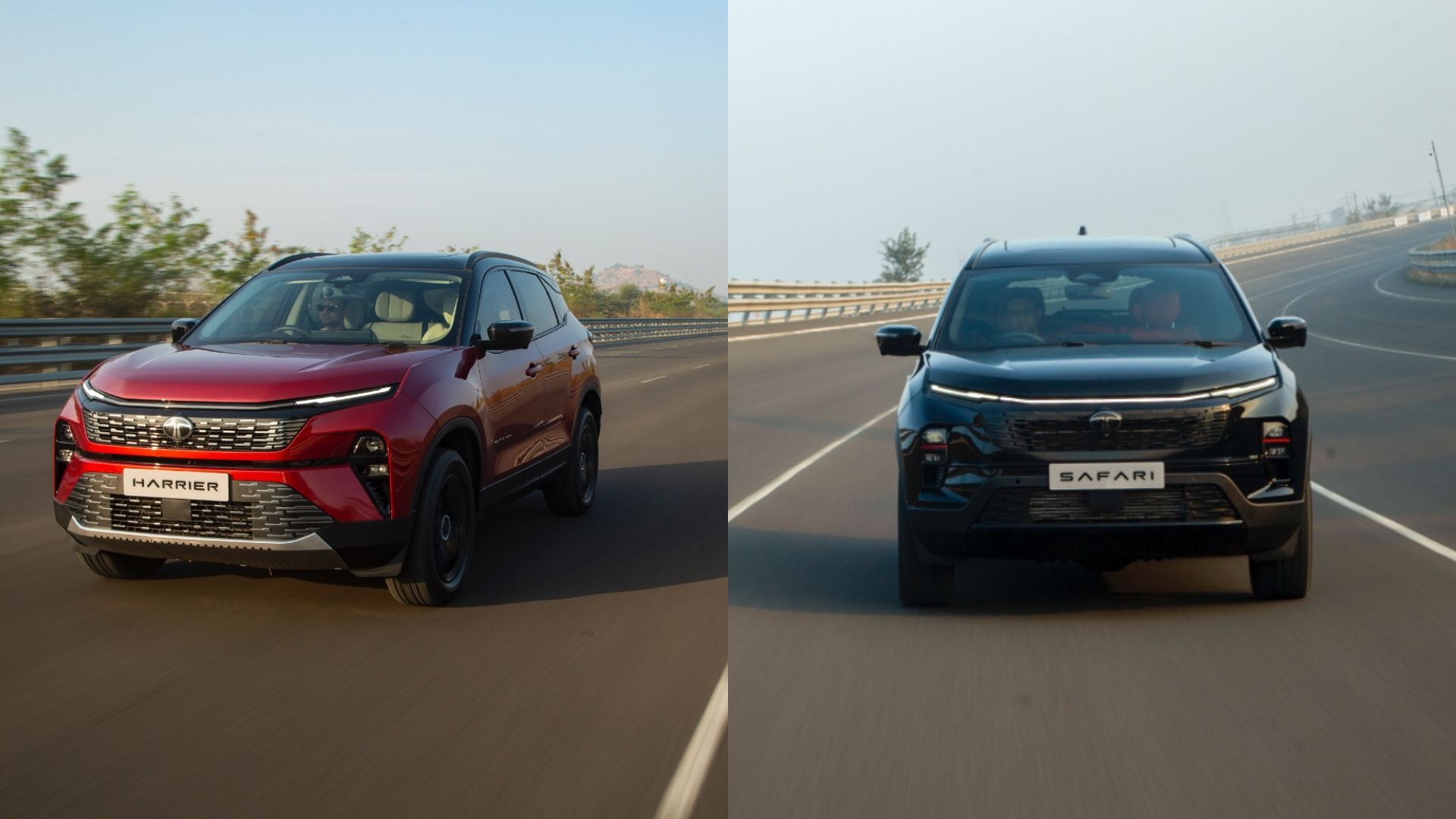
The sky over Faridabad that December morning was the colour of dishwater. Not fog, not cloud, but that particular NCR grey that coats everything in a film you can almost taste, the kind of air that makes you wonder why anyone would choose to test-drive anything here, let alone two large SUVs with a brand newengine. But there was something fitting about it. The Harrier and Safari have finally received a petrol motor, and a significant reason for its existence is the looming ten-year diesel ban across the National Capital Region. So here we were, breathing in the smog, driving the cure. Sort of.
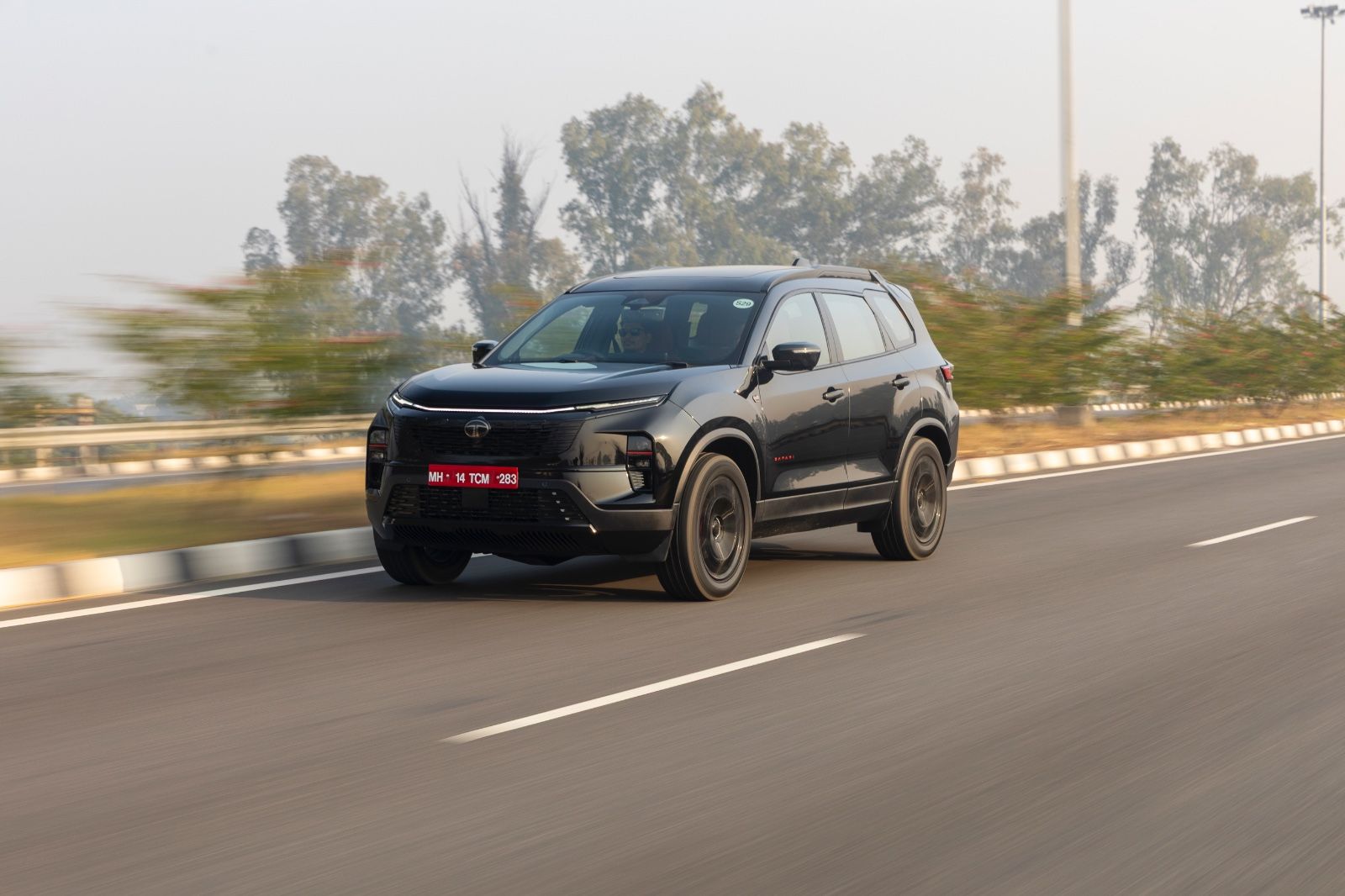
The engine is Tata's new Hyperion 1.5-litre turbo-petrol, which first appeared in the Sierra. For the Harrier and Safari, it's been massaged to produce 170PS at 5,000rpm and 280Nm between 1,750 and 3,500rpm, gains of 10 horses and 25Nm over its Sierra application. These numbers look modest for SUVs of this size, and on paper, you'd expect the motor to feel breathless. It doesn't. Tata's engineers have profiled the torque curve to deliver 160Nm from just 1,000rpm, and that early shove means the cars feel surprisingly willing from a standstill. There's no lag worth mentioning. The power delivery is linear rather than punchy, which is to say you won't get that mid-range surge that makes some turbo-petrols feel genuinely quick, but you also won't find yourself frustrated in traffic.
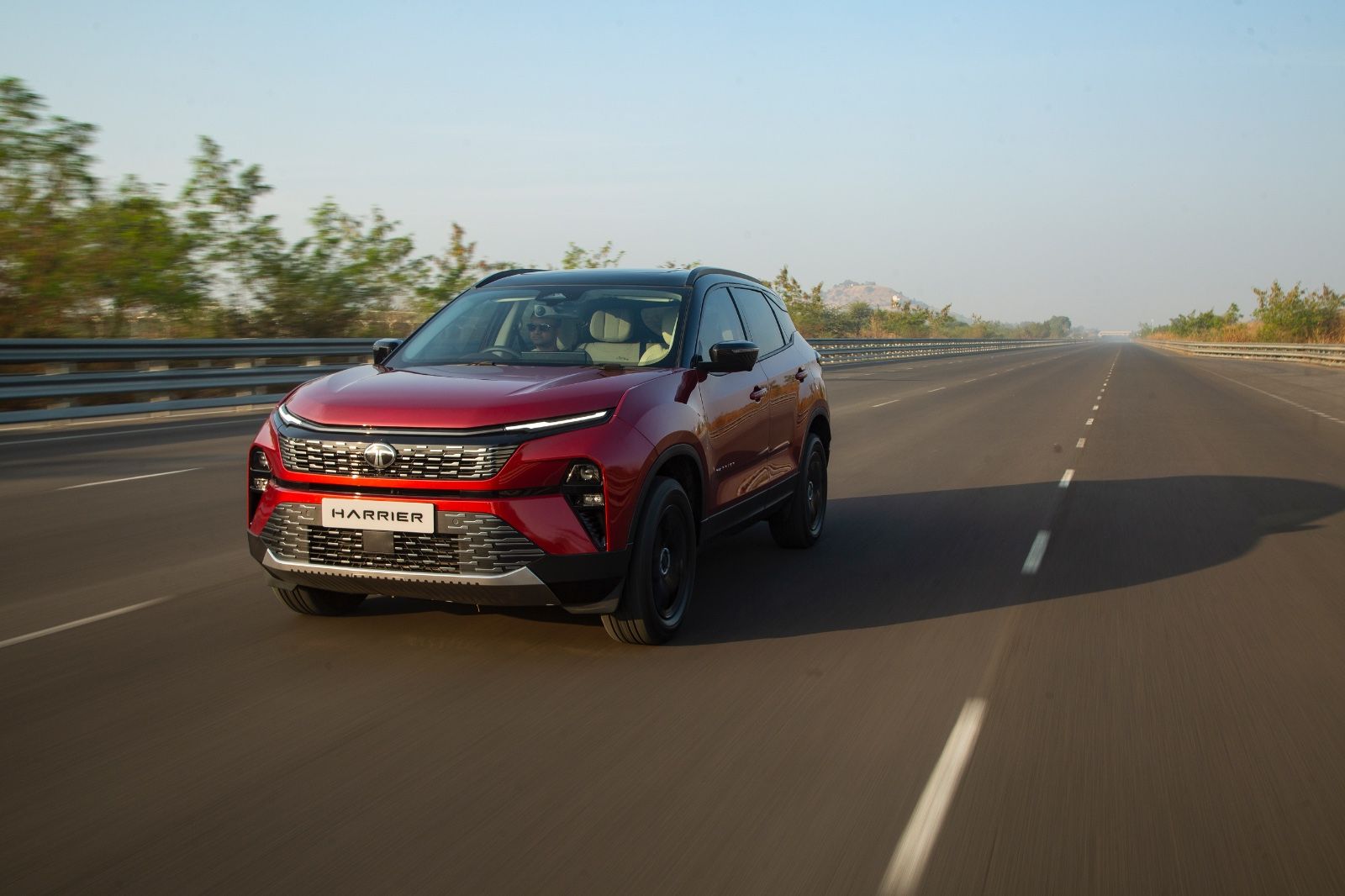
And traffic there was plenty of. The test route wound through Faridabad's industrial sprawl before hitting the Delhi-Mumbai Expressway, and in the stop-start chaos of the city, the Aisin-sourced six-speed torque converter automatic proved its worth. It shifts smoothly, almost imperceptibly, and the software does a decent job of keeping the engine in its productive rev range. You rarely need the paddle shifters. When you do use them, the transmission inexplicably switches to Sport mode and takes its time returning to Auto, a small annoyance that speaks to the kind of software quirks that persist across these cars. The manual gearbox is available if you want it, but the automatic is the one to buy.
Refinement is genuinely good. The engine is quiet enough that you'll forget it's a petrol until you dip below 1,500rpm in a high gear, at which point there's a faint thrum that creeps into the cabin. It never becomes coarse or unpleasant, but it's audible in a way that a truly refined petrol shouldn't be. Still, compared to the diesel's characteristic clatter, this is a revelation. The vibrations that used to filter through the steering wheel and pedals are gone. For buyers who've wanted these cars but couldn't stomach the diesel experience, here is their answer.
So who exactly is this answer for? Tata says roughly 30 percent of sales in this segment now come from petrol vehicles, and they want that slice. But the petrol Harrier and Safari aren't simply diesel alternatives. They're aimed at a specific buyer: someone whose monthly running is low enough that diesel efficiency doesn't matter, someone who prioritises smoothness over outright pulling power, someone in the NCR who doesn't want to worry about their car becoming unusable in eight years. The pricing, expected to land somewhere between ₹50,000 and ₹80,000 below the equivalent diesel variants, makes the maths work for that buyer. If you're doing 2,000 kilometres a month on highway trips, the diesel still makes sense. If you're doing 800 in the city, it doesn't.
The Harrier is the better driver's car, 80 kilograms lighter than its three-row sibling, and that weight saving shows in the way it changes direction. Body roll is well controlled, the steering is accurately weighted, and on the expressway it felt stable and composed at speeds that would have had me gripping the wheel harder in lesser SUVs. The ride quality is excellent, in the way the suspension absorbs broken tarmac without ever feeling floaty. The Safari shares these traits but carries them with more mass and, therefore, more inertia. One review noted surprising body roll in the Safari during hard cornering, and while I didn't push it that hard through Faridabad's dubious roads, I'd believe it.
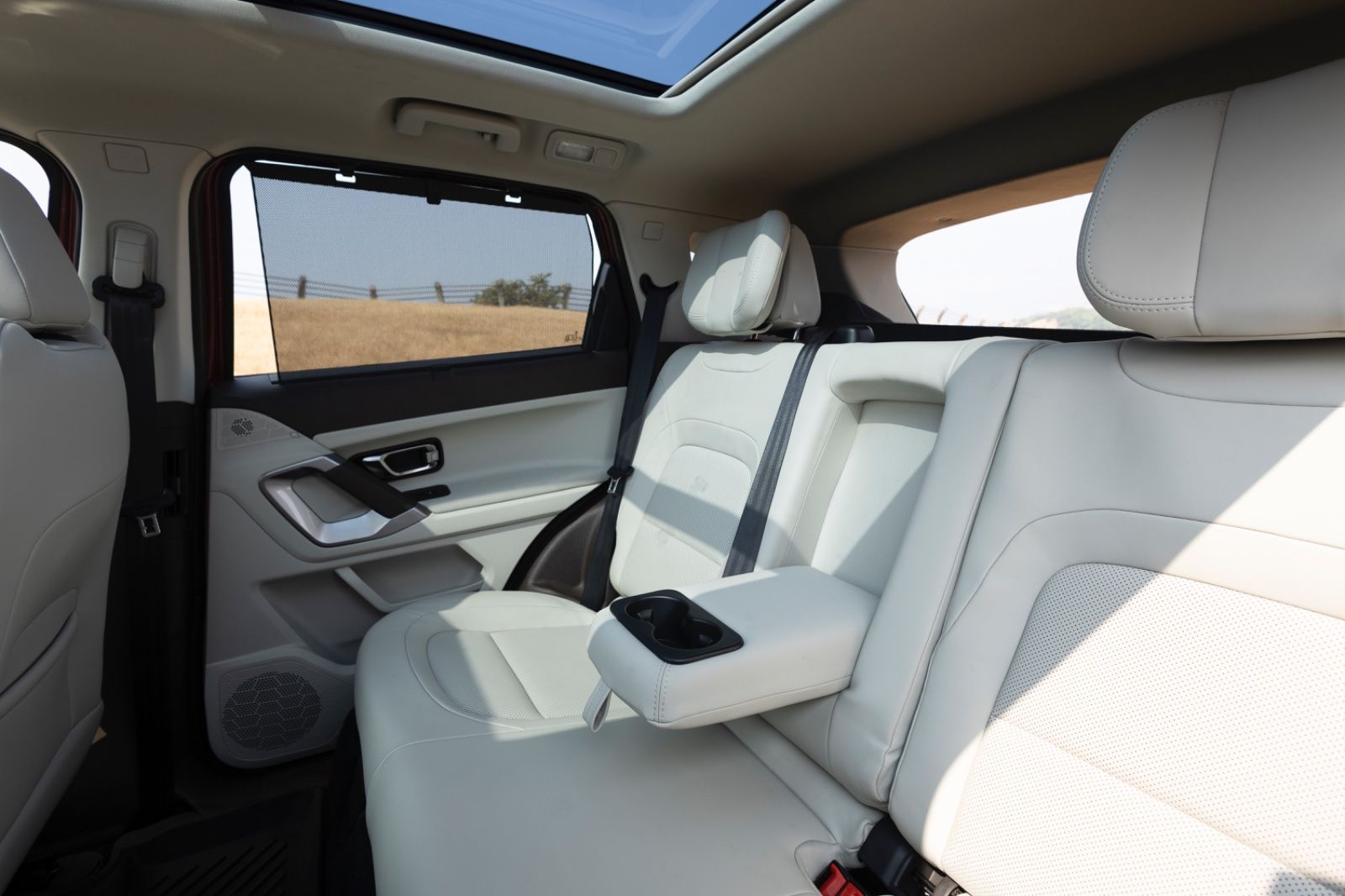
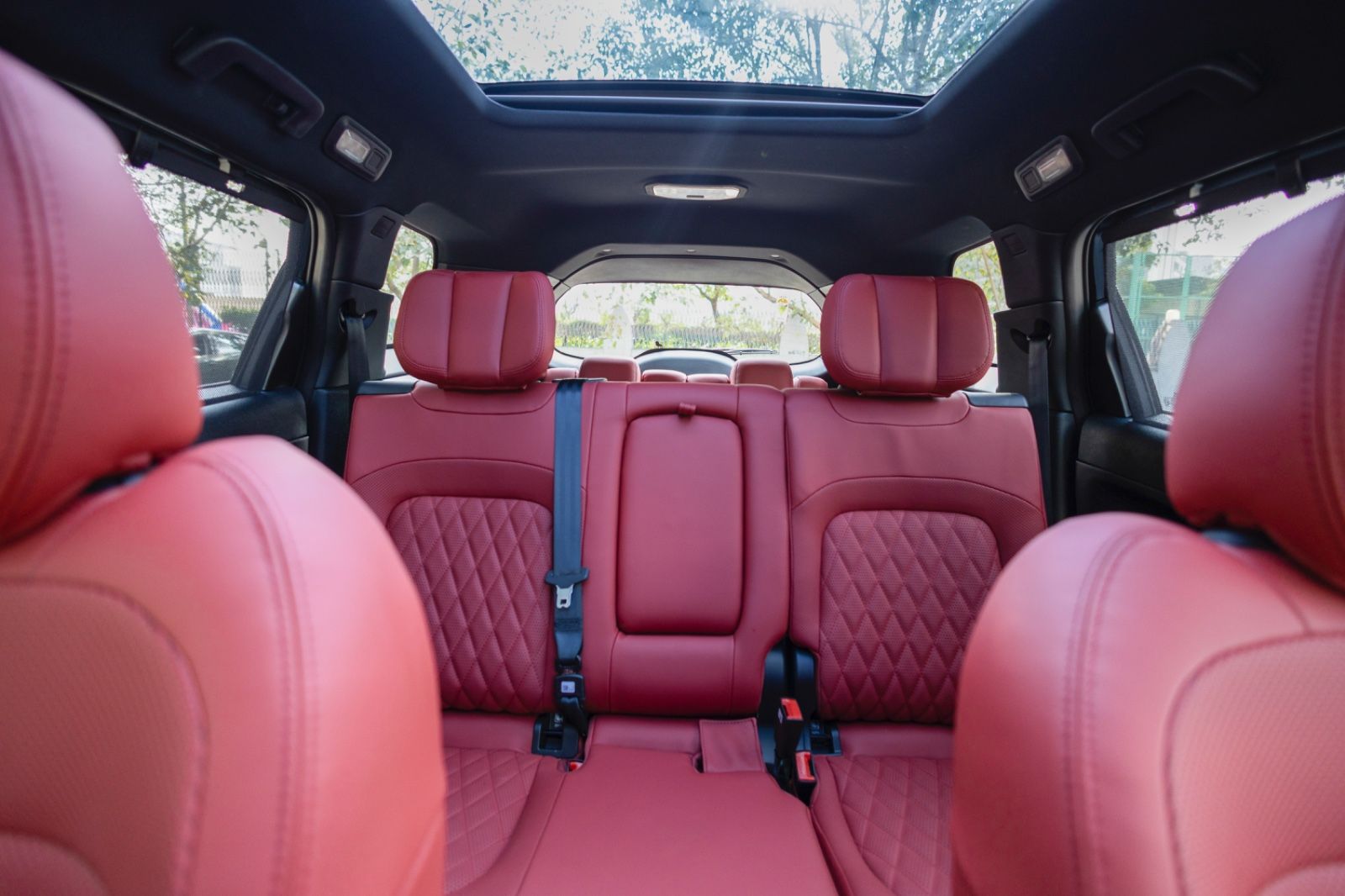
But the Safari offers something the Harrier can't: a third row. Whether that third row is actually usable depends on your definition of the word. There's genuine knee room back there if the middle row is slid forward, and dedicated AC vents with their own blower controls are a thoughtful touch. The problem is the seating position itself. You sit with your knees up, and adults will find it tolerable for short journeys rather than comfortable for long ones. Boot space with the third row deployed shrinks to weekend-bag territory. With them folded, you get a proper 680 litres. The Safari makes sense if you occasionally need to carry six or seven people and don't need them to arrive happy. The Harrier makes sense if you never do.
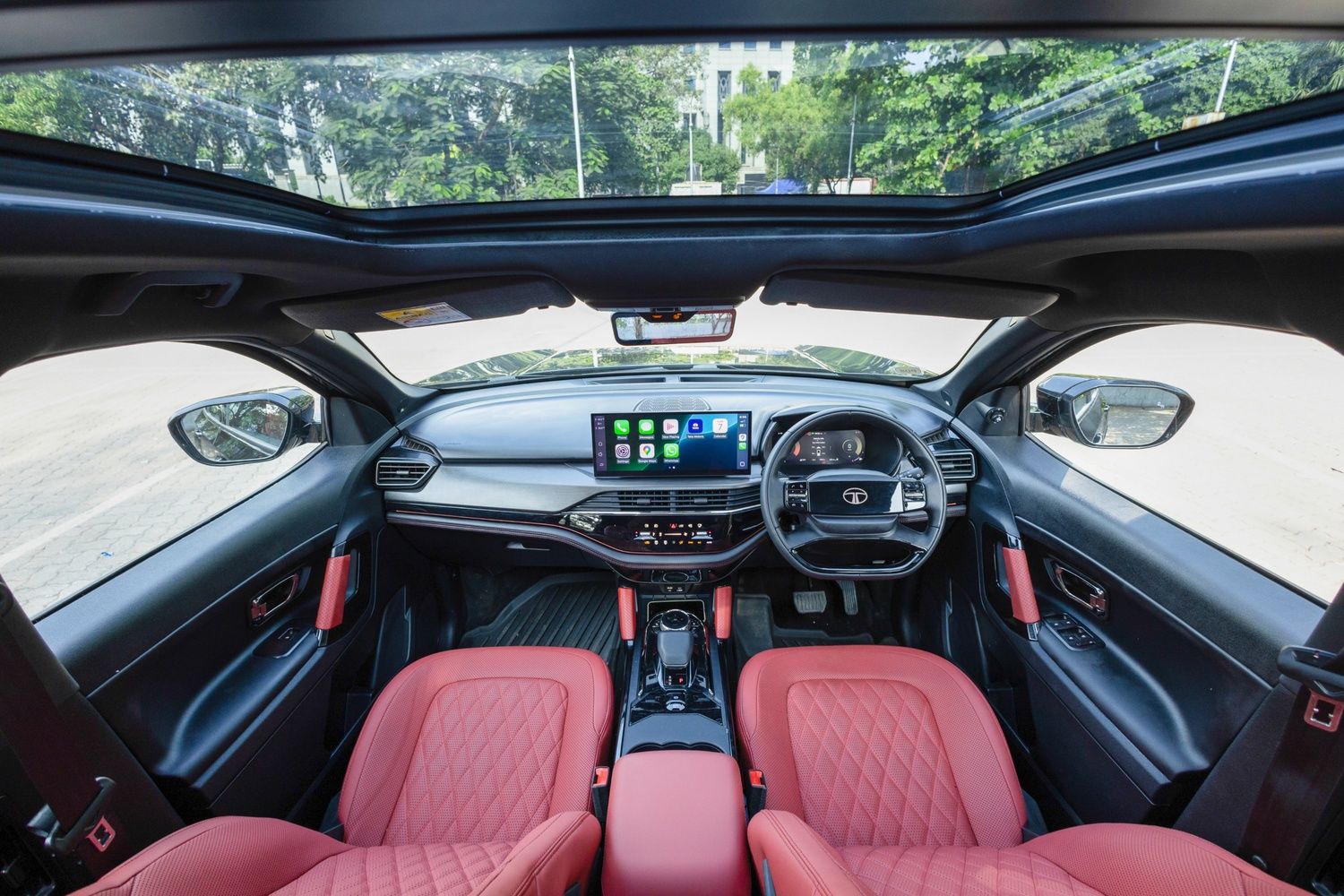
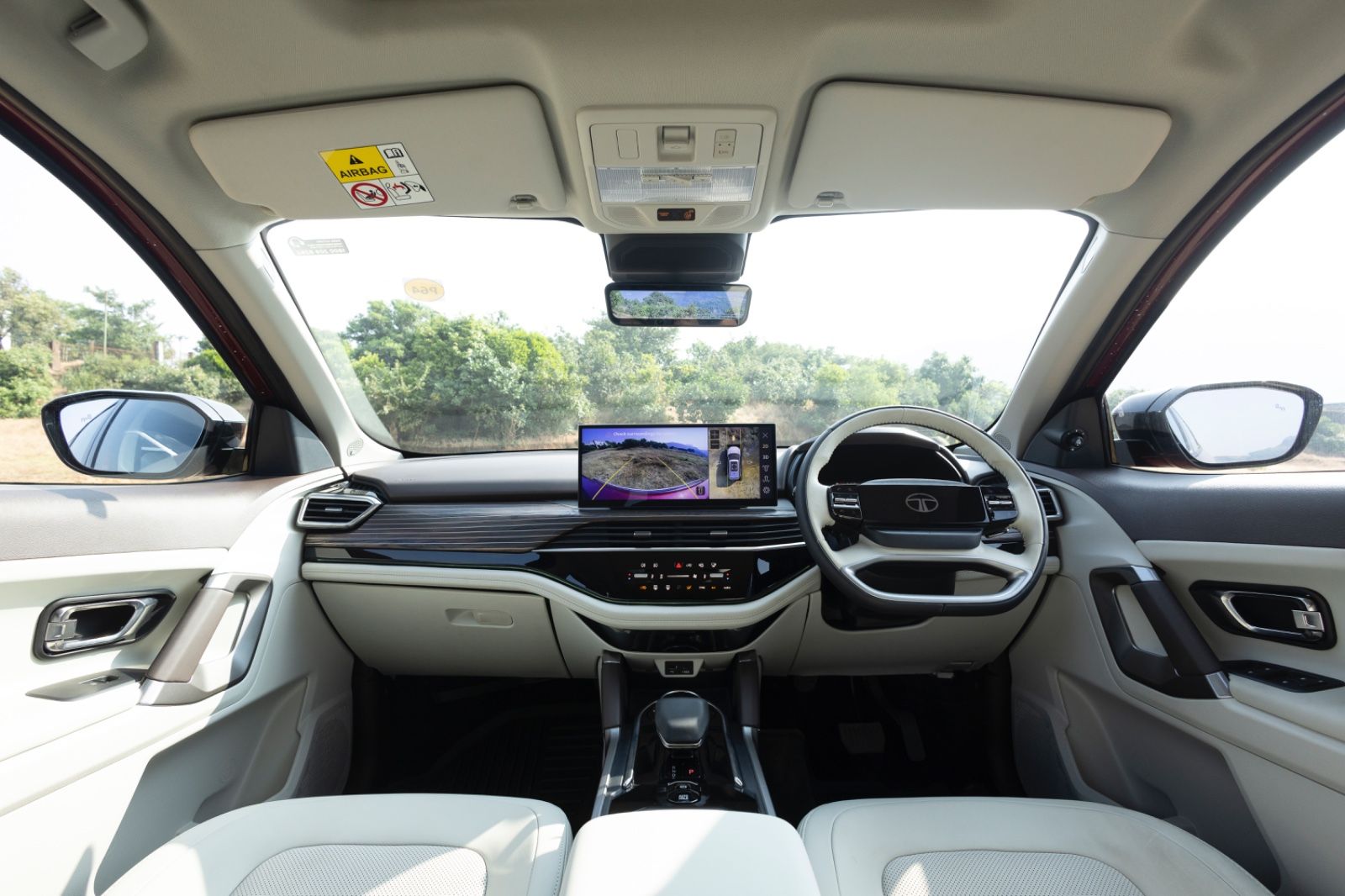
Inside, both cars have gained features from the Harrier EV, including a 14.53-inch Samsung Neo QLED infotainment screen that's sharp and responsive, a digital rearview mirror that doubles as a dashcam, and camera washers for the 360-degree system. The JBL sound system with Dolby Atmos sounds genuinely impressive. But a few ergonomic problems remain. The wireless charger is awkwardly placed behind the terrain mode selector. The digital instrument cluster is set too far into the dashboard, making the small fonts hard to read at a glance. The touch-based HVAC controls are fiddly on the move. And the centre console's edge has a talent for finding your knee over broken roads. These are not deal-breakers by any stretch and need some getting used to.
The smog lifted slightly as we hit the expressway, that grey dishwater thinning to something almost translucent. At triple-digit speeds, the Safari felt planted, the damping excellent, the cabin quiet enough for conversation. This is where these cars shine. Long-distance cruising. Highway miles. The kind of driving that makes you forget you're in something built to a budget.
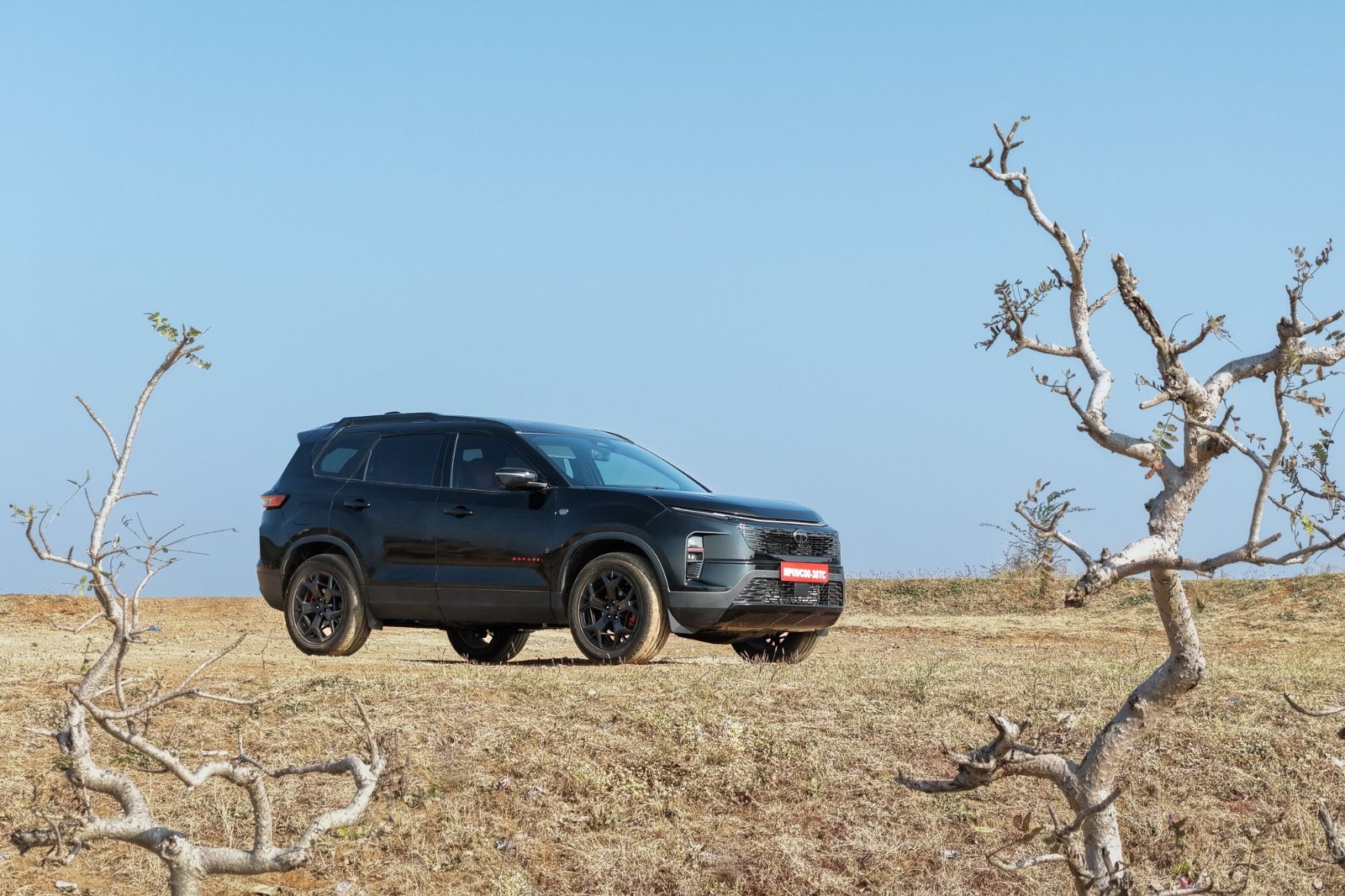
The petrol Harrier and Safari are good cars that have just become better suited to a larger audience. The engine exceeds expectations without ever thrilling, the automatic gearbox is well matched, and the refinement is a genuine step forward. They're not for everyone. If you need the torque for towing or the efficiency for high mileage, the diesel remains the logical choice. But for urban buyers who want presence without the diesel compromises, for NCR residents eyeing the ban with nervousness, for anyone who's been waiting for Tata to offer a petrol option in this segment, the wait is over.
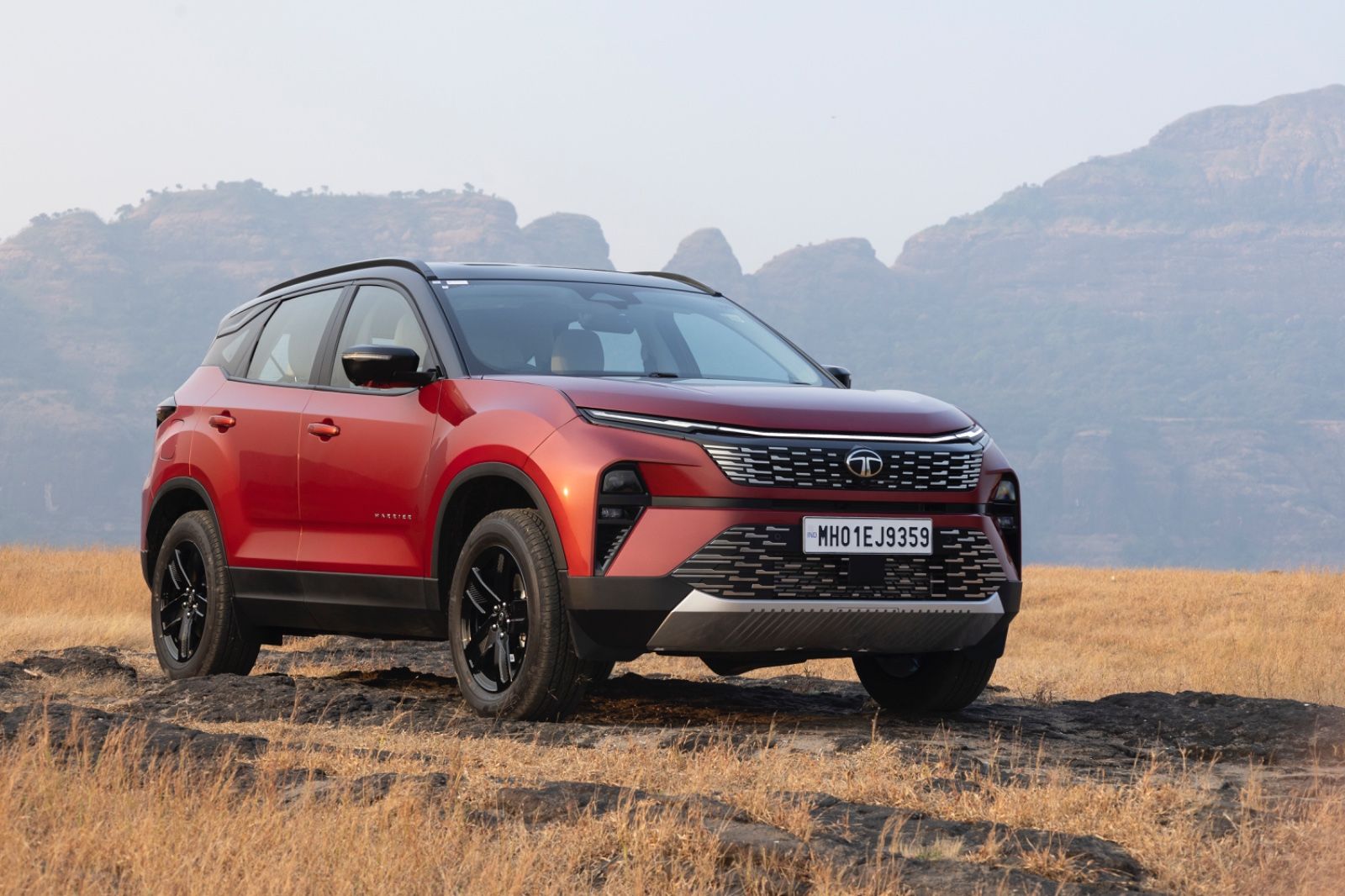
I drove back through Faridabad as the light faded, the smog thickening again, the air quality index climbing toward the hazardous end of the scale. Somewhere out there, a government committee is probably debating whether to extend the diesel ban, or tighten it, or forget about it entirely. The petrol Harrier and Safari exist because of that uncertainty. Which might be the most honest reason any car has ever been built.


