For the longest time, the future of electric mobility looked suspiciously expensive. It looked like Silicon Valley presentations and Scandinavian minimalism. It looked like six-figure sedans gliding silently through cities with perfect roads and functioning public infrastructure. The global EV conversation revolved around cars because cars have always dominated the imagination of mobility.
Meanwhile, in India, millions of people were still doing what they had always done. They were buying scooters. For office commutes, grocery runs, college rides, school drops, delivery jobs, first dates, and entire family economies. In India, two-wheelers are not secondary vehicles. They are the backbone of mobility itself, with more than 20 million units sold annually. Which is precisely why the country's electric revolution did not begin with futuristic cars at inaccessible prices. It began in traffic.
And somewhere between Bengaluru's startup culture, Pune's engineering ecosystem, rising fuel prices, brutal urban congestion and a generation of founders who believed India deserved better products, the country quietly became the world's most important electric two-wheeler market.
Valued at around $1.65 billion today and projected to grow to nearly $18 billion by 2032, the sector has evolved from a niche experiment into one of the most consequential mobility transformations happening anywhere in the world.
Because nowhere else are electric two-wheelers being tested and evolving at this scale, under these conditions, thanks to consumers this demanding to a certain extent. In FY2025 alone, Indians bought more than 1.14 million electric scooters and motorcycles, accounting for roughly 58 per cent of all EV sales in the country. This is a growth of roughly 303 per cent, compared to the numbers from 2022. Just a few years ago, the category was still fighting for legitimacy. Today, it is shaping the future of urban mobility.
How It Started
Before electric scooters became aspirational, they were largely seen as appliances. The first generation of Indian EV companies focused on affordability above all else. Many relied heavily on imported Chinese platforms and components, bringing electric mobility to Indian consumers but doing little to change perceptions about what an EV could be. The products were functional enough, but they were rarely desirable. Electric scooters were bought to save money, not because anyone particularly wanted one.
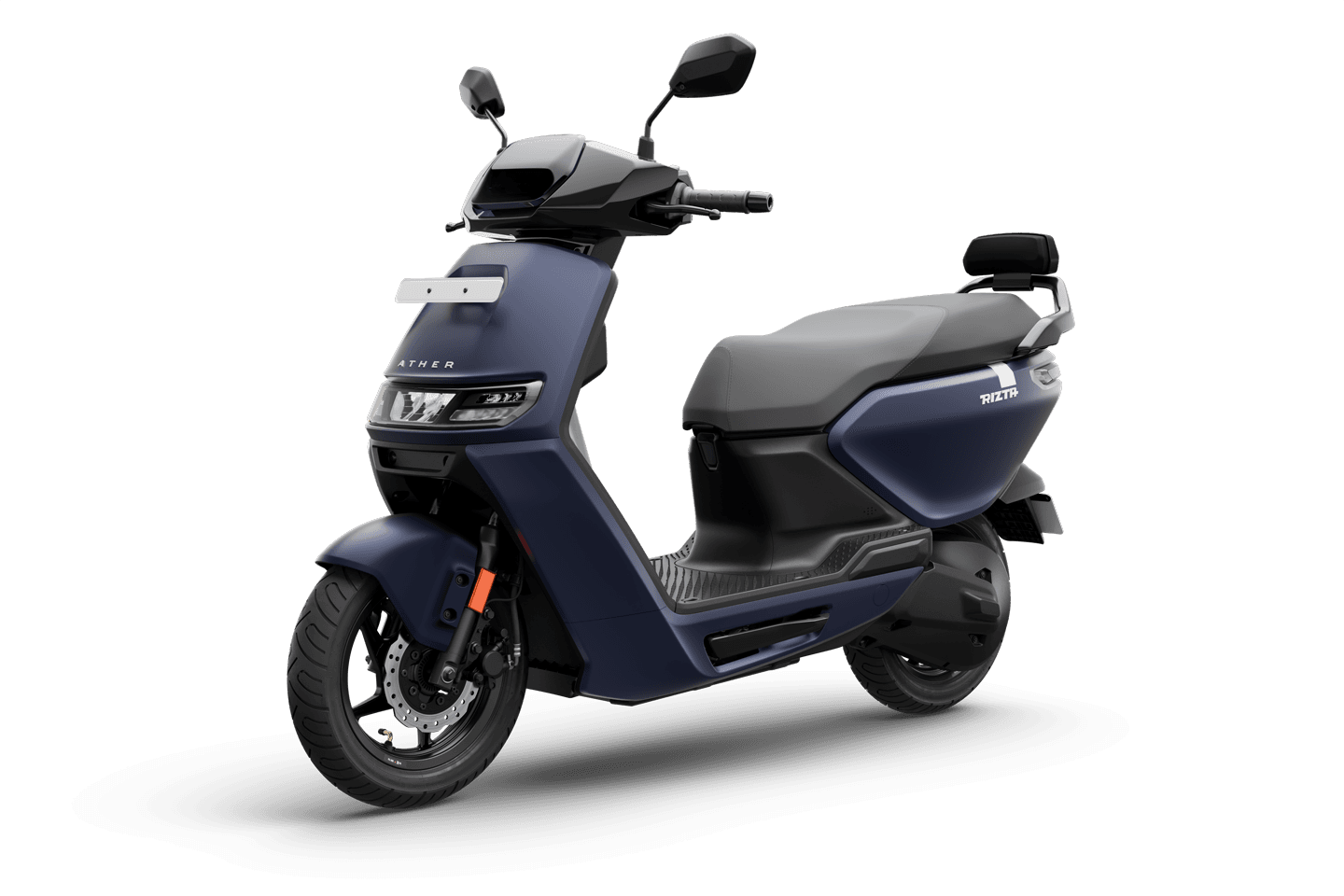
Then came Ather. Founded in 2013 by IIT Madras graduates Tarun Mehta and Swapnil Jain, Ather Energy took a dramatically different approach. Rather than importing ready-made scooters and adapting them for India, the company spent years building its products from the ground up. Battery packs, software, vehicle architecture, charging infrastructure and the ownership experience itself were all treated as part of the same product. It was slower. It was significantly more expensive. It was also transformative.
The Ather 450 felt less like a traditional scooter and more like a piece of consumer technology. The touchscreen dashboard, connected features, navigation integration and over-the-air software updates made it feel closer to a smartphone on wheels than a commuter vehicle.
“At Ather, we have always believed an electric scooter should feel exciting, intuitive, and constantly evolving,” says Ravneet Phokela, Chief Business Officer at Ather Energy. “Almost like a consumer technology product rather than just a functional vehicle.”
Ather's significance extended beyond the scooter itself. While many companies focused purely on selling vehicles, the Bengaluru-based startup also invested heavily in building Ather Grid, one of India's first dedicated EV charging networks. Long before charging infrastructure became a national conversation, Ather understood that consumers needed confidence as much as they needed products.
Then Ola Electric arrived and changed the scale of the conversation entirely. If Ather proved electric scooters could be desirable, Ola proved they could be mainstream.
Armed with deep pockets, aggressive pricing, massive marketing campaigns and ambitions that stretched far beyond scooters, Ola transformed EVs from a niche urban curiosity into a national talking point. Its Futurefactory became symbolic of a new era of Indian manufacturing, while its products generated a level of public interest few two-wheelers had achieved before. The company recorded 100,000 bookings within the first 24 hours of opening reservations, making it the most pre-booked scooter in the world at the time. Fueling that momentum was a token booking amount of just ₹499, which lowered the barrier to entry and encouraged a wave of early reservations. The company's rise was meteoric. Within a few years, it had captured roughly a third of India's electric scooter market and forced competitors, suppliers and investors to take the category seriously.
Not everything went according to plan though. Rapid growth exposed manufacturing challenges, quality concerns and service-related complaints. But even critics would struggle to deny the company's impact. Electric scooters were no longer niche. They were impossible to ignore.
David Made Goliath Move
The popular narrative suggests India's EV market took off when Bajaj, TVS and Hero entered the segment. The reality is almost the opposite. Bajaj, TVS and Hero entered because startups had already proven the market existed.
Over the past decade, a new generation of founders expanded the definition of what an electric two-wheeler could be. Ather focused on technology. Ola focused on scale. While startups like River focused on utility and Ultraviolette on performance. Together, they created a market that legacy manufacturers could no longer afford to ignore.
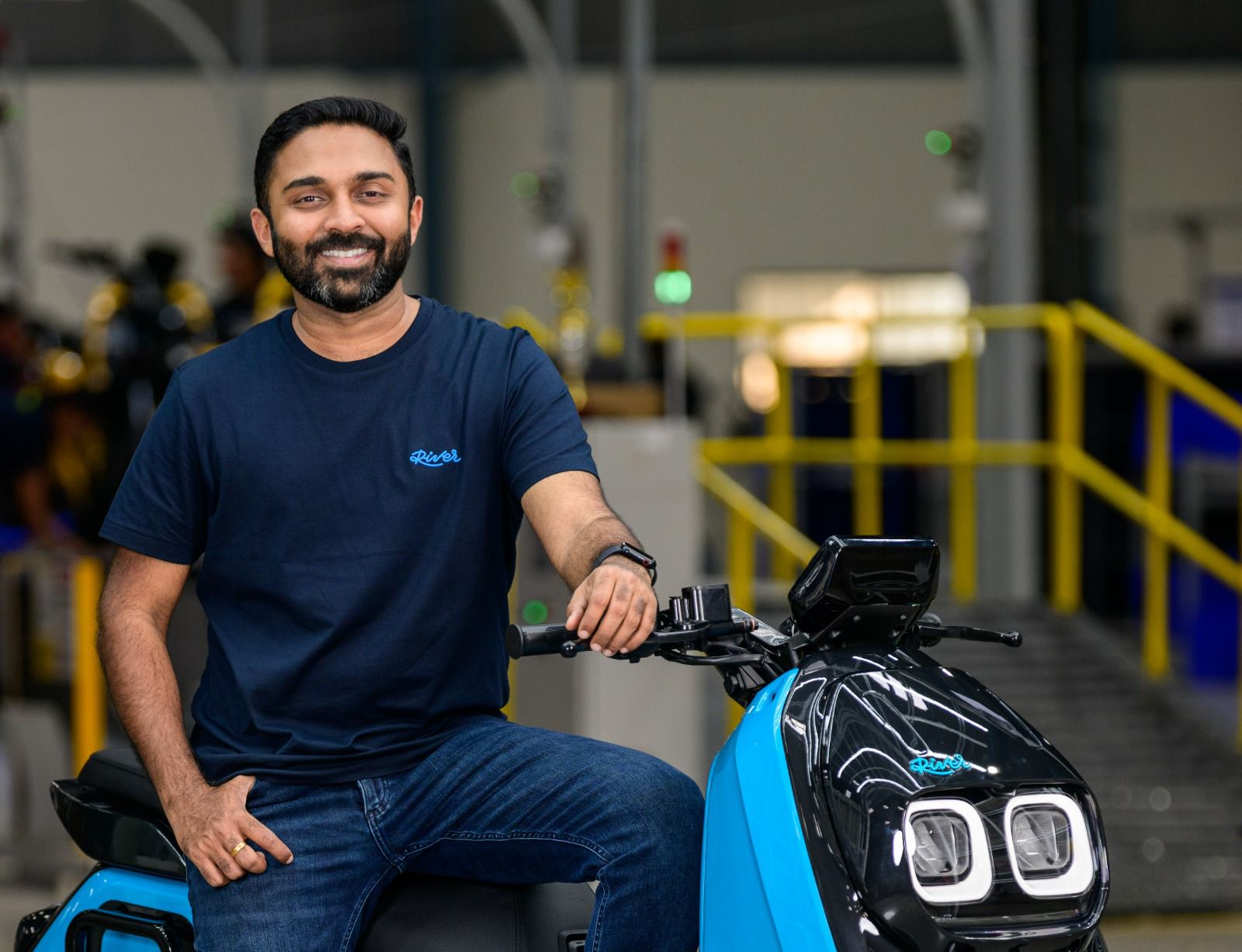
Aravind Mani, co-founder and CEO of River Mobility
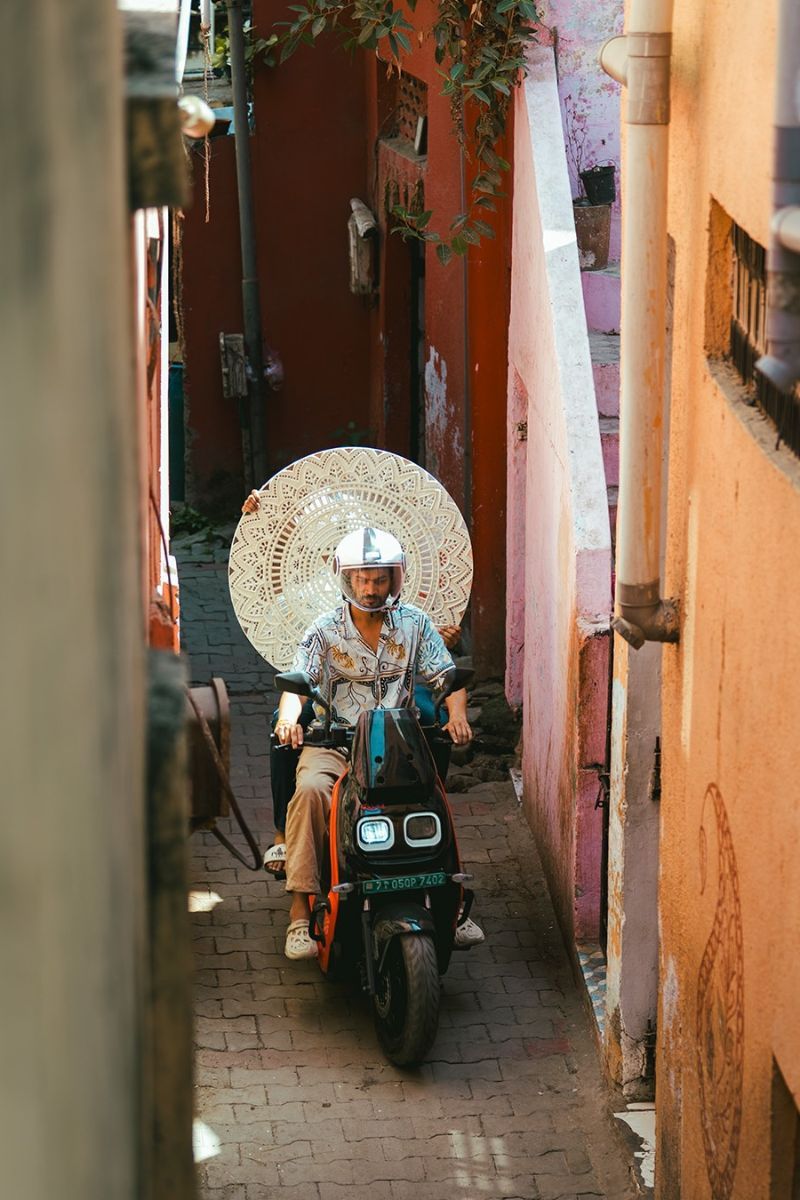
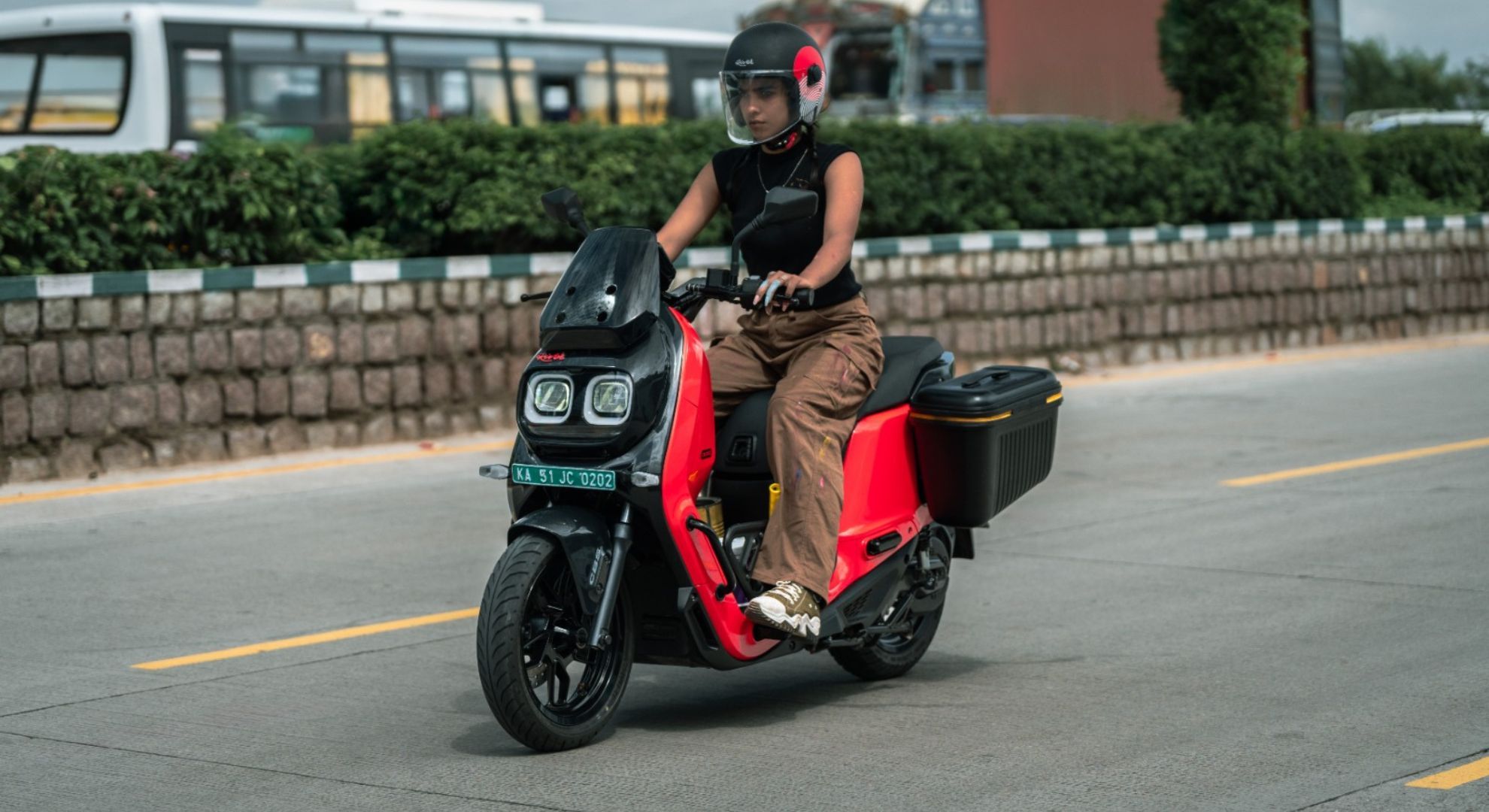
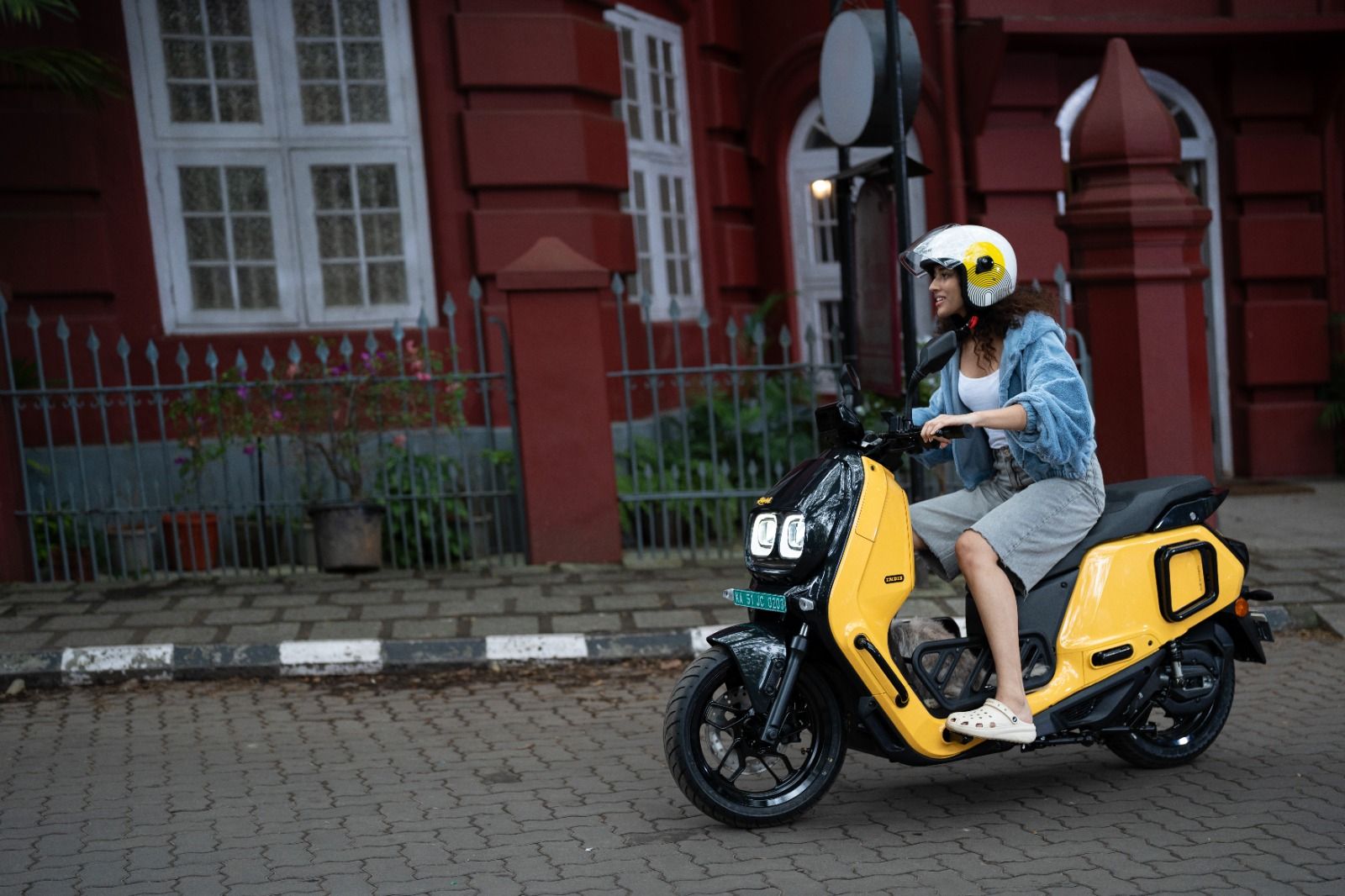
River Mobility offers perhaps the clearest example of how Indian startups began building products specifically for Indian realities. While much of the industry focused on futuristic styling and headline-grabbing specifications, River's Indie scooter prioritised storage, practicality and durability.
The Indie has been designed with overloaded commutes, monsoon grocery runs and years of daily abuse in mind without compromising its lifestyle appeal. “People often assume efficiency is the only thing that matters in electric vehicles,” said Aravind Mani, co-founder and CEO of River Mobility. “But for Indian customers, durability and reliability matter just as much.” “We made a very rugged, robust electric vehicle,” said Mani. “We are heavier. We are rugged. We are robust. As a result, we are also less efficient. That's a compromise we've taken to create a brand identity.”
Ultraviolette took the opposite approach. Its F77 motorcycle demonstrated that India could build electric machines that were aspirational rather than merely economical. Aggressive styling, high performance and advanced technology helped position the company as one of India's most ambitious automotive startups.
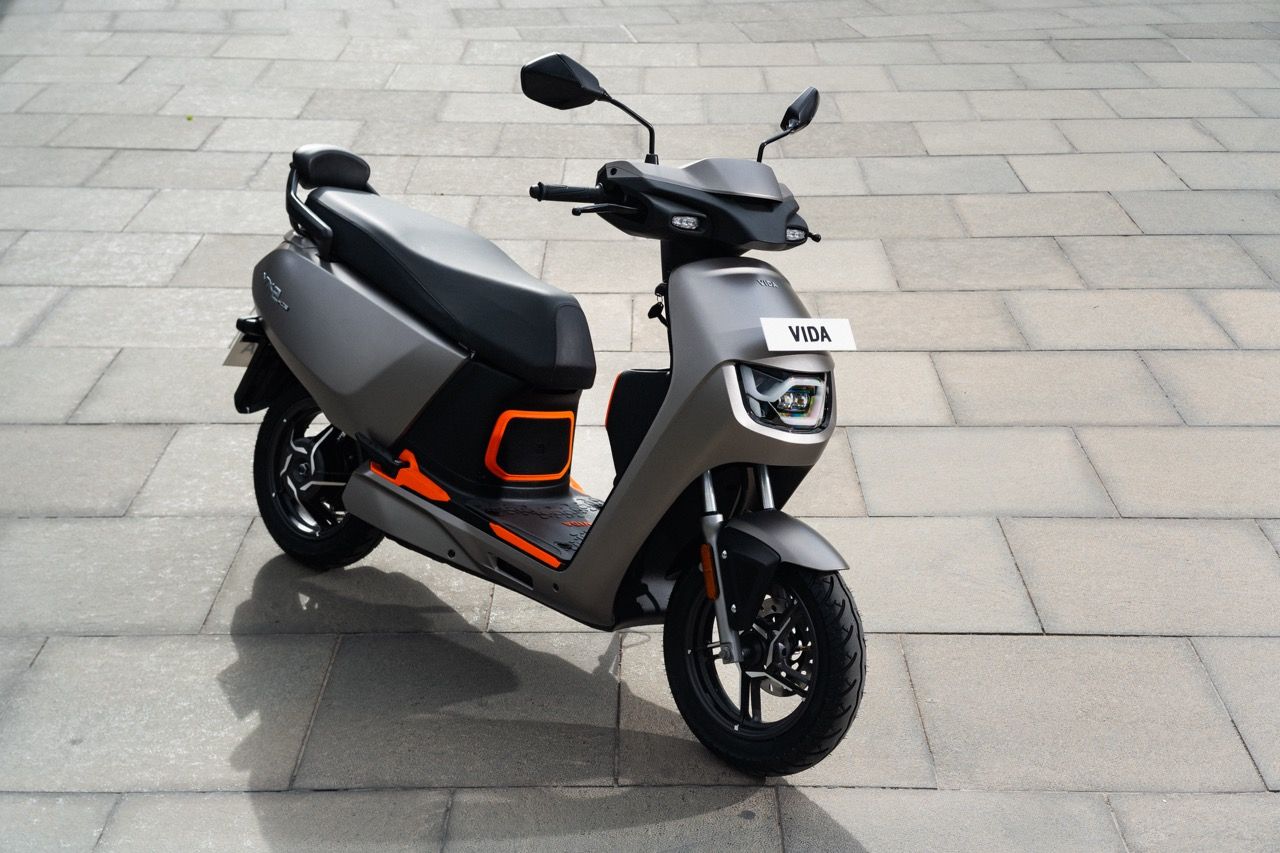
As startups pushed the category forward, established manufacturers responded. TVS aggressively expanded the iQube range. Bajaj transformed the iconic Chetak into one of the country's most successful electric scooters. Hero MotoCorp launched VIDA while simultaneously investing across the wider EV ecosystem.
By FY2025, the market had evolved into a genuine five-way contest. Ola commanded roughly 30 per cent market share, followed by TVS at 21 per cent, Bajaj at 20 per cent and Ather at just over 11 per cent. Hero MotoCorp's Vida business remained smaller but was emerging as a credible challenger, as legacy manufacturers increasingly leveraged their dealer networks, manufacturing scale and brand trust to close the gap with early EV pioneers.
India's Greatest EV Strength Is That Nothing Here Is Easy
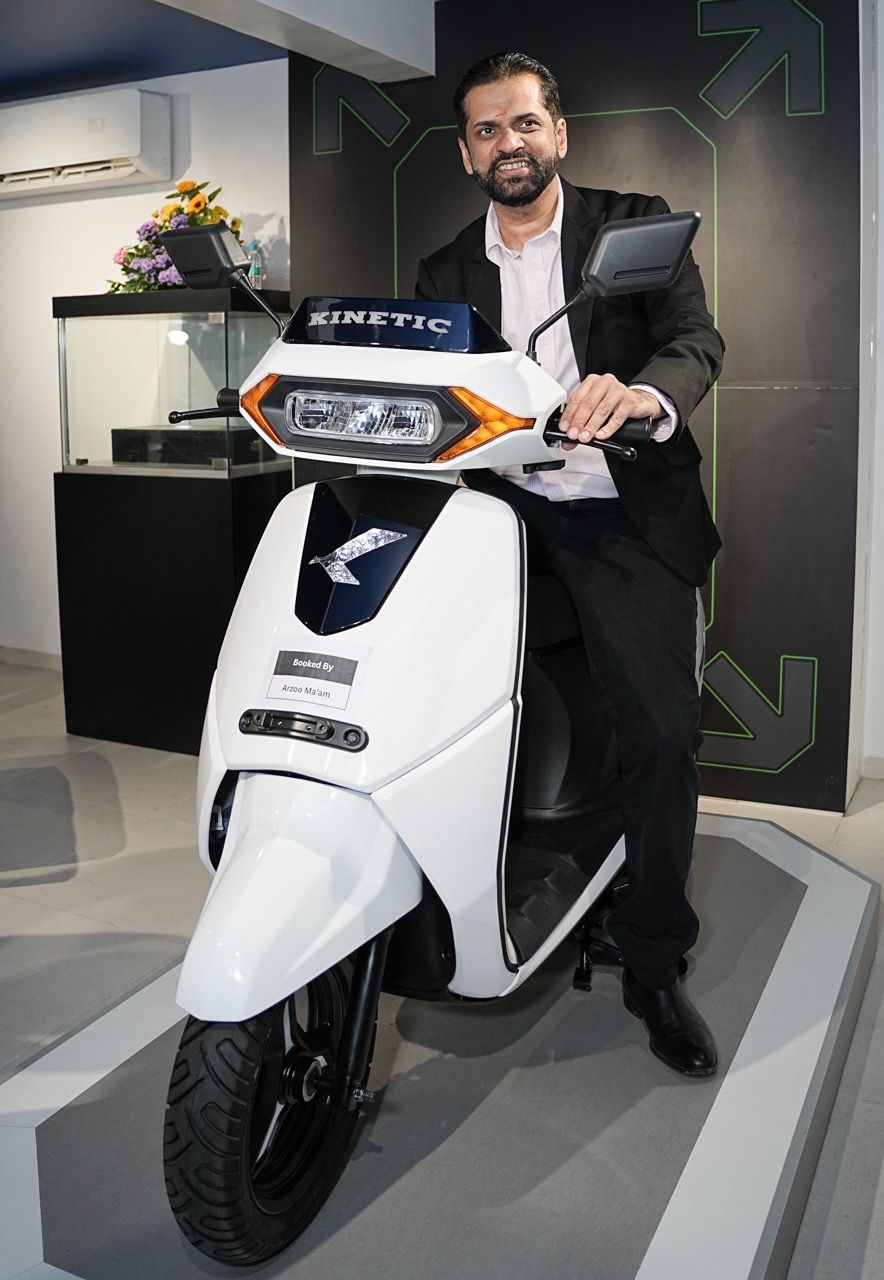
Ajinkya Firodia, Vice Chairman & Managing Director, Kinetic Watts
For all the excitement surrounding India's EV sector, its greatest advantage may actually be the challenges it faces. “India has always had a unique strength in building for reality rather than theory,” said Ajinkya Firodia, Vice Chairman of the Kinetic Group. “Our products are expected to perform in dense cities, unpredictable traffic, uneven roads, extreme weather, and highly value-conscious environments.”
Firodia believes that pressure has created a uniquely Indian approach to innovation. “We do not have the luxury of designing only for ideal conditions,” he said. “We design for life as it is actually lived.” That observation helps explain why India's EV ecosystem is increasingly attracting global attention.

Kausalya Nandakumar: Chief Business Officer - Emerging Mobility Business Unit, Hero MotoCorp
Similarly, Kausalya Nandakumar, Chief Business Officer of Hero MotoCorp's Emerging Mobility Business Unit, believes India's EV story is no longer simply about volume. “India’s emergence as a global two-wheeler EV hub is not merely about production volume,” she said. “It is a testament to an ecosystem that prioritises human-centric innovation and long-term sustainability.”
China still dominates the EV conversation through sheer manufacturing scale. Its supply chains are faster, its battery ecosystem is more mature, and companies like BYD have fundamentally reshaped global EV production.
India is solving a different problem. China's ecosystem was built around manufacturing efficiency. India's is being shaped by behavioural chaos. Dense cities. Broken roads. Wild weather swings. Consumers who expect machines to survive a decade of punishment.
Challenges Along The Ride
Every revolution eventually collides with reality.
Ola's growing pains became a reminder that building hardware companies is significantly harder than building software businesses. Scaling production, maintaining quality and creating nationwide service networks proved far more difficult than launching products. Infrastructure remains another challenge.
Charging networks have expanded rapidly, but range anxiety continues to influence purchasing decisions, particularly outside major metropolitan centres.
This is where Ather deserves significant credit. While many startups focused solely on vehicles, Ather invested heavily in building charging infrastructure, recognising that consumers needed confidence as much as they needed scooters.
Government policy has also tested the industry's resilience. In 2023, incentives for electric two-wheelers were sharply reduced, with subsidies falling from as much as 40 per cent of vehicle cost to 15 per cent. Many feared demand would collapse. Instead, the industry adapted.
Companies improved localisation, reduced costs and built products capable of standing on their own merits.
“What is becoming increasingly clear is that the next phase of EV growth will not be driven by incentives alone,” said Phokela. “Growth will come from building stronger products, wider distribution, better service networks, and stronger consumer confidence.”
The industry is also approaching a period of consolidation.
“When we were raising capital back in 2020 and 2021, we were asking investors to fund us and wait two years before we even started selling vehicles,” Mani said. “The Indian venture ecosystem is not really used to that.”
Unlike software startups, EV companies require factories, supply chains, service networks and years of patient capital.
“If you are not in the top 10 or top 12 in the next five years, maybe you won't exist,” Mani said bluntly. India's EV gold rush has produced dozens of startups. Most of them probably will not survive.
The Global Industry Is Starting To Pay Attention
The strongest validation for India's EV ecosystem may not be domestic sales. It is of global interest.
Ferrari-backed investment firms have backed Ultraviolette. Ather has successfully made its way to the public markets. International investors are increasingly viewing Indian EV startups as serious technology and mobility businesses rather than low-cost manufacturing plays.
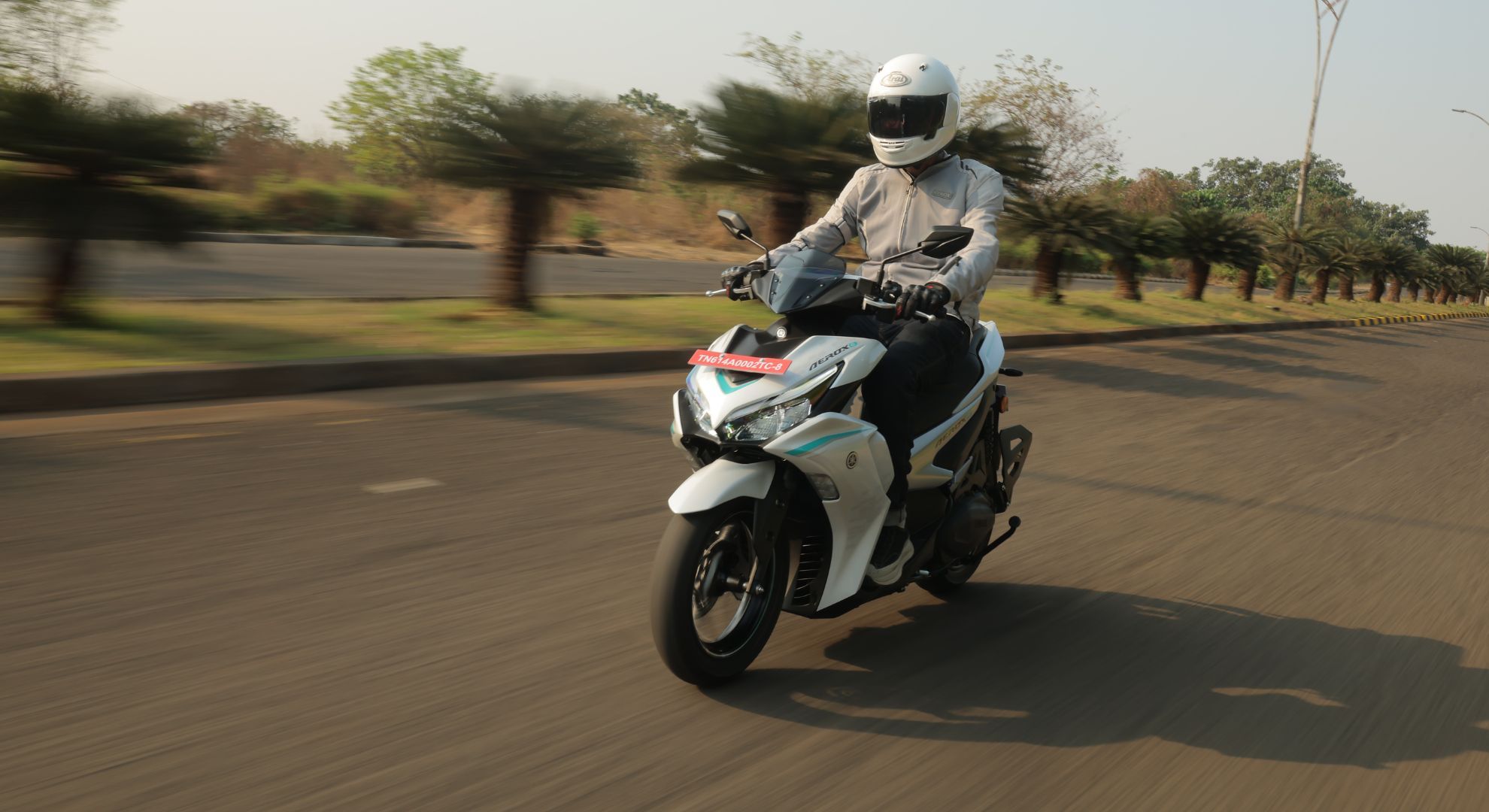
River's relationship with Yamaha Motor Company is perhaps the clearest example of this shift.
“They are an equity investor,” Mani explained. “They came and invested in the company and then we started talking about whether we could do something together.”
Investment first. Collaboration later. That sequence suggests global manufacturers increasingly see Indian startups as sources of innovation rather than simply manufacturing partners.
Investors are following that momentum. Ather's IPO became one of India's most closely watched mobility listings, while Ultraviolette's ongoing Series E round, which raised $45 million (around ₹404 crore) from Zoho Corporation and Lingotto, the investment firm backed by Ferrari owner EXOR, signalled growing international confidence in Indian engineering talent
Perhaps the most encouraging sign is that new players continue to arrive. Companies such as Simple Energy and Oben Electric are still launching products, attracting capital and betting on the future of electric mobility.
The Next EV Battle Won't Be About Price
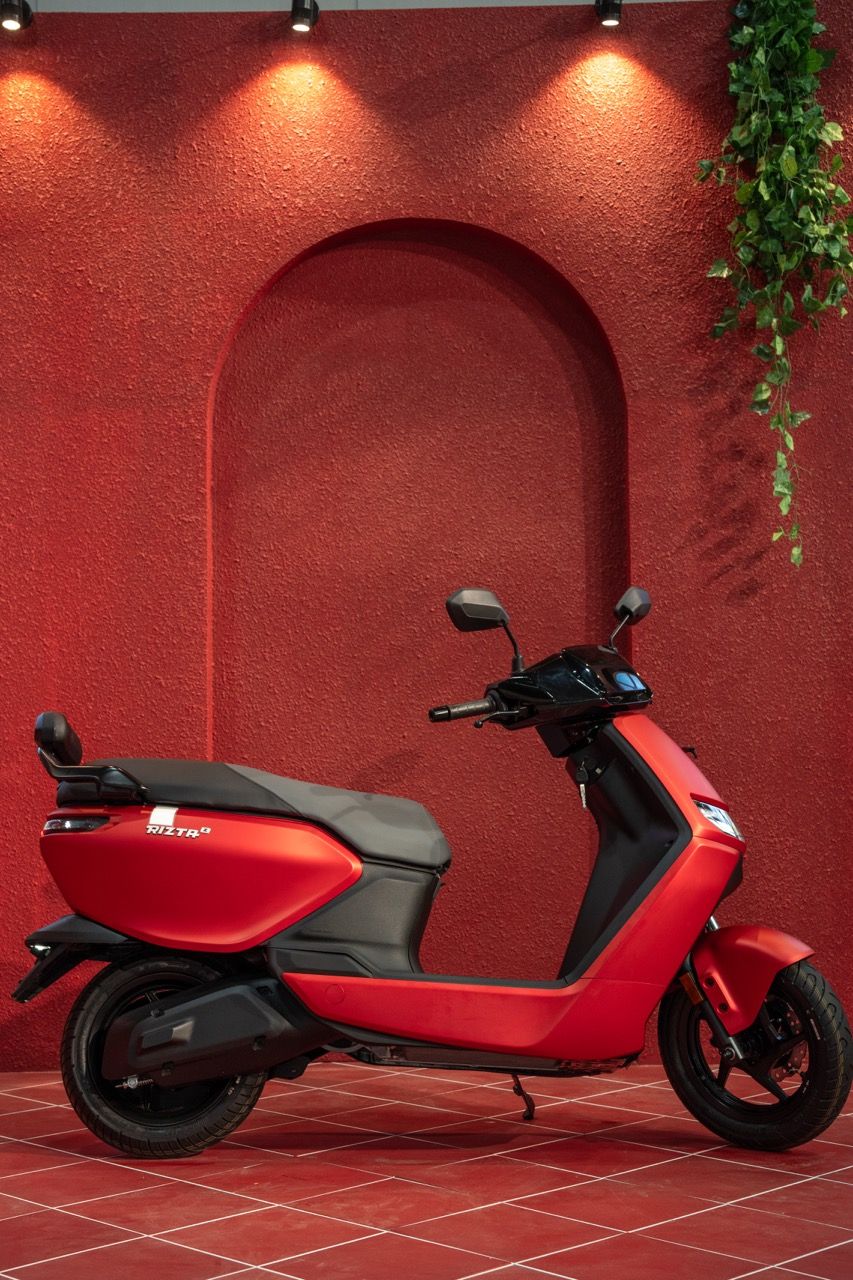
Most industry leaders no longer believe pricing will define the next phase of India's EV story.
The market has evolved beyond that. “I don't think it is pricing,” Mani said. “People are more value-conscious than price-conscious.” The next battle will be fought on trust.
Battery longevity. Service quality. Software reliability. Resale value. Long-term ownership confidence. The early years of India's EV boom rewarded visibility. The next phase will reward credibility. Phokela believes the market is already entering that transition.
“The category is moving beyond early adopters into far more mainstream adoption,” he said. “Two-wheelers in India are deeply integrated into everyday life across very diverse riding conditions, customer segments, and use cases.”

The pipeline is only getting busier. Honda has entered the market with the Activa e:, Suzuki is preparing the e-Access, Hero continues to expand the VIDA range, and Ultraviolette is preparing products such as the Tesseract. Even Royal Enfield has entered the electric era with the Flying Flea C6, while development of an electric Himalayan points to how seriously traditional motorcycle manufacturers are approaching the transition. Startups such as Oben Electric and Simple Energy are also betting that India's EV story is still in its early chapters. Electric scooters are no longer strange objects in Indian cities. They are aspirational, utilitarian, fast, rugged, accessible, and as normal as ICE two-wheelers.
Once a mobility technology becomes socially normal in India's two-wheeler ecosystem, scale arrives at frightening speed. This country has spent decades mastering mass-market two-wheelers. Now it is relearning that expertise for the electric era, and is easily among the global leaders in that space.
Mani believes the biggest breakthrough may ultimately be the simplest one. “The fact that I've seen my neighbour or cousin use an electric scooter for five to seven years without issues changes everything,” he said.
Trust is contagious. And that is how technological shifts become cultural ones.


