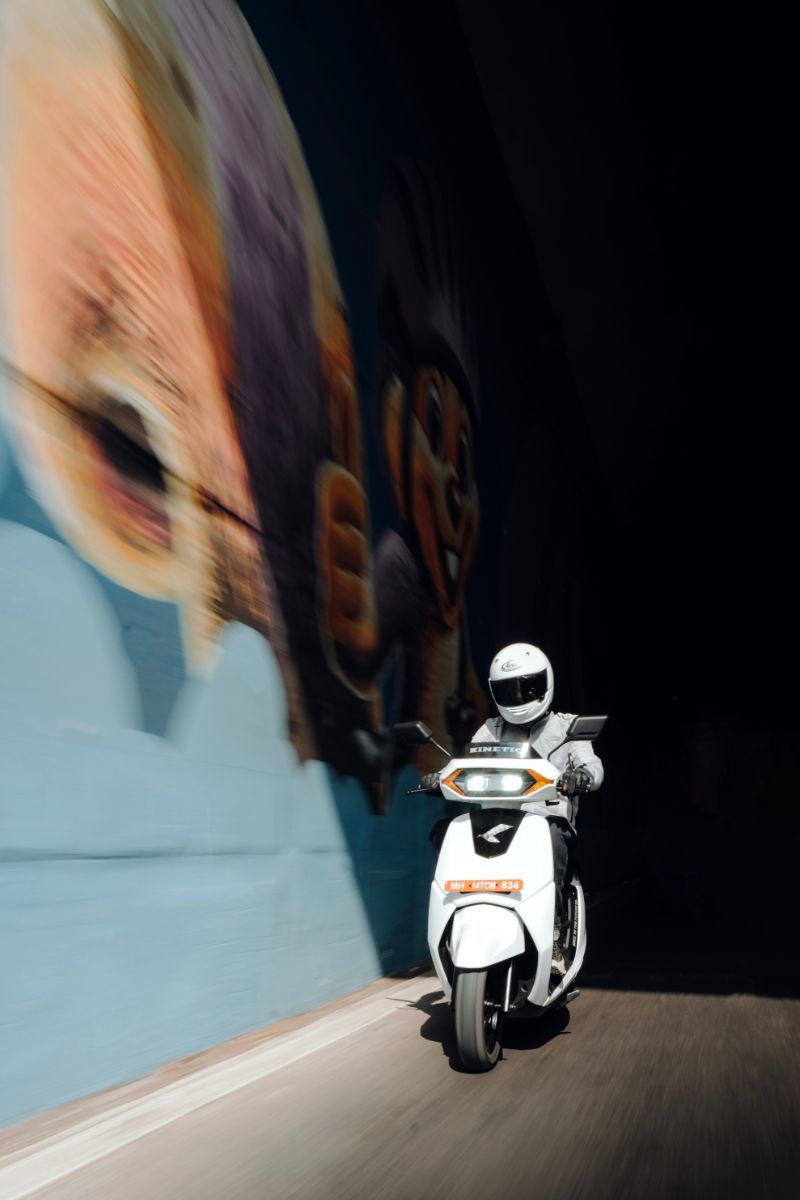

One of my earliest memories of a Kinetic is jealousy. Around 20 years ago, my dad rode a Chetak. A brilliant scooter in its own right, but also a little too mature. It felt like tight, formal shirts and trousers instead of something cool, something fun.
My neighbour, on the other hand, had an old Kinetic in a fiery red paint scheme. I remember fighting with my father quite a bit over it. “If you can’t get a motorcycle, why can’t you get something fun like the Kinetic?” Of course, that didn’t change anything.

But 20 years later, the same is attempting a comeback. However, this time it does not just have to compete against its old rival, the Chetak again. It also has to take on an arsenal of new-age, cutting-edge electric scooters that have surged ahead over the last decade or so.
So the question is, can the revamped revive that same sort of magic? And more importantly, is that enough anymore?
If It Ain't Broke, Don't Fix It
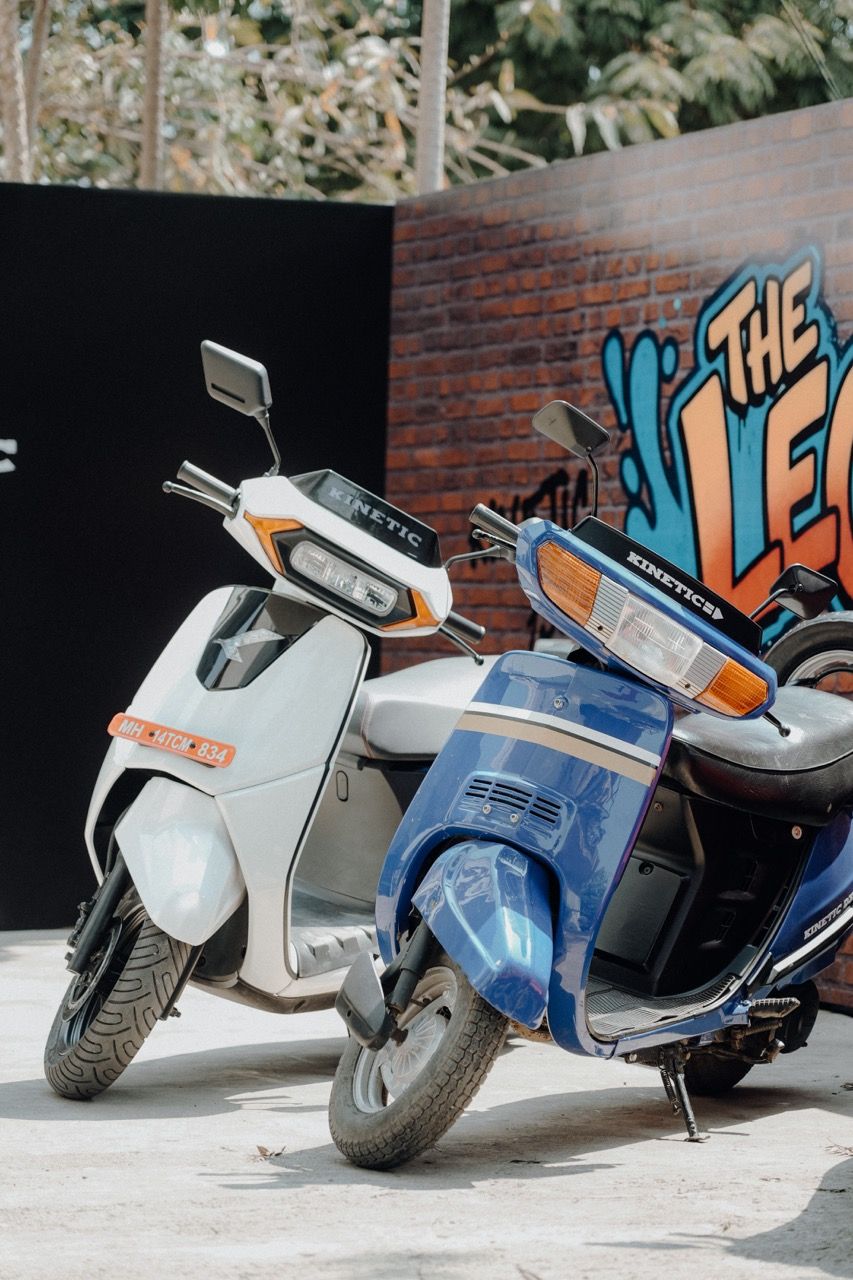
The current e-scooter market reminds me a bit of smartphones today. The same futuristic design language, modern aesthetics everywhere. Safe, yes, but also largely devoid of personality. The Kinetic DX+, meanwhile opts for a retro-modern style with the same boxy, squared-off design language as the original.
What works here is that Kinetic is not using nostalgia as an excuse to cut corners. The front gets LED headlamps, while the LCD instrument console feels modern enough, even if it could have been a little sharper and crisper in my opinion.
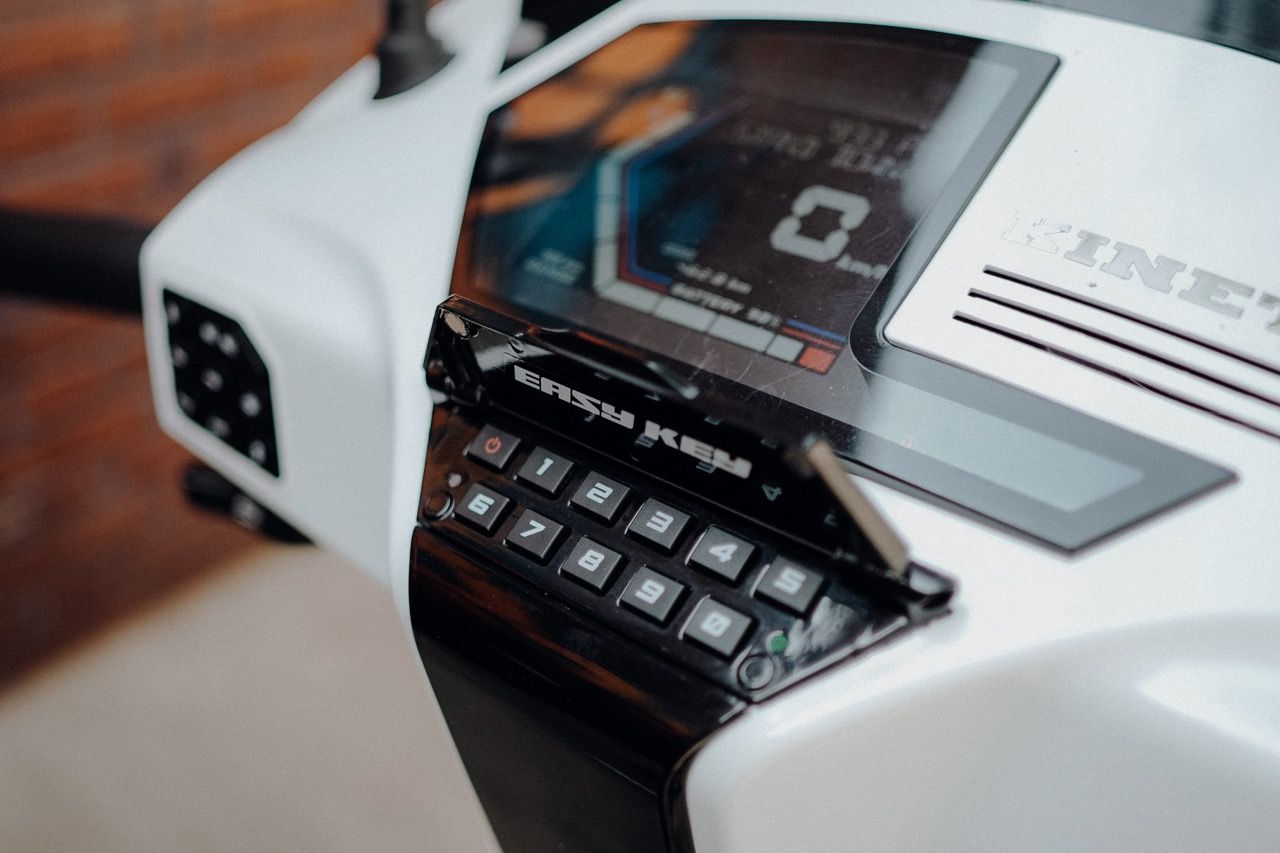
Also new, and genuinely unusual for an e-scooter today, is the number pad tucked behind its own little flap. This is used to input a code to unlock and start the scooter. More on that later.
I would have liked a slightly more premium feel from some of the buttons though. Not just on the keypad, but also on the handlebars. A couple of switches are bunched too closely together. More than once, while trying to press the indicator, I accidentally hit the seat storage button instead. Perhaps texture-based differentiation for some of the buttons next time, Kinetic?
Overall, while the design is impressive from afar, the bodywork on closer inspection leaves a lot to be desired. In terms of touch and feel, the Kinetic DX+ feels a good tier below some of the other EV scooters on the market. The less-than-premium plastic bits, the panel gaps, and even the feel and travel of the buttons do not quite feel aspirational here.
Bells And Whistles
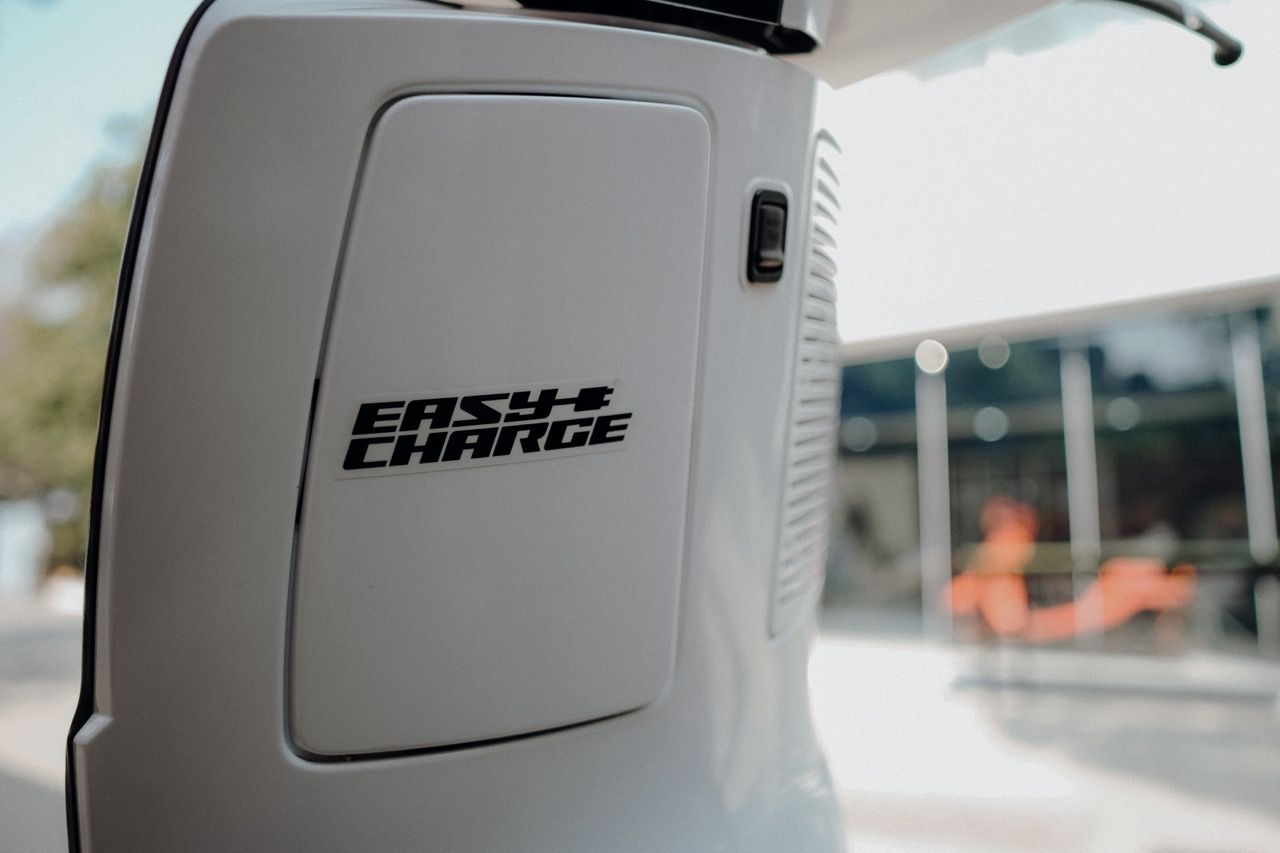
The Kinetic DX+ also gets a fairly loaded feature list. The top-spec version comes with an onboard charger neatly tucked into the front apron, which means you do not have to carry around a bulky charger in the boot every time you head out. Just pull the cable out, plug it in, and you are done.
Then there are the connected features. The app lets you do things like geo-fencing, vehicle tracking, finding your scooter, unlocking it remotely and more. There is also a decent amount of ride data and telemetry available through the app if you are the sort of person who likes keeping tabs on that sort of thing.
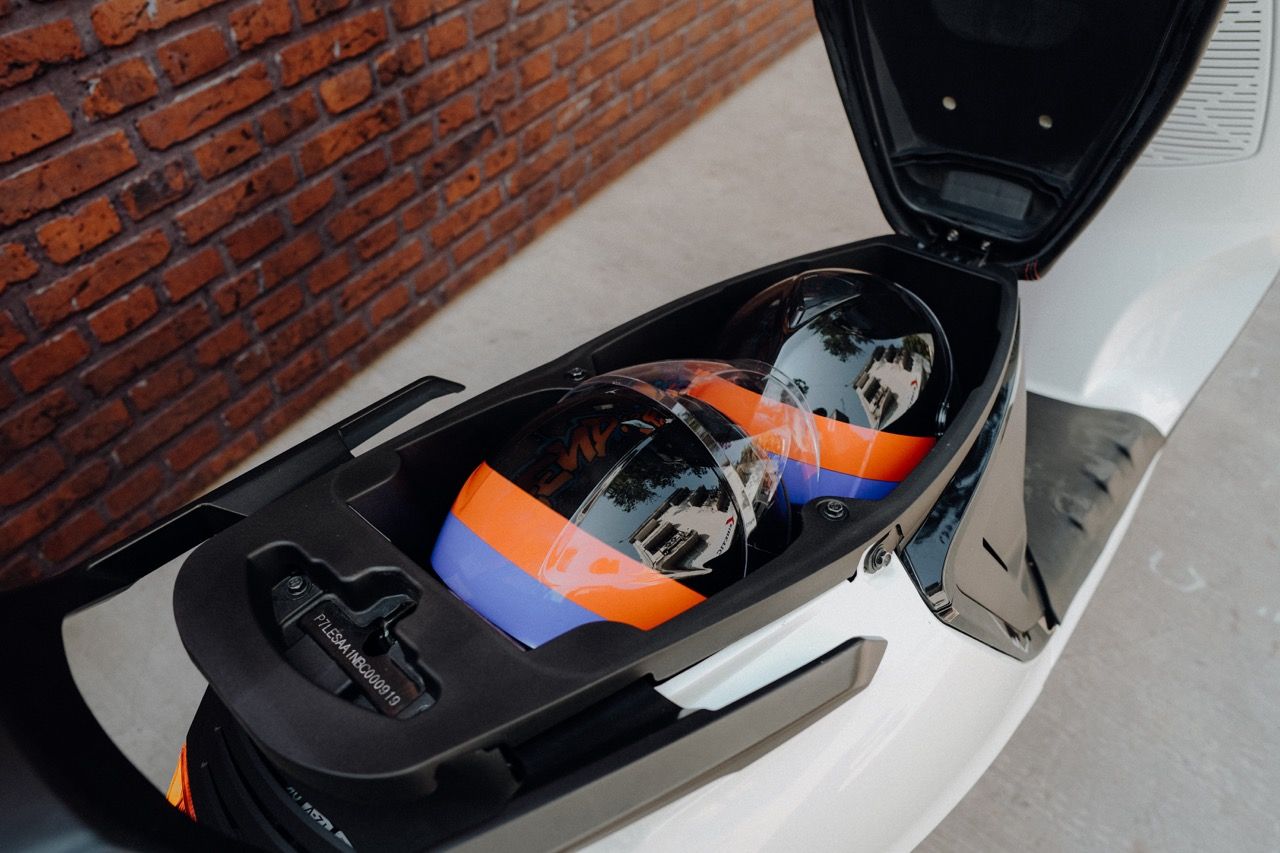
Practicality has clearly been thought through as well. The 37-litre underseat storage is genuinely useful, while things like the pillion footpegs, charger lid and seat release can all be accessed through buttons on the left switchgear cluster.
There are caveats though. Remember the keypad used to unlock the scooter? That did not quite work the first two times while we were shooting the Kinetic DX+.
On The Go
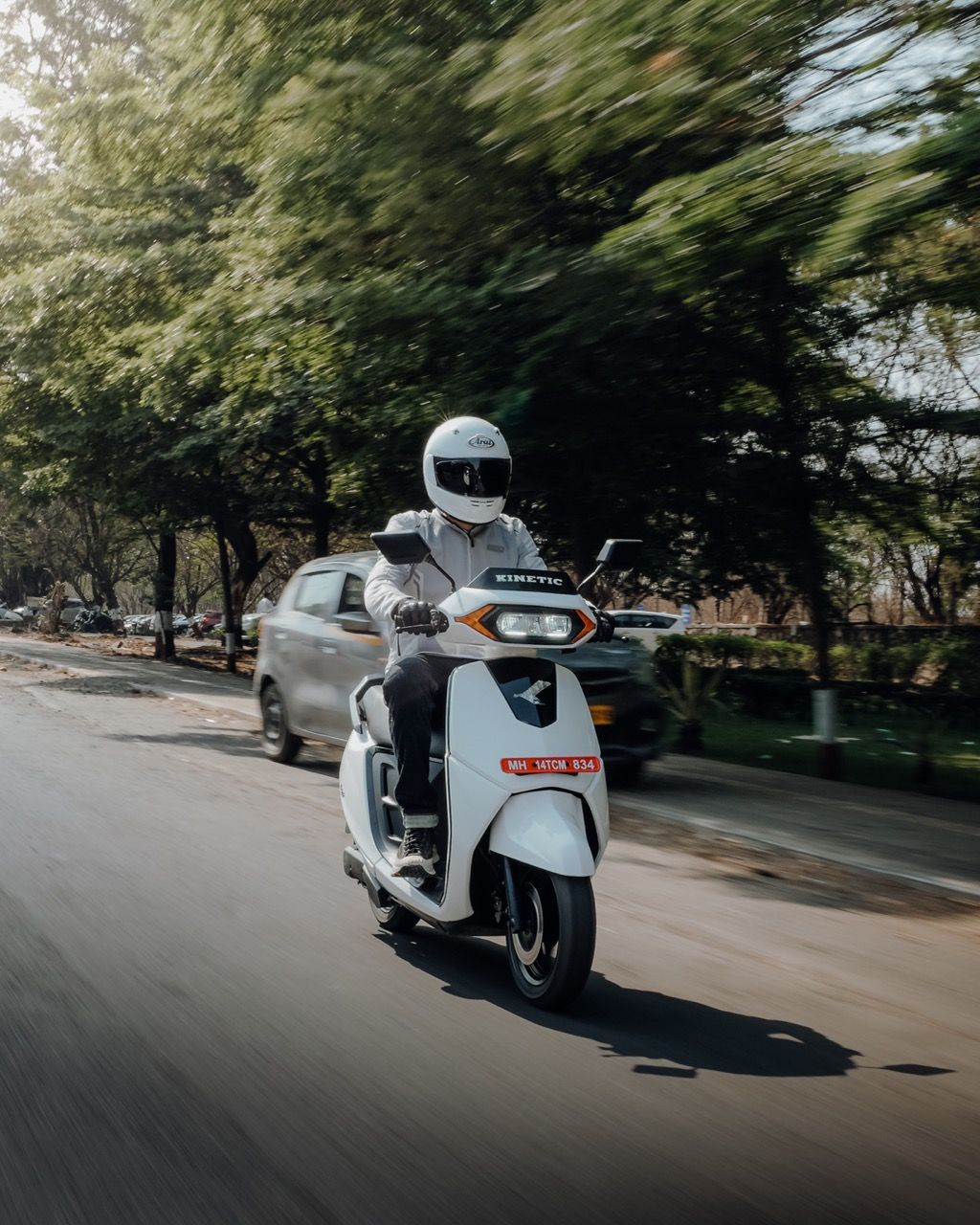
I was pleasantly surprised by how well the Kinetic DX+ rides. There are three modes on offer here: Range, Power and Turbo. Each feels well calibrated and clearly distinguishable from the other.
Range mode, for instance, does not completely dull the power delivery. There is still enough shove to move comfortably through slow-moving traffic. Power mode, while not exactly ‘powerful’, feels spirited enough, with a nice burst of torque under acceleration. It does seem to hit a ceiling around the 50 km/h mark though. Anything above that and you are in Turbo territory, which, while not as bonkers as the Warp mode on the Ather 450X, is still plenty of fun if you want to sit around the 70 km/h mark.
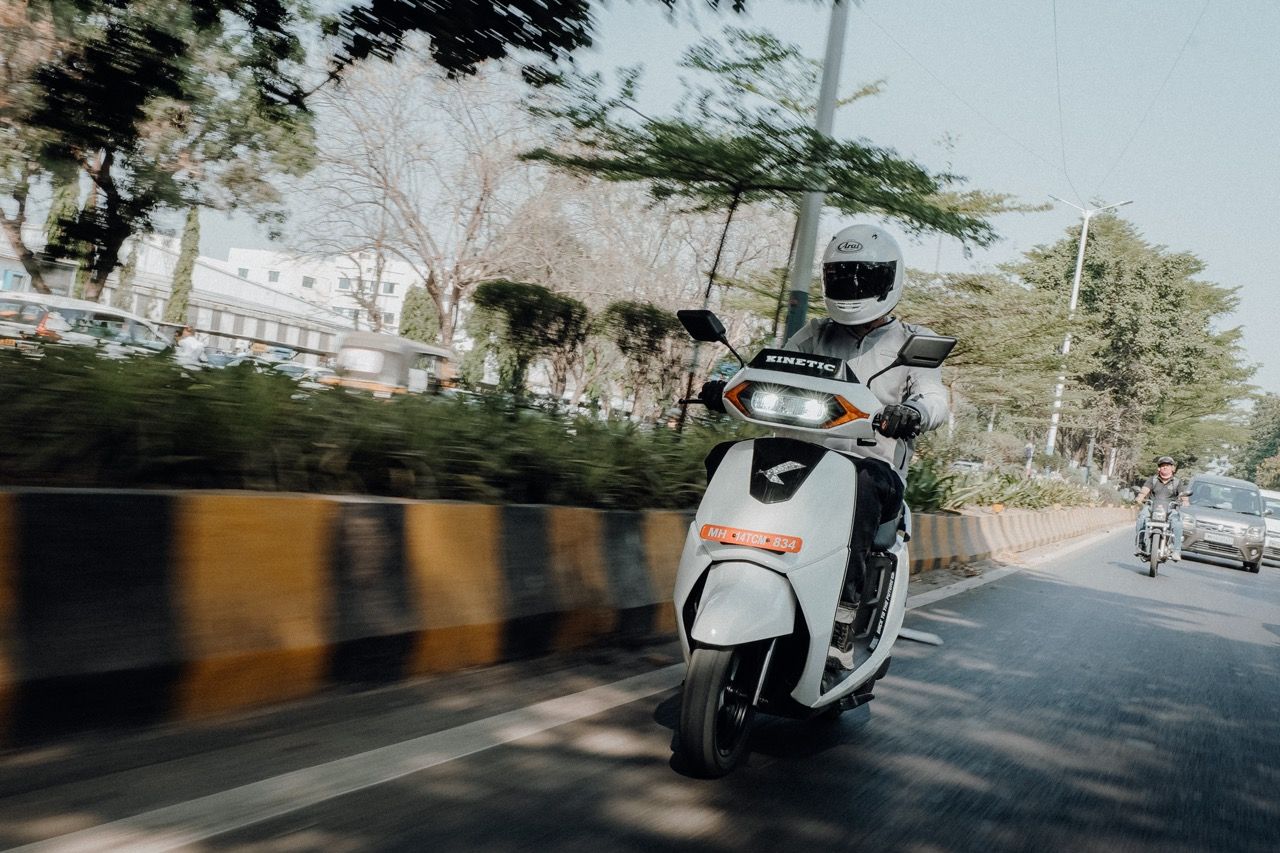
While on the move, the Kinetic DX+ does enough to avoid feeling average. The suspension is quite decent, albeit on the stiffer side. The brakes, with a 220 mm front disc and 130 mm rear drum setup, could use a little more bite though.
Handling-wise, the scooter feels light and easy enough to flick between lanes. Just do not expect aggressive cornering. The Kinetic DX+ feels most at home in the city, which explains its claimed 105 km range from the 2.6 kWh LFP battery pack.
The Verdict

There are good things, and then there are good things which are only good within their own silos. The Kinetic DX+ feels like it belongs to the latter category. I really do like the design and the vibe that Kinetic seems to be going for here. It has far more personality than most electric scooters on the market right now.
But the execution still leaves something to be desired and, at ₹1.17 lakh ex-showroom, that becomes difficult to ignore. Its old rival, the Bajaj Chetak, along with the TVS iQube, seem to have a clear leg-up in most departments. And nostalgia just is not enough of a selling point to ignore those things.
Photos Credits: Abhijeet Landge


