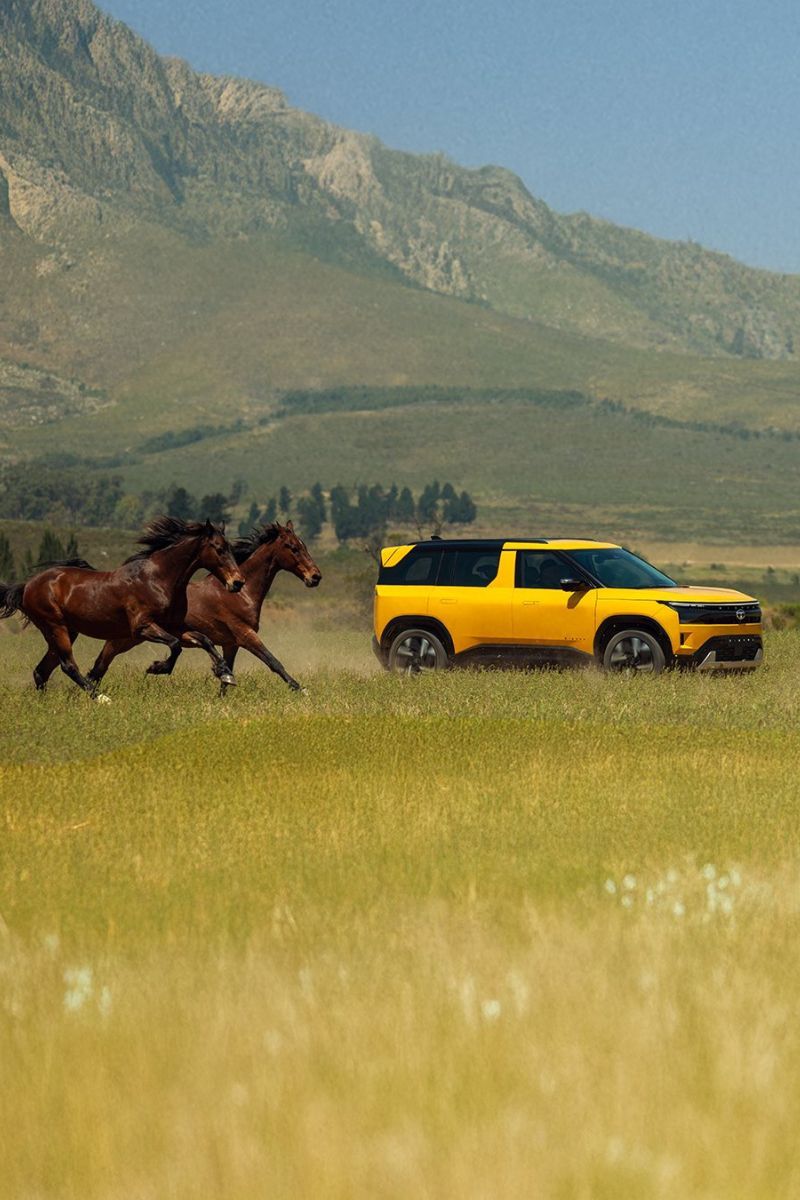
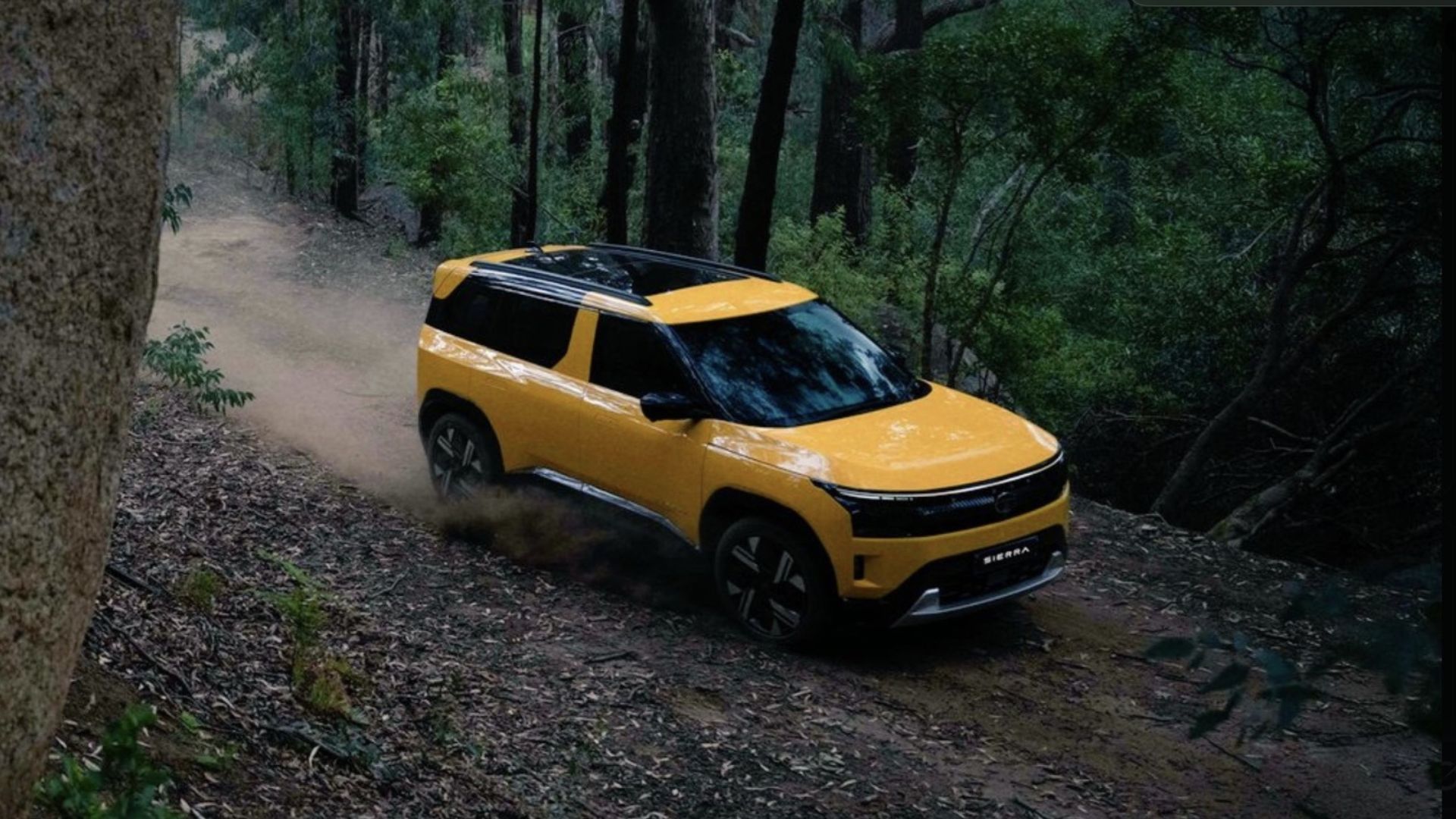
When a name that once evoked road‑conquering swagger resurfaces, one raises an eyebrow, grips the coffee cup a little tighter, and pays attention. That’s precisely what Tata Motors has done by pulling the curtain off the new Tata Sierra — a model that made its original mark in the 1990s and is now back for its 2025 comeback.
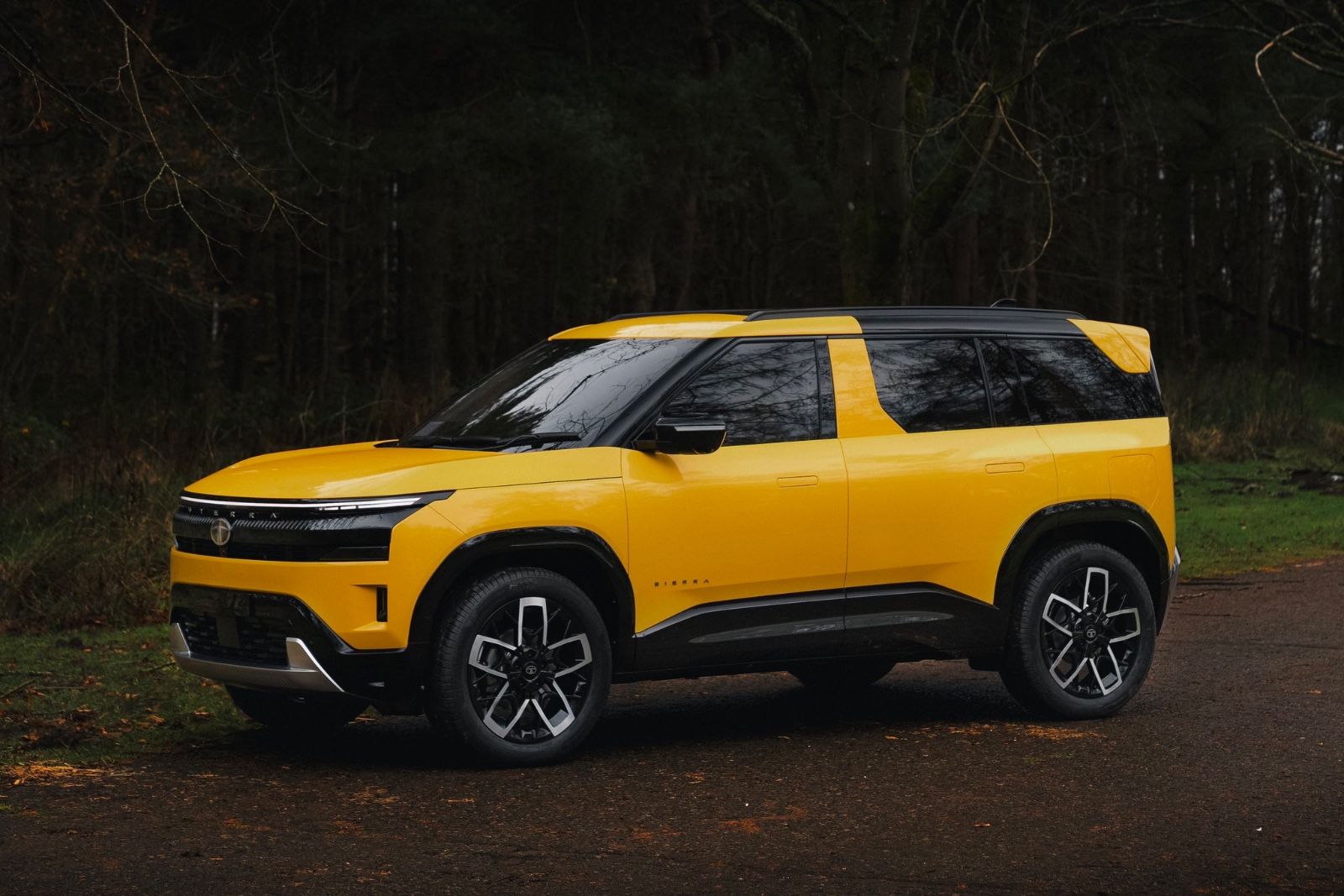
“The Sierra for me is the first real manifestation of my design principles at Tata Motors,” says Martin Uhlarik, Global Head of Design. “I’ve been with the company for 10 years and have been involved with almost all the cars in the portfolio, but this is the first clean sheet of paper — really, with full control. It captures all of my ideas of what design should be.”
Heritage with a Modern Twist
The original Sierra (1991–2003) was unabashedly rugged, boxy, and unapologetic — a go‑anywhere SUV for India’s somewhat rougher roads and the adventurous few. Fast‑forward to today: the new Sierra retains the upright, macho stance and bold badging, but adds a clean dose of modern refinement. The connected LED light bar up front, flush‑door handles, gloss‑black accents and 19‑inch alloys give it attitude, and a subtle nod to the past.
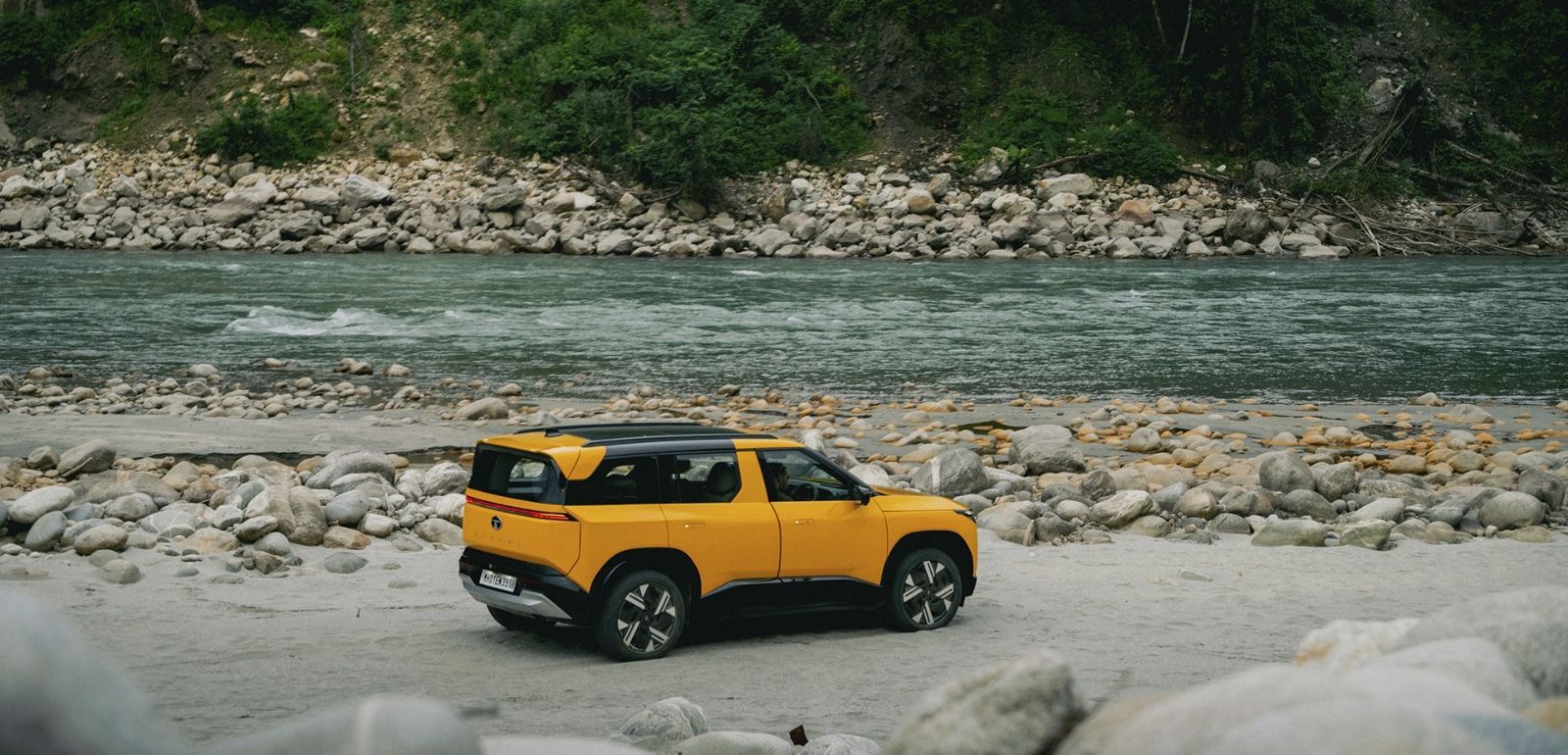
Uhlarik drew inspiration from the original car’s DNA, even tracing the roots of its design back to Ratan Tata’s architectural background. “Mr. Tata was very hands‑on when the Sierra was first developed in the ’90s. He was an architect by training, and you can see that his principles of proportion and restraint translateddirectly into the original Sierra. They’re very similar to my own ideals,” he says.
Yet, while the old Sierra’s “Alpine window” and three‑door layout were its quirks, the new one turns pragmatic: five doors, a monocoque body, and a cabin that feels less boot‑camp, more lounge. But as Vivek Srivatsa, Chief Commercial Officer at Tata Motors, puts it: “If we brought the original Sierra back exactly as it was, it would feel outdated rather than reborn. The balance has to be there — a thread of legacy, but with relevance for today.”
Cabin of the Future (Yes, It Has Three Screens)
Uhlarik recalls how the design process itself leaned on the voices of enthusiasts. “We spoke to owners, looked at forums and fan pages,” he says. “People described it as aspirational, empowering, simple, and free — a metaphor for going anywhere. The new car had to capture that spirit, not replicate the old one.”
If any detail indicates that the new Sierra isn’t just nostalgia packaging, it’s the dashboard. Three screens. One for the driver, one for infotainment, and one for the co‑pilot’s amuse‑bouche (metaphorically). A panoramic sunroof stretches sizeably, dual‑zone climate control, wireless charging, ventilated front seats, 360‑degree camera and Level‑2 ADAS tech all hint at Tata’s intention: this is no tribute act.
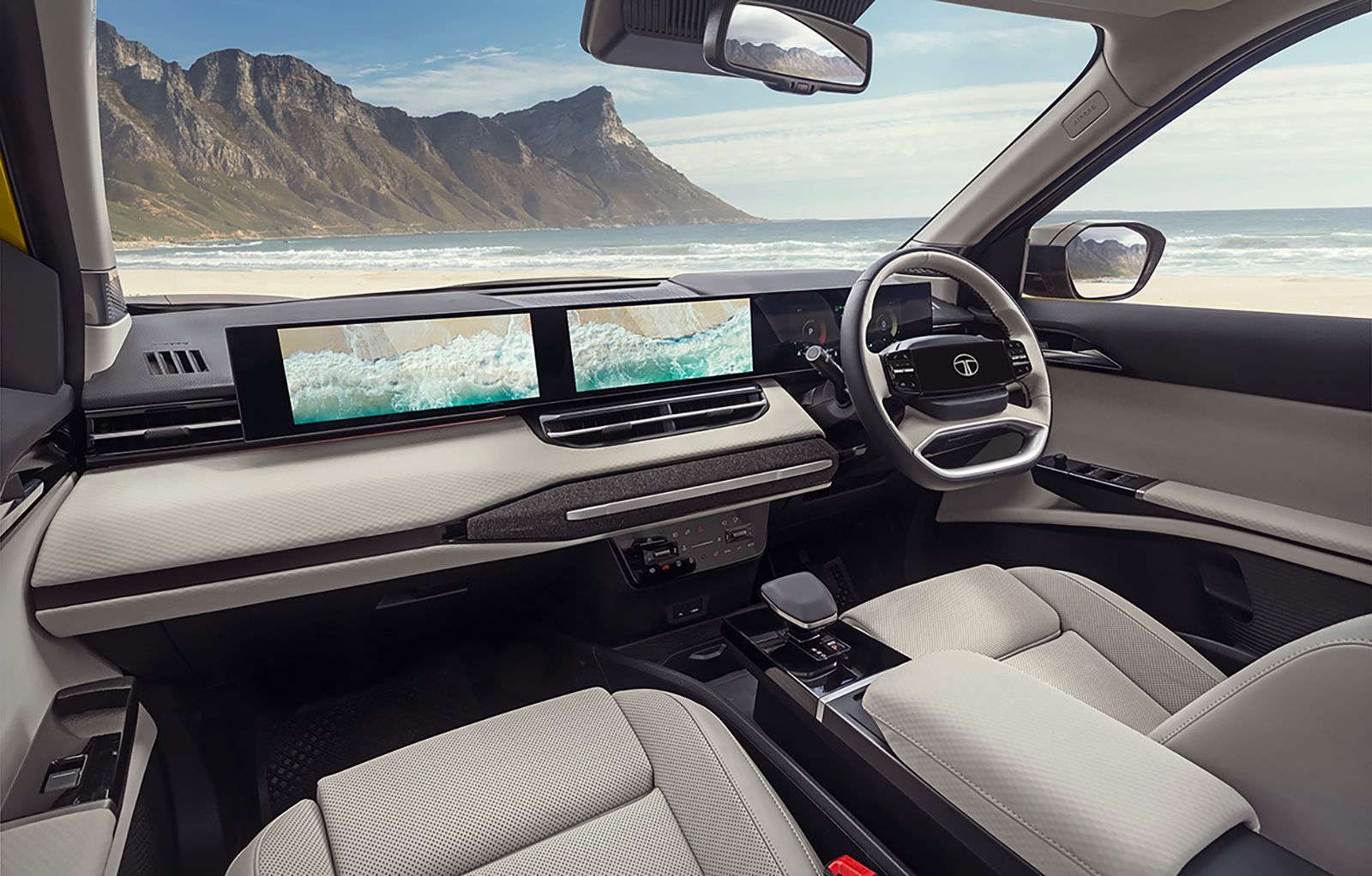
“There’s no nostalgia weighing this down,” Uhlarik says. “Good design is forward‑looking. We’re not recreating the past — we’re creating future nostalgia. The kids today will remember this Sierra as their Sierra.”
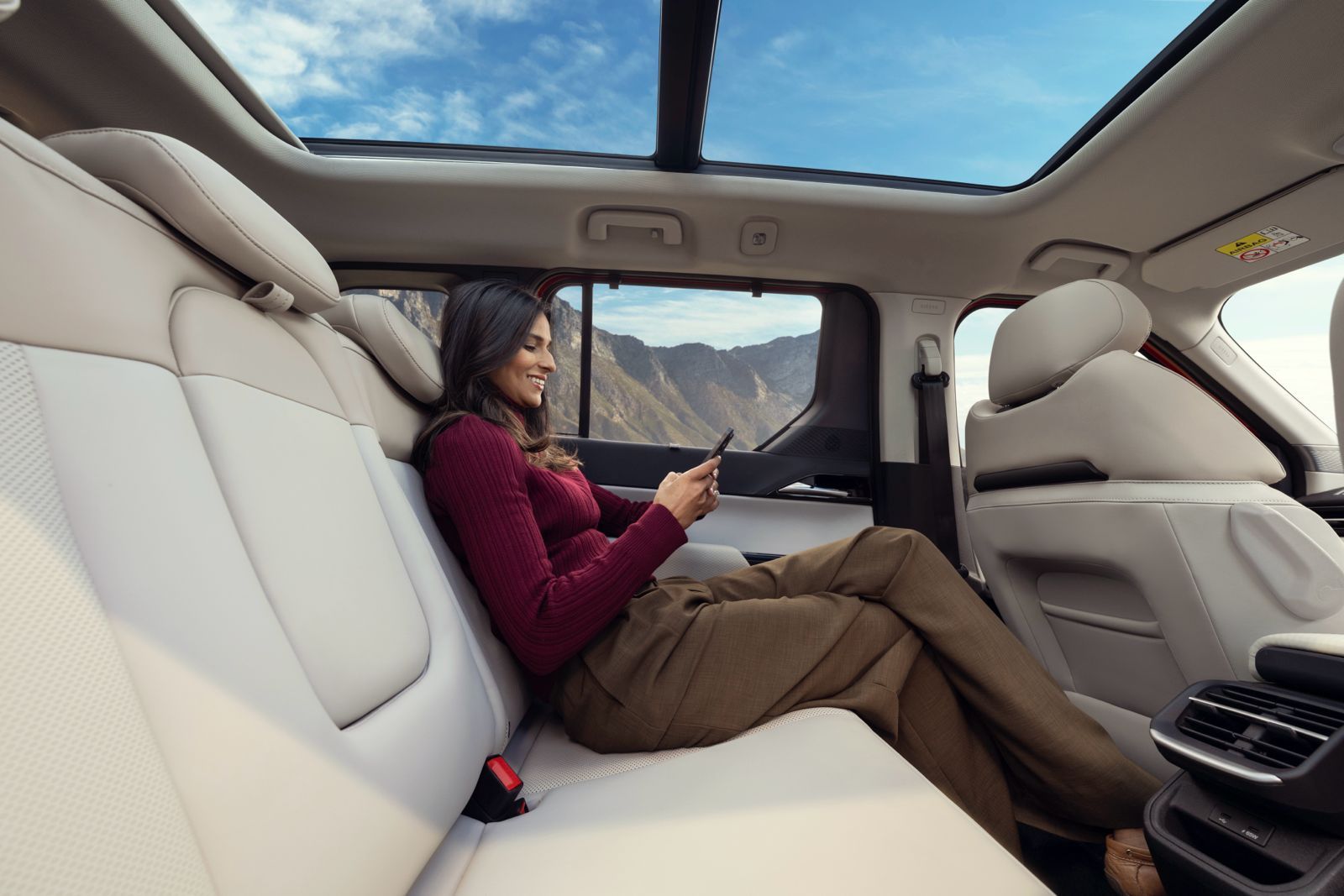
Srivatsa underscores another thread that shaped the interior:“The Sierra was always known for space and being ahead of its time. We wanted to recreate that feeling of airiness and freedom — not copy the old glasshouse, which safety norms don’t allow, but give you that openness in a modern way.”
And it shows. There’s a flat rear floor, a segment-leading sense of space, and enough light through the panoramic roof to make even Monday mornings feel manageable. The two-tone upholstery (beige and grey), silver trims and gloss-black elements add sophistication — albeit with a gentle warning to future owners: keep a microfiber cloth close.There’s a noticeable deployment of two‑tone upholstery (beige and grey), silver highlights, and gloss‑black trim bits — elegant, yet potentially a bit high‑maintenance if you’ve got kids or a chiffon curtain lifestyle. Note to future owners: wipe the glossy bits.
Power and Positioning
Under the bonnet, Tata is playing both the affordable card and the aspirational one. The Sierra will debut with a new 1.5‑litre naturally aspirated petrol for the entry ring, and a 1.5‑litre turbo‑petrol (around 170 PS / 280 Nm) for those who like their SUVs with a smidge of “go.” A diesel option is also in the mix.
Tata expects to price the Sierra starting in the ₹11 lakh (ex‑showroom) region, scaling up to around ₹20 lakh — putting it squarely into the fight with the likes of the Hyundai Creta, Kia Seltos and Maruti Grand Vitara.
Where the Sierra Lives Off the Road
Beyond its bold design and tech credentials, the Sierra isn’t just a car—it’s a canvas for culture. Tata Motors has teamed up with a curated set of Indian lifestyle brands to bring the SUV’s design language into sneakers, travel gear, timepieces and even coffee-mugs. The message: the Sierra lifestyle is broader than the road.
Srivatsa clarifies the intent behind this ecosystem play:“These collaborations weren’t about chasing youth. They were about bringing together Indian craftsmanship — brands that, like the Sierra, deliver global-level quality.”
- With Gully Labs (home-grown streetwear + sneaker label), a special edition Dvaita sneaker pays tribute to the Sierra’s topographic lines and the horse emblem from the original.
- HUEMN launched a capsule apparel collection—tees, jackets and caps—that echo the SUV’s minimalist-yet-bold aesthetic, making the vehicle’s vibe wearable.
- Luxury leather & travel label Nappa Dori produced a set of travel accessories (bags, pouches) using colours and forms inspired by the Sierra’s silhouette and interior surfaces.
- Not to be left out, Delhi Watch Company created a limited-edition timepiece (500 numbered pieces) that references the Sierra’s B-pillar motif, horse emblem and topographic textures.
- Even everyday lifestyle is covered: Starbucks rolled out a Sierra-branded tumbler featuring topographic pattern and silhouette cues, aligning with the “journey” theme.
These collaborations do more than expand the Sierra ecosystem—they signal a shift in how Tata sees the SUV: not just a vehicle, but a lifestyle anchor. As the company put it, this is about “cross-pollination of audiences” and embedding Sierra into everyday culture, not just the drive.
The 2025 Tata Sierra doesn’t hide behind tradition with a retro sticker slapped on. It arrives with the confidence of a modern SUV, full of tech and character, while honouring a cult legacy. “This car is loaded with Easter eggs — little secrets and coded messages hidden throughout the interior,” Uhlarik teases. “Look closely, and you’ll find them.”
If you’re in the market for a mid‑sized SUV that stands out (and you’re ready to keep the gloss panels clean), the Sierra deserves serious consideration. We’ll reserve final judgment for the drive review — but the first impression? Pretty compelling.


