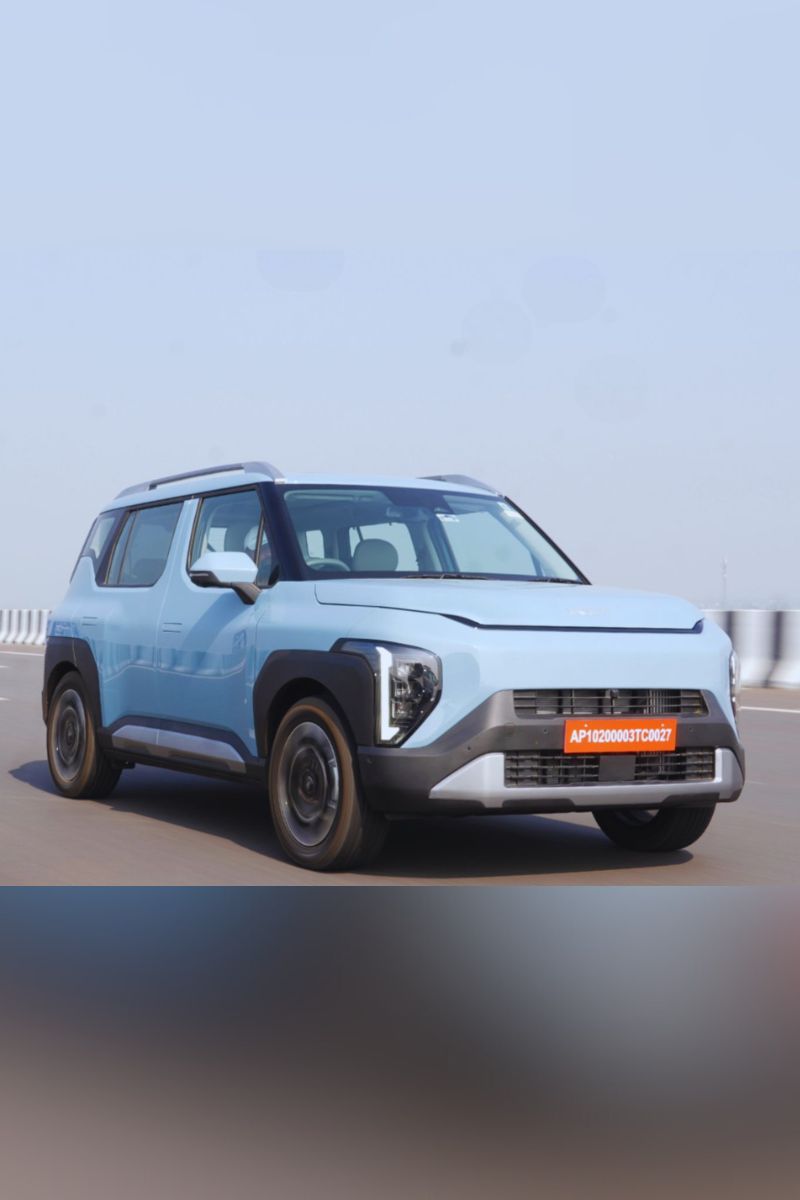
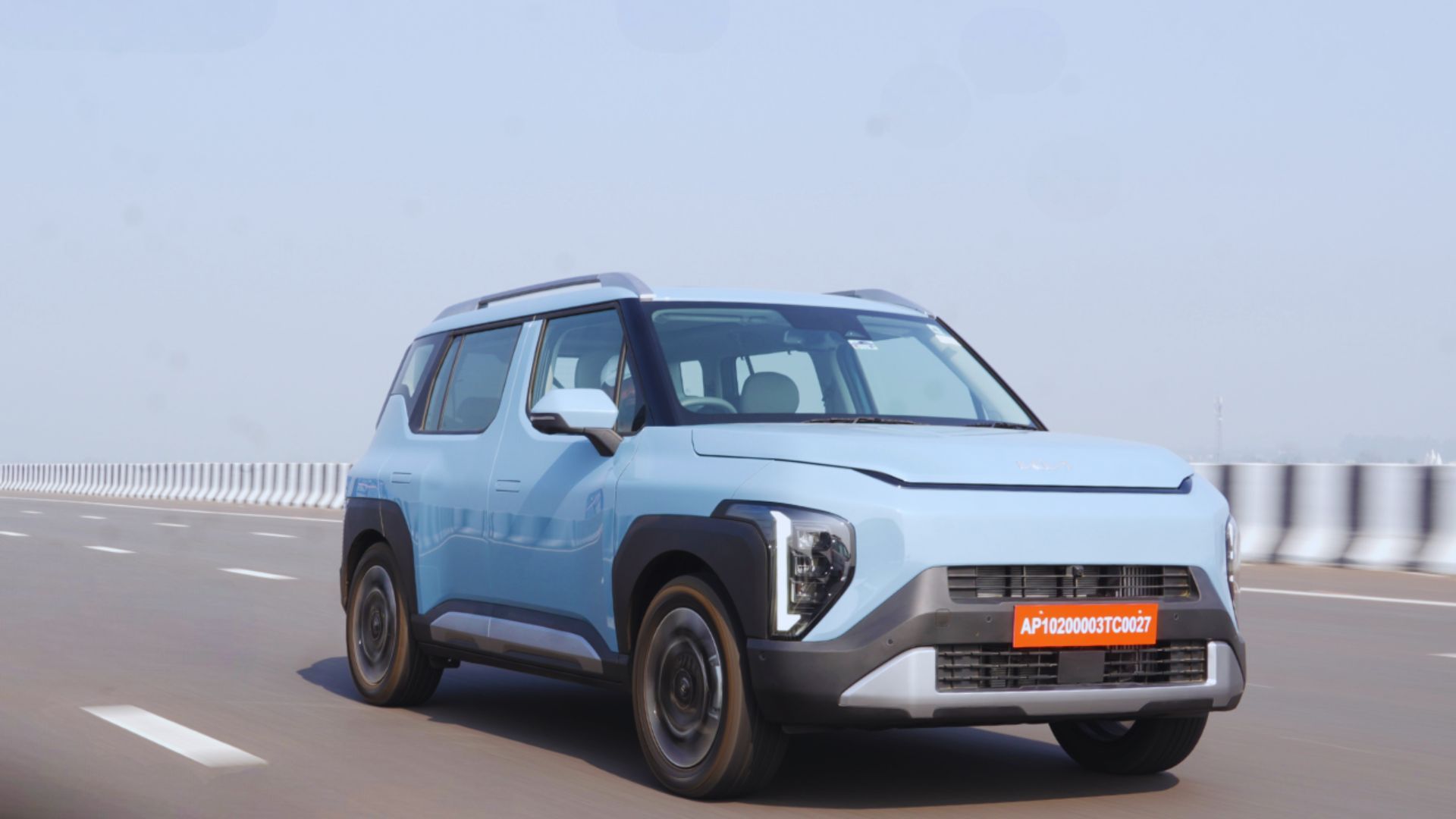
When the Syros arrived at office, something about its shape made me pause. It looked almost like a kei car that had wandered out of Tokyo and found itself in Mumbai, all squared-off proportions and upright stance. The stacked ice-cube headlights, the boxy silhouette, the flush door handles that made the whole thing look like it had been designed by someone who believed that interesting beats handsome. Strange, that. Most compact SUVs try desperately to look bigger than they are, adding muscular haunches and aggressive creases to convince you they belong alongside cars twice their size. This one seemed comfortable being exactly what it was: compact, upright, and curiously appealing in its honesty. Something about the Syros felt like it might fit me. I wanted to find out if I was right.
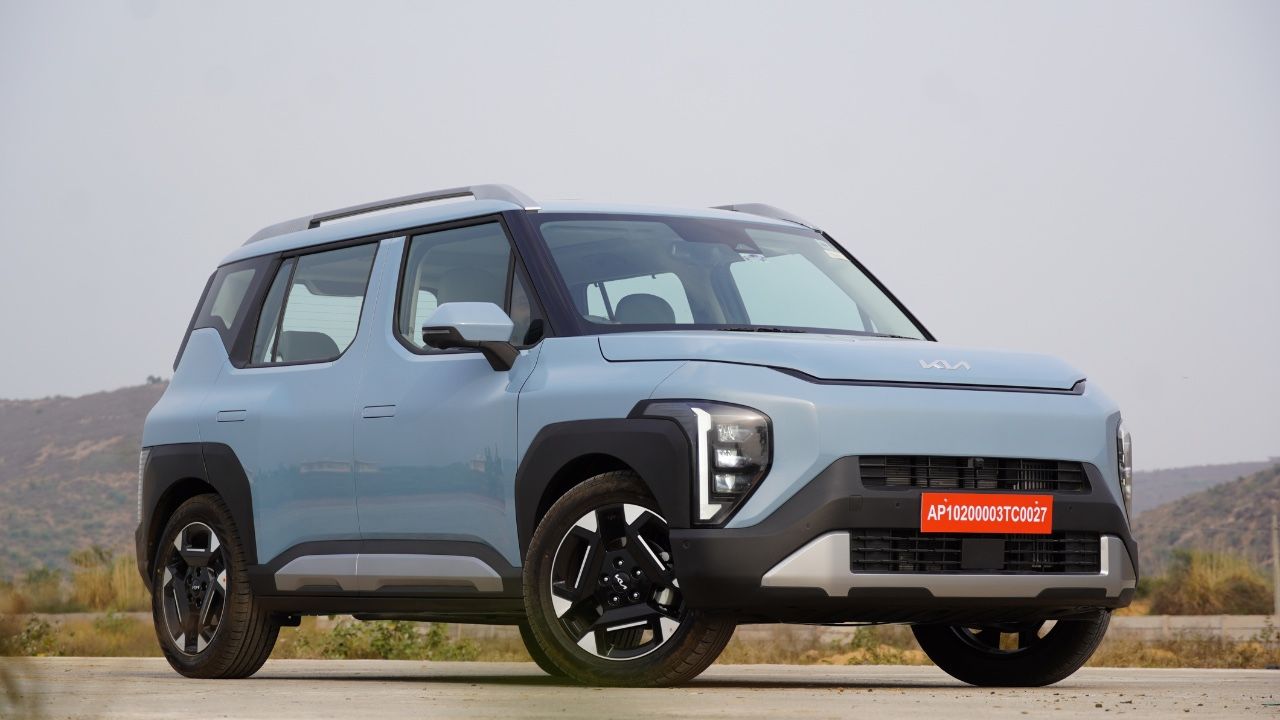
I should mention: I didn't read a single review before this trip. No spec comparisons, no YouTube walkarounds, no borrowed opinions from colleagues who'd driven it before me. The Syros would be judged only on what it did over real roads, in real traffic, with real people in the back seat. Call it naive, given that I was driving solo inter-state for the first time, but I call it the only honest way to understand a car.
The Bombay-Baroda highway is a 400-kilometre stretch of undulating tarmac, sudden lane changes, and the occasional truck that appears to have been parked in the fast lane purely to test your reflexes. It's also the perfect test for a car's everyday character, the kind of driving most of us actually do. The Syros settled into it easily. Its 1.0-litre turbo-petrol, a three-cylinder unit making around 118 bhp and 172 Nm of torque between 1,500 and 4,000 rpm, doesn't announce itself with drama. There's a small hesitation below 1,500 rpm where the turbo hasn't quite woken up, but once you're moving, the 7-speed DCT finds its rhythm and stays there. Overtakes happen without fuss. The motor pulls cleanly through the mid-range, and unless you're chasing someone on the Autobahn, there's always enough in reserve.
I discovered Sport mode by accident, expecting the usual artificial aggression that makes cars feel tetchy. It did the opposite. The gearbox held ratios longer, the throttle response sharpened just enough to feel connected, and paradoxically, it became the mode where I could relax the most. The engine stayed in its sweet spot, and I stopped fighting the early upshifts that the normal mode seemed obsessed with. Fuel efficiency turned into a quiet game: I was seeing figures between 14 and 16 kmpl on the highway stretches, which felt reasonable for maintaining triple-digit speeds without breaking a sweat. The most important thing, though, was this: I arrived in Baroda without feeling like I'd done anything particularly strenuous.
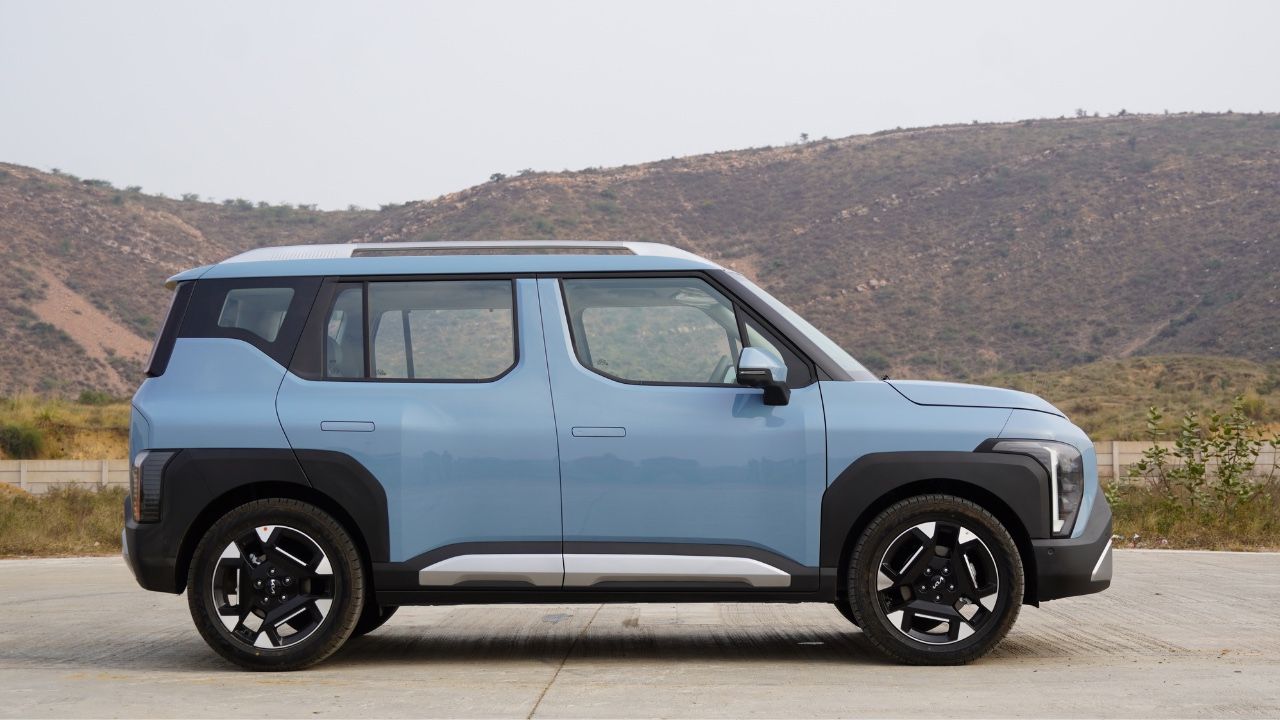
Baroda's old city is a maze of narrow lanes, auto-rickshaws with a death wish, and parking spaces that would make a valet weep. And this is where the Syros surprised me most. For something that is so spacious, looks tall and boxy, it's remarkably easy to place. At just under four metres long, it tucks into spots where larger compact SUVs could hesitate. The upright glass house means you can see your corners. The steering is light enough at city speeds that threading through gaps doesn't leave your forearms burning. I drove past uncles on scooters with mere inches of clearance and never once felt the sweat that usually accompanies urban manoeuvring.
Inside, there's a sense that someone actually thought about where things should go. The twin 12.3-inch screens, one for instruments and one for infotainment, are flanked by a small 5-inch panel for climate control, which keeps the temperature settings visible without you having to dive into menus. Physical buttons sit below for the essentials. The wireless charging pad is positioned sensibly, rubberised so your phone doesn't slide around when you corner. Small things. But they add up. By the third day, I'd stopped thinking about the interface entirely, which is the highest compliment you can pay a cabin.

The real test came on a day trip to Ahmedabad with my parents. If you want to know how a car actually performs, put people over sixty in the back seat for three hours each way and see if anyone complains. Nobody did. The Syros sits on a 2,550mm wheelbase, longer than you'd expect from something under four metres, and Kia has used nearly every millimetre for rear legroom. The seats recline. They slide. They're ventilated at the base, which isn't a luxury but a necessity. The boot, swallowing our bags and my mother's tiffin carriers and still having room for shopping, offered around 465 litres with the rear seats slid forward.
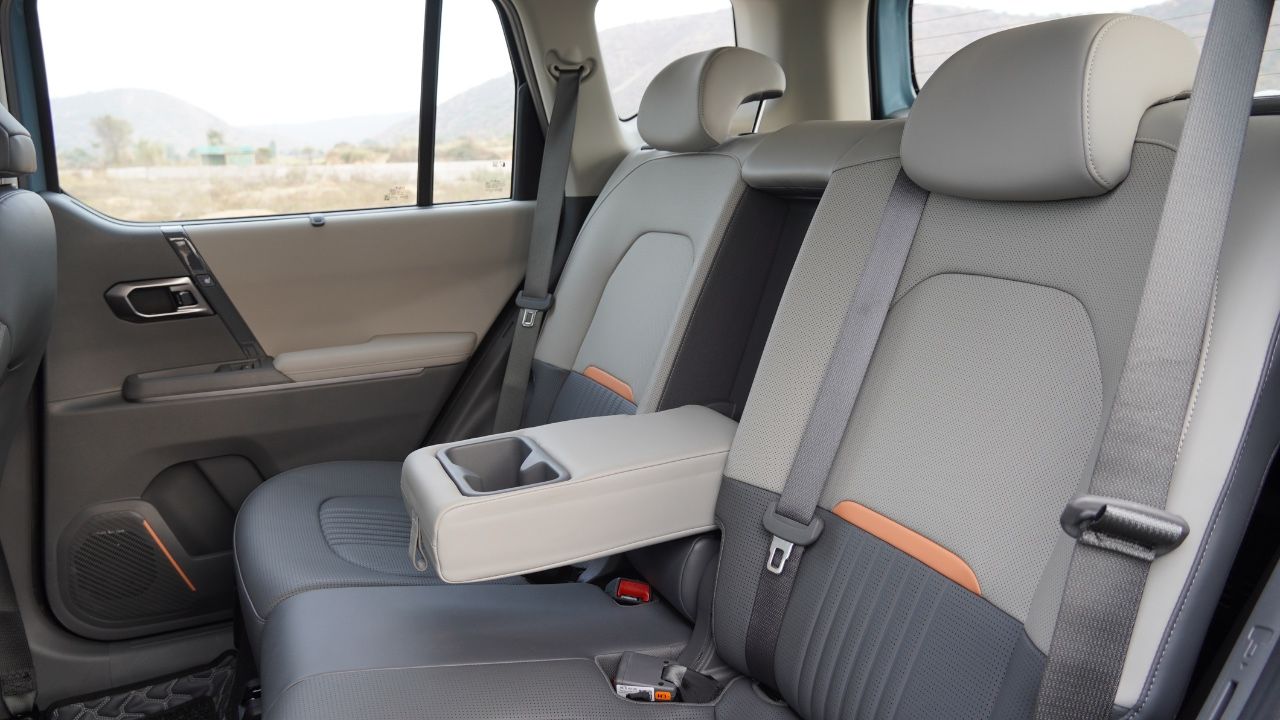
My mother, who usually asks to stop every hour on highway drives, didn't mention it once. My father, who offers unsolicited driving advice with the regularity of a metronome, spent most of the drive looking out at the fields, which I took as tacit approval. We went straight to dinner after returning. No one needed to rest first. That tells you more than any spec sheet ever could.
People noticed the Syros. At traffic lights, at parking lots, at the petrol pump. A friend asked if it was electric. Another thought it was a concept car. The flush door handles confused a few, the design polarised many, and nobody was quite sure what segment it belonged to. Good. I've grown tired of SUVs that could be any SUV, anonymous silhouettes rolling through our cities like they're afraid of having a personality. The Syros has opinions. You don't have to agree with all of them. But you'll notice it. That counts for something.
And yes, there are flaws. The ride, tuned to manage the high centre of gravity and heavy sunroof, sends sharp edges through the cabin over bad patches, the kind where you need to slow down or brace yourself. Highway NVH isn't as insulated as I'd like; you hear the engine more than expected past 3,000 rpm, and wind noise creeps in around the mirrors. These feel like areas that could improve with a mid-cycle update, not fundamental miscalculations. The bones are solid.
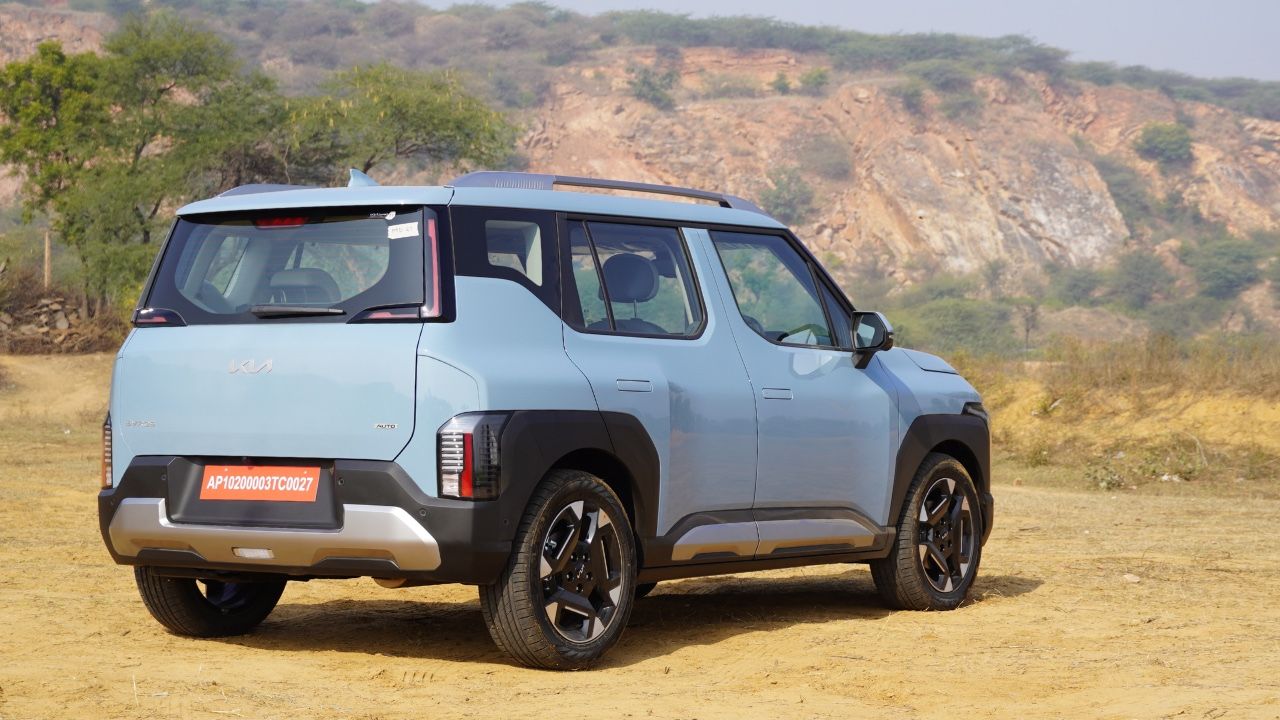
When I handed back the keys, I lingered for a moment. I've driven faster cars, prettier cars, more expensive cars. But I can't remember the last time I’ve rooted for a car. In the day and age of safe designs, Kia ventures into a territory that is not safe, by any means. The Syros promises a unique proposition in a segment flooded with cookie-cutter options. And for that, I hope the Korean carmaker is able to perfect it with an update. If the Seltos is any indication of what we can expect, I can’t wait to get back behind the wheel of an updated Syros.


