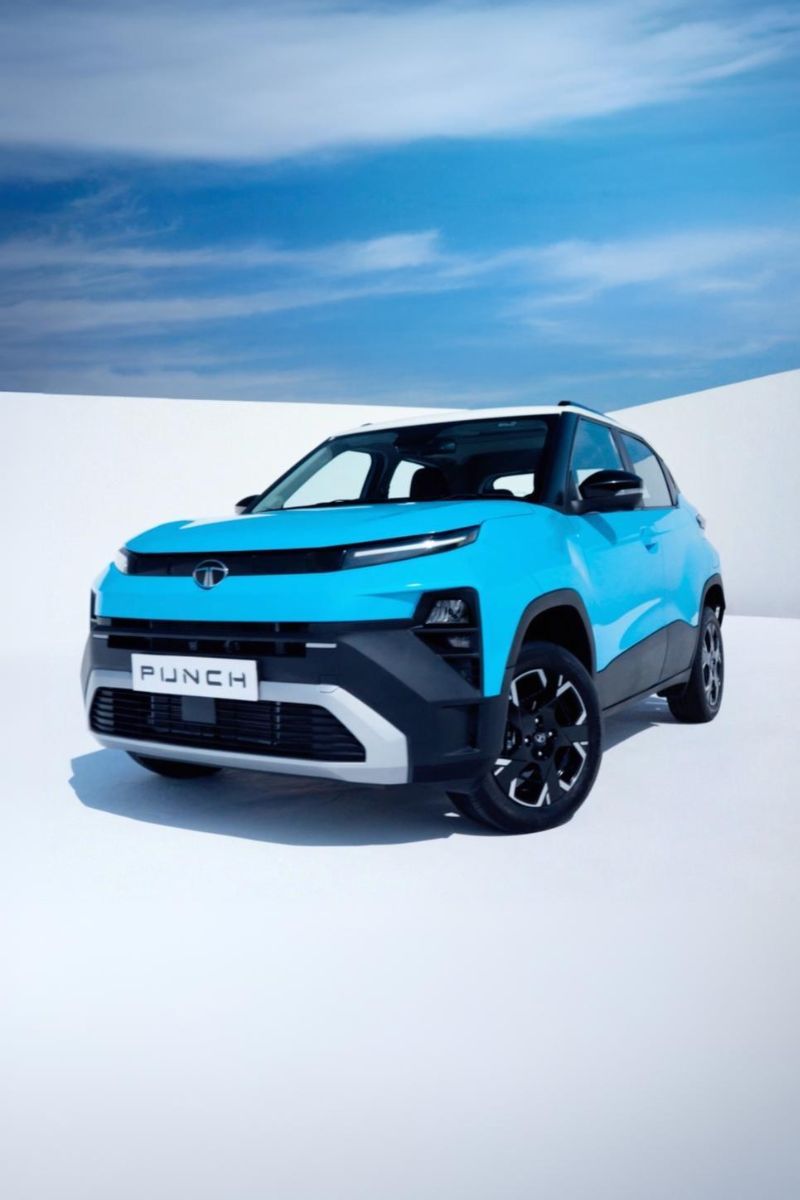
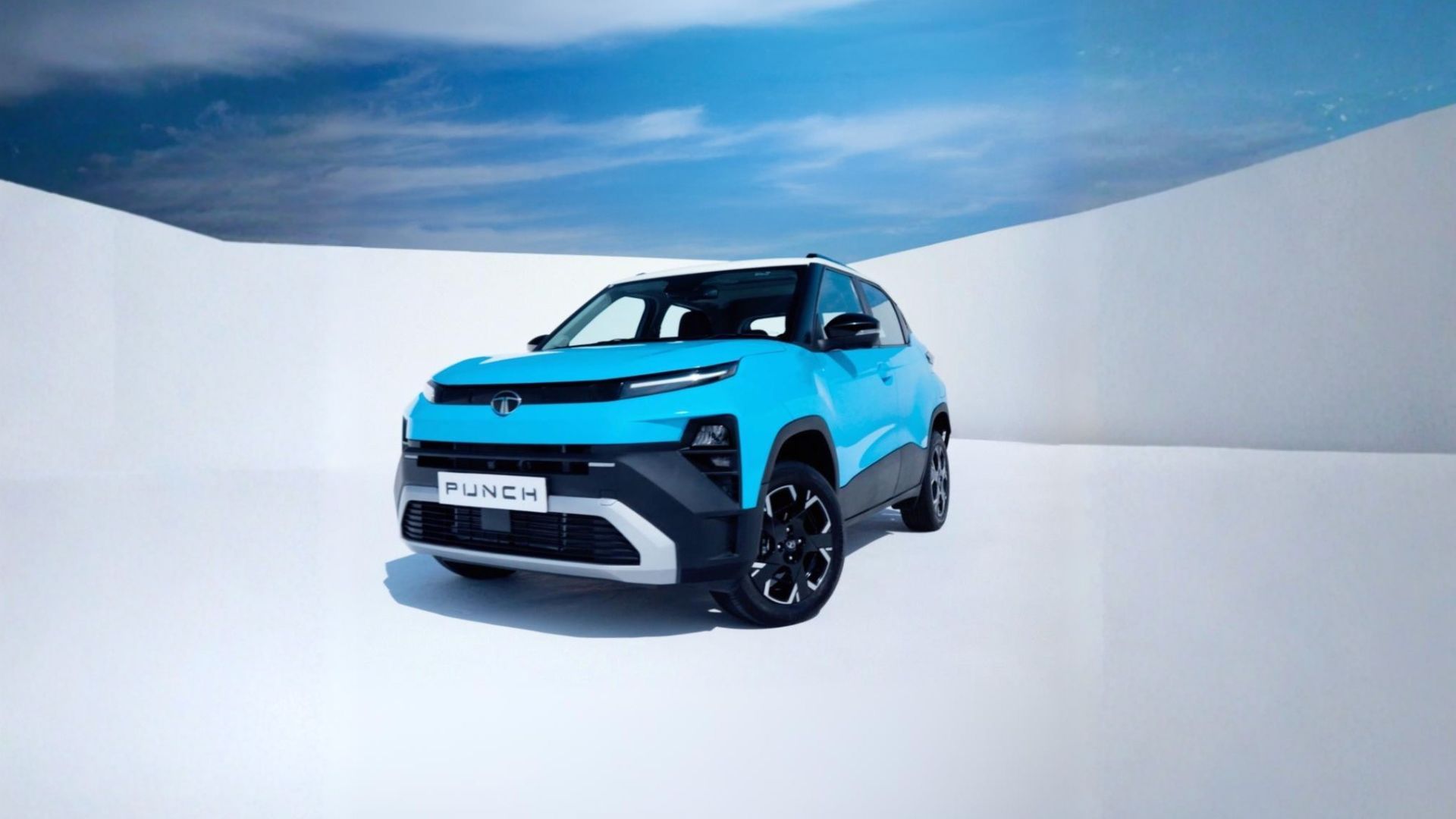
The 2026 Tata Punch facelift is a thorough transformation of India's favourite micro-SUV from a sensible daily driver into something with genuine dual personality disorder. With over 6 lakh units sold since 2021, Tata clearly understood the assignment: keep what works, fix what didn't, and give enthusiasts something to smile about. The addition of a turbo-petrol engine alongside a new CNG-AMT option means this pint-sized contender now speaks to two very different kinds of buyers—the weekend warrior and the weekday commuter.
That turbo engine changes everything
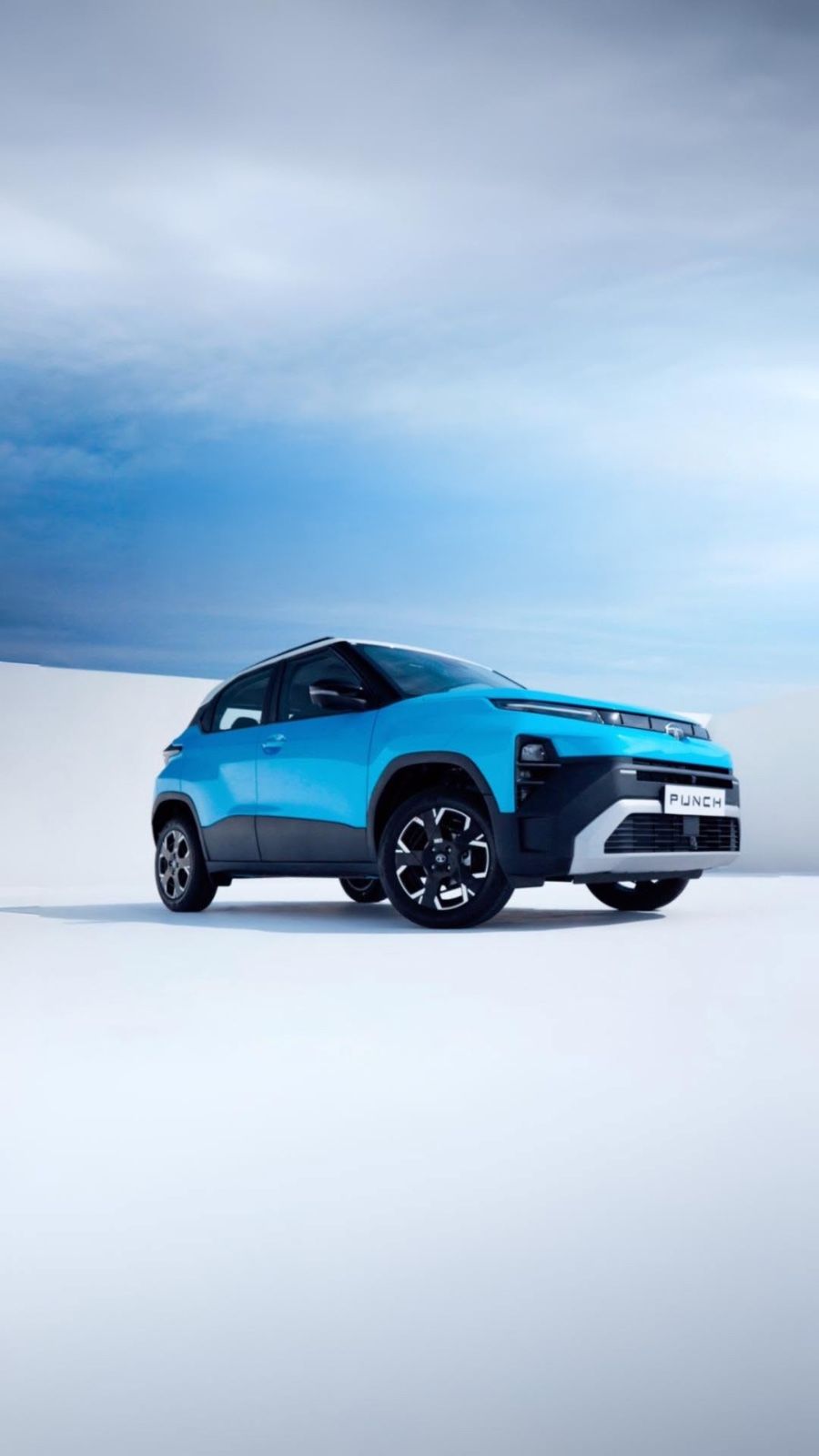
Slide into the driver's seat of the 1.2-litre turbo-petrol variant and the Punch feels like it's had several espressos. The 118 bhp and 170 Nm figures might look modest on paper, but paired with a kerb weight of just 1,100 kg, the power-to-weight ratio becomes genuinely entertaining. Acceleration is fantastic—the engine responds with the energy of an eager bunny, pulling strongly whether you're launching from a traffic light or executing highway overtakes. For the first time, the Punch feels quick rather than merely adequate.
The drama doesn't stop there. Dump the clutch aggressively and you can spin the wheels in first gear, second gear, and even third—something that sounds almost absurd for a car in this segment. This transforms the character from a straightforward daily to something that packs genuine occasional thrills. Cruising at triple-digit highway speeds now feels relaxed rather than strained, the sixth gear dropping revs to a comfortable cruise that makes long-distance journeys far less fatiguing.
But living with that turbo engine requires some adaptation. The clutch bite point sits unusually high, which makes bumper-to-bumper traffic jerkier than it needs to be—something that takes a while to master. The six-speed manual gearbox, while accurate, has notchy throws that feel at odds with the engine's enthusiasm. The mechanicals have a somewhat clunky feel; push hard and the three-cylinder note turns coarse, with vibrations occasionally reminding you through the steering wheel and pedals that refinement wasn't the priority here. These are acceptable compromises at the price point,but the engine genuinely deserves a slicker shift action. Critically, there's no automatic gearbox option for the turbo-petrol, which limits its appeal for urban buyers clocking heavy in-city mileage.
The CNG-AMT is a different animal entirely
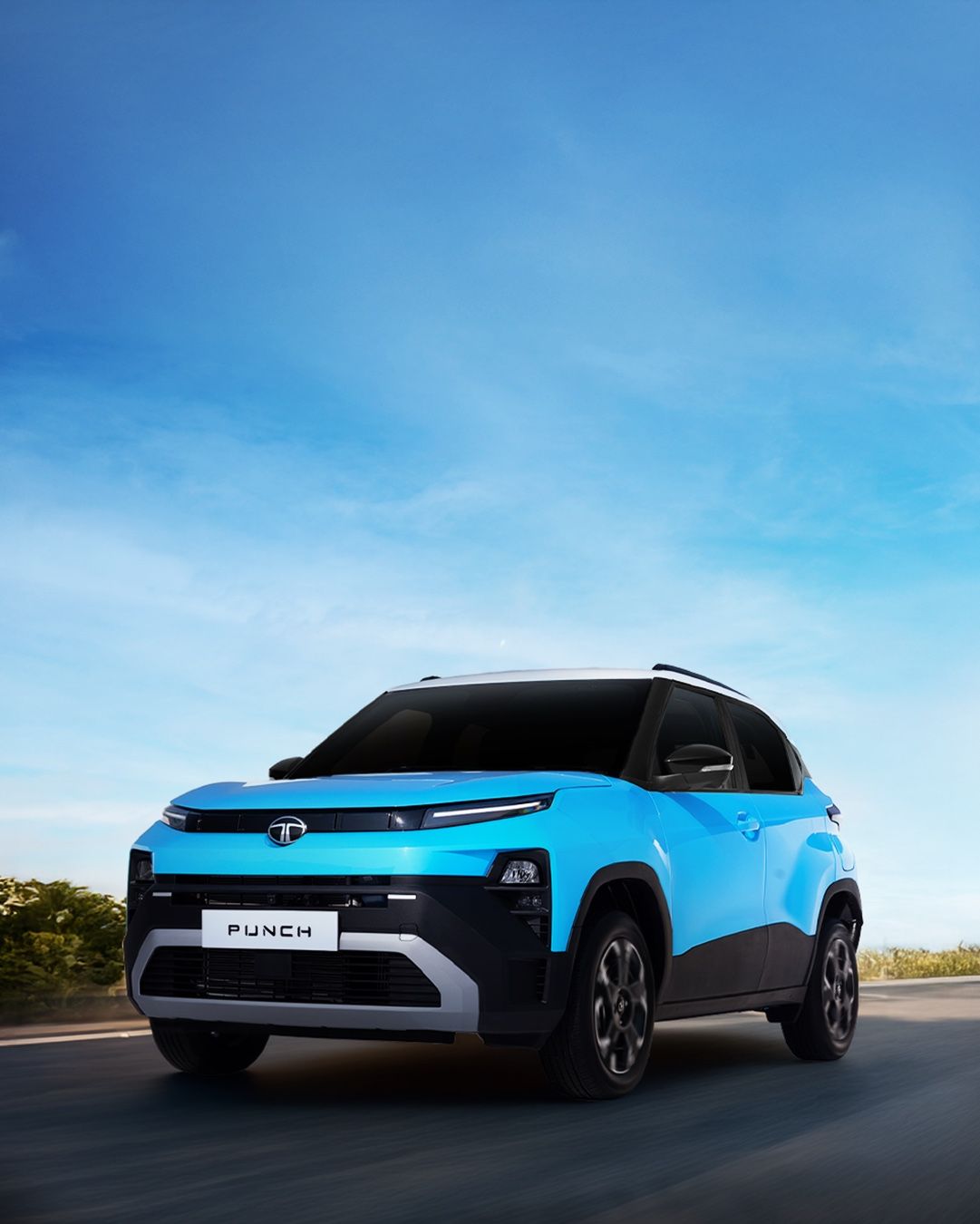
Switch to the CNG-AMT variant—a segment-first combination—and you're driving an entirely different philosophy. With 72.3 bhp and 103 Nm, performance takes a backseat to efficiency and convenience. The acceleration lag inherent to CNG is amplified by the automated manual transmission, meaning highway overtakes require careful planning and a downshift or two via the paddle shifters.
This isn't a criticism so much as an honest assessment of purpose. As a pure city car, the combination works beautifully. The twin-cylinder CNG technology preserves usable boot space, and for drivers focused on maximising mileage across daily commutes, school runs, and errand duty, the AMT fades into the background and lets you focus on traffic flow. The older buyer will appreciate the CNG and AMT convenience, while younger customers will gravitate toward the turbo— Tata has cleverly widened the net without confusing the proposition.
Taking on terrain it has no business conquering
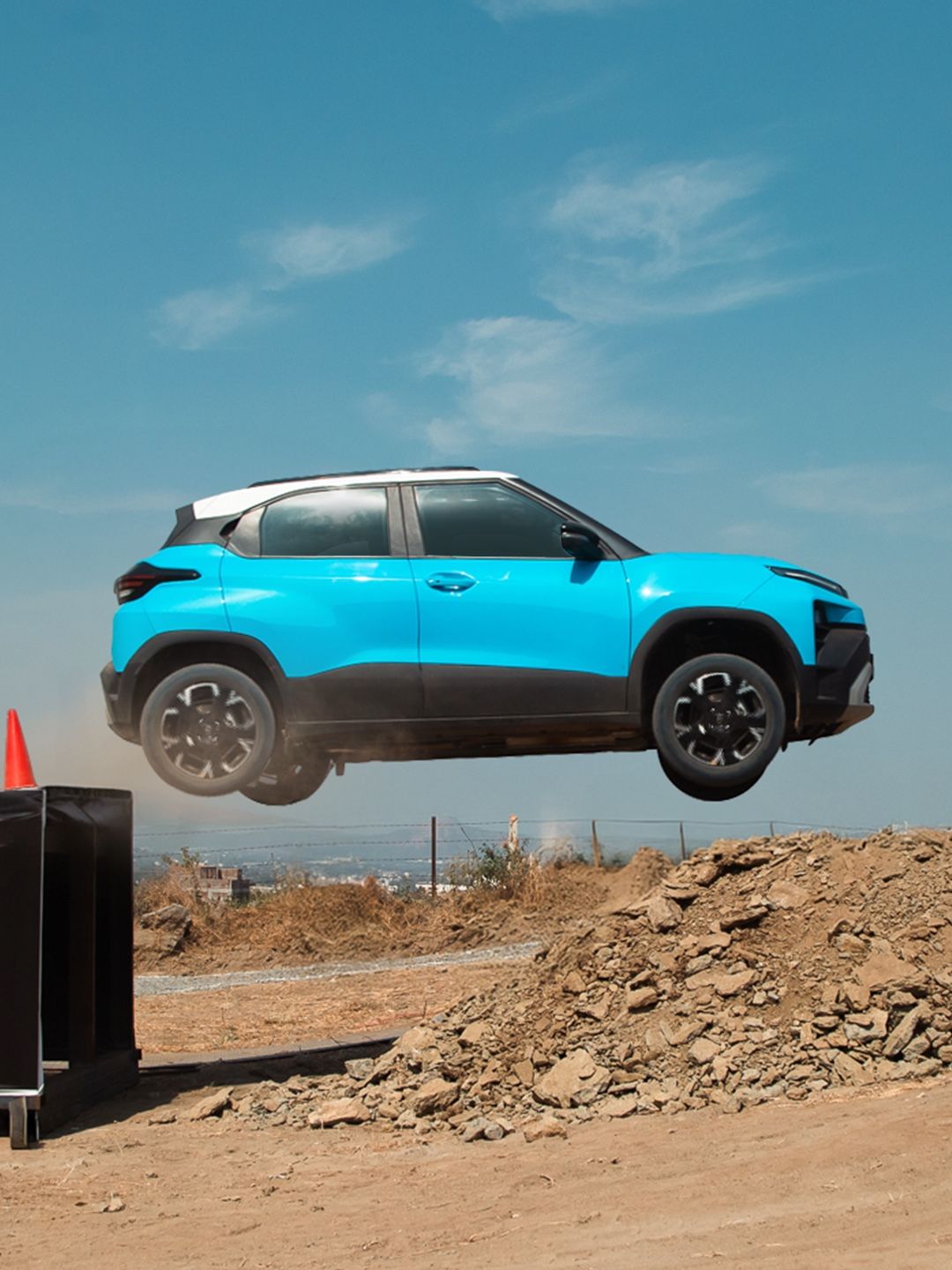
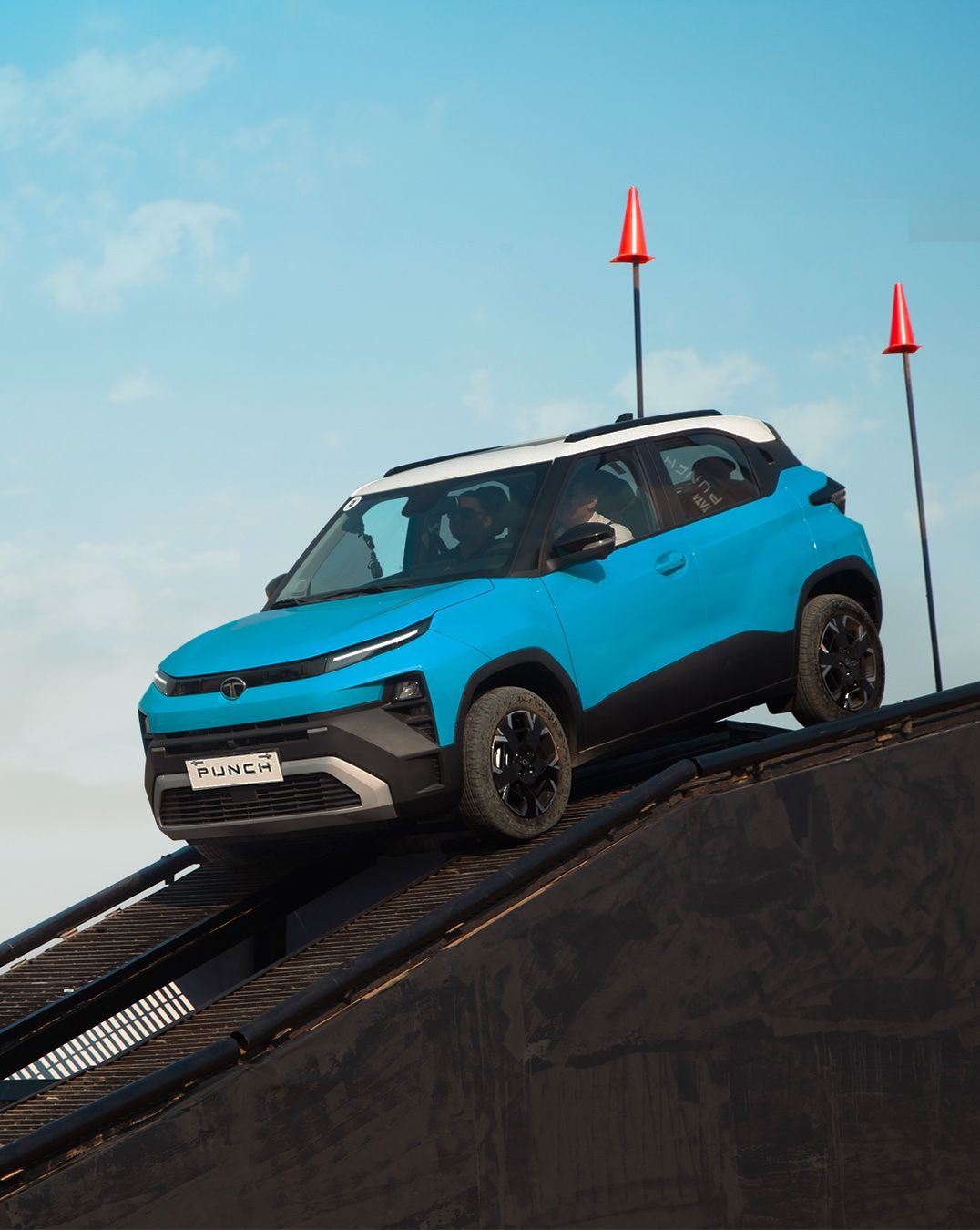
Tata organised a curated off-road course during the media drive in Pune, and what unfolded was quiet fun. Despite being a front-wheel-drive micro-SUV with no pretensions of being a proper 4x4, the Punch tackled the obstacles admirably. The 193mm ground clearance and 400mm water wading capacity translate to real confidence when the tarmac runs out.
Good approach and departure angles, courtesy of those stubby overhangs, mean steep inclines and sharp drops become manageable rather than terrifying. Hill Descent Control, available on higher variants, works smoothly when tested on the curated section. For Mumbaikars eyeing monsoon season with trepidation, or families planning weekend getaways that venture beyond paved roads, this compact footprint hides genuine go-anywhere capability. Don't go by its size—the Punch is decently capable in conquering trails that would give owners of bigger, heavier SUVs pause.
Where the Punch truly excels: Indian roads
The suspension tuning remains the Punch's secret weapon. The SUV simply glides through pothole-ridden roads, absorbing imperfections with composure that feels more in line with a larger, heavier vehicle. You can confidently drive nasty stretches without batting an eye, and even big potholes don'treally disturb the cabin. On highways, it feels planted at triple-digit speeds with no nervousness—the kind of bump absorption and confidence that remains unmatched in the segment. This was true of the previous Punch, and Tata wisely left well enough alone.
The elevated seating position delivers a commanding view, while the 90-degree opening doors make ingress and egress remarkably easy, particularly in tight parking spots. The steering is light enough to manoeuvre easily in the city while keeping the feedback rich enough to feel connected. There's mild body roll in corners given the tall stance, but nothing unsettling— the chassis has always punched above its weight, and the turbo engine finally does it justice.
Inside: meaningful upgrades where they matter
The cabin hasn't been revolutionised, but the changes that matter land well. The new 10.25-inch touchscreen is noticeably crisper and sharper, now with wireless Apple CarPlay and Android Auto. Extended under-thigh support on both front and rear seats—a first for the Punch—adds genuine comfort for longer journeys. After hours in the driving seat, fatigue doesn't set in the way it might in competitors.
A 360-degree camera with blind-spot monitoring that triggers when indicating, ambient lighting, wireless charging, and a 65W Type-C fast charging port bring the tech quotient up to modern expectations. The new two-spoke steering wheel with illuminated Tata logo and refreshed dual-tone upholstery add visual freshness. Three average-sized adults fit comfortably in the rear thanks to the nearly flat floor, though six-footers will find it snug.
The touch-based climate controls, however, require taking eyes off the road. The instrument cluster, while functional, doesn't feel as premium as the rest of the interior.
Value that's hard to argue with
Starting at ₹5.59 lakh for the base variant and stretching to ₹10.54 lakh for the fully-loaded CNG-AMT, the Punch positions itself as one of the most accessible turbo-petrol cars on sale while encroaching on territory occupied by lower variants of proper subcompact SUVs. The turbo kicks off at ₹8.29 lakh— just ₹40,000 more than equivalent naturally-aspirated variants while delivering significantly better performance.
A 5-star Bharat NCAP safety rating with six airbags standard across all variants addresses the safety-conscious buyer's checklist definitively. Tata has balanced features well according to price point, and for what you pay, this offers tremendous value.
The verdict: two cars, one compelling choice
The 2026 Punch facelift completes what the original started. The turbo variant delivers weekend thrills without sacrificing weekday usability, while the CNG-AMT serves cost-conscious commuters who prioritise efficiency over excitement. Both share the same exceptional ride quality, proven safety credentials, and compact dimensions that make urban life genuinely easier.
There are caveats—the mechanicals retain a clunky feel, quality remains inconsistent in places, and the electronics can be hit-or-miss. But there's now enough arsenal to fight for the top spot in the segment.


